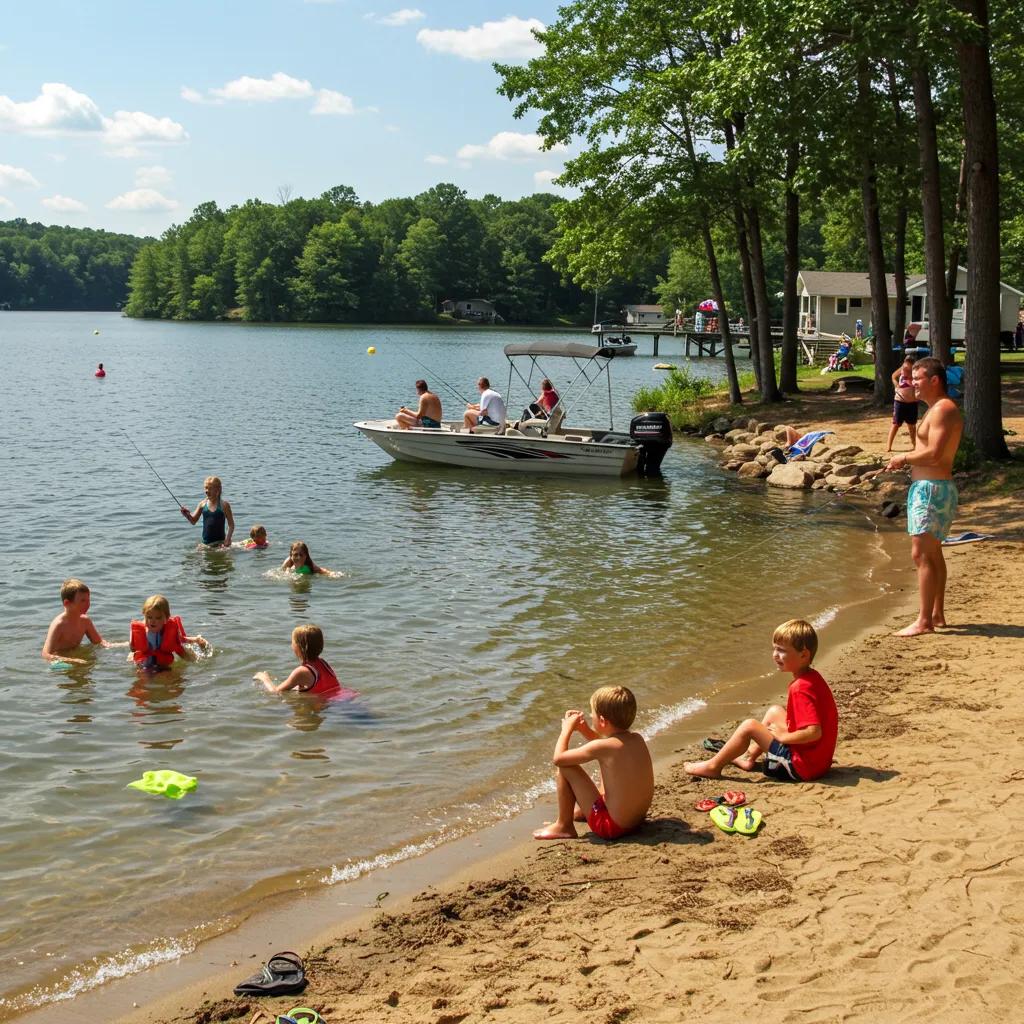
Discover Ohio State Campgrounds With Lakes and Rivers for Fishing and Swimming Adventures
Ohio’s lake and river shores are prime spots for family fun, offering fishing, swimming, and paddling adventures right from accessible campgrounds across the state. This guide helps campers find Ohio campgrounds with lakes or rivers perfect for fishing and swimming, explains what to expect from water-based recreation, and shares essential safety, species, and reservation tips for unforgettable stays. Many campers find it tough to compare private lake resorts, river access sites, and state park campgrounds, so we’ve put together clear comparisons, checklists, and examples to make your decision easier. You’ll learn which campgrounds shine for fishing lakes, where families can safely take a dip, how river access differs from lakefront spots, and which state parks offer reliable amenities and straightforward booking. We also dive into family programs and local attractions, featuring a practical example of a private option—Ridge Ranch Campground by GatherGrounds—to show you how booking and lake amenities work. Keep reading for curated lists, comparison tables, and safety advice to plan your next Ohio water adventure.
What Are the Best Ohio Campgrounds With Fishing Lakes?
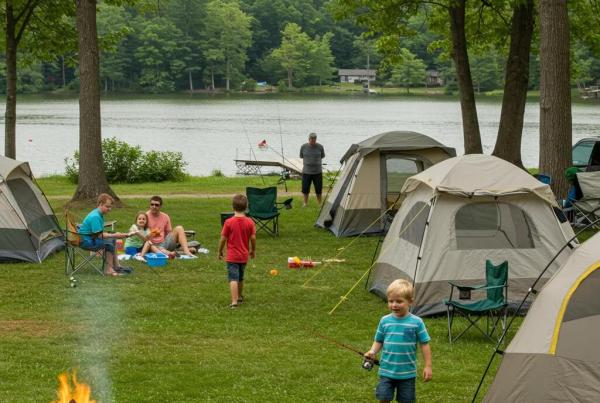
A campground with a fishing lake means you’ll have easy access from the shore or a boat, find stocked or naturally thriving fish populations, and often enjoy extra perks like rentals or beach areas to make your day on the water both successful and comfortable. These campgrounds are designed to blend safe shorelines, boat or paddlecraft access, and nearby campsite conveniences, allowing anglers and families to switch between fishing and swimming with ease. Choosing a lake campground offers advantages like simple gear setup, accessible shore fishing for kids, and more predictable water conditions compared to river currents. Here’s a quick look at the top types of lake campgrounds anglers often seek, followed by a comparison table to help you weigh lake size, beach access, and rental options.
Top private and state options for lake fishing usually include a mix of stocked lakes, natural lakes, and privately managed resort lakes:
- Private lakefront campgrounds offering on-site boat or paddle rentals, making family outings a breeze.
- State park campgrounds that pair large lakes with convenient boat launches and designated fishing zones.
- Small community or regional lake campgrounds focusing on shoreline fishing and easy shallow-water access.
This list helps campers narrow down their choices before diving into specific comparisons and reservation details in the table below.
Campgrounds vary in lake size, beach availability, and rental services to suit different family or angling priorities.
This table clarifies how lake size and available services influence activity choices, helping anglers pick campgrounds that align with their priorities before exploring state regulations and species information.
Which Fish Species Can You Catch in Ohio Lakes?
Ohio lakes are home to a common array of freshwater fish—largemouth bass, bluegill, crappie, channel catfish, and walleye—that anglers pursue throughout the seasons using various techniques for enjoyable family trips. Fish populations depend on lake depth, food availability, and stocking schedules, so anglers targeting bass will look for structure during warmer months, while walleye enthusiasts prefer spring and fall. Practical benefits include predictable feeding times and specific gear recommendations: light spinning tackle for bluegill, medium-action rods for largemouth, and medium-heavy setups for catfish. Understanding seasonal fish behavior boosts catch rates and helps families plan a mix of activities, like swimming in the afternoon followed by fishing in the early evening.
Knowing the fish species and their seasonal patterns leads directly to understanding the regulations designed to protect fish populations and guide what anglers need to know and carry.
What Are the Fishing Regulations at Ohio Campgrounds?
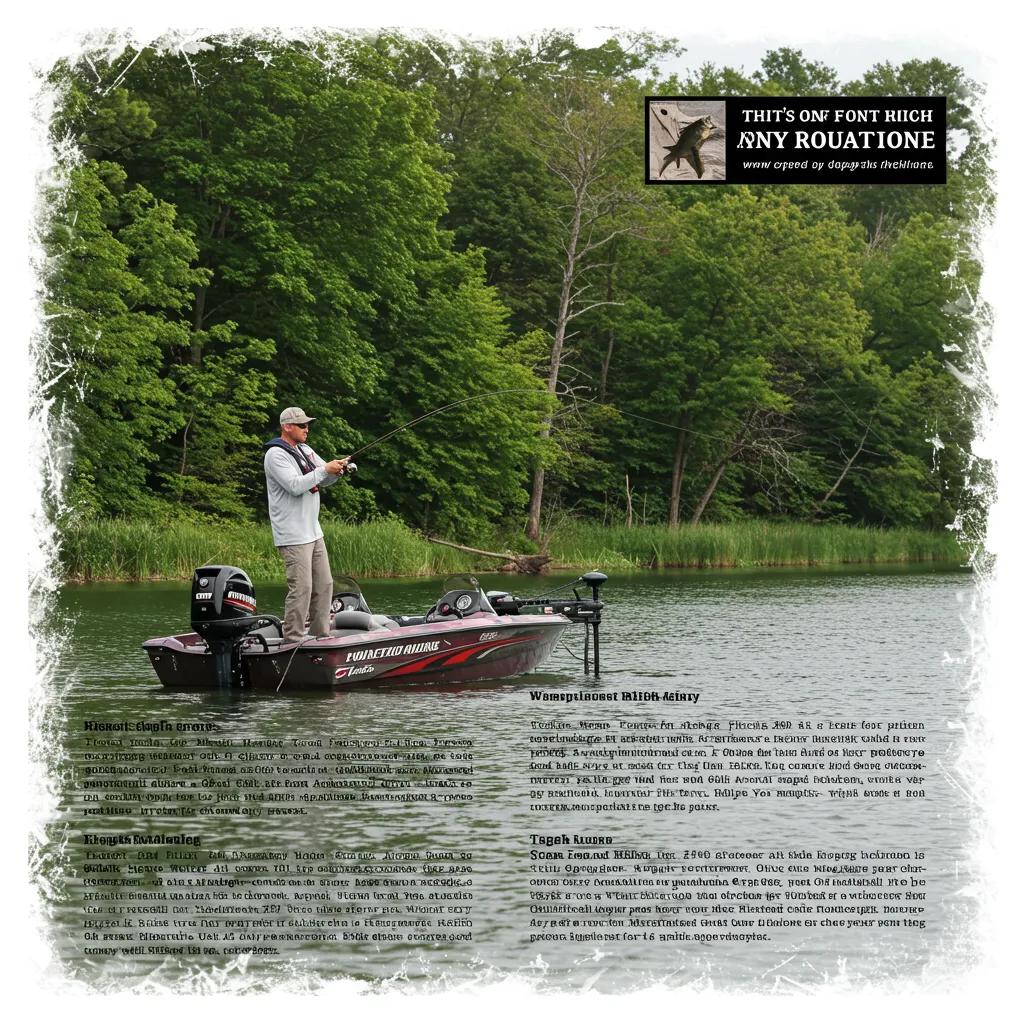
Fishing in Ohio requires following state license rules, size and catch limits, and any specific campground policies for shore or boat fishing to protect natural resources and ensure guest safety. The Ohio Department of Natural Resources sets statewide licensing and season regulations, and campers should always check current requirements before their trip to avoid violations and support sustainable fisheries. Private campgrounds might have additional rules, such as catch-and-release zones, bait restrictions, or designated fishing shorelines, to balance safety and conservation with recreation. Always confirm both state regulations and campground policies in advance to ensure you’re compliant and have a hassle-free angling experience.
Confirming regulations ahead of time allows anglers to prepare their gear and secure the necessary permits for their planned fishing activities.
How to Prepare for a Fishing Trip at Ohio Campgrounds?
Getting ready for a lake fishing trip means packing essential gear, prioritizing safety, and considering options for families who might need rentals or child-friendly equipment for a comfortable day by the water. Pack a basic kit including rods, lures or live bait, polarized sunglasses, and tackle organized for the species you aim to catch; don’t forget life jackets, sun protection, and a first-aid kit for family safety. If you’re not bringing a boat, look for campgrounds that offer paddleboat or canoe rentals to expand your access; these rentals allow families to explore calm coves and enjoy combined fishing and swimming days. Lastly, remember shoreline etiquette—keep your lines clear of swimmers, respect posted swim zones, and practice leave-no-trace principles to keep the lake pristine for everyone.
This handy checklist helps campers prepare for both angling and family fun at lake campgrounds.
- Pack essential fishing gear, polarized glasses, and tackle suited to your target species.
- Bring life jackets, sun protection, and a basic first-aid kit for family safety.
- Check for available rentals like paddleboats or canoes if on-site boating is desired.
- Review campground and state regulations to ensure you have the proper licenses and permitted gear.
This checklist ensures families and anglers arrive fully prepared, minimizing last-minute equipment issues that could cut into your time on the water.
Where Can Families Enjoy Lakefront Camping With Swimming in Ohio?
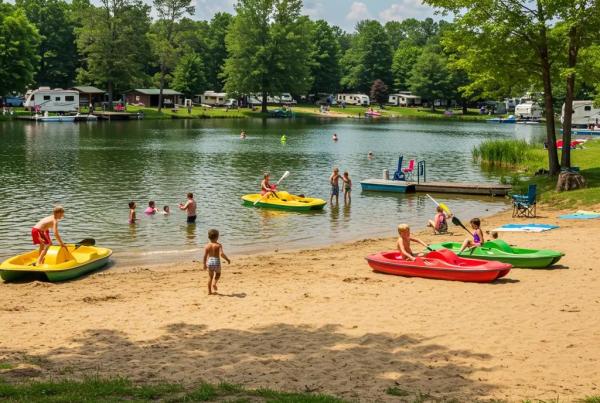
Lakefront camping for families offers a perfect mix of safe swimming spots, comfortable amenities, and recreational activities to keep kids entertained while adults relax or fish from the shore. Family-friendly lakefront sites usually feature sandy beaches, supervised swim decks or designated swimming zones, nearby restrooms and showers, and on-site activities to keep children busy between dips. The key to a family-ready lakefront campground is the combination of clean swim areas, amenities that simplify logistics, and programming or rentals that fill the day with both structured fun and free play. Families benefit from low-stress days by choosing campgrounds with easy beach access and extras like rental boats and playgrounds that can occupy younger visitors while parents fish.
Here’s a quick amenities checklist to help you evaluate family suitability before booking.
- A sandy or well-maintained beach with clear swim boundaries and shallow entry for little ones.
- Restroom, shower, and changing facilities conveniently located near the beach.
- Playgrounds, sports courts, or scheduled family events to complement water activities.
Families should prioritize beach safety and amenities when planning multi-day stays to balance relaxation, play, and water time.
What Amenities Make Lakefront Camping Comfortable for Families?
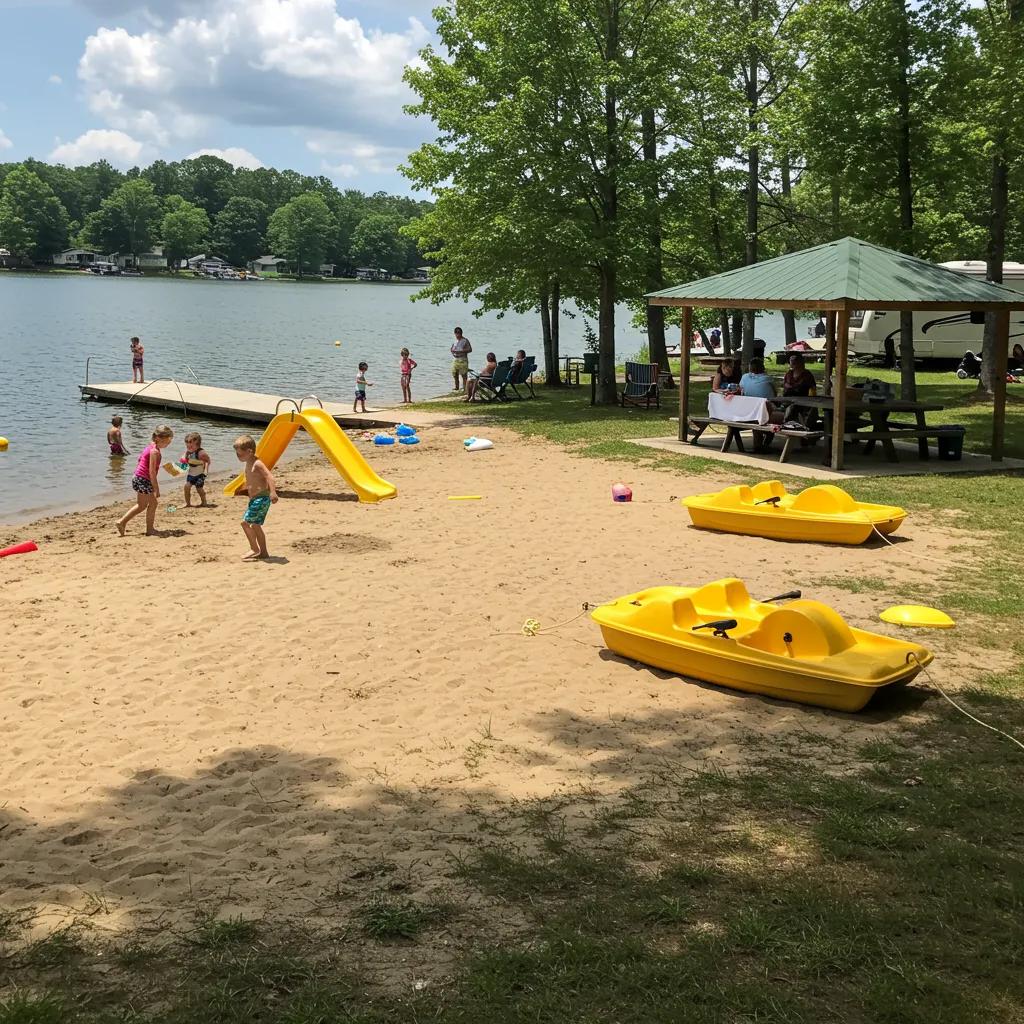
Comfortable family lakefront camping hinges on good sanitation, shade, play spaces, and convenient services that make caring for kids outdoors easier. Key amenities include clean restrooms and showers, shaded picnic areas, a camp store for essentials, and designated play zones where children can safely burn off energy away from the water’s edge. On-site rental options—like paddleboats and canoes—add variety for older kids, while supervised events offer structured entertainment during busy weekends. Ridge Ranch Campground by GatherGrounds is a prime example of family-focused comfort, offering a sandy beach, a spacious swimming deck, paddleboat and canoe rentals, and play areas that help parents easily switch between supervision and recreation.
These amenities collectively create a practical home base for families seeking predictable comfort while enjoying lake activities.
How Safe Are Swimming Beaches at Ohio Campgrounds?
Swimming beach safety depends on water quality monitoring, clear signage, lifeguard presence where available, and active parental supervision to manage risks for children. Campgrounds may test water quality seasonally and post advisories if conditions change; lifeguards are more common at larger private lakes or resort-style beaches but aren’t guaranteed everywhere, so families should confirm safety measures beforehand. Simple precautions—like life jackets for weaker swimmers, swim buddies, and clearly marked boundaries—help reduce drownings and incidents near beaches and decks. Understanding local monitoring and emergency procedures empowers families to make informed decisions about where and how long children swim during their stay.
Proactive safety planning at the beach naturally leads to exploring other water activities that engage families without compromising safety.
What Water Activities Are Available Besides Swimming?
Lakefront campgrounds typically offer paddleboats, canoeing, kayaking, paddleboarding, shoreline play, and organized land-based activities that complement swimming and fishing options for families. Rentals make these activities accessible for families without their own watercraft, allowing for safe, shallow-water paddling experiences suitable for various ages and skill levels. Organized events—such as guided nature paddles or family game nights—add structure to days when weather might limit swimming or fishing. Safety reminders for these activities include wearing life jackets, providing simple skill briefings for kids, and choosing calm coves for novice paddlers to match their abilities.
Families that combine low-risk paddle activities with supervised swimming can create a full day of water fun without tiring out young children.
Which Ohio Campgrounds Offer River Access for Fishing and Swimming?
River-access campgrounds provide opportunities for shore fishing, wading, and sometimes boat launches for canoes or kayaks, but they differ from lakefront sites due to currents, variable depths, and river terrain, which present unique safety and angling challenges. River campgrounds work by offering access points—such as beach-like banks, rocky outcrops, or managed launches—that support activities but require heightened awareness of currents and water flow. The advantage of river camping includes diverse fishing opportunities for species that thrive in moving water and scenic paddling routes. Below is a table comparing common river access types and the facilities campers can expect when staying near Ohio rivers.
River access types range from gentle, supervised swim areas to flowing launch zones suitable for experienced paddlers and anglers.
This table clarifies how different access types affect safety needs and what facilities support each style, helping campers choose sites that match their skills and family requirements.
What Are the Top Rivers for Camping and Fishing in Ohio?
Several Ohio rivers attract campers for fishing and paddling due to their accessible campsites combined with productive pools and riffles that support species like smallmouth bass, trout (in stocked or cold-headwater sections), and catfish. Each river offers a distinct experience: some have calm summer pools perfect for family wading and shoreline fishing, while others provide longer paddling routes for canoe trips and access to more remote fishing spots. Campers should match their river choice to their desired activities—opt for a calm, shallow stretch for young children and a deeper trout run for anglers seeking cooler-water species. Local river conditions change seasonally, so checking recent water levels and permitted access points ensures a safe and targeted river outing.
Selecting the right river segment is directly linked to understanding how river campgrounds differ from lakefront sites in terms of shoreline and supervision needs.
How Do River Access Campgrounds Differ From Lakefront Sites?
River access campgrounds primarily differ in their shoreline dynamics, presence of currents, and variable water depths, all of which impact swim safety, boat handling, and fishing locations. Rivers typically have moving water that demands closer supervision for children, consistent use of life jackets, and awareness of entry and exit points, whereas lakes often feature predictable, still-water beaches that are easier for unsupervised play. Boat access on rivers may favor carry-in canoes or kayaks over motor launches, making logistics different for families bringing larger vessels. These distinctions influence packing choices, supervision strategies, and activity selection to match family skill levels for a safer, more enjoyable stay.
Being clear about these differences helps campers plan appropriate equipment and supervision before they arrive.
What Safety Tips Should Campers Know for River Swimming?
River swimming safety focuses on assessing current strength, using life jackets for weaker swimmers, entering the water at gradual points, and avoiding underwater hazards like submerged trees or sudden drop-offs. Campers should always scout entry and exit spots from the shore, test the depth and current with a pole or by wading before allowing children to swim, and designate an adult watcher who isn’t distracted by phones or other tasks. When paddling, use reliable flotation devices, carry river-appropriate throw bags or rescue gear, and avoid floating after heavy rains or during high-flow periods. Additionally, be aware of local emergency procedures and the nearest accessible roads for help should an incident occur.
Following these river-specific safety measures significantly reduces risk and builds family confidence when choosing river campgrounds.
How Does Ridge Ranch Campground Stand Out Among Ohio Lakefront Campgrounds?
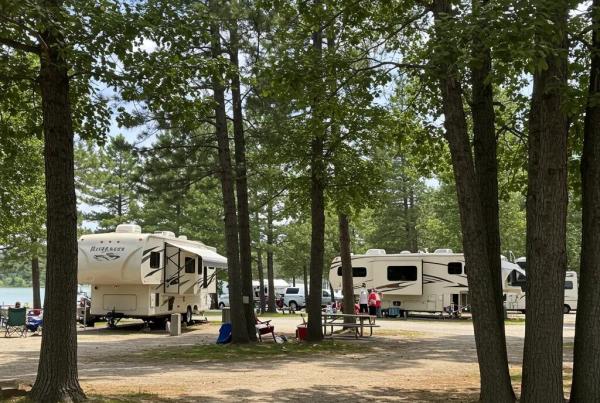
Ridge Ranch Campground by GatherGrounds distinguishes itself as a private, family-oriented campground featuring a 17-acre lake, a sandy beach, an expansive swimming deck, and on-site paddleboat and canoe rentals, making water days effortless for families and anglers alike. The lake is perfect for both fishing and supervised swimming, designed with shallow beach areas for children and slightly deeper spots for anglers. Ridge Ranch combines family programming with weekend events and offers spacious RV sites—many with full hook-ups—so groups can enjoy comfort and activities without long drives to water access. These features create a cohesive destination experience where water access, rentals, and family entertainment are coordinated to simplify planning for multi-generational stays.
Here are specific water activities and amenity highlights that showcase how Ridge Ranch operates as a premier lakefront destination.
What Water Activities Does Ridge Ranch Lake Offer?
Ridge Ranch Lake provides a variety of activities including swimming, shoreline fishing, and non-motorized paddling through paddleboat and canoe rentals, allowing families to explore calm coves and enjoy gentle lake excursions. The sandy beach and expansive swimming deck create safe, supervised swim zones suitable for children, while anglers can cast lines from the shore or from small rental craft in designated areas. These activities complement each other—kids can play on the beach while adults take turns fishing or paddling—enabling groups to tailor their day to mixed interests without leaving the property. The on-site rentals and clearly defined swim deck simplify logistics and reduce the need to transport personal watercraft.
These water amenities offer a practical model for families seeking a single-location solution for both swimming and lake fishing.
What Family-Friendly Events and Amenities Are Available at Ridge Ranch?
Ridge Ranch hosts planned family events like DJ nights, karaoke, bingo, and craft activities, providing scheduled entertainment options, while playgrounds and sports courts offer continuous engagement for children. These evening programs and daytime activities offer structured choices that complement water recreation, allowing families to balance supervised swim time with group entertainment. On-site conveniences include a camp store, restrooms, and spacious sites that make coordinating multi-family gatherings easy without complex logistics. Ridge Ranch is also planning future attractions, including a Wibit waterpark and an arcade set to open in 2026, which will enhance its resort-style appeal and attract families looking for activity-packed stays.
These amenities and events reduce planning stress and increase the variety of activities families can enjoy without additional travel.
How Can Campers Book Their Stay at Ridge Ranch Campground?
To reserve a campsite at Ridge Ranch Campground by GatherGrounds, campers simply select their desired site type, dates, and party size through the campground’s reservation system and follow the prompts to confirm an RV or tent site with the amenities they need. Typical steps involve choosing an arrival and departure date, selecting an available site category (like spacious RV sites with full hook-ups), and completing the reservation to secure their spot, especially during peak times. Campers should plan ahead for weekends and holidays when family events draw larger crowds, and consider site preferences near the lake or activity hub for convenience. A clear booking call to action is readily available through Ridge Ranch’s reservation channel for those ready to secure a lakeside stay.
Booking early and choosing the right site type helps families align their lodging with planned water activities and on-site events.
What Are the Best Ohio State Park Camping Options With Swimming and Fishing?
Ohio state parks frequently feature large lakes or reservoirs with managed swim areas, official boat launches, and fishable shorelines maintained under statewide conservation guidelines, offering reliable water quality monitoring and straightforward reservation systems. State parks operate by centralizing water recreation with park-managed facilities—boat ramps, designated swim beaches, and ranger oversight—that ensure consistent standards for safety and conservation. The result is dependable infrastructure for anglers and families who prefer public stewardship and formal regulations over private resort amenities. Below is a quick reference table comparing several state park amenities and reservation notes to help campers decide between public and private options.
State parks typically prioritize conservation, standardized amenities, and broad recreational access, making them an excellent choice for campers seeking regulated water activities.
This table helps compare state park features against private resort-style offerings and clarifies the reservation steps for public sites.
Which State Parks Feature Lakes and Rivers for Water Activities?
Notable state parks across Ohio offer well-developed lakes and river corridors with clear swim areas, boat ramps, and trail networks that complement camping; these parks cater to anglers seeking larger bodies of water and families who prefer managed swim zones. State-managed lakes often boast large surface areas and multiple campgrounds spread around the water, allowing campers to choose between more remote or more amenity-rich sites. River corridor parks may focus on paddling routes and carry-in access, differing from the broad swim beaches found at reservoir lakes. Campers benefit from state monitoring of water quality and official resources to plan safe, regulation-compliant trips.
Knowing whether you prefer reservoir beaches or river paddles will guide your choice of state park for your trip.
How Do State Park Amenities Compare to Private Campgrounds?
State parks emphasize preserved natural areas, standardized amenities, and broad public access, while private campgrounds often focus on resort-style comforts, programmed events, and on-site rentals that enhance family convenience. State parks typically offer lower entry fees and conservation-focused management but may have fewer entertainment options and limited hookups; private resorts provide more services like camp stores, planned activities, and watercraft rentals. Reservation flexibility also varies—state systems use official portals with specific booking windows, while private campgrounds might use their own booking platforms and offer different cancellation policies. Evaluating these trade-offs helps families decide between cost-and-nature-focused stays versus amenity-rich, program-driven experiences.
These comparative differences help determine which type of campground best aligns with a family’s priorities for comfort, cost, and programmed entertainment.
What Are the Reservation Processes for Ohio State Parks?
Reserving a state park campsite usually involves using the state reservation portal, selecting dates and site type, and confirming details like vehicle counts and hookups well in advance for peak season. Campers should be aware that state parks often have fixed booking windows and may require separate permits or fees for certain activities, so plan accordingly to secure both camping and water access. Cancellation policies differ by park and season—check park-specific pages for the latest rules and be prepared with alternative dates if peak periods are already full. Early planning and using official portals ensure access to regulated swim beaches and managed launch facilities during busy summer months.
Following the state reservation process minimizes surprises and helps families coordinate both campsites and planned water activities.
What Family Activities and Events Enhance the Camping Experience in Ohio?
Family events and outdoor programming enrich a camping trip by offering scheduled entertainment that complements independent play and water activities, transforming a campsite into a destination for families seeking shared experiences. These activities are delivered through campsite programming—like evening games, crafts, or DJ nights—that engage children and foster social connections among families. The result is a more memorable stay with opportunities for structured engagement alongside free play on beaches and courts. Below are common event types and facility offerings that families can expect at many Ohio campgrounds, aiding in planning and booking decisions.
Knowing the common event types helps families choose stays that match their desired energy levels and engagement preferences for children.
Which Campgrounds Host Regular Family Events and Entertainment?
Many private and some public campgrounds schedule weekend events such as DJ nights, bingo, karaoke, and craft sessions to provide consistent entertainment and community engagement for families. Event scheduling typically focuses on peak season weekends and holidays, so families should check event calendars or inquire when booking to align their visits with preferred programming. These events can increase campsite demand and sometimes involve small fees or sign-up requirements, so factor these into your planning. Choosing a campground with regular event programming offers a reliable option for families who enjoy organized activities alongside water-based recreation.
Event planning considerations naturally align with how recreation facilities like playgrounds and sports courts complement water activities.
What Outdoor Sports and Play Areas Are Common at Ohio Campgrounds?
Campgrounds commonly feature playgrounds, horseshoe pits, volleyball and basketball courts, and open fields that allow families to mix active sports with beach time and casual games among campsite neighbors. These facilities support age-appropriate activities—toddler play areas for younger children, courts for teens, and open fields for group games—helping families structure full days that balance swimming, playing, and resting. Safety practices, such as supervising young children near courts and establishing clear boundaries near water, ensure activities remain low-risk. When these sports areas are paired with scheduled events, families gain a well-rounded itinerary that keeps children engaged throughout their stay.
Combining structured events with open-play facilities enhances the value for families seeking variety without extensive travel.
How Do Future Attractions Like Waterparks Impact Family Camping?
Planned additions like a Wibit waterpark or an on-site arcade can influence booking behavior by increasing demand and shifting guest expectations toward more in-resort entertainment options rather than off-site excursions. Such attractions draw families seeking activity-rich experiences and can boost weekend occupancy, necessitating earlier reservations and potentially higher peak-season rates. The benefit for families is deeper on-site engagement and fewer logistics for day trips, while the potential downside includes larger crowds and less tranquility on busy dates. Planning around new attraction openings—booking early and choosing quieter weekdays when possible—helps families balance excitement with their preference for crowd levels.
Anticipating these changes helps families time their trips and select dates that align with their desired energy and tolerance for crowds.
How Can Campers Explore Local Ohio Attractions Near Lake and River Campgrounds?
Exploring local attractions near campgrounds adds variety to a camping trip—day hikes, cultural visits, and family outings in nearby towns can diversify itineraries and provide backup plans for inclement weather. Local hubs near campgrounds often include state parks with trails, cultural sites like markets or historic districts, and family-friendly dining options and seasonal events that complement water-based recreation. Planning short day trips conserves energy for main water activities while broadening the trip’s appeal for older children and adults. Below are practical suggestions for identifying nearby attractions and structuring short local itineraries.
Balancing days by the water with local outings keeps multi-day trips engaging and accessible for families with diverse interests.
What Nearby State Parks and Hiking Trails Are Accessible From Campgrounds?
Nearby state parks typically offer trail systems ranging from easy loops suitable for families to longer hikes for more adventurous groups, providing scenic alternatives to lake days and opportunities for wildlife viewing and photography. Family-friendly trail recommendations should focus on shorter distances, shaded routes, and interpretive markers that educate children while offering safe, manageable hikes. Trails also provide an excellent off-water activity option during windy or stormy days, giving families a contingency plan that keeps kids active and connected to nature. Checking trailhead access and parking before setting out avoids delays and helps families choose routes appropriate for their stamina and skill levels.
Integrating short hikes with water activities creates a varied itinerary that appeals to all age groups.
How Can Visitors Experience Ohio Amish Country and Cultural Sites?
Visiting regional cultural sites like local markets or Amish Country requires sensitivity and planning—prioritize respectful behavior, observe local customs, and consider guided tours to gain context and support local businesses. Cultural visits can complement nature-focused stays by offering food markets, craft shops, and historical exhibits that provide a more relaxed pace compared to active water days. Families should plan their timing to avoid peak market hours and identify child-friendly stops, such as farm demonstrations, that engage younger visitors. Combining cultural stops with an afternoon at a nearby beach can create a balanced, multi-dimensional trip.
A respectful cultural visit enhances understanding of regional traditions while offering families alternative activities.
What Are the Top Things to Do in Newton Falls and Surrounding Areas?
Newton Falls and its neighboring communities offer seasonal events, family dining options, and convenient services that support campground stays, providing practical reasons to plan a short town visit during a lakeside trip. Local highlights often include casual restaurants, grocery stores for supplies, and small-town events that coincide with campground weekends; these services reduce travel time and allow families to focus more on recreation. Planning visits around local event schedules can lead to unexpected delights like fairs or markets that appeal to children. For families staying at nearby private campgrounds, incorporating a quick town stop for supplies or a leisurely meal complements full days spent at the lake.
Efficiently utilizing nearby town resources enhances comfort and convenience for multi-day camping experiences.
Frequently Asked Questions
What should I consider when choosing between lakefront and river access campgrounds?
When deciding between lakefront and river access campgrounds, consider factors like water safety, current strength, and the types of activities you enjoy most. Lakefront sites typically offer calmer waters, making them ideal for families with young children, while river access sites might provide more diverse fishing opportunities but require careful supervision due to currents. Also, think about the available amenities, such as swimming areas, boat rentals, and recreational facilities, to ensure they match your family’s needs and preferences.
Are there any specific safety measures for children at campgrounds?
Yes, safety measures for children at campgrounds include ensuring they wear life jackets when near water, establishing clear swim boundaries, and maintaining constant adult supervision. It’s also crucial to educate children about water safety, such as avoiding running near the water’s edge and recognizing potential hazards. Campgrounds often have designated swim areas and lifeguards, but parents must always remain vigilant and aware of their children’s activities, especially in unfamiliar surroundings.
What types of rentals are typically available at Ohio campgrounds?
Ohio campgrounds often offer a variety of rental options to enhance your camping experience. Common rentals include paddleboats, canoes, kayaks, and fishing gear, allowing families to explore the water more easily. Some campgrounds may also rent bicycles, tents, and camping equipment for those who prefer not to bring their own. Checking with the campground in advance can help you secure the necessary rentals and ensure availability during your stay.
How can I find local attractions near my campground?
To discover local attractions near your campground, consider using online resources like tourism websites, campground brochures, or local visitor centers. Many campgrounds provide information on nearby state parks, hiking trails, cultural sites, and family-friendly activities. Additionally, asking campground staff or fellow campers for recommendations can lead you to hidden gems in the area. Planning short day trips can enrich your camping experience by adding variety and adventure to your itinerary.
What are the benefits of booking a campground with family programming?
Booking a campground with family programming offers several advantages, including structured activities that keep children engaged and entertained. These programs often feature games, crafts, and themed events that encourage social interaction among families. Furthermore, organized activities can allow parents to relax while their children participate in supervised fun. This balance of structured and free play enhances the overall camping experience, making it more enjoyable for families of all ages.
What should I pack for a family camping trip focused on water activities?
When packing for a family camping trip centered around water activities, include essential items like life jackets, sunscreen, towels, and swimwear. Don’t forget fishing gear, polarized sunglasses, and a first-aid kit for safety. If you plan to rent equipment, check with the campground about available rentals. Also, bring snacks and drinks to keep everyone energized during your adventures. A well-prepared packing list ensures a smooth and enjoyable experience for the entire family.
Conclusion
Exploring Ohio’s campgrounds with lakes and rivers offers families a unique blend of fishing, swimming, and outdoor adventure, ensuring memorable experiences for all ages. By understanding the amenities, safety measures, and local attractions, campers can make informed decisions that enhance their stay. Whether you prefer the tranquility of a lake or the excitement of a river, there are options tailored to your family’s needs. Start planning your next adventure today by checking out our comprehensive campground listings!