

Discover Hidden Ohio Campgrounds: Tips for Finding Least Crowded and Secluded Spots During Peak Season
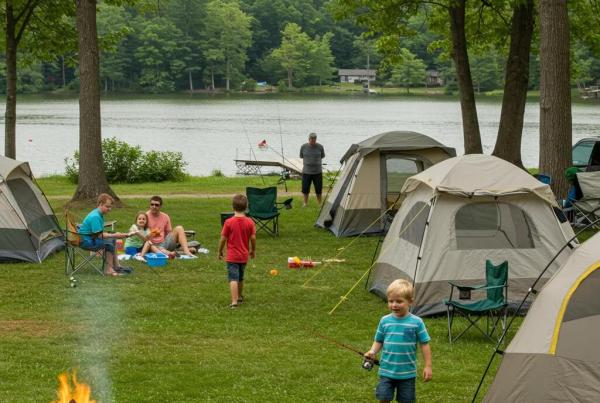
Finding genuinely quiet, less crowded campgrounds in Ohio during peak season starts with understanding what “hidden” means in practical terms: limited site counts, natural buffers, and locations that prioritize space over spectacle. This article teaches readers how to identify secluded campsites, differentiate secluded family campgrounds from primitive and dispersed options, and employ booking and timing strategies that reduce crowds during Memorial Day–Labor Day peak windows. You will get a pragmatic crowd-avoidance playbook—site-selection heuristics, platform choices, and on-site tactics—plus curated alternatives that include both state-managed and private options. As an illustrative example of a family-friendly private campground that supports quieter stays, Ridge Ranch Campground appears in examples where amenity balance and site spacing reduce perceived crowding. Practical reservation steps, official Ohio resource pointers, and succinct lists and tables will help you plan a quieter Ohio camping trip with families or small groups. Read on for clear definitions, step-by-step booking tactics, and local hidden-gem recommendations that make “quiet camping in Ohio” achievable even in high season.
What Defines Hidden and Least Crowded Campgrounds in Ohio?
Hidden or least-crowded campgrounds are defined by a combination of limited capacity, site spacing, and deliberate management that disperses activities across terrain, which reduces noise and congestion. These features work because they create physical and social buffers—fewer adjacent campsites, spotty advertising, and access routes that filter casual visitors—so families can enjoy safety and privacy. For practical selection, look for campgrounds with explicit site counts, varied site orientation (perimeter or lakeside), and natural buffers like trees or elevation that separate neighboring sites. Understanding that private campgrounds, state parks, and dispersed forest sites occupy different parts of the solitude spectrum helps set realistic expectations about amenities and accessibility.
How Does Secluded Camping Differ from Primitive and Dispersed Camping?
Secluded camping emphasizes a balance between privacy and at least some services, whereas primitive camping minimizes facilities and dispersed camping places you outside formal sites on public lands. Secluded family campgrounds offer features like spaced RV and tent sites, restroom facilities, and controlled activities that preserve quiet zones, while primitive sites remove most conveniences and dispersed camping in national forests often requires self-sufficiency. Families generally find secluded campgrounds more practical because they combine safety and play options with quieter surroundings, while experienced backcountry campers may prefer primitive or dispersed areas for maximum solitude. Choosing between these types depends on comfort level, desired amenities, and willingness to navigate rugged access.
Why Are Quiet Ohio Camping Spots Important During Peak Season?
Quiet camping spots matter in peak season because overcrowding increases noise, competition for activities, and stress, diminishing the outdoor experience that families seek. Reduced crowding improves safety for children, enables social distancing when desired, and often enhances wildlife viewing and restful sleep. Current trends show strong demand for seclusion since 2020, so planning ahead for quieter options is both practical and necessary to secure the type of experience you want. Recognizing this demand guides timing and booking choices that minimize contact with crowds while preserving family-friendly amenities.
What Are Common Features of Hidden Gem Ohio Campgrounds?
Hidden gem campgrounds commonly share several features that signal lower crowd levels: fewer total sites, natural screening (trees and shoreline), and activity dispersion across acreage such as a lake with multiple access points. These campgrounds frequently limit advertising, rely on word-of-mouth or niche platforms, and offer a mix of amenities so families can enjoy comfort without constant centralization of guests. When evaluating listings, prioritize site spacing, shaded versus sunny site mixes, and the presence of quiet policies or scheduled activities that are limited in scope. These attributes help you filter options for truly less-crowded overnight stays.
Common features to look for in a hidden gem campground:
- Limited total campsite count that constrains maximum occupancy.
- Natural buffers such as tree lines, shoreline, or terrain separation.
- Dispersed amenities (multiple small activity areas rather than one central hub).
These features indicate a campground’s structural capacity for seclusion and help you narrow choices for quieter stays. Understanding these attributes leads directly to timing and booking tactics to secure the best sites.
How Can You Find and Book Secluded Ohio Campgrounds During Peak Season?

Finding and booking secluded campgrounds starts with timing and platform selection, then narrows to site-level choices and reservation tactics that lock in quieter spots. The approach works by combining calendar strategy (weekday and shoulder-season stays), targeted platform use (official park sites, private listing platforms, community forums), and site-selection heuristics (end sites, perimeter locations). Begin with a calendar plan, identify candidate campgrounds using specialized searches, and confirm site layouts with satellite imagery or campground maps before reserving.
What Are the Best Times to Visit Ohio Campgrounds for Fewer Crowds?
The best times for fewer crowds are weekdays during the official shoulder seasons—late spring before Memorial Day and early fall after Labor Day—because visitor volume drops while weather remains generally favorable. Mid-week stays within the peak months also reduce exposure to weekend influxes and concentrated activity schedules, enabling quieter campground use. Weather trade-offs exist; early spring and late fall can be cooler and wetter, so balance crowd-avoidance with comfort by checking forecasts and choosing insulated or shorter stays. Planning outside major holiday weekends yields the largest reduction in crowding and often better site selection options.
Which Online Platforms Help Locate Quiet and Hidden Campgrounds in Ohio?
A mix of official and private platforms provides the best intelligence: state and national forest pages show formal sites and dispersed camping rules, private listing platforms reveal boutique secluded stays, and community forums supply recent crowd-level reports. Each platform has strengths: official pages provide accurate regulations and maps, private platforms often indicate site counts and owner-managed seclusion, and forums reveal user experiences about noise and peak usage. Use map-view filters, read recent reviews for mentions of solitude, and cross-reference satellite imagery to confirm site spacing before contacting managers or booking directly.
How to Use Booking Tips to Secure Less Crowded RV and Tent Sites?
Securing quieter sites depends on site-selection tactics and reservation timing: prioritize perimeter or end sites, choose shaded or treed sites for natural screening, and avoid sites adjacent to playgrounds or group activity areas. Use campground maps and satellite imagery to preview spacing, and reserve early with flexible cancellation options to adjust if conditions change. When possible, request specific site numbers or zones during booking and confirm quiet policies or event schedules with staff. These steps increase the likelihood you will occupy a site with greater perceived seclusion.
How Ridge Ranch Campground facilitates easy online reservations and specific site selection follows as a practical example of the tactics above.
How Does Ridge Ranch Campground Facilitate Easy Online Reservations?
Ridge Ranch Campground provides an online reservation system that lets guests book RV and tent sites and select site types that influence seclusion, such as shaded or lakeside sites. The system supports planning because the property spans 76 acres and includes varied site orientations, enabling families to choose perimeter or waterfront pitches to reduce neighboring noise. Guests can use the reservation process to request specific site attributes and time stays to weekdays or shoulder-season windows for quieter conditions. For navigation or review checks, Ridge Ranch’s location and local presence are useful when confirming requests with on-site staff.
Before booking, review site maps and ask staff about quiet zones to ensure the chosen site aligns with your crowd-avoidance goals. The next section explores why Ridge Ranch’s attributes make it a strong example of an amenity-balanced secluded campground.
Why Is Ridge Ranch Campground a Top Choice for Secluded Family Camping in Ohio?
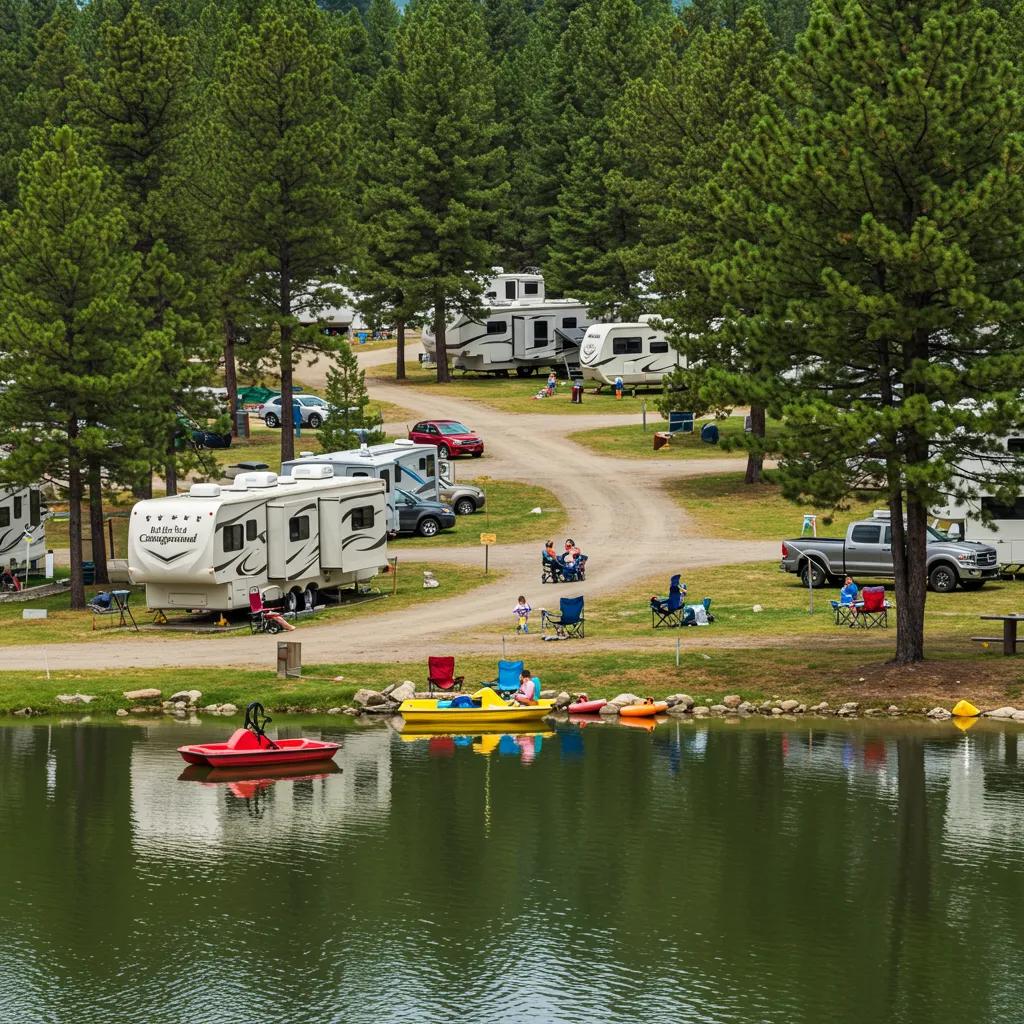
Ridge Ranch Campground serves as a strong example of comfortable seclusion because its property size, lakeside layout, and family-friendly amenity distribution reduce crowd concentration and offer multiple activity nodes. The campground spans 76 acres with a 17-acre lake, which disperses visitors across beach, boating, and fishing areas rather than concentrating everyone in a single hub. Family-focused scheduled activities exist but are balanced with quieter times and spread-out amenities so that families seeking peace can plan around events. Accessibility near Interstate-80 keeps travel convenient while acreage and site variety preserve a less-crowded feel.
What Makes Ridge Ranch’s Spacious RV and Tent Sites Ideal for Quiet Camping?
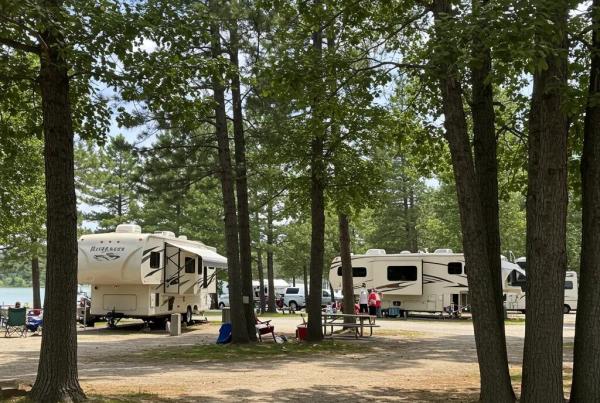
Ridge Ranch offers a mix of shaded and sunny RV and tent sites across ample acreage, which increases site spacing and perceived seclusion compared with denser campgrounds. The variety of site types enables guests to choose end or lakeside sites that minimize neighboring foot traffic and reduce noise from central facilities. Practical selection tips include reserving perimeter sites, choosing treed pitches for sound buffering, and preferring locations away from scheduled activity zones. These site-level choices directly support a quieter family experience while retaining access to basic campground services.
Introduce an EAV-style comparison to clarify how site types at Ridge Ranch relate to space and seclusion.
The Ridge Ranch site comparison table below helps campers compare options by spacing, shade, proximity to amenities, and seclusion level.
This comparison shows that selecting shaded perimeter tent sites typically yields the highest seclusion, while RV hookups offer comfort with slightly more adjacent infrastructure. Knowing these trade-offs helps families pick sites that match their quiet-camping priorities.
Which Quiet Zones and Peaceful Activities Does Ridge Ranch Offer?
Ridge Ranch designates multiple low-traffic zones—lakeside corners, wooded perimeter loops, and distant picnic areas—where families can enjoy quiet activities like fishing, paddleboating, and relaxed beach time. On-property offerings such as paddleboat and canoe rentals, fishing access, and playgrounds are distributed around the lake so guests naturally disperse and crowding lessens. Scheduled group events are present but limited in frequency and often organized to avoid continuous centralization, letting families plan around them for quieter windows. Knowing where quiet zones lie and timing visits accordingly improves the experience for those prioritizing seclusion.
How Do Ridge Ranch’s Lakefront Features Enhance a Less Crowded Experience?
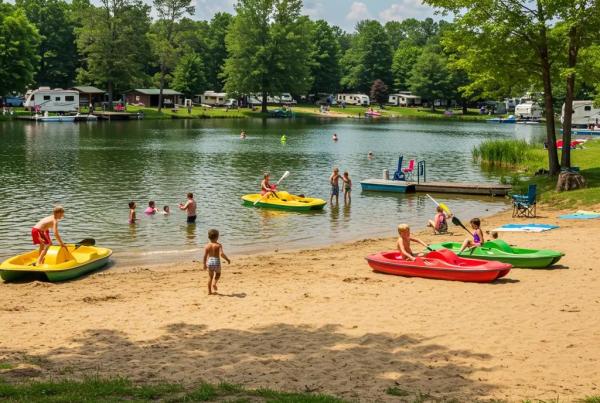
The 17-acre lake and sandy beach at Ridge Ranch create multiple activity nodes—beach area, fishing points, and paddling launches—that spread guests spatially and reduce central congestion. Water-based recreation naturally disperses visitors across the shoreline and onto the lake, so families can choose early-morning or late-afternoon access for quieter sessions. Amenities like paddleboat and canoe rentals enable gentle, family-friendly water time that does not require large crowds to be enjoyable. Selecting lake-access sites on less-trafficked shoreline stretches gives families a waterfront experience without heavy crowding.
What Upcoming Amenities Will Improve Ridge Ranch’s Secluded Appeal in 2026?
Planned additions for 2026 include an arcade and a Wibit waterpark, which will introduce new activity options but can be managed to preserve peaceful areas through scheduled sessions and timed entries. If the campground pursues operational controls—such as limited session times for the waterpark and dispersed entertainment scheduling—the new amenities can add value without creating constant crowd pressure. Guests can plan visits during off-peak hours for these attractions to enjoy them without compromising the quieter parts of the property. Understanding upcoming changes helps families schedule stays to benefit from new offerings while keeping seclusion.
What Are Ohio’s Best Off-the-Beaten-Path Campgrounds and Hidden Gems Beyond Ridge Ranch?
Beyond private examples like Ridge Ranch, Ohio contains state parks, national forests, and private stays that offer quieter options for families and experienced campers. Lesser-known state parks and backcountry areas often have limited campsite counts, trail networks that spread visitors, and less promotional emphasis, all of which support solitude. Dispersed camping in Wayne National Forest provides remote spots for those comfortable without services, while private farm stays and boutique campgrounds listed on niche platforms offer amenity-balanced seclusion. Comparing these options clarifies trade-offs in amenities, remoteness, and family suitability.
Which Lesser-Known State Parks Offer Quiet Camping Experiences?
State parks such as Lake Hope and similar smaller parks often have campground layouts that favor privacy: smaller loops, deeper tree cover, and remote trailheads that reduce casual visitor spillover. These parks are quieter because they attract fewer day visitors and have less intensive event programming than larger, heavily promoted parks. For families, choosing non-lakefront loops or reserving midweek sites helps maximize solitude while preserving access to restrooms and established trails. Using official park pages and maps to confirm site counts and loop layouts improves site-selection accuracy.
The following table compares hidden-gem location types across key attributes to help you choose the right kind of quiet stay.
This comparison highlights that private campgrounds can offer the best balance of amenities and seclusion for families, while dispersed forest sites provide maximum remoteness for prepared campers.
How Does Primitive and Dispersed Camping in Wayne National Forest Provide Seclusion?
Dispersed camping in Wayne National Forest provides seclusion by allowing camping outside designated campgrounds on forest roads and pullouts, which significantly reduces density when practiced responsibly. This model works because campers self-select remote spots and naturally space themselves, but it also requires Leave No Trace practices, route planning, and awareness of forest regulations. Families with young children should assess comfort with limited services; dispersed sites are best for experienced groups who can manage safety and logistics. Preparation, permits where required, and reliable navigation reduce the risks of this high-seclusion option.
What Private Campgrounds and Unique Stays Provide Secluded Ohio Camping?
Private campgrounds, farm stays, and boutique glampsites often market seclusion through limited site counts, on-site quiet policies, and amenity distribution that avoids central crowd magnets. These options are discoverable on private listing platforms that allow filtering by site count, remoteness, and onsite amenities—helpful for families seeking both comfort and space. Vet listings for recent photos and owner responsiveness, and confirm parking and access conditions before booking. Private stays can hit the sweet spot between comfort and seclusion if you verify site layout and management approach.
How Can Nearby Attractions Like Nelson Ledges State Park Complement Your Quiet Camping Trip?
Day trips to nearby low-traffic attractions such as Nelson Ledges State Park provide outdoor variety without adding heavy day-use crowds when timed carefully—early mornings and weekdays are best. Complementing a quiet campground stay with short hikes to secluded overlooks, short climbing or boulder areas, or quiet picnic spots expands family options for activities without returning to crowded central hubs. Build a simple itinerary that staggers activity times and allows for return to the campground during busiest midday windows. This approach helps maintain a tranquil overnight atmosphere while offering enriching daytime exploration.
How Can Campers Maximize Peace and Avoid Crowds During Ohio’s Peak Camping Season?
Maximizing peace during peak season combines pre-trip planning with on-site tactics that exploit natural buffers and scheduling to avoid crowd hotspots. Effective strategies include precise site selection, activity timing (early morning or late afternoon), and use of alternative pursuits that disperse the group away from central facilities. Implementing these tactics reduces noise exposure, eases supervision for families, and increases enjoyment even when the campground reaches higher occupancy.
What Are the Best Strategies for Finding Quiet Spots Within Busy Campgrounds?
Within busier campgrounds, the best strategies are to scout maps before arrival, request perimeter or end-loop sites, and coordinate with staff about quiet zones and low-traffic loops. Arriving early or late in the day to assess site noise and microclimate allows you to switch sites if necessary and take a quieter position. Use natural buffers like tree lines or small rises to shield sound and pick sites set back from playgrounds and restrooms. Communicating preferences during booking and upon arrival increases chances of a quieter placement.
- In-camp tactics to reduce crowd exposure:
Reserve perimeter or end-loop sites when possible.
Time communal activities for early morning or late afternoon to avoid midday crowds.
Use campground maps and satellite imagery to preview site spacing and neighbor proximity.
These tactics help families maintain quieter experiences inside otherwise busy campgrounds and set up a schedule that minimizes exposure to peak crowd periods.
How Can Alternative Activities Help Avoid Peak Crowds?
Alternative activities disperse the group by offering options away from central amenities—early-morning fishing, off-peak short hikes, biking on lesser-used trails, and nature scavenger hunts for children. These activities succeed because they shift use away from shared facilities and spread visitors across the landscape. Plan activity windows that do not coincide with scheduled campground events and choose times when day visitors are least present. Families that stagger their itinerary will experience quieter shared spaces and more meaningful outdoor interactions.
Why Is Booking During Shoulder Seasons or Weekdays Beneficial?
Booking during shoulder seasons and weekdays lowers crowd levels and often yields better site choices and more flexible pricing or cancellation options. Shoulder seasons—late spring and early fall—balance milder conditions with reduced visitor volume, though weather can be more variable than in peak summer. Weekday stays avoid weekend surges and concentrated event schedules, making daily life at the campground calmer. The money-saving and experiential benefits of non-peak timing are strong incentives for families willing to plan outside typical vacation windows.
How Does Ridge Ranch Support a Peaceful Stay Even in Peak Times?
Ridge Ranch manages its 76-acre layout and activity scheduling to spread guests across the property, leveraging the 17-acre lake, sandy beach, and dispersed amenities to reduce concentrated crowds. The campground’s family activities are scheduled in ways that do not dominate the entire day, and on-site zones provide quieter pockets for fishing, paddling, or relaxed beach time. Guests can request sites away from activity nodes when reserving and coordinate arrival times to avoid peak check-in congestion. These operational choices enable Ridge Ranch to maintain a calmer atmosphere even during busier periods.
What Are the Key Benefits of Choosing Secluded Camping Spots in Ohio?
Choosing secluded camping spots delivers benefits across experience, family dynamics, and wellness: improved rest, deeper nature connection, safer play areas for kids, and more meaningful shared time. Solitude reduces noise disturbances and provides safer oversight for children during play, while natural settings support physical activity and stress reduction. Amenity-balanced secluded sites combine these benefits with comfort, allowing families to enjoy restful nights without sacrificing basic conveniences.
How Does Secluded Camping Enhance Family and Group Outdoor Experiences?
Secluded camping enhances family experiences by providing focused time for bonding, safer play zones with less traffic, and the ability to tailor activities to family needs without competing with large crowds. Privacy allows multi-generational groups to coordinate different activity levels simultaneously, such as quiet fishing for some members and playground time for children elsewhere on the property. This separation makes supervision easier and increases overall satisfaction for families seeking both activity and downtime.
Planning site selection and daily schedules around these priorities maximizes the benefits.
What Health and Wellness Advantages Come from Quiet Ohio Camping?
Quiet camping supports mental and physical health through reduced noise, improved sleep quality, increased outdoor physical activity, and enhanced nature connection for children and adults alike. Exposure to green spaces and reduced urban stimuli lowers stress and supports cognitive rest, while simple activities like hiking and paddling increase cardiovascular activity. For families, these wellness gains translate to better mood regulation and stronger social bonds. Integrating short wellness practices—morning walks, device-free meals, and family nature journaling—amplifies these benefits.
How Does Ridge Ranch Balance Amenities with a Less Crowded Atmosphere?
Ridge Ranch balances amenities and seclusion by distributing family attractions—playgrounds, paddleboat rentals, and scheduled events—across its acreage so that not all guests converge on a single point. The property’s size and lake-based activity nodes diffuse usage, and planned events are structured rather than continuous, which limits crowd buildup. Future amenity additions scheduled for 2026 are positioned so they can be managed with timing controls that preserve peaceful zones. This design philosophy enables families to access conveniences without losing the benefits of quieter camping.
Where Can You Find More Information and Make Reservations for Hidden Ohio Campgrounds?
To convert planning into action, use a combination of campground reservation systems, official Ohio resources, and private listing platforms to confirm site specifics, rules, and recent crowd intel. Official state and national forest resources clarify regulations for dispersed and primitive camping, while private platforms and campground reservation systems let you select specific site types and request quieter placements. For private campgrounds like Ridge Ranch Campground, reservation pages and profile listings provide site maps and booking options, and local map listings help with navigation and review checks.
How to Access Ridge Ranch Campground’s Online Booking and Contact Details?
To reserve at Ridge Ranch Campground, use the campground’s online reservation system to select RV or tent sites and specify site preferences such as shaded, sunny, or lakeside pitches; the system supports selection of site types that influence seclusion. Ridge Ranch’s property information notes 76 acres, a 17-acre lake, sandy beach, paddleboat and canoe rentals, fishing, playgrounds, and planned activities, which helps guests choose dates and site types aligned with quieter stays. For navigation and local reviews, consult map profile tools and local search listings that reference Ridge Ranch Campground and its Newton Falls address. When booking, request perimeter or less-trafficked site numbers and confirm event schedules to maintain a peaceful stay.
Which Official Ohio Resources Provide Updates on Quiet Camping Locations?
Official resources from the Ohio Department of Natural Resources provide authoritative information on state park sites, regulations, and seasonal alerts, while U.S. Forest Service pages list dispersed camping rules for areas like Wayne National Forest. These official sources are essential for understanding permit requirements, fire regulations, and trail or facility closures that affect solitude and access. Use official maps and alerts to avoid surprises and to plan routes and contingency options for quieter camping experiences.
What Are Recommended Platforms for Discovering Private and Unique Ohio Campgrounds?
Private listing platforms and community review sites are valuable for discovering boutique campgrounds, farm stays, and glamping options that emphasize seclusion; prioritize listings with clear photos, map views, and recent reviews mentioning solitude. When vetting private stays, filter for remote location tags, low site counts, and owner responsiveness to questions about on-site quiet policies. Confirm cancellation policies and any on-site rules that maintain calm environments; vetting narrows choices to stays that reliably deliver quieter experiences for families and small groups.
Recommended vetting checklist for private listings:
- Verify recent guest photos showing site spacing and landscape features.
- Ask owners about site counts and typical occupancy during your dates.
- Confirm parking, access road conditions, and any noise or activity schedules.
This contact-style table provides essential factual reference points for planning a Ridge Ranch visit and frames what guests can expect about property scale and recreational options. Use these attributes to match site choice and activity timing with your crowd-avoidance goals.
The article has provided definitions, tactical booking steps, site-selection heuristics, a family-friendly private campground example, comparative tables, and actionable checklists so you can find and secure quieter Ohio camping experiences during peak season.
Frequently Asked Questions
What Should I Consider When Choosing a Secluded Campground in Ohio?
When selecting a secluded campground in Ohio, consider factors such as site count, natural buffers, and amenities. Look for campgrounds with fewer total sites to ensure lower occupancy. Natural features like trees or elevation can provide privacy and reduce noise. Additionally, evaluate the amenities offered; some campgrounds may provide essential facilities while still maintaining a quiet atmosphere. Researching user reviews and site layouts can also help you identify the best options for a peaceful camping experience.
Are There Specific Regulations for Dispersed Camping in Ohio?
Yes, dispersed camping in Ohio, particularly in areas like Wayne National Forest, comes with specific regulations. Campers must adhere to Leave No Trace principles, which include packing out all trash and minimizing campfire impact. Additionally, permits may be required in certain areas, and campers should be aware of designated zones where camping is allowed. It’s essential to check the U.S. Forest Service website for the latest guidelines and restrictions to ensure a responsible and enjoyable camping experience.
How Can I Ensure a Quiet Experience at a Busy Campground?
To secure a quieter experience at a busy campground, prioritize site selection by requesting perimeter or end-loop sites, which are typically less trafficked. Arriving early or late in the day can also help you assess noise levels and switch sites if necessary. Timing communal activities for early morning or late afternoon can further reduce exposure to crowds. Communicating your preferences with campground staff during booking can increase your chances of being placed in a quieter area.
What Are the Benefits of Booking During Off-Peak Times?
Booking during off-peak times, such as weekdays or shoulder seasons, offers several advantages. These periods typically see lower visitor volumes, allowing for better site selection and a more tranquil atmosphere. Additionally, prices may be more favorable, and cancellation policies can be more flexible. Off-peak camping also enhances the overall experience by reducing competition for amenities and activities, making it easier to enjoy nature without the stress of large crowds.
How Can I Find Unique Camping Experiences Beyond Traditional Campgrounds?
To discover unique camping experiences beyond traditional campgrounds, explore private listing platforms that feature boutique campgrounds, farm stays, and glamping options. These listings often emphasize seclusion and provide detailed information about site counts and amenities. Community review sites can also offer insights into recent guest experiences, helping you identify hidden gems. When vetting options, look for properties that prioritize quiet policies and have responsive owners who can answer your questions about the site.
What Activities Can I Enjoy While Camping in Secluded Areas?
Camping in secluded areas opens up a variety of activities that enhance your outdoor experience. You can enjoy fishing, hiking, paddleboating, and nature walks in a peaceful environment. Engaging in quiet activities like birdwatching or stargazing can also be particularly rewarding in less crowded settings. Planning your itinerary to include early morning or late afternoon activities can help you avoid peak times and maximize your enjoyment of the natural surroundings while maintaining tranquility.
Conclusion
Choosing secluded campgrounds in Ohio enhances family experiences by providing a peaceful environment that fosters connection and safety. By understanding the key features of hidden gems and employing effective booking strategies, you can secure a tranquil camping experience even during peak season. Explore our curated list of recommended campgrounds and start planning your next adventure today. Embrace the serenity of nature and create lasting memories with your loved ones.