

Ohio Campgrounds: State Parks vs. Private RV Parks – What Reviewers Say About Amenities, Costs, and Family Fun
When deciding between Ohio State parks and private campgrounds, campers often turn to user reviews. These reviews consistently highlight patterns in amenities, costs, and how well each type suits families. This article dives into what user feedback reveals about Ohio State parks compared to private campgrounds, synthesizing common praises, recurring gripes, and practical trade-offs. You’ll discover which amenities and RV features reviewers emphasize most, how nightly rates and extra fees typically stack up, and which campsites get the highest marks for families. We’ll focus on three key areas—amenities, cost, and family friendliness—to help you decode review language and book with confidence. We’ll group insights by campground type (state parks, private RV parks, cabins, and glamping) and use review-driven criteria to offer actionable advice. Finally, we’ll spotlight RV-specific priorities and provide a handy checklist for families and RVers to evaluate reviews and pick the perfect Ohio campground.
What Do Ohio State Park Reviews Tell Us About Camper Experiences?
Reviews for Ohio State parks frequently rave about the natural surroundings, well-kept trails, and budget-friendly prices, pointing to these as the main draws. This suggests campers view state parks as prime spots for outdoor recreation and connecting with nature, offering a predictable escape for tent campers and families seeking scenic beauty. While users often praise clean restrooms and easy trail access, they also note that campsite quality can vary. Understanding these common themes helps set expectations before diving into specific park reviews, guiding you toward the amenities reviewers mention most when recommending state parks.
What amenities get the most praise in Ohio State campgrounds?

Reviewers consistently point to natural features and essential facilities as the top amenities at Ohio State parks. They often praise beaches, lake access, interconnected hiking trails, and clear signage for day-use areas, emphasizing how these enhance family activities and outdoor adventures. Many reviews also highlight clean restrooms and basic potable water as crucial conveniences that significantly improve the camping experience compared to more primitive options. These amenity mentions are usually brief and specific, like “great trail access” or “clean restrooms,” making them easy for prospective campers to spot when filtering reviews.
Here’s a rundown of the most frequently mentioned amenities in state park reviews:
- Spotless restrooms and shower facilities: Reviewers frequently cite hygiene and convenience as major pluses.
- Abundant trails and natural areas: Hiking and wildlife observation consistently earn high marks.
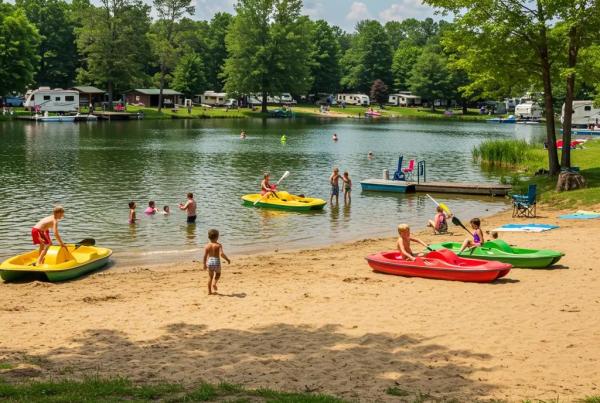
- Easy beach or lake access: Water features are a big driver for family-friendly ratings and day-use appeal.
This pattern suggests that families and nature lovers should pay close attention to review language about well-maintained facilities and natural access when comparing state parks to private options.
How do campers rate Ohio State parks for family fun?
Campers often deem Ohio State parks family friendly when reviews mention shallow swimming spots, safe trails, and engaging ranger-led or seasonal programs for kids. Family-friendly ratings tend to reflect the presence of child-focused features—playgrounds, accessible restrooms, and short, safe hikes—along with positive comments about staff or ranger interactions with families. Review language emphasizing safety and convenience, such as “quiet, short walk to the lake” or “family programs for kids,” usually correlates with higher family ratings. When sifting through reviews, parents should look for details on program schedules, shaded day-use areas, and how close restrooms are to campsites to truly gauge family suitability.
What common issues do users report at Ohio State campgrounds?
User reviews of Ohio State campgrounds frequently mention three recurring challenges: overcrowding during peak seasons, occasional maintenance delays, and difficulties with state reservation systems. Campers often describe packed weekends and limited picnic or group sites during holidays, which can detract from the sense of peace and availability. Maintenance comments usually point to uneven sites or temporary facility closures rather than widespread cleanliness issues; reviewers often suggest visiting during off-peak times to avoid these problems. Practical tips from reviews include booking well in advance for popular dates, opting for mid-week stays to dodge crowds, and checking recent review timestamps to gauge current maintenance status.
How Do Private Campgrounds in Ohio Stack Up in Amenities and Services?
Reviews for private campgrounds highlight a different set of priorities: on-site entertainment, attentive staff, and amenity-rich stays are often the stars of the show. In reviewer language, private campgrounds function more like resorts, offering features that emphasize convenience, planned activities, and a higher level of service. Reviewers often contrast private sites with state parks by pointing out more consistently level sites, scheduled entertainment for kids, and extra paid amenities like mini-golf or rental cabins. Understanding these service differences helps campers decide if they value organized activities and comfort over a more natural, less-serviced state park experience.
What unique amenities do private campgrounds offer compared to state parks?

Private campgrounds frequently offer entertainment and convenience features that reviewers specifically call out: waterparks, rental cabins, organized kids’ programs, and on-site shops or eateries. Users praise these amenities when they’re looking for a family-focused, resort-style campground that minimizes planning hassle and keeps children entertained on-site. Travelers who prioritize activities and convenience—such as families with young children or groups seeking guaranteed entertainment—will find private campgrounds align well with those needs, according to common review themes. When reading reviews, look for mentions of scheduled activities and facility upkeep to get a sense of how consistently private amenities are delivered.
- Water features and pools: Sites with on-site swimming options tend to get higher family ratings.
- Rental units and cabins: Convenience for those without their own gear is a frequently praised perk.
- On-site staff and programs: Organized activities and responsive staff boost guest satisfaction.
These distinct amenities help explain why private campgrounds often receive glowing family-centric reviews, even when they come with a higher nightly price tag.
How do private campgrounds cater to RV travelers in Ohio?
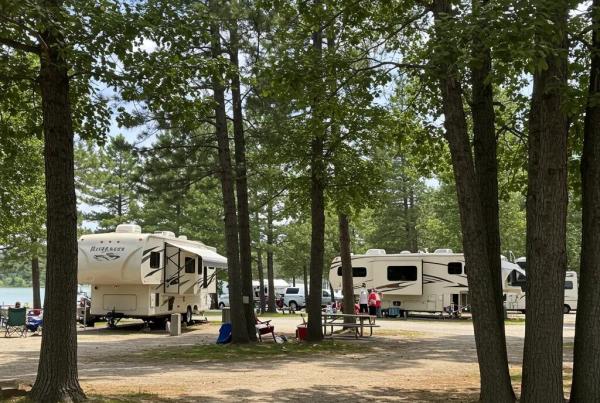
Reviews suggest that private campgrounds commonly focus on RV-specific conveniences like full hookups, spacious back-in or pull-through sites, and on-site dump stations, all of which significantly shape RV traveler satisfaction. Users highlight ease of maneuvering, well-marked large pads, and accessible utility hookups as key positives that enhance RV stays. Many reviewers favorably compare private parks when they describe level pads, reliable Wi-Fi near the sites, and convenient potable water access. RV travelers scanning reviews should prioritize comments on site width, power consistency, and the availability of dedicated RV services that simplify setup and boost comfort.
The rise of social media and review sites has dramatically changed how RV travelers find information and make campground choices.
RV Travelers’ Campground Experiences: Social Media and Reviews
In recent years, social media platforms, review websites, and blogs have emerged as important sources of information for RV travelers. These platforms allow RV travelers to share their experiences, opinions, and recommendations about various campgrounds, influencing the choices of other travelers. This user-generated content provides valuable insights into campground attributes and overall satisfaction.
Examining the RV travelers’ camping experience: A social media approach, Y Wang, 2012
Are private campgrounds more family friendly than state parks?
Review trends indicate that private campgrounds can be more family friendly when families are looking for structured entertainment and on-site kids’ programs, but state parks often win for unstructured nature experiences. Private sites excel at providing predictable, kid-focused activities, safety within compact layouts, and amenities that reduce planning burdens for parents. The trade-off is that private campsites might feel busier and less natural than state parks, which some families prefer for peaceful immersion in nature. Families should weigh the appeal of entertainment and convenience against the desire for a quieter, more natural campsite when interpreting review language.
What Are the Key Differences in Ohio Camping Costs Between State and Private Campgrounds?
Cost comparisons in user reviews consistently show that state park campgrounds are generally more affordable per night, while private campgrounds charge higher nightly rates that often include extra amenities or services. This economic distinction is a central theme in reviews comparing Ohio state campgrounds and private campgrounds, where budget-conscious campers praise state parks and families seeking amenities justify the premium for private campgrounds. Reviews also highlight extra fees—like reservation fees, utility surcharges, and pet fees—that affect the perceived value; campers who read recent reviews can determine if higher costs are matched by delivered amenities. A clear table summarizing typical cost components can help readers compare expected price ranges and common add-on fees when using reviews to guide their booking decisions.
Here’s a quick look at typical nightly rates and common extra fees reported in user reviews for Ohio state park campgrounds versus private campgrounds.
How do nightly rates vary between Ohio State parks and private campgrounds?
Nightly rates fluctuate based on site type (primitive tent, electric, full hookup), season, and included amenities, with reviewers frequently mentioning this variability when suggesting budget strategies. State parks typically offer the lowest base rates for primitive and electric sites, especially during the shoulder seasons, while private campgrounds increase prices for waterpark access, cabin rentals, or peak weekends. Reviewers advise comparing the base rate against the services actually included—some private sites justify higher rates by bundling activities, whereas state parks remain economical but charge extra for utilities or rentals. When scanning reviews, note whether users mention refunds, seasonal discounts, or price transparency as indicators of fair value.
What additional fees or hidden costs should campers anticipate?
Complaints based on reviews frequently mention reservation fees, per-pet charges, and separate utility or dump station fees that push the effective nightly cost above the base rate. These add-ons appear at both types of campgrounds but are more common or substantial at private campgrounds and RV parks that monetize on-site conveniences. To avoid surprises, reviewers suggest scrutinizing the fine print regarding pet limits, extra vehicle fees, and mandatory activity passes, and reading recent guest feedback on billing practices. Simple booking diligence—asking for a detailed fee breakdown or checking recent reviews for billing experiences—often prevents unexpected charges.
- Reservation or processing fees: Often charged at the time of booking.
- Pet fees: Per-pet or per-stay charges that vary widely.
- Utility surcharges and dump fees: Applied at some private RV parks.
These fees, identified through reviews, significantly impact the real cost comparison and should be factored into any booking decision.
Are there discounts or packages available at either campground type?
Reviewers note that both state parks and private campgrounds offer occasional discounts—state parks for off-season stays or annual passes, and private campgrounds for themed weekends, multi-night packages, or membership rates. Commenters often point out mid-week savings and last-minute deals at private parks, while state parks might offer conservation-focused passes that lower per-night costs for frequent visitors. To snag deals, reviewers suggest keeping an eye on reservation platforms, signing up for campground newsletters, and looking for membership or group discounts that fit your profile. This practice helps campers translate review observations about price fairness into tangible savings.
Which Ohio Campgrounds Are Rated Best for Families According to User Reviews?
User reviews that give high marks to campgrounds for families typically focus on specific features—safe, shallow waterfronts, playgrounds, clean restrooms, and organized children’s programs—which collectively make these sites stand out in family-focused comparisons. Reviews highlight how these elements ease the burden on parents and boost enjoyment, forming a composite family-friendliness score in campers’ minds. Understanding which features reviewers praise helps parents decipher aggregated ratings and pinpoint which parks or private campgrounds best match their family’s priorities. Below is a concise table summarizing family-focused features and how reviewers typically score them.
Here’s a breakdown of family-friendly features reviewers mention and the typical feedback or rating language associated with each.
What features make a campground family friendly in Ohio?
Family-friendly campgrounds share common traits: safe water access, visible staff presence, short walks from campsites to amenities, and regular programming. Reviewers often describe a campground as family friendly when parents can easily supervise children and when facilities allow for quick transitions between play and rest. Safety-related language—lifeguards, fenced playgrounds, and well-lit paths—appears disproportionately in high family ratings. For parents reading reviews, prioritizing recent comments about supervision, restroom proximity, and shaded day-use areas offers a better sense of practical family suitability.
Which Ohio State parks are top-rated for family camping?
Review themes indicate that Ohio State parks scoring well for families typically combine natural water features, accessible trails, and well-maintained day-use facilities suitable for children. While specific park rankings can vary among reviewers, the consistent pattern is that state parks with shallow beaches, easy trails, and clear signage receive strong family endorsements. Parents scanning reviews should look for terms like “kid-friendly trails,” “shallow swim area,” and “clean restrooms” to identify state parks that reviewers repeatedly recommend for families. These review indicators provide a reliable signal of family suitability in state-run campgrounds.
After exploring user feedback on family-focused aspects and private campground features, those seeking a private option can compare specific details and reservation policies on the Ridge Ranch Campground website to evaluate site-specific family amenities and booking options.
Which private campgrounds receive the highest family reviews?
Private campgrounds earning top family reviews usually offer activities for various age groups, dependable on-site staff, and amenities that simplify planning—like indoor game rooms, splash parks, or scheduled events. Review language often reflects repeat visits and multi-generational stays, with families praising the convenience and variety of entertainment. To interpret these reviews effectively, look for consistency across commenters regarding program quality, equipment cleanliness, and staff responsiveness. These patterns reveal private parks that consistently meet family expectations and are worth considering when reviews emphasize convenience and a wide range of activities.
What Are the Best RV Parks in Ohio Based on User Reviews?
Reviews of Ohio RV parks prioritize technical site features—full hookups, level pads, wide pull-through sites, and reliable dump stations—and these elements strongly influence RV traveler satisfaction. RV-specific review language often mentions accommodation for rig length, power stability, and signal strength for Wi-Fi/cell reception, making these terms quick filters when scanning reviews. A concise table below compares RV attributes and typical reviewer priorities to help RVers assess parks quickly.
Here’s a look at RV-specific attributes reviewers emphasize and the priority or score such attributes typically receive in review summaries.
How do Ohio State parks accommodate RV travelers?
Ohio State parks generally accommodate RVs with various site types, but reviewers often note limitations on rig size, fewer full-hookup sites, and more variability in pad levelness compared to private RV parks. Users praise state parks that offer reliable electric and water connections but also report that sewer hookups can be less common at some locations. Reviewers frequently recommend confirming site specifications and rig length limits before arrival to avoid mismatches. These review-driven tips help RV owners understand the practical suitability of state parks for their rigs.
What private RV parks in Ohio have the best user ratings?
Private RV parks earning high reviewer ratings focus on comprehensive infrastructure—large, level pull-throughs, 50A power, and on-site maintenance support—features highlighted by RV reviewers as reducing hassle. Consistent reviewer praise centers on dependable hookups, clear site maps, and friendly on-site staff who assist with site guidance. When reading reviews, RVers should prioritize recent comments about pad condition, electrical reliability, and whether pull-throughs truly accommodate big rigs, as these technical details most directly impact satisfaction.
What amenities do RV campers prioritize in Ohio campgrounds?
RV campers rank utilities and convenience at the top of their priorities: dependable hookups, level sites, and accessible dump stations, followed by Wi-Fi and cell reception for extended stays. Reviewers often list priorities in descending order of impact: hookups first, site size second, and support services third. Understanding this hierarchy helps campers filter reviews for the features that most affect their comfort and convenience. For longer stays, reviewers add that proximity to local services and clear access roads become critical factors in satisfaction.
How Do User Reviews Compare Ohio State Campgrounds and Private Campgrounds Overall?
Overall, user reviews consistently highlight a clear contrast between Ohio State campgrounds and private campgrounds: state parks are praised for their natural settings and value, while private campgrounds earn high marks for their amenities, service levels, and family entertainment options. This synthesis emerges across various review themes—amenities, cost, RV features, and family appeal—allowing campers to weigh trade-offs based on their personal priorities rather than just brand names. Review satisfaction tends to hinge on matching expectations: those seeking nature and affordability favor state parks, while families and RVers prioritizing convenience often prefer private sites. The following bulleted pros and cons summarize these differences based on review language.
- State Park Advantages: Natural beauty and lower base costs.
- Private Campground Advantages: Abundant amenities, consistent services, and family programming.
- Key Trade-offs: Cost versus convenience, and solitude versus entertainment.
What are the main advantages of Ohio State campgrounds according to users?
Reviewers frequently cite affordability, scenic surroundings, and access to conservation lands as the primary advantages of Ohio State campgrounds. These strengths appeal to tent campers, bird watchers, and families looking for an immersive outdoor experience without resort-style activities. Comments praising quiet camp loops, starlit nights, and extensive trail networks paint a consistent picture of their best use cases: low-cost, nature-focused camping. Such review signals indicate which users are likely to derive the greatest satisfaction from state parks.
What benefits do private campgrounds offer that users highlight?
Reviews of private campgrounds emphasize dependable infrastructure, organized recreation, and convenience as standout benefits that often justify higher rates. Reviewers praise on-site staff, well-maintained rental units, and attractions that reduce logistical planning and enhance family enjoyment. These benefits are explicitly mentioned in language like “easy check-in,” “daily activities,” and “well-kept facilities,” pointing to situations where private campgrounds excel at meeting guest expectations compared to state parks.
How do user satisfaction levels differ between the two campground types?
User satisfaction strongly correlates with aligning expectations: campers anticipating rustic nature experiences tend to rate state parks highly, while those expecting resort comforts favor private campgrounds. Key drivers of satisfaction include accurate listing information, consistent maintenance, and perceived value for money. When reviews repeatedly mention transparent pricing and reliable amenities, satisfaction scores are higher; conversely, unexpected fees and overcrowded facilities tend to lower ratings. Interpreting the nuances of reviews—their tone, specificity, and recency—offers the best way to predict satisfaction levels.
What Should Campers Consider When Choosing Between Ohio State and Private Campgrounds?
Selecting between Ohio State and private campgrounds involves weighing location and accessibility, the amenities-to-cost ratio, and family-specific needs, with user reviews offering real-world insights into each factor. Reviews often reveal accessibility details—road quality to the site, proximity to medical services, and parking availability—that are important for both RVers and families. Interpreting mentions of amenities against comments on price provides a practical value assessment, while family-focused reviews clarify whether on-site activities match a family’s age range. The checklist below distills review-driven decision criteria into quick-reference guidance for campers.
- First, confirm essential amenities: hookups, restrooms, and potable water.
- Check recent reviews for maintenance updates and billing transparency.
- For families, prioritize safe play areas and on-site programs.
- For RVs, verify rig accommodation, pad size, and hookup reliability.
How do location and accessibility influence campground choice?
Location and accessibility directly impact reviewer satisfaction when road conditions, travel time, and proximity to attractions align with expectations; reviewers frequently describe access as either a major plus or a significant drawback. Remote state parks are praised for their solitude but may come with cautionary notes about narrow roads or weak cell reception, while private campgrounds often earn credit for easy highway access and nearby conveniences. Reading reviews for specifics like distance to the nearest town, road quality, and whether GPS reliably finds the entrance helps campers choose sites that suit their mobility and convenience preferences.
What role do amenities and cost play in camper decisions?
Amenities and cost are key determinants of perceived value in reviews: campers who prioritize amenities are willing to accept higher nightly rates if reviews confirm those amenities are well-executed; budget-conscious campers prefer state parks where the base cost delivers core outdoor experiences. Review cues—phrases like “worth the price” or “overpriced for what was offered”—help predict whether a campground will meet expectations for the money spent. Using review language to map amenities against price expectations allows for clearer value judgments before booking.
How important is family friendliness in selecting Ohio campgrounds?
Family friendliness is often a deciding factor, and reviews provide concrete indicators—supervision-friendly layouts, shaded play areas, and programmed activities—that parents use to evaluate potential sites. Reviewers tend to emphasize logistical aspects that simplify parental tasks, such as restroom proximity and safe day-use spaces, making these comments highly valuable indicators for families. To confirm family-friendly claims, parents should look for multiple, recent reviews that validate safety features and program consistency, rather than relying on isolated praise.
When is a private campground a better option than a state park?
If families need structured activities, RVers require full hookups and spacious pads, or travelers prioritize consistent on-site services, then private campgrounds typically outperform state parks according to review patterns. In essence, opt for a private campground if you value convenience, predictable entertainment, and a high level of service; choose a state park if your priority is a natural setting and a lower base cost.
The ongoing discussion about who should provide services and amenities in state parks reveals differing camper expectations.
State Park Amenities: Visitor Opinions on Service Providers
The question of who should operate services and amenities in state parks has been a topic of discussion among visitors. Some visitors believe that state parks should be responsible for offering a variety of amenities such as campgrounds, while others feel that private entities could also play a role. This highlights a potential difference in expectations and preferences between campers who utilize state parks and those who opt for private campgrounds.
Visitors opinions of who should provide services and amenities in state parks, DL Kerstetter, 2010
For those seeking a direct private option comparison, you can examine site-specific RV hookup details and reservation policies for Ridge Ranch Campground and check its Google Business profile for current reviews and directions.
Private campgrounds in Ohio represent a significant economic opportunity, particularly for rural recreation.
Ohio Private Campgrounds: Income Potential for Rural Recreation
Vacation farms and private campgrounds cater primarily to families, while the picnic areas and other facilities are used by a wider range of people. The income potential from outdoor recreation enterprises in rural areas in Ohio is significant, with private campgrounds being a key component of this economic activity.
Income potential from outdoor recreation enterprises in rural areas in Ohio, 1964
Frequently Asked Questions
What should I consider when booking a campground in Ohio?
When booking a campground in Ohio, think about its location, the amenities offered, and the overall cost. Review the specific features that matter most to you, such as restroom cleanliness, water access, and recreational activities. Also, check recent user reviews for insights into maintenance and service quality. Understanding the campground’s policies on pets, reservations, and any extra fees can help you avoid unexpected expenses. Finally, consider the type of experience you’re seeking—whether it’s a peaceful natural setting or a more amenity-packed environment.
How can I find the best family-friendly campgrounds in Ohio?
To discover the top family-friendly campgrounds in Ohio, look for reviews that highlight specific features like safe swimming areas, playgrounds, and organized children’s programs. Pay close attention to comments about staff interactions with families and the availability of kid-centric activities. Also, consider the proximity of amenities like restrooms and shaded spots, which can make things much easier for parents. Websites and social media platforms that compile user reviews can offer valuable insights into a campground’s suitability for families.
What are the benefits of camping in Ohio State parks versus private campgrounds?
Camping in Ohio State parks offers advantages like lower prices, beautiful natural surroundings, and access to conservation areas, making them perfect for nature lovers. On the other hand, private campgrounds often provide more amenities, organized activities, and family-focused services, which can justify their higher rates. The best choice depends on your priorities—whether you prefer a rustic experience or a more structured, amenity-rich environment. User reviews can help clarify which option best fits your camping style.
Are there any seasonal considerations for camping in Ohio?
Yes, seasonal factors are important when camping in Ohio. Peak seasons, typically during summer and holidays, can mean crowded campgrounds and higher prices. Conversely, off-peak seasons often bring lower rates and fewer visitors, potentially enhancing your camping experience. Additionally, weather conditions can vary significantly, impacting accessibility and comfort. Reading reviews that mention seasonal experiences can offer insights into the best times to visit specific campgrounds and help you plan accordingly.
How do I interpret user reviews effectively when choosing a campground?
To make the most of user reviews, look for consistent themes and specific details that match your priorities. Focus on comments about cleanliness, amenities, and staff interactions, as these factors greatly influence the camping experience. Pay attention to how recent the reviews are, as they reflect the campground’s current condition. Also, consider the overall tone of the reviews—positive or negative sentiments can provide context for the ratings. Using these strategies will help you make informed decisions based on actual camper experiences.
What types of activities can I expect at private campgrounds in Ohio?
Private campgrounds in Ohio typically offer a range of activities designed to enhance the camping experience, especially for families. Common activities include organized games, arts and crafts sessions, movie nights, and themed weekends. Many private campgrounds also feature amenities like swimming pools, playgrounds, and recreational facilities such as mini-golf or sports courts. These structured activities can provide entertainment for both children and adults, making private campgrounds a popular choice for those seeking a more engaging camping trip.
How can I ensure a smooth camping experience in Ohio?
To ensure a smooth camping experience in Ohio, start by researching and selecting a campground that fits your needs. Confirm that essential amenities are available, check recent reviews for maintenance and service quality, and understand the campground’s policies on reservations and fees. Packing appropriately for the season and planning your activities in advance can also enhance your trip. Finally, consider arriving early to get acquainted with the campground layout and facilities, which can help you settle in and enjoy your stay more fully.
Conclusion
Deciding between Ohio State campgrounds and private campgrounds means weighing the unique advantages each offers, from serene natural settings and affordability to abundant amenities and family-friendly fun. User reviews provide invaluable insights to guide your choice, ensuring you find a campground that perfectly matches your priorities. For a truly seamless camping adventure, explore our curated selection of top-rated campgrounds based on real camper feedback. Start planning your next getaway today!