
Discovering What Sets Ohio State Park Campgrounds Apart From Other State Campgrounds
Uncovering what makes Ohio State Park campgrounds special helps families and outdoor enthusiasts pinpoint the perfect blend of nature, activities, and convenience for an unforgettable getaway. This guide compares Ohio State Park campgrounds with other state and private options, highlighting signature park features, reservation processes, and how private spots can enhance your camping adventures. You’ll explore the distinct natural wonders and trail networks Ohio State Parks boast, get practical tips for booking your stay at state-run sites, and see how private alternatives offer family fun and modern comforts. To showcase private offerings without overshadowing state parks, Ridge Ranch Campground by GatherGrounds is presented as an example of a private, lakefront campground perfect for family camping, featuring RV sites, tent sites, and seasonal spots, plus access to a 17-acre lake. The article then walks you through planning, compares costs and amenities, and helps families decide whether a nature-focused state park or a feature-rich private campground best suits their vacation goals and travel style.
What Are the Unique Features of Ohio State Park Campgrounds?
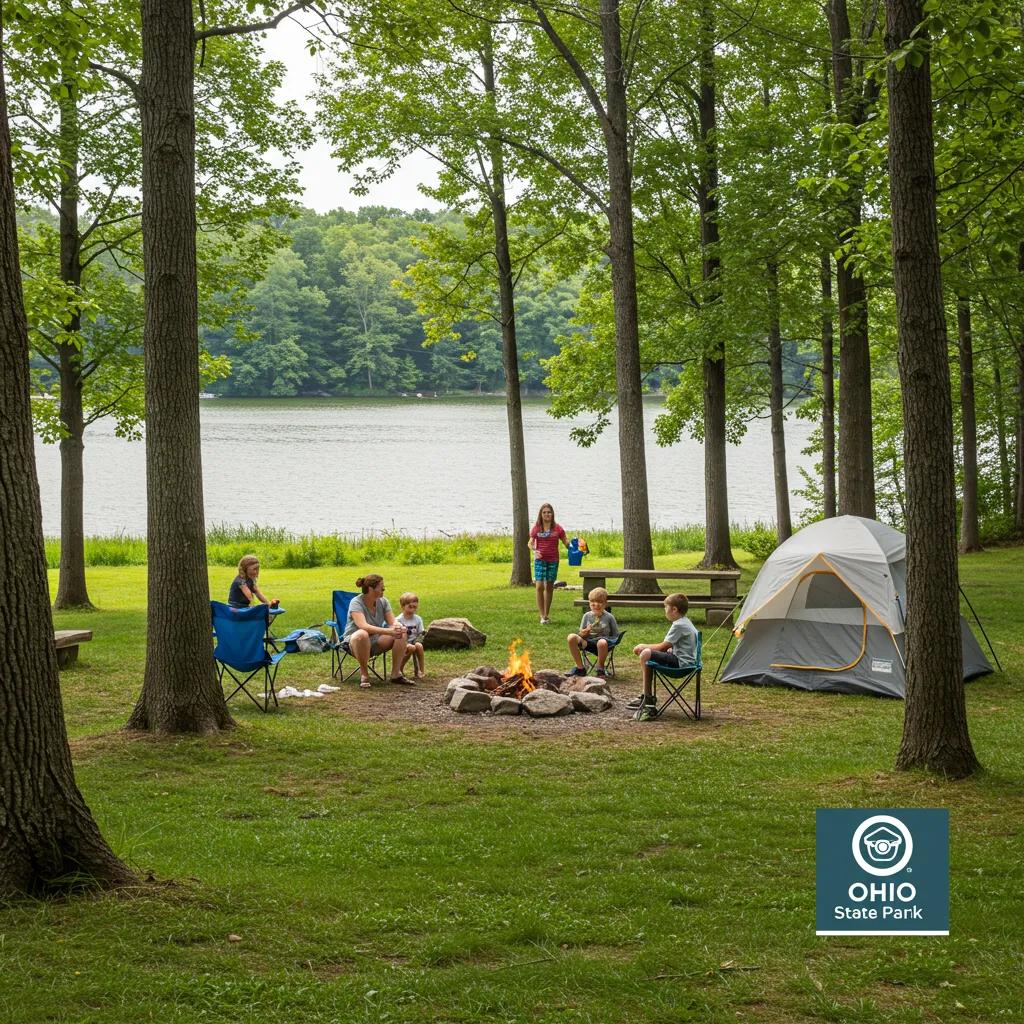
Ohio State Park campgrounds are public lands dedicated to conservation and recreation, offering reliable access to trails, lakes, and educational resources that encourage nature appreciation and outdoor skill-building. These parks focus on preserving scenic beauty while providing trailheads, boat launches, and learning centers that support hiking, paddling, and wildlife observation in ways other state campgrounds might not prioritize. The result is consistent land stewardship, interconnected trail systems, and family-oriented interpretive programs that teach natural history while promoting outdoor activities. This public commitment to large-scale landscape protection and educational programming often defines the core value of state park camping for families seeking nature-first experiences. Below, we compare exemplary parks by specific features to make these differences clear for your trip planning.
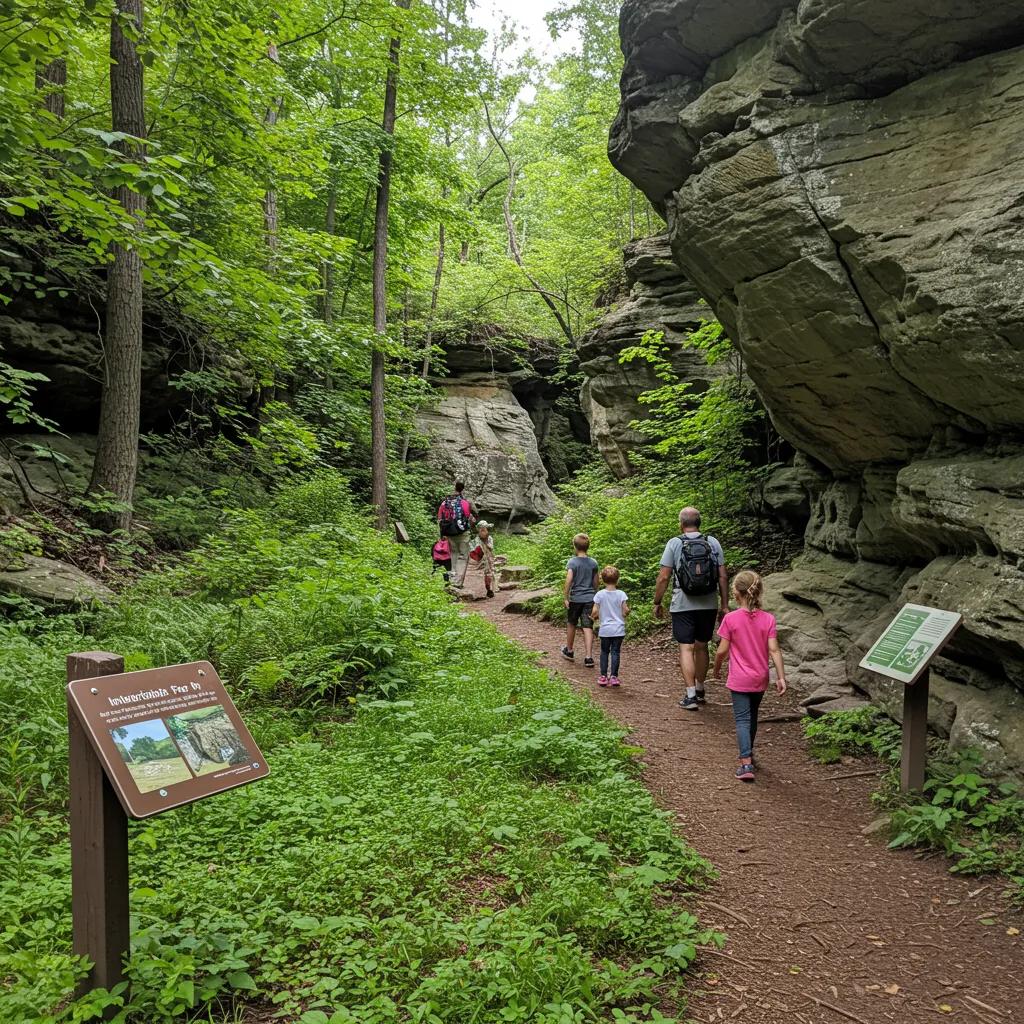
Ohio State Parks showcase diverse terrain and trail systems across the state, offering hikes from sandstone gorges to hardwood forests and rolling river valleys that appeal to both casual day hikers and seasoned backpackers. Signature parks like Hocking Hills and Mohican highlight geological wonders and varied trails that draw families and serious hikers alike, with trail mileage ranging widely to accommodate short family strolls and longer loop adventures. These trail networks connect scenic overlooks, waterfalls, and rock formations, creating immersive outdoor classrooms for all ages. Understanding this trail variety helps families select parks that match their skill levels and interests.
Complementing these natural assets are campgrounds with varying service levels—from basic tent sites to spots with electric hookups—along with shared facilities like picnic shelters, boat ramps, and nature centers that explain local ecosystems. Common amenities include restrooms, potable water stations, interpretive centers, and well-marked trails; specific services and hookups differ by park and site type. Many state parks prioritize low-impact infrastructure and educational signage over entertainment-focused attractions, aligning facilities with their conservation mission. Knowing the typical facility mix helps families set expectations for comfort versus immersion.
To illustrate these characteristics with practical examples, the table below summarizes key attributes of selected state parks, highlighting trail mileage, water access, and interpretive resources that are important for campers.
This table compares selected Ohio State Parks based on core features useful for choosing a campsite.
This comparison clarifies how different parks emphasize geology, waterways, or unique rock features, helping families match their park choice to their desired activities. The next section delves into how booking rules and regulations shape access to these features.
How Do Ohio State Parks Showcase Natural Landscapes and Extensive Trails?
Ohio State Parks highlight natural landscapes by preserving diverse geological formations, river corridors, and forested habitats that create distinct trail systems for various users. Management practices focus on trail upkeep, clear signage, and interpretive resources that explain geology and ecology while guiding visitors through features like gorges or river bluffs. Visitors benefit from mapped routes suitable for families, day hikers, and backpackers, with clear distinctions between short interpretive loops and longer, more rugged trails. Understanding the types of trails and examples found at parks like Hocking Hills and Mohican helps families plan appropriate routes and connect their hiking goals with campsite selection, naturally leading into a discussion of the on-site amenities that support these outings.
Comparing State Park Systems: Michigan, Indiana, and Ohio
State parks constitute a valuable portion of the United States’ national, regional, state, local, and private lands devoted to the conservation and preservation of nature and American culture. State parks also represent state values through their display of special natural, cultural, and historic characteristics. Thus, it is important to consider how citizens and policy makers value their natural areas at the state level. This study maintains that there are fifty different state park systems in the United States. Each system and park represents different ideals and attitudes toward the use of natural resources and unique wilderness areas. These sentiments convey state and public values of recreational areas. This thesis examines how the creation and organization of Maumee Bay State Park in Ohio, Indiana Dunes State Park, and William C. Sterling State Park in Michigan reflect differ
“The Show Windows of a State”: A Comparative Study on Classification of Michigan, Indiana, and Ohio State Parks, 2006
What Amenities and Facilities Are Common at Ohio State Park Campgrounds?
Ohio State Park campgrounds typically offer practical amenities that support outdoor recreation, focusing on essentials that enable safe and sustainable visits without large-scale entertainment complexes. Common facilities include campsites with electric hookups at some parks, vault or flush toilets, potable water, boat ramps, picnic shelters, and interpretive nature centers that host family programs. The following list outlines typical campsite and family-supporting facilities found across Ohio State Parks.
- Full-service sites and primitive loops: A range of site options to suit different camping preferences.
- Water access and boat ramps: Facilities that support paddling, fishing, and lake or river activities.
- Nature centers and interpretive programs: Educational opportunities led by park staff or volunteers.
These amenities emphasize low-impact recreation and environmental education, shaping the visitor experience in ways that differ from amenity-rich private campgrounds. The next section explains the reservation mechanics and regulations that govern park use.
How Do Booking and Regulations Work for Ohio State Park Camping?
Booking and regulations for Ohio State Park camping aim to balance accessibility with conservation through structured reservation systems, permit requirements, and standard park rules like quiet hours and pet policies. The reservation window and cancellation policies are managed systematically to ensure fair access, especially during peak seasons. Many parks allow reservations several months in advance, while also keeping some sites available for walk-up visitors. Typical regulations include leash requirements for pets, restrictions on open fires during certain conditions, limits on vehicles and occupants per site, and designated quiet hours to preserve natural soundscapes. Familiarity with these rules and the reservation timeline helps avoid surprises and assists families in choosing the right park and site for their comfort level, preparing them for the comparative option of private campgrounds with different service models.
How Do Ohio State Park Campgrounds Compare to Private Campgrounds Like Ridge Ranch?
In simple terms: Ohio State Park campgrounds are public, conservation-focused sites that highlight natural landscapes and trail systems, while private campgrounds like Ridge Ranch Campground by GatherGrounds typically emphasize curated amenities and on-site entertainment for experience-driven stays. The main differences lie in amenities, services and programming, and cost structure: state parks focus on trails and nature education, while private campgrounds add scheduled events, play areas, and entertainment attractions to encourage longer stays. These distinctions influence family choices depending on whether the priority is immersion in preserved natural areas or convenience and a variety of activities. Below is a concise side-by-side comparison to clarify these differences.
This side-by-side view shows that private campgrounds often bundle recreation and entertainment into the stay, whereas state parks emphasize the natural landscape and outdoor skills. Next, we’ll examine specific private amenities and how they influence family decision-making.
What Enhanced Amenities and Unique Experiences Do Private Campgrounds Offer?
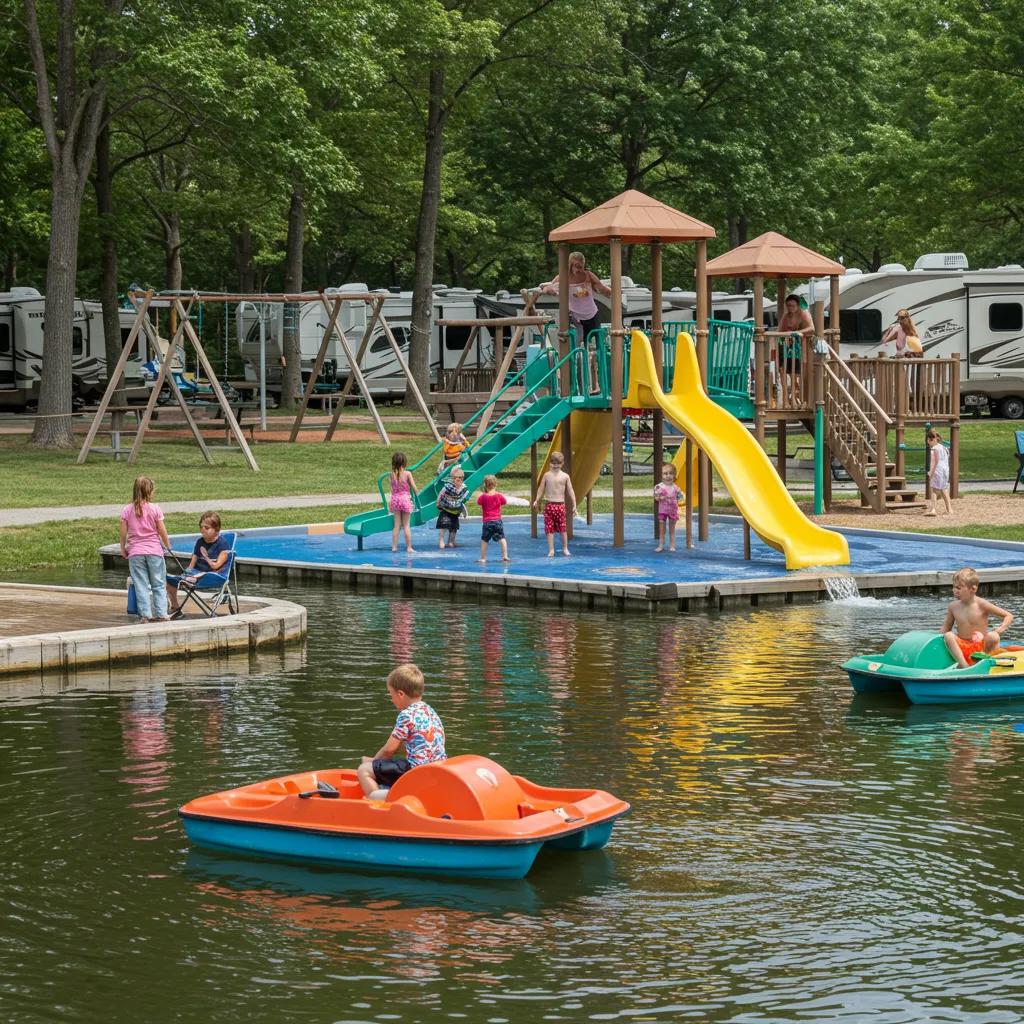
Private campgrounds frequently offer enhanced amenities such as arcades, waterparks, planned entertainment, and paid on-site services that extend the vacation experience beyond hiking and paddling. Ridge Ranch exemplifies this by planning family-oriented attractions—most notably a Wibit waterpark and an arcade set to open in 2026—aimed at increasing on-site entertainment and encouraging multi-day visits for families. These enhanced amenities allow families to balance relaxing nature time with built-in activities for children and teens, reducing the need for travel to entertainment venues and providing predictable schedules. Understanding these additions helps families determine whether a convenience-focused private stay or a nature-first state park trip better aligns with their weekend goals.
How Does Personalized Service Differ Between State Parks and Private Campgrounds?
Personalized service is generally more prominent at private campgrounds, where staffing and programming are geared towards guest experience, communication, and curated events, in contrast to the standardized, stewardship-focused management at state parks. Private sites often provide on-site event calendars, staff-led activities, and guest services that manage reservations, equipment rentals, and family entertainment, and these amenities can foster a sense of community throughout a stay. State parks emphasize ranger-led interpretation and conservation education, offering a different kind of personalization rooted in land stewardship rather than entertainment programming. Comparing these service models helps families choose the social and operational style they prefer for their trip.
What Are the Cost Differences Between Ohio State Parks and Private Campgrounds?
Cost differences typically reflect the facilities provided: state parks often charge lower base nightly fees for basic sites, while private campgrounds may price sites higher but bundle or offer add-on activities and rentals that create perceived value. Evaluating cost therefore requires looking beyond nightly rates to the total trip value—considering whether amenities like paddleboat rentals, sports courts, or planned events are included or cost extra. Families should review budget examples that detail nightly site fees, equipment rental costs, and expenses for food or activities to determine which model offers the best overall value for their priorities. This cost perspective naturally leads to why families might still choose state parks despite fewer built-in amenities.
Why Choose Ohio State Parks for Your Camping Experience?
Ohio State Parks offer a conservation-first option that combines safe, educational outdoor environments with extensive trail systems and lower base costs when compared to amenity-forward private campgrounds. Park systems invest in trail maintenance, interpretive programming, and habitat protection, providing families with opportunities to learn about regional ecology and geology through ranger programs and nature centers. These elements support outdoor stewardship and offer immersive experiences that spark curiosity and encourage physical activity for children and adults alike. For families prioritizing natural landscapes, educational programming, and affordable access to large areas of protected land, state parks remain an excellent choice.
What Makes Ohio State Parks a Top Choice for Family-Friendly Camping?
State parks frequently offer family programming such as ranger talks, junior naturalist activities, and guided nature walks, making them particularly well-suited for families seeking educational recreation. Safety and structured interpretation are key priorities; many parks provide clear trail markings, family-friendly loops, and staffed nature centers that help parents plan age-appropriate outings for children. These resources support hands-on learning about regional species, geology, and conservation practices while encouraging outdoor skills in a supervised setting. Knowing that education and safety are prioritized helps families choose state parks for purposeful nature immersion and engaging discovery for kids.
How Do Ohio State Parks Support Outdoor Recreation Activities?
Ohio State Parks support a wide array of activities—hiking, swimming, boating, fishing, and winter sports—through infrastructure like boat ramps, well-maintained trails, beaches, and designated fishing areas that facilitate safe participation. The park system’s facilities are designed to enable repeatable experiences, such as mapped trail loops and maintained picnic areas, ensuring families can plan reliable outings regardless of weather or season. These activity supports allow parents to tailor their days around hikes, lake play, and wildlife watching, reinforcing why many visitors choose parks for day trips and multi-day adventures. Understanding these activity supports helps set expectations for what to pack and reserve.
What Recent Awards and Recognitions Highlight Ohio State Parks’ Quality?
System-wide recognitions and awards for Ohio State Parks reflect investments in management, visitor services, and trail maintenance that result in consistent visitor experiences across parks. Such accolades signal that parks meet national standards for recreation stewardship and help visitors trust that facilities and programs will be as advertised. These awards also often correlate with increased visitation during peak seasons, which is important for trip timing and reservations. Understanding that recognized park systems attract more visitors leads directly to practical booking advice for busy weekends.
What Are the Best Ohio State Park Campgrounds for Camping Experiences?
Selecting a “best” campground depends on your activity priorities—whether you prefer water-based recreation, hiking-focused trips, or family-friendly amenities—and parks are suited to these styles through their facilities and natural features. Parks like East Harbor offer beaches and lake access for swimming and boating, while Hocking Hills provides dramatic hikes and rock formations for exploration. Nelson Ledges is known for its ledges and unique rock landscapes, ideal for short hikes and photography. Curated recommendations help families choose parks by matching the site’s strengths to the family’s intended activities and comfort level with primitive versus developed camping.
Which State Parks Offer the Most Popular Camping Amenities?
Certain Ohio State Parks provide the infrastructure families expect for comfort: full or partial electric hookups, accessible restrooms, beaches, and cabin options that expand accommodation choices beyond tent camping. Parks with extensive campground facilities support group gatherings, youth camps, and family reunions through reservable shelters and multi-site loops. The list below highlights common amenities and the types of parks where they are typically found.
- Full hookups and RV access: Available at select larger parks for family RV trips.
- Beaches and swim areas: Found at lakefront parks ideal for water recreation.
- Cabin or yurt options: Provide weather-protected stays for families preferring more comfort.
Knowing which parks typically offer these amenities allows families to narrow down their choices based on comfort and activity preferences. The next subsection explores matching parks to different camping styles.
How Do These Parks Cater to Different Camping Styles?
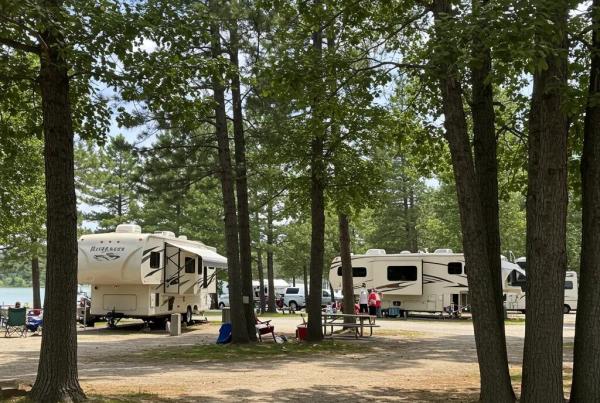
Ohio parks accommodate a range of camping styles—RV-friendly sites with hookups, tent-only loops for a more primitive experience, backcountry or backpacking routes for overnight treks, and cabin stays for families seeking more amenities. Choosing a park depends on the family’s camping experience, desired proximity to trailheads or water, and the need for accessibility features. For instance, families with young children might prefer campgrounds near beaches or short trails, while experienced hikers may opt for parks with longer loop trails and backcountry options. This guidance helps campers align their comfort level with park infrastructure before making reservations.
What Local Attractions Enhance the Camping Experience Near Ohio State Parks?
Pairing park stays with nearby cultural or recreational attractions adds value to trips by combining nature time with day-trip options such as scenic drives, unique geological sites, or museums close to the parks. Examples include visiting Nelson Ledges’ rock formations or scheduling a day trip to the Pro Football Hall of Fame for a family interested in both outdoor and cultural experiences. Suggested day itineraries that combine a morning hike with an afternoon local attraction can broaden the appeal of a park-based stay and accommodate groups with diverse interests. Understanding nearby attractions helps families design multi-faceted trips that balance outdoor time with off-site experiences.
How Can You Plan and Book Your Ohio State Park Camping Trip?
Planning and booking an Ohio State Park camping trip involves understanding reservation mechanics, seasonal demand, pet and accessibility policies, and packing essentials to align expectations with available facilities. The reservation system opens windows for advance booking that vary by park and season, and peak holidays often sell out quickly; families should plan their timelines and have alternative dates ready. Pet policies, ADA accommodations, and site-specific rules also influence site selection, particularly for families with mobility needs or service animals. A clear plan reduces surprises and increases the likelihood of securing preferred sites during busy periods.
What Are the Reservation Requirements and Tips for Ohio State Parks?
Reservation windows and rules typically require advance planning—reserving up to several months ahead during peak seasons—and having flexible dates can improve site availability; weekdays and shoulder seasons often have lower demand. Practical tips include setting calendar reminders for reservation open dates, targeting mid-week stays to avoid weekend crowds, and preparing backup park options in case your primary choices are booked. Cancellation policies vary, so checking the park’s reservation terms before booking can prevent unexpected fees. Employing these tactics increases the chance of securing preferred campsites and is especially important when planning around events or school holidays.
How Do Pet Policies and Accessibility Features Affect Your Stay?
Pet policies generally require leashing, cleanup, and adherence to local wildlife protections, which can limit where pets can roam and whether they can access certain trails or swim areas. Accessibility features vary by park but commonly include ADA-compliant restrooms, accessible campsites, and paved or graded trails near visitor centers to accommodate mobility devices. Families with pets or accessibility needs should verify park-specific rules in advance and select sites designed for their requirements. Confirming these policies ahead of time prevents last-minute adjustments and allows families to choose parks that meet both mobility and pet-friendly needs.
What Should Families Know About Seasonal and Event-Based Camping?
Seasonality impacts trail conditions, lake levels, and campsite availability; for example, shoulder seasons may offer quieter trails and lower prices, while midsummer brings peak visitation and full campgrounds. Event weekends—such as ranger programs, local festivals, or holiday weekends—often increase demand and require earlier reservations. Packing considerations should account for seasonal weather changes, appropriate footwear for trails, and additional safety gear for water activities. Anticipating seasonal variables helps families select dates and gear that align with their desired activities and tolerance for crowds.
How Does Ridge Ranch Campground Illustrate the Private Campground Advantage in Ohio?
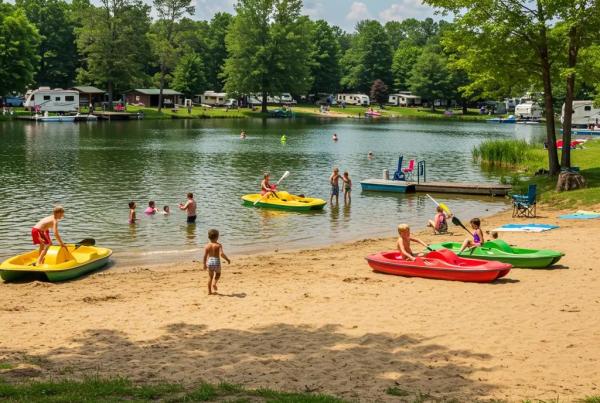
Ridge Ranch Campground by GatherGrounds serves as a clear example of how private campgrounds focus on family programming, water-based amenities, and on-site recreation to create experience-driven stays that differ from conservation-first state parks. Ridge Ranch’s 76-acre lakefront property centers around a 17-acre lake with a sandy beach and water activities, while on-site recreation includes paddleboat and canoe rentals, fishing, playgrounds, sports courts, and planned family events. This mix of amenities supports families seeking both lake access and structured activities on-site, which can reduce the need for day trips and provide a more contained vacation experience. The following subsections detail specific amenities, planned enhancements, and the value of proximity to state parks.
What Family Activities and Lakefront Amenities Does Ridge Ranch Provide?
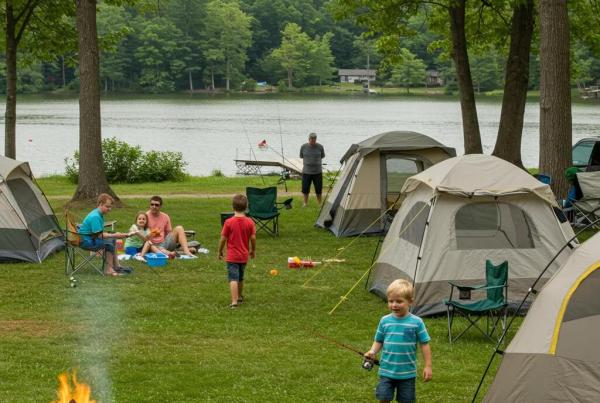
Ridge Ranch offers a blend of lakefront and land-based amenities designed for families, including a sandy beach for swimming, paddleboat and canoe rentals for on-water fun, fishing opportunities on the 17-acre lake, and playgrounds plus sports courts for land-based activities. These features support varied daily schedules where families can divide their time between relaxed beach play and organized games or rentals, offering options for different ages and energy levels. A sample family day might include morning paddling, afternoon beach time, and evening community events, making the most of both the lake and the campground’s recreational courts. For families who desire predictable activities without extensive driving, these amenities create a convenient, activity-rich environment that complements nearby state-park exploration.
How Will the Planned Wibit Waterpark and Arcade Enhance Ridge Ranch’s Appeal?
The planned addition of a Wibit waterpark and an arcade by 2026 at Ridge Ranch is intended to boost on-site entertainment options and increase multi-day stays by offering families modern attractions that appeal to children and teens. Such additions typically improve stay retention—families are more likely to extend their visits when there is varied daily programming and weather-proof options like arcades. These planned upgrades position Ridge Ranch as a private option that combines outdoor lake activities with entertainment amenities, creating a hybrid vacation experience that can complement nearby state parks. Anticipating these enhancements helps families weigh future value when choosing between public parks and private campgrounds.
How Does Ridge Ranch’s Location Near State Parks Add Value to Campers?
Ridge Ranch’s proximity to regional attractions and state parks, such as Nelson Ledges State Park, enables a mixed itinerary that pairs comfortable, amenity-rich basecamping with day trips to conserved natural areas for hiking and geology exploration. Families can enjoy the convenience of a private campground’s on-site activities while scheduling morning or afternoon excursions to nearby state parks for trail experiences and interpretive programs. This combination offers the best of both worlds: relaxing, service-oriented campsite experiences at Ridge Ranch and nature-first exploration at state parks. Understanding how to blend private-campground comfort with park-based adventure helps families design balanced multi-day trips.
What Factors Should Families Consider When Choosing Between Ohio State Parks and Private Campgrounds?
Choosing between Ohio State Parks and private campgrounds requires weighing cost, amenities, experience type, accessibility, and peer feedback to find the best fit for family needs and travel style. Cost considerations include base nightly rates, equipment rental fees, and whether amenities are included or extra; amenities and experience type determine whether families prioritize nature immersion or on-site entertainment. Accessibility and pet policies affect practical logistics, while online reviews and community feedback validate cleanliness, staff responsiveness, and event quality. A structured comparison helps families evaluate the trade-offs and select the option that delivers the greatest combined value for their priorities.
How Do Cost, Amenities, and Experience Compare?
Cost and amenities combine to create perceived value: state parks often offer lower nightly costs focused on access to natural resources, while private campgrounds charge for convenience and built-in entertainment that may reduce ancillary spending on local attractions. When comparing total trip cost, include equipment rental, activity fees, and food to determine net value. Families seeking minimal overhead and maximum immersion may prefer parks, while those wanting a stress-free, activity-packed stay often choose private campgrounds. This cost-and-experience perspective informs the recommended personas and practical tips that follow.
Which Option Best Fits Different Family Needs and Preferences?
Different family personas align naturally with campground types:
- Adventure Family: Prefers state parks with extensive trails and backcountry options.
- Relaxation Family: Prefers private campgrounds offering beach and on-site activities.
- Budget Family: Chooses state parks for lower base fees and day-trip itineraries.
These personas help families match expectations to realities—adventure families might value proximity to Hocking Hills or Mohican, while relaxation families may prefer a lakefront private campground with structured entertainment. Selecting a persona clarifies which trade-offs are acceptable and which amenities are essential.
How Can Online Reviews and Community Feedback Influence Your Choice?
Online reviews and local community feedback are valuable indicators of cleanliness, event quality, and staff responsiveness; prioritize recent reviews with photos and active owner responses to validate claims. Trust indicators include recent timestamps, numerous photo-bearing reviews, and management replies that address issues transparently. Cross-referencing official park resources and community forums helps align expectations with reality before booking. Using reviews as a decision filter reduces surprises and supports choosing a campground that matches the family’s service and activity expectations.
The final practical step for families considering a private option is booking: if Ridge Ranch aligns with your priorities, many families choose to reserve a family-friendly camping experience—such as RV sites, tent sites, or seasonal sites—online through the campground’s reservation system to secure lakefront access and planned activities.
Frequently Asked Questions
What types of camping styles are available at Ohio State Parks?
Ohio State Parks offer a variety of camping styles, including tent camping, RV camping, and backcountry camping. Families can choose from primitive sites with minimal amenities to fully equipped sites with electric hookups. Some parks also provide cabin rentals for those seeking more comfort. This diversity allows families to select a camping experience that matches their preferences, whether they prioritize immersion in nature or the convenience of modern facilities.
Are there any specific safety measures in place at Ohio State Parks?
Yes, Ohio State Parks implement several safety measures to ensure visitor well-being. These include clearly marked trails, ranger-led programs that educate about local wildlife and environmental safety, and guidelines for campfire use. Parks also typically provide emergency contact information and have staff trained to assist in emergencies. Familiarizing yourself with these safety protocols can enhance your camping experience and ensure a safe visit for your family.
How can families find out about upcoming events at Ohio State Parks?
Families can stay informed about upcoming events at Ohio State Parks by visiting the official Ohio State Parks website, where event calendars are regularly updated. Many parks also promote events through social media channels and local community boards. Subscribing to newsletters or joining park-specific mailing lists can provide timely information about ranger-led programs, educational workshops, and seasonal festivities that enhance the camping experience.
What should families pack for a camping trip to Ohio State Parks?
When planning a camping trip to Ohio State Parks, families should pack essential items such as a tent or RV, sleeping bags, cooking equipment, and food supplies. It’s also important to include outdoor gear like hiking boots, water bottles, and insect repellent. Depending on the season, families may need to pack additional clothing layers, rain gear, and safety equipment for water activities. Preparing a checklist can help ensure that all necessary items are included for a comfortable and enjoyable stay.
How do Ohio State Parks accommodate visitors with disabilities?
Ohio State Parks are committed to being accessible to all visitors, including those with disabilities. Many parks offer ADA-compliant facilities, such as accessible restrooms, campsites, and paved trails. Some parks also provide adaptive equipment for activities like fishing or hiking. Families should check specific park websites for detailed information on accessibility features and available services to ensure a comfortable experience for all members of their group.
What are the best times of year to visit Ohio State Parks for camping?
The best times to visit Ohio State Parks for camping are typically during the spring and fall seasons. Spring offers blooming wildflowers and mild temperatures, while fall showcases vibrant foliage and cooler weather, ideal for hiking and outdoor activities. Summer is popular but can be crowded, especially during holidays. Families might consider visiting during weekdays or shoulder seasons for a more peaceful experience and better campsite availability.
Can families bring pets to Ohio State Parks, and what are the rules?
Yes, many Ohio State Parks welcome pets, but specific rules apply. Pets must generally be leashed, cleaned up after, and kept away from designated swimming areas and certain trails. Some parks may have restrictions on pet access to specific facilities or areas to protect wildlife. Families should review the individual park’s pet policy before their visit to ensure compliance and a pleasant experience for both pets and other visitors.
Conclusion
Choosing Ohio State Parks for your camping adventure offers families a unique combination of natural beauty, educational programs, and affordability compared to private campgrounds. With extensive trail systems and conservation-focused amenities, these parks provide immersive outdoor experiences that cultivate a love for nature. Families can easily plan their trips by considering their activity preferences and the specific features of each park. Begin your adventure today by exploring the diverse options available at Ohio State Parks.