
Top Marketing Tactics for Selling Campgrounds: A Complete Guide for Campground Owners
Selling a campground requires a focused mix of marketing, preparation, and valuation clarity to attract qualified buyers and maximize net proceeds. This guide explains market strategies for campground sales, the step-by-step campground selling process, and RV park sale specifics so owners can confidently plan an exit. Owners will learn how to highlight unique features, prepare financials and property, calculate value using NOI and cap rates, and compare selling through a broker versus selling direct to a buyer. The article also covers targeted marketing tactics for RV parks, provides EAV-style valuation and comparison tables, and answers common seller questions about timelines and confidentiality. Throughout, practical checklists, outreach templates, and inspection-ready documentation recommendations help owners move from planning to closing with fewer surprises and better outcomes.
What Are the Most Effective Marketing Strategies to Sell a Campground?
Marketing strategies for selling a campground combine visual storytelling, targeted outreach, and data-driven listing optimization to reach buyers who value operations and legacy. Effective marketing works by communicating both the guest experience and the business performance, giving buyers confidence in revenue potential and operational fit. The benefit of this approach is attracting qualified buyers who can offer fair prices and close more quickly, which reduces carrying costs and owner stress. The next sections break these strategies into concrete tactics, explain how each tactic drives buyer interest, and provide checklists owners can use to execute them.
How Can You Highlight Your Campground’s Unique Features to Attract Buyers?
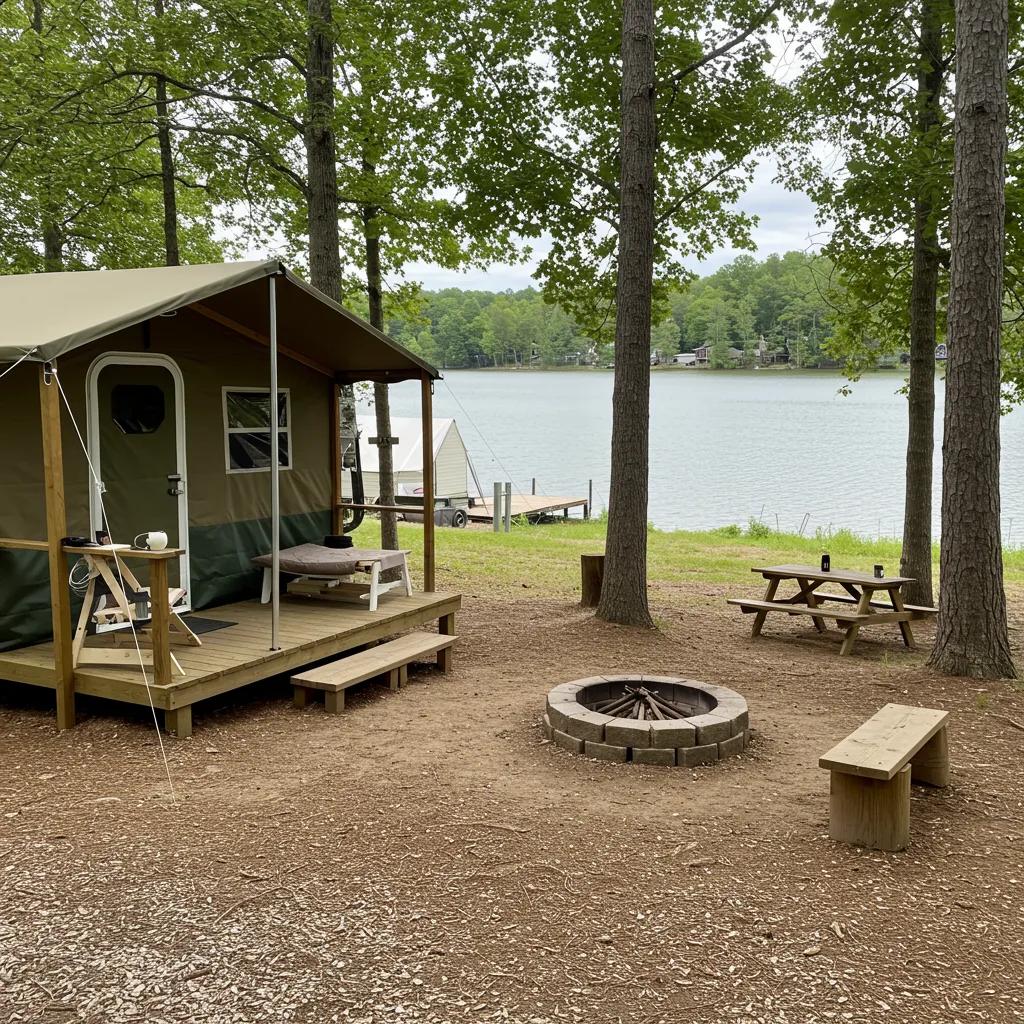
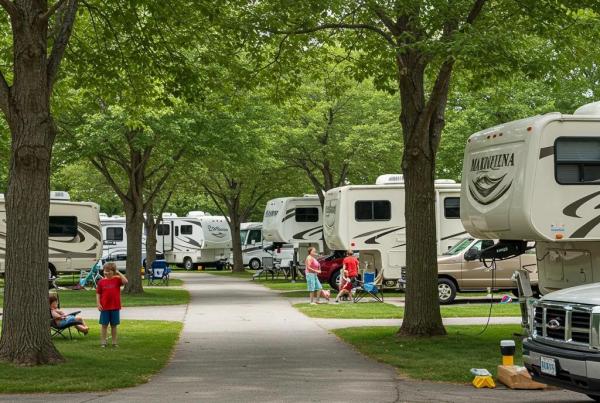
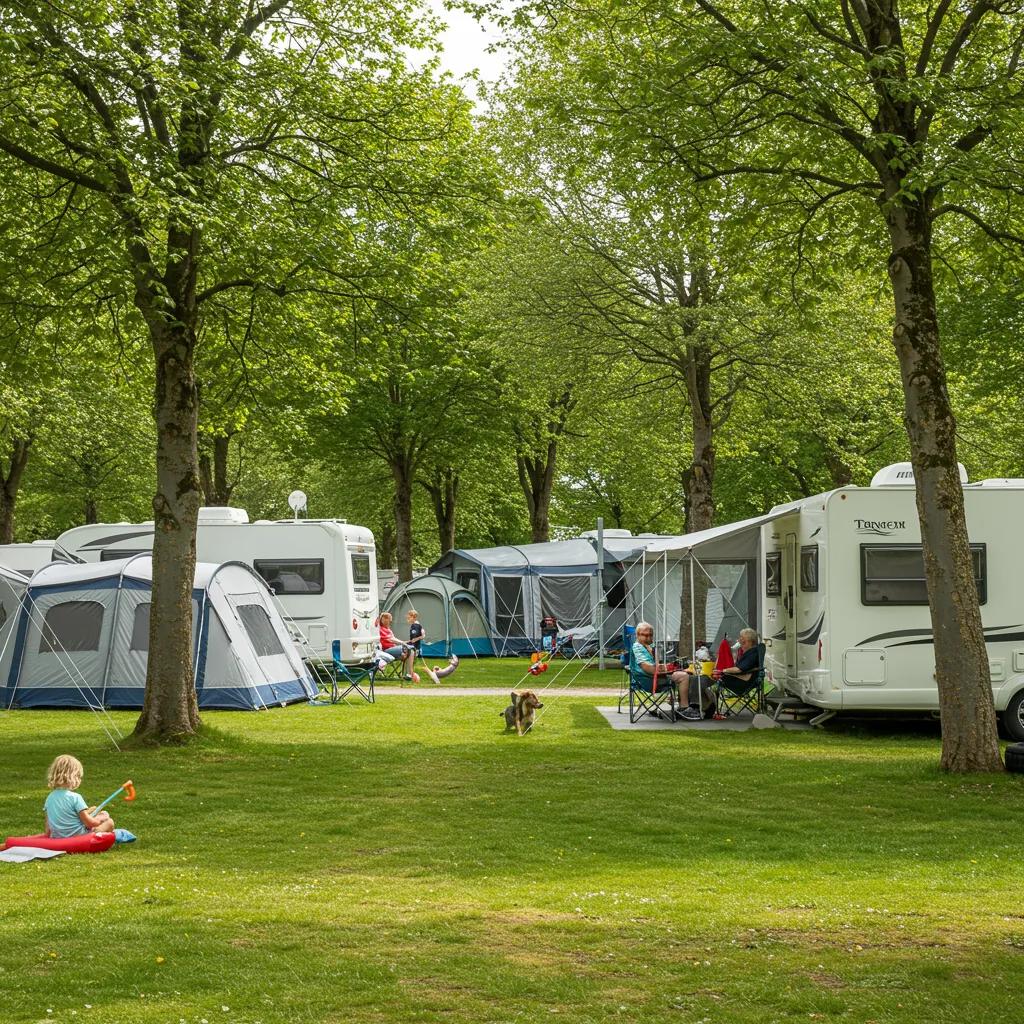
Highlighting a campground’s unique features begins by documenting what makes the property special—natural assets, signature events, historical elements, or a particular site mix—and translating those into buyer benefits. Use professional photography and short video clips that show guest experiences, site layouts, and high-ROI amenities; these assets signal both demand and stewardship to prospective buyers. Create a narrative that ties features to revenue and operational ease, for example by showing how a cluster of glamping units drives higher average daily rates or how a lakeside loop produces repeat bookings. This storytelling also prepares you to present the property in listing copy and outreach messages targeted at investors, family buyers, and operating groups, setting up the next topic on online marketing channels.
What Role Does Online Marketing Play in Campground Sales?
Online marketing is the primary channel through which buyers discover and evaluate campground listings because it combines searchable data, social proof, and multimedia tours that buyers expect. Optimize listing titles and descriptions for buyer intent keywords—for example, “campground for sale with 130+ sites”—and include key metrics like site count, typical occupancy, and NOI to pre-qualify interest. Leverage paid search and social ads targeted at campground operators, RV-park investors, and regional hospitality buyers to increase qualified inquiries. High-quality virtual tours and drone footage shorten buyer due diligence and lead to more confident offers, which ties directly into how local networks can amplify interest.
How Can Local and Industry Networks Boost Your Campground Sale?
Local and industry networks add trust and targeted exposure by connecting sellers to buyers who understand regional demand, permitting, and operations, which often speeds transactions. Engage campground associations, regional RV-owner groups, and local commercial brokers to discreetly surface buyers; use a staged confidentiality approach so operations and staff remain protected during outreach. Reach out to past vendors and partner businesses who may know investors or operators looking to expand, and consider private campaigns to investor lists that emphasize stewardship and legacy if that aligns with your sale goals. These offline contacts complement online listings and help maintain a controlled, confidential marketing process while increasing buyer quality.
How Do You Prepare Your Campground for Sale to Maximize Market Appeal?

Preparing a campground for sale means improving physical condition, organizing financial records, and presenting the property to highlight future revenue potential and reduce buyer uncertainty. Preparation works by removing friction points in due diligence and creating a clear narrative of past performance plus realistic upside, which typically shortens the sales timeline and can lift offers. Prioritize infrastructure and guest-facing fixes that buyers commonly evaluate first, and assemble a tidy document package that supports valuation. The following subsections list maintenance priorities, the financial documents buyers expect, and presentation tactics that influence buyer perception.
What Maintenance and Upgrades Increase Campground Value?
Infrastructure and utility upgrades—such as electrical capacity, sewer lines, and water systems—often yield the highest buyer appeal because they lower immediate capital risk and enable additional sites or higher rates. Adding RV sites or upgrading cabins and glamping units can increase revenue per site and attract buyers focused on short-term cash flow; quantify typical cost versus value uplift where possible. Cosmetic and guest-facing improvements like signage, landscaping, and pavilion upgrades improve perceived quality and bookings, while preserving core natural features supports legacy messaging. These prioritized improvements help buyers visualize post-acquisition operations and form the basis for valuation discussions that follow.
Which Financial Documents Should You Prepare Before Selling?
Buyers expect a clear, multi-year financial record to underwrite cash flow and validate NOI, so prepare income statements, profit and loss records, and tax returns for the past three to five years. Include occupancy reports, revenue-per-site metrics, seasonal calendars, expense breakdowns, vendor contracts, and capital improvement records to show both historical performance and one-time costs. Organize utility bills, payroll summaries, and permits or licenses into labeled folders to accelerate diligence and reduce questions that commonly delay deals. Gathering these documents early creates credibility and shortens negotiation timelines, and owners can also use this organized set to produce a clean NOI calculation for valuation.
How Does Proper Property Presentation Influence Buyer Interest?
Property presentation signals management quality and readiness to transfer operations, which influences buyer confidence and perceived risk when evaluating offers. Stage guest areas, produce a photo shot list (entrances, amenity hubs, typical campsites, cabins, utilities), and provide clear site plans and maps to make evaluations straightforward. Offer both onsite tours and virtual walkthroughs to accommodate remote buyers, and prepare talking points for staff and managers to ensure consistent messaging during visits. A well-presented property reduces buyer hesitancy, encourages competitive offers, and makes due diligence smoother by minimizing surprises.
How Is Campground Valuation Determined and Why Is It Important?
Campground valuation is the process of converting expected cash flows and asset attributes into a market price, typically using net operating income and a capitalization rate; valuation gives both sellers and buyers a defensible basis for offers. The mechanism uses projected or historical NOI divided by an appropriate cap rate to estimate a market value, while other factors—comparables, amenity mix, location, and regulatory constraints—adjust that baseline. Accurate valuation attracts serious buyers, supports negotiation, and directly impacts net proceeds and tax planning. Below we define NOI, show how cap rates change outcomes, and present an EAV-style table mapping attributes to valuation impacts.
What Is Net Operating Income and How Does It Affect Value?
Net Operating Income (NOI) is campground revenue minus operating expenses, excluding financing and owner-specific draws, and it represents the cash flow available to an investor. NOI matters because it is the numerator in the common valuation formula and conveys operational profitability independent of capital structure. For example, if a campground generates $350,000 in NOI and a buyer applies a 7% cap rate, the valuation implied by income equals roughly $5,000,000. Presenting a clear, well-supported NOI that reconciles to tax returns and occupancy data reduces pricing disputes and speeds committed offers.
Before the valuation calculation, ensure your NOI includes consistent revenue categories (site fees, cabin rentals, ancillary income) and properly categorized operating expenses; clarity here leads to fewer buyer adjustments during diligence.
How Do Capitalization Rates Impact Campground Pricing?
Capitalization rates (cap rates) reflect the buyer’s required return and market risk; a lower cap rate produces a higher price for the same NOI, while a higher cap rate reduces price. Cap rates vary by market conditions, property quality, buyer type, and perceived upside—operator-buyers often accept lower cap rates for operational synergies, while passive investors may require higher yields. For example, the same $350,000 NOI at a 6% cap rate implies a price of about $5,833,000, while at an 8% cap rate it implies $4,375,000—showing how sensitive pricing is to cap-rate selection. Understanding likely cap rates for comparable properties helps sellers set realistic expectations and target the right buyer types.
What Other Factors Influence Campground Valuation?
Beyond NOI and cap rate, valuation depends on comparables, site mix, permitted capacity, amenity offerings, regulatory constraints, and the property’s documented upside potential. Buyers weight factors such as the ability to add sites, room for rate increases, strong seasonal demand, and evidence of repeat customers because these support revenue growth after acquisition. Environmental or permitting limitations can materially reduce value by constraining expansion or operational flexibility, so disclose constraints early. Presenting comps and a clear case for upside—backed by occupancy trends and amenity-level revenue—improves negotiation leverage and buyer confidence.
Intro to valuation table: the table below maps key campground attributes to their valuation impacts and provides a simple example row showing how NOI and cap rate produce a price estimate.
This EAV-style mapping shows why buyers focus on both financial performance and physical/permit attributes when deriving offers; presenting each attribute clearly reduces negotiation friction.
What Are the Key Steps in the Campground Selling Process?
The campground selling process follows a predictable lifecycle—preparation, marketing, inquiry, diligence, negotiation, and closing—but each step includes campground-specific tasks that owners should plan in advance. This structured approach reduces surprises, preserves confidentiality, and positions the property for efficient offers and a clean close. The next paragraphs outline how to initiate contact with buyers, what to expect in due diligence, and common negotiation dynamics that affect final terms.
How Do You Initiate Contact with a Buyer Like GatherGrounds Resorts?
Initiating contact with a direct buyer typically starts with a concise high-level information package that includes site count, recent NOI, any asking-range thoughts, and notable operational strengths or constraints. Provide a one-page summary and professional photos or a short video to encourage early interest while protecting sensitive details; buyers will request deeper documents under a confidentiality agreement. GatherGrounds Resorts, as a direct-buyer option, offers a no-pressure initial valuation conversation and handles confidentiality carefully during early outreach, making this a practical route for owners seeking a streamlined alternative to brokered listings. To proceed, indicate interest and request a preliminary conversation or an inquiry form on the buyer’s sell-your-campground page to start a confidential exchange.
What Happens During Due Diligence and How Is It Streamlined?
Due diligence reviews validate financials, permits, environmental status, site plans, and physical condition; prompt organization of core documents speeds review and reduces renegotiation risk. Typical diligence items include audited or reconciled P&Ls, tax returns, occupancy reports, site surveys, utility records, and copies of warranties or recent capital expenditures. Pre-organize files in logical folders and prepare an index so buyers can quickly locate requested documents; a well-structured data room is a key differentiator. Direct buyers may streamline diligence by accepting staged document release under NDA and conducting pragmatic, site-focused inspections rather than exhaustive audits, which can shorten time-to-close.
Effective pre-sale organization signals competence and often results in stronger, cleaner offers.
How Are Offers Made and Negotiated in Campground Sales?
Offers typically include a purchase price, earnest money, a due diligence period, and contingencies for financing, title, or environmental concerns; sellers should prioritize which contingencies are deal-breakers. Negotiation levers for sellers include offering a clean title, documented revenue growth, or agreeing to a staged transition period for staff continuity—each can justify higher net proceeds or faster closing. Preserve confidentiality by using intermediaries or staged information releases during negotiations, and consider how earnest money and timelines influence buyer commitment. Clear communication and a firm but flexible timeline often lead to smoother closings and preserve legacy considerations important to many family-owned sellers.
Should You Sell Your Campground Through a Broker or Directly to a Buyer?
Choosing between a brokered sale and a direct sale depends on priorities such as maximum price, timeline, confidentiality, and seller effort; both routes have trade-offs that owners should evaluate against their exit goals. Brokers can expand market reach and generate competitive bids but typically charge commissions and may prolong the timeline. Direct buyers often offer quicker, commission-free transactions with discretion and stewardship-focused transitions, which can appeal to owners prioritizing legacy preservation or speed. The following EAV table compares these approaches across common seller concerns and helps owners decide which path aligns with their objectives.
This comparison clarifies that brokered sales often trade speed and privacy for market exposure, while direct sales trade exposure for speed, lower transaction costs, and discretion.
What Are the Advantages and Disadvantages of Using a Campground Broker?
Using a broker brings wider market exposure, professional marketing materials, and potential for competitive bids, which can boost the final sale price when multiple buyers compete. The downsides include commission costs that reduce net proceeds and longer sales cycles as properties are marketed broadly. Brokers are advantageous when maximizing price is the primary goal and the seller is comfortable with public listings and open marketing. For sellers prioritizing privacy, speed, or legacy stewardship, conventional brokered processes may be less attractive, leading them to consider direct-buyer options instead.
How Does Selling Directly to GatherGrounds Resorts Benefit You?
Selling directly to GatherGrounds Resorts can offer owners a no-commission exit, a stewardship-oriented approach that emphasizes preserving a campground’s heart and traditions, and potentially faster, more predictable timelines. GatherGrounds presents itself as a family-owned acquirer focused on properties with 130+ sites, offering careful transition planning to protect legacy and staff continuity. Owners seeking a discrete, low-pressure sale may find direct negotiation with such a buyer aligns with emotional and practical priorities, especially when confidentiality and stewardship matter. Reach out to request an initial valuation conversation and to discuss how a direct sale might meet your timing and legacy objectives.
How Do Brokerage Sales Compare to Direct Sales in Terms of Timeline and Cost?
Quantifying timeline and transaction costs helps owners forecast net proceeds and closing expectations; the table below summarizes common metrics and typical ranges for comparison. Use these figures to model net proceeds under each scenario and determine which trade-offs you prefer.
This EAV-style comparison shows that direct sales commonly reduce transaction costs and timeline length while preserving confidentiality, though sellers may accept a different price expectation in exchange for those benefits.
What Specific Marketing Tactics Work Best for Selling RV Parks?
RV-park-specific tactics emphasize utility capacity, site mix, and amenities that directly affect site-level revenue and buyer appetite; marketing should foreground these technical and operational metrics alongside guest experience. Buyers of RV parks focus more on hookup quality, pull-throughs, paved sites, and condition of utility systems because these affect both occupancy and maintenance costs. Presenting detailed per-site revenue data, hookup maps, and utility capacity plans helps operator-buyers and investors model future cash flows quickly. The next subsections compare RV-park strategies to general campground sales and list the amenities and site counts that most influence buyer interest.
How Do RV Park Selling Strategies Differ from General Campground Sales?
RV park strategies emphasize measurable operational metrics—revenue per site, average length of stay, utility capacity, and site-level upgrades—more than tent-only campgrounds, where natural features and events may dominate. Financing availability and investor appetite differ because lenders and buyers evaluate utility infrastructure and site-level revenue predictability more heavily for RV parks. Marketing messages should therefore target RV-park operators and investors with a track record in utility-heavy properties, include technical documents like hookup maps and electrical capacity reports, and highlight any recent investments that reduce deferred maintenance. These operational emphases lead naturally into the amenities and site counts buyers prize.
What Amenities and Site Counts Are Most Attractive to RV Park Buyers?
RV buyers prioritize full hookups, reliable wastewater/dump stations, pull-through sites, strong Wi-Fi, and on-site laundry or convenience retail because these amenities support longer stays and higher rates. Site-count thresholds matter: properties with 130+ sites often attract operators and investors who prefer scale and predictable income, while smaller parks may appeal to family buyers or owner-operators focused on lifestyle. Provide revenue-per-site metrics and occupancy trends in marketing materials to show how amenities and site mix translate into NOI. The table below assigns a buyer appeal score to common amenities to help prioritize upgrades before sale.
Intro to RV amenity table: this table quantifies typical buyer appeal for RV-park amenities so sellers can prioritize improvements that have the strongest perceived value impact.
This EAV table clarifies which investments typically influence buyer interest most and can shape prioritization of upgrades prior to marketing.
What Are the Most Common Questions About Selling a Campground?
Campground owners frequently ask about timelines, finding qualified buyers, required documents, and confidentiality—each of which has practical steps sellers can take to reduce risk and speed the process. Clear answers to these concerns help owners plan realistic timelines, prepare convincing documentation, and choose a sales route that matches personal and financial goals. The subsections that follow address each common question with direct guidance and action items owners can implement immediately.
How Long Does It Typically Take to Sell a Campground?
Typical sales timelines for campgrounds fall in the 6–12 month range from initial marketing to close, depending on pricing, market demand, property documentation, and whether a broker or direct buyer is used. Timelines shorten when financial records are organized, infrastructure is in good repair, and the marketing is targeted to qualified buyers; conversely, unclear docs, environmental issues, or unrealistic asking prices lengthen the process. Direct buyers often move faster due to streamlined diligence and reduced marketing cycles, while brokered listings can take longer but may produce higher offers. Understanding these drivers allows owners to choose a timeline that fits their personal and financial objectives.
How Can You Find Qualified Buyers for Your Campground or RV Park?
Qualified buyers are found through a combination of broker networks, industry associations, targeted investor outreach, and direct marketing to operator groups; vet buyers by requesting evidence of financing capacity and relevant experience. Use a vetting checklist: proof of funds or lender pre-approval, track record of similar acquisitions, and clarity on intended use (operator vs investor). Confidential outreach can be conducted via signed non-disclosure agreements and staged data releases to protect staff and guests while evaluating buyer suitability. Building a short list of vetted buyers reduces time wasted on unqualified inquiries and improves negotiation outcomes.
What Documents and Records Are Needed to Complete a Campground Sale?
A complete document package should include multi-year financials, tax returns, occupancy reports, vendor contracts, site surveys, permits, equipment lists, and recent capital improvement records; organizing these by category makes diligence efficient. Also include staff rosters, vendor contacts, sample guest agreements, and insurance records to paint a full operational picture. Group documents into clearly labeled folders and produce an index; a tidy package not only accelerates buyer review but also signals to buyers that operations are well-managed. Preparing these items in advance reduces renegotiation risk and supports a smoother closing.
How Confidential Is the Selling Process When Working with GatherGrounds Resorts?
Confidentiality in direct sales is typically handled through staged information sharing, use of non-disclosure agreements, and limited marketing that avoids public listings; these practices protect staff, guests, and revenue during the sales process. GatherGrounds Resorts emphasizes a no-pressure, stewardship-oriented approach and commonly uses initial high-level conversations before requesting sensitive documents, which helps preserve confidentiality. Sellers can request NDAs and control the pace of information release while ensuring that serious buyers provide proof of funds before receiving detailed financials. This approach balances the need for buyer verification with the owner’s desire to protect operational stability and legacy.
This article has provided detailed, actionable guidance for marketing, valuing, preparing, and selling campgrounds and RV parks, along with practical comparisons of brokered and direct-sale routes and EAV-style tables to clarify decision factors. Use the checklists and tables above to prioritize tasks, and when confidentiality or stewardship is a primary concern, consider direct-buyer conversations with parties that emphasize legacy and careful transitions.
Frequently Asked Questions
What are the key factors to consider when pricing my campground for sale?
When pricing your campground, consider factors such as net operating income (NOI), capitalization rates, and comparable sales in your area. Assess the unique features of your property, including amenities and site mix, as these can significantly influence buyer interest and perceived value. Additionally, evaluate market conditions and buyer demand to set a competitive price. Engaging a professional appraiser or real estate broker can provide valuable insights and help you establish a fair market price that attracts serious buyers.
How can I ensure a smooth transition for staff and operations after the sale?
To ensure a smooth transition for staff and operations post-sale, create a comprehensive transition plan that includes training for new management and clear communication with employees. Involve key staff in the transition process to maintain morale and operational continuity. Consider offering a transition period where you remain available to assist the new owners. This approach not only helps preserve the campground’s legacy but also reassures staff and guests, fostering a positive environment during the changeover.
What marketing channels are most effective for reaching potential campground buyers?
Effective marketing channels for reaching potential campground buyers include online listings on real estate platforms, social media advertising, and targeted email campaigns to industry professionals. Utilizing local and national campground associations can also enhance visibility. High-quality visuals, such as professional photography and virtual tours, are crucial in showcasing your property. Additionally, leveraging local networks and industry contacts can help connect you with serious buyers who understand the campground market.
What are the common pitfalls to avoid when selling a campground?
Common pitfalls when selling a campground include overpricing the property, failing to prepare financial documents, and neglecting property maintenance. Inaccurate or incomplete financial records can deter potential buyers and prolong the sales process. Additionally, not addressing necessary repairs or upgrades can negatively impact buyer perception. To avoid these issues, conduct thorough due diligence, set a realistic asking price based on market analysis, and ensure the property is well-maintained and presented attractively.
How can I maintain confidentiality during the selling process?
To maintain confidentiality during the selling process, utilize non-disclosure agreements (NDAs) with potential buyers and limit the distribution of sensitive information. Consider using a broker or intermediary to handle inquiries and negotiations discreetly. Additionally, avoid public listings that could attract unwanted attention. By controlling the flow of information and carefully vetting interested parties, you can protect your business operations and staff while still attracting qualified buyers.
What should I do if I receive multiple offers for my campground?
If you receive multiple offers for your campground, carefully evaluate each one based on price, terms, and the buyer’s qualifications. Consider factors such as the buyer’s financial capability, experience in the industry, and their plans for the property. You may choose to negotiate with the highest bidders or create a competitive bidding environment by informing all interested parties of the situation. Ultimately, select the offer that aligns best with your goals and ensures a smooth transaction.
Conclusion
Successfully selling a campground hinges on effective marketing, thorough preparation, and clear valuation, all of which can significantly enhance buyer interest and streamline the sales process. By leveraging unique property features, optimizing online presence, and preparing essential financial documents, owners can attract qualified buyers and achieve favorable outcomes. For those ready to take the next step, consider exploring direct sale options that prioritize confidentiality and stewardship. Start your journey today by reaching out for a preliminary conversation about your campground’s potential.