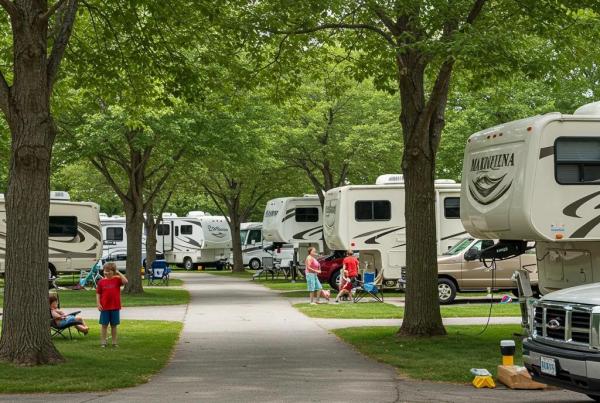


Unlock Profitable Sales Strategies for Your RV Park and Campground
Selling your campground or RV park is a significant undertaking. It requires smart planning, a clear understanding of your property’s worth, and knowing who your potential buyers are to get the best return while honoring your park’s legacy. This guide will walk you through market strategies for campground sales, how to value your RV park using Net Operating Income (NOI) and cap rates, and the crucial preparation steps that attract serious buyers. You’ll learn how to get your financial records in order, decide which property improvements make the biggest impact, and choose between working with a broker or selling directly to achieve your goals. We cover the entire sales journey, from getting your documents ready and sprucing up your property’s curb appeal to evaluating offers, navigating due diligence, and closing the deal. Plus, we’ll touch on common exit strategies owners use after a sale. Throughout, you’ll find practical examples, handy checklists, comparison tables, and valuation tools to help you estimate your RV park’s worth and understand 2025 cap rate benchmarks. Read on for actionable advice, suggestions for helpful tools, and focused guidance as you consider selling your campground or RV park.
Why Consider Selling Your RV Park?
Understanding the “why” behind selling can sharpen your timing and strategy, aligning your personal goals with market realities. Effective campground sales strategies often depend on life stages, financial objectives, and shifts in market demand that can boost your property’s value. When you recognize these market signals, you can time your sale to capture peak buyer interest and ensure a smooth transition that preserves your park’s legacy. The next section explores common seller motivations and connects them to valuation and operational readiness, helping you assess if selling now aligns with your objectives.
Common Reasons for Selling a Campground or RV Park
Owners typically decide to sell due to retirement, health or lifestyle changes, a desire to redeploy capital, or when the operational demands start to outweigh the benefits. Sales driven by retirement often go hand-in-hand with succession planning. Capital redeployment might involve moving proceeds into investments offering passive income or diversification. Operational pressures, such as staffing challenges, evolving regulations, or the need for significant capital expenditures, can make a sale appealing if you prefer not to invest further. Each of these reasons has practical implications for pricing and negotiation, which naturally leads into how market demand influences sale profitability.
How Market Demand Impacts RV Park Sales Profitability
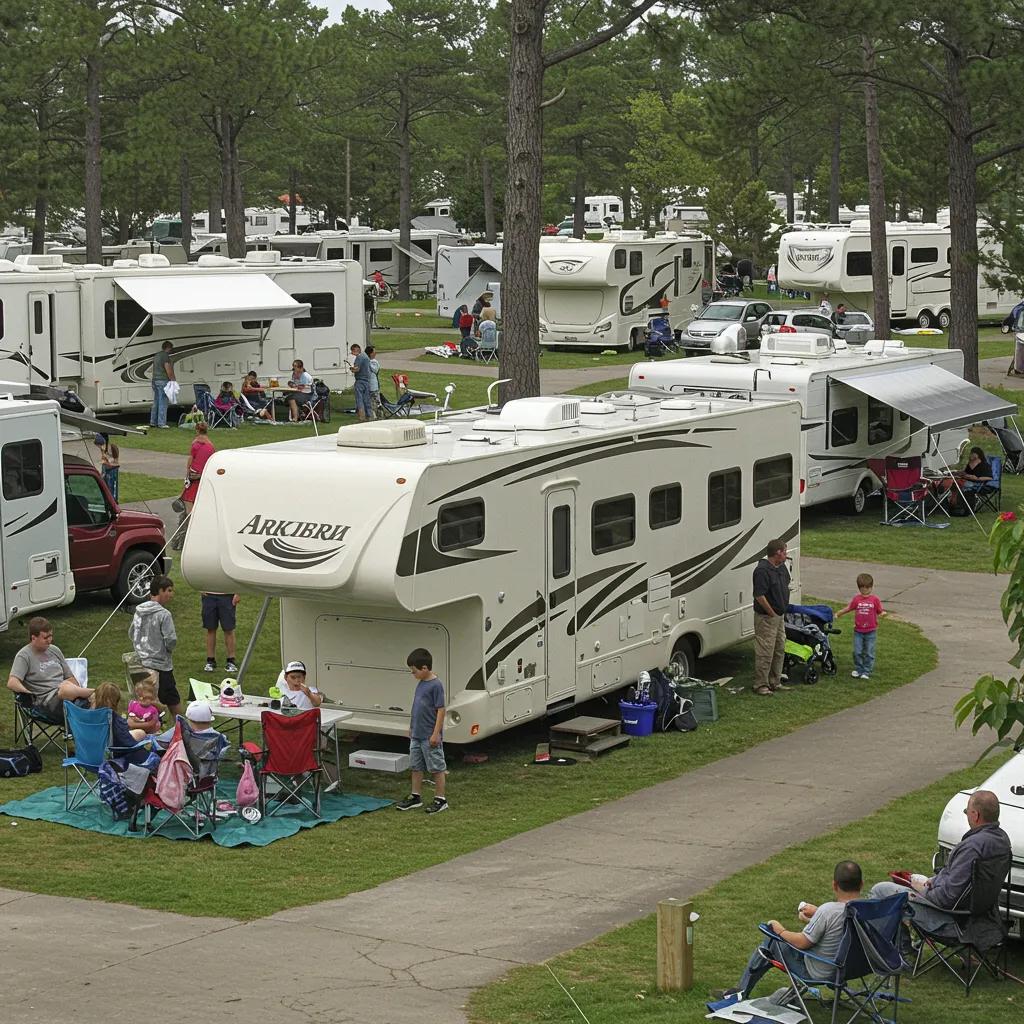
Market demand directly influences occupancy rates, pricing power, and ultimately, your Net Operating Income (NOI). Buyers use NOI and capitalization rates to value parks. Strong RV sales, demographic shifts favoring outdoor recreation, and the rise of technology-enabled bookings can all boost occupancy and ancillary revenue, making your park more attractive. When demand outstrips supply—especially with limited new site development—buyers often pay a scarcity premium, which can compress cap rates and drive up sale prices. These market dynamics set the stage for the valuation methods you’ll want to use to calculate an indicative sale value.
What Role Does Legacy Preservation Play in Selling Your Campground?
Preserving your campground’s legacy can influence who you choose as a buyer, the terms of your contract, and how the transition is structured, particularly for family-owned parks or those with a strong mission. Often, owners seek buyers who are committed to upholding traditions, retaining staff, and continuing beloved guest programs. These commitments can be formalized in sale agreements through transition plans or stewardship clauses. Evaluating prospective buyers for cultural fit is just as important as the price, as legacy-focused transitions minimize community disruption and protect intangible value. Your priorities regarding legacy will help determine whether to pursue broad market exposure through brokers or a direct sale to a buyer who shares your park’s values.
Accurately Value Your RV Park for a Profitable Sale
Valuing an RV park involves selecting a method—income approach, comparable sales, or replacement cost—and applying consistent inputs like NOI, cap rates, and adjusted comparables to estimate market value. The income approach uses your NOI divided by a market cap rate benchmark (2025 cap rates typically range from 8–12%) to arrive at an indicative value, while comparable sales and replacement cost offer valuable cross-checks. Accurate valuation hinges on well-organized financials, site-level revenue data, and a solid understanding of local market cap rate drivers. The following table compares valuation methods, their key inputs, and typical outputs to help you select the most reliable approach for your park.
Different valuation approaches require distinct inputs and produce different indicative values.
These approaches work together: income-based valuation is primary for operating parks, comps validate market sentiment, and replacement cost sets a floor for negotiations.
Key RV Park Valuation Methods
The income approach values parks by capitalizing normalized NOI using a market cap rate, reflecting expected investor returns and property risk. Comparable sales require careful adjustments for differences in size, amenities, occupancy, and local demand but offer market-validated price signals. Replacement cost can bound valuation when transaction data is scarce or when significant capital needs skew income-based values, though it often understates the going-concern value for operating parks. You should use the income approach as your primary method and corroborate results with comps and replacement estimates to establish a defensible asking price.
How Does GatherGrounds Assess Campground Value Differently?
GatherGrounds evaluates parks from a direct-buyer perspective, factoring in operational synergies, modernization potential, and stewardship adjustments into our offer pricing. As a direct buyer, GatherGrounds may place additional value on properties where we can efficiently modernize operations or integrate them into our existing systems, while also considering the costs associated with a legacy-preserving transition. This means our offers can reflect a realistic operating plan rather than solely market comparables, and sellers receive a practical assessment of near-term capital needs and upside potential. If you’re seeking a transaction without intermediaries, weigh these buyer-specific adjustments alongside conventional valuation outputs.
Financial Records and Metrics Owners Should Prepare
Buyers expect organized financial records, including 3–5 years of P&Ls, tax returns, site-level revenue breakdowns, and documented operating expenses to verify NOI and occupancy trends. Additional helpful materials include guest metrics, ancillary revenue reports (store, rentals, event income), vendor contracts, and capital expenditure (capex) logs that show investment history and future needs. Preparing a concise seller packet with these documents speeds up due diligence and reduces negotiation friction by demonstrating transparency and operational stability. A well-structured financial data room also helps buyers confidently model value, which leads into how to calculate NOI precisely.
How to Calculate Net Operating Income for Your Campground
NOI is calculated as gross operating revenue minus operating expenses, excluding financing costs, depreciation, and owner discretionary expenses. It captures the park’s cash-generating ability. To compute NOI, aggregate recurring site fees and ancillary income, subtract normalized operating expenses (payroll, utilities, maintenance, management fees), and adjust for non-recurring items to present a sustainable cash flow figure. For example, a park with $600,000 in gross revenue and $300,000 in operating expenses would have an NOI of $300,000. Dividing this by an 8.5% cap rate yields an indicative value near $3.53 million. You can use a downloadable NOI worksheet to standardize inputs and produce consistent valuations for offers and negotiations.
Typical Capitalization Rates for RV Parks in 2025
In 2025, RV park cap rates commonly fall within an approximate 8–12% range, reflecting a balance between investor demand and operational risk in the outdoor hospitality sector. Lower cap rates (closer to 8%) are associated with high-quality assets featuring stable occupancy, strong ancillary revenues, and limited capital needs. Higher cap rates (around 12% or more) may indicate smaller parks, higher capex requirements, or markets with more volatility. Factors that push rates lower include a scarcity of comparable sites, robust occupancy growth, and integrated operations. Factors that increase rates include environmental issues, deferred maintenance, or weak local demand. Understanding cap rate drivers helps you set realistic expectations and prioritize improvements that can compress cap rates and increase value.
Prepare Your Campground for a Profitable Sale
Preparation focuses on high-impact improvements, ensuring legal and document readiness, and presenting your operations cleanly so buyers can underwrite value with confidence. Prioritizing infrastructure repairs, amenity upgrades, and technology adoption often yields the strongest ROI and reduces buyer diligence concerns. Legal and permit readiness ensures fewer surprises during title and environmental reviews, while organized financial records accelerate the sale process and support your asking price. The following subsections detail property improvements, required documents, record organization tips, and presentation best practices to maximize your net proceeds and streamline buyer evaluation.
Property Improvements That Increase Campground Value Before Selling

Focus on repairs and upgrades that directly enhance the guest experience and recurring revenue: ensure sewer and electrical reliability, upgrade restrooms, improve signage, and enhance campsite surfaces. Technology investments—such as online booking systems, integrated payment platforms, and channel management—can yield measurable increases in occupancy and operational efficiency. Moderate amenity upgrades, like adding playgrounds, improving trails, or introducing a small rental fleet, often boost appeal without extensive capital outlay. Prioritizing these improvements provides a near-term NOI uplift and strengthens an income-based valuation, leading into the required legal documents buyers will request.
Legal Documents and Permits Required to Sell an RV Park
Buyers typically request title documents, recent surveys, environmental reports (Phase I where applicable), conditional use permits, and any utility or easement agreements during due diligence. Lease agreements for long-term site holders, vendor contracts, and licenses (liquor, campground operation permits) should be collected and summarized to clarify transferability and obligations. Disclosing known zoning constraints or outstanding code compliance matters early on prevents last-minute renegotiations and speeds up closing. Having these documents organized supports a smoother due diligence phase and complements the financial packet buyers expect.
Organize Financial Records for a Smooth Sales Process
Create a standardized folder structure for three to five years of P&Ls, tax returns, site-level revenue sheets, vendor contracts, and capex documentation to present a transparent operating history. Use a data-room checklist to label files clearly and provide a one-page summary sheet with normalized NOI calculations and occupancy trends to orient buyers quickly. Including reconciliations between accounting records and tax returns prevents questions about aggressive accounting or owner perks that distort NOI. Organized records reduce perceived risk, shorten diligence timelines, and allow buyers to focus on strategic value drivers.
Best Practices for Presenting Your Campground to Buyers
Build a concise seller packet featuring high-quality photos, a site map, an operations overview, staff roles, and guest metrics that tell your property’s story and showcase revenue drivers. Introduce key staff and outline any training or operational manuals that help buyers project continuity and operating stability after acquisition. Use clear narratives about recurring events, seasonal patterns, and ancillary revenue streams to highlight upside potential buyers can underwrite. Presentations that balance qualitative legacy details with quantitative performance build trust and move negotiations faster toward closing.
Benefits of Selling Directly to GatherGrounds vs. Using Campground Brokers
Selling directly to a buyer like GatherGrounds can reduce transactional friction, eliminate broker commissions, and allow for legacy-preserving transition planning. Brokers, on the other hand, can deliver broad market exposure but come with fees and potentially longer timelines. You should weigh net proceeds, timeline, confidentiality, and stewardship priorities when choosing between these options. The following table outlines core differences—commission impact, timeline, confidentiality, and legacy preservation—so you can compare typical outcomes side-by-side before deciding on a path.
Comparison of broker-assisted versus direct sale outcomes for key transaction attributes.
How Selling Directly to GatherGrounds Saves You Money
Selling direct eliminates broker commissions, which typically range from 5–10% of the sale price, and reduces marketing and holding costs associated with extended listings. Direct negotiation also simplifies administrative overhead and can shorten due diligence timelines by engaging a single, committed buyer focused on operational fit. A worked example shows how avoiding a 6% commission on a $2 million sale increases net proceeds by $120,000 before considering faster close-related savings. These savings must be balanced against obtaining the best market price, which is the central question explored in the decision framework below.
How GatherGrounds Ensures a Thoughtful and Respectful Transition
GatherGrounds emphasizes a family-owned buyer approach that prioritizes listening to sellers, honoring existing operations, and investing where it matters to guests and staff during the transition. Transition options often include phased handoffs, staff retention plans, and preserving guest programs that define a campground’s identity. These practices help maintain operational continuity and protect community relationships while enabling necessary modernization. Comparing these stewardship commitments with conventional buyer behaviors clarifies what you should ask potential buyers during negotiations.
Typical Fees and Processes When Using Campground Brokers
Brokers generally provide marketing, buyer vetting, negotiation support, and coordination of due diligence at a commission that compensates for market exposure and transaction management. Typical broker services include valuation guidance, creation of offering memoranda, outreach to investor networks, and management of auction or bid processes, which can extend timelines but broaden buyer pools. You should assess broker track records, fee structures, and potential conflicts of interest, since wider exposure can increase sale price but comes at the measurable cost of commissions and longer sale cycles. This leads into a decision checklist to choose between pathways.
How to Decide Between a Direct Sale and Broker-Assisted Sale
You should prioritize a decision framework that weighs net proceeds, speed to close, confidentiality needs, and legacy preservation preferences when selecting your sale method. Ask yourself if maximum market exposure is needed to capture the top price or whether a streamlined, stewardship-focused transaction better serves your personal or community objectives. Consider creating a simple weighted checklist scoring price, timeline, confidentiality, and transition priorities to compare outcomes quantitatively. This decision framework prepares you for the next stage—evaluating offers and managing due diligence.
The Step-by-Step Sales Process for Selling Your RV Park
A clear sales timeline helps you manage expectations and resources during an RV park sale, from initial offers through due diligence and closing. The typical process includes receiving and evaluating offers, coordinating due diligence, negotiating contract terms, and completing closing logistics with escrow and legal coordination. Each step requires documentation and decisions that affect timing and net proceeds, so the following subsections outline how to evaluate offers, prepare for diligence, and finalize the sale efficiently.
How to Receive and Evaluate Offers from Buyers Like GatherGrounds
Evaluate offers by comparing price, contingencies, financing certainty, timeline, and transition terms rather than focusing solely on headline numbers. Create an offer-evaluation checklist that weights cash vs. financed components, inspection contingencies, proposed post-closing involvement, and timeline flexibility to compare apples-to-apples. Ask buyers for proof of funds or financing commitments and consider how transition terms affect your goals for legacy and staff continuity. A disciplined evaluation process reduces negotiation surprises and leads into preparing a due diligence-ready data room.
What Due Diligence Involves in an RV Park Sale
Due diligence typically covers site inspections, financial verification, title and environmental reviews, permits and zoning confirmation, and vendor or lease agreement validation. You can expedite diligence by assembling a data room with standardized folders for financials, legal documents, permits, operational manuals, and recent inspections or engineering reports. Timely responses to buyer questions and organized documentation shorten timelines and preserve offer momentum, which helps when planning closing steps and staff communications.
Prepare for Closing and Finalize the Sale Successfully
Closing preparation includes coordinating escrow, transferring clear title, finalizing any negotiated transition agreements, and ensuring payroll, vendor, and guest communications are planned. Work with legal counsel to review deed language, any retained interests or seller financing terms, and transition covenants that affect ongoing operations. Communicate closing milestones to staff and vendors to ensure operational continuity after transfer, and reconcile final prorations for utilities, taxes, and refundable deposits. These closing steps follow naturally from understanding typical sale timelines and buyer expectations.
How Long Does It Typically Take to Sell a Campground or RV Park?
Sale timelines vary widely; straightforward direct sales to committed buyers can close in a few months, while brokered listings with market marketing often take six months to a year or more from listing to closing. Complexity drivers include park size, environmental or zoning issues, financing availability, and the thoroughness of prepared documentation. Owners who invest in pre-sale organization and targeted improvements typically shorten buyer due diligence and accelerate closing. Understanding realistic timing helps you plan operations, staffing, and personal transition steps after the sale.
Effective Exit Strategies for Campground Owners Selling Their RV Parks
Exit strategies determine how you’ll use your proceeds and structure your post-sale involvement, affecting tax treatment, cashflow needs, and legacy outcomes. Common options include retiring on the proceeds, reinvesting in other real estate or financial vehicles, seller-financed arrangements, or pursuing staged earnouts tied to future performance. Each strategy has tradeoffs in liquidity, risk, and tax consequences that you should review with advisors. The next subsections describe retirement planning, succession options, buyer structures, and tax considerations that shape exit choices.
Plan Retirement or Reinvestment After Selling Your Campground
Retirement or reinvestment planning starts by assessing your desired cashflow, risk tolerance, and tax implications, then mapping sale proceeds into annuities, diversified portfolios, or new real estate investments. Owners expecting steady income may prefer dividend-paying investments or real estate that generates recurring cashflow, while others may take a lump-sum to fund lifestyle goals. Consulting financial and tax advisors helps align reinvestment vehicles with your long-term objectives and liquidity needs. These decisions connect to succession considerations for family-run parks and how to structure post-sale involvement.
Succession Planning for Family-Owned Campgrounds
Succession planning clarifies governance, roles, and valuation for family transitions and may involve internal transfers, structured buyouts, or preparing the park for external sale with legacy protections. Important steps include creating governance documents, defining management roles, and obtaining fair-market valuations to support equitable transfers among family members. Legal and tax planning ensures transfers or buyouts minimize unintended liabilities and preserve family relationships. A thoughtful succession plan reduces transition risk and supports continuity for staff and guests.
How Company or Individual Buyouts Work in Campground Sales
Buyouts can be structured as cash purchases, seller-financed notes, or earnouts contingent on future performance, each balancing risk and price between buyer and seller. Cash deals provide immediate liquidity and lower post-closing risk for sellers, while seller financing and earnouts can command higher prices but require ongoing exposure to operational outcomes. Buyers may use a mix of equity and debt financing, and you should assess creditworthiness and liquidation options when accepting seller-financed terms. Choosing a structure ties back to your personal financial goals and desired post-sale involvement.
Common Financial and Tax Considerations in Exit Strategies
Tax considerations include capital gains treatment, timing of recognition, and potential deferral strategies that can materially affect after-tax proceeds, depending on the sale structure. Options such as installment sales or qualified exchanges where applicable require careful coordination with tax advisors to optimize outcomes. You should evaluate the tax consequences of lump sums versus financed or earnout arrangements and model after-tax cashflow under each scenario. Addressing taxes early in planning informs negotiation positions and exit strategy selection.
How Market Trends and Industry Data Have Impacted RV Park Sales Profitability in 2025
Market trends in 2025—including a larger RV park market, sustained RV sales, and technology-driven revenue management—have elevated buyer interest and influenced valuation multiples. Growth in outdoor hospitality demand combined with constrained new-site development creates a scarcity premium for well-operated parks, tightening cap rates in many submarkets. Technology adoption, including online booking systems and dynamic pricing, is increasingly a determinant of NOI growth and buyer appeal. The following subsections unpack market size implications, demographic drivers, supply-demand dynamics, and technology impacts on revenue.
What the $10.5 Billion RV Park Market Growth Means for Sellers
A larger market signals greater investor interest and liquidity, making it easier for sellers to find qualified buyers and often supporting higher sale prices. Strong market growth attracts both strategic buyers and financial investors, increasing competition for quality assets and pushing valuations upward. For sellers, this environment provides leverage to negotiate favorable terms and demand stewardship commitments when legacy preservation matters. Market growth also highlights the importance of demonstrating consistent NOI and operational systems to capture investor attention.
How RV Sales and Demographics Influence Campground Demand
High RV sales volumes and demographic trends—such as active retirees, remote workers, and family travel preferences—sustain occupancy and extend peak seasons in many markets. Demographic segments that value outdoor experiences increase repeat visitation and encourage investment in amenities and services that drive ancillary revenue. Understanding local demographic trends helps owners target improvements that lift occupancy and per-guest spend, which in turn enhances valuation credibility during offer evaluation. These demand drivers interact with supply constraints to shape pricing power.
Impact of Supply-Demand Imbalance on RV Park Valuations
Limited new campground and RV site development increases the value of existing parks by creating scarcity that compresses cap rates and raises sale multiples for desirable locations. When future supply is constrained—due to zoning, land availability, or infrastructure costs—buyers put a premium on acquiring existing operating sites capable of meeting demand. This scarcity premium benefits sellers but also places responsibility on owners to demonstrate sustainable operations and documented occupancy trends to justify higher valuations. Recognizing scarcity dynamics guides owners on optimal timing and required documentation.
How Technology and Online Booking Systems Are Affecting RV Park Revenue
Integrated booking platforms, channel distribution management, and dynamic pricing tools directly increase occupancy efficiency and revenue per available site, boosting NOI and attractiveness to buyers. Buyers increasingly value parks with an established online presence, integrated reservations, and analytics that show demand patterns and price elasticity. Implementing these systems before sale produces measurable revenue lifts and reduces perceived operational risk, translating into better valuation outcomes. Demonstrating technology-driven revenue improvements enhances buyer confidence during due diligence and valuation.
Connect with GatherGrounds to Start the Selling Process
Owners ready to explore selling can prepare a concise contact packet and expect a no-obligation conversation focused on valuation, transition options, and mutual fit. GatherGrounds’ primary acquisition product is GatherGrounds Resorts‘ acquisition of campgrounds and RV parks from owners, offering a direct purchase option particularly for properties with over 130 sites, and emphasizing stewardship and thoughtful transitions. Below are practical checklists and an explanation of the initial conversation so you know what to prepare and what to expect when approaching a direct buyer.
Information to Provide When Contacting GatherGrounds
Provide basic property facts to enable a rapid preliminary assessment: site count, recent annual revenue, occupancy averages, high-level capital needs, and representative photos or a site map. Include any key operational notes such as special permits, long-term lease obligations, or unique guest programs that define the property’s identity. A concise one-page summary with normalized NOI and three years of P&Ls accelerates initial interest and helps us determine whether a deeper conversation is warranted. Having this information ready streamlines the next step, a no-obligation valuation conversation.
How GatherGrounds Supports Owners Through No-Obligation Conversations
The initial conversation is consultative and respectful: GatherGrounds listens to your priorities, reviews high-level financials, and outlines potential next steps without obligation or pressure. You can expect discussions about valuation approach, timeline preferences, and transition options such as phased handoffs or staff retention plans that preserve legacy. We may request follow-up with more detailed financial documents if there is mutual interest, but the first call aims to establish fit and clarify the process. This supportive approach helps owners decide whether to pursue a direct sale or alternative pathways.
Examples of Successful Campground Sales to GatherGrounds
Examples of successful transitions typically highlight continuity of staff, preservation of guest programs, and targeted investments to modernize amenities while maintaining community character. Sellers often report relief from operational burdens and satisfaction with stewardship-focused transitions that honor the campground’s traditions. These anonymized vignettes demonstrate how a buyer can create operational improvements without disrupting guest experience, providing a model for owners who prioritize legacy alongside financial outcomes. Understanding these outcomes helps owners decide whether a direct buyer aligns with their goals.
Access Additional Resources and Guides on Selling Your Campground
Owners seeking further preparation resources should assemble the documents and templates described above—NOI worksheets, financial checklists, and preparation timelines—and consider scheduling a no-obligation valuation conversation to discuss specifics. GatherGrounds offers an acquisition option called GatherGrounds Resorts’ acquisition of campgrounds and RV parks from owners that sellers can inquire about during an initial discussion to explore direct sale possibilities. Preparing the recommended packet of financials, permits, and a clear operations summary positions owners for constructive dialogue and a faster, more certain sale process.
Frequently Asked Questions
What are the key factors to consider when choosing between a direct sale and using a broker?
When deciding between a direct sale and using a broker, consider factors such as net proceeds, timeline, confidentiality, and legacy preservation. A direct sale often results in higher net proceeds since it eliminates broker commissions, while brokers can provide broader market exposure. Evaluate how quickly you want to close the sale and whether maintaining confidentiality is crucial. Additionally, consider how important it is to you that the buyer respects the campground’s legacy and operational continuity, as this can vary significantly between direct buyers and brokers.
How can campground owners enhance their property’s appeal before selling?
To enhance a campground’s appeal before selling, focus on high-impact improvements that directly affect guest experience and revenue. Upgrading essential infrastructure like sewer and electrical systems, enhancing restroom facilities, and improving signage can significantly boost attractiveness. Additionally, investing in technology such as online booking systems and payment platforms can streamline operations and increase occupancy. Moderate amenity upgrades, like adding playgrounds or improving trails, can also enhance guest satisfaction without requiring extensive capital outlay, ultimately leading to a higher sale price.
What should sellers know about the due diligence process when selling their RV park?
The due diligence process involves a thorough examination of the property by potential buyers, covering aspects such as financial verification, site inspections, and legal compliance. Sellers should prepare by organizing a data room with essential documents, including financial statements, permits, and operational manuals. Timely responses to buyer inquiries and having all necessary documentation readily available can expedite the process and maintain buyer interest. Understanding what buyers typically look for during due diligence helps sellers present their property in the best light and facilitates a smoother transaction.
What are the potential tax implications of selling an RV park?
Selling an RV park can have significant tax implications, particularly concerning capital gains taxes. The structure of the sale—whether it’s a lump sum, seller financing, or an earnout—can affect how and when taxes are recognized. Owners should consult with tax advisors to explore options like installment sales or 1031 exchanges, which may allow for deferral of capital gains taxes. Understanding these implications early in the selling process can help owners make informed decisions that optimize their after-tax proceeds and align with their financial goals.
How can campground owners prepare for a successful closing process?
Preparing for a successful closing process involves coordinating with legal counsel, ensuring all necessary documents are in order, and communicating effectively with staff and vendors. Sellers should finalize any negotiated transition agreements, review deed language, and clarify any retained interests or seller financing terms. It’s also essential to plan for the transfer of clear title and reconcile final prorations for utilities and taxes. Clear communication about closing milestones helps maintain operational continuity and ensures a smooth transition for all parties involved.
What are the benefits of selling to a buyer focused on stewardship, like GatherGrounds?
Selling to a buyer focused on stewardship, such as GatherGrounds, offers several benefits, including a commitment to preserving the campground’s legacy and operational continuity. These buyers often prioritize maintaining staff and guest programs, which can minimize disruption during the transition. Additionally, stewardship-focused buyers may be more willing to invest in necessary upgrades that enhance the property while respecting its history. This approach can lead to a more satisfying sale experience for sellers who value their campground’s identity and community relationships.
What resources are available for campground owners considering a sale?
Campground owners considering a sale can access various resources to aid in the process, including financial checklists, NOI worksheets, and preparation timelines. Engaging in no-obligation valuation conversations with buyers like GatherGrounds can provide insights into market conditions and potential sale outcomes. Additionally, owners can find guides on best practices for organizing financial records, preparing legal documents, and enhancing property appeal. Utilizing these resources can streamline the selling process and help owners achieve their desired financial and legacy outcomes.
Conclusion
Understanding the intricacies of selling your RV park or campground can significantly enhance your financial outcomes and preserve your legacy. By leveraging strategic valuation methods, preparing essential documentation, and considering direct sales options, owners can navigate the market with confidence. Engaging with GatherGrounds offers a streamlined approach that prioritizes stewardship and thoughtful transitions, ensuring your property’s values are honored. Take the next step towards a successful sale by reaching out to us for a no-obligation conversation today.