Exploring Ohio Campgrounds: Key Differences to Consider When Choosing Your Perfect Spot
When you’re looking to camp in Ohio, you’ll find a fantastic variety of options. From state parks offering vast natural trails to private, family-focused campgrounds packed with waterfront fun and planned activities, there’s something for everyone. This guide breaks down the key differences between campground types, accommodation choices, amenities, regional spots, and booking strategies, helping you and your group find the perfect place for your needs. We’ll explore Ohio campgrounds by comparing state park sites, private campgrounds, RV parks, and primitive backcountry camping, showing how each fits different trip goals. Many campers find it tough to choose between a deep dive into nature or a stay focused on convenience; this guide highlights the trade-offs, offers practical booking tips, and covers seasonal considerations to make your decision easier. Read on for clear comparisons of campground types, how accommodations vary, the amenities that truly matter, day-trip ideas across Ohio, reservation strategies, and a closer look at Ridge Ranch Campground as a prime example of a family-friendly private option. Together, these sections will give you a clear picture of what to expect, how to prioritize features like waterfront access or full hookups, and when to book for the best possible experience.
What Are the Main Types of Campgrounds in Ohio?
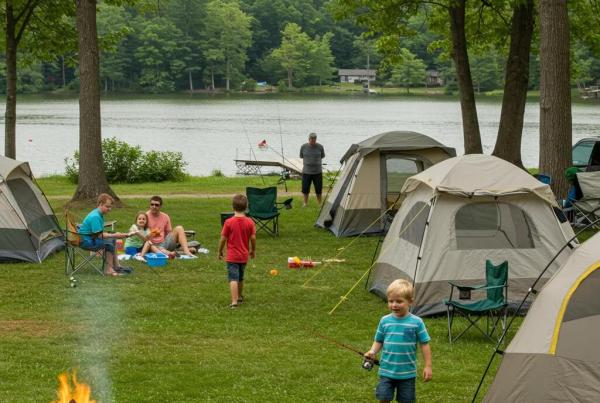
The main types of campgrounds in Ohio really set the stage for the atmosphere, amenities, and reservation systems you’ll encounter. Knowing these categories helps you match your outing to what you’re expecting. State parks often highlight natural beauty, trails, and ranger-led programs, while private campgrounds usually offer more on-site entertainment, waterfront facilities, and upgraded services. RV parks are designed for vehicle access and hookups, and primitive campgrounds are all about solitude and minimal infrastructure for a true backcountry feel. Understanding these distinctions helps campers decide if they’re leaning towards nature immersion or family-friendly convenience, and it naturally leads into how amenities and accommodation types differ across these categories.
Here’s a quick rundown of the primary campground categories and what each generally offers:
- State parks provide natural scenery, trails, ranger programs, and basic campsite services.
- Private campgrounds deliver added entertainment, pools or lakes, playgrounds, and paid amenities.
- RV parks emphasize hookups, spacious sites, and vehicle accessibility.
- Primitive/backcountry sites offer minimal services, greater privacy, and stays that require more gear.
These category definitions will help you compare amenities and booking channels as we dive into how state-run and private campgrounds differ.
How Do State Park Campgrounds Differ from Private Campgrounds in Ohio?
State park campgrounds are typically managed with conservation and public access in mind, focusing on trail networks, interpretive programs, and preserved landscapes perfect for hiking, birdwatching, and nature study. This focus often means lower baseline fees and reservation systems tied to official state portals, which can require planning well in advance during busy seasons. Private campgrounds, on the other hand, tend to emphasize on-site amenities, scheduled family entertainment, and a wider array of paid services like boat rentals or event programming, shifting the cost-benefit balance for families. Understanding the reservation method and the target audience—nature lovers at state parks versus families seeking activities at private campgrounds—is key to choosing the right environment for your outing.
Ohio State Park Campers: Travel Patterns and Accommodation Trends
This study presents a trend analysis of vacation travel patterns for selected Ohio state park campers. It includes a section which provides a comparison of data for the full camping season in an Ohio State Park, type of camping accommodations used, number of nights spent at different types of lodging facilities, and the.
Trend analysis of vacation travel patterns for selected Ohio state park campers, 1981
What Amenities Are Common in Ohio State Parks vs. Private Campgrounds?

Amenities tend to align with campground types: state parks often feature trails, boat ramps on public lakes, interpretive centers, and basic restroom and shower facilities. Private campgrounds, however, more frequently include playgrounds, lakeside beaches, activity schedules, and on-site rental equipment. Private sites commonly offer premium services like full hookups for RVs, lakes with swimming decks, and organized entertainment that appeals to families and groups. When you’re prioritizing amenities, think about whether you value on-site entertainment and water features more, or the quieter, more natural settings that state parks provide. This contrast in amenities directly influences which types of campgrounds are best suited for family stays and groups with mixed ages.
Which Campground Types Offer the Best Family-Friendly Experiences?
Family-friendly campgrounds usually combine safe waterfronts, structured activities, and play areas to keep kids entertained while giving adults some downtime; private family resorts and select RV parks are most likely to offer these features. Key criteria for families include supervised swim areas or private lakes, scheduled events, playgrounds and sports courts, and a variety of accommodation types that can comfortably house multiple family members. Families should evaluate criteria like the frequency of children’s programming, safety measures, and on-site conveniences before booking, as priorities can differ greatly between families with toddlers, teens, or mixed-age groups. Use the checklist below to assess family suitability and then match those priorities to either private campgrounds for entertainment-packed stays or state parks for nature-focused family bonding.
Family campground evaluation checklist:
- Safety & Supervision: Look for lifeguards, marked swim areas, and clear safety rules.
- Kids’ Programming: Seek sites with scheduled events that engage various age groups.
- Facilities: Confirm playgrounds, restrooms, and family-sized accommodations are available.
- Activity Variety: Prioritize sites that offer both water-based and land-based options.
These family-focused selection points naturally lead into a deeper look at accommodation choices and how they shape the camping experience.
How Do Accommodation Options Vary Among Ohio Campgrounds?
Accommodation types—whether you’re looking at RV sites, tent sites, or cabins and glamping units—really determine the comfort, logistics, and cost of your trip. Choosing the right lodging depends on your needs for hookups, privacy, and protection from the elements. RV camping offers home-like amenities when full hookups are available, tent sites range from primitive to electric, and cabins provide secure, weatherproof stays with basic conveniences that appeal to families. Comparing the attributes across accommodation types helps clarify who each option serves best and why reservation timing and site selection can differ among categories. Below is a handy table that compares common accommodation types to help you match your needs to site features.
Intro to accommodation comparison table: This table compares typical lodging options across Ohio campgrounds, focusing on practical attributes that influence comfort and logistics for families and groups.
What Are the Benefits of RV Camping with Full Hookups in Ohio?
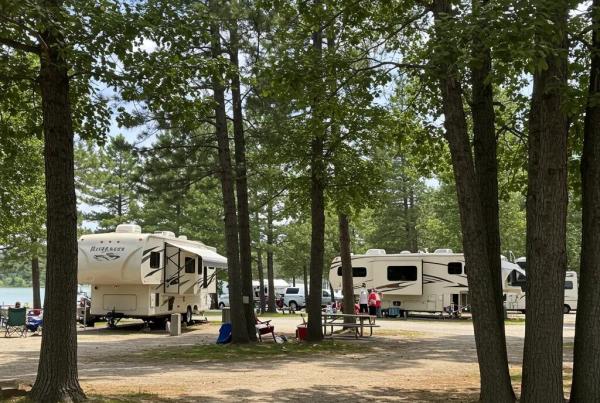
RV camping with full hookups offers predictable comfort by providing electric, water, and sewer connections, which allow appliances and climate control to function reliably and simplify setup at each stay. Full-hookup sites often come with concrete pads, defined parking, and proximity to dump stations, making logistics easier for longer stays or for families who rely on appliances and medical equipment. For larger rigs, site width and pull-through availability are critical considerations that influence which campgrounds can safely accommodate them. When reserving full-hookup sites, book early, especially during peak summer and holiday periods, as these sites are in high demand; this booking behavior connects directly to the best-practice booking tips we’ll cover later.
Benefits of RV camping include practical comfort, simplified sanitation, and an improved ability to host mixed-age family members, which sets up the contrast with tent camping options in the following subsection.
How Does Tent Camping Differ Between Primitive and Electric Sites?
Primitive tent sites focus on solitude and minimal infrastructure, offering a more immersive outdoor experience but requiring campers to bring extra gear and plan for limited sanitation and power options. Electric tent sites provide access to power and are often located closer to restrooms and activity areas, making them practical for families, novices, or those who need to charge devices while camping. Primitive sites reward preparedness with lower costs and greater privacy, while electric sites trade some seclusion for convenience and accessibility. Consider factors like fire ring availability, picnic table presence, and restroom proximity when choosing between primitive and electric tent setups to align the experience with your family’s skill level and gear.
What Family-Friendly Cabin and Glamping Options Are Available?
Cabins and glamping units offer secure, weather-resistant lodging with household-like amenities such as beds, heating, and sometimes kitchenettes, appealing to families who want nature access without the daily setup and takedown of tents. Cabin capacity varies, so checking maximum occupancy, bedding arrangements, and pet policies is essential to avoid surprises upon arrival and to ensure comfort for multi-generational groups. Glamping blends elevated comfort with outdoor exposure through furnished structures and curated amenities that still preserve a campsite feel with less effort. When deciding on cabins or glamping, confirm included features and any additional cleaning or linens fees during booking to match your expectations against the cost and convenience.
What Amenities and Activities Should You Expect at Ohio Campgrounds?
Campground amenities and activities really shape your daily schedule and the overall value of your trip. Common high-value features include waterfront access, playgrounds, pools, organized events, boat rentals, and sports courts. These amenities determine whether your stay centers on swimming and boating, active play, or nature outings, and they influence how families and groups plan their days. Understanding how prevalent these amenities are across different campground types helps you prioritize searches for sites that match your desired recreational experiences. The following short table compares amenity prevalence across typical campground categories and highlights how private campgrounds often deliver packaged family experiences.
Intro to amenities comparison table: This table contrasts amenity prevalence between state parks, private campgrounds, and a private example to illustrate differences in family offerings.
How Does Waterfront Access Enhance Camping Experiences?
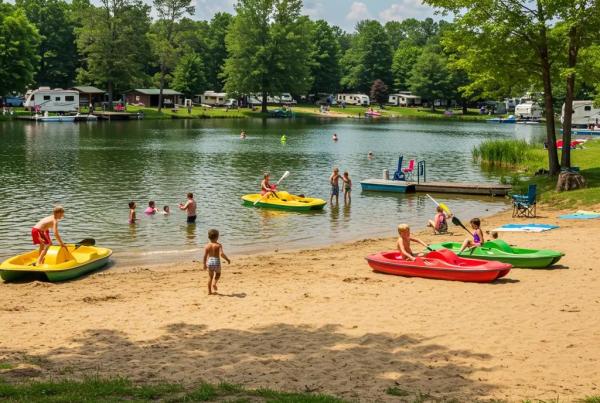
Waterfront access significantly expands your activity options by enabling swimming, boating, paddle sports, and shore-based play, which often increases family engagement and the ability to fill full vacation days without extensive driving. Private lakes and managed beaches typically provide rental equipment, clearly marked swim areas, and designated docks or swimming decks that concentrate activity in a controlled environment. Waterfront access thus correlates with added convenience, safety measures, and potential extra fees for rentals, and it tends to make private campgrounds especially appealing to families seeking simple day-of-play options. Considering safety protocols and supervision expectations is crucial before scheduling water-based activities at any campground.
What Family Activities and Planned Events Are Offered?
Organized programming at private campgrounds and some state park events offers predictable entertainment that reduces the planning burden for families, with typical examples including DJ nights, karaoke, bingo, kids’ crafts, and seasonal special events. These scheduled activities create repeatable value: kids have structured options while parents gain predictable windows for relaxation or independent exploration. Event frequency and age-appropriateness vary by site, so checking an event calendar in advance helps align your stay with desired programming and avoids disappointment. Families who prioritize on-site entertainment should seek campgrounds that advertise robust schedules and diverse activities suitable for multiple age groups.
Are Pet-Friendly Features Common at Ohio Campgrounds?
Many Ohio campgrounds welcome pets, but policies differ regarding leash rules, size or breed restrictions, and additional fees, so verifying specific pet policies before booking is essential to avoid surprises. Some private campgrounds offer dog parks or pet swim times and designate pet-friendly cabin units or campsites to separate animal and non-animal accommodations. State parks also often allow pets on designated trails and campsites but typically enforce leash laws and expect responsible cleanup behavior. Confirm pet-related rules during your reservation to ensure appropriate site selection and to plan for any required documentation or fees that may apply.
Where Are Ohio’s Campgrounds Located and What Nearby Attractions Can You Explore?
Ohio’s campgrounds are clustered by regional character—hilly forest regions emphasize hiking and waterfalls, lakeshore areas offer beach and boating activities, and river valleys support paddling and fishing—so geography shapes both daily activities and seasonal appeal. Selecting a region means choosing the activity set you want: trails and waterfalls in hill country, beaches and boating on lakes, or river recreation for paddling and angling. Regional characteristics affect travel time from population centers, available services, and peak visitor timing, all of which play into the campsite selection process. The regional breakdown below helps match your trip goals to terrain and local attractions, preparing you for a closer look at Northeast Ohio as an example.
What Makes Northeast Ohio Campgrounds Like Ridge Ranch Unique?
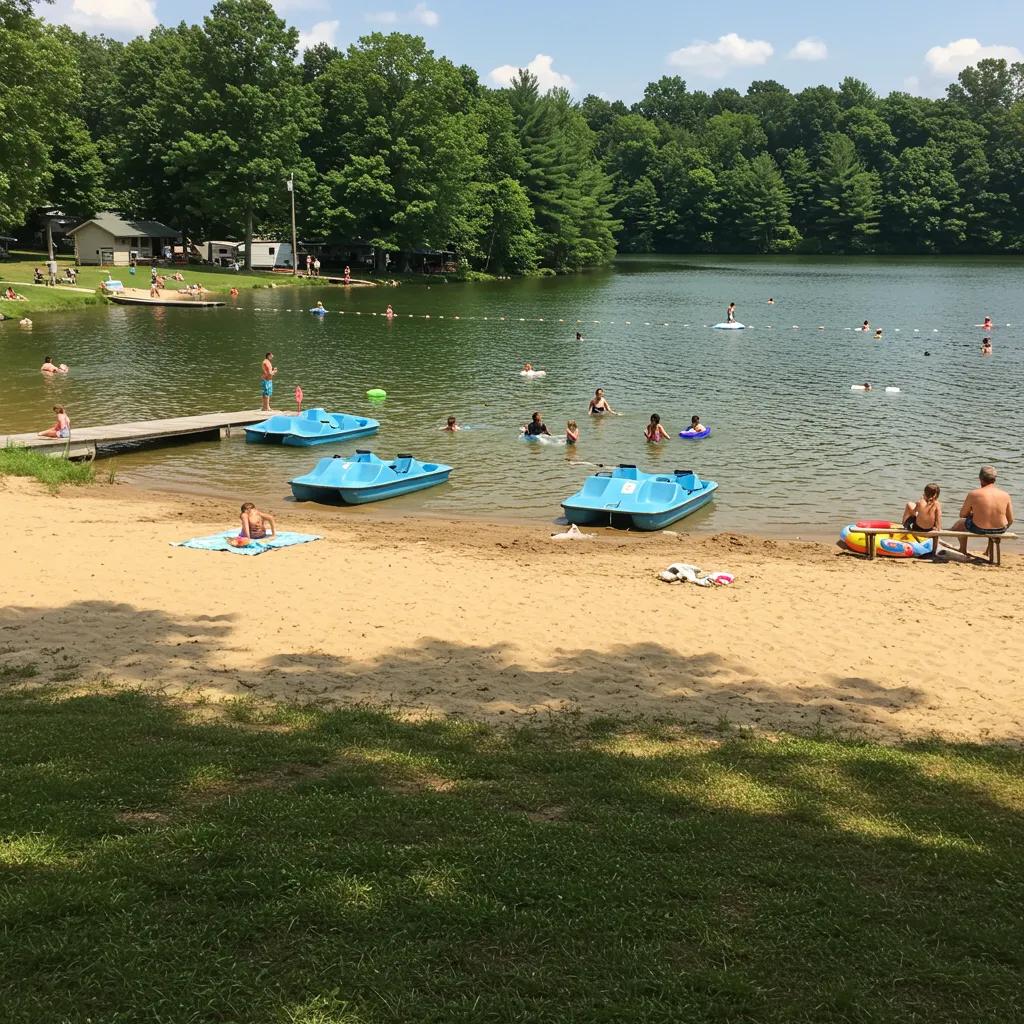
Northeast Ohio campgrounds often combine accessibility from nearby population centers with a mix of lake-based recreation and community attractions, making them practical choices for weekend family getaways and multi-day stays. Ridge Ranch Campground by GatherGrounds exemplifies a private family-focused site in this region with a 17-acre private lake, sandy beach, swimming deck, and paddleboat and canoe rentals—amenities that centralize water-based play and simplify logistics for families. Proximity to urban centers tends to result in more event programming and scheduled activities at private campgrounds, which benefits visitors who want on-site entertainment without long drives. These regional strengths make Northeast Ohio a pragmatic home base for families seeking both convenience and varied day-trip options.
Which Popular Attractions Are Near Ridge Ranch Campground?
Visitors to a private Northeast Ohio campground can pair on-site recreation with nearby family-oriented attractions ranging from local nature preserves and small museums to indoor play centers and seasonal festivals, offering variety for mixed-interest groups. When planning day trips, favor attractions that match your group’s energy level—short museum visits for mixed-age groups or outdoor preserves for active families—and schedule around campground programming to maximize both experiences. Drive times and exact distances vary, so plan logistics conservatively and allow buffer time for returning to campground activities like evening events. Combining on-site amenities with nearby attractions creates a balanced itinerary that keeps both kids and adults engaged throughout the stay.
How Do Regional Differences Affect Camping Choices in Ohio?
Regional terrain and climate determine which activities are practical and define peak visitation windows, so choose regions that align with your desired pursuits such as hiking in eastern hills, beach play on lake shores, or paddling on river systems. Regions closer to large population centers tend to favor weekend bookings and can feature more private campgrounds with family programming, while remote regions appeal to campers seeking solitude and extended nature immersion. Seasonality—spring wildflowers, summer swimming, and fall foliage—also varies by region and should influence both timing and booking strategy. Understanding these geographic and seasonal patterns improves the alignment between your trip goals and campground selection.
How Do Pricing and Reservation Processes Differ Across Ohio Campgrounds?
Pricing and reservation systems differ significantly between state-run campgrounds and private operators, and knowing these differences helps campers budget and select the right booking channel for their needs. State parks commonly use centralized state reservation portals with standardized policies, whereas private campgrounds manage their own booking engines and may offer bundled rates, event packages, or variable nightly pricing based on amenities. Pricing drivers include site type, hookups, waterfront access, and weekend versus weekday demand, so anticipate higher rates for premium sites that include lakefront or full hookups. Below is a compact comparison table that highlights how reservation and pricing features typically vary across campground types.
Intro to pricing and reservation table: The table summarizes typical reservation channels, cost drivers, and booking windows to guide planning and budgeting decisions for different campground types.
What Are Typical Costs for State Park vs. Private Campgrounds?
Typical nightly costs reflect amenity levels rather than uniform rates, with state parks frequently offering lower base fees and private campgrounds charging more for premium features such as private lakes, planned entertainment, and full-hookup sites. Cost drivers include site category (primitive, electric, full-hookup, cabin), seasonality, and location desirability; higher demand in summer and on holiday weekends consistently raises rates across types. Budget-conscious campers can opt for primitive or off-peak dates to reduce nightly prices, while families seeking bundled entertainment may find private sites offer greater per-night value when factoring in included activities. Understanding these cost components helps you prioritize which amenities to pay for and which to skip for budget alignment.
Camper Type Preferences: Predicting Site Choice Behavior in State Parks
This study focused on campground attributes at a statewide park system to determine the influence of camper types on their site selection behavior. The study also examined group differences in preference by different types of campers.
Predicting Site Choice Behavior Among Types of Campers., CO Oh, 2007
How Can You Make Online Reservations for Ohio Campgrounds?
Making online reservations follows a predictable sequence: identify the campground type, confirm site attributes (hookups, waterfront access, pet policy), create an account if required, and secure dates well before peak windows to lock in preferred sites. For state parks, use the official state reservation channel and have alternative dates ready because peak-season slots fill quickly; for private campgrounds, use the operator’s booking engine, confirm on-site amenities, and verify event calendars if programming is a priority. Ridge Ranch Campground provides online booking options through its reservation system, and campers should be prepared with rig dimensions, party size, and pet details when completing a reservation. Following these steps reduces last-minute surprises and ensures the site matches your family’s needs.
Steps to make effective online reservations:
- Choose Dates and Backup Options: Select primary and alternate dates before searching availability.
- Confirm Site Attributes: Verify hookups, lake access, and pet or cabin policies before booking.
- Provide Accurate Party Details: Input rig size and group count to reserve an appropriate site.
These steps lead naturally into deciding when to book and which seasonal windows to target.
When Is the Best Time to Book and Camp in Ohio?
Peak summer months and holiday weekends are the busiest booking windows, so plan and reserve as early as possible for popular site types such as full-hookup RV pads or lakefront sites. Shoulder seasons—late spring and early fall—offer advantages like fewer crowds, lower rates, and attractive seasonal features such as fall foliage in hill regions. Weekdays and non-holiday periods generally present better availability and value for longer stays, while families with school-age children often must coordinate around holiday and school break schedules. Aligning your travel objectives with seasonal trade-offs ensures you reserve at the right time for the experience you want.
Why Choose Ridge Ranch Campground for Your Ohio Camping Trip?
Ridge Ranch Campground by GatherGrounds represents a private, family-focused campground model that emphasizes waterfront recreation, scheduled entertainment, and a range of accommodation choices suitable for families and groups. Its highlighted features—such as a 17-acre private lake, sandy beach, swimming deck, paddleboat and canoe rentals, fishing spots, playgrounds, horseshoes, and courts for volleyball and basketball—combine water-based play with on-site programming to create a comprehensive family experience. Ridge Ranch Campground also offers diverse lodging options including tent sites, cabins, and many RV sites with full hookups, which supports mixed-style groups and simplifies logistics. For families seeking structured activities and a centralized recreational setting, Ridge Ranch provides an integrated option that reduces travel between dispersed attractions and concentrates daily recreation on-site.
What Unique Amenities Does Ridge Ranch Offer Compared to Other Campgrounds?
Ridge Ranch Campground’s defined amenity set centers on its 17-acre private lake and family entertainment schedule, which together offer both unstructured water play and organized activities that keep multi-age groups engaged. Distinct features include a sandy beach and a swimming deck that facilitate safe water access, on-site paddleboat and canoe rentals for easy boating, and fishing areas that expand activity choices without leaving the property. The campground complements water offerings with playgrounds and sports courts for active play, plus planned events like DJ nights, karaoke, bingo, and crafts that provide evening programming. These amenities position Ridge Ranch as a private option with a balanced mix of family programming and waterfront recreation.
How Does Ridge Ranch Cater to Families and Groups?
Ridge Ranch Campground structures its site offerings and events to accommodate families and groups with varying ages and activity levels, providing playgrounds for younger children, courts and open space for active teens, and scheduled crafts and games that bring families together. The availability of cabins, tent sites, and many RV sites with full hookups enables flexible lodging combinations so groups can mix cabins and RVs according to preference and accessibility needs. On-site programming and rental equipment reduce the need for off-site planning, allowing families to maximize leisure time and minimize logistics. The campground’s amenity mix supports group gatherings, family reunions, and multi-generational stays with convenient, centralized recreation.
How Can You Easily Book Your Stay at Ridge Ranch Campground?
To reserve at Ridge Ranch Campground, prepare key trip details such as desired dates, preferred accommodation type (cabin, tent, RV), party size, and any pet considerations, then proceed with the campground’s online reservation process to select a specific site and confirm amenities. Booking early for peak summer weekends and holiday times improves the likelihood of securing preferred full-hookup RV sites or lake-adjacent cabins, and confirming event schedules before arrival helps families plan around must-see activities. Ridge Ranch’s reservation workflow supports these steps and benefits campers who come prepared with rig dimensions and accurate group counts. Careful planning and early booking will secure the right site and ensure the most enjoyable stay at this family-oriented campground.
What Are the Key Differences Between RV Camping and Tent Camping in Ohio?
RV and tent camping create distinct experiences based on comfort, mobility, cost, and group needs; RV stays prioritize home-like amenities and convenience while tent camping emphasizes proximity to nature and lower cost. Choosing between RV and tent depends on factors such as access to hookups, weather tolerance, group makeup, and desire for mobility versus immersion. Both styles can serve families well depending on priorities: RVs offer accessibility for mixed-age groups and longer stays, while tents provide a simpler, more skill-oriented outdoor experience. Understanding these key differences clarifies which style aligns with your goals and which amenities or site types to prioritize during booking.
What Are the Advantages of RV Camping at Ohio Campgrounds?
RV camping offers conveniences like climate control, onboard kitchens, and restroom facilities that reduce setup time and broaden the range of comfortable seasons for camping, making longer stays easier for families and older adults. Full hookups provide continuous power and water, enabling use of appliances and better sanitation, while large-site configurations and pull-through pads simplify arrival and departure for substantial rigs. Practical considerations such as measuring rig dimensions against site specifications and confirming big-rig access gates are essential before booking to avoid fit issues. These practical advantages create a stable baseline for comfort and accessibility that many families prefer when planning multi-day stays.
- Comfort: RVs support appliances and climate control for predictable comfort.
- Convenience: Full hookups reduce campsite chores and simplify stays.
- Accessibility: Larger sites and pull-through options make logistics easier for big rigs.
These RV advantages contrast with tent camping’s rustic appeal discussed in the next subsection.
How Does Tent Camping Provide a More Rustic Outdoor Experience?
Tent camping places campers closer to natural elements—sounds of the night, star visibility, and intimate trail access—and it often fosters outdoor skills and family bonding through gear setup and campfire routines. Primitive tent sites heighten that rustic feel by minimizing infrastructure and encouraging self-sufficiency, while electric tent sites balance convenience with intimacy by offering power near basic facilities. Tent camping requires more planning for weather and gear, but it yields an immersive sensory experience and lower nightly costs that appeal to outdoor-focused families. For groups seeking skill-building and deep nature engagement, tent camping is often the better choice.
Which Camping Style Is Best for Families and Groups?
The best camping style depends on your family’s needs: families with small children, mobility considerations, or a preference for comfort often choose RVs or cabins, while groups seeking affordability and nature immersion often prefer tent or primitive sites. Consider a simple checklist to decide: age of children, mobility needs, budget constraints, tolerance for weather variability, and desired activities, then match those answers to RV, cabin, electric tent, or primitive tent options. Hybrid strategies—such as booking cabins alongside tent or RV sites—offer flexibility for mixed-preference groups and can deliver both comfort and adventure during a shared trip.
- Assess group needs: Age, mobility, and gear readiness determine style suitability.
- Weigh budget vs. comfort: Decide how much to spend on amenities and lodging.
- Choose hybrid options if needed: Combine cabins and campsites for mixed groups.
This decision checklist completes the guide and helps readers implement the booking advice earlier in the article.
Frequently Asked Questions
What should I consider when choosing between state parks and private campgrounds in Ohio?
When deciding between state parks and private campgrounds, consider your priorities for amenities, activities, and overall experience. State parks typically offer natural settings, hiking trails, and ranger-led programs, making them ideal for nature enthusiasts. In contrast, private campgrounds often provide more family-oriented amenities like pools, organized events, and recreational facilities. Assess your group’s needs, such as safety for children, access to water activities, and the type of environment you prefer, to make the best choice for your camping trip.
Are there any specific safety measures I should be aware of when camping in Ohio?
Yes, safety measures vary by campground type and location. Always check for specific rules regarding campfires, wildlife interactions, and swimming areas. Many campgrounds have designated swim zones with lifeguards, while others may require supervision for children. Additionally, familiarize yourself with local wildlife and potential hazards, such as ticks or poison ivy. It’s also wise to have a first aid kit on hand and to inform someone of your camping plans for added safety.
What are the best times of year to camp in Ohio?
The best times to camp in Ohio are typically late spring (May to June) and early fall (September to October). These shoulder seasons offer milder weather, fewer crowds, and often lower rates compared to peak summer months. Spring brings blooming wildflowers and vibrant greenery, while fall showcases stunning foliage. However, summer is popular for families due to school breaks, so if you prefer a lively atmosphere, consider booking during this time, but be prepared for higher demand and prices.
How can I find pet-friendly campgrounds in Ohio?
To find pet-friendly campgrounds in Ohio, start by checking campground websites or reservation platforms that specify pet policies. Many private campgrounds welcome pets and may offer designated areas or amenities like dog parks. State parks also allow pets on certain trails and campsites, but leash laws and cleanup rules apply. Always confirm specific pet restrictions, fees, and available facilities before booking to ensure a comfortable stay for both you and your furry friend.
What types of activities can families expect at Ohio campgrounds?
Families can expect a variety of activities at Ohio campgrounds, including swimming, fishing, hiking, and organized events like crafts, games, and movie nights. Many private campgrounds offer structured programming tailored for children and families, such as scavenger hunts, sports tournaments, and themed weekends. State parks may provide ranger-led programs focused on nature education and exploration. Always check the campground’s event calendar in advance to align your stay with desired activities and maximize family fun.
How do I prepare for a camping trip in Ohio?
Preparing for a camping trip in Ohio involves several key steps. First, choose your campground based on your desired amenities and activities. Next, create a packing list that includes camping gear, clothing suitable for the weather, food, and safety supplies like a first aid kit. Make reservations early, especially during peak seasons, and confirm your site’s features. Lastly, familiarize yourself with campground rules and local wildlife to ensure a safe and enjoyable experience for everyone in your group.
What should I know about campground reservations in Ohio?
Campground reservations in Ohio can vary significantly between state-run and private campgrounds. State parks typically use a centralized reservation system with standardized fees, while private campgrounds may have their own booking platforms with variable pricing and package deals. It’s essential to book early, especially for popular sites during peak seasons. Always check cancellation policies and be prepared with details like party size and specific site requirements to streamline the reservation process.
Conclusion
Choosing the right campground in Ohio can significantly enhance your family’s outdoor experience, whether you prefer the natural immersion of state parks or the convenience of private campgrounds. Understanding the differences in amenities, accommodations, and regional attractions empowers you to make informed decisions that align with your trip goals. For a memorable family getaway, consider Ridge Ranch Campground, where diverse activities and comfortable lodging await. Start planning your adventure today by exploring our reservation options and securing your ideal camping spot.