

Essential Gear Every Beginner Camper Needs: Your First Time Camping Checklist and Family Camping Essentials
Camping essentials for beginners are the practical items that keep a first camping trip safe, comfortable, and fun for the whole family. This article explains why each essential matters, how it works in a campsite setting, and the specific benefit you’ll notice on your first outing. By following this first-time camping checklist, you’ll learn shelter basics, cooking and cooler strategies, safety and comfort gear, and clothing and personal-item choices tailored for family camping essentials. Many new campers worry about overpacking or forgetting key items; this guide resolves that by prioritizing beginner camping gear and offering campground-aware alternatives. The piece covers shelter and sleep systems, basic cooking and food prep, essential safety and comfort items, personal clothing and toiletries, and how Walnut Hills Family Campground can reduce what you must bring. Read on for clear lists, comparison tables, and simple packing steps to make your first trip easier.
What Are the Must-Have Shelter Essentials for Beginner Campers?
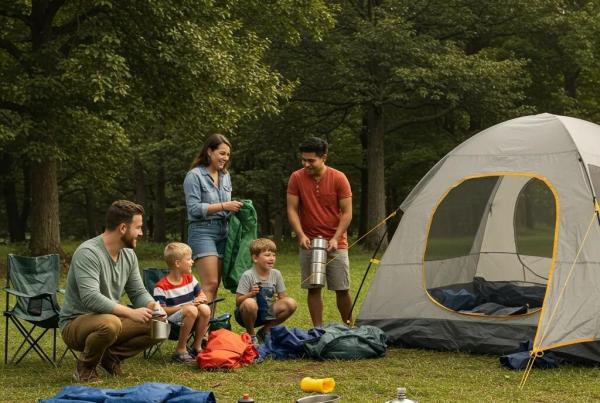
Shelter essentials are the core items that protect you from weather and provide a place to sleep; they work by creating a dry, insulated micro-environment that keeps campers warm and sheltered. A solid shelter system includes a tent or cabin alternative, appropriate stakes and footprint for ground protection, a rainfly or tarp for wet weather, and a sleeping system (bag plus pad) that matches expected temperatures. Beginners see direct benefits as improved sleep, less gear stress, and easier setup, which makes the whole trip more enjoyable. Understanding these basics reduces decision fatigue and prevents common mistakes like under-insulating or choosing the wrong tent capacity.
The following checklist highlights the essential shelter items every beginner should pack before testing gear at home.
- Tent with rated capacity and rainfly: Choose ease-of-setup and vestibule space.
- Groundsheet or footprint: Protects tent floor from abrasion and moisture.
- Stakes and guylines: Secure shelter in wind and during rain.
- Sleeping bag and sleeping pad: Match bag temperature rating to expected nights.
- Small tarp and cord: Adds shelter over cooking or gear areas.
These items form the foundation of a reliable shelter system and make it easier to focus on comfort and family needs during the trip.
How Do You Choose the Right Tent for Your First Camping Trip?
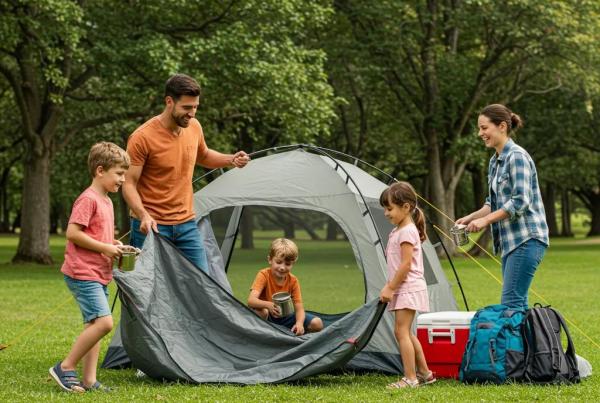
Choosing a tent means matching capacity, season rating, and setup complexity to your group size and Michigan weather; the right tent protects from wind, rain, and insects while giving enough space for gear. For beginner family camping, prioritize simple freestanding tents with clear capacity (room for people plus gear) and an easy rainfly attachment. A three-season tent is usually appropriate for spring–fall Michigan conditions, balancing ventilation and weather protection without heavy winter-specific features. Assess vestibule space for wet boots and pack organization to keep the sleeping area clean and child-friendly.
To compare common beginner-friendly tent types, consider the compact dome for ease, the cabin-style for headroom, and the tunnel for family space and gear storage; selecting one depends on family priorities and campsite conditions.
This table clarifies tent trade-offs so you can choose by capacity, ease, and weather suitability before your first trip.
What Sleeping Bags and Pads Are Best for New Campers?
Sleeping systems combine a sleeping bag and insulation pad to retain body heat and cushion sleepers; together they prevent heat loss to the ground and improve comfort. Beginners should select a sleeping bag with a temperature rating at or below expected low temperatures and choose synthetic fill for easier care and wet-weather resilience. A sleeping pad with higher R-value provides insulation; inflatable pads offer comfort for family members used to mattresses, while foam pads are durable and simple. For kids, consider kid-sized bags or extra blankets and layer clothing to maintain warmth overnight.
Testing your bag and pad at home helps verify fit and warmth, and pairing a quality pad with a rated sleeping bag reduces the chance of cold nights that derail a first-time camping experience.
How Do Walnut Hills Cabins Simplify Shelter Needs for Beginners?
Cabin rentals at Walnut Hills Family Campground simplify shelter needs by providing built shelter and often sleeping arrangements that remove the need to transport and pitch a tent. Choosing a cabin lets families skip tent, footprint, and some heavy bedding, which reduces packing complexity and setup time on arrival. For beginners or families with young children, cabins offer predictable shelter, nearby renovated bathrooms, and easier access to campground amenities, which supports a low-stress first camping experience. If you want to prioritize family comfort and minimize technical gear decisions, a cabin rental is a practical alternative to tent camping at a family-focused campground.
Selecting a cabin lets you focus on meals and activities rather than tent setup, and it pairs well with campground services like the camp store for basic supplies.
What Basic Cooking and Food Prep Gear Should Beginners Bring Camping?
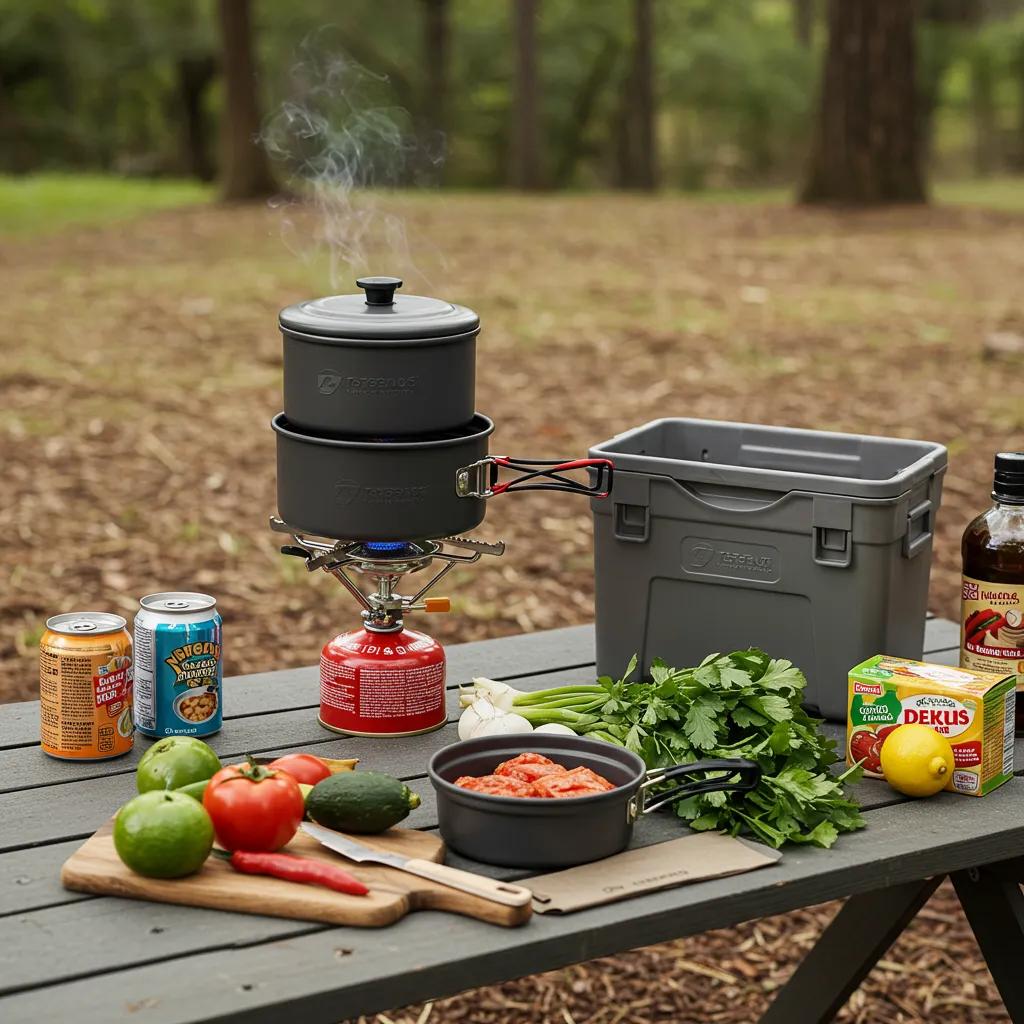
Basic cooking gear includes a reliable heat source, a minimal cookware set, utensils, and cooler strategy; these elements work together to produce hot meals while keeping perishables safe. For beginner campers, a portable camp stove and a compact set of cookware support quick meals, while a properly packed cooler maintains food safety for family trips. Choosing simple, low-wash recipes and planning meals reduces fuel and water needs and keeps cleanup manageable at sites with renovated bathrooms and picnic facilities. Knowing what to bring helps families avoid bulky gear and lets parents focus on feeding hungry kids efficiently.
Here’s a starter checklist of cooking and food prep gear for first-time campers.
- Single or two-burner camp stove with fuel canisters: Easy, controllable heat source.
- One medium pot, one skillet, and a kettle: Covers boiling, frying, and warming.
- Utensils, cutting board, sponge and biodegradable soap: Simplifies prep and cleanup.
- Cooler with block ice and food containers: Keeps perishables safe for family meals.
These essentials keep cooking efficient and safe, and they pair well with campground facilities to minimize what you must pack.
Which Camp Stove and Cookware Are Ideal for First-Time Campers?
A camp stove provides a controllable flame for cooking and is safer and more predictable than open-fire cooking for beginners; it reduces time and simplifies recipes. For most families, a compact two-burner stove or a reliable single-burner canister stove balances capacity and transportability. Choose cookware made of lightweight, durable materials—anodized aluminum or stainless steel—with nesting designs to save space. Safety tips include storing fuel safely, cleaning cookware promptly, and using campground picnic areas or fire rings where appropriate to limit mess and risk.
Below is a simple comparison of common cooking options to guide stove and cookware selection.
This comparison shows how fuel type and ease align with family needs so beginners choose the safest, most practical option.
How Do You Pack a Cooler for a Family Camping Trip?
A cooler keeps food safe by maintaining low temperatures; strategic packing maximizes ice life and reduces spoilage risk. Start with frozen items and block ice at the bottom, layer sealed perishables next, and keep snacks in a separated top compartment to avoid frequent opening of the main cooler. Pre-chill food and use airtight containers to prevent cross-contamination and spills; rotate food so items needed first are on top. For family trips, consider a second small cooler for drinks and quick-access items to limit main cooler openings and preserve cold temperatures longer.
Practicing cooler packing at home before departure makes the method repeatable and reduces food waste on your first family camping weekend.
What Are Easy and Beginner-Friendly Camping Meal Ideas?
Beginner-friendly camping meals minimize ingredients and cleanup while satisfying family tastes; they rely on single-pot techniques, pre-prepared items, and simple assembly. Breakfast ideas include instant oats with dried fruit or pre-mixed pancake batter warmed on a skillet. For dinners, one-pot chili or pasta, and foil-packet meals with protein and vegetables require little tending and are easy to portion for kids. Snacks like trail mix, cut fruit, and sandwiches reduce evening prep demands and keep little ones happy between activities.
Choosing recipes that scale for family portions and reheating well reduces stress and pairs effectively with campground picnic areas and the camp store for last-minute supplies.
What Safety and Comfort Gear Is Essential for New Campers?
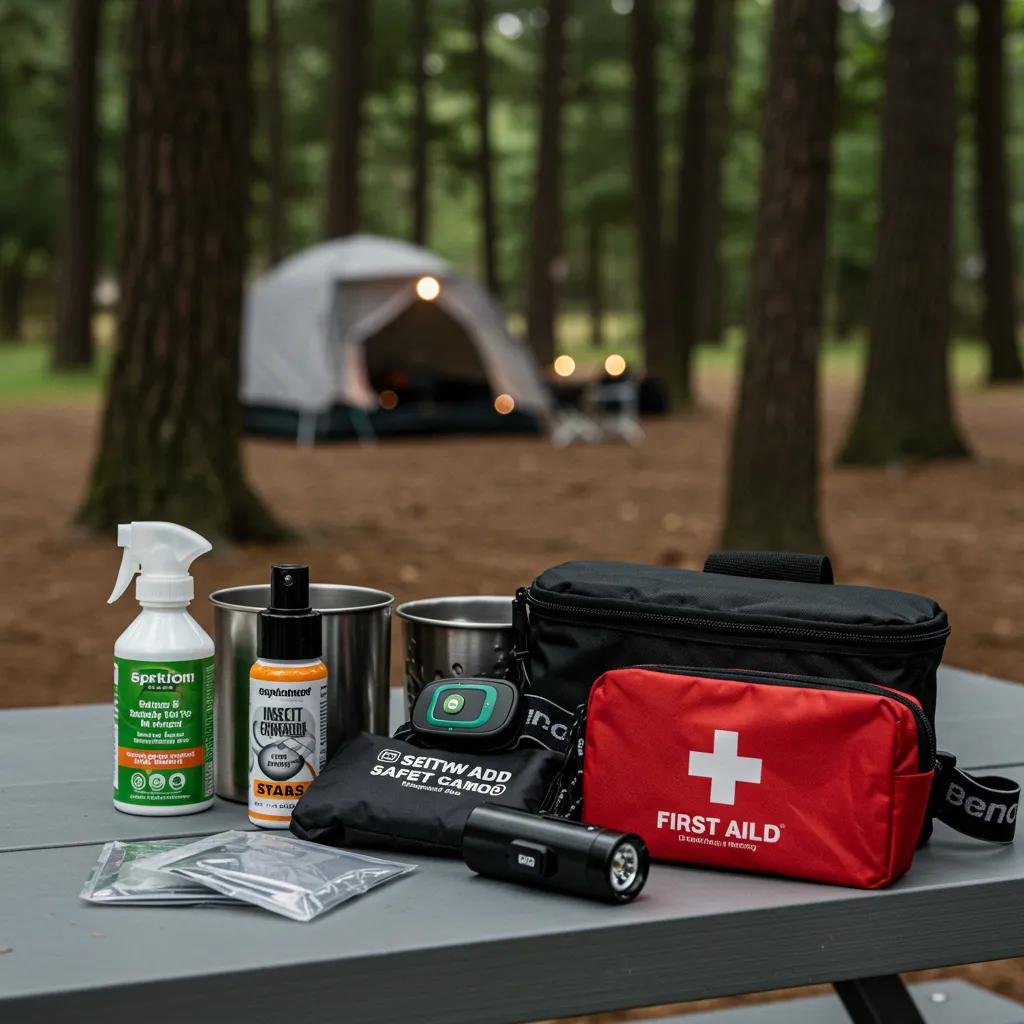
Safety and comfort gear reduces risks and improves campsite livability by addressing common hazards and basic needs; these items include a well-stocked first aid kit, reliable lighting, insect and sun protection, and comfort add-ons like camp chairs. For families, prioritizing first aid items for children, clear lighting plans to avoid trips at night, and repellents appropriate for Michigan conditions enhances safety. Comfort items such as extra blankets, a small folding table, and kid-friendly seating make the campsite usable and encourage family bonding. Being prepared with these essentials prevents small issues from becoming trip-ending problems.
The next section lists a compact first aid kit that covers likely family scenarios and recommends quantities for weekend trips.
What Should a Basic Camping First Aid Kit Include?
A camping first aid kit is a compact collection of supplies to treat minor injuries and manage common ailments; it reduces the need for urgent care for small incidents. Essentials include adhesive bandages in multiple sizes, sterile gauze and tape, antiseptic wipes, tweezers for splinters, and over-the-counter pain relief suitable for adults and children. Family-specific items should add child-appropriate doses, allergy medication, and any prescribed medicines labeled clearly to avoid errors. Store the kit in an accessible, waterproof bag and brief all adults on its contents and location to ensure quick response when needed.
This table clarifies kit components and quantities for family trips so beginners can assemble a compact, effective kit.
How Do Headlamps and Lanterns Improve Campsite Lighting?
Headlamps and lanterns provide task-specific and area lighting that enhances safety and convenience after dark; they prevent trips, support cooking, and let children move safely. Headlamps offer hands-free illumination for tent setup, bathroom trips, and reading, while lanterns create ambient light for shared campsite activities. For family camping, bring at least one headlamp per adult and a central lantern for the campsite, and carry spare batteries or a small power bank for rechargeable lights. Managing battery reserves and using lower brightness settings when possible preserves power for multi-night trips.
Combined lighting improves both safety and the social experience at night while simplifying navigation around tents and play areas.
Which Bug Spray and Sun Protection Are Recommended for Michigan Camping?
In Michigan, insect season and sun exposure require both topical repellents and physical barriers to reduce bites and sunburn; combining approaches offers best protection. Choose insect repellents with proven active ingredients appropriate for family use—options vary by age recommendations and duration—while parents should also pack long-sleeve layers and hats for young children. For sun protection, broad-spectrum sunscreen with adequate SPF applied regularly, plus lip balm and protective clothing, minimizes UV risk during lake or river activities. Apply repellents before outdoor play and reapply sunscreen after water time to maintain coverage.
These layered protections keep family members comfortable and safe outdoors, letting everyone enjoy daytime activities with less interruption.
What Personal Items and Clothing Are Needed for Beginner Camping?
Personal items and clothing form the everyday layer that keeps campers comfortable and hygienic; layering, footwear, and eco-friendly toiletries support both comfort and campground stewardship. Base layers wick moisture, insulating mid-layers trap heat, and a waterproof shell defends against rain and wind—this three-layer system adapts to Michigan’s variable conditions. Pack durable camp shoes for around-site use, supportive hiking shoes for trails, and water-friendly footwear for lake and river activities. Biodegradable toiletries and minimal packaging reduce environmental impact and align with campground practices like using renovated bathrooms and packing out waste.
Preparing clothing and personal items with these principles ensures family comfort and lowers the chance of weather-related problems during a first-time camping trip.
How Should You Layer Clothing for Michigan Weather?
Layering controls body temperature by combining base, insulating, and outer shell garments that you add or remove as conditions change; this strategy prevents overheating and damp-chill exposure. Start with a moisture-wicking base layer, add a fleece or synthetic insulating mid-layer, and carry a waterproof breathable shell for rain or wind. For kids, choose easy on/off garments and avoid overdressing indoors to reduce sweating. Pack modest extras like beanies and light gloves for cool mornings and evenings to maintain warmth without heavy bulky coats.
Layering supports activity flexibility and comfort across spring, summer, and fall Michigan camping conditions.
What Eco-Friendly Toiletries Are Best for Camping?
Eco-friendly toiletries minimize campsite impact and support leave-no-trace principles by using biodegradable formulations and compact packaging; they simplify disposal and protect water sources. Opt for biodegradable soap in small amounts for dishwashing at designated sinks, toothpaste in travel-sized tubes, and reusable containers to limit waste. Use campground bathrooms when available and pack out non-biodegradable waste like floss or wipes in sealed bags. Choosing concentrated soap and refillable bottles reduces plastic use and aligns with family-focused campground amenities and stewardship expectations.
These choices keep campsites cleaner and teach children good outdoor ethics for future trips.
Which Footwear Is Comfortable and Practical for Camping?
Footwear choices match campsite tasks: closed-toe hiking shoes for trails, lightweight camp shoes for around the site, and water-friendly sandals for lake or river activities; each type supports a different activity and safety requirement. Hiking shoes should fit well with good traction to prevent slips on trails or wet docks. Camp shoes offer convenience for quick trips to restrooms or playgrounds, while water shoes protect feet during canoeing or swimming. Pack spare socks to prevent blisters and rotate footwear to keep feet dry and comfortable throughout the trip.
Selecting appropriate shoes reduces injury risk and enhances enjoyment of on-site activities at family campgrounds.
How Can Walnut Hills Family Campground Enhance Your Beginner Camping Experience?
Walnut Hills Family Campground (operated by GatherGrounds Resorts) enhances beginner trips by offering lodging variety, on-site rentals, and family-focused amenities that reduce what beginners must pack and simplify activity planning. The campground provides tent sites, RV options, and cabin rentals that remove the need for some shelter gear and make arrivals stress-free. On-site conveniences include a camp store with basic supplies, renovated bathrooms, playgrounds, weekend events, and family water features that let you trade heavy gear for relaxed time together. These amenities make Walnut Hills a practical choice for families trying camping for the first time and wanting easy access to rentals and activities.
The following bullets summarize key services that reduce your packing list and expand activity choices without extra equipment.
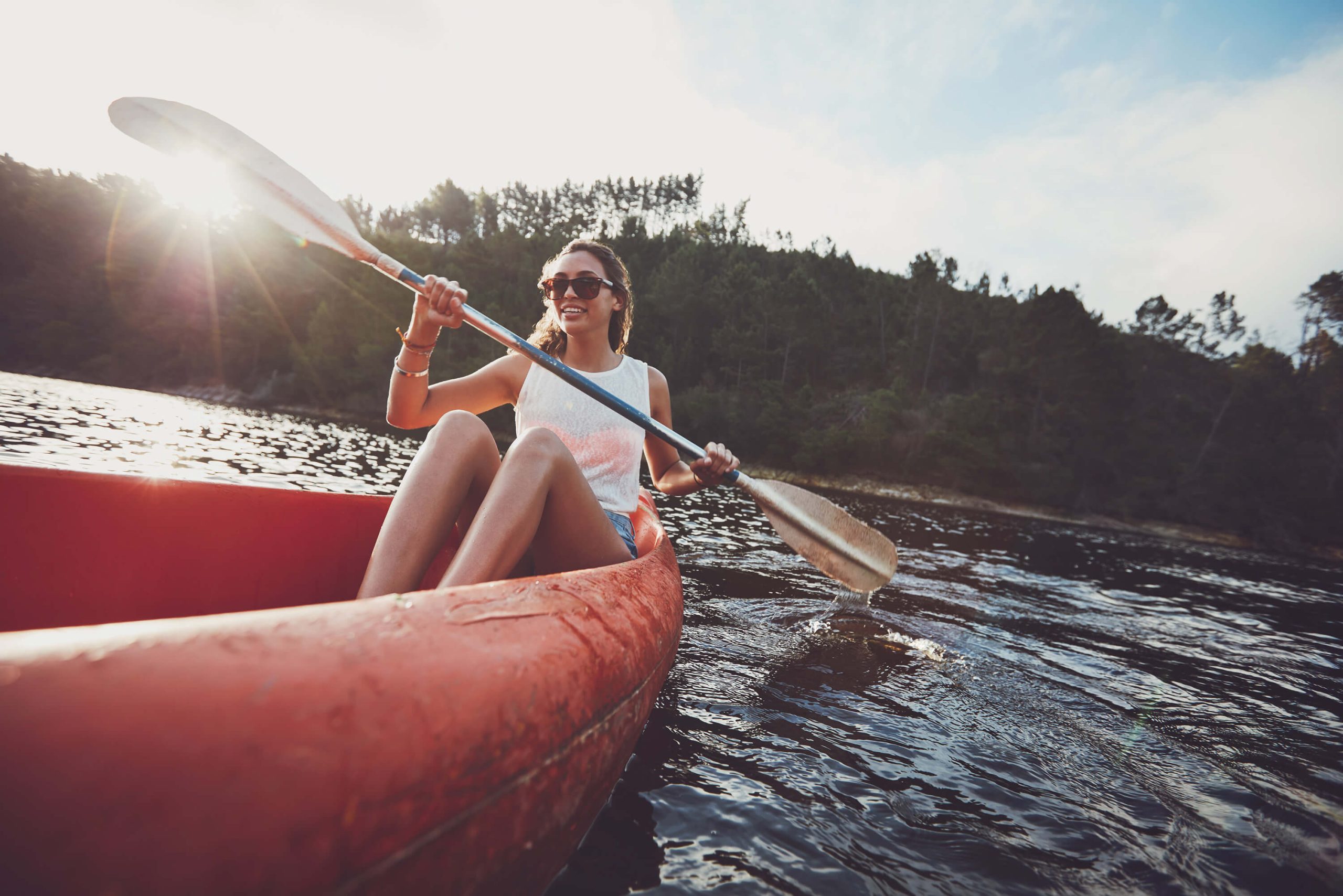
- Kayak and canoe rentals for Shiawassee River adventures that avoid transporting boats and bulky paddling gear.
- A Wibit water park and swimming lake providing group water play without needing large inflatables or specialized toys.
- A camp store that stocks basic supplies and cabin rentals that remove tent and some bedding needs for first-time campers.
What Kayak and Canoe Rentals Are Available for Shiawassee River Adventures?
Kayak and canoe rentals at the campground provide on-site access to the Shiawassee River and remove the need to transport personal boats and related gear; rentals make paddling accessible for beginners. Rental services typically supply boats and often life jackets, so families only need to bring personal items like water shoes and dry bags. Basic safety guidance for first-time paddlers includes briefings on river flow and staying close to shore with children. Packing a small dry bag with sunscreen and a change of clothes ensures comfort during river outings.
Renting locally simplifies logistics and lets families try paddling without long-term equipment commitments.
How Does the Wibit Water Park Add Fun Without Extra Gear?
The Wibit water park is an inflatable activity area that delivers group water play without families transporting bulky inflatables or specialized toys; it centralizes fun and supervision in a managed setting. Visitors should bring swimsuits, towels, and reef-safe sunscreen, while large flotation toys are unnecessary because the park’s features handle group play. The water park’s presence reduces the planning and packing burden for families focused on active, social water time. Planning for peak times and packing basic water essentials ensures a smooth, gear-light day at the lake.
Using this amenity lets families enjoy water-based recreation with minimal extra equipment and more time for togetherness.
What Gear Do You Need for Dog-Friendly Camping at Walnut Hills?
Dog-friendly camping requires a compact kit for pets: leash, waste bags, water bowl, bedding, and familiar food to keep animals safe and comfortable; these items support responsible pet behavior at busy family campgrounds. Follow campground rules about leashing and waste disposal to maintain community standards and avoid conflicts with other guests. Bring a favorite blanket or bed to reduce anxiety, and pack backup towels for wet river or lake play. Keep pets supervised near activity areas and follow basic safety steps around water and playgrounds to ensure a good experience for everyone.
Preparing a small, focused pet kit helps dogs enjoy the outdoors while fitting into family camping routines at a family-oriented campground.
Frequently Asked Questions
What are the benefits of camping with children?
Camping with children offers numerous benefits, including fostering a love for nature, enhancing family bonding, and promoting outdoor skills. It encourages kids to explore their surroundings, develop independence, and learn about wildlife and environmental stewardship. Additionally, camping provides a break from technology, allowing families to connect through shared activities like hiking, cooking, and storytelling around the campfire. These experiences can create lasting memories and instill a sense of adventure in children, making them more likely to appreciate the outdoors as they grow.
How can I ensure my family stays safe while camping?
To ensure family safety while camping, start by choosing a well-reviewed campground with amenities and safety features. Always have a first aid kit on hand and familiarize yourself with its contents. Educate your family about campsite rules, wildlife safety, and fire safety practices. Keep a close eye on children, especially near water or campfires, and establish a buddy system for exploring. Additionally, ensure everyone is aware of emergency procedures and has a way to communicate in case of separation. Planning ahead can significantly enhance safety during your trip.
What should I do if it rains during our camping trip?
If it rains during your camping trip, prioritize staying dry and comfortable. Set up your tent with a rainfly and ensure it is properly staked down to prevent water from pooling. Use tarps to create additional shelter over cooking and gathering areas. Keep your gear in waterproof bags or containers to protect it from moisture. Plan indoor activities like card games or storytelling to keep spirits high. If conditions allow, embrace the rain by exploring nearby trails or enjoying the sound of rain while cozying up in your tent.
How can I involve my kids in camping preparations?
Involving your kids in camping preparations can make the experience more enjoyable and educational. Start by letting them help create the packing list, encouraging them to think about what they might need. Assign age-appropriate tasks, such as organizing gear, packing their own clothes, or selecting snacks. Discuss the camping itinerary and let them choose activities or meals they want to try. This involvement fosters a sense of responsibility and excitement, making them more invested in the trip and helping them learn valuable planning skills.
What are some tips for managing food waste while camping?
Managing food waste while camping is essential for environmental stewardship and maintaining a clean campsite. Start by planning meals carefully to minimize leftovers, and opt for non-perishable items when possible. Use airtight containers to store food and keep it fresh. Encourage everyone to finish their meals and pack out any uneaten food. Bring compostable bags for organic waste and dispose of them in designated areas. Educating your family about the importance of reducing waste can also instill good habits for future outdoor adventures.
What activities can families enjoy at Walnut Hills Family Campground?
Walnut Hills Family Campground offers a variety of activities that cater to families, ensuring a fun-filled experience. Families can enjoy kayaking and canoeing on the Shiawassee River, which provides a safe environment for beginners. The Wibit water park offers inflatable fun for all ages, while playgrounds and organized events encourage social interaction. Nature trails are perfect for hiking and exploring local flora and fauna. Additionally, the campground’s amenities, such as a camp store and renovated bathrooms, enhance convenience and comfort during your stay.
Conclusion
Embarking on your first camping adventure can be a rewarding experience with the right gear and preparation. By prioritizing essential items like shelter, cooking tools, and safety equipment, you can ensure a comfortable and enjoyable trip for the whole family. Remember, choosing a family-friendly campground like Walnut Hills can simplify logistics and enhance your outdoor experience. Start planning your unforgettable camping journey today!