Your Essential Family Camping Checklist for Unforgettable Adventures: What to Pack for a Perfect Trip
Camping with your kids is one of the most rewarding ways to create lasting family memories. A clear, practical family camping checklist takes the stress out of packing, so everyone can truly enjoy the great outdoors. This guide covers what you’ll need for shelter and sleeping, cooking and food, personal care and first aid, clothing for Michigan’s ever-changing weather, and gear for specific activities like water and river adventures. You’ll find prioritized, family-friendly gear lists, simple meal-planning tips, essential safety items, and packing shortcuts that consider campground amenities and your children’s needs. We focus on actionable items—your family camping gear list, essential camping supplies for kids, and Wibit water park must-haves—so you can pack efficiently and confidently for a trip everyone will remember. Read on for compact lists, comparison tables, and activity-specific packing advice that prepares you for everything from tent camping to cabin stays, all while keeping your kids comfortable and safe. We’ve woven in keywords like “Michigan family campground checklist” and “camping food ideas for families” to help you plan a local adventure.
What Are the Must-Have Shelter and Sleeping Gear for Family Camping?
Your shelter and sleep gear are key to keeping your family dry, rested, and ready for all your adventures. They provide essential protection, insulation, and comfort throughout the night. Prioritize a family-sized tent that fits everyone comfortably, sleeping bags rated for the local night temperatures, and sleeping pads to insulate you from the ground. These items directly impact warmth, safety, and overall sleep quality. Choosing the right shelter means fewer middle-of-the-night wake-ups and smoother mornings for both kids and caregivers. Here’s a concise must-have list to guide your gear choices before we dive into more detailed recommendations.
Essential shelter and sleeping items for families include:
- A family-sized tent with a rainfly and an easy setup system for quick assembly.
- Sleeping bags rated for the expected low temperatures during your Michigan trip.
- Insulated sleeping pads or foam pads to prevent heat loss to the ground.
These three priorities will protect your family from the elements and fatigue, making setup and bedtime predictable and peaceful for children. Making clear choices about capacity and seasonality will help you select the best tents and bag ratings for your specific group.
Which tents and sleeping bags suit families camping at Walnut Hills?
Choosing the right tent and sleeping bags starts with capacity and ease of setup. Opt for a tent sized for your group plus gear, with straightforward poles to speed up assembly. Seasonality is also important—three-season tents are suitable for most Michigan conditions, while sleeping bags should have temperature ratings a few degrees below typical nighttime lows to ensure children stay warm. For families who prefer fewer gear decisions, cabin rentals offer a ready-made alternative to tents and significantly reduce the need for bulky sleep systems. Considering tent floor area, vestibule space for muddy shoes, and a rainfly that fully covers the tent will enhance comfort and reduce campsite clutter.
How to choose sleeping pads, pillows, and tarps for comfort and weather protection
Insulated sleeping pads are crucial for warmth and comfort, forming a vital part of a good sleep system alongside a well-chosen sleeping bag and proper pillow support. Compare air pads for their packability with closed-cell foam pads for their durability; children often sleep better on thicker foam pads or a small inflatable with added blanket support. A ground tarp, sized slightly smaller than your tent floor, protects the tent base and sheds moisture. Bringing a small camp pillow or your child’s favorite pillow can help maintain bedtime routines. These choices help reduce night discomfort and lead to calmer mornings, setting a positive tone for your day’s activities at the campground.
This comparison helps you match tent style to your family size and comfort preferences, informing whether to prioritize interior space or ease of setup at your campsite.
After selecting your shelter and sleep systems, consider lodging at Walnut Hills Family Campground by GatherGrounds for simplified options. Walnut Hills offers RV sites, tent sites, and cabin rentals, all of which can affect your shelter choices. Cabin rentals eliminate the need for a tent entirely, while full-hookup RV sites can reduce the need to bring cooking and storage gear. Choosing an on-site accommodation type can significantly shrink your packing list and change what you need to bring for sleep and shelter.
What Camping Kitchen Essentials Should Families Pack for Easy Meals?
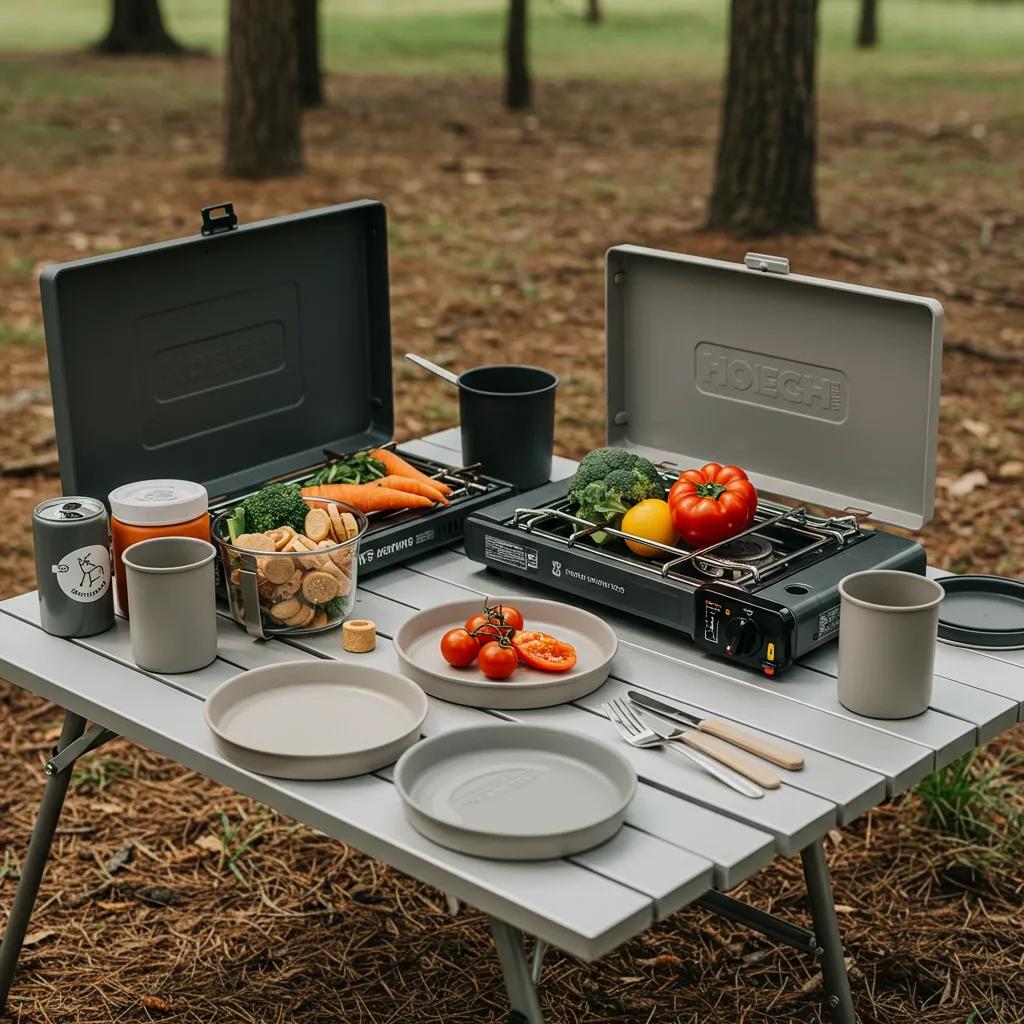
A streamlined camp kitchen makes mealtimes efficient, prevents hunger-related meltdowns, and reduces cleanup stress. The key is simple: prioritize multi-use cookware, adequate cold storage, and basic utensils. A compact camp stove, a 40–60 qt cooler, reusable plates and cutlery, and a multi-pot for one-pot meals will minimize packing while still supporting nutritious family meals. Planning a simple meal rotation—easy breakfasts, make-ahead lunches, and mix-and-match dinners—saves time and ensures children have familiar options. Below is a prioritized list of top items and a two-step meal-planning example to simplify provisioning.
Top six camp kitchen essentials for families:
- Cooler (40–60 qt) with block ice or ice packs to keep perishables safe.
- Portable camp stove with fuel and a reliable lighter or matches.
- One or two durable pots/pans for one-pot meals and simple breakfasts.
- Reusable plates, bowls, utensils, and a cutting board for food prep.
- Food storage containers and resealable bags to manage leftovers.
- Dish kit with biodegradable soap and a small basin for washing.
These essentials give families the flexibility to prepare quick breakfasts and hearty dinners while managing food safety. A two-step meal-planning approach can help: first, plan 1) breakfast/lunch/dinner basics for each day, and second, 2) snack rotations with hydration reminders for kids during active days at the lake.
Which cooking tools and food storage items simplify meal prep at camp?
Select multi-purpose cookware and compact utensils to reduce weight and complexity. One pot for boiling and simmering, a griddle or pan for pancakes and foil meals, and a spatula set will cover most needs. Cooler capacity should match your family size and trip length; a 40–60 qt cooler typically fits per-day perishables for a family of four with daily ice replenishment. Use resealable containers and labeled bins to keep snacks accessible and reduce raccoon attractants. These choices cut down on prep time and cleanup, making meal transitions easier for parents.
Choosing the right cooler capacity prevents spoilage and supports safe, easy meals for energetic kids.
What are practical food and drink ideas for family camping trips?
Practical family camping meals emphasize simplicity, nutrition, and child-friendly flavors to fuel active days. Oatmeal packs, yogurt and fruit, sandwich fixings, and one-pot pasta or rice dinners work well. Prepare breakfast staples that require minimal cooking, pack ready-to-eat snacks like trail mix and cut fruit, and plan at least one foil packet dinner that cooks over coals for a bit of novelty and minimal cleanup. Hydration is critical during water activities—pack refillable water bottles and plan for easy mid-day refills. These planning choices keep kids energized and reduce mealtime stress.
How Do You Prepare Personal Care and First Aid Supplies for Family Camping?
A well-stocked first-aid kit and personal care pack can prevent small incidents from derailing your trip by enabling prompt treatment and hygiene maintenance. Include bandages, antiseptic wipes, insect sting relief, blister care, child-appropriate pain relievers, and allergy meds if needed. Don’t forget a small supply of any familiar prescription medicines. Hygiene essentials—toilet paper, hand sanitizer, toothbrushes, and biodegradable soap—support comfort and reduce campsite waste. Below is a concise list of first-aid essentials and a short note on campground restroom access.
First-aid kit essentials for families:
- Adhesive bandages, sterile gauze, and adhesive tape for cuts and scrapes.
- Antiseptic wipes and sting relief gel for minor wounds and insect incidents.
- Child dosage pain reliever, antihistamine for allergic reactions, and blister care.
- Tweezers, thermometer, and a small emergency blanket for unexpected needs.
Keeping supplies organized in a central kit speeds up treatment and reduces worry. Clearly labeling child medications avoids dosing errors. With these basics, you can handle most common campsite issues and keep your activities on schedule.
What first aid kit items and hygiene products are essential for families?
Assemble your kit in a durable container with distinct compartments for kids’ meds, wound care, and tools. Include clear dosing instructions and a printed emergency contact list. Add sunscreen and insect repellent appropriate for children, and pack small hand towels and wet wipes to manage messy hands after meals and water play. Biodegradable toiletries minimize environmental impact and align with responsible campground use. A central checklist taped inside the kit ensures nothing critical is overlooked before departure.
How does Walnut Hills’ access to restrooms and showers enhance personal care?
Walnut Hills Family Campground by GatherGrounds provides on-site restrooms and showers, which significantly reduce the need to pack large quantities of hygiene supplies for families. Knowing that showers and restrooms are readily available allows families to prioritize smaller toiletry kits, flip-flops for shower use, and quick-dry towels rather than large hygiene bundles. This access simplifies packing and improves comfort, especially after water play or river floats. Confirming restroom locations at check-in can save time and streamline daily routines for parents and kids.
What Clothing and Weather Gear Should Families Pack for Michigan Camping?
Dressing in layers and choosing quick-dry, protective clothing gives families the flexibility to adapt to Michigan’s variable conditions while staying comfortable during both water and land activities. Base layers wick moisture, mid-layers retain warmth, and waterproof outer shells protect from rain and wind. Together, these layers help maintain body temperature and reduce the overall amount of gear needed. Sun protection—broad-brim hats, SPF clothing, and reliable sunscreen—is essential for guarding children during mid-day water play. The next section details layering and water-specific apparel for inflatables and river trips.
How to dress in layers and prepare for rain, sun, and water activities?
Use a simple layering system: a moisture-wicking base layer, an insulating mid-layer, and a breathable waterproof shell for rain. Pack an extra mid-layer for cooler evenings. Choose quick-dry fabrics for kids to reduce chafing and promote warmth after water activities. Include rain pants or a rain poncho and a small waterproof bag for spare clothes. This approach minimizes overpacking and ensures comfort across temperature swings.
What swimwear and footwear are best for Wibit water park and river adventures?
Durable water shoes with secure straps protect little feet on inflatables and river rocks, and they also prevent slips at the Wibit water park. Swimwear should be snug and quick-dry—rash guards are excellent for protecting against sun exposure during long float sessions. Bring properly fitting life jackets for river floats, and ensure they are U.S. Coast Guard–approved if required by activity providers. These choices enhance safety and comfort during water recreation.
How Can Families Pack for Fun Activities and Entertainment at Walnut Hills?
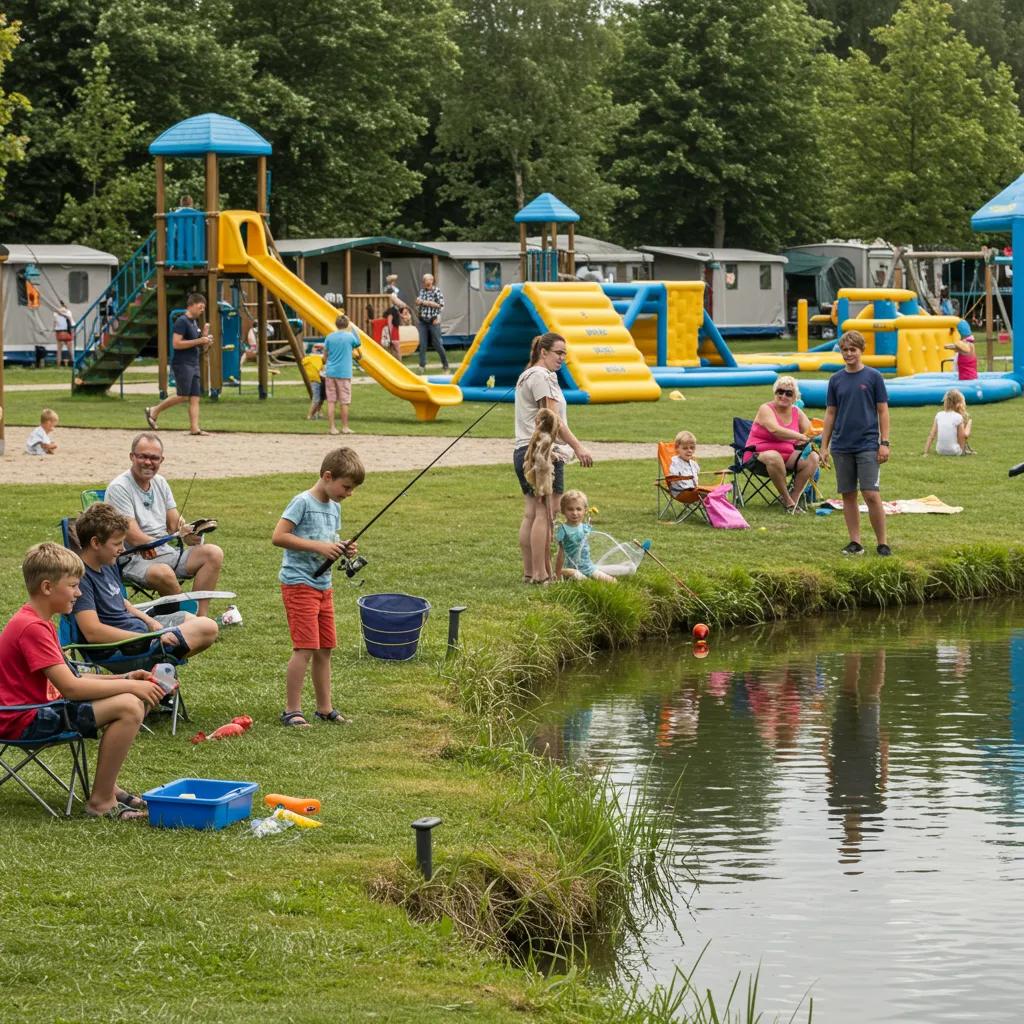
Packing for activities means tailoring your gear to the campground’s amenities so your family arrives ready to play and explore without overpacking. Activity-specific items directly support participation and enjoyment. Include compact games, basic fishing gear for shore fishing, and waterproof storage for electronics and medications to protect valuables during water play. Below are activity-specific packing bullets that help families plan for playgrounds, sports, the Wibit water park, and Shiawassee River float trips.
Compact entertainment and activity gear suggestions:
- Portable games, cards, and picture books to occupy downtime and evenings.
- Basic fishing kit: small rod, tackle box, and a compact license reminder if required.
- Water activity essentials: life jackets, water shoes, and dry bags for valuables.
These items encourage active days and calm evenings, balancing physical play with quiet rest for kids. Because Walnut Hills features a Wibit water park, Shiawassee River float access, playgrounds, and sports facilities, packing the items above will increase participation and fun.
What games, books, and fishing gear enhance family camping experiences?
Select lightweight games—travel-size board games, a deck of cards, and a frisbee—that fit easily in a small bag and provide quick family entertainment. Pack a few favorite children’s books for bedtime routines and quiet breaks after high-energy activities. A basic fishing setup for beginners, complete with a compact rod and a kid-sized life jacket, can encourage shore-based exploration. These compact items add variety without adding heavy packing burdens.
Matching gear to activity zones reduces uncertainty and encourages families to try out the campground’s offerings.
How to prepare for Shiawassee River float trips and Wibit water park fun?
For river floats and the inflatable park, prioritize secure footwear, sun protection, and waterproof storage for phones and medications; these items help prevent common mishaps on the water. Ensure children have properly fitted life jackets and that personal flotation devices are inspected before use. Keep sunscreen and hydration accessible during mid-day activities, and store spare dry clothes in a waterproof bag for the trip back to camp. Families can check activity schedules and reserve guided floats or park sessions to coordinate gear needs and timing.
This checklist aligns your packing decisions with your expected activities, helps keep your family safe, and maximizes your time for memory-making at the campground.
Frequently Asked Questions
What are some tips for camping with toddlers or young children?
When camping with toddlers or young children, prioritize safety and comfort above all else. Bring a portable crib or a sleeping bag designed specifically for kids to ensure they sleep well. Pack familiar toys and comfort items to help them adjust to the new environment. Create a structured schedule for meals and activities to provide a sense of routine. Always keep a close eye on them, especially near water or campfires, and consider using child harnesses or leashes in busy areas to prevent them from wandering off.
How can families stay organized while packing for a camping trip?
Staying organized while packing for a camping trip can significantly reduce stress. Start by creating a detailed checklist based on essential categories: shelter, cooking, personal care, clothing, and activities. Use packing cubes or bags to separate items by category, making it easier to find what you need. Involve the whole family in the packing process so everyone knows where their items are. Finally, pack a designated “family gear” bag for shared items to streamline access during the trip.
What should families do in case of bad weather while camping?
In case of bad weather while camping, it’s essential to have a plan. First, ensure your shelter is secure and waterproof. Monitor weather forecasts regularly and be prepared to adjust your activities accordingly. Have indoor games or activities ready to keep everyone entertained. If conditions become severe, consider seeking shelter in a nearby cabin or heading home if it’s safe to do so. Always prioritize safety and avoid staying in areas prone to flooding or high winds.
How can families ensure their campsite is eco-friendly?
To ensure your campsite is eco-friendly, practice Leave No Trace principles. This includes packing out all trash, minimizing campfire impact, and using biodegradable soaps for washing. Choose established campsites to avoid damaging natural habitats and stick to marked trails. Use reusable containers and utensils to reduce waste, and consider bringing a solar charger for devices. Educate your family about respecting wildlife and the environment to foster a sense of responsibility during your outdoor adventures.
What are some fun evening activities for families while camping?
Evening activities can greatly enhance the camping experience for families. Consider storytelling around the campfire, where each family member can share tales or ghost stories. Stargazing is another enjoyable option; bring a star chart or app to identify constellations. Organizing a family game night with cards or board games can also be fun. Additionally, cooking s’mores or other campfire treats can create lasting memories while enjoying the outdoors together.
How can families prepare for wildlife encounters while camping?
Preparing for wildlife encounters is crucial for safety while camping. Educate your family about local wildlife and the best practices for avoiding encounters, such as making noise while hiking. Store food securely in bear-proof containers or hang it from trees to prevent attracting animals. Keep a safe distance if you do encounter wildlife, and never feed them. Having a whistle or bear spray can also be helpful for emergencies. Always follow campground guidelines regarding wildlife interactions.
Conclusion
Equipping your family for a camping adventure ensures a stress-free experience filled with cherished memories. By following this comprehensive checklist, you can confidently pack essential gear for shelter, cooking, personal care, and activities tailored to your family’s needs. Embrace the joy of outdoor exploration and create lasting bonds with your loved ones. Start planning your next family camping trip today and discover the wonders of nature together!