
Essential Wildlife and Pest Concerns for Homeowners: Key Safety and Health Tips for Michigan Campgrounds
When you’re heading out to explore Michigan’s beautiful campgrounds, it’s smart to be aware of the wildlife and pests you might encounter. Understanding these potential risks helps you stay safe and healthy, ensuring your outdoor adventures are enjoyable. This guide will walk you through the common creatures and critters you might meet near Michigan campgrounds, why they matter for your family’s well-being, and practical ways to steer clear of trouble, like Lyme disease and illnesses spread by mosquitoes. By focusing on campground wildlife safety and smart pest prevention, you’ll learn how to identify them, what to do if you see them, and handy checklists to keep risks low while you soak in the great outdoors. We’ll cover typical species and their habits, step-by-step tips for tick and mosquito protection, essential advice for storing food safely around bears, and how to pick a campsite that keeps you away from potential hazards, especially near water like the Shiawassee River. Throughout, you’ll find recommendations based on public health advice and practical campground tips, like how a local spot such as Walnut Hills Family Campground in Durand, Michigan, sets things up to help families enjoy nature safely. Read on for easy-to-understand lists, comparison charts, and actionable advice for both homeowners and campers.
What Wildlife Should Homeowners Expect Around Michigan Campgrounds?
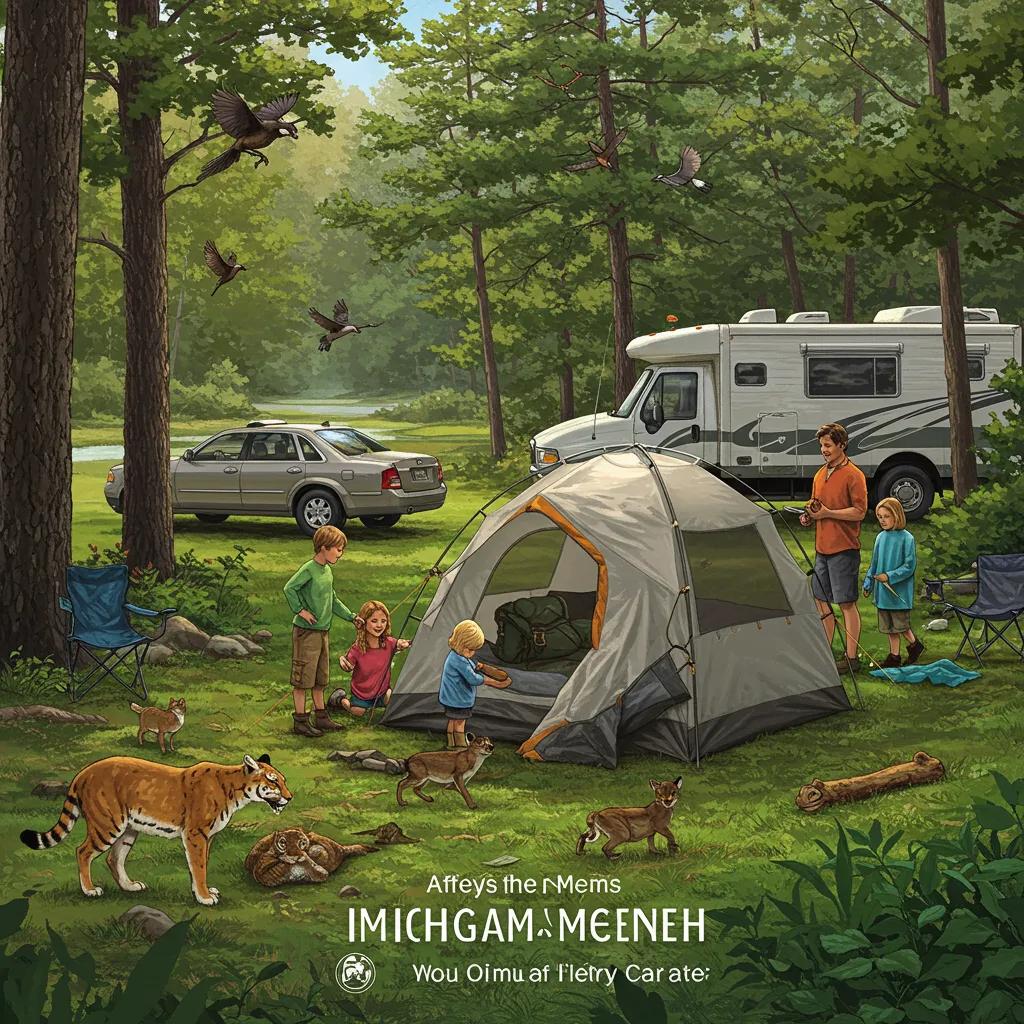
Around Michigan campgrounds, you’ll typically find small mammals, birds, and sometimes larger wildlife. Knowing who might visit your site helps you understand why proper food storage and keeping a safe distance are so important. These animals are drawn by food, water, shelter, and natural corridors like the Shiawassee River, so understanding their behavior can prevent them from becoming too accustomed to people, which reduces the chance of problems. Be ready to observe, manage scents, and report any unusual activity to keep everyone safe.
Here’s a look at common species you might see and a quick note on their potential risks:
- White-tailed deer: These large animals are usually gentle but can attract predators and pose a collision risk on roads.
- Raccoons and squirrels: These nocturnal scavengers love to explore, and they might damage your gear or spread germs from waste.
- Songbirds and waterfowl: Mostly harmless, they often gather near lakes and rivers, which can attract other wildlife.
- Coyotes: While typically shy, they might pose a threat to small pets if they get used to finding food from humans.
- Black bears: Though not common everywhere in Michigan, they can be attracted to unsecured food and trash.
This list helps you focus on what’s most important, like securing your food and keeping an eye on pets, leading us to specific advice on bear encounters later on.
Which Common Michigan Wildlife Might You Encounter Near Your Home or Campsite?
You’ll likely see adaptable mammals and various bird species around Michigan campsites. Recognizing basic signs will help you react quickly. Tracks, droppings, overturned trash cans, and nighttime noises are all clues that animals are foraging nearby. These should prompt you to double-check your food storage and trash security. Keeping your distance, never feeding wildlife, and letting local authorities or campground staff know about repeated activity helps prevent habituation and long-term issues.
How Can You Identify and Safely Respond to Bear Sightings?
Look for large tracks with claw marks, scat containing berry seeds or fur, and disturbed containers as signs of black bears. Spotting these helps you take immediate preventive steps. If you do see a bear, stay calm, don’t run, and slowly back away while speaking softly. If possible, put a barrier between you and the animal. Always secure your food and trash, and let campground staff or wildlife officials know about any sighting to help prevent future visits.
What Are the Best Practices for Snake and Coyote Safety?
Most snakes in Michigan are harmless, and venomous ones are rare. Learning to identify local species by their head shape and patterns can help you assess risk without getting too close. For coyotes, never leave small pets unattended, keep your yard free of food sources, and use noise to deter bold behavior. Coyotes generally avoid people if they aren’t rewarded with food. If you’re bitten by a snake or have an aggressive encounter with a coyote, seek immediate medical or wildlife professional help and report the incident to local authorities.
How Can Homeowners Prevent Pest Problems While Camping in Michigan?
Preventing pests involves removing what attracts them, using protective measures, and doing regular checks. These actions help reduce the spread of diseases and annoying encounters. Effective prevention works by disrupting pest life cycles—like getting rid of standing water where mosquitoes breed—and by blocking them from reaching you, such as wearing protective clothing and using repellents for ticks. A quick checklist can help families get their gear and habits ready before heading to a campground or enjoying nearby river activities.
Follow this campsite-ready prevention checklist:
- Secure all food and trash: Keep items in your vehicle or designated lockers and follow all campground rules for trash disposal.
- Reduce standing water: Empty any containers that might collect water and avoid setting up your tent in low-lying, stagnant areas.
- Use EPA-registered repellents and treated clothing: Apply repellents as directed and consider treating outerwear with permethrin where appropriate.
- Perform daily tick checks: Inspect your clothing and skin after spending time outdoors and remove any ticks you find promptly.
These steps create a strong defense, reducing both pest nuisances and disease risks, making your outdoor experiences more enjoyable for the whole family.
Intro to the pest comparison table: The table below summarizes common pests found around Michigan campsites, highlighting their risks and recommended prevention actions for homeowners and campers.
This comparison helps you prioritize your prevention efforts for the most common campsite pests and guides you on how to respond quickly if needed.
What Are Effective Tick Prevention Methods for Campers and Homeowners?
Preventing tick bites involves using clothing as a barrier, applying repellents, and choosing your location wisely to minimize exposure. Combining these methods offers the best protection. Wear long sleeves and tuck your pants into your socks, treat your clothing with permethrin if possible, and apply EPA-registered repellents to any exposed skin. After being outdoors, do a thorough tick check, paying close attention to warm, hidden areas of your skin and your hairline. Removing ticks early significantly reduces the chance of disease transmission.
Research shows that clothing treated with permethrin can greatly reduce the number of tick bites and the transmission of diseases carried by ticks.
Permethrin-Treated Clothing for Tick Bite Prevention
The findings from this study highlight the potential of summer clothing treated with permethrin to significantly decrease tick bites and the transmission of pathogens carried by ticks.
How Do You Control Mosquitoes at Campgrounds and Nearby Properties?
Controlling mosquitoes involves choosing your campsite wisely, reducing their breeding grounds, and protecting yourself personally to lower the risk of bites and disease. It’s best to pick campsites on higher, breezier ground away from still water, and eliminate any containers that could hold water. Use physical barriers like screened tents and nets. Apply repellents during peak activity times, usually dawn and dusk, and wear clothing to cover as much skin as possible.
What Other Common Pests Should You Watch for and How to Manage Them?
Other common pests like ants, spiders, gnats, and poison ivy are managed through good hygiene, using barriers, and prompt treatment if you come into contact with them. Keep food sealed, clean up spills right away, store gear off the ground or in sealed containers, and learn to recognize poison ivy to avoid touching it. If you get bitten or develop a rash, wash the area thoroughly and seek medical advice if symptoms worsen. Report any persistent pest problems to campground staff so they can help manage them.
What Are the Essential Bear Safety Guidelines for Campers and Homeowners?
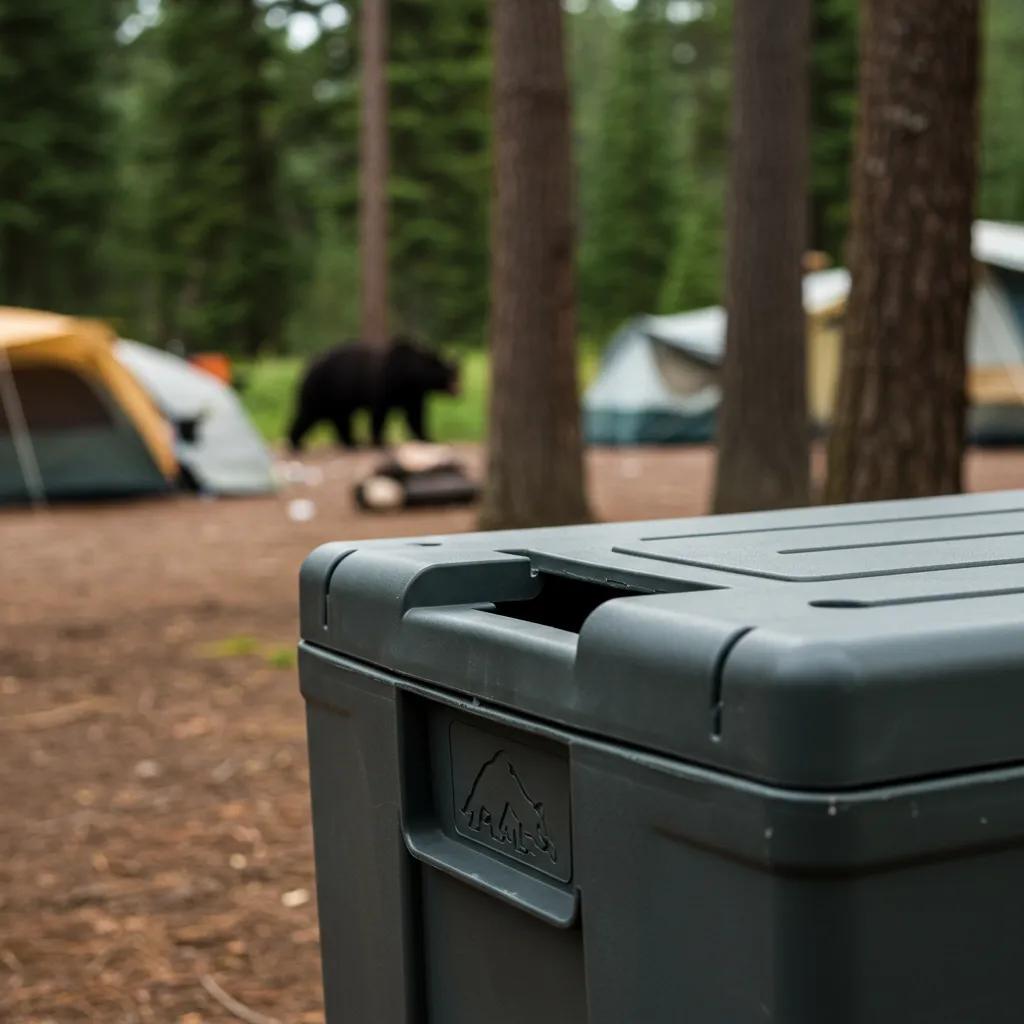
Staying safe around bears means removing anything that might attract them, using secure storage for food and trash, and knowing how to react if you encounter one. These steps help prevent bears from becoming too comfortable around people and reduce the chances of serious incidents. Proper storage and cleanliness are key to discouraging bears from visiting campsites, while knowing how to behave during an encounter helps keep both people and wildlife safe. Understanding your storage options allows you to choose the best method for your situation.
Intro to storage comparison table: Compare these storage options to find the best way to avoid attracting bears at campsites and even around your home.
How Should Food and Waste Be Stored to Avoid Attracting Bears?
Never keep food inside your tent. Instead, use your vehicle, campground lockers, or bear-resistant containers to block scents and prevent access. Put trash in designated bear-proof bins whenever possible and follow the campground’s disposal schedule to avoid leaving attractants out overnight. Consistently following these storage rules helps keep both campers and local wildlife safe from potentially dangerous encounters.
What Steps Should You Take During a Bear Encounter?
If you see a bear, try to stay calm. Make yourself look bigger by raising your arms, but don’t charge at it. Slowly back away while keeping the bear in sight; do not run. If the bear approaches, use noise and firm commands. If possible, get to safety inside a vehicle or building. Report the sighting immediately to campground staff or wildlife authorities so they can manage the situation and reduce the likelihood of repeat encounters.
How Does Walnut Hills Family Campground Support Bear Safety?
Walnut Hills Family Campground in Durand, Michigan, provides the necessary facilities and guest information to minimize bear attractants and ensure safe stays. This includes clear signage and staff training for handling wildlife reports. The campground offers family-friendly amenities like RV and tent sites, cabins, and organized river access, along with rules for secure storage and waste disposal that guests are asked to follow. By combining on-site measures with guest cooperation, Walnut Hills helps families enjoy river floats on the Shiawassee River and other outdoor activities with fewer wildlife conflicts.
How Can Homeowners Protect Themselves from Tick-Borne Diseases While Camping?
Protecting yourself from tick-borne diseases involves prevention, early detection, and knowing when to seek medical help. Acting quickly can reduce the risk of complications. Regular checks of your clothing and skin, using the right repellents, and being aware of symptoms are key defenses that align with public health guidance from organizations like the Michigan DNR and CDC. Knowing when to see a doctor ensures you get timely treatment if you suspect an infection.
What Are the Signs of Tick Presence and How to Perform a Tick Check?
You might notice ticks on your clothing or in leaf litter, or see small dark specks clinging to fabric. It’s important to do a tick check right after you’ve been outdoors. A thorough check involves inspecting your clothing, scalp, behind your ears, under your arms, groin area, and behind your knees. Use a mirror or ask someone to help you check hard-to-reach spots. If you find an attached tick, remove it carefully with fine-tipped tweezers. Saving the tick can help with identification if you develop symptoms later.
Which Repellents and Clothing Choices Are Most Effective?
Repellents with DEET or picaridin that are registered with the EPA offer reliable protection for your skin. Permethrin-treated clothing can repel and kill ticks on fabric. Choose light-colored clothing so you can spot ticks more easily, tuck your pant legs into your socks, and wash your clothes after your trip. Using these methods together provides the best defense against tick bites while camping or doing yard work.
Most vector-borne diseases in the U.S. are transmitted by ticks, making personal protection against tick bites, including the use of EPA-registered repellents, the primary defense.
Tick-Borne Diseases and Repellent Efficacy
The majority of vector-borne disease cases in the USA are caused by pathogens spread by ticks, most commonly the blacklegged tick,Ixodes scapularis. Personal protection against tick bites, including use of repellents, is the primary defense against tick-borne diseases. Tick repellents registered by the Environmental Protection Agency (EPA) are well documented to be safe as well as effective against ticks.
When Should You Seek Medical Attention for Tick Bites?
Seek medical attention if you develop a fever, rash, joint pain, or neurological symptoms after a tick bite, or if you’re unable to remove the tick completely. These could be signs of Lyme disease or other tick-borne infections. Keep the tick in a sealed container for potential identification and tell your healthcare provider about any concerning symptoms promptly. Early medical evaluation leads to timely treatment and better outcomes.
What Are the Best Practices for Mosquito Control at Campgrounds and Homes?
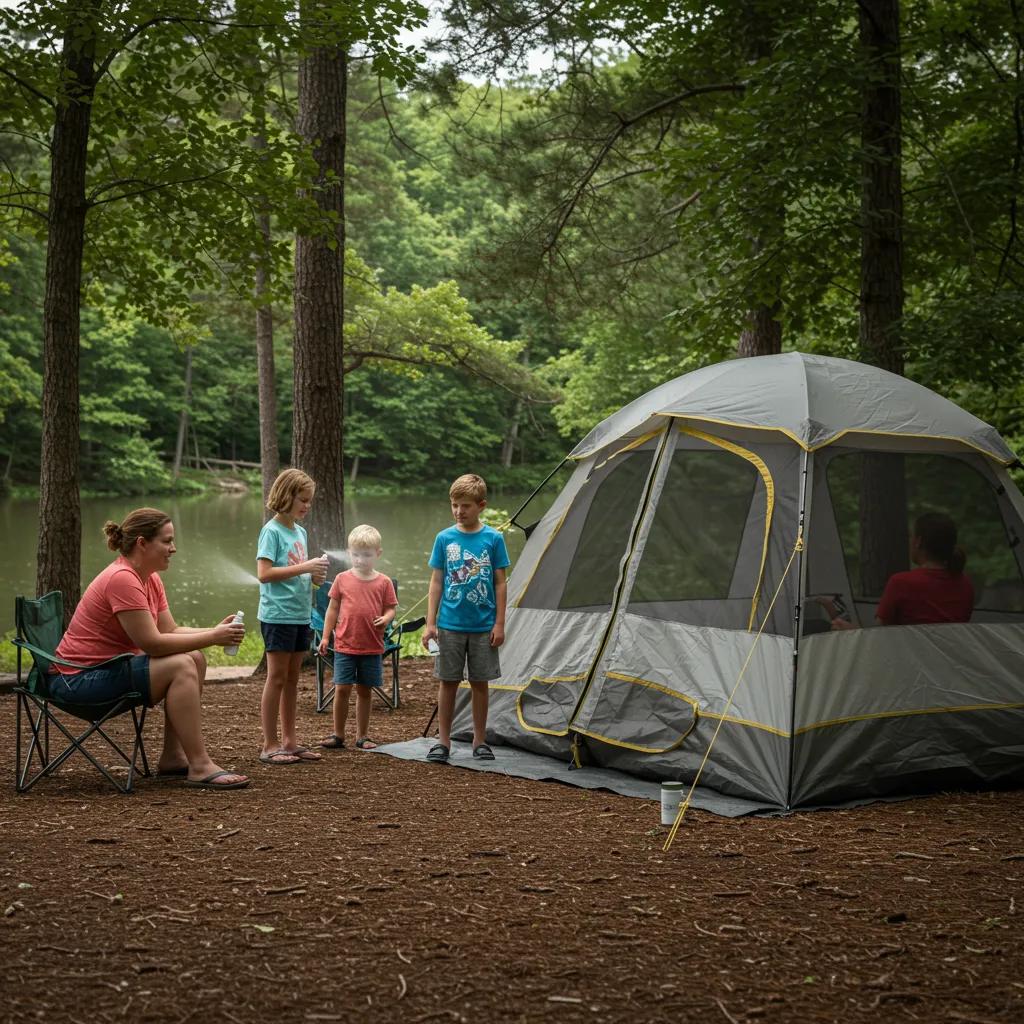
Controlling mosquitoes involves being mindful of timing, using repellents, setting up physical barriers, and choosing your location carefully to reduce bites and the risk of disease. Using several of these tactics together is the most effective approach. Understanding when mosquitoes are most active and where they like to hang out helps you make safer choices about where to go and what to do. The repellent guide below can help families pick the best option for their needs.
Intro to repellent table: Compare common repellents and methods for practical use at the campsite.
When Are Mosquitoes Most Active and How to Avoid Bites?
Mosquitoes are most active at dawn and dusk. Try to plan your activities to minimize your time outdoors during these periods and use repellents when you are outside. Wear long sleeves and pants, choose campsites that are breezy and elevated, and keep your tent zipped up to prevent them from getting inside. These simple choices regarding timing and clothing can make a big difference.
What Natural and Chemical Repellents Work Best for Campers?
DEET and picaridin offer the strongest and most reliable protection for campers. Oil of lemon eucalyptus is a good plant-based option for adults, but always follow label instructions regarding age restrictions. Treating your clothing with permethrin adds another layer of defense, especially if you spend a lot of time outdoors. Combining a topical repellent with permethrin-treated gear and nets provides comprehensive protection suitable for family camping.
How Does Proper Campsite Selection Reduce Mosquito Exposure?
Choosing a campsite that is sunny, breezy, and located away from stagnant water and dense vegetation can significantly reduce the number of mosquitoes and your risk of bites around your tent or cabin. Position your sleeping and play areas upwind from any wetlands and avoid low-lying spots where water might collect. Making these small adjustments to your site selection and being aware of your surroundings can greatly decrease mosquito nuisance and disease risk.
For families ready to plan a safe getaway, a camping experience that emphasizes secure storage, supervised riverside activities, and amenity-based recreation can enhance comfort and reduce wildlife conflicts. Walnut Hills Family Campground offers RV and tent sites, cabins, a Wibit water park, and a swimming lake to support outdoor fun, with practical on-site measures in place to help families book a safer, more enjoyable stay.
Frequently Asked Questions
What should I do if I encounter a wild animal while camping?
If you encounter a wild animal while camping, stay calm and avoid sudden movements. Do not approach the animal, as this could provoke a defensive reaction. Instead, slowly back away while keeping the animal in sight. If the animal approaches you, make yourself appear larger by raising your arms and speaking in a firm voice. Always report the sighting to campground staff to help manage wildlife interactions effectively.
How can I protect my pets from wildlife while camping?
To keep your pets safe from wildlife while camping, always supervise them and keep them on a leash. Avoid leaving food or trash where wildlife can access it, as this can attract animals. Also, ensure your pets are up-to-date on vaccinations and flea/tick prevention. Familiarize yourself with local wildlife and their behaviors to better understand potential risks and take the necessary precautions to keep your pets safe.
What are the signs of a tick-borne disease?
Signs of tick-borne diseases can vary but often include fever, chills, fatigue, muscle aches, and joint pain. A characteristic rash may also appear, especially with Lyme disease, which often looks like a “bull’s-eye” pattern. If you experience these symptoms after a tick bite or spending time in areas where ticks are common, seek medical attention promptly for evaluation and potential treatment.
How can I choose a safe campsite to minimize wildlife encounters?
To select a safe campsite that minimizes wildlife encounters, look for spots away from dense vegetation and water sources, as these areas tend to attract animals. Choose elevated, breezy sites that are less likely to harbor pests like mosquitoes. Also, check for signs of wildlife activity, such as tracks or droppings, and pick a location with proper waste disposal facilities to reduce attractants.
What should I do if I find a tick on my body?
If you find a tick on your body, remove it as soon as possible using fine-tipped tweezers. Grasp the tick as close to the skin’s surface as you can and pull upward with steady, even pressure. Clean the bite area and your hands with rubbing alcohol or soap and water. Keep an eye out for any signs of illness, such as fever or rash, in the following weeks and consult a healthcare provider if symptoms develop.
Are there any specific precautions for children regarding wildlife and pests?
Yes, children need specific precautions concerning wildlife and pests. Make sure they understand the importance of not approaching wild animals and staying close to adults. Dress them in protective clothing, like long sleeves and pants, to reduce tick exposure. Teach them to recognize and avoid poison ivy and other harmful plants. Check them regularly for ticks after outdoor activities and apply appropriate insect repellent as needed.
What are the best practices for food storage to prevent attracting wildlife?
To avoid attracting wildlife, store food in bear-proof containers or locked vehicles, and never leave food out in tents. Use designated trash bins and dispose of waste promptly. Clean up spills and crumbs immediately, and avoid cooking near sleeping areas. Following these best practices helps minimize the risk of wildlife encounters and keeps both campers and animals safe.
Conclusion
Understanding wildlife and pest concerns is key to ensuring a safe and healthy camping trip in Michigan. By using effective prevention strategies and being aware of local wildlife behaviors, families can enjoy the outdoors with fewer risks. For a memorable and secure camping experience, consider visiting Walnut Hills Family Campground, where safety measures are a top priority. Start planning your adventure today and embrace the beauty of Michigan’s campgrounds!