Private vs. Public Campgrounds: Amenities, Pricing, and Your Camping Experience Explained
When choosing where to camp, it often comes down to a simple choice: a private campground offering convenience and activities, or a public campground focused on nature and conservation. This guide breaks down how private and public campgrounds differ in ownership, amenities, pricing, and the overall camping experience, helping you pick the best fit for your family. You’ll get clear definitions, a side-by-side look at amenities, insights into pricing and value, and practical differences in atmosphere and rules. We’ll even include a decision checklist tailored for families and reference Michigan state parks and private operators to illustrate the trade-offs. Get ready for direct comparisons, helpful tables, practical lists, and an example of a family-friendly private campground that showcases how extra services enhance your stay.
What Are the Key Differences Between Private and Public Campgrounds?
Private campgrounds are commercial operations that invest in on-site amenities and guest services to generate revenue. Public campgrounds, on the other hand, are government-run areas that prioritize conservation and access to nature. This difference in ownership drives everything: private operators reinvest fees into facilities and activities, offering visible conveniences and recreation. Public managers focus on trail maintenance and habitat protection, with fewer commercial amenities. The main advantage of private sites is predictable comfort and family-focused fun, while public sites offer more affordable access to undeveloped natural areas. Understanding these core incentives helps explain why amenities, staffing, and reservation systems vary so much between the two types.
How Does Ownership Affect Campground Features and Services?
Ownership dictates investment priorities. A private campground operator budgets for recreational infrastructure, organized activities, and retail services. Public agencies, however, allocate funds toward trails, signage, and environmental stewardship. This means private sites often feature staffed services and planned events that boost convenience and engagement for families. Public ownership focuses on preserving natural resources, leading to less developed amenities but stronger protection of ecological values. Knowing this dynamic helps campers decide if they prefer managed comfort and activities or open access to natural spaces.
What Are Typical Amenities Offered at Private Campgrounds?
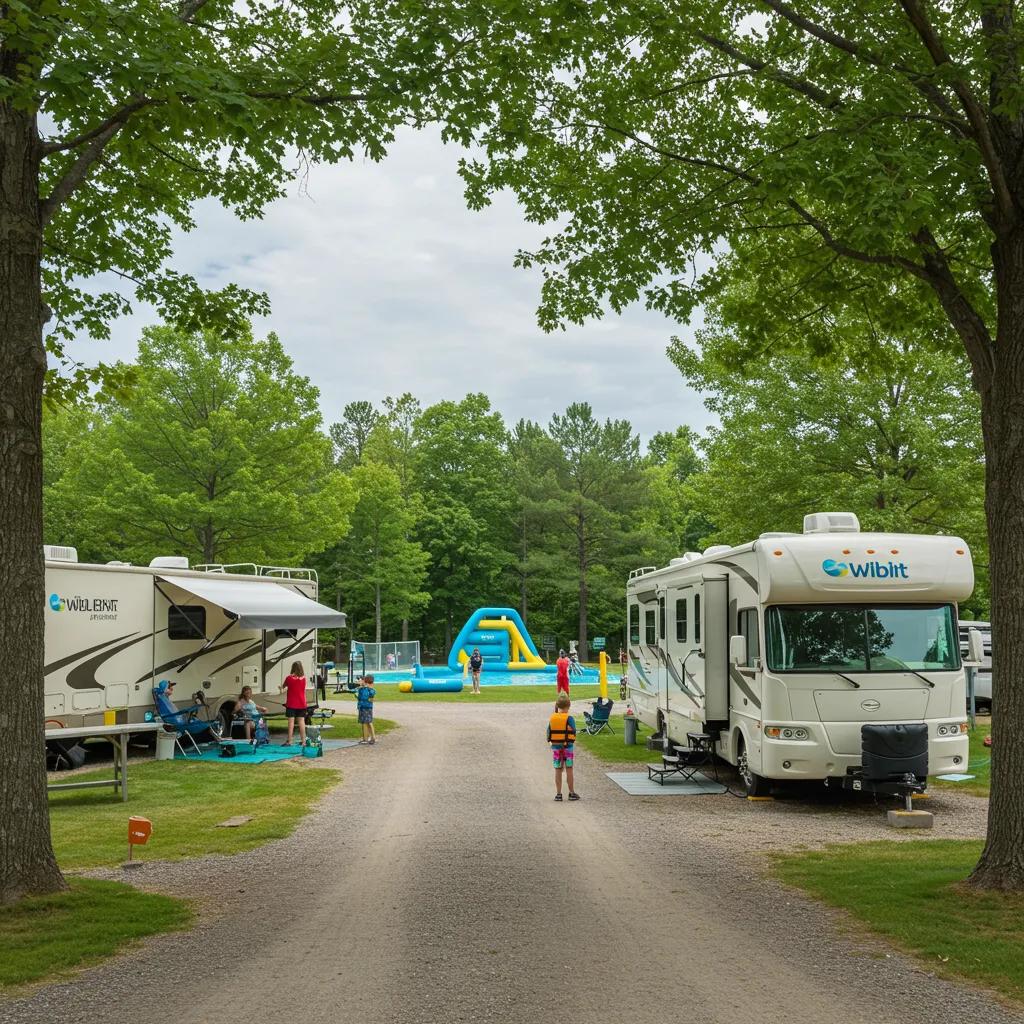
Private campgrounds typically offer infrastructure and recreational features designed to enhance guest comfort and provide a variety of activities for families, including full utility connections and curated play areas.
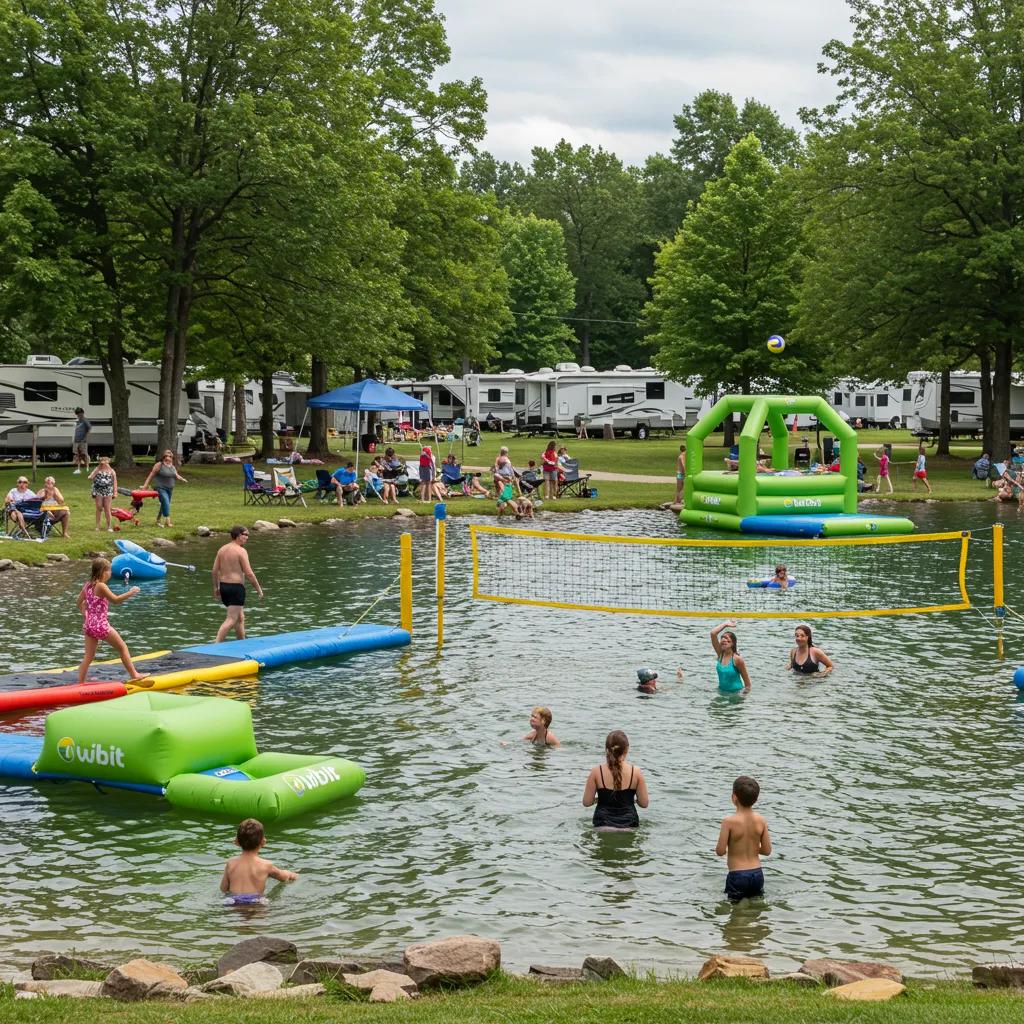
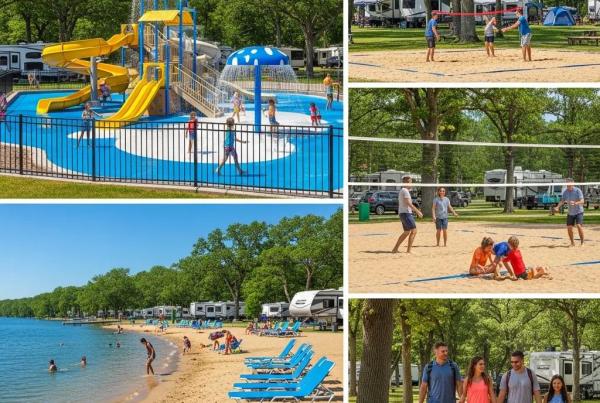
You’ll commonly find RV sites with full hookups, cabin rentals, Wibit water park features, swimming lakes, updated bathrooms, a campground store, and organized weekend family events.
These amenities—like full hookups, game rooms, and dog parks—create an integrated guest experience that emphasizes convenience, safety, and entertainment.
For instance, a private operator can add a Wibit water park and a campground store because revenue from overnight stays supports these investments. This direct link between fees and services is a core part of the private campground value proposition.
What Amenities Are Common at Public Campgrounds?

Public campgrounds usually focus on low-impact facilities that support outdoor access without extensive commercial development, so amenities tend to be basic and nature-oriented.
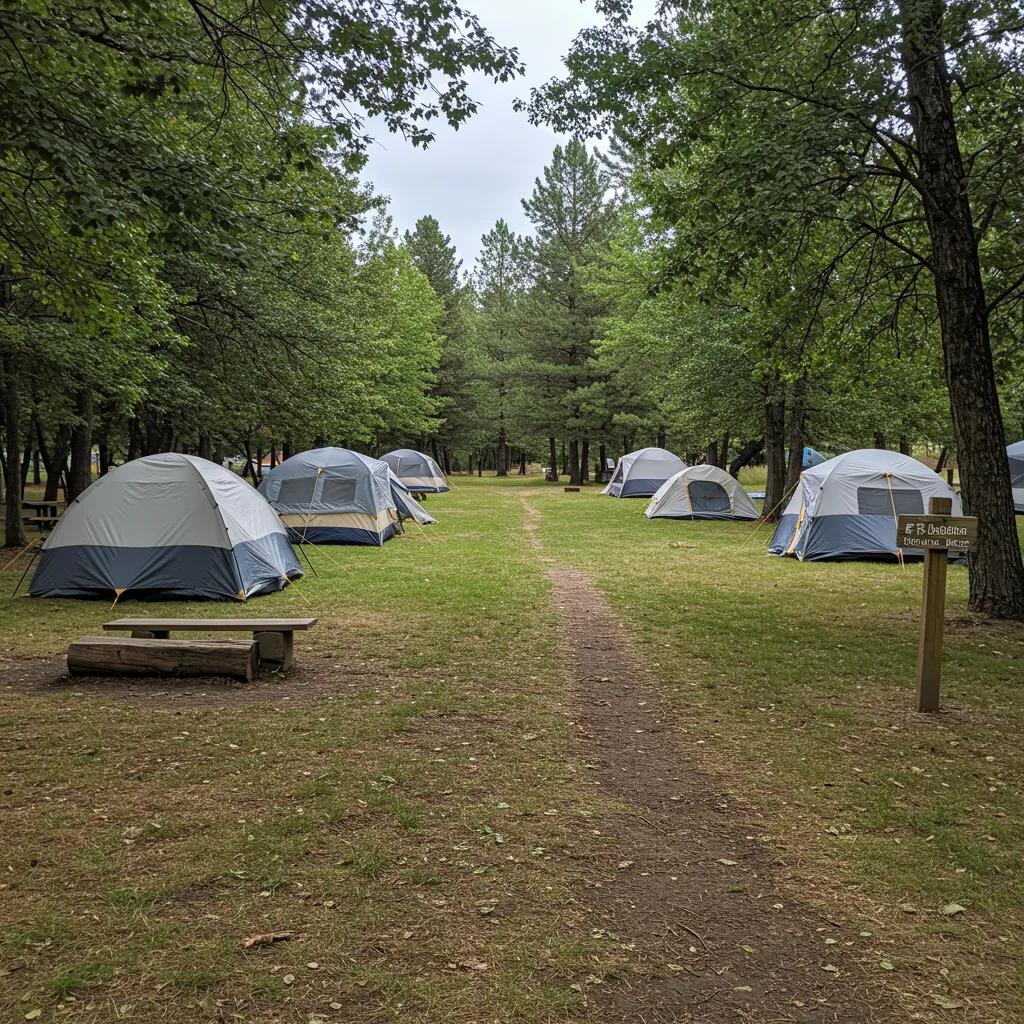
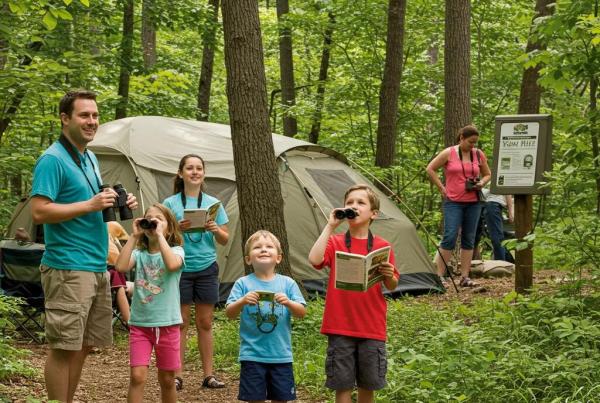
Common features include primitive tent sites, vault toilets, limited or no utility hookups, trailheads, interpretive signs, and picnic areas designed for hiking, wildlife viewing, and enjoying the natural surroundings.
The approach here is that public agencies maintain natural areas and minimal infrastructure, offering benefits like solitude, trail access, and lower nightly fees. Understanding these basic amenities makes it easier to see what extra options private campgrounds provide and how those choices impact pricing and convenience.
This table shows that private campgrounds generally offer more built amenities and services, while public campgrounds focus on essential infrastructure. The next section looks at how those amenity differences affect nightly pricing and value.
How Do Pricing Structures Compare Between Private and Public Campgrounds?
Pricing differences reflect distinct value propositions. Private campgrounds charge higher nightly rates to cover amenities, staffing, and programming, while public campgrounds offer lower baseline fees to make public lands more accessible. The mechanism is that collected fees fund amenities and services, creating a clear trade-off: higher prices often include conveniences like utility hookups and on-site recreation, while lower public fees typically mean fewer included services. When comparing costs, consider both the nightly rates and the bundled value, such as included activities or convenience. The following subsections break down typical rate components for private sites, explain the relative affordability of public sites, and clarify what your money buys at each type.
What Are Typical Nightly Rates and Fees for Private Campgrounds?
Private campgrounds typically charge higher nightly rates than public alternatives because these fees cover operational costs for amenities, maintenance, and event programming. They often add premium fees for cabins or waterfront sites. Common pricing components include base site fees, surcharges for premium sites, activity or amenity fees for special attractions, and optional equipment rentals. The direct benefit is that these fees support features like full hookups, cabin rentals, and weekend family events, which reduce on-site hassle and increase convenience. Understanding these bundled services helps families judge if higher rates match their desired comfort and activity level.
- Typical private campground fees include:
Base site fee for tent or RV space.
Premium fees for cabins or waterfront/premium RV sites.
Activity or amenity fees for special attractions or rentals.
These fee types explain why private nightly rates can be higher than public rates while still offering tangible benefits.
This table highlights that private accommodations often include convenience and leisure components, while public sites focus on minimal services and simpler fee structures. The next part contrasts affordability and potential hidden costs at public campgrounds.
How Affordable Are Public Campgrounds Compared to Private Options?
Public campgrounds generally offer lower nightly rates because they don’t subsidize commercial amenities. However, campers might still face permit costs, reservation service fees, or travel expenses to reach remote sites. The value here is that lower operational costs lead to lower fees, making public sites more affordable for budget-conscious families and those prioritizing nature over amenities. Still, a lower upfront cost can mean less convenience and more logistical effort, like hauling water or managing without on-site stores. For families weighing affordability, factoring in transport, supplies, and desired comfort level helps clarify the true trip cost differences between the two models.
What Does Your Money Buy at Each Campground Type?
Money spent at private campgrounds typically buys convenience, reduced logistical friction, and curated family experiences. Money spent at public campgrounds buys access to preserved natural settings and lower-cost outdoor recreation. In value terms, private fees purchase amenities, programming, and maintenance, while public fees purchase land access and conservation. A quick decision table helps translate costs into benefits so families can align spending with their priorities.
How Does the Camping Experience Differ at Private Versus Public Campgrounds?
The camping atmosphere varies significantly. Private campgrounds create social, activity-rich environments with visible infrastructure and staff-led programming. Public campgrounds, conversely, emphasize solitude, trail access, and wildlife observation. These experience differences stem from private operators programming events and amenities to attract families, while public agencies manage landscapes for conservation and passive recreation. The practical outcome is that social dynamics, noise levels, and on-site options will differ, so families should match their desired atmosphere to the appropriate campground type. The following subsections detail these experiential contrasts and practical booking and rule differences.
What Is the Atmosphere Like at Private Campgrounds?
Private campgrounds tend to feel lively and family-friendly, with programmed weekend events, play areas, and recreational hubs that draw groups and foster ongoing social activity. Amenities like a Wibit water park, game room, sand volleyball, basketball courts, and organized activities encourage interaction among guests and provide structured entertainment for children. This atmosphere benefits families seeking convenience and social opportunities, and the curated programming often enhances perceived safety and engagement. Recognizing this social focus helps campers decide if a bustling environment fits their vacation goals.
How Does the Public Campground Experience Emphasize Nature and Rustic Camping?
Public campgrounds focus on immersion in natural settings, featuring trails, viewpoints, wildlife encounters, and minimal built infrastructure to reduce visitor impact on ecosystems. Management for conservation prioritizes passive recreation like hiking, birdwatching, and backcountry access over on-site entertainment or retail services. The benefit is authentic nature experiences, solitude, and less development, appealing to campers seeking a quieter, more self-reliant trip. Understanding this focus clarifies why public sites often lack the amenities families might expect at private venues.
What Are the Differences in Rules, Regulations, and Booking Ease?
Private campgrounds commonly offer straightforward online reservations, clearer cancellation policies, and enforced site rules that prioritize guest experience. Public campgrounds, however, often use permit systems, have seasonal openings, and enforce rules focused on protecting resources. These operational differences—convenient reservation platforms for private sites versus resource-focused permit systems for public ones—lead to different planning experiences and flexibility. Families should check booking channels and stay limits in advance, as private sites often advertise online booking while public sites may require permits or seasonal reservations that affect trip timing.
Why Choose a Private Campground Like Walnut Hills Family Campground?

Choosing a private campground can prioritize family convenience, on-site activities, and a one-stop experience where accommodations and recreation are bundled for easy planning. Walnut Hills Family Campground, operated by GatherGrounds Resorts, exemplifies this model by offering a mix of RV sites (with full hookups), tent sites, cabin rentals, and a variety of family-oriented amenities that reduce travel logistics and boost on-site engagement. The advantage of this integrated approach is that families spend less time coordinating outside vendors and more time enjoying activities and comfort, leading to stronger shared experiences during their stay. Below are specific features and how they translate into practical family benefits.
What Unique Amenities and Activities Does Walnut Hills Offer?
Walnut Hills Family Campground provides family-focused amenities including a Wibit water park on a swimming lake, updated bathrooms, a campground store, and recreational options like sand volleyball, basketball, gaga ball, and a game room. The site also offers river float trips on the Shiawassee River and a Canoe Livery, giving you both on-site play and easy access to local water recreation. These amenities create an environment where families can blend structured activities with free play, reducing the need to travel offsite for entertainment and supplies. Notably, the campground store and updated facilities enhance convenience and comfort during multi-day stays.
- Key Walnut Hills offerings include:
RV sites (with full hookups) for easy RV stays.
Wibit water park and swimming lake for family water fun.
Campground store and updated bathrooms for on-site convenience.
These features show how a private campground can bundle services to simplify a family getaway, aligning with how Walnut Hills supports different camping preferences.
How Does Walnut Hills Cater to Families and Diverse Camping Preferences?
Walnut Hills supports a range of camping styles by offering RV sites (with full hookups), tent sites, and cabin rentals, allowing families to choose the accommodation that best suits their comfort level and budget. The campground complements these lodging options with weekend family events and recreational programming that appeal to both children and adults, creating shared activities that reduce planning effort. Additional family-focused amenities like a dog park, pavilion rentals, and easily accessible bathrooms further support multi-generational stays and pet-friendly visits. These combined services make Walnut Hills adaptable for first-time campers and experienced RV travelers alike.
How Easy Is It to Book and Plan Your Stay at Walnut Hills?
Private campgrounds like Walnut Hills typically simplify planning with online reservations and clear descriptions of site types, making it easy to select RV sites (with full hookups), cabin rentals, or tent sites based on family needs. The practical benefit of this booking model is predictable availability, transparent site features, and options for pavilion rentals or activity planning that reduce last-minute coordination. For families, planning tips include choosing accommodation based on desired amenities—full hookups for RV convenience, cabins for compact comfort—and booking weekend family-friendly events early to secure spots. This ease of reservation highlights one advantage of private campground management for busy families.
Which Campground Type Is Best for Your Family’s Needs?
Choosing between private and public campgrounds depends on your family’s specific priorities, such as budget, desired activities, comfort needs, pet policies, and travel logistics. The core decision mechanism is matching your priorities to the campground type: if you prioritize convenience and programming, choose private; if you prioritize low cost and natural immersion, choose public. Below are practical checklists and persona-driven recommendations to help families decide quickly. Following these decision aids, a concise pros and cons list summarizes the trade-offs.
What Priorities Should Families Consider When Choosing a Campground?
Families should evaluate several key priorities before booking: budget, desired activities, comfort level, travel time, pet-friendliness, and reservation flexibility. Assessing your budget clarifies whether higher private fees are acceptable for bundled amenities, while activity preferences determine the importance of features like Wibit water parks or river float trips. Comfort needs—such as full hookups or updated bathrooms—influence lodging choices between RV sites (with full hookups), cabins, or tent sites. Finally, checking pet rules and booking channels in advance ensures the chosen campground aligns with your logistics and expectations.
- Priorities checklist:
Budget: Are higher nightly rates acceptable for added convenience?
Activities: Do you want organized events or trail-focused recreation?
Comfort: Will you need full hookups, cabins, or tent-only sites?
This checklist helps narrow down decision factors and leads into specific persona recommendations.
How Can You Match Your Camping Style to Private or Public Options?
Matching camping styles to campground types helps families choose efficiently. A family with young children and limited gear often benefits from private campgrounds with amenities and programming, while outdoor purists seeking solitude should favor public campgrounds with trails and minimal development. RV travelers who prioritize hookups and easy services will likely prefer private RV sites (with full hookups), whereas backcountry or minimalist campers will find public sites more aligned with their priorities. Considering travel time and pet-friendliness further refines the match, guiding families to the campground type that minimizes friction and maximizes satisfaction.
What Are the Pros and Cons of Private Versus Public Campgrounds?
- Private campgrounds — Pros:
Strong on-site amenities and family programming.
Easier online booking and predictable services.
Convenience features like stores, updated bathrooms, and hookups. - Public campgrounds — Pros:
Lower nightly fees and emphasis on natural experience.
Greater opportunities for solitude and trail-based recreation.
Resource-focused management that prioritizes conservation.
These comparative lists and tables offer a structured way to weigh options and choose the campground type that best suits your family’s camping goals.
Frequently Asked Questions
What should I consider when planning a camping trip with children?
When planning a camping trip with children, focus on their comfort and safety. Look for campgrounds offering family-friendly amenities like playgrounds, swimming areas, and organized activities. Also, check the campground’s proximity to emergency services and the availability of clean restrooms. It’s important to choose a site that provides easy access to nature trails or recreational activities that can engage children. Lastly, ensure the campground has pet policies if you plan to bring family pets.
Are there any specific rules I should be aware of at public campgrounds?
Public campgrounds often have specific rules designed to protect natural resources and ensure visitor safety. Common regulations include limits on campfires, noise levels, and wildlife interactions. Many public sites require permits for camping and may have seasonal rules regarding site availability. It’s essential to familiarize yourself with these regulations before your visit, as violations can lead to fines or removal from the site. Always check the campground’s website or contact management for the most current rules and guidelines.
How can I ensure a successful camping experience for first-time campers?
For first-time campers, preparation is key to a successful experience. Start by choosing a campground that matches your comfort level and desired activities. Create a checklist of essential gear, including tents, sleeping bags, cooking equipment, and food supplies. Familiarize yourself with the campground layout and amenities to make the most of your stay. Consider attending a camping workshop or reading guides on camping basics. Lastly, maintain an open mind and be flexible, as unexpected challenges can arise in the great outdoors.
What are the benefits of booking a campground in advance?
Booking a campground in advance offers several benefits, including securing your preferred site and avoiding last-minute stress. Many popular campgrounds fill up quickly, especially during peak seasons, so early reservations ensure you have a spot that meets your needs. Booking ahead also allows you to plan your itinerary, including activities and meals, leading to a more organized and enjoyable camping experience.
Can I find campgrounds that accommodate large groups or family reunions?
Yes, many campgrounds cater to large groups or family reunions by offering group sites or pavilions for gatherings. When searching for a campground, look for those that provide amenities such as picnic areas, recreational facilities, and multiple lodging options to accommodate various family sizes. It’s advisable to contact the campground directly to discuss your group’s needs and confirm availability. Some campgrounds may also offer special packages or discounts for large bookings, making it easier to plan a memorable family event.
What should I pack for a camping trip to ensure comfort and safety?
Packing for a camping trip requires careful consideration to ensure comfort and safety. Essential items include a quality tent, sleeping bags, and sleeping pads for a good night’s rest. Bring cooking gear, food, and plenty of water, along with a first-aid kit for emergencies. Clothing should be weather-appropriate, including layers for temperature changes and sturdy footwear for hiking. Don’t forget personal items like sunscreen, insect repellent, and flashlights. A well-thought-out packing list can significantly enhance your camping experience.
Conclusion
Choosing between private and public campgrounds ultimately depends on your family’s priorities, whether you’re seeking convenience and amenities or a more rustic, nature-focused experience. Understanding the distinct benefits of each option empowers you to make an informed decision that aligns with your camping goals. For a seamless family getaway filled with activities and comfort, consider exploring private campgrounds like Walnut Hills Family Campground. Start planning your next adventure today by checking out our comprehensive campground listings.