Cabin Rental Cost Comparison: Are Campground Cabins More Affordable Than Traditional Hotels for Your Next Vacation?

Cabin rentals at campgrounds often present a straightforward value proposition: lower apparent nightly cost plus included on-site amenities that cut entertainment and dining expenses. This article will show how cabin rental prices compare to traditional hotel rates, expose common hidden hotel fees, and map concrete savings scenarios families and groups can expect. We’ll use Walnut Hills Family Campground cabin rentals as a timely example of campground cabins that offer cost advantages for families, noting its family-focused amenities like a Wibit water park, swimming lake, kayak and canoe rentals, dog park, playgrounds, and pavilion rentals. Many travelers underestimate how kitchenettes, included activities, and single-unit sleeping for families reduce total trip cost. Read on for direct nightly-rate comparisons, amenity dollar-mapping, family-size math, and step-by-step planning and packing guidance to book a cost-effective cabin vacation.

How Do Cabin Rental Prices at Campgrounds Compare to Traditional Hotel Rates?

Cabin rental prices at campgrounds are typically a base nightly rate that includes several on-site amenities, which reduces add-on spending and simplifies budgeting. Hotels often advertise low base rates but add fees that increase the true per-night cost, while campground cabins usually bundle lake access, kids’ play areas, and recreational options into one total price. Below is a compact comparison focused on typical ranges and how hidden fees alter the final nightly cost. Understanding base versus total cost helps families choose the best value for their travel needs and stay length.

H3: What Are Typical Nightly Rates for Campground Cabin Rentals vs. Hotels?

This subsection summarizes typical nightly ranges and explains variability by season, cabin size, and included features. Campground cabin nightly base rates generally fall in a lower-to-moderate range depending on occupancy and amenities, while hotel base rates can vary more by location and brand tier. Seasonal demand and cabin configuration (number of beds, kitchenette presence, AC) drive rate differences, so families should compare like-for-like occupancy. Below is an estimated comparison table that highlights base ranges and common added costs to reveal a clearer per-night comparison.

Different lodging types show distinct pricing patterns when base rates and common extras are considered.

AccommodationTypical Nightly Base Rate (estimated)Typical Total Cost per Night (with common fees)
Campground Cabin (basic family cabin)$70–$150$70–$180 (inclusive estimate)
Mid-tier Hotel Room (2 adults)$90–$180$110–$230 (after parking/resort/fees)
Full-service Hotel (larger families)$140–$300$170–$350 (after taxes and extras)

This table shows that campground cabins often offer lower total-cost ranges for family occupancy once typical hotel surcharges are included. Comparing these ranges helps travelers model their own budgets.

H3: How Do Hidden Fees Affect the True Cost of Hotels Compared to Cabins?

Hidden fees can convert a low advertised hotel rate into a much higher nightly expense because of mandatory surcharges and per-stay charges that compound across rooms. Fees such as resort charges, parking, Wi-Fi, cleaning, and additional guest surcharges are common in hotel billing and often applied per room per night. Campground cabins frequently avoid many of these per-room add-ons by bundling access to recreational amenities and by charging a transparent nightly cabin rate. Knowing which fees apply enables travelers to compare the real out-the-door price rather than the base rate.

Hotels’ multiple per-room fees can make multi-room stays disproportionately expensive compared to a single cabin rental. Understanding this difference leads directly to savings scenarios for families.

H3: Are There Discounts for Long-Term Cabin Stays Compared to Hotels?

Extended-stay discounts at campgrounds often come in the form of weekly rates, off-season pricing, and multi-night promotions that significantly lower average nightly cost. Hotels also offer long-stay rates and loyalty discounts, but savings can be offset when multiple rooms are required or when resort fees are mandatory regardless of length. Campgrounds tend to be more flexible with negotiated multi-night pricing for cabins, especially during shoulder seasons or for longer bookings. Travelers looking to stretch vacation budgets should compare advertised weekly cabin rates and ask about seasonal promotions when planning extended stays.

Negotiating or timing a trip for off-peak periods can multiply per-night savings and make cabins particularly cost-effective for longer family vacations.

What Cost Savings Do Campground Cabins Offer Through Amenities and Facilities?

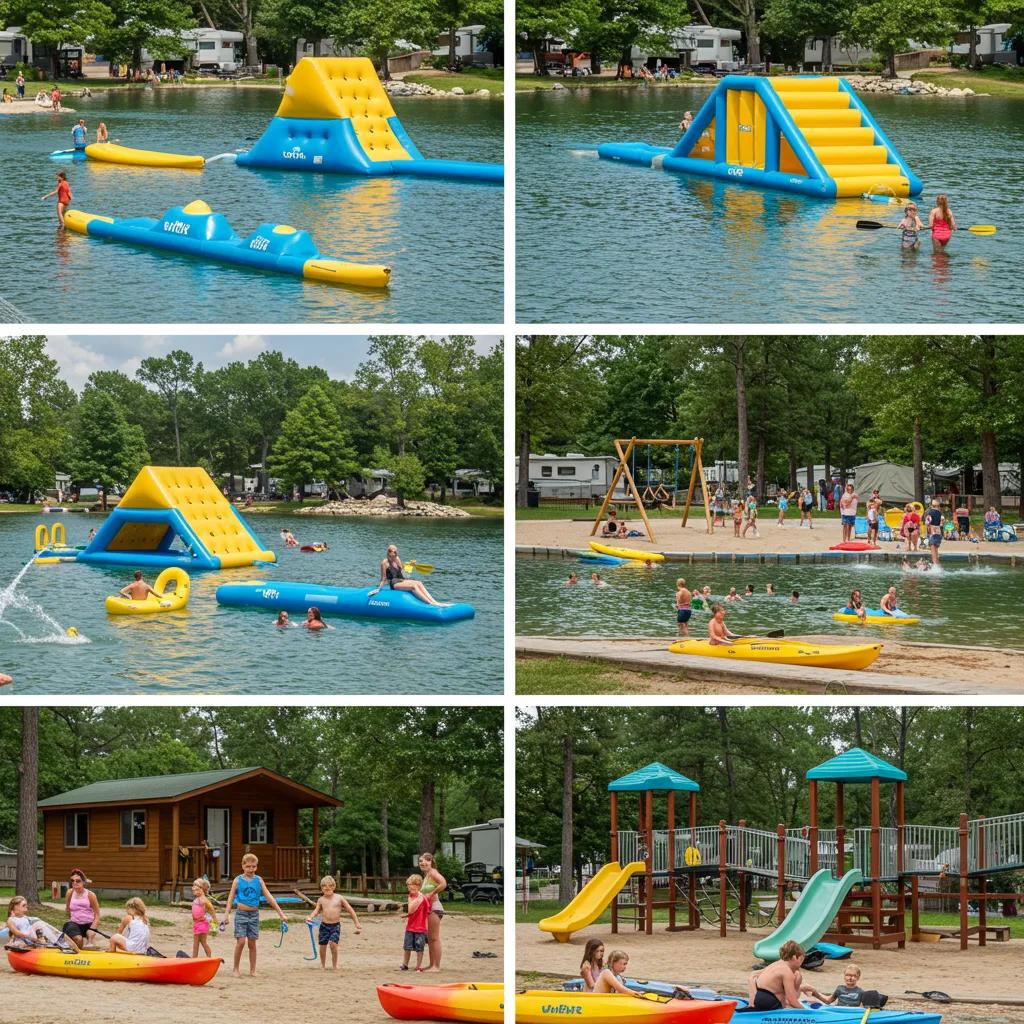
Families enjoying amenities at a campground, including a water park and playground

Campground cabins deliver cost savings by bundling entertainment and basic conveniences that otherwise require paid outings or hotel-paid addons. In particular, kitchenettes reduce dining bills, on-site attractions replace paid local entertainment, and pet-friendly policies can avoid hotel pet surcharges. The next section quantifies common amenities and how they translate to estimated per-day savings for families, using amenity examples similar to those at Walnut Hills Family Campground.

H3: How Does Having a Kitchenette in Cabins Reduce Vacation Food Expenses?

A kitchenette—typically a mini-fridge, microwave, and basic stovetop—lets families prepare many meals, lowering per-person daily food costs compared to dining every meal out. Preparing breakfast and packing lunches for outings can cut typical daily meal expenses by a substantial percentage for families of four or more. Self-catering also enables picky-eater accommodations and reduces impulse dining near attractions. Bringing simple cookware and groceries can therefore convert lodging savings into real overall trip savings.

Preparing key meals in a kitchenette reduces both direct food costs and time spent sourcing restaurants, which in turn frees budget for experiences rather than meals.

H3: Which Included Activities at Campgrounds Save Money Compared to Hotel Entertainment?

Included on-site activities can replace paid local attractions and add up to significant per-person savings over a multi-day stay. For example, access to a Wibit water park, swimming lake, and complimentary playgrounds provides hours of family entertainment that otherwise might cost per-ticket fees at commercial parks. Kayak and canoe rental options on-site are often less expensive than commercial outfitters and reduce transportation costs to distant recreation spots. Below is a concise mapping of common amenities to their estimated separate-purchase costs and the savings when included.

Amenities at campgrounds routinely substitute for off-site paid activities and lower the need for extra travel spending.

AmenityCost if Purchased Separately (per person)Value Included with Cabin Stay (Estimated saving)
Wibit water park access$10–$25 per ticketIncluded — saves $10–$25 per person
Swim lake access / beach$0–$15 (parking/ticket)Included — saves $0–$15 per person
Kayak/Canoe rental$20–$50 per hourOn-site rentals often discounted — saves $10–$30

This table shows how bundled recreational access converts into direct savings that compound across family members and days.

H3: How Do Pet-Friendly Cabin Policies Save Costs Compared to Hotels?

Pet-friendly cabins can remove or lower per-night pet fees and avoid the need for pet boarding or sitter services when hotels charge high pet surcharges or restrict pet access. Many campgrounds offer dog parks and pet-friendly spaces as part of the stay, which reduces additional expenditure on local pet care or day services. For families traveling with pets, choosing a pet-friendly cabin can both lower direct fees and reduce logistical expenses tied to pet care. Reviewing pet policies and any per-pet charges helps travelers quantify expected savings.

Choosing pet-friendly cabin lodging can therefore preserve both budget and convenience, particularly for multi-night trips where boarding costs escalate.

Why Are Campground Cabins More Cost-Effective for Families and Groups Than Hotels?

A single cabin can house a family or small group in one unit, avoiding the need for multiple hotel rooms and related duplicate fees, which creates immediate per-stay savings and simplified logistics. Cabins offer communal living areas and private outdoor space that reduce the need for paid childcare or separate entertainment venues. The numeric examples below show typical family scenarios comparing combined hotel-room costs to one cabin rate to illustrate how occupancy efficiencies translate to lower per-person cost.

H3: How Does One Cabin Accommodate Families More Affordably Than Multiple Hotel Rooms?

Consider a family of five: hotels often require two rooms or a suite, doubling base rates and fees, while one cabin with multiple beds typically covers everyone in a single unit. Multiplying per-room resort fees, parking, and cleaning charges can make a hotel stay substantially more expensive than an equivalent cabin. Cabins often include communal cooking space and outdoor areas, which reduce extra meal and entertainment expenses. This shared accommodation model therefore frequently yields clear per-person savings for families and groups.

These occupancy efficiencies show why cabins often outcompete hotels on total trip cost for larger groups.

Family SizeHotel Rooms Typically NeededEstimated Combined Cost (Hotel)Estimated Cost (Cabin)
Family of 41–2 rooms$140–$260 per night$90–$170 per night
Family of 52 rooms$180–$320 per night$100–$190 per night
Group of 6–82–3 rooms$240–$480 per night$140–$260 per night

This example table highlights that a single cabin can reduce combined per-night costs compared with multiple hotel rooms for common family sizes.

H3: What Privacy and Space Advantages Do Cabins Provide Over Hotel Rooms?

Cabins provide private outdoor space, separate sleeping areas, and communal living rooms that let families spread out without booking multiple rooms. This privacy reduces the need to purchase separate activities or childcare because families can entertain themselves on-site. The additional space also supports in-cabin meals and family gatherings that replace paid dining and venue costs. Those qualitative benefits translate directly into measurable savings when calculating total trip expenses.

The privacy and multi-room function of cabins make them a practical and economical choice for families seeking value and convenience.

What Unique Value Does Walnut Hills Family Campground Offer in Cabin Rentals Compared to Hotels?

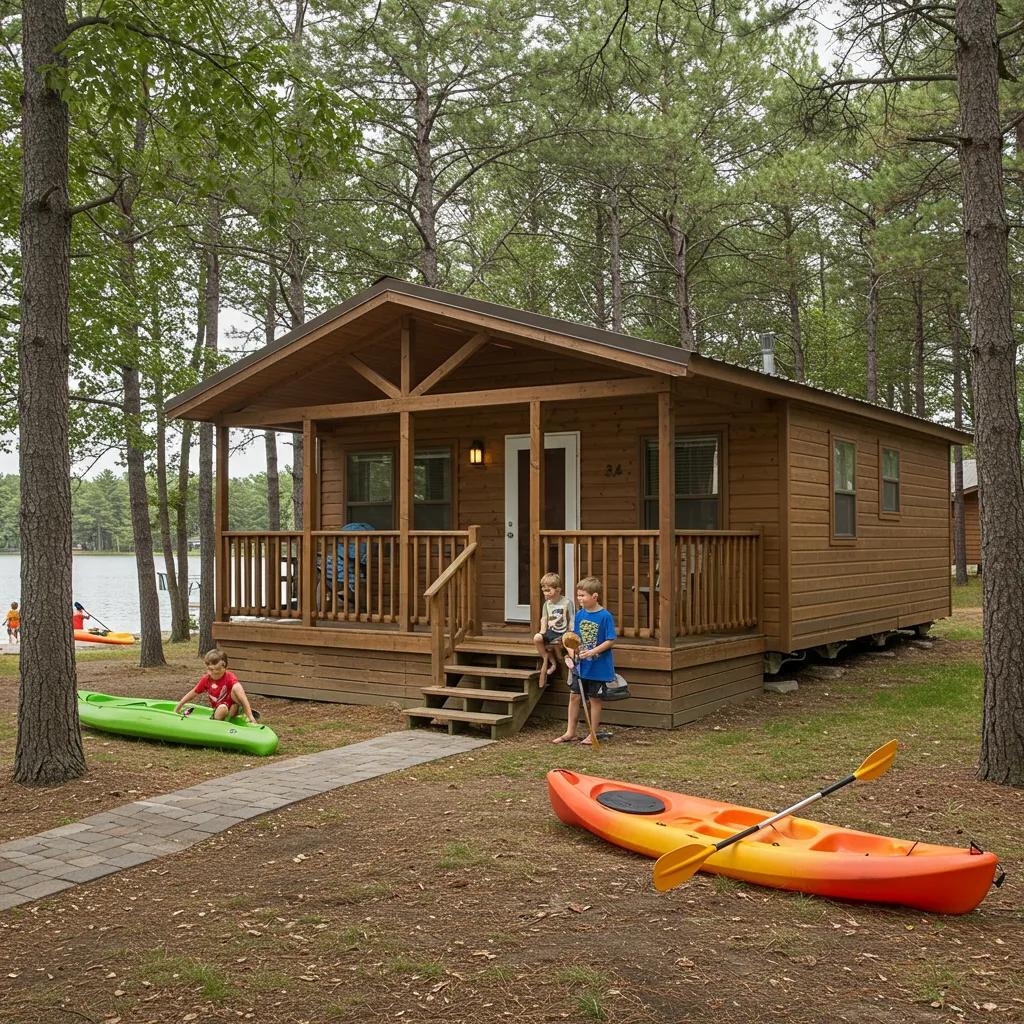
Walnut Hills Family Campground distinguishes cabin stays by bundling family-friendly recreation and basic comforts that reduce off-site spending and streamline planning. Located at 7685 Lehring Road, Durand, Michigan, the campground emphasizes family fun and convenience through included amenities like a Wibit water park, a swimming lake, kayak and canoe rentals, a dog park, playgrounds, and pavilion rentals. These features add direct entertainment value and replace many paid excursions families might otherwise purchase near hotels. Walnut Hills cabin rentals therefore represent an example of how campground lodging can provide measurable vacation savings while preserving comfort.

Using Walnut Hills as a practical example clarifies how location, included activities, and cabin amenities combine to lower the total cost of a family getaway.

H3: How Does Walnut Hills’ Location and Accessibility Impact Vacation Costs?

Being near regional population centers reduces driving time and fuel expenses for many families, which makes weekend or short-stay trips more affordable and attractive. Shorter travel distances also reduce the need for extra overnight stays during transit and lower incidental travel costs such as meals and lodging en route. For families in the region, Walnut Hills’ accessibility supports lower overall trip budgets and makes spontaneous getaways less costly. Planning local trips around accessibility can therefore compound lodging savings with transport efficiencies.

Proximity to home markets is a practical way to multiply vacation savings when choosing a campground cabin over distant hotel stays.

H3: What Family-Friendly Amenities at Walnut Hills Add Value to Cabin Stays?

Walnut Hills offers a suite of included amenities that function as low-cost or no-cost entertainment for guests, substituting for higher-priced external attractions. The Wibit water park and swimming lake provide hours of supervised water fun, while kayak and canoe rentals offer on-site adventure without costly transport. Playgrounds, a dog park, and pavilion rentals create options for family gatherings and pet-friendly recreation without extra booking fees elsewhere. Each amenity therefore reduces the need for paid outings and adds meaningful daily savings for families.

These included amenities demonstrate how a campground setting translates to direct, usable value for family vacations.

H3: How Do Walnut Hills Cabins Provide Comfort and Convenience Beyond Traditional Camping?

Cozy interior of a family cabin with kitchenette and comfortable living space

Walnut Hills cabins give families the comfort of beds, heating and air conditioning options, and kitchenette conveniences while keeping the outdoor hospitality experience intact. This middle-ground accommodation removes much of the gear, planning, and exposure required by tent camping while offering more space and flexibility than a single hotel room. By combining comfort with on-site activities, cabins make it easier to plan simple, budget-conscious vacations that still feel like an immersive outdoor getaway. That balance of comfort and convenience often makes cabin stays the most practical alternative for families.

These comfort features allow families to focus on shared experiences rather than logistics and extra spending.

How Can You Easily Book and Plan Your Cost-Effective Cabin Vacation at Walnut Hills?

Booking a cabin and preparing for a cost-effective stay requires a few simple steps that clarify rates, policies, and packing needs. The process is straightforward: check dates and cabin types, confirm policies like pet rules and cancellations, and plan meals and activities using included amenities to control costs. The list below walks through the booking process in actionable steps to reduce surprises and maximize savings during the stay.

  1. Search your desired travel dates and confirm cabin availability for the required occupancy.
  2. Choose a cabin type that matches your family size and amenity needs (kitchenette, beds, accessibility).
  3. Review policies including pet rules, check-in/check-out, and cancellation terms before payment.
  4. Complete payment and save confirmation details for arrival planning and potential discounts.
  5. Contact the campground ahead of arrival with any questions about on-site amenities or equipment rentals.

These numbered steps simplify the reservation flow and help avoid unexpected fees or capacity issues at booking time.

H3: What Are the Simple Steps to Reserve a Cabin at Walnut Hills?

Reserving a cabin begins by selecting travel dates and confirming the cabin configuration that fits your group size and needs. Next, review any policies such as pet allowances and potential seasonal rates that affect final pricing. Complete the reservation and keep confirmation details for check-in, and plan arrival logistics to make the most of included amenities. Checking for weekly or off-peak discounts during booking can further lower per-night costs.

A clear, stepwise reservation approach reduces uncertainty and helps families lock in the best available value.

H3: What Should Families Pack for a Comfortable Cabin Stay?

A focused packing list ensures families use cabin features like kitchenettes and outdoor spaces to save money and increase comfort. Bring basic cookware, reusable dishes, grocery staples, bedding extras for small children if needed, and outdoor gear like swimsuits and life jackets. Include pet supplies if traveling with animals to avoid rental or replacement costs. Preparing thoughtfully lets families rely on included amenities and avoid last-minute purchases that inflate trip budgets.

Packing strategically turns cabin amenities into direct savings and a smoother family experience.

  • Kitchen & dining: bring a few pans, utensils, and reusable containers.
  • Bedding & sleep: pack extra blankets or a familiar pillow for kids.
  • Outdoors & play: include swimsuits, sunscreen, and small toys.
  • Pets: bring food, leash, bedding, and waste bags if applicable.

These checklist items keep costs low by enabling self-catering and maximizing on-site recreation.

H3: What Are the Most Common Questions About Cabin Rental Costs and Amenities?

Common questions focus on whether cabins are cheaper than hotels, if cabins have kitchens, and whether campgrounds accept pets; concise answers help readers decide quickly. Generally, cabins are often more economical for families due to single-unit occupancy, kitchen facilities reduce food expenses, and many campgrounds are pet-friendly with fewer pet surcharges than hotels. Specifics vary by location and season, so comparing the total estimated cost for your group and asking about included amenities yields the best outcome. Checking policies and fees before booking ensures transparent budgeting.

Clear answers to these core questions guide families toward the most cost-effective lodging decisions for their vacations.

Frequently Asked Questions

1. What types of cabins are available at campgrounds like Walnut Hills?

Campgrounds like Walnut Hills typically offer a variety of cabin types to accommodate different family sizes and needs. Options may include basic family cabins with essential amenities, larger cabins with multiple bedrooms, and cabins equipped with kitchenettes for self-catering. Some campgrounds also provide pet-friendly cabins, ensuring that families can bring their furry friends along. It’s advisable to check the specific campground’s website for detailed descriptions and availability of cabin types to find the best fit for your vacation.

2. Are campground cabins suitable for large family gatherings?

Yes, campground cabins are often ideal for large family gatherings. Many cabins can accommodate multiple guests, allowing families to stay together in one unit rather than booking several hotel rooms. This arrangement not only fosters a sense of togetherness but also helps reduce overall accommodation costs. Additionally, communal spaces in cabins can facilitate family activities and meals, enhancing the experience of bonding during the vacation. Always check the cabin’s capacity and layout to ensure it meets your family’s needs.

3. How can families maximize their savings when booking a cabin?

To maximize savings when booking a cabin, families should consider traveling during off-peak seasons, as many campgrounds offer discounted rates during these times. Additionally, booking longer stays can often lead to lower nightly rates due to weekly discounts. It’s also beneficial to inquire about any special promotions or packages that may be available. Finally, planning meals and utilizing kitchen facilities can significantly reduce dining expenses, further enhancing the overall savings of the trip.

4. What should families know about campground policies before booking?

Before booking a cabin, families should familiarize themselves with the campground’s policies regarding cancellations, check-in/check-out times, and pet regulations. Understanding these policies can help avoid unexpected fees or complications during the stay. Additionally, it’s important to review any rules related to the use of amenities, such as pools or recreational equipment, to ensure a smooth experience. Contacting the campground directly with any questions can provide clarity and help families plan effectively.

5. How do campground cabins compare in terms of safety and security?

Campground cabins generally offer a safe and secure environment for families. Many campgrounds have staff on-site to monitor activities and ensure guest safety. Cabins often come equipped with locks and may have additional security features, such as outdoor lighting. However, families should still practice standard safety precautions, such as securing valuables and being aware of their surroundings. Overall, the communal atmosphere of campgrounds can enhance the sense of security, making them a popular choice for family vacations.

6. What activities can families enjoy at campgrounds beyond cabin amenities?

Beyond the amenities included with cabin rentals, families can enjoy a variety of activities at campgrounds. Common options include hiking, fishing, biking, and organized recreational events like campfire nights or nature walks. Many campgrounds also offer equipment rentals for activities such as kayaking or paddleboarding. Engaging in these activities not only enhances the vacation experience but also provides opportunities for family bonding and exploration of the natural surroundings, often at little to no additional cost.

7. Can families customize their cabin experience at campgrounds?

Yes, many campgrounds allow families to customize their cabin experience to suit their preferences. This can include selecting specific cabin types based on size and amenities, as well as planning activities that align with family interests. Some campgrounds may offer add-ons, such as guided tours or special event packages, which can enhance the stay. Families are encouraged to communicate their needs and preferences with campground staff to create a tailored experience that maximizes enjoyment and comfort during their vacation.

Conclusion

Choosing campground cabins for your family vacation can lead to significant savings through lower nightly rates and included amenities that reduce overall trip costs. By understanding the value of bundled activities and the advantages of single-unit accommodations, families can enjoy a more budget-friendly getaway without sacrificing comfort. Explore the unique offerings at Walnut Hills Family Campground to maximize your vacation experience. Start planning your cost-effective cabin stay today!