How Operational Costs Differ Between Campgrounds and RV Parks During the Selling Process
Operational costs are the recurring expenses required to run a campground or RV park, and understanding how they differ between property types is critical because those differences directly affect Net Operating Income (NOI) and, ultimately, sale valuation. This article explains what owners should expect about infrastructure, labor, utilities, maintenance, amenities, and capital expenditures during a sale, and shows how those cost drivers influence adjusted NOI, cap rates, and buyer due diligence. Sellers will learn concrete benchmarks for 2025 (cap rates, EBITDA ranges, expense ratios), a pre-sale checklist of financial records buyers expect, and practical efficiency upgrades that improve valuation before a listing. We will compare transient versus seasonal revenue models, map common hidden costs that emerge during diligence, and explain how a stewardship-minded acquirer evaluates operational health. Read on for a systematic comparison, EAV-style tables, prioritized checklists, and specific guidance that prepares owners to present a clean, credible financial narrative to buyers.
What Are the Core Operational Cost Differences Between Campgrounds and RV Parks?
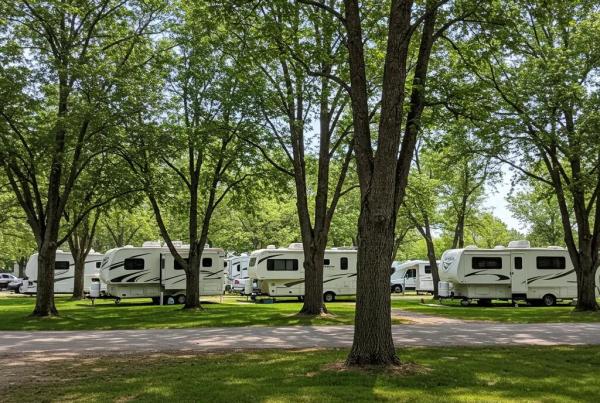
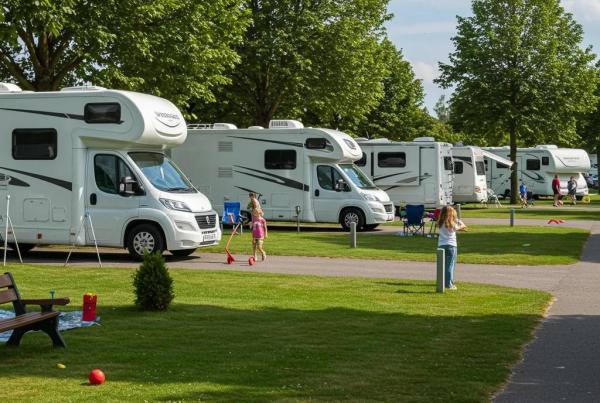
Operational cost differences between campgrounds and RV parks stem from infrastructure intensity, guest mix (tent vs full-hookup RV), and amenity expectations, which together determine recurring utility, labor, and maintenance budgets. Campgrounds with primitive tent sites typically have lower utility burdens but higher land and vegetation upkeep, while RV parks with full hookups incur higher electricity, sewer, and water costs as well as more complex utility maintenance. These structural distinctions mean buyers will adjust NOI differently: RV parks often show higher gross revenue but also higher expense ratios tied to utilities and hookups, whereas campgrounds can present lower utilities but potentially higher guest turnover costs. Understanding these core differences helps sellers anticipate buyer adjustments and prepare documentation that clarifies normalized expenses before offers are modeled.
How Do Land Use and Infrastructure Affect Operational Expenses?
Land use and infrastructure define the fixed and variable cost base by determining per-site maintenance, utility systems, road upkeep, and drainage requirements. Full-hookup RV sites increase upfront infrastructure costs and ongoing utility consumption, while primitive tent sites shift costs to land management, trails, and campsite turnover. Site density affects per-site road and drainage responsibility—higher density spreads fixed costs but raises demand on shared systems like septic and electrical panels. Sellers should document per-site infrastructure history and recent upgrades so buyers can accurately model reserves for future CapEx; this documentation eases negotiations and reduces conservative price adjustments.
Capital Expenditures and Property Performance in Commercial Real Estate
1. Using a sample of 47,260 annual and 12,276 unique property observations during 2000–2011 we analyze the relationship between capital expenditures and performance by employing 2SLS models, in which capital expenditures are modeled as a function of property characteristics (age, square footage, occupancy rate, leverage, leasing commissions, lagged returns and property type), market conditions (interest rates, credit spread and standard deviation of cap rates) and property fixed effects. Our results reveal that while capital expenditures are mostly idiosyncratic and related to unique property characteristics, they are a significant determinant of property returns. We find persistently strong positive relationship between capital expenditures and excess NPI returns when controlling for the endogeneity of capital expenditures for industrial, office and retail properties. A further analysis reveals that this relationship is driven by the positive impact of building improvements and building expansions, while returns in all property types do not fully adjust to account for tenant improvements.
The impact of capital expenditures on property performance in commercial real estate, C Ghosh, 2007
What Are the Typical Labor and Staffing Costs for Each Property Type?

Labor and staffing costs vary by guest service intensity and seasonality, with transient-focused properties requiring more front-desk, housekeeping, and grounds staffing during peak months. RV parks with on-site amenities, check-in services, and higher guest turnover tend to need more seasonal or full-time staff, whereas annual or long-term-lease parks often have lower per-guest labor because occupants self-manage sites. Management fees for third-party operators or on-site managers are another variable buyers model when calculating adjusted NOI. Clear payroll records and a defensible staffing plan allow sellers to show stabilized labor costs and support higher valuations during buyer diligence.
How Do Maintenance and Capital Expenditures Vary Between Campgrounds and RV Parks?
Maintenance cycles and CapEx differ because RV parks typically require more utility-focused replacements—sewer lines, metering, and electrical panels—while campgrounds often require landscape, erosion control, and amenity repairs. Deferred maintenance on roads or utility systems can be a large negative line item in buyer models, and frequent small repairs on tent-heavy campgrounds can add up as labor and materials expenses that depress NOI. Sellers who maintain a CapEx history and replacement schedule make it easier for buyers to project future reserves and treat existing investments as value-supporting rather than risk factors.
How Do Utility and Amenity Costs Impact Operational Budgets?
Utilities and amenities drive both expenses and potential revenue uplift: water, sewer, and electricity for hookups increase operating costs, while Wi-Fi, laundry, pools, and office services add staffing and maintenance needs but can increase average daily rates (ADR) and occupancy. Amenity-driven revenue needs to be documented—guest fees, laundry income, and membership or program revenue should be reconciled to expense lines so buyers can see net uplift. Energy-efficiency investments, like LED lighting and smart meters, reduce long-term utility costs and present a clear ROI narrative to purchasers, which in turn can support a stronger adjusted NOI during valuation.
Different operational cost categories and their typical drivers are summarized below to help sellers prioritize documentation and pre-sale work.
This table highlights where sellers should focus record-keeping and which cost drivers typically differ between the two property types. The next section explains how those operational costs feed directly into valuation through NOI and cap rates.
How Do Operational Costs Influence the Valuation of Campgrounds and RV Parks?
Operational costs influence valuation primarily by determining Net Operating Income (NOI), which buyers apply to cap rates to derive value; accurate expense reporting and reasonable adjustments to NOI translate to better offers. Buyers calculate stabilized NOI after removing owner perks and one-time items, then apply a market cap rate reflective of property risk and 2025 benchmarks to estimate value. Hidden or poorly documented expenses increase buyer conservatism and widen the gap between asking price and offer. Therefore, sellers should understand NOI calculation, typical cap rate ranges for 2025, and the hidden costs that most commonly reduce value during diligence.
What Is Net Operating Income and How Is It Calculated for These Properties?
Net Operating Income (NOI) equals gross operating revenue minus operating expenses, excluding debt service, depreciation, and taxes; it captures the property’s recurring cash generation for valuation. To produce an accurate NOI, sellers should remove personal expenses, normalize abnormal owner benefits, and present three years of reconciled financials showing occupancy, ADR, and ancillary income. Buyers typically prefer stabilized NOI reflecting an average operating year; therefore, owners should document seasonality and any temporary revenue anomalies. Presenting a clear NOI enables buyers to apply cap rates with confidence and reduces the need for conservative deductive adjustments.
This table shows the mechanics of NOI-driven valuation and why small NOI improvements matter. The next subsection explains cap rate ranges buyers use in 2025.
How Do Capitalization Rates Affect Sale Prices in 2025?
Capitalization rates convert NOI into value; in 2025, typical RV park cap rates center around 8–12% with a healthy market spread from 5–15%, and small changes in NOI or cap rate assumptions create large valuation swings. For example, a $150,000 NOI would value at $1.5M at a 10% cap but $3.0M at a 5% cap, illustrating sensitivity to market perception and property risk. Buyers select cap rates based on property quality, location, and operational risk, and they often increase assumed cap rates for properties with undocumented deferred maintenance or high utility/CapEx needs. Sellers who reduce perceived risk through transparent records and completed upgrades can often secure more favorable cap rate assumptions.
What Hidden Costs Should Sellers Expect During the Selling Process?
Hidden costs that commonly reduce buyer offers include deferred maintenance, required utility upgrades, environmental remediation, permit deficiencies, broker fees, and transition expenses; buyers build reserves for these risks into their models. Environmental studies, sewer or septic reports, and utility system condition assessments frequently surface during due diligence and can become large line items. Seller-prepared documentation—maintenance logs, CapEx invoices, and recent inspection reports—reduces surprise deductions and demonstrates operational discipline. Offering clear evidence of recent repairs or preventative maintenance often narrows buyer contingencies and can increase the ultimate sale price.
This table highlights the hidden items that buyers commonly model and the seller documentation that mitigates their impact. Next, we move to concrete steps owners can take to optimize operational costs before listing.
How Can Campground and RV Park Owners Optimize Operational Costs Before Selling?
Optimizing operational costs before selling means cleaning financial records, implementing efficiencies that improve adjusted NOI, and documenting changes so buyers accept improvements rather than discount them. Sellers should prioritize quick-return operational changes, reconcile financials over a three-year period, and prepare a practical CapEx schedule showing completed and deferred items. Presenting an operational narrative that ties efficiency upgrades to measured cost reductions increases buyer confidence and often reduces applied cap rates. The checklist and efficiency actions below help sellers focus limited time and budget on the highest-impact items prior to listing.
What Financial Records and Documents Are Essential for Accurate Valuation?
Buyers and appraisers expect a consistent set of documents: at minimum three years of tax returns, profit & loss statements, occupancy and rate data, site maps, and CapEx history; these records support revenue and expense claims during diligence. Removing personal or non-business expenses from P&Ls and reconciling tax returns to management statements demonstrates transparency and improves credibility. Site maps, utility schematics, and permit documentation help buyers assess infrastructure risk and future CapEx requirements. Having these documents organized and explained reduces buyer conservatism and speeds the transaction timeline.
Essential documents sellers should prepare:
- Three years of business tax returns and reconciled profit & loss statements.
- Occupancy reports, ADR histories, and reservation system exports.
- CapEx records, maintenance logs, site maps, and utility schematics.
These items form the backbone of buyer diligence and directly affect adjusted NOI assumptions. The next section outlines operational efficiencies that increase property value.
Which Operational Efficiencies Can Increase Property Value?
Operational efficiencies with clear ROI include energy and water savings (LEDs, smart meters), reservation and guest-management systems that reduce labor, and preventive maintenance programs that limit large, unexpected CapEx. Technology upgrades often have measurable savings and produce documentation buyers can review to justify higher NOI. Prioritizing projects that reduce utilities and labor costs or that directly increase ADR—such as site-level improvements or paid amenity services—provides both expense reduction and revenue uplift. Demonstrating measured results from pilot implementations helps buyers accept projected ongoing savings.
Practical efficiency upgrades to consider:
- Install LED lighting and motion sensors to lower electricity use.
- Deploy a modern reservation and payment system to reduce front-desk labor.
- Implement water-conservation measures and smart irrigation to lower water expenses.
These prioritized steps typically pay back quickly and present a stronger, verifiable NOI to prospective buyers. The following subsection explains how a particular buyer type may view operational changes differently.
How Does GatherGrounds’ Family-Owned Model Impact Operational Cost Management?
GatherGrounds Resorts is a family-owned company that emphasizes stewardship, preservation of the property’s heart and soul, and consultative, no-pressure conversations with sellers; this buyer profile often evaluates operational health through a long-term stewardship lens. Because GatherGrounds positions itself as a family-oriented acquirer focusing on 130+ site properties, sellers concerned about legacy and gradual operational transitions may find this approach aligns with preserving on-site culture and service levels. The stewardship model implies an emphasis on operational transparency and thoughtful investments that balance guest experience with sustainable expense management. Sellers preferring a buyer that values continuity and measured operational improvements may find the family-values approach to be a differentiator in offers and transition discussions.
This description shows how buyer type affects seller positioning and documentation priorities; next we compare profit margins and revenue models across property types.
What Are the Key Differences in Profit Margins and Revenue Models Between Campgrounds and RV Parks?
Profit margins and revenue models differ primarily by the mix of transient versus seasonal or annual rental income, which affects turnover-related costs and expense ratios. Transient-heavy campgrounds often have higher per-guest labor and turnover costs, increasing operating expense ratios, while annual or long-term parks show more stable revenue with lower servicing costs. In 2025 benchmarks, well-managed RV parks report EBITDA margins roughly between 13% and 17%, and expense ratios vary significantly by guest mix, with transient models sometimes reaching ~70% of gross revenue versus around ~46.5% for annual-focused parks. Understanding these differences helps sellers present realistic margin expectations and tailor cost-optimization efforts to their revenue model.
How Do Transient vs. Seasonal Rentals Affect Operating Expenses?
Transient rentals increase labor, cleaning, and wear-and-tear costs due to frequent turnovers and higher amenity use, while seasonal or annual leases smooth revenue and reduce per-guest servicing expenses. Turnover-related costs include housekeeping, site cleaning, utility spikes, and more frequent minor repairs. Annual renters typically manage their own sites more, lowering labor intensity but potentially reducing ADR. Sellers should document occupancy mix and turnover rates because buyers adjust expense models and reserves based on the demonstrated rental profile.
What Are Typical EBITDA Margins for Well-Managed RV Parks and Campgrounds?
In 2025, well-managed RV parks often report EBITDA margins in the 13–17% range, with the precise figure driven by amenity mix, management efficiency, and utility control. Campgrounds skew more widely depending on guest mix—primitive tent-dominant properties can have higher margins if operational costs are tightly controlled, while transient-heavy parks can fall below those ranges if turnover costs are high. Sellers should document initiatives that improved margins—such as cost controls or new revenue streams—to validate margin claims during buyer review.
This table clarifies benchmark ranges and why revenue mix matters when projecting post-sale performance. Next, we discuss how amenities influence revenue streams.
How Do Amenities and Guest Services Influence Revenue Streams?
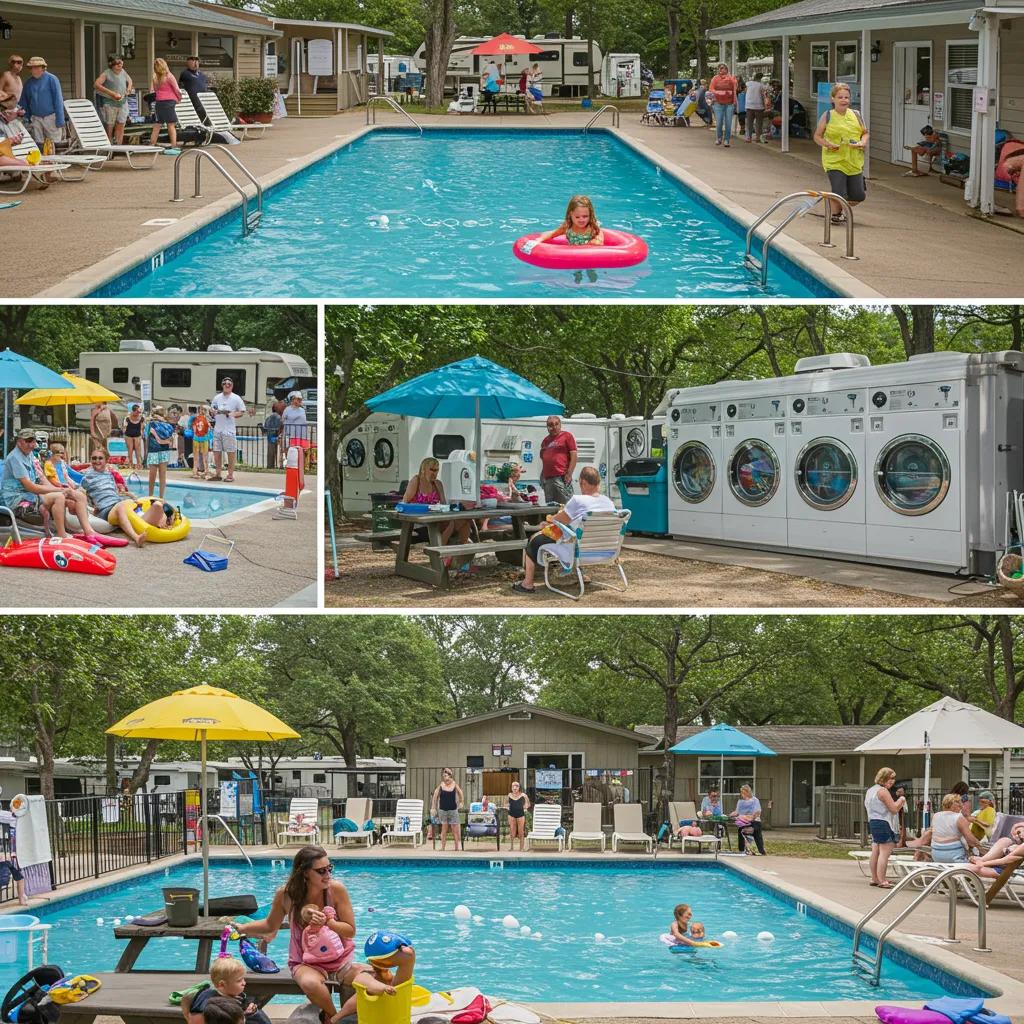
Amenities such as pools, laundry, Wi-Fi, and clubhouses increase guest satisfaction and can raise ADR and occupancy, but each amenity adds operating costs for maintenance, staffing, and utilities. The net effect on NOI depends on documented incremental revenue versus incremental expense; sellers should track amenity usage and direct income where possible to demonstrate net uplift. Buyers value amenities that are low-cost to operate but produce measurable revenue or guest retention; conversely, amenity-heavy properties with large staffing needs may be discounted unless income attribution is clear. Presenting clear revenue attribution for amenities strengthens a seller’s valuation case.
What Are Common Seller Questions About Operational Costs and the Selling Process?
Sellers frequently ask how operational costs differ, how valuation is impacted, and whether the sale is complicated by operational issues; concise answers and immediate actions reduce uncertainty and improve readiness. Short, practical responses that lead to specific next steps help owners prioritize pre-sale work and reduce negotiation friction. The Q&A below targets common People Also Ask queries and provides quick, actionable guidance for owners preparing to sell.
How Do Operational Costs Differ Between Campgrounds and RV Parks?
Operational costs differ primarily by infrastructure intensity, labor needs, utilities, and amenity expectations: RV parks generally have higher utility and hookup expenses, while campgrounds can have higher labor for transient turnover and more land/vegetation upkeep. Buyers adjust NOI depending on site types—full-hookup sites require larger CapEx reserves, while primitive sites demand ongoing grounds and trail maintenance. Clear documentation of expense drivers and per-site utility usage helps buyers model true operating performance and narrows valuation negotiations.
Key differentiators in brief:
- RV parks: Higher utility and hookup maintenance costs.
- Campgrounds: Higher land and vegetation maintenance and potential turnover labor.
- Guest mix: Transient vs annual occupancy alters expense ratios and buyer adjustments.
These concise points help owners quickly see where to focus cost documentation before due diligence. Next, a brief explanation of valuation mechanics.
How Is a Campground or RV Park Valued Based on Operating Expenses?
A campground or RV park is valued by applying a market cap rate to stabilized NOI, so higher operating expenses reduce NOI and therefore reduce sale value at a given cap rate. Adjusted NOI excludes owner perks and non-recurring items, and buyers will model future reserves for CapEx and utility upgrades when expenses are high. Sellers who document operational efficiencies and provide clear evidence of normalized revenue often secure valuations closer to market cap-rate expectations.
This short answer clarifies the direct link from expenses to price and sets the stage for addressing complexity concerns. The next question addresses process complexity.
Is Selling an RV Park or Campground Complicated Due to Operational Costs?
Selling can be straightforward when financials are organized, CapEx is documented, and known issues are disclosed; transparency reduces buyer conservatism and simplifies negotiations. Key steps to simplify the process include organizing three years of reconciled financials, preparing CapEx records and maintenance logs, and developing a clear narrative around seasonality and stabilized NOI. Engaging knowledgeable advisors to present adjusted NOI and to explain operational improvements also reduces buyer concerns and shortens the transaction timeline.
Steps to simplify a sale:
- Reconcile tax returns to P&Ls and remove personal expenses.
- Assemble CapEx and maintenance records with invoices.
- Create occupancy and ADR reports demonstrating stabilized performance.
With these practical steps in hand, owners can streamline diligence and improve the likelihood of offers that reflect the property’s true performance. The next major section explains how a particular buyer—GatherGrounds Resorts—approaches acquisitions.
How Does the Selling Process Differ When Working With GatherGrounds Resorts?
When working with GatherGrounds Resorts, sellers encounter a family-owned acquisition approach that emphasizes stewardship, preservation of the property’s heart and soul, and consultative, no-pressure conversations; this buyer profile focuses on fit and long-term care rather than purely financial arbitrage. GatherGrounds targets properties of 130+ sites and positions itself as a family-focused acquirer that listens to owners about traditions and operational priorities. Sellers can expect evaluation centered on operational health and future guest potential, and an emphasis on preserving what owners value about their property rather than wholesale operational overhauls. This positioning matters for owners who prioritize legacy and a measured transition.
What Is GatherGrounds’ Family-Values Approach to Acquisitions?
GatherGrounds Resorts explicitly describes its approach as family-owned with a stewardship model that seeks to preserve the heart and soul of acquired properties and to hold consultative, no-pressure conversations with owners. That language signals to sellers that the buyer values continuity and community attributes in addition to financial performance. For owners concerned about cultural preservation and thoughtful operational transitions, the family-values framing indicates a buyer likely to prioritize measured investments that balance guest experience with fiscal responsibility. Understanding this stance helps sellers decide whether GatherGrounds’ acquisition philosophy aligns with their sale goals.
How Does GatherGrounds Evaluate Operational Health and Future Potential?
GatherGrounds evaluates operational health and future potential with attention to guest experience, staff sustainability, and the property’s ability to support meaningful upgrades where they matter for guests and staff, as stated in its messaging. The emphasis on operational health suggests they will review NOI, CapEx history, amenity potential, and management continuity during diligence. Because they focus on 130+ site properties, they target assets that fit their operational scale and stewardship plans. Sellers who can present organized records showing operational stability and guest-focused investments align well with this evaluation approach.
What Support Does GatherGrounds Offer During the Transition for Sellers?
GatherGrounds offers a consultative, no-pressure acquisition conversation and frames purchases within a stewardship model that listens to owners and aims to honor existing operations, as explicitly stated in their messaging. Specific transition services are not detailed in the available information, but the communicated approach implies an emphasis on collaborative handoffs and respect for legacy operations. Sellers should use this no-pressure stance to discuss transition expectations candidly and to understand how operational responsibilities will be managed post-sale. Preparing clear operational documentation supports a smooth consultative exchange and aligns with GatherGrounds’ stated values.
The company-specific description above uses only the explicit messaging available and links back to earlier sections on what documentation buyers will request. Next, we examine 2025 trends affecting cost and valuation.
What Industry Trends and Market Insights Affect Operational Costs and Valuation in 2025?
Industry trends in 2025—strong RV travel demand, higher utility and labor cost pressures, and investor focus on margin stability—affect both revenue potential and operating budgets, and sellers should align documentation and investments with these market realities. Benchmarks for cap rates, EBITDA margins, and expense ratios inform realistic price expectations: typical RV park cap rates in 2025 center around 8–12% (with a healthy spread from 5–15%), and well-managed RV parks report EBITDA margins in the 13–17% range. Development and upgrade costs per site remain significant and are factored by buyers into reserves and offer adjustments.
How Has the RV Travel Boom Influenced Demand and Operational Expenses?
The RV travel boom has increased demand and created opportunities for higher ADR and occupancy, but it also raises operating expectations—buyers anticipate invested amenities, reliable Wi-Fi, and higher staffing levels to meet guest expectations. Increased demand can justify rate increases, yet owners who do not document corresponding operational upgrades may face buyer skepticism. Sellers should reconcile higher revenue with documented cost increases and demonstrate how incremental investments converted demand into sustainable NOI improvements.
What Are the Latest Benchmarks for Operating Expenses and Cap Rates?
Key 2025 benchmarks sellers should know include RV park cap rates averaging 8–12% (with a broader 5–15% market range), well-managed RV park EBITDA margins of roughly 13–17%, and expense ratios that vary by revenue mix—transient models approaching ~70% of gross revenue vs ~46.5% for annual-focused parks. Buyers use these numbers to test seller projections and to stress-test NOI scenarios. Presenting historical performance aligned with these benchmarks reduces the likelihood of conservative buyer adjustments and supports nearer-market offers.
How Do Development and Upgrade Costs Affect Property Valuation?
Per-site development and upgrade costs remain a material consideration for buyers, with typical ground-up or major upgrade ranges in 2025 often cited between $15,000 and $50,000+ per site depending on hookups and site amenities. Buyers factor these future costs into reserves, reducing offers for properties that require immediate upgrades. Sellers who can present recent upgrades with invoices and demonstrate remaining useful life effectively justify higher valuations; conversely, lacking documentation prompts buyers to increase reserves and apply higher cap rates.
Implications for sellers:
- Document recent upgrades and remaining useful life for major systems.
- Provide realistic reserve schedules tied to per-site development cost expectations.
- Show pilot efficiency projects that reduce per-site upgrade needs.
These steps help sellers translate 2025 development cost realities into transparent buyer modeling assumptions and improve sale outcomes. This final practical guidance ties back to earlier sections on NOI, cap rates, and operational preparedness and completes the systematic roadmap owners need when preparing a campground or RV park for sale.
Frequently Asked Questions
What are the main factors that influence operational costs in campgrounds and RV parks?
Operational costs in campgrounds and RV parks are influenced by several key factors, including the type of infrastructure, the mix of guest accommodations (such as tent sites versus full-hookup RV sites), and the amenities offered. Campgrounds typically incur lower utility costs but may face higher maintenance expenses related to land upkeep. In contrast, RV parks often have higher utility expenses due to the need for hookups and more complex maintenance requirements. Understanding these factors helps sellers anticipate costs and prepare for buyer inquiries.
How can sellers effectively document their operational costs for potential buyers?
Sellers can effectively document operational costs by maintaining organized financial records that include three years of tax returns, profit and loss statements, and detailed maintenance logs. Additionally, providing site maps and utility schematics can help buyers assess infrastructure risks. Clear documentation of capital expenditures and any recent upgrades is crucial, as it allows sellers to present a transparent financial narrative that can enhance buyer confidence and potentially lead to better offers.
What role do seasonal fluctuations play in operational costs for campgrounds and RV parks?
Seasonal fluctuations significantly impact operational costs for both campgrounds and RV parks. Properties that cater to transient guests often experience higher labor and maintenance costs during peak seasons due to increased turnover and demand for amenities. Conversely, parks with long-term or annual leases may have more stable operational costs throughout the year. Sellers should document seasonal occupancy trends and associated costs to provide potential buyers with a clear understanding of how seasonality affects overall profitability.
What are some common mistakes sellers make regarding operational costs during the selling process?
Common mistakes sellers make include failing to accurately document all operational costs, neglecting to disclose deferred maintenance issues, and not normalizing financial statements to reflect true operating performance. Additionally, some sellers may overlook the importance of presenting a clear narrative around their operational efficiencies and recent upgrades. These oversights can lead to conservative buyer valuations and reduced offers, making it essential for sellers to prepare comprehensive and transparent financial documentation.
How can sellers improve their property’s appeal to buyers through operational cost management?
Sellers can enhance their property’s appeal by implementing operational efficiencies that reduce costs and improve net operating income (NOI). This can include investing in energy-efficient systems, optimizing staffing levels, and maintaining a proactive maintenance schedule. By demonstrating a history of cost management and presenting clear evidence of improvements, sellers can position their property as a well-managed investment, which can attract more buyers and potentially lead to higher sale prices.
What should sellers know about the impact of amenities on operational costs and revenue?
Amenities can significantly influence both operational costs and revenue potential. While amenities like pools, Wi-Fi, and laundry facilities can enhance guest satisfaction and justify higher average daily rates (ADR), they also incur additional maintenance and staffing costs. Sellers should track the usage and revenue generated by these amenities to provide potential buyers with a clear picture of their net impact on profitability. Proper documentation of amenity-related income can strengthen the seller’s valuation case.
How do buyers typically assess the operational health of a campground or RV park?
Buyers assess the operational health of a campground or RV park by examining key financial metrics such as net operating income (NOI), capital expenditure history, and occupancy rates. They also consider the condition of infrastructure, the efficiency of management practices, and the property’s ability to generate consistent revenue. A thorough due diligence process often includes reviewing maintenance logs, financial statements, and any documented operational improvements, allowing buyers to gauge the property’s long-term viability and potential for growth.
Conclusion
Understanding the operational cost differences between campgrounds and RV parks is essential for sellers aiming to maximize their property’s value. By preparing accurate financial documentation and addressing hidden costs, owners can present a compelling case to potential buyers, ultimately leading to better offers. Take the next step in your selling journey by exploring our resources on optimizing operational efficiency and enhancing property appeal. Start preparing your campground or RV park for a successful sale today.