Evaluating Restroom Facilities in Ohio Campgrounds: Are They Adequate for Extended Stays?
Campers planning multi-week or seasonal stays need straightforward answers about restroom quality, privacy, and essential supporting amenities.
This article dives into those crucial factors, specifically for Ohio campgrounds and extended stays.
You’ll discover the defining characteristics of modern campground restroom facilities, how to measure adequacy for long-term camping, what to expect regarding cleaning and maintenance, and which extra amenities—like laundry and full hookups—truly make extended stays practical.
We’ll cover operational best practices, evidence-based cleaning schedules, accessibility considerations, and practical booking and packing tips designed to minimize restroom-related hassles during longer visits.
Readers will gain access to comparison tables, handy checklists, and concrete steps to verify restroom adequacy before reserving a long-term site.
The following sections detail critical features, assess current statewide adequacy, compare Ridge Ranch’s known plans and family offerings, outline cleaning standards, list complementary amenities, answer common camper questions, and explain the reservation process for extended stays.
What Are the Key Features of Modern Restroom Facilities in Ohio Campgrounds?
Modern campground restroom facilities are defined by a smart combination of hardware, operational systems, and thoughtful design choices that collectively deliver privacy, hygiene, and reliability for extended stays. Physically, this means private stalls and shower stalls, dependable hot water systems, effective ventilation, and sufficient fixture counts relative to peak occupancy. Operationally, it requires scheduled cleaning, prompt maintenance response, and clear guest communication. These features significantly reduce daily friction for long-term campers by preserving dignity, minimizing queues, and preventing downtime from plumbing issues. The rest of this section breaks down these attributes into amenity checklists, explains how shower houses contribute to overall comfort, and enumerates essential accessibility features that campsites should readily publish for informed decision-making.
Which Amenities Define Clean and Modern Campground Restrooms?
Clean, modern restrooms blend high-quality fixtures with user-friendly supplies and smart design. Private toilet stalls and private shower stalls reduce cross-traffic and enhance personal dignity, while multiple sinks with hot water and ample soap and paper supplies support hygiene and efficient user flow. Effective ventilation systems, proactive odor control protocols, and well-lit interiors improve perceived cleanliness and safety. Durable surfaces minimize maintenance time and pathogen retention. These attributes make a restroom functionally modern for longer stays and set clear expectations that campers can verify with recent photos and published amenity lists.
How Do Shower Houses Enhance the Camping Experience?
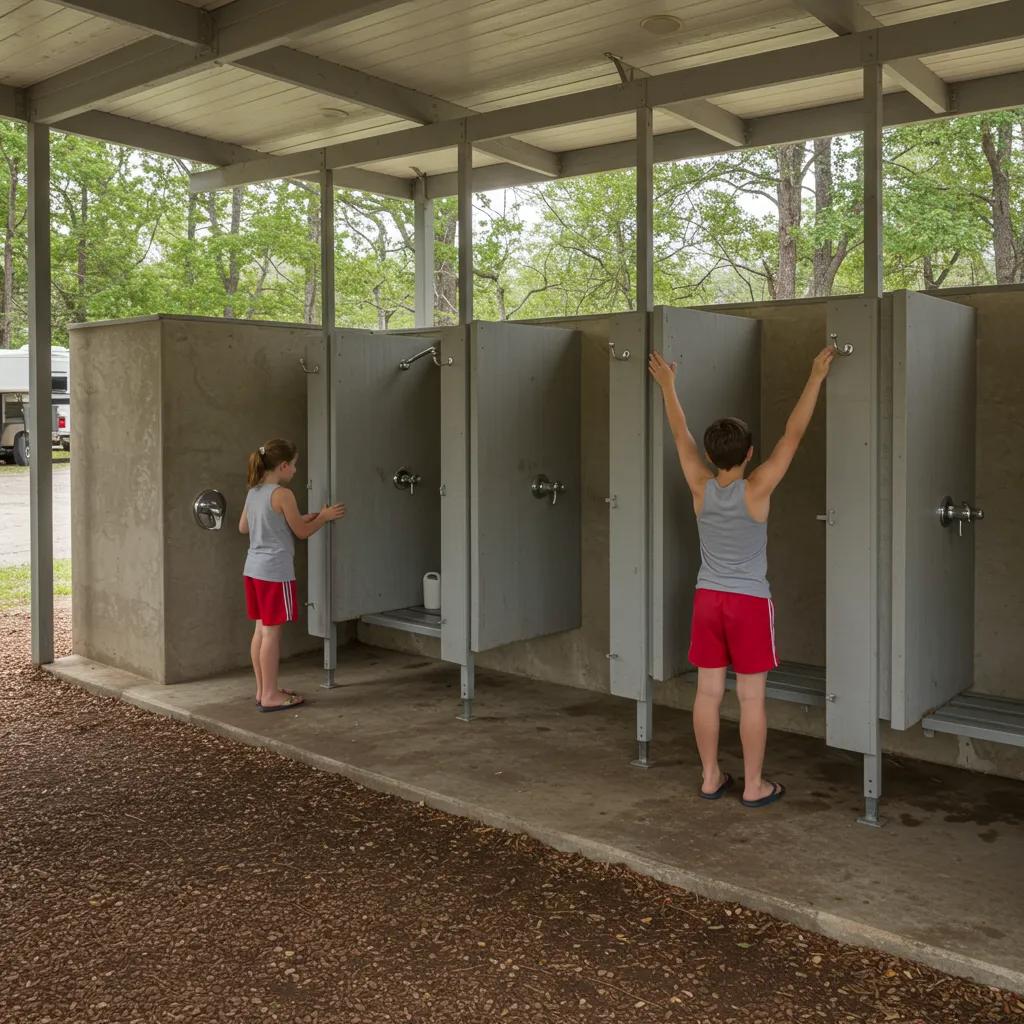
Purpose-built shower houses offer ample capacity, privacy, and reliable hot water, collectively transforming showering from a logistical challenge into a routine convenience for long-stay guests. Private shower stalls equipped with benches, hooks, and secure locks create a near-home experience and limit conflicts during peak hours, while multiple fixtures and a sensible layout reduce wait times. Regular maintenance of heaters and water pressure systems ensures reliability, especially during seasonal occupancy spikes. Understanding shower house design and scheduling options helps campers plan their shower times and reduces reliance on less convenient portable solutions.
What Accessibility Features Should Ohio Campground Restrooms Include?
Accessible restrooms should feature ADA-compliant paths, wider stalls with grab bars, roll-in or accessible shower stalls, lowered vanities, and clear signage to effectively serve guests with mobility needs and families with small children. Family restrooms and changing stations offer crucial privacy and convenience for caregivers, while tactile signage and non-slip flooring enhance safety for all users. Campgrounds that proactively publish these features empower guests to choose sites that align with their mobility requirements, and verifying specifics directly with the campground helps avoid assumptions about compliance. Establishing accessible design as a baseline expectation is key for campers prioritizing sites for extended stays.
How Adequate Are Current Restroom Facilities for Extended Stays in Ohio Campgrounds?
Adequacy for extended stays hinges on measurable criteria: consistent cleanliness, sufficient private options, dependable hot water, and essential supporting amenities like laundry and waste hookups. Across Ohio, many campgrounds meet basic expectations for short visits but show considerable variation in fixture density, private shower availability, and documented maintenance practices—factors that become significantly more important when a camper plans multi-week occupancy. Evaluating adequacy requires comparing typical campground offerings against a checklist of extended-stay needs and carefully reviewing recent feedback and published cleaning protocols. The table below summarizes common campground types and their typical restroom features compared to practical adequacy for extended stays.
This comparison highlights that private campgrounds investing in modernization and clear maintenance routines tend to score higher for extended stays. Next, we’ll examine the operational and support amenities that make a restroom system truly adequate for living on-site for weeks at a time.
After reviewing comparative features, campers should be well-equipped to identify what operational requirements and supporting amenities to confirm before booking extended stays.
What Makes Restroom Facilities Suitable for Long-Term Camping?
Restroom suitability for long-term camping demands both sufficient physical capacity and a predictable operations plan. Specifically, an ample fixture quantity—meaning multiple shower stalls per campsite cluster—significantly reduces queueing, while private shower stalls and family restrooms cater to diverse guest needs. Reliable hot water systems, appropriately sized for peak loads, along with redundant water heaters and responsive maintenance procedures, minimize service interruptions. Coupling these physical attributes with transparent cleaning schedules and rapid maintenance response makes a facility dependable for long-term occupancy and helps campers plan around peak use and seasonal changes.
How Do Laundry and Shower Amenities Support Extended Camping Comfort?
Onsite laundry and integrated shower amenities reduce the necessity for frequent off-site errands and allow campers to travel lighter with fewer clothing spares. Coin-operated or card-operated washers and dryers with adequate capacity and clear pricing support weekly routines, while shower houses conveniently located near camping loops minimize transit time between the campsite and facilities. Cost considerations—machine fees and shower token policies—directly impact budgeting for long stays, and scheduling laundry during off-peak hours maximizes access. When laundry and showers are well-integrated, campers experience significantly lower daily friction and greater independence from nearby towns.
What Do Campers Say About Restroom Comfort During Extended Stays?
Camper reviews frequently highlight cleanliness, hot water consistency, and privacy as decisive factors for extended stays, with particular praise for family restrooms and notable frustration where restroom maintenance is inconsistent. Review trends consistently reveal that documented cleaning schedules, recent facility photos, and prompt staff responses to issues correlate directly with higher satisfaction and repeat bookings. Searching review platforms and examining recent guest photos can reveal patterns that listings alone may not fully convey, and using review excerpts and star trends helps prospective long-stay guests form realistic expectations.
In addition to sentiment analysis, campers should actively look for explicit operational claims—like published cleaning cadences—to corroborate positive reviews and minimize surprises during long stays.
How Does Ridge Ranch Campground Compare in Restroom Quality and Extended Stay Amenities?
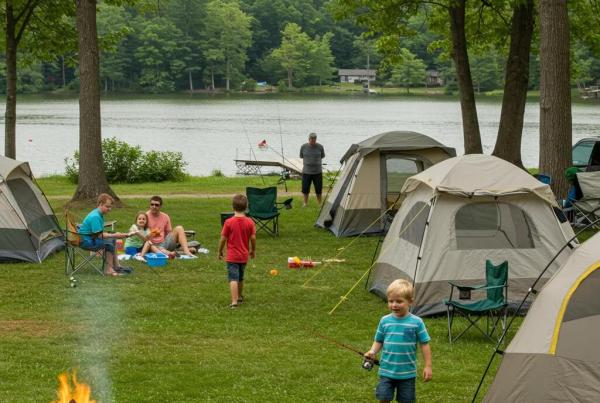
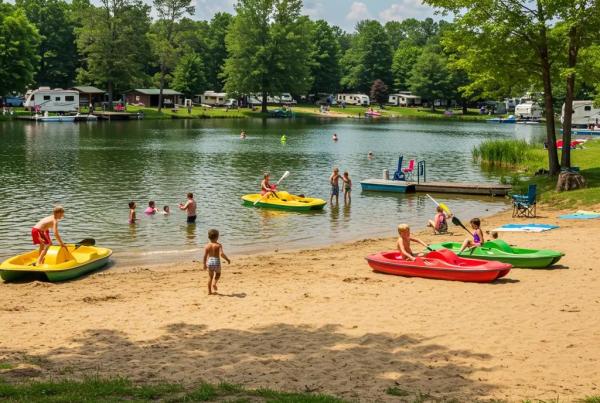
A site-specific assessment of Ridge Ranch Campground focuses on the facts published about the property, observed amenities, and its publicized modernization plans. Ridge Ranch is described as a 76-acre lakefront property managed by GatherGrounds Resorts, featuring a 17-acre lake and sandy beach, a wide array of activities including DJ nights, karaoke, crafts, paddleboat and canoe rentals, fishing, and playgrounds, and a stated commitment to modernization, including a planned new bathroom and shower building for 2026. These attributes strongly signal a family-oriented property actively investing in guest comfort and suggest that future restroom infrastructure will align well with extended-stay expectations. The following subsections detail current public information, the announced improvements, and family/accessibility accommodations as documented.
What Are the Current Restroom Facilities at Ridge Ranch Campground?
Publicly available descriptions of Ridge Ranch Campground primarily emphasize lakefront recreation and family activities, but they do not provide exhaustive technical details about existing restroom fixture counts or the current shower-house configuration. The site-level information highlights broad amenities—playgrounds, paddleboats, a sandy beach—and the property’s 76-acre footprint, which provides context for facility placement and service zones. Because explicit restroom specifics are limited in public descriptions, prospective long-stay campers should proactively request or verify details such as the number of private stalls, hot water systems, and proximity to popular camping loops. Confirming these operational details is crucial for determining immediate adequacy until the planned improvements are completed.
Given the limited public restroom specifics, the next subsection explains the planned 2026 project that is set to address these gaps.
What Improvements Are Planned for Ridge Ranch’s Restroom Facilities by 2026?
Ridge Ranch has publicly announced a planned new bathroom and shower building for 2026 as a key component of its modernization commitment, and this project is specifically intended to enhance guest comfort for stays of all lengths. A dedicated new shower and bathroom building typically introduces private stalls, improved hot water systems, and updated finishes, all of which directly support extended stays by increasing privacy and throughput. The planned timeline (2026) indicates a forward-looking investment that addresses extended-stay needs, and guests considering long bookings should monitor updates ahead of their arrival. Announcing the planned new bathroom and shower building for 2026 provides a clear signal that Ridge Ranch is prioritizing facility upgrades in response to evolving guest expectations.
With modernization clearly planned, it is highly useful to review how Ridge Ranch’s activity set and family focus tie into accessibility and family accommodations.
How Does Ridge Ranch Cater to Families and Accessibility Needs?
Ridge Ranch’s strong family orientation—anchored by a 17-acre lake, sandy beach, playgrounds, and a vibrant schedule of family activities—effectively reduces the day-to-day strain that can amplify restroom-related friction during extended stays. Family restrooms and changing stations are logical complements to these amenities, and Ridge Ranch’s stated commitment to modernization suggests enhancements that could well include such features; however, specific details about ADA compliance and exact accessible stall counts are not extensively detailed in available summaries. Prospective guests with specific accessibility requirements should proactively request confirmation, while families can reasonably expect a site focused on family programming to emphasize convenience and safety measures near high-traffic areas.
Because Ridge Ranch emphasizes family amenities and ongoing modernization, campers should consider both current offerings and the upcoming improvements when planning longer stays.
What Cleaning Standards and Maintenance Practices Ensure Restroom Hygiene in Ohio Campgrounds?
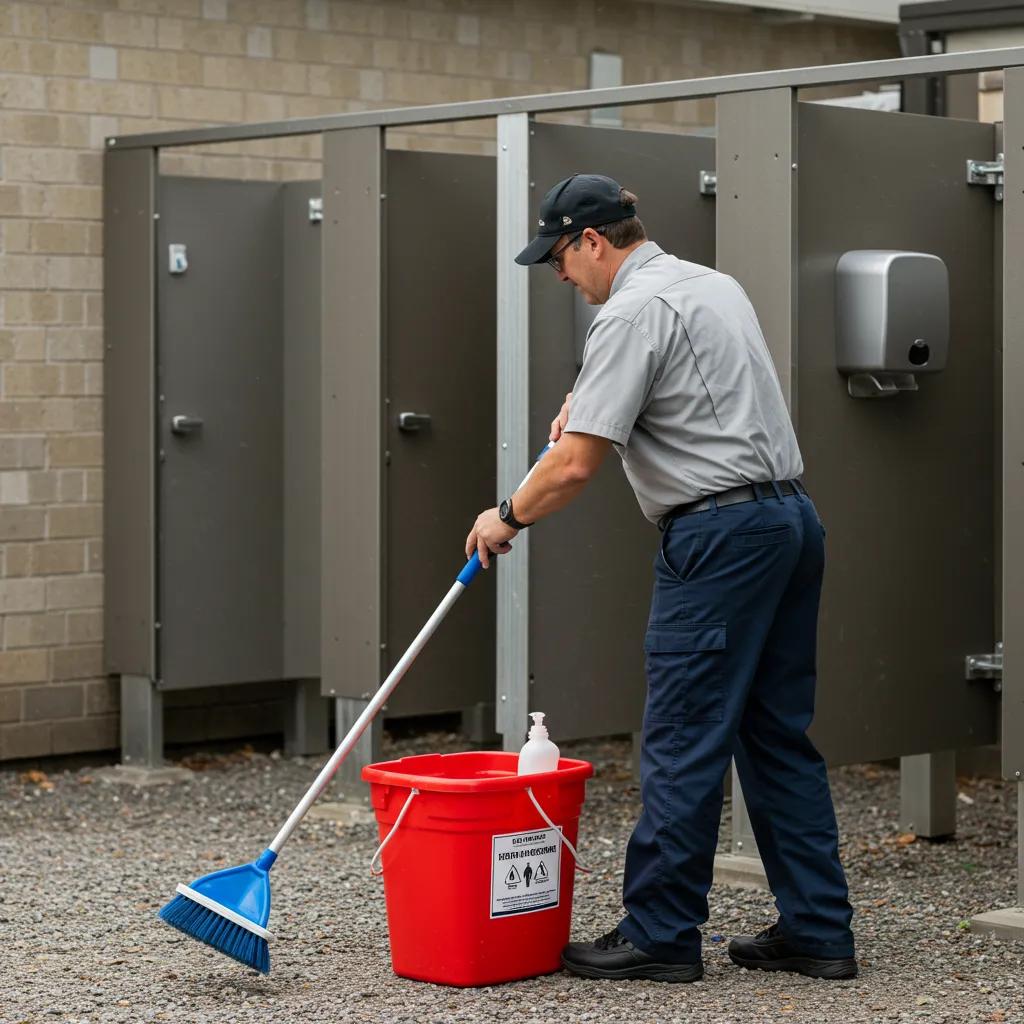
Restroom hygiene fundamentally depends on recurring, documented cleaning procedures, the selection of appropriate products, and transparent inspection protocols that effectively match occupancy levels and seasonality. Effective programs typically include multiple daily cleanings during peak season, overnight checks, visible log sheets or posted schedules, rapid incident response, and the use of hospital-grade disinfectants or certified environmentally friendly alternatives where appropriate. These practices significantly reduce pathogen transmission, bolster guest confidence, and directly influence booking decisions for long stays. The following table outlines a sample cleaning schedule and suggests where campgrounds can publish this data to increase guest trust.
Intro to cleaning table: This table clarifies facility-level cleaning attributes and recommended cadences for campground restrooms.
This sample schedule demonstrates how structured cleaning and visible inspection build trust across different facility types and helps campers evaluate adequacy before booking. Clear communication about these practices effectively reduces uncertainty for long-stay decisions.
How Often Are Campground Bathrooms Cleaned and Maintained?
Recommended cleaning cadences scale directly with occupancy: multiple-times-per-day cleanings during high season and at least daily deep cleanings during shoulder seasons, with overnight checks to address urgent issues. Inspection protocols that meticulously log completion times and staff initials create accountability and allow guests to confirm that standards are being met. Staffing plans should align with peak weekend and holiday demand to prevent any lapses, and maintenance response times must be swift enough to minimize fixture downtime. Communicating these frequencies on facility pages or signage reassures long-stay guests that hygiene is a top management priority.
What Products and Procedures Are Used to Maintain Restroom Cleanliness?
Effective restroom programs utilize a strategic combination of broad-spectrum disinfectants for pathogens, enzymatic cleaners for organic residues, specialized odor control products, and green-certified options where environmental stewardship is a key priority. Procedures include pre-cleaning to remove soils, ensuring proper disinfectant dwell times per label instructions, and comprehensive staff training on PPE and surface compatibility. Guest-facing provisions—such as readily available soap, paper towels or hand dryers, and clearly marked waste receptacles—actively support hygiene behavior. Posting product types and safety information can help environmentally conscious campers assess suitability for their preferences.
How Do Cleaning Practices Impact Camper Satisfaction and Booking Decisions?
Cleaning practices consistently rank highly in guest reviews and directly correlate with repeat bookings and positive word-of-mouth referrals; camps that proactively publish explicit schedules and showcase recent facility photos typically earn higher confidence from long-stay guests. Leveraging review schema and publishing inspection logs or cleaning commitments on property pages significantly increases perceived transparency and conversion rates. Monitoring review sentiment and actively responding to cleanliness feedback allows for continuous improvement and demonstrates operational accountability. When campgrounds clearly link their cleaning practices to booking policies, campers feel more secure committing to extended stays.
Clear, consistently enforced cleaning standards thus function as both an essential operational necessity and a powerful marketing differentiator for extended-stay properties.
What Amenities Complement Restroom Facilities to Enhance Extended Stay Comfort in Ohio Campgrounds?
Restroom quality pairs effectively with several crucial support amenities that, when combined, determine whether a campground is truly practical for extended living: full hookup RV sites, reliable laundry facilities, engaging family-friendly activity zones, and convenient access to roads and services. These amenities significantly reduce logistical burdens—like frequent trips to town for laundry or showering—and foster a self-contained environment conducive to longer occupancy. Below is an EAV-style table that maps complementary amenities to their key attributes and the direct benefits they bring to long-stay campers.
Intro to amenities table: This table links key support amenities to their attributes and concrete benefits for extended stays.
This mapping clearly demonstrates how complementary amenities work in synergy with restroom quality to make long-term camping both feasible and comfortable. The next subsections will delve into how hookups and laundry function in daily life, which family amenities are most impactful, and why location significantly influences extended-stay convenience.
How Do Full Hookup RV Sites and Laundry Facilities Support Extended Camping?
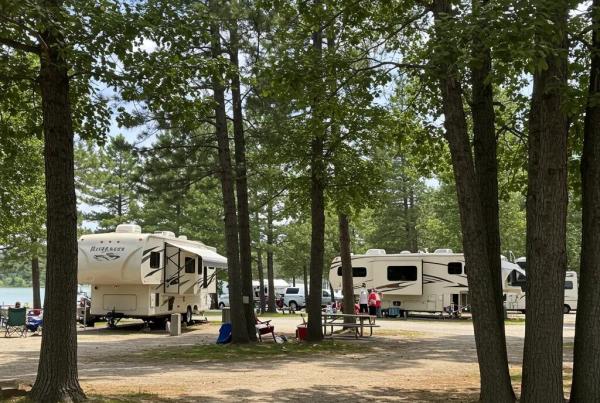
Full hookup RV sites that provide electricity, fresh water, and sewer connections allow campers to rely less on shared restroom and shower facilities by enabling onboard facilities and waste management. Laundry facilities with sufficient capacity and predictable access support weekly clothing cycles and reduce luggage needs, while clearly posted pricing and hours help campers plan budgets effectively. Dump stations and potable water fill points simplify RV logistics and reduce strain on communal restrooms. For long stays, these infrastructure elements are often as critical as restroom privacy when evaluating a campground.
What Family-Friendly Amenities Improve Comfort During Extended Stays?
Family-friendly amenities such as playgrounds, a sandy beach, scheduled kids’ activities, and safe walking paths significantly reduce the need for off-site excursions and help caregivers manage daily routines more smoothly. Locating family restrooms conveniently near playgrounds and beaches minimizes the time and disruption involved in changing children and managing wet towels. Onsite programming like crafts and music nights actively encourages community building and lowers the need to seek outside entertainment. These amenities interact seamlessly with restroom placement and design to reduce friction for families during extended bookings.
How Does Location and Accessibility Influence Extended Stay Convenience?
Proximity to major roads and towns simplifies provisioning, emergency access, and service visits during long stays; a campground situated near a major corridor offers practical logistics advantages, shortening trips for groceries, parts, or medical needs. Campgrounds adjacent to Interstate-80 or similar routes provide significant logistical benefits for seasonal travelers and those requiring frequent supply runs. Accessibility also impacts visiting hours for offsite laundromats or specialty services that might be needed during longer stays. Carefully considering location alongside on-site amenities helps campers effectively balance convenience, cost, and quality for multi-week bookings.
What Are the Most Common Questions About Ohio Campground Restrooms and Extended Stays?
Campers frequently pose direct, operational questions about cleanliness, hot showers, privacy, and how restroom amenities factor into long-stay choices; concise, clear answers are essential for capturing quick decision-making needs. This section provides snippet-ready responses to common PAA-style queries and suggests verification steps like reviewing recent photos, checking cleaning schedules, and contacting staff for clarifications. The answers below are designed to be scannable, evidence-based, and actionable so prospective long-stay guests can rapidly assess listings.
Are Ohio Campground Restrooms Clean and Well-Maintained?
Many Ohio campgrounds maintain clean facilities during peak season, but standards can vary significantly by operator and property investment; cleanliness is best verified through recent guest photos, posted cleaning schedules, and recent reviews. Look for properties that proactively publish cleaning cadences or display inspection logs, and prefer sites that respond publicly to cleanliness feedback. If details are missing from a listing, don’t hesitate to ask the campground to confirm cleaning frequency and the specific products used. Confirming these points significantly reduces surprises and helps travelers prioritize campgrounds for extended stays.
Do Ohio Campgrounds Offer Hot Showers and Private Facilities?
Yes—many private campgrounds and higher-investment properties offer hot showers and private stalls, while some state or more rustic campgrounds may have shared or seasonal hot-water access; availability is highly dependent on infrastructure and season. Campers should diligently check amenity listings for keywords like “private shower stall” or “shower house” and verify through recent reviews or photos. Where listings are ambiguous, asking staff about peak-time water pressure and heater capacity can clarify whether hot showers are reliably available for prolonged use. Confirming these factors prevents discomfort during extended occupancy.
How Do Restroom Facilities Affect the Choice of Campgrounds for Extended Stays?
Restroom facilities rank highly when choosing a campground for an extended stay because they directly impact daily routines, privacy, and overall hygiene; prioritize private showers, published cleaning schedules, and nearby laundry when evaluating options. It’s wise to balance cost against convenience—paying a premium for a campground with modern restrooms and full hookups can significantly reduce off-site expenses and time lost to errands. Create a checklist that weights restroom privacy, hot water reliability, cleaning transparency, and complementary amenities, and use it to compare your shortlisted options before booking.
These concise answers should guide your initial screening; next, we’ll explain how campers can effectively book extended stays at quality campgrounds.
How Can Campers Book Extended Stays at Ohio Campgrounds with Quality Restroom Facilities?
Booking an extended stay effectively combines advance planning, direct verification of facilities, and alignment of dates with off-peak cleaning schedules. First, identify campgrounds that clearly list private shower stalls, onsite laundry, and published maintenance routines; second, confirm any missing specifics directly with the campground; and third, reserve early for peak-season availability. For Ridge Ranch Campground by GatherGrounds Resorts, guests can utilize the property’s reservation channels to secure long-term dates while noting that the site prominently features family-friendly activities and a strong commitment to modernization. The practical steps below outline a simple booking workflow and offer essential packing and planning tips for a comfortable long stay.
Intro to booking list: These steps summarize how to book a long stay with confidence and minimize restroom-related friction.
- Screen listings for key amenities: Confirm private shower stalls, laundry, and published cleaning schedules before shortlisting.
- Verify specifics with staff: Ask about fixture counts, hot water systems, and accessibility features when details are unclear.
- Reserve early and confirm maintenance: Book desired dates well in advance and request confirmations about cleaning cadences during your stay.
Summary paragraph: Following these steps significantly reduces surprises, increases comfort during long stays, and helps campers prioritize campgrounds with consistently high restroom quality.
What Are the Reservation Options for Ridge Ranch Campground?
Ridge Ranch Campground offers online reservation channels and standard booking options typical of private campgrounds, and its public information prominently highlights family activities, a 17-acre lake with a sandy beach, and a 76-acre footprint that supports varied site types. For extended stays, booking earlier secures better site selection and provides ample time to confirm restroom and laundry specifics; guests should specifically request details about the planned new bathroom and shower building for 2026 if the timing of upgrades is a factor for their stay. Advanced booking also helps property managers plan staffing and cleaning cadences to accurately match occupancy levels. Those reserving long-term should proactively communicate their arrival dates and any specific accessibility needs to ensure appropriate site assignment.
How Can Campers Prepare for a Comfortable Extended Stay?
Preparing for a long stay effectively reduces restroom-related stress by packing a modest supply of linens, scheduling laundry weekly, planning shower times during off-peak hours, and bringing small extras like quick-dry towels and personal toiletries. Consider bringing a compact clothesline or collapsible hamper to manage laundry routines efficiently, and plan for backup options such as portable privacy shelters if privacy is a potential concern. Time-of-day strategies—showering early morning or late evening—help avoid peak loads and improve hot water reliability. Communicating these preparations with travel companions and campground staff can significantly smooth daily routines.
Where Can Campers Find More Information About Restroom Amenities?
Primary sources of up-to-date restroom information include the campground’s own property pages, recent guest photos, and verified review platforms that document facility experiences and maintenance feedback. For Ridge Ranch Campground, published property descriptions emphasize family-friendly amenities and a clear plan for facility modernization, and prospective guests should consult recent reviews and contact the campground directly to confirm restroom-specific details. When public listings lack technical specifics, a direct inquiry to staff is the most reliable way to secure the information needed for long-stay planning.
Summary paragraph: Verifying amenities through multiple sources and confirming details directly with the campground minimizes uncertainty and helps ensure a comfortable extended stay.
This article has mapped the features that define modern campground restrooms, presented measurable adequacy criteria for extended stays, compared typical campground types with a local example, documented cleaning and maintenance best practices, outlined complementary amenities, answered common camper questions, and provided actionable booking and preparation steps. Use the checklists, tables, and verification steps above to evaluate Ohio campgrounds for long-term comfort, and consider properties that publish cleaning schedules, offer private shower stalls, provide onsite laundry, and demonstrate ongoing investments such as the new bathroom and shower building planned for 2026 at Ridge Ranch Campground.
Frequently Asked Questions
What should I look for in restroom cleanliness when choosing a campground?
When evaluating restroom cleanliness at campgrounds, look for recent guest reviews, visible cleaning schedules, and photos that showcase the facilities. A well-maintained restroom should have a documented cleaning routine, ideally with multiple cleanings per day during peak seasons. Additionally, inquire about the products used for cleaning, as environmentally friendly options can indicate a commitment to hygiene. Campgrounds that are transparent about their cleaning practices tend to have higher guest satisfaction and repeat bookings.
Are there specific restroom features that enhance privacy for campers?
Yes, features that enhance privacy in campground restrooms include private toilet stalls and shower stalls, which help reduce cross-traffic and increase comfort. Additionally, well-designed layouts that minimize visibility and noise can significantly improve the user experience. Look for campgrounds that offer family restrooms or changing stations, as these provide extra privacy for caregivers and families. Ensuring that these features are available can make a significant difference during extended stays.
How can I confirm the availability of hot water in campground showers?
To confirm the availability of hot water in campground showers, check the campground’s website for details about their facilities or contact them directly. Look for mentions of reliable hot water systems and peak load management. Recent guest reviews can also provide insights into the consistency of hot water availability. If possible, ask about the maintenance schedule for water heaters, as well-maintained systems are less likely to experience outages during busy periods.
What are the benefits of having laundry facilities at a campground?
Having laundry facilities at a campground offers several benefits, especially for extended stays. It allows campers to maintain a regular clothing cycle without needing to travel off-site, which saves time and reduces the amount of clothing needed for the trip. Onsite laundry facilities also enable campers to pack lighter, as they can wash clothes as needed. Additionally, clear pricing and accessible hours help campers plan their laundry routines effectively, enhancing overall convenience during their stay.
How do family-friendly amenities impact the camping experience?
Family-friendly amenities significantly enhance the camping experience by providing entertainment and convenience for families. Features such as playgrounds, organized activities, and safe walking paths reduce the need for off-site excursions, allowing families to enjoy their time together without added stress. Additionally, having family restrooms located near these amenities can streamline daily routines, making it easier for caregivers to manage children. Overall, these amenities contribute to a more enjoyable and less hectic camping experience.
What should I do if I have specific accessibility needs at a campground?
If you have specific accessibility needs, it’s essential to communicate these requirements directly with the campground before booking. Inquire about ADA-compliant facilities, such as wider stalls, grab bars, and accessible shower options. Many campgrounds are willing to accommodate guests with mobility challenges, but it’s crucial to verify the availability of these features. Additionally, checking recent reviews can provide insights into how well the campground meets accessibility standards, ensuring a comfortable stay.
How can I prepare for potential restroom-related issues during my stay?
To prepare for potential restroom-related issues during your stay, consider packing essential items such as personal hygiene products, quick-dry towels, and portable privacy shelters. Planning your shower times during off-peak hours can help avoid long waits and ensure hot water availability. Additionally, familiarize yourself with the campground’s cleaning schedule and maintenance practices, as this knowledge can help you anticipate busy times. Communicating with campground staff about any concerns can also lead to quicker resolutions if issues arise.
Conclusion
Evaluating restroom facilities is crucial for campers planning extended stays in Ohio campgrounds, as cleanliness, privacy, and supporting amenities significantly impact comfort. By understanding the key features and operational standards, campers can make informed decisions that enhance their overall experience. We encourage you to explore the campgrounds that prioritize these essential attributes, such as Ridge Ranch Campground, which is committed to modernization and family-friendly amenities. Start planning your next adventure today to ensure a comfortable and enjoyable camping experience.