
Top Tips for Locating RV and Trailer-Friendly Campgrounds Near You Easily
Finding RV and trailer-friendly campgrounds near you can feel overwhelming when you juggle rig dimensions, hookups, family needs, and booking windows. This guide teaches practical, step-by-step methods to find, evaluate, and reserve campsites that accommodate RVs and trailers while minimizing surprises on arrival. You will learn how to match your rig to sites, what hookups and amenities matter most, which apps and map techniques speed scouting, when to book for peak seasons, and how to plan on-site logistics for a smoother stay. The article also compares campground types, walks through quick booking checklists, and highlights local logistics that matter for long rigs and families. Where relevant, Ridge Ranch Campground operated by GatherGrounds Resorts is used as a concrete example of a private, family-focused RV resort that offers full hookups and lake access, and the guide explains how to apply the same scouting methods to that property. Read on for checklists, practical workflows, apps to trust, and tables that help you decide quickly and confidently on the right RV-friendly campground.
How Do You Choose the Best RV and Trailer-Friendly Campground?
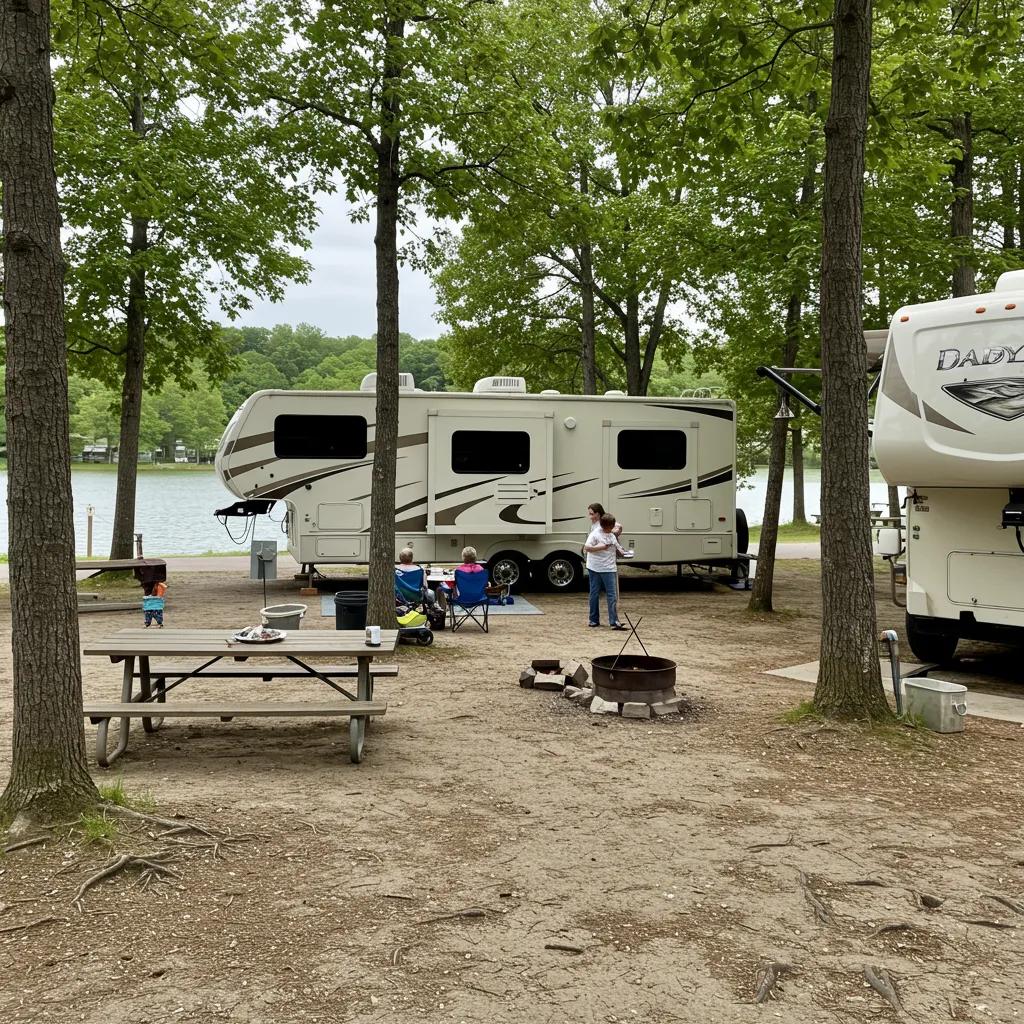
Choosing the best RV and trailer-friendly campground means matching rig characteristics to site attributes, confirming utilities and safety, and prioritizing amenities that produce the recreational experience you want. This choice works because matching length, hookups, and site layout in advance reduces onsite maneuvering and unexpected denials, which directly saves time and stress. The specific result is an enjoyable stay with working utilities and suitable space for your rig, improving both convenience and safety. Below is a practical checklist for the top criteria to vet, followed by a compact comparison table to help you scan options quickly and pick the right site type.
Use this checklist to prioritize your search and confirm key facts with hosts or reservation systems before you finalize a booking.
- Confirm rig fit: provide overall rig length, tow vehicle, and slide-out clearance so site assignment avoids tight turns.
- Verify hookups: request exact electrical amperage (50/30 amp), water pressure expectations, and sewer access availability.
- Check site type: prefer pull-throughs for long rigs or confirm back-in maneuverability via satellite or host photos.
- Prioritize family/pet needs: confirm playgrounds, pet rules, and planned activities if traveling with children or pets.
- Evaluate location logistics: confirm road approach, low-clearance obstacles, and proximity to fuel and repair services.
This checklist simplifies decisions and leads directly into the next step: comparing specific campsite attributes to find the best match.
Different campsite configurations offer trade-offs in space and convenience; use the table below to compare typical site attributes so you can quickly see which options fit your rig and travel style.
This table clarifies how site type, available hookups, and useful rig length intersect; the next section explains how to measure a rig precisely so you can match it to these site categories.
What RV and Trailer Sizes Should You Consider When Selecting a Campsite?
Measure your full towing setup from hitch to tail and include any towed vehicle and rear overhangs; this definition ensures you book a site with enough usable pad length. Accurate measurement matters because effective usable length determines whether a slide-out or tow vehicle will fit entirely on the pad, and the mechanism—measuring overall length and noting clearance points—prevents uncomfortable backup maneuvers. For example, many motorhomes fall in 25–35 feet ranges, while travel trailers often span 18–35 feet; use those ranges only as starting estimates and always confirm specifics with the host. When reviewing a site, check satellite images for trees or obstructions and ask the campground to confirm pull-through versus back-in suitability to avoid last-minute adjustments.
Confirming clearance and site dimensions leads naturally to verifying utility hookups and amenities, which are the next critical selection criteria.
Which Amenities Are Essential for Full Hookup RV Camping?
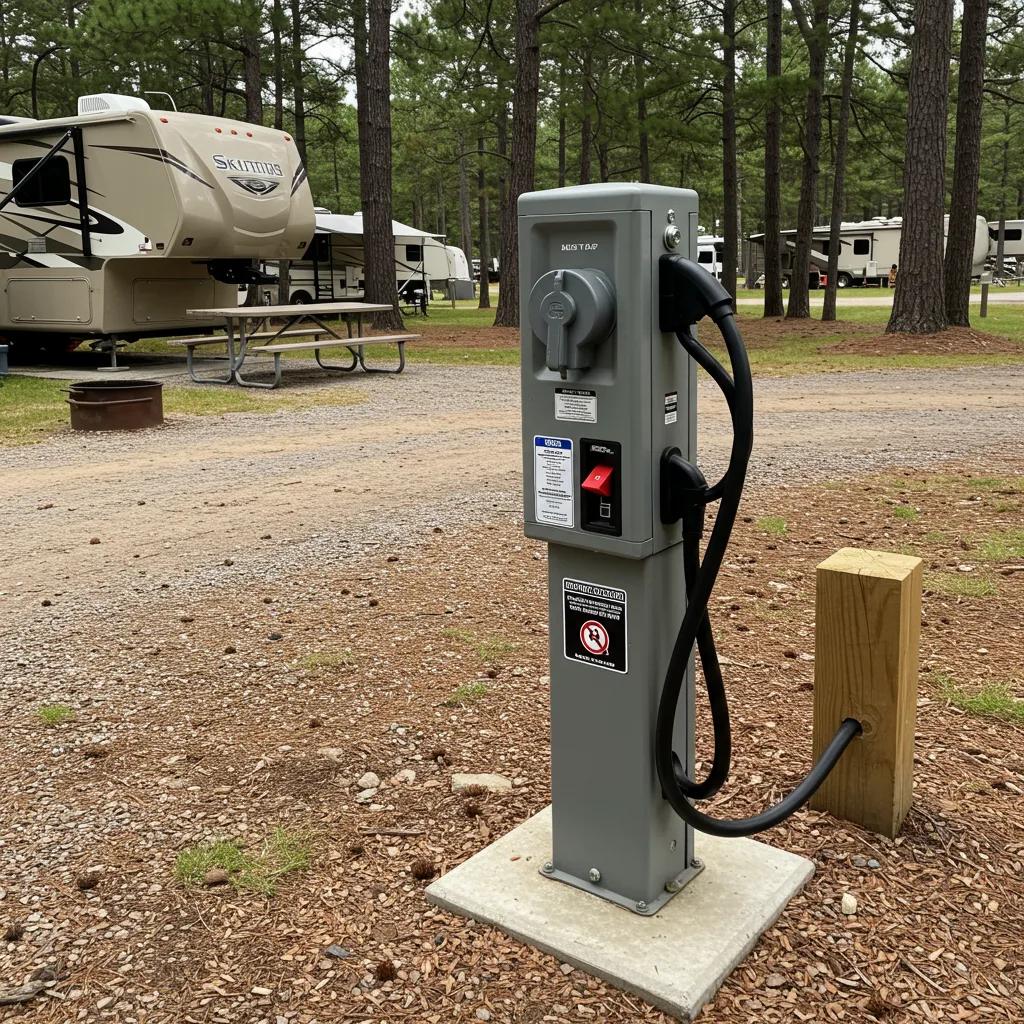
Full hookup sites provide electric, water, and sewer connections that let you run appliances, fill tanks, and empty waste without leaving camp; define these hookups precisely when you book. Electric amperage (50-amp vs 30-amp) determines whether you can run multiple high-draw systems; the mechanism is the campground pedestal wiring and your converter compatibility, and the benefit is uninterrupted power for HVAC, cooktop, and appliances. Ancillary services such as reliable Wi-Fi, clean showers, laundry, and trash collection impact family comfort and convenience, especially during extended stays. Always ask about pedestal condition, potable water pressure, and proximity to a dump station so you avoid surprises on arrival.
After verifying utilities, weigh family- and pet-focused amenities because they shape the recreational value of your stay.
How Important Are Family-Friendly and Pet-Friendly Features at Campgrounds?
Family- and pet-friendly features define the on-site experience by offering safe play areas, organized activities, and policies that reduce friction between guests; this matters because families and pet owners need controlled environments for children and animals. Look for playgrounds, programmed events, and designated pet areas; the mechanism is active site management that schedules activities and enforces pet rules, which leads to better communal experiences. For example, planned events like music nights or crafts create predictable evening programming that enhances family time, while clear pet leash rules and nearby walking areas reduce conflicts. When assessing a campground, confirm policies on pet fees, fenced areas, and proximity of pet-friendly sites to amenities.
Understanding family and pet features helps you decide whether a campground’s social programming matches your expectations; next consider how location and road access affect safe arrival and local enjoyment.
What Location Factors Should Influence Your Campground Choice?
Location factors—road approach, nearby services, and proximity to attractions—determine accessibility, convenience, and the type of trip you can plan; define these as the distance to fuel, repair, groceries, and attractions because they affect daily logistics. Road approach is critical for large rigs: low-clearance bridges, narrow lanes, or steep grades can block access, and checking satellite and Street View helps confirm a safe route. Nearby services such as repair shops, dump stations, and truck-friendly fuel stops reduce risk and downtime, and local attractions shape the leisure portion of your stay. Prioritize sites that balance drive safety with convenient access to the activities you want to pursue.
With location considerations set, the next major decision is which apps and online tools will accelerate finding and verifying appropriate RV campgrounds.
What Are the Best Apps and Online Tools for Finding RV Campgrounds Near Me?
Apps and online tools streamline campsite discovery by filtering for hookups, rig length, and guest reviews, which accelerates shortlisting qualified sites. These platforms work because they aggregate listings and user-contributed data, providing structured filters that reduce manual research time and improve decision accuracy. The result is faster, more reliable campsite selection and improved confidence about site suitability. Below are recommended apps and map-based techniques, followed by practical tips for validating listings and reading reviews to spot RV-specific red flags.
Use these app suggestions as a starting toolkit and always cross-check critical site attributes with satellite imagery or the campground directly.
- All-in-one campground apps with filters for hookups, rig length, and pet policies.
- Directory platforms that standardize campground details and often include membership perks.
- Mapping and satellite tools for visual verification of site layout and approach.
After choosing tools, learn how to interpret review signals and corroborate listings; the next subsection compares specific app features to the filters you should prioritize.
Which RV Campground Apps Offer the Most Reliable Filters and Reviews?
Top RV apps differentiate themselves by filter granularity, review volume, and booking integration; this matters because precise filters (hookups, site length, pet-friendly) reduce false positives and save time. Prioritize apps that allow you to set minimum amperage, site length, and site type, and that include recent photos and reviewer context describing rig size. Validate reviewer credibility by checking photo timestamps, consistency across reviews, and whether reviewers mention rig dimensions; the benefit is a clearer sense of how a site handles large rigs. Use these apps for planned trips and spontaneous searches while cross-referencing maps to confirm road approach.
Filtering effectively in apps leads to directory use for standardized data; the next subsection explains how directories and chains can complement app findings.
How Can Online Directories Like Good Sam and KOA Help You Find Full Hookup Sites?
Online directories and campground chains provide standardized filters and predictable service levels, which works because chains often maintain consistent hookup standards and clear site descriptions. Membership-based directories can offer discounts and priority booking while directory search tools make it easier to compare amenities across many properties at once. The practical benefit is reduced uncertainty when booking full hookup sites during peak demand, especially for family-oriented stays. However, directories can miss last-minute site condition details, so cross-checking with recent reviews and satellite imagery is essential before finalizing a reservation.
How Do You Use Google Maps and Satellite Views to Scout RV and Trailer Sites?
Google Maps satellite and Street View are powerful verification tools that let you estimate site length, identify trees or obstacles, and preview road approach, which reduces surprises on arrival. Start by measuring pad lengths with map tools, inspect adjacent vegetation for slide-out clearance, and use Street View to check approach lanes and signage; the mechanism is visual confirmation that supplements written listings. Also cross-reference campground-attached photos and reviews to ensure the mapped layout matches recent conditions. This combination of map-based scouting and user reports delivers a reliable pre-arrival assessment of site suitability.
Visual scouting prepares you to book with confidence; the next section explains optimal booking timing and the information you must provide.
When and How Should You Book Your RV or Trailer Campsite?
Booking the right site requires timing, accurate rig information, and clarity on cancellation policies so you minimize penalties and secure suitable sites. This works because advance planning matches high-demand dates to open inventory and prevents mismatches between rig needs and allocated sites. The outcome is a reservation that fits your rig and expectations, and reduced last-minute stress. Below are timing recommendations, a booking checklist, and policy considerations to help you reserve effectively and protect your plans.
Follow the booking timeline guidance to choose lead times that balance flexibility with availability, and then use the booking checklist to provide hosts with exact details.
- Reserve early for peak seasons and holiday weekends to secure full hookup and long-site availability.
- Provide precise rig dimensions, slide-out status, and arrival time when you book so the campground assigns a compatible site.
- Confirm cancellation windows and any fees, and document confirmation numbers and site attributes before arrival.
These steps reduce surprise denials and lead into the specifics on how far in advance to book and the details you should always supply.
How Far in Advance Should You Reserve Your RV Site for Peak Seasons?
Reserve as early as three to six months ahead for prime summer weekends and major holiday periods because full-hookup family sites typically fill first. The reason is predictable demand from families and long-haul RVers who seek lakefront and activity-focused sites, so early reservations secure preferred site types. For off-peak travel, a few weeks may suffice; last-minute strategies include checking private resorts for cancellations and using standby lists where available. Membership programs and loyalty benefits can sometimes shorten required lead times by granting priority access or discounts.
What Information Do You Need to Provide When Booking an RV or Trailer Site?
Campgrounds require rig length, overall height, slide-outs, tow vehicle details, expected arrival/departure times, and the number of vehicles to assign an appropriate site, because correct assignment prevents operational issues on arrival. Provide these specifics when booking and note any special requests like pull-through preference or proximity to restrooms; the mechanism is that staff can allocate a compatible pad and avoid reassignments. Also have payment and identification details ready and declare pets to confirm pet-friendly site assignment. Clear, complete booking information results in a smoother check-in and better site placement.
What Are Common Cancellation Policies and How Do They Affect Your Booking?
Typical cancellation policies include windows for full refund, partial refund, or credit depending on how far in advance you cancel; these policies exist to protect campground occupancy and revenue. The practical consequence is that late cancellations around peak dates often incur fees or forfeiture, so plan accordingly or purchase travel insurance if you need flexibility. Weather and emergency exceptions vary by property, and some campgrounds offer credits instead of refunds for changed plans. Understanding the policy up front lets you make informed decisions about booking risk and backup options.
What Types of RV Campgrounds Are Available and Which One Fits Your Needs?
RV campgrounds fall into private resorts, state/national parks, and boondocking/dispersed sites; each type differs in amenities, reservation ease, cost, and suitability depending on your priorities. Private resorts typically offer full hookups, programmed events, and family activities, which suits guests seeking convenience and entertainment, whereas state and national parks prioritize natural settings and may have limited utilities and tougher reservation competition. Boondocking provides solitude and low cost at the expense of utilities and legal considerations. Matching these options to your trip goals results in better alignment between expectations and experience, and the table below summarizes key distinctions.
Use this table to weigh trade-offs and choose the type that aligns with your comfort, budget, and activity preferences.
This comparison clarifies where private resorts, parks, and boondocking fit in the spectrum; next we contrast private resorts and parks in more detail and note when Ridge Ranch Campground exemplifies private resort strengths.
How Do Private RV Resorts Differ from State and National Parks?
Private RV resorts emphasize consistent full hookups, on-site services, and family programming that increase convenience and entertainment, and this model works because resorts invest in infrastructure and event staffing to deliver predictable experiences. State and national parks prioritize natural settings and may limit hookups to preserve resources, resulting in more solitude but stricter reservation windows and less convenience for large rigs. Families often prefer private resorts for activities and facilities, while wilderness seekers may select parks for serenity. Choose based on whether you value infrastructure and social programming or seclusion and natural scenery.
What Is Boondocking and How Does It Compare to Full Hookup Campgrounds?
Boondocking means camping without provided utilities and often on public or private dispersed lands; the mechanism requires self-sufficiency in power, water, and waste management and the benefit is low cost and seclusion. Prepare with sufficient fresh water, battery capacity or solar, and grey/black water handling strategies, and verify legality to avoid trespass or fines. Boondocking appeals to experienced RVers who prioritize solitude and independence, but it is not suitable when families need showers, laundry, or organized activities. When utilities or family programming matter, full hookup campgrounds are usually worth the added cost.
Why Is Ridge Ranch Campground a Top Choice for RV and Trailer Campers in Ohio?
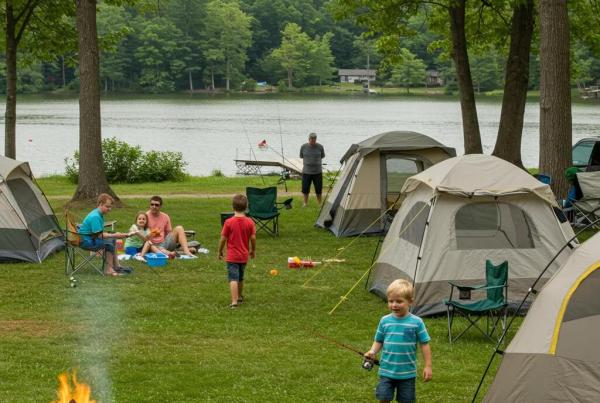
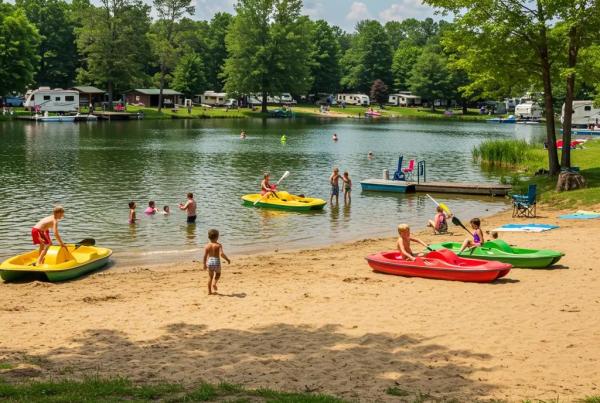
Ridge Ranch Campground, operated by GatherGrounds Resorts and located at 5219 State Road 303 in Newton Falls, Ohio, presents a clear private-resort model with lakefront access, many full hookup RV sites, and family-friendly programming that enhances recreational value. The mechanism is modernized campground infrastructure combined with planned events—such as DJ nights, karaoke, bingo, and crafts—that produce an engaging family environment; the benefit is predictable entertainment and convenience for RVers seeking lake recreation and onsite activities. Ridge Ranch’s features include a 17-acre lake with sandy beach, paddleboat rentals, fishing, playgrounds, and an online reservation system for ease of booking. For RV and trailer campers prioritizing family activities, lake access, and full hookups, Ridge Ranch exemplifies the private-resort choice.
How Can You Maximize Your RV Camping Experience at Ridge Ranch Campground?
Maximizing an RV stay involves proactive site setup, confirming hookups and site features, and planning activities so family time stays central to the experience. This approach works because attention to connection points, leveling, and campsite layout minimizes downtime and prevents utility issues, leading to smoother days and more time enjoying amenities. Below are site-level tips, activity suggestions, and clear steps for booking the right site online at Ridge Ranch to ensure your stay aligns with expectations.
Start by testing hookups and leveling on arrival, then leverage campground activities to make the most of the lakefront setting.
What Full Hookup Amenities and RV Site Features Does Ridge Ranch Offer?
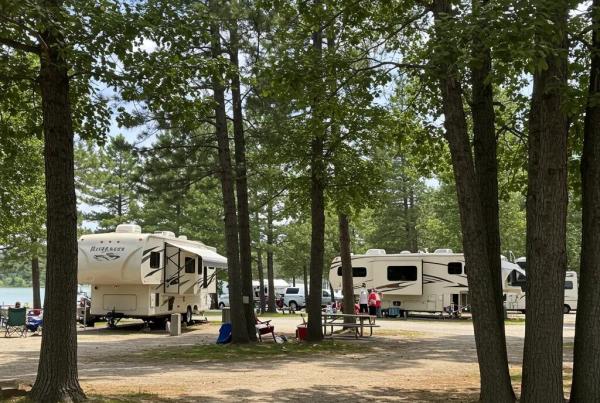
Ridge Ranch offers RV and tent sites with many that include full hookups—50/30 amp electric, water, and sewer connections—plus common on-site conveniences like level pads, picnic tables, and fire rings that support comfortable outdoor living. Confirming these hookup types matters because 50-amp service supports larger RV electrical loads while 30-amp may limit simultaneous appliance use; the mechanism is matching pedestal amperage to your rig’s converter. Site extras such as shaded pads and nearby restrooms improve daily comfort, and the campground’s reservation system lets you request specific site attributes when you book. Asking for site photos or pad dimensions when reserving reduces risk of fit issues on arrival.
Which Family-Friendly Activities and Lake Access Options Are Available?

Ridge Ranch features a 17-acre lake with a sandy beach, paddleboat rentals, and fishing opportunities that promote onsite recreation without additional travel; this matters because easy access to water-based activities increases family time and relaxation. Planned events and activities—such as DJ nights, karaoke, bingo, and crafts—create predictable evening programming that parents can count on, and playgrounds provide safe daytime options for children. The property also lists upcoming attractions on its event pages, and guests can expect continued additions that broaden family entertainment. Leveraging lake rentals and the campground’s planned schedule brings structure and variety to a family visit.
How Do You Easily Book Your RV Site Online at Ridge Ranch Campground?
Booking online at Ridge Ranch follows a simple reservation flow: select dates, choose site type or pad based on rig length and hookup requirements, and enter rig details so staff can confirm compatibility, which results in a reserved site that meets your needs. When completing the reservation, provide overall rig length, slide-out info, and expected arrival time; these specifics let the campground assign the right full hookup pad. Before finalizing, review cancellation policies and site attributes listed in the reservation summary and save the confirmation. If you need clarification, contact the campground directly through the reservation page or phone support to confirm site-specific details.
Providing accurate booking information and confirming site attributes ensures a smooth arrival and immediate access to amenities; the following section answers common quick questions campers ask.
What Are Common Questions About Finding RV and Trailer-Friendly Campgrounds?
Campers often ask which apps to trust, how to find nearby trailer spots quickly, and what core features to check in any campground; concise answers speed decision-making and reduce booking friction. These direct answers work because they distill action into short workflows and tool recommendations, which helps you act fast when planning. Below are targeted, actionable responses to the most frequent queries and recommendations to guide immediate next steps.
The short answers below act as a quick reference; refer back to longer sections for expanded checklists and verification steps.
What Are the Best Apps for Finding RV Campgrounds with Full Hookups?
Reliable apps combine robust filters for hookups and rig length, recent user photos, and booking or contact features so you can confirm site specifics quickly; these tools speed discovery by aggregating listings and reviews. Top choices focus on filter depth, user photo verification, and the ability to sort by site attributes. Always cross-check app data with satellite imagery and the campground reservation system for up-to-date site status and conditions.
How Can I Find Trailer Camping Spots Nearby Quickly?
A rapid three-step workflow helps when you need nearby trailer spots fast: first, use an app or directory filter for full hookups and minimum site length; second, inspect satellite and Street View for safe approach and pad length; third, call or use the campground’s online reservation system to confirm site assignment and reserve. This workflow works because it layers automated filters with manual verification and direct confirmation, minimizing the chance of arriving at an unsuitable pad. The combination optimizes speed while maintaining accuracy.
What Should I Look for When Choosing an RV Campground Near Me?
Focus on a concise core checklist: rig compatibility, hookups, site type, family/pet needs, and location logistics, because these attributes collectively determine comfort, safety, and trip quality. Verify rig dimensions and pedestal amperage, confirm pull-through or back-in type, check for family-friendly programming if needed, and ensure safe road approach with nearby services for fuel and repair. This condensed checklist speeds decision-making and reduces the likelihood of an unsuitable arrival. Use it as a quick scan before diving into detailed site photos and reservation policies.
Where Can You Find Local Resources and Services for RV and Trailer Campers?
Local resources—repair shops, supply stores, dump stations, and fuel stops—are essential backups that reduce downtime and increase trip resilience; identifying them near your campground provides logistical peace of mind. This works because quick access to parts, service, and suitable fuel options keeps you moving and limits the time spent off-site. The table below lists common service types and what they provide in relation to Ridge Ranch Campground so you can plan practical routes and emergency options.
Use these resource categories to create a short contact list before travel: note service phone numbers where available, verify mobile tech coverage, and mark truck-friendly fuel stops on your route. Preparing this list reduces stress if you need parts or service while camping and ensures you can keep your schedule intact.
What Nearby RV Repair Shops and Supply Stores Serve Newton Falls, Ohio?
Local repair and supply options include full-service shops, mobile technicians, and parts retailers that specialize in RV systems and components; define them as potential problem solvers so you can minimize downtime. Full-service shops handle major repairs and complex appliance work, while mobile technicians address many on-site issues such as slide mechanisms, electrical diagnostics, and appliance troubleshooting. Supply stores stock replacement parts, propane, and consumables useful for weekend fixes. Before arrival, identify and save contacts for these services and confirm mobile coverage for your campground location to avoid long delays.
Where Are the Closest RV Dump Stations and Fuel Stops?
Identify dump stations and truck/RV-friendly fuel stops along your planned route and near the campground, and verify operating hours and fees ahead of arrival so you avoid closed facilities or unexpected charges. Many private resorts and public services provide dump stations; confirm availability in the campground listing or by calling the park. For fuel, prioritize truck-friendly lanes and wide access points to prevent tight turns. Planning these stops into your travel day prevents last-minute detours and keeps your rig operating smoothly.
How Can Local Attractions Enhance Your RV Camping Trip?
Local attractions—parks, family-oriented museums, lakeside recreation, and seasonal festivals—add value to an RV trip by offering day-trip options that complement onsite activities and vary the itinerary. Choose attractions that are a short drive from your campground to preserve campsite convenience, and schedule visits during off-peak hours to avoid long lines and parking challenges for large rigs. Pair attractions with campground amenities—such as beach days followed by planned evening events—to create balanced days that satisfy both exploration and relaxation goals. Integrating local attractions into your plan increases the variety and memorability of your RV stay.
This completes the topical guidance for finding and booking RV- and trailer-friendly campgrounds; apply these checklists and verifications to make faster, safer, and more enjoyable campsite choices.
Frequently Asked Questions
What should I consider when planning a camping trip with children?
When planning a camping trip with children, prioritize family-friendly amenities such as playgrounds, organized activities, and safe environments. Look for campgrounds that offer scheduled events like crafts or movie nights, which can keep kids entertained. Additionally, consider the proximity of the campground to local attractions that cater to families, such as parks or museums. Ensuring that the campground has clear pet policies is also important if you plan to bring pets along, as this can affect the overall experience for the family.
How can I ensure my RV is ready for a camping trip?
To ensure your RV is ready for a camping trip, conduct a thorough pre-trip inspection. Check the tires for proper inflation and tread wear, inspect the brakes, and ensure all lights are functioning. Verify that your water, sewage, and electrical systems are operational, and stock up on necessary supplies like food, water, and camping gear. Additionally, confirm that your RV’s registration and insurance are up to date. Taking these steps will help prevent issues on the road and ensure a smoother camping experience.
What are the benefits of using campground directories?
Campground directories provide a centralized resource for finding and comparing various camping options, which can save time and reduce the stress of planning. They typically include detailed information about amenities, site types, and user reviews, allowing you to make informed decisions. Many directories also offer filters for specific needs, such as pet-friendly sites or full hookups. Additionally, membership-based directories may provide discounts and priority booking, enhancing your overall camping experience and potentially saving you money.
How do I handle unexpected issues while camping?
Handling unexpected issues while camping requires preparation and a calm approach. First, have a list of local repair shops and service providers handy, as well as a basic toolkit for minor repairs. If you encounter a problem, assess the situation to determine if it can be fixed on-site or if professional help is needed. Always communicate with campground staff, as they may have resources or recommendations. Lastly, maintaining a flexible attitude can help you adapt to changes and enjoy your camping experience despite setbacks.
What are some tips for cooking while camping in an RV?
Cooking while camping in an RV can be enjoyable with a bit of planning. Start by preparing a meal plan that includes easy-to-cook recipes and ingredients that require minimal refrigeration. Utilize your RV’s kitchen appliances, such as the stove, oven, or microwave, and consider bringing portable cooking equipment like a grill or camp stove for outdoor cooking. Organize your cooking supplies and utensils for easy access, and always clean up promptly to avoid attracting wildlife. Lastly, embrace the outdoor setting by enjoying meals outside when possible.
How can I make the most of my RV camping experience?
To maximize your RV camping experience, plan ahead by researching the campground and its amenities. Engage in on-site activities, such as fishing, hiking, or participating in organized events, to enhance your stay. Make sure to set up your campsite efficiently, ensuring that all utilities are connected and that you have a comfortable outdoor living space. Additionally, take time to explore local attractions and enjoy the natural surroundings. Building a flexible itinerary that balances relaxation and adventure will lead to a more fulfilling camping experience.
Conclusion
Finding the right RV and trailer-friendly campground enhances your outdoor experience by ensuring compatibility with your rig and family needs. By utilizing practical checklists and trusted apps, you can streamline your search and secure a site that meets your expectations. Don’t hesitate to explore the various campground options available, including family-focused resorts like Ridge Ranch Campground, to maximize your adventure. Start planning your next camping trip today and enjoy the great outdoors with confidence!