
Assessing Campground Cleanliness and Maintenance: What You Need to Know for a Safe and Hygienic Stay
A campground’s cleanliness and maintenance are crucial for a safe, comfortable, and family-friendly stay. This article defines what “cleanliness and maintenance” means for campgrounds and explains why these attributes matter for your health and enjoyment. You’ll learn about measurable standards for campground cleanliness, how to evaluate bathhouse and shower sanitation, what water quality testing should involve, and practical steps guests and staff take to keep sites hygienic. Many families and outdoor groups worry about restroom hygiene, water safety, and whether a site follows consistent maintenance actions. This guide addresses those concerns with clear indicators and operational practices. The article outlines key standards for campground cleanliness, a decision checklist for choosing a clean campground, best maintenance practices including water testing, methods for educating guests, and the staff processes that sustain facility upkeep. Throughout, we use terms like campground cleanliness, campground bathroom cleaning schedule, and water quality testing to help you spot reliable facilities and understand how often campground bathrooms and showers should be cleaned.
What Are the Key Standards for Campground Cleanliness?
Key standards for campground cleanliness establish consistent frequency, approved disinfectants, and visible recordkeeping so guests can trust facilities and operators can meet public hygiene expectations. Standards work by prioritizing high-contact areas, defining cleaning frequency (routine vs. deep), and ensuring supplies and ventilation are present to reduce pathogen transmission. The result is safer restrooms, showers, kitchens, and playgrounds. Measurable standards tie disinfectant types and PPE use to cleaning cadence, and they produce records such as cleaning logs or signage that communicate recent cleaning to guests. Below is a quick-reference table that summarizes standards for top facility areas and cleaning frequency to aid direct comparison.
The table below summarizes common standards and cleaning frequency for key campground areas.
This reference clarifies that restrooms require the highest cadence and visible records, giving guests a clear standard to expect when evaluating campground cleanliness.
Which Areas of Campgrounds Require the Most Attention?
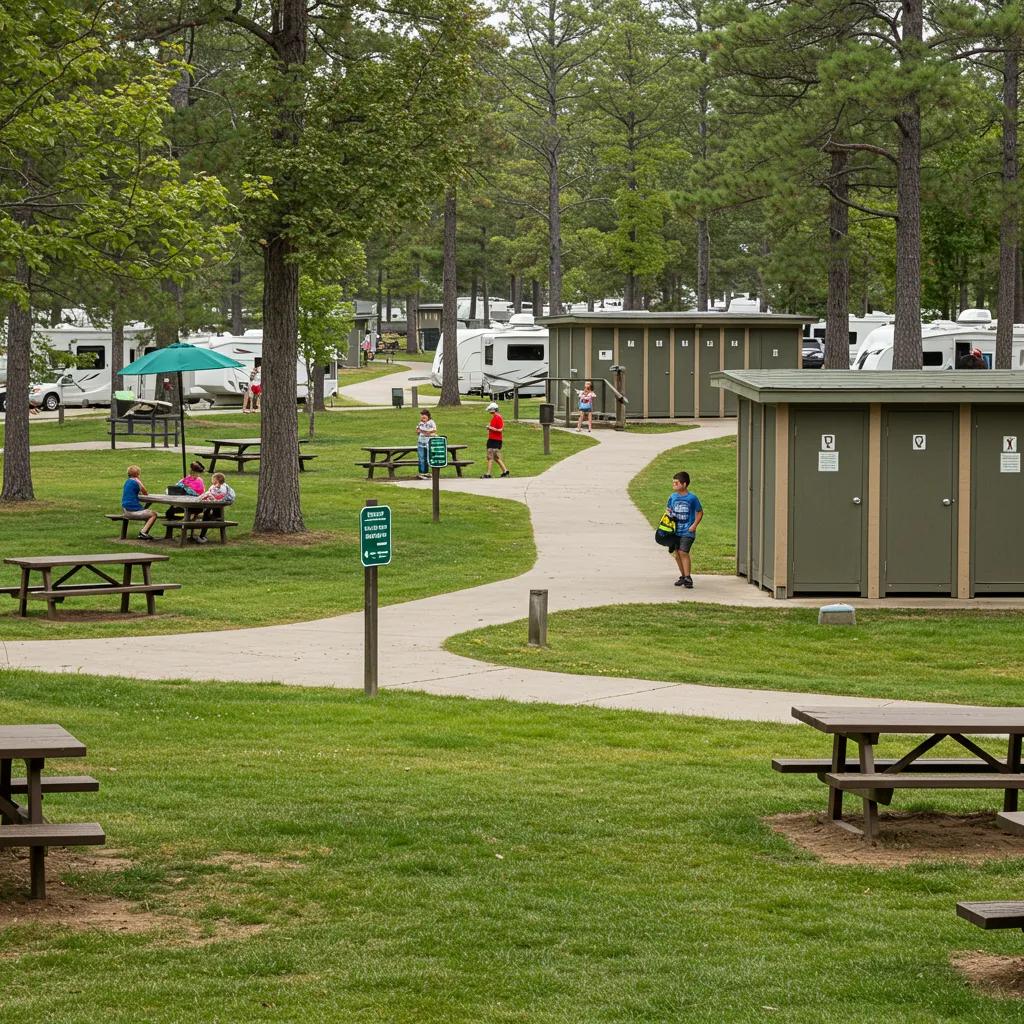
High-contact, moisture-prone, or food-related areas require priority because they present the greatest hygiene risk and impact guest health. These include restrooms, showers, picnic kitchens, water access points, playgrounds, and dog parks. Prioritization works by focusing resources where pathogens spread more readily—wet surfaces and shared fixtures—and by increasing inspection cadence for those areas, which reduces contamination. Guests can check for visible indicators such as stocked soap, functioning hot water, clear signage, and recent cleaning timestamps to assess whether a campground follows hygiene standards. Understanding which areas matter most helps visitors and managers allocate cleaning resources effectively and reduce disease transmission risks.
How Are Restrooms and Showers Maintained for Hygiene?

Restroom and shower maintenance combines routine surface disinfection, ventilation, hot water provision, and consistent supply restocking to maintain hygienic conditions and guest comfort. Daily tasks typically include surface wiping with approved disinfectants, replenishing soap and toilet paper, sweeping and mopping, and checking hot water temperatures to ensure functionality and hygiene. Design elements such as private stalls, hands-free fixtures, and adequate ventilation reduce cross-contamination and support ADA-accessible use when present. Visible evidence of these practices—clean floors, no lingering odors, and clear cleaning logs—signals that a campground aligns with sanitation expectations for bathhouse facilities.
What Cleaning Protocols Ensure Safe and Sanitary Facilities?
Effective cleaning protocols separate routine surface tasks from periodic deep-clean and seasonal overhauls, using approved disinfectants and PPE to protect staff and guests while maintaining transparent recordkeeping for accountability. Routine protocols include multiple daily wipes of high-touch points, daily sweeping, and waste removal, while weekly or monthly actions include drain cleaning, grout/surface deep disinfection, and HVAC/vent checks. Staff safety and public health are protected by using EPA-registered disinfectants, appropriate dilution, and documented training in chemical handling that reduces risk. Signage indicating last-cleaned times and accessible complaint reporting close the communication loop, allowing guests to verify facility sanitation proactively.
How Can You Choose a Clean and Well-Maintained Campground?
Choosing a clean, well-maintained campground focuses on observable features, documented policies, and corroborating guest feedback so you can make an informed booking decision with confidence. The decision mechanism relies on checking for modernized facilities, visible cleaning activity, and consistent guest reports about cleanliness. The result is reduced uncertainty about onsite hygiene and a safer stay.
Use the checklist below when evaluating listings, photos, and descriptions to spot campgrounds that prioritize campground cleanliness and facility maintenance.
Use this quick checklist to evaluate campground cleanliness before booking:
- Renovated Bathhouses: Look for mentions or photos of recently renovated bathrooms and showers showing private stalls and modern fixtures.
- Visible Cleaning Records: Expect posted cleaning logs or timestamps in bathhouses indicating regular cleaning cycles.
- Amenities & Staff Presence: Seek sites with staff-visible maintenance, stocked supplies, and clear rules for waste disposal.
This checklist directs attention to concrete indicators—facility modernization, cleaning transparency, and active staff presence—that typically correlate with better sanitation outcomes.
After this practical guidance, consider a real-world example: Walnut Hills Family Campground (operated by GatherGrounds Resorts) in Durand, Michigan notes recently renovated bathrooms and showers, offers RV sites, tent camping, and cabin rentals, and lists amenities like a Wibit water park, swimming lake, canoe livery, dog park, playgrounds, and pavilion rentals. These features—especially renovated bathhouses and posted amenities—are the types of indicators to look for when choosing a campground, and the campground’s reservations and amenities pages provide further operational details for prospective visitors.
What Features Indicate High Campground Cleanliness Standards?
Concrete features that signal high cleanliness include private showers, reliable hot water, visible staff cleaning, well-stocked supplies, and clear signage about hygiene expectations and waste handling. These features function as practical hygiene controls: private stalls reduce shared-surface exposure, hot water supports effective cleaning and handwashing, and signage guides guest behavior to limit contamination. When evaluating a site, prioritize listings that show recent facility upgrades or clear operational protocols because those indicate ongoing investment in campground cleanliness. Checking for these elements helps families choose locations that meet their hygiene and accessibility needs.
How Do Guest Reviews Reflect Facility Cleanliness?
Guest reviews reflect facility cleanliness when reviewers provide recent, specific mentions about showers, toilets, and overall campground condition, ideally accompanied by photos or repeated corroboration across multiple reviews. Reviews should be scanned for trends—single old complaints differ from many recent positive notes about “clean showers” or renovated bathrooms—because pattern consistency matters more than a single outlier. Management responses to reviews are also informative; prompt, transparent replies and remediation notes indicate an operator that takes cleanliness feedback seriously. Interpreting reviews this way helps separate isolated incidents from systemic maintenance problems.
Why Is ADA Compliance Important for Campground Facilities?
ADA compliance matters because accessible restrooms and showers provide safety and independence for guests with mobility needs while reflecting an operator’s attention to facility standards and universal design. Typical ADA features include grab bars, accessible stalls and sinks, benches, and routes with firm, stable surfaces. These elements reduce injury risk and support a broader range of families. A campground that documents ADA features and accessibility policies often demonstrates broader maintenance diligence and regulatory awareness, which correlates with consistent cleaning and upkeep. Checking for ADA details therefore serves both accessibility and cleanliness-informed decision-making.
What Are Best Practices for Maintaining Campground Facilities?
Best practices for campground maintenance combine scheduled cleaning cadences, preventive inspections, and transparent communication to ensure safe amenities and grounds for guests. These routines work by aligning frequency with usage patterns—higher occupancy requires more frequent cleaning and inspections—resulting in lower hazard incidence and higher guest satisfaction.
The table below compares recommended maintenance routines across common campground amenities to provide a concise operational reference.
Introductory table explains recommended inspection cadences and maintenance focus for amenities.
This comparison demonstrates that different amenities require tailored routines to maintain safety and campground cleanliness.
After operational guidance, a brief real-world application: Walnut Hills Family Campground highlights visible maintenance practices such as frequent cleaning cycles and staff training in maintenance procedures. Citing such visible actions illustrates how documented protocols translate to better guest experiences and demonstrates maintenance transparency in practice.
How Often Should Campground Bathrooms and Showers Be Cleaned?
Campground bathrooms and showers should be cleaned multiple times daily during peak season, with a weekly deep clean and seasonal overhauls to address build-up and plumbing maintenance. This cadence balances infection control with operational feasibility. Multiple daily cleanings focus on high-touch surfaces, trash removal, and supply replenishment to reduce contamination risk, while weekly deep cleans include drain and grout treatment and mechanical checks. Adjustments are necessary based on occupancy, weather, and special events—higher use demands shorter intervals between cleans. Clear documentation of these schedules and visible signs of recent cleaning help guests verify that sanitation standards are being met.
What Maintenance Routines Keep Grounds and Amenities Safe?
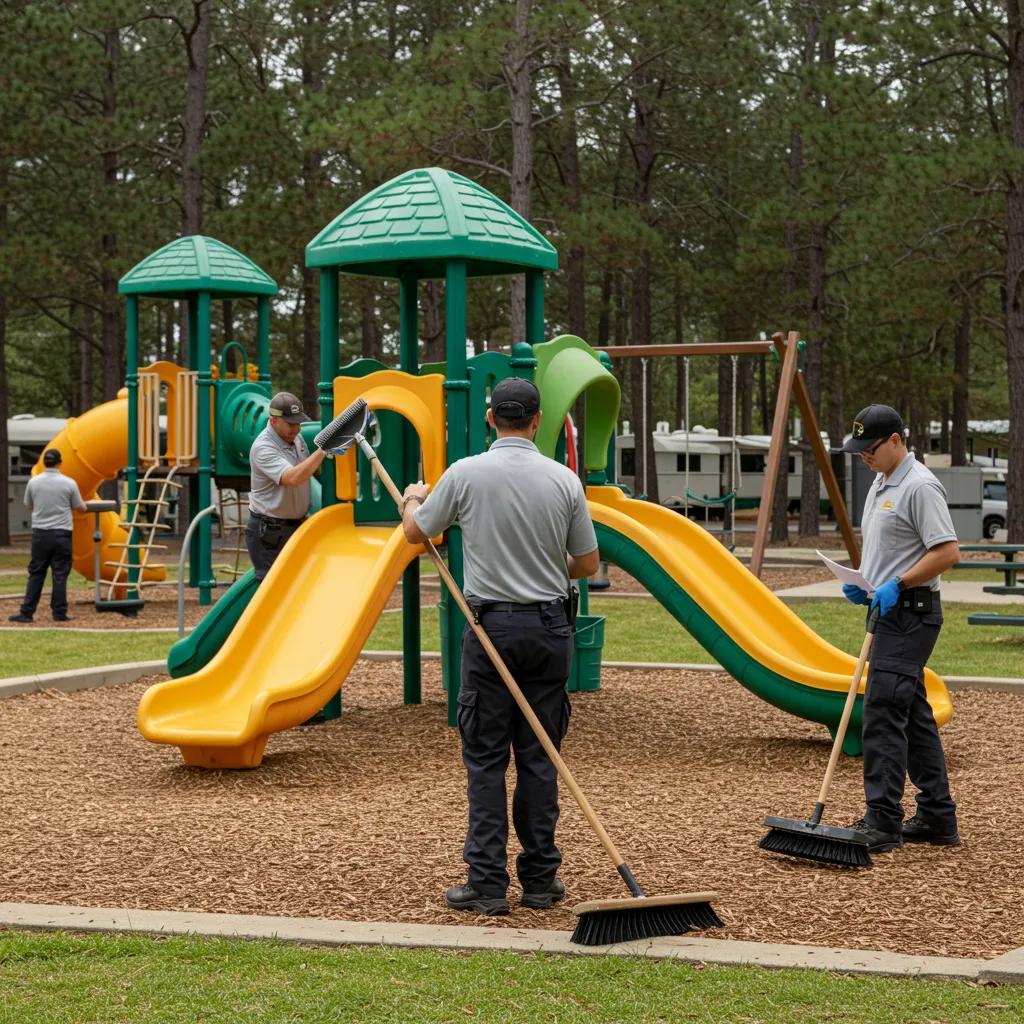
Routine safety inspections, landscape upkeep, prompt debris removal, and mechanical checks for rental equipment keep grounds and amenities safe and operational for guests. Inspection cadences typically include daily visual rounds, weekly detailed inspections for play structures, and monthly or seasonal checks for mechanical systems and drainage. Proactive fixes—tightening hardware, treating slippery surfaces, and trimming overgrowth—reduce injury risk and extend equipment life. Implementing checklists and documenting completed tasks ensure continuity across staff shifts and make it easier to prioritize repairs.
How Is Water Safety and Sanitation Ensured at Campgrounds?
Water safety is ensured through regular testing for bacteria and pH, clear swimmer advisories, and treatment protocols for potable supplies to protect guest health and prevent waterborne illness.
Testing frequency commonly includes weekly or seasonal checks for swimming lakes and frequent monitoring for potable hookups, with results guiding advisories and remediation steps.
Clear signage and temporary closures when tests indicate elevated risk protect public health, while treatment options range from filtration to targeted disinfection when needed.
The table below outlines common water tests and recommended frequencies to help campers understand what to expect.
Consistent testing and transparent advisories allow guests to make informed decisions about swimming and drinking water safety.
How Do Campgrounds Educate Guests on Hygiene and Cleanliness?
Campgrounds educate guests using signage, check-in materials, and staff communication to align visitor behavior with sanitation goals and Leave No Trace principles. Education works by setting expectations—proper waste handling, food storage, and restroom etiquette—so guests actively support campground cleanliness and reduce staff burden. Below is a list of essential guest guidelines that campgrounds should present to visitors during check-in and through onsite signage.
Essential guest guidelines help visitors maintain clean campsites and reduce health risks.
- Dispose Trash Properly: Use designated receptacles and follow sorting instructions to minimize wildlife attractants and reduce litter hazards.
- Store Food Securely: Keep food in sealed containers or lockers to prevent wildlife interactions and contamination of common areas.
- Use Restrooms Respectfully: Report issues promptly, use provided supplies, and leave facilities as you found them to support quick turnover.
What Are Essential Guest Guidelines for Maintaining Clean Campsites?
Essential guidelines center on responsible waste handling, food storage, minimizing surface contamination, and reporting hazards so campsites remain sanitary and wildlife-safe. Practical measures include carrying out what you carry in, using provided trash and recycling receptacles, storing food off the ground or in lockers, and cleaning cooking surfaces after use. Educating guests at check-in and via clear signage increases compliance and reduces the number of sanitation incidents staff must correct. When guests follow these rules, the campground’s overall cleanliness is easier to sustain between scheduled maintenance actions.
How Can Campers Contribute to a Hygienic Environment?
Campers contribute by bringing basic supplies like hand sanitizer and biodegradable soap, following posted disposal instructions, and promptly reporting spills or facility issues to staff so problems are addressed quickly. Small actions—wiping picnic tables after use, bagging and securing trash, and using restroom sinks for handwashing—have outsized effects on communal hygiene. Clear communication channels that make reporting easy encourage camper participation in cleanliness efforts and speed corrective maintenance. This cooperative approach reduces health risks and supports the campground’s ability to maintain consistent sanitation standards.
What Do Campground Staff Do to Ensure Ongoing Cleanliness and Maintenance?
Staff ensure ongoing cleanliness through targeted training, preventive maintenance schedules, and responsive feedback loops that turn guest reports into prioritized action items. Training equips staff with sanitation procedures, safe chemical handling, and guest communication skills, while preventive schedules create predictable maintenance cadences for bathhouses, playgrounds, and mechanical systems. Feedback loops use on-site reports and reviews to surface recurring issues and guide operational improvements, producing measurable sanitation outcomes and higher guest trust.
How Are Staff Trained in Sanitation and Maintenance Protocols?
Staff training covers routine cleaning procedures, correct use of EPA-approved disinfectants, safe PPE usage, guest interaction protocols, and documentation practices such as checklists and logs to ensure consistent execution and accountability. Initial onboarding focuses on practical cleaning steps and hazard recognition, while ongoing refreshers address seasonal changes and incident response. Training that emphasizes both sanitation technique and clear guest communication helps resolve issues quickly and maintain confidence in facility standards. Regular documentation of these schedules and visible signs of recent cleaning help guests verify that sanitation standards are being met.
What Preventive Maintenance Schedules Are Followed?
Preventive maintenance schedules combine daily cleaning with weekly safety inspections and seasonal overhauls to keep systems functioning and surfaces sanitary. Schedules are adjusted upward during peak occupancy. Typical cadences include daily restroom rounds, weekly playground hardware checks, monthly mechanical inspections, and seasonal plumbing or drainage reviews that prevent breakdowns. Documentation via checklists and digital logs tracks completed tasks and triggers repairs before minor issues escalate. This structured approach reduces emergency repairs and sustains reliable campground cleanliness.
How Is Guest Feedback Used to Improve Facility Cleanliness?
Guest feedback is triaged through on-site reports, review monitoring, and digital forms to identify urgent issues and long-term patterns that inform maintenance priorities and staff training. Rapid response protocols address immediate hazards while trend analysis of reviews and reports guides investments such as bathhouse renovations or increased cleaning cadence. Closing the loop—informing guests that their report led to a fix—builds trust and encourages ongoing communication. When operators treat feedback as actionable data, campground cleanliness improves continuously and predictably.
Walnut Hills Family Campground (operated by GatherGrounds Resorts) in Durand, Michigan emphasizes clean, renovated bathrooms and transparent maintenance. That operational transparency helps families book with confidence. Prospective visitors can review the campground’s amenities and reservation details on its campground page.
Frequently Asked Questions
What should I look for in campground reviews regarding cleanliness?
When reading campground reviews, focus on specific mentions of cleanliness, particularly regarding restrooms and showers. Look for consistent feedback about the condition of these facilities, as well as any photos that support claims. Pay attention to patterns; multiple recent positive comments about cleanliness are more reliable than a single outdated complaint. Additionally, consider how management responds to reviews, as prompt and constructive replies indicate a commitment to maintaining high cleanliness standards.
How can I ensure the campground I choose is family-friendly?
To ensure a campground is family-friendly, look for amenities that cater to children, such as playgrounds, swimming areas, and organized activities. Check for safety features like well-maintained facilities and clear signage. Additionally, read reviews from other families to gauge their experiences. A campground that emphasizes cleanliness and has visible staff presence often indicates a commitment to providing a safe and enjoyable environment for families.
What are the signs of a well-maintained campground?
Signs of a well-maintained campground include clean and stocked restrooms, visible staff performing maintenance tasks, and well-kept grounds free of debris. Look for recent renovations or upgrades in facilities, as these often reflect ongoing investment in maintenance. Additionally, check for clear signage regarding hygiene practices and waste disposal, as this indicates a proactive approach to cleanliness and guest education.
How do campgrounds handle waste disposal and recycling?
Campgrounds typically provide designated waste and recycling receptacles to encourage proper disposal. Look for clear signage that outlines what can be recycled and how to dispose of trash correctly. Many campgrounds also implement regular waste collection schedules, especially during peak seasons, to prevent overflow and maintain cleanliness. Educating guests on proper disposal methods is crucial for minimizing wildlife interactions and keeping the environment clean.
What role does staff training play in campground cleanliness?
Staff training is vital for maintaining campground cleanliness as it equips employees with the knowledge and skills to follow sanitation protocols effectively. Training includes proper cleaning techniques, safe chemical handling, and guest interaction strategies. Regular refreshers ensure that staff stay updated on best practices and seasonal changes. Well-trained staff can quickly address issues, maintain high standards, and foster a culture of cleanliness throughout the campground.
How can I assess water quality at a campground?
To assess water quality at a campground, inquire about their testing protocols for both potable and recreational water sources. Campgrounds should conduct regular tests for bacteria and pH levels, especially during peak usage times. Look for clear signage that communicates water safety advisories and any recent test results. A campground that prioritizes water quality will be transparent about their testing frequency and results, ensuring guest safety and confidence.
What are the best practices for campers to maintain cleanliness?
Campers can maintain cleanliness by following essential guidelines such as properly disposing of trash, securely storing food, and respecting restroom facilities. Bringing personal supplies like hand sanitizer and biodegradable soap can also help. Additionally, campers should report any issues they encounter to staff promptly. By practicing these habits, campers contribute to a hygienic environment, making it easier for the campground to uphold cleanliness standards.
Conclusion
Ensuring campground cleanliness and maintenance is essential for a safe and enjoyable outdoor experience, as it directly impacts guest health and comfort. By understanding key standards and practices, campers can make informed decisions that prioritize hygiene and safety during their stay. We encourage you to explore campgrounds that demonstrate transparency in their cleaning protocols and facilities. Discover your next adventure by checking out our curated list of top-rated campgrounds today.