Exploring Campsite Options: A Guide to Preferences and Budgets in Camping Experiences
Picking the perfect campsite is all about finding that sweet spot between what you love, who’s coming along, and what fits your budget, all while knowing each type of stay offers its own unique vibe. This guide breaks down how RV sites, tent camping, and cabin rentals stack up when it comes to comfort, cost, and what works best for families, whether you’re here for a quick weekend escape or a longer adventure. You’ll get the lowdown on the real differences between roughing it in a primitive tent spot versus having more amenities at a developed one, the perks of full hookups and specific AMP options for your RV, and when a cozy cabin just makes more sense for the whole crew. We know it can be tough to figure out how campsite features translate into actual savings or the right kind of fun, so this article cuts through the confusion by pairing your decision-makers with practical planning tips. We’ll cover what’s available right here at Walnut Hills Family Campground as examples, how your personal preferences steer the ship, smart ways to plan on a budget, the amenities that really add value, and the steps to book and prep for a smooth trip. Along the way, you’ll find handy comparison lists, checklists to help you decide, and easy-to-scan tables to make booking a breeze for family trips, group getaways, or solo adventures.
What Types of Campsites Are Available at Walnut Hills Family Campground?
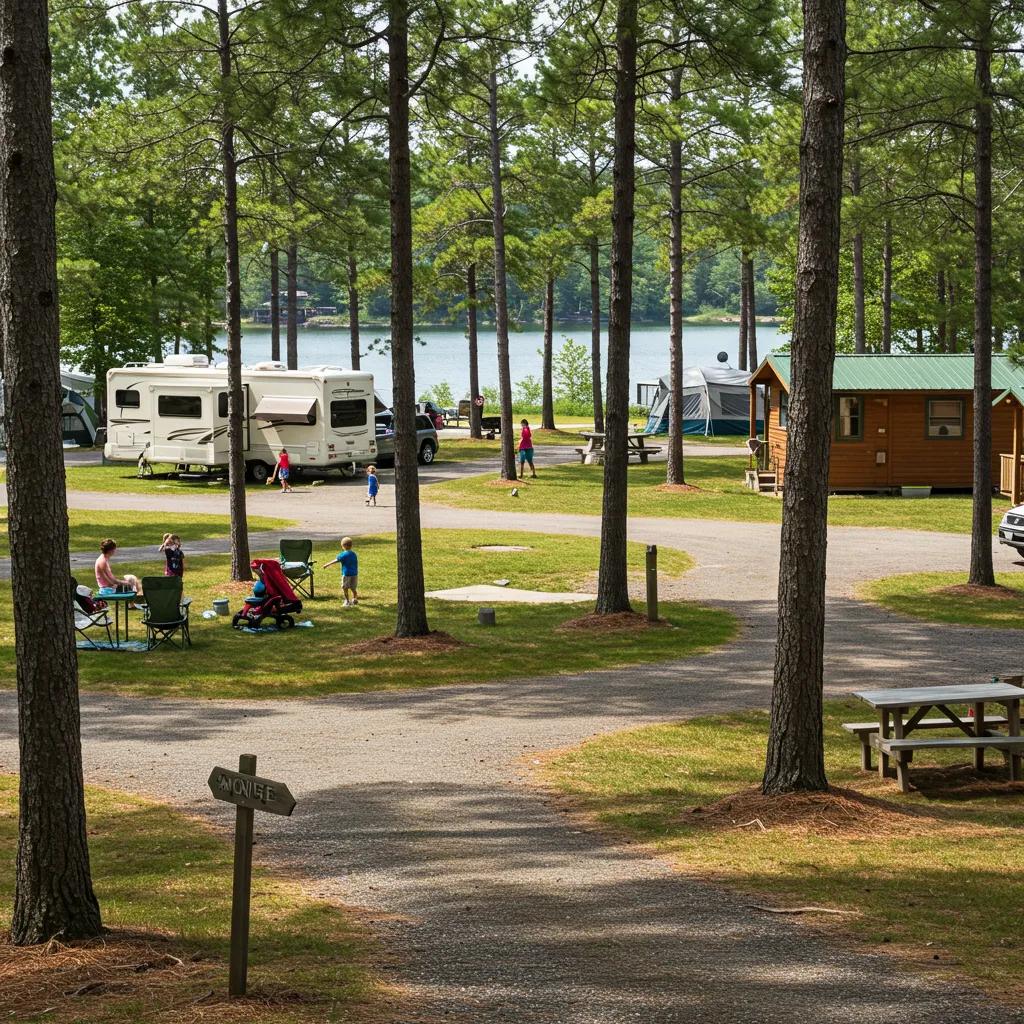
Each campsite type brings its own blend of comfort, cost, and convenience, and your choice really hinges on whether you’re leaning towards easy travel, a truly rustic feel, or amenities that feel like home. RV sites come equipped with hookups and space that cut down on setup time and keep families comfortable, tent camping is your go-to for a low-cost, deeply immersive outdoor experience for those who crave being close to nature, and cabin rentals offer a lodging option with beds and basic kitchen facilities for when you want fewer moving parts. This section sums up the main differences and the practical perks each option offers, so you can easily match a campsite type to your needs and budget. The table below gives you a quick rundown of key features and typical price points to help you weigh the trade-offs before you book.
This quick comparison shows how hookups, beds, and campsite facilities align with price sensitivity and convenience.
This table highlights how choosing a campsite balances amenity needs against price and convenience, guiding the next step: exploring each option in more detail.
How Does Tent Camping Offer Rustic and Affordable Experiences?

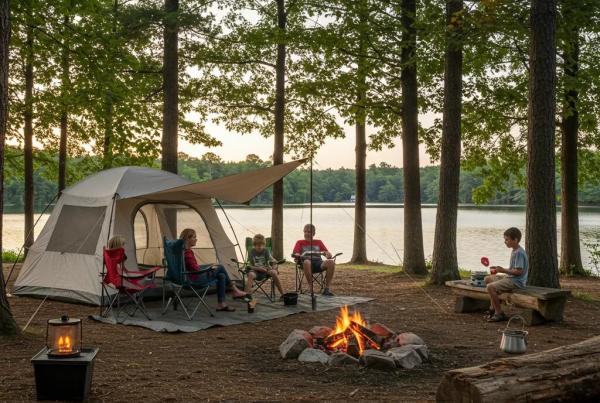
Tent camping puts you right in the heart of the great outdoors by keeping things simple and offering lower nightly rates, making it a fantastic choice for budget-savvy campers and those who love a rustic vibe. Primitive tent sites focus on the basics—expect fewer amenities like running water—while developed tent sites offer conveniences such as a picnic table and easy access to restrooms for added family comfort. Tent camping is a budget-friendly way to camp and offers great flexibility, and choosing a developed tent site can be the perfect blend of affordability and basic comforts for kids and older adults. Understanding these differences helps families decide if they’re happy with minimal amenities for cost savings or if a developed tent area offers the right balance to make their trip smoother.
What Amenities Make RV Camping Comfortable and Convenient?
RV camping is all about those essential utility features that make traveling easier and your stay more comfortable, with full hookups providing water, electricity, and sewer connections that are perfect for longer stays and family needs. Terms like 30 AMP sites and 50 AMP sites refer to the electrical power your RV needs, and whether the site is pull-through or back-in affects how easy it is to maneuver larger rigs. RV sites simplify setup and offer built-in infrastructure, which means less daily upkeep and reliable power for your appliances and air conditioning. When planning, be sure to confirm your RV’s length and AMP requirements to match the site specifications, ensuring your campsite functions seamlessly as your home away from home.
Why Choose Cabin Rentals for Family Comfort and Convenience?
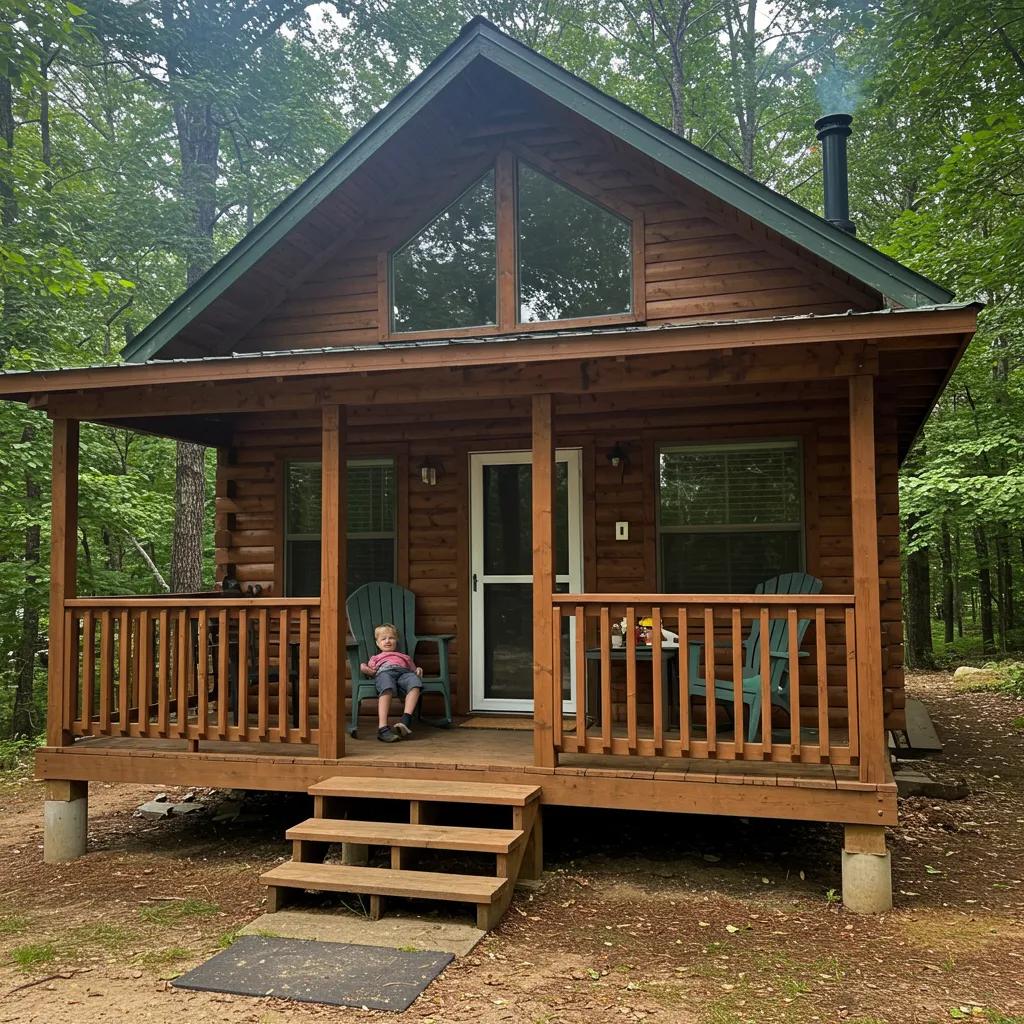
Cabin rentals provide a lodging option that beautifully combines indoor comforts with easy access to the outdoors, making them a superb choice for families, groups, or campers who value convenience over wrestling with camping gear. Cabin types range from simple shelters with basic sleeping arrangements to more elaborate options featuring kitchenettes and private bathrooms; these features (kitchenette, private bathroom, beds) are key differences compared to tent or RV stays. Opting for a cabin means less packing hassle, more privacy, and reliable climate control, which can be a lifesaver for families with young children or for longer trips. When comfort and minimal setup are top priorities, cabins offer a solid base that supports family routines and simplifies meal planning.
How Do Camping Preferences Influence Your Choice Between RV, Tent, and Cabin?
Your preferences—like how much comfort you’re after, your budget, how many people are in your group, and the kind of outdoor adventure you’re seeking—are clear indicators of which accommodation type will work best, and mapping those preferences makes the decision process much simpler. Campers who prioritize comfort often lean towards cabins or RV sites with full hookups because they minimize setup and offer climate control and actual beds. Budget-conscious campers usually find their match in primitive or developed tent sites to keep nightly costs down, while groups often prefer larger RV sites or multiple cabins to stay close and coordinate easily. Below, you’ll find a quick comparison list and a decision checklist to help you translate your preferences into the right campsite selection.
Use this checklist to match priority to campsite type.
- Prioritize Comfort: Choose cabin rentals or spacious RV sites with full hookups for minimal logistics.
- Prioritize Budget: Opt for developed or primitive tent sites that reduce nightly rates and equipment needs.
- Prioritize Group Size: Select multiple adjacent sites, a large pull-through RV site, or several cabins to keep group logistics simple.
This checklist helps you narrow down your options quickly and leads into specific scenario recommendations to help families, groups, and solo campers find their perfect fit.
What Are the Key Differences Between RV, Tent, and Cabin Camping?
The fundamental differences lie in the amenities available at the site, the setup and mobility involved, and the overall cost structure, all of which contribute to the effort-versus-comfort ratio for each option. RV sites offer utility features—full hookups, electricity, and sewer—that power appliances and climate control, making them a higher-cost but low-effort choice. Tent camping emphasizes portability and low cost, with logistics focused on setting up shelter and managing your personal camping gear, while cabin rentals provide fixed infrastructure like beds and kitchenettes, shifting the experience more towards lodging than traditional camping. Understanding these distinctions makes it easier to estimate budgets and plan your packing list for any trip.
Which Campsite Types Are Best for Families, Groups, or Solo Campers?
Matching the type of camper to the strengths of each campsite type leads to better experiences: families often need reliable amenities and space, groups require easy coordination and proximity, and solo campers usually value economy and flexibility. Families will find cabin rentals or spacious RV sites particularly beneficial, offering private bathrooms, beds, and convenient access to family-friendly facilities. Groups should consider booking adjacent RV sites or multiple cabins to keep communal activities and schedules running smoothly. Solo campers often opt for tent sites or smaller RV spots to keep costs low and maintain flexibility, allowing for easy exploration and less reservation overhead.
How Can You Plan an Affordable Camping Trip at Walnut Hills in Michigan?
Planning an affordable camping trip comes down to timing, smart site selection, and bundling activities to get the most value for your money, and applying these principles consistently leads to savings without sacrificing the experience. Seasonality plays a big role in nightly rates—visiting during off-peak times generally means lower costs—while choosing developed tent sites or taking advantage of seasonal RV site discounts can often reduce the per-night expense. Practical cost-saving tactics include booking for multiple nights, looking into group discounts for shared stays, and prioritizing sites with included amenities to avoid extra rental fees. The table below lists common seasonal offers and practical savings tips to help you plan an economical trip.
This table summarizes offers, eligibility windows, and saving tips for budget planning.
These offers illustrate how choosing the right site type and timing can reduce overall trip expenses and improve value for families or groups.
What Are the Seasonal Rates and Special Offers for Campsites?
Seasonal rate patterns naturally follow demand, with weekends and summer holidays typically commanding higher prices, while weekdays and shoulder seasons offer lower rates and more availability. Booking early for popular periods secures your preferred site types—like spacious RV sites or comfortable cabin rentals—while last-minute deals might pop up during off-peak times but come with some risk during peak season. To get the best value, align your dates with off-peak periods and consider site types like developed tent sites or seasonal RV site options that focus on lower nightly costs. These timing strategies allow you to leverage predictable demand patterns for tangible savings.
How to Maximize Value with Budget-Friendly Camping Packages?
Maximizing value means bundling your site choice with included or low-cost activities and taking advantage of multi-night or group pricing to lower the per-person expense, which also tends to enhance the overall experience. Whenever possible, select sites that minimize the need for outside rentals—sites close to amenities reduce travel time and incidental costs—and coordinate shared meals and gear for groups to cut down on equipment expenses. Use package strategies like combining a weekend stay with included lake access or group playground scheduling to boost family enjoyment without significant extra costs. Smart bundling and shared logistics can transform modest budgets into high-value trips.
What Amenities and Activities Enhance Your Camping Experience at Walnut Hills?
The amenities and on-site activities available often make or break a campsite’s suitability for family needs and can influence where you choose to stay, so mapping these amenities to your group’s needs really clarifies your site selection. Features like water attractions, playgrounds, and pet-friendly areas cater to diverse groups, and knowing which amenities are best for kids, dogs, or water-sport enthusiasts helps you decide where to book. The table below matches key amenities with who they’re best for and why, helping you align your campsite choice with the activities that matter most to your group.
This amenity map shows who benefits most from each feature and why.
This mapping helps campers prioritize site placement based on who is in their group and which activities will add the most value to the stay.
How Does the Wibit Water Park and Swimming Lake Add Family Fun?
The Wibit water park and swimming lake work together to create a central hub for family fun by offering both structured aquatic play and open-water relaxation, which in turn can influence campsite choices for easy access. Families often prefer sites located near the lake for shorter walks to water activities, and parents appreciate being able to keep an eye on children with good visibility and proximity. Considering safety and age appropriateness, it’s a good idea to plan activity blocks and choose developed tent sites or nearby cabin rentals to minimize travel time to the lake. Positioning your campsite strategically relative to water amenities ensures you get the most family time with the least logistical hassle.
What Outdoor Recreation Options Are Available, Including Canoeing and Playgrounds?
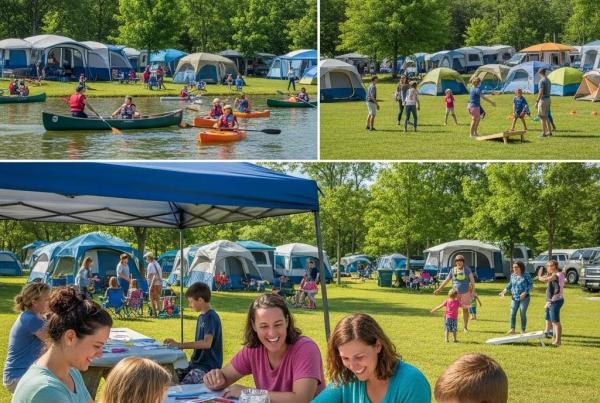
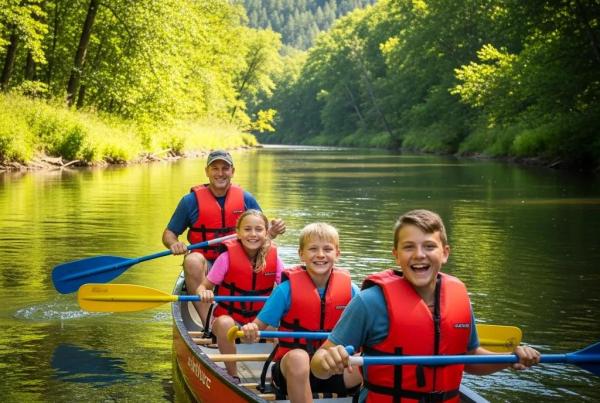
The range of on-site and nearby recreation options, such as canoeing on the Shiawassee River and playgrounds, broadens your activity choices and can influence which campsite type is the best fit for your group. Canoe livery services provide river access and rentals perfect for day trips, while playgrounds offer easy, scheduled entertainment for children; both options reduce the need for extra gear and add significant value. Choose site types that balance storage needs with easy access—spacious RV sites and cabin rentals offer dry storage and smoother transitions to activity areas. Thinking through these recreational logistics helps campers plan their daily schedules and pack appropriately.
How Do You Reserve Your Ideal Campsite and Prepare for Your Stay?
The reservation and preparation process follows a straightforward sequence: first, identify the campsite type that best suits your needs, then check availability for your chosen dates, provide the necessary site specifications, and finally, prepare your gear and logistics for arrival. For RV sites, be sure to note your RV’s length and the required AMP level; for tent sites, decide between primitive or developed options; and for cabin rentals, confirm the occupancy and amenity tier. Walnut Hills Family Campground prides itself on a friendly, no-wait check-in process and supports online reservations through its booking portal, making it simple to secure the right site type for families and groups. The step-by-step guidance below is designed to help both first-time and returning campers book their stay and prepare efficiently.
Use this numbered sequence to reserve and prepare for a stay.
- Choose a campsite type based on comfort, budget, and group needs (RV site, tent site, or cabin rental).
- Confirm requirements such as RV length, AMP level, and family occupancy to match site specifications.
- Book dates and site through the campground’s reservation system and note any seasonal offer eligibility.
- Prepare gear and logistics—pack essentials, plan meals, and review amenity schedules for lake or canoe access.
This stepwise approach turns planning into predictable actions and leads into practical arrival and check-in tips for first-time visitors.
What Is the Online Reservation Process for RV, Tent, and Cabin Sites?
To reserve a site, you’ll typically need to select your dates, choose a site type, and enter essential details like your RV’s length or the number of guests so the system can match your needs with available inventory. For RV sites, specify your RV’s dimensions and desired hookup (30 AMP or 50 AMP) to ensure compatibility; for tent sites, indicate your preference for primitive or developed areas; and for cabin rentals, include the expected number of occupants to select the appropriate cabin tier. The reservation flow then confirms the site’s amenities and any applicable seasonal offers or discounts, and having these details documented can prevent confusion upon arrival. Always double-check your reservation confirmations and arrival instructions to make check-in as smooth as possible.
What Should First-Time Campers Know About Check-In and Seasonal Availability?
First-time campers should expect a straightforward arrival process: verify your reservation details, arrive within the recommended check-in windows, and follow the posted campground rules regarding quiet hours, pets, and amenity usage to ensure a safe and respectful experience for everyone. Walnut Hills Family Campground’s efficient, no-wait check-in system means less time at the front desk and quicker access to your reserved site, and keep in mind that seasonal availability can change rapidly during peak periods, so booking early is always a good idea. Pack a checklist of essentials—sleeping gear, cooking supplies, safety items—and confirm access to on-site amenities like the Wibit water park and canoe livery to make the most of your trip. Proper preparation minimizes surprises and maximizes enjoyment for every type of group.
Frequently Asked Questions
What should I consider when choosing between tent camping and RV camping?
When deciding between tent camping and RV camping, consider factors such as comfort, mobility, and budget. Tent camping offers a more immersive outdoor experience and is generally more affordable, but it requires more setup and may lack amenities. RV camping, on the other hand, provides greater comfort with full hookups and climate control, making it ideal for families or those seeking convenience. Evaluate your group’s needs, the duration of your stay, and the level of outdoor experience you desire to make the best choice.
Are there any specific packing tips for first-time campers?
First-time campers should focus on packing essentials that enhance comfort and convenience. Start with a checklist that includes sleeping gear (sleeping bags, tents), cooking supplies (portable stove, utensils), and safety items (first aid kit, flashlight). Don’t forget personal items like clothing suitable for the weather, toiletries, and food. Additionally, consider packing items that can enhance your experience, such as games or outdoor gear. Preparing a detailed packing list helps ensure you have everything needed for a smooth camping trip.
How can I ensure a smooth check-in process at the campground?
To ensure a smooth check-in process at the campground, verify your reservation details before arrival, including dates and site type. Arrive during the designated check-in hours to avoid delays. Familiarize yourself with campground rules regarding pets, quiet hours, and amenity usage to ensure compliance. Having your reservation confirmation handy can expedite the process. Additionally, consider preparing any necessary documentation or identification in advance to streamline your check-in experience.
What activities are available for children at Walnut Hills Family Campground?
Walnut Hills Family Campground offers a variety of activities for children, ensuring a fun and engaging experience. Kids can enjoy the Wibit water park, which provides active water play, and the swimming lake for relaxation and swimming. Playgrounds are available for safe outdoor play, allowing children to burn off energy while parents relax. Additionally, organized activities and nature exploration opportunities can enhance their camping experience, making it enjoyable for the whole family.
What are the benefits of booking a campsite during the off-peak season?
Booking a campsite during the off-peak season offers several benefits, including lower rates and better availability. Campgrounds often provide discounts for off-peak stays, allowing you to save money while enjoying the same amenities. Additionally, visiting during less busy times means fewer crowds, leading to a more peaceful and enjoyable experience. You can also take advantage of more personalized service and have greater flexibility in choosing your preferred campsite type.
How can I make the most of my camping budget?
To maximize your camping budget, consider several strategies. First, choose off-peak dates for lower rates and look for seasonal discounts on campsites. Opt for developed tent sites or shared accommodations to reduce costs. Additionally, plan meals in advance to avoid expensive dining options and consider group bookings to take advantage of shared costs. Engaging in free or low-cost activities, such as hiking or swimming, can also enhance your experience without straining your budget.
Conclusion
Choosing the right campsite is key to making your outdoor experience truly memorable by aligning your personal preferences, budget, and comfort needs with the available options. Understanding the distinct differences between RV sites, tent camping, and cabin rentals empowers you to make informed decisions that perfectly suit your group’s needs. By exploring the amenities and planning strategies outlined in this guide, you can maximize your camping adventure at Walnut Hills Family Campground. Start planning your ideal getaway today and discover the perfect campsite for your next adventure!