

Assessing Campground Safety and Security: Are Campgrounds Ideal for Families and Solo Adventurers?
Campground safety and security are all about having the right physical setups, smart operational plans, helpful staff, and guests doing their part to keep risks low and outdoor stays enjoyable for families and solo adventurers. This guide walks you through how campgrounds build safety with good lighting, controlled entry, emergency plans, supervised fun, and smart wildlife practices, so you can figure out if a campground is the right fit for your group. Many families worry about water safety, keeping an eye on kids, and getting medical help fast. Solo travelers, on the other hand, often focus on personal security, making sure their site is visible, and having reliable ways to communicate. This guide covers both with practical tips and steps you can take. You’ll discover the key security features to look for, essential tips for family camping, smart practices for solo adventurers, common features you’ll find in Michigan, and how campgrounds get ready for emergencies. The sections ahead break these topics down into easy-to-use checklists, comparison charts of on-site features, and clear advice to help you choose your next booking. We’ll cover keywords like safe family camping Michigan, solo camping safety tips, campground security features, and campground emergency protocols to help you book with confidence.
What Makes Campgrounds Safe and Secure for Families and Solo Travelers?
Campground safety and security mean having protective measures—both physical features and planned procedures—that prevent problems and ensure quick help when issues do arise. These elements work by discouraging unwanted visitors, reducing environmental dangers, and making sure trained staff and systems are ready to handle incidents. This boosts guest confidence and cuts down on injuries. Understanding these parts helps families pinpoint child-friendly features, while solo travelers can focus on personal visibility and communication tools. The next few paragraphs list specific features to check and show how real campground amenities can lead to safer stays for everyone.
Which Safety Features Should Families and Solo Adventurers Look For?
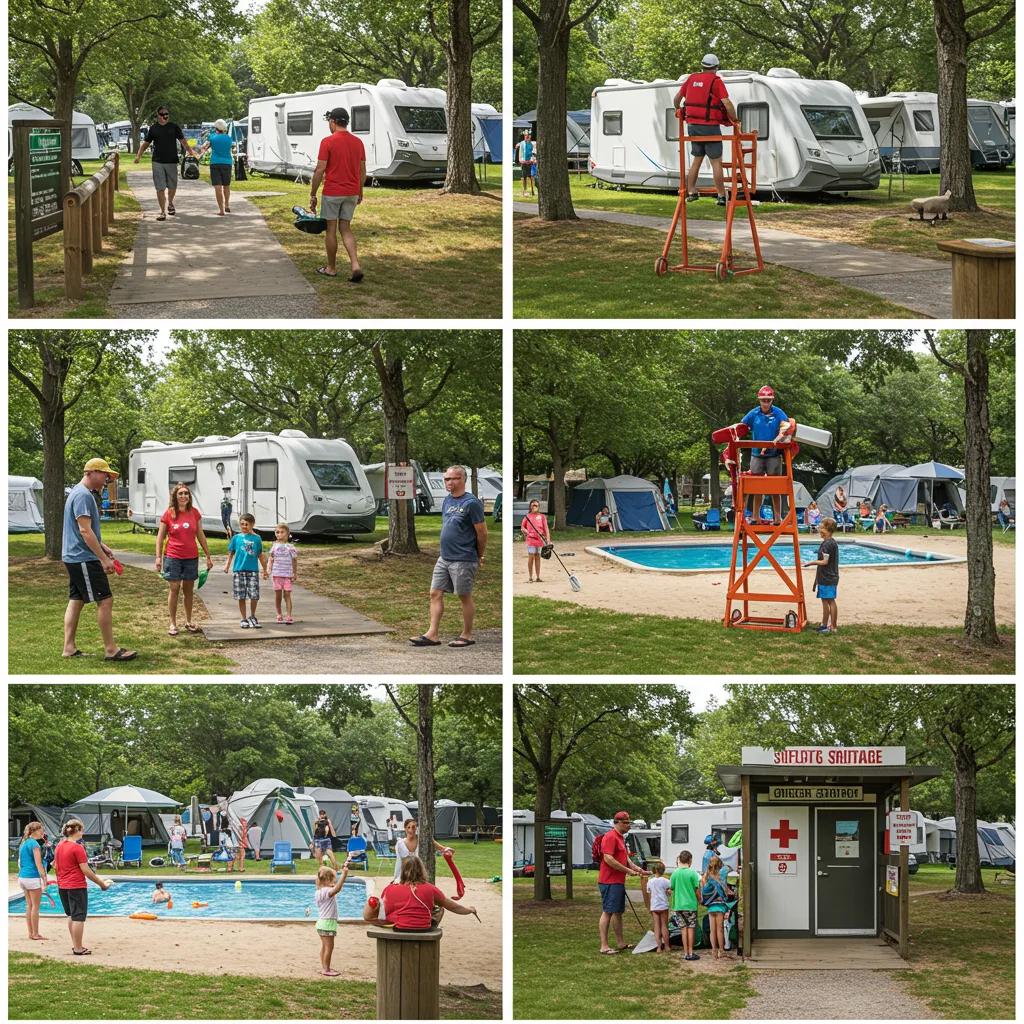
A handy checklist helps campers confirm safety before they book and when they arrive. Look for access control, good lighting, staff on-site, lifeguards, and first-aid availability as key signs. These features help reduce risks from opportunistic situations, improve supervision for children, and speed up medical help when it’s needed. To check out a site, review the official facility descriptions, recent guest feedback, and posted campground rules about visitor check-ins and activity supervision. Confirming these details before you arrive gives families and solo travelers peace of mind and fewer surprises once you’re there.
- Look for controlled access or visitor registration to limit unauthorized vehicles and guests.
- Confirm on-site lifeguards or supervised water features when planning aquatic activities.
- Check that first-aid stations, staff presence, and well-lit pathways are part of campground operations.
These checklist items translate into real safety benefits, like fewer unsupervised children near water and faster staff response during incidents.
How Do Campgrounds Ensure a Secure Environment?
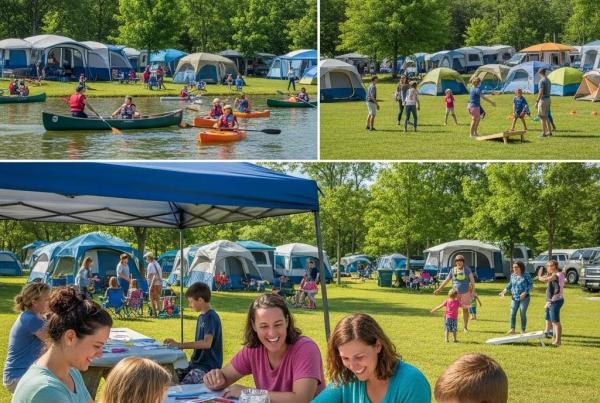
Campgrounds operate with family-focused amenities that contribute to an organized, supervised setting for guests of all ages. Their described features—like supervised water parks, well-kept facilities, multiple playgrounds, and a friendly community vibe—support safer experiences by keeping activities in monitored areas and reducing unsupervised wandering. Having staff present at activity zones and convenient services like quick check-in further ease congestion and uncertainty, which lowers the chance of accidents and improves response times when staff help is needed. These operational approaches show how campground amenities directly support safety while also boosting guest comfort.
Why Is Safety a Top Priority for Family and Solo Camping Experiences?
Safety is key to enjoyment because it cuts down on unexpected disruptions and lets families and solo travelers relax and focus on fun instead of worrying about risks. Families often prioritize child supervision, planned activities, and water safety, while solo adventurers tend to focus on visibility, secure campsite spots, and reliable ways to communicate. With travel trends shifting and more people traveling solo, campgrounds that clearly show their safety plans and have visible staff tend to get repeat business and build trust. Understanding these different priorities helps campers pick the right spot and ask the right questions before they arrive.
What Are Essential Safety Tips for Family Camping?
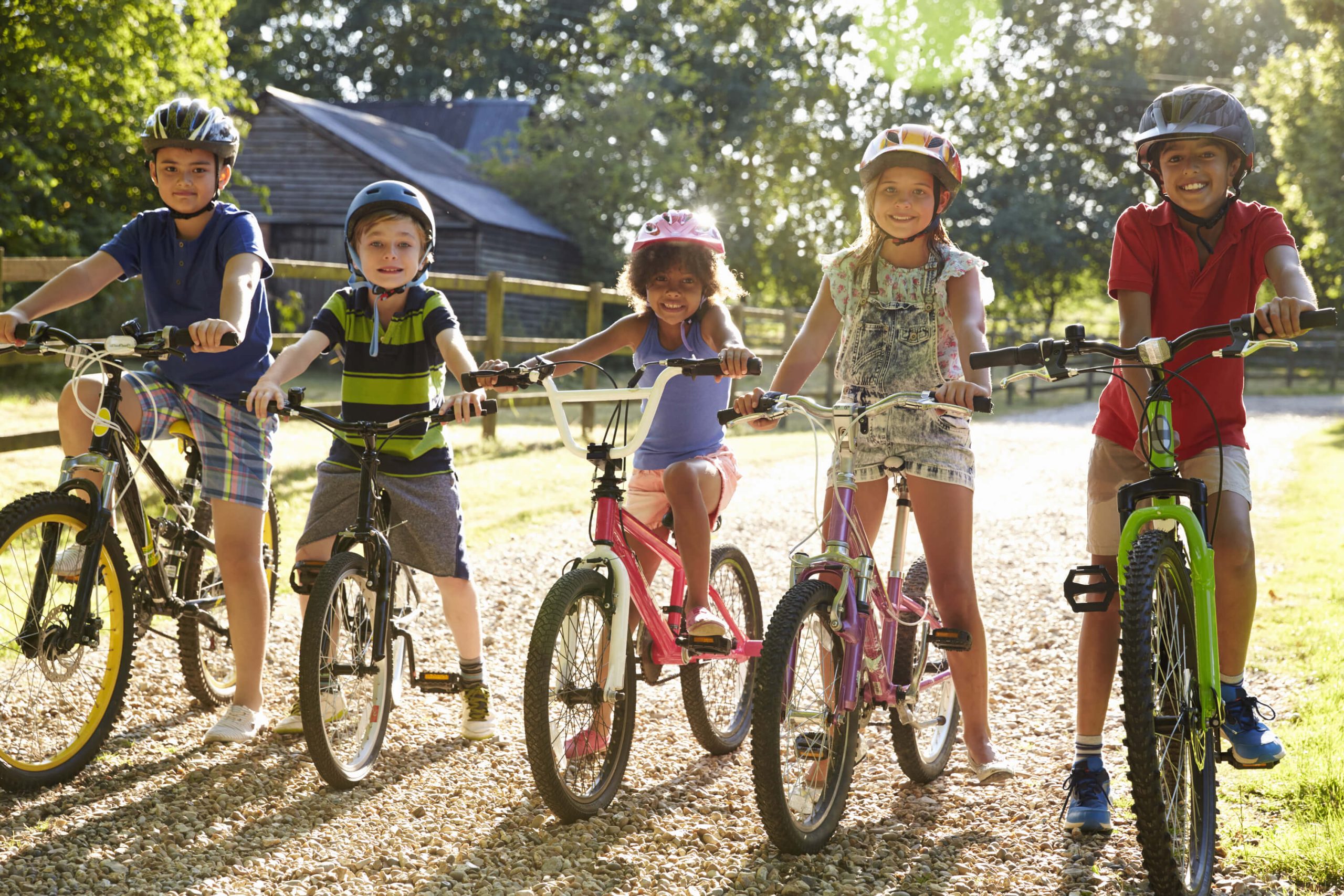
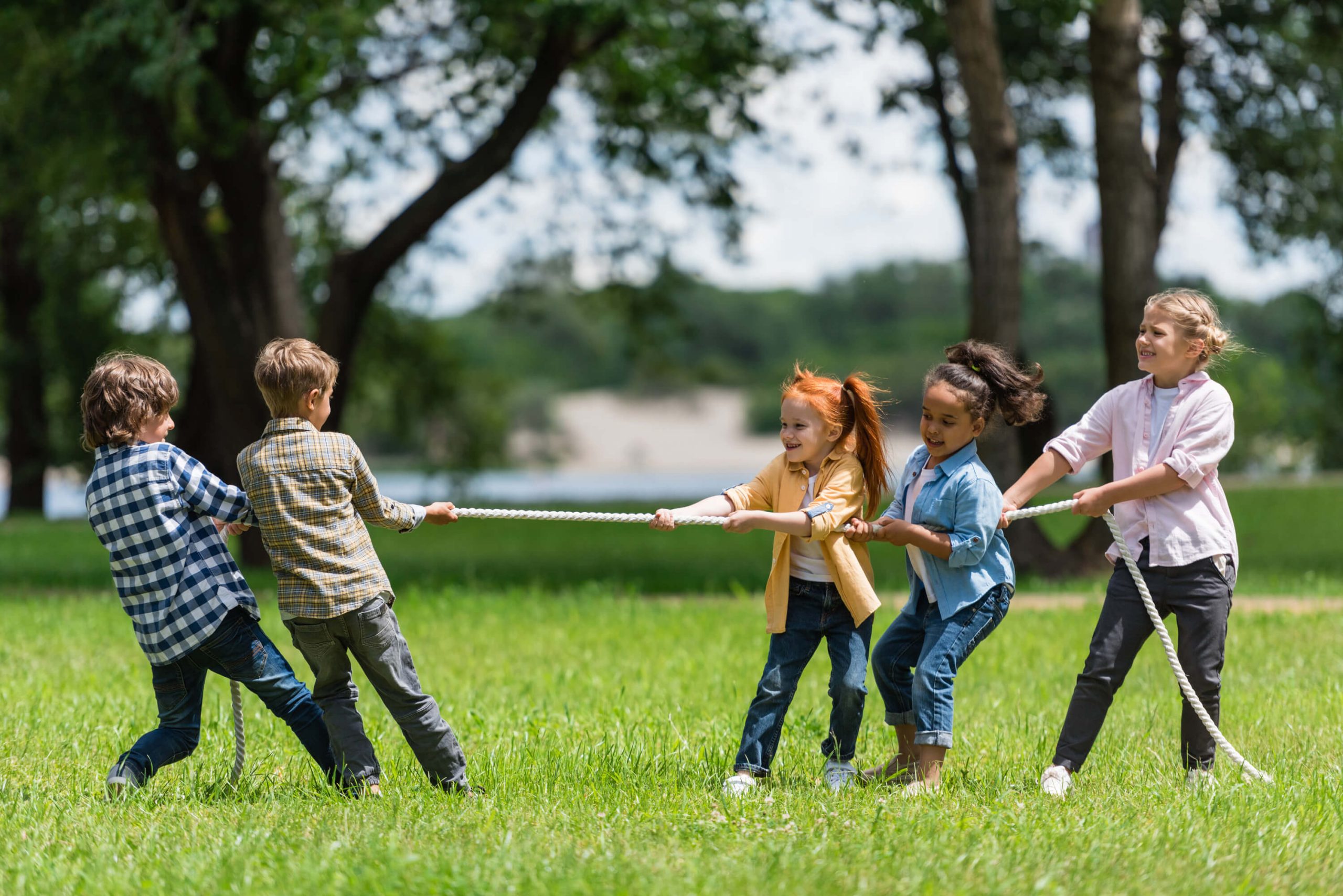
Family camping safety involves a mix of getting ready, keeping a close watch, and using simple systems to prevent common issues and be ready to act fast when needed. Parents should assign clear supervision duties, always watch kids near water, follow fire and food storage rules, and know where staff and first-aid are located. These actions help prevent drowning, avoid wildlife encounters caused by food left out, and reduce fire-related accidents that could affect many families. The checklist below organizes practical steps families can use before and during their stay.
Families can use this step-by-step safety checklist to prepare and respond effectively:
- Assign supervision roles: Designate adult responsibilities for specific children and activities at all times.
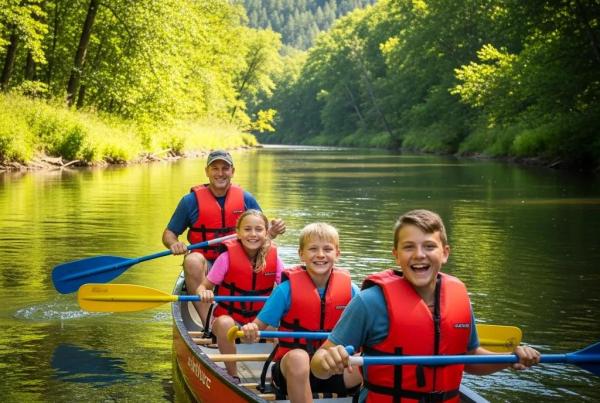
- Use lifejackets and swim zones: Require lifejackets for young children and swim only in posted areas with supervision.
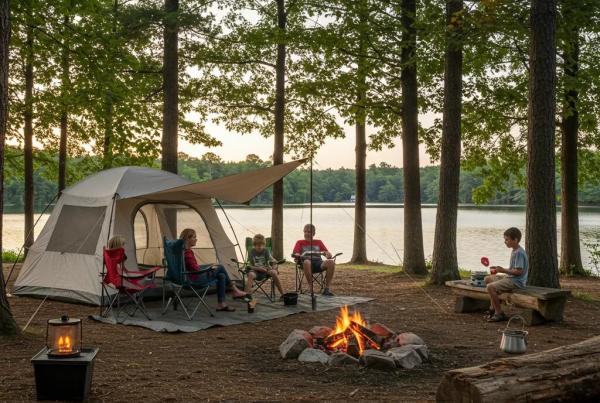
- Practice campfire safety: Keep fires contained, attended, and fully extinguished before sleeping or leaving the site.
- Secure food: Store food in designated lockers or vehicles to reduce wildlife attraction.
How Do Supervised Activities Enhance Kids’ Safety at Campgrounds?
Supervised activities keep children in monitored areas where trained staff can help prevent risky behavior and respond quickly if something happens. Supervision reduces instances of kids getting separated, limits unsupervised access to water, and offers structured play that discourages dangerous exploration. Parents should ask about staff-to-child ratios and activity schedules, and prefer campgrounds that share their supervision policies or have visible staff during busy times. Clear activity supervision policies make it easier for caregivers to enjoy their own time, trusting that their children are in safe, watched environments.
What Water Safety Guidelines Should Families Follow at Campgrounds?
Water safety means using the right gear, following rules, and having active adult supervision to prevent drowning and injuries around lakes, pools, and water parks. Always use lifejackets approved by the coast or state for children, swim only in marked areas, and check if water attractions are supervised before letting kids play without direct watch. Look for posted signs about water quality and depth, and encourage older children to use the buddy system to maintain constant visual contact. These precautions directly lower water risks and set clear expectations for family behavior.
Which Family Camping Rules Help Prevent Accidents and Emergencies?
A simple set of campsite rules helps reduce common hazards: keep a clear fire ring, maintain supervised play areas, store food safely, and set clear boundaries for children. Knowing where staff and first-aid supplies are and how to get help quickly speeds up the response when an incident occurs. Parents should go over basic emergency steps with children—like where to meet, who to tell, and how to use simple safety gear—to ensure calm, coordinated reactions. Consistent rules reduce confusion and make staff-led help more effective.
How Can Solo Adventurers Stay Safe While Camping Alone?
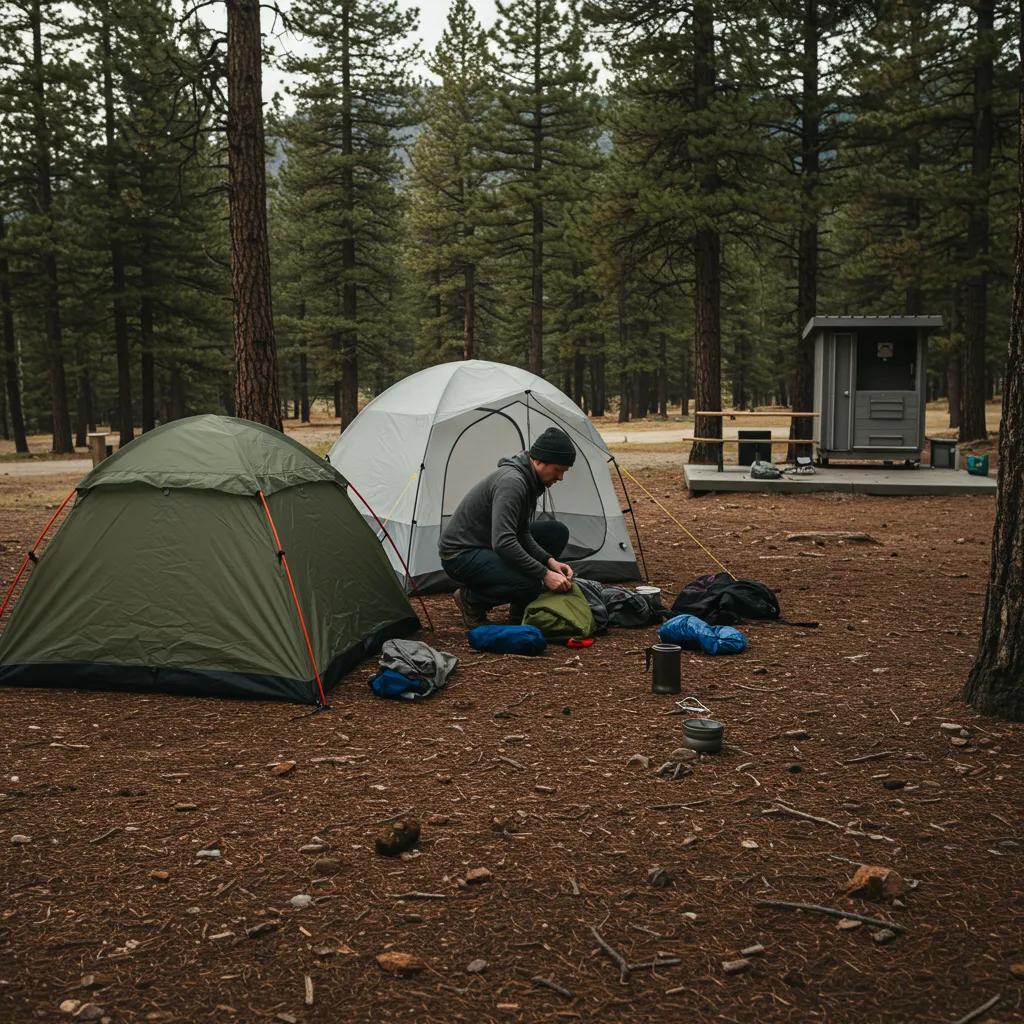
Solo adventurer safety involves carefully choosing your campsite, being prepared with communication tools, and connecting with the campground community to reduce the risks of isolation. Picking visible, central spots near staff or amenities increases natural oversight and shortens emergency response times. Being personally prepared—like sharing your travel plans, carrying communication devices, and securing valuables—lessens vulnerability and allows for quicker help when needed. The advice below helps solo campers balance their independence with smart precautions.
What Are the Best Practices for Choosing a Safe Campsite?
Choose sites with clear views, close proximity to facilities, and some foot traffic in the evenings to boost visibility and discourage opportunistic theft. Avoid remote back-in spots that are out of staff’s sight or at the far edge of the property, especially if you’re in a tent. Look for easy access routes for emergency vehicles and consider how close you are to restrooms and the office for quick help. These selection criteria lower personal risk and make it easier to get assistance when you need it.
How Can Solo Campers Maintain Personal Security and Awareness?
Personal security comes down to being prepared and using visible deterrents: share your itinerary with someone you trust, carry a charged phone or SOS device, and use locks on your vehicle or gear where possible. Stay aware of your surroundings by scanning the area when you arrive, keeping your camp tidy to avoid hiding spots, and using lighting to keep approaches visible at night. Practicing these habits reduces the chances of theft and improves your ability to get help quickly if a problem arises.
How Does Campground Community and Staff Support Enhance Solo Camper Safety?
Community areas and staff presence offer social monitoring and quick assistance that solo campers can use to their advantage for safety. Introducing yourself when you check in, asking staff about safety resources, and joining in on group activities increase your visibility and create informal support networks. Staff patrols and fellow campers act as extra eyes and ears, which can be incredibly helpful if you need assistance or notice anything suspicious. Engaging with the community turns solo travel into a supported experience without sacrificing your independence.
What Security Features Do Family-Friendly Campgrounds in Michigan Offer?
Family-friendly campgrounds in Michigan often combine physical access controls, lighting, surveillance, and trained staff to create layered security suitable for various outdoor settings. These elements work together by deterring unauthorized entry, improving nighttime navigation, and enabling quick staff response when incidents occur. Understanding how these features work in practice helps campers evaluate local sites and ask specific questions before booking. The table below compares common on-site security features and the benefits they provide for families and solo travelers.
How Do Gated Entries and Controlled Access Improve Campground Security?
Gated entries and visitor registration reduce opportunistic access by screening vehicles and people entering the site, which cuts down on theft and unauthorized use of facilities. Controlled access can also help with contact tracing and accountability when incidents happen, assisting staff and authorities in following up effectively. Visitors should be aware of guest policies and visitor hours and be ready to show ID if asked. These measures add a layer of protection while still allowing legitimate guest access.
Why Are Well-Lit Paths and Surveillance Important for Camper Safety?
Well-lit paths reduce trip-and-fall hazards and make people feel safer when families are moving between sites and facilities at night. Surveillance cameras serve both as a deterrent and for investigation, helping staff spot incidents sooner and gather evidence if needed. A balance is important to respect guest privacy while still providing safety benefits; campers should look for lighting that illuminates paths without shining directly into campsites. Good lighting and sensible surveillance together improve safety outcomes and guest confidence.
What Role Do On-Site Staff and Patrols Play in Maintaining Security?
On-site staff and patrols are the campground’s first responders, enforcing rules, helping with minor medical needs, and coordinating with emergency services for serious incidents. Regular patrols increase visible presence, discourage misconduct, and speed up the reporting of hazards like fallen branches or unsafe fires. Guests should note how to contact staff, where the office is located, and when patrols typically happen. A visible, responsive staff presence strengthens the overall safety network for all campers.
How Are Campgrounds Prepared for Emergencies to Protect Families and Solo Travelers?
Emergency preparedness at campgrounds involves monitoring systems, staff training, and clear communication channels to manage weather, medical, and lost-person incidents efficiently. Campgrounds typically keep an eye on local weather, have designated shelter areas, and train staff in first-aid and incident response to reduce the time between recognizing an issue and taking action. Guests benefit from understanding these systems and from carrying their own basic emergency supplies. The table below outlines common protocol types and expected actions during different emergencies.
What Weather Safety Protocols Are in Place at Campgrounds?
Weather protocols usually include monitoring local conditions, procedures for notifying guests, and designated shelter areas for high winds or severe storms. Staff issue alerts when forecasts predict severe weather and provide clear instructions for sheltering or evacuation to minimize injury risks. Families should ask where shelters are located and plan a quick route for children to reach safe areas. Understanding and practicing these steps reduces panic and speeds up coordinated responses.
How Are Medical Emergencies and Lost Person Situations Handled?
Campground staff typically provide immediate first aid, contact local EMS when necessary, and coordinate family communication during medical incidents. Lost-person situations follow a structured search plan led by staff. Guests should report incidents right away to the office and provide clear descriptions to speed up the response. Carrying basic first-aid supplies and noting any allergy or medical-alert information can improve outcomes. These procedures combine trained staff actions with guest cooperation for the quickest resolution.
What Communication Systems Support Campground Emergency Response?
Communication systems often include an office phone, staff radios, posted emergency instructions, and public-address systems to reach guests quickly. In areas with spotty cell service, campgrounds rely more on radios and pre-arranged meeting points; guests should prepare by saving posted contact numbers and sharing their plans with friends or family. Bringing backup communication devices and having agreed-upon meeting spots ensures you can be reached during critical moments. Clear communication channels link monitoring, staff actions, and guest behavior to create an effective emergency response network.
Frequently Asked Questions
What should I do if I feel unsafe at a campground?
If you ever feel unsafe at a campground, it’s important to trust your gut. First, take a look around and identify any potential dangers. If you feel uneasy, consider moving to a more populated area or a spot closer to staff. Let the campground staff know about your concerns, as they are trained to handle safety issues. Also, make sure your phone is charged for emergencies and know where the nearest exits and emergency contacts are.
Are campgrounds equipped for medical emergencies?
Yes, most campgrounds are ready to handle medical emergencies. They usually have trained staff on-site who can provide first aid and connect with local emergency services if needed. Campgrounds often have first-aid stations and clear procedures for different medical situations. It’s a good idea for campers to bring their own basic first-aid supplies and inform staff of any specific medical needs or allergies to ensure prompt help.
How can families prepare for wildlife encounters while camping?
To get ready for wildlife encounters, families should learn about the local animals and how they behave. Store food securely in designated lockers or vehicles to avoid attracting animals. Keep a safe distance from wildlife and never feed them. Also, teach children to recognize animal tracks and signs, and set clear rules for what to do if they see wildlife. Carrying bear spray in areas known for larger animals can also boost safety.
What are the benefits of participating in campground activities?
Joining in on campground activities offers many benefits, including better safety through supervision and community involvement. Organized activities often have staff watching over them, which reduces the risk of accidents. They also provide chances to connect with others, helping solo campers meet people and families bond. Participating in group activities can make the whole camping experience more enjoyable and memorable, while also building a sense of community.
How can solo campers find support in a campground setting?
Solo campers can find support at a campground by connecting with staff and other campers. When you arrive, introduce yourself to the staff and ask about safety resources and community events. Joining group activities can also help you build connections. Plus, consider sharing your itinerary with a trusted friend or family member, and use common areas to increase your visibility and build informal support networks with fellow campers.
What should I look for in campground reviews regarding safety?
When reading campground reviews, pay attention to comments about safety features like staff presence, lighting, and emergency plans. Look for mentions of how well the campground handles incidents and how responsive the staff is. Reviews that highlight the cleanliness and upkeep of facilities can also suggest a commitment to safety. Additionally, check for feedback on the overall atmosphere and how the community interacts, as these factors contribute to a secure camping experience.
Are there specific safety measures for children at campgrounds?
Yes, many campgrounds have specific safety measures for children, including supervised play areas, structured activities, and clear rules for water safety. Campgrounds often have staff trained to monitor children’s activities and enforce safety rules. Parents should ask about staff-to-child ratios and supervision policies. Also, establishing clear communication with children about safety rules and emergency procedures can further protect them while camping.
Conclusion
Understanding campground safety and security is crucial for both families and solo adventurers, as it directly impacts their overall experience and peace of mind. By focusing on features like controlled access, staff presence, and emergency protocols, campers can ensure a safer environment for their outdoor adventures. Whether you’re planning a family getaway or a solo expedition, being informed empowers you to make confident choices. Explore our resources to find the perfect campground that meets your safety needs today.