

Swimming and Fishing in Michigan: A Practical Family Camping Guide
Michigan’s lakes, rivers, and shoreline make it one of the easiest states for combining swimming and fishing on a single family trip. This guide walks families through how to compare campgrounds so you can pick safe swim beaches, productive fishing spots, and amenities that work for kids and grandparents alike. You’ll find what natural features matter for water play, a simple checklist for comparing sites, a closer look at a family-focused private option, and practical planning tips on seasons, licenses, and packing. Many families struggle to balance shallow, safe swim areas for young kids with nearby shore-access or stocked ponds for budding anglers. We map the attributes that matter and show how to weigh them for weekend trips from metro areas. Ahead: Michigan’s water advantages, a factor-by-factor comparison framework, a spotlight on The Oaks Campground, a short comparison of state vs. private options, and a planning checklist to keep your trip smooth and safe.
Why Michigan Is Great for Family Swim-and-Fish Trips
With tens of thousands of inland lakes, rivers that thread the state, and miles of Great Lakes shoreline, Michigan offers a wide range of water experiences for families. Different waterbodies mean you can find sandy beaches for swimming, calm ponds for supervised wading, and boat-access lakes for anglers — often within an easy drive from major metro areas. Family-focused campgrounds across the state invest in practical infrastructure like beaches, restrooms, and kid-friendly programs to make outdoor time easier and safer. Knowing these advantages helps you prioritize what matters most: a shallow entry for toddlers, a stocked pond for first catches, or roomy shorelines for a peaceful weekend.
Which Natural Features Make Michigan Ideal for Water Play?
Michigan’s geography gives families choices: shallow, sandy-bottom lakes that warm quickly and create safer swim zones; deeper lakes and rivers that support a wider variety of fish; and connected wetlands and tributaries that improve habitat diversity. Those habitat connections support seasonal fish movement and interesting shorelines for kids to explore. Thinking about the waterbody type and local habitat gives you a realistic sense of swim comfort and likely fishing opportunities before you book.
How Family Campgrounds Make Outdoor Time Easier
Family-focused campgrounds combine safe water access with on-site conveniences and programming designed for parents and kids. Common features include groomed sandy beaches with designated swim areas, stocked ponds or easy shore fishing for beginners, playgrounds, trails, and reliable restrooms that make multi-night stays manageable. Many private and state campgrounds add seasonal activities and rental gear, which makes it simple to try both swimming and fishing in a single visit. Choosing a site with these features cuts logistics, keeps everyone happier, and raises the odds of a memorable, hassle-free trip.
Key Factors to Compare for Swim-and-Fish Campgrounds in Michigan
When you’re comparing campgrounds that offer both swimming and fishing, focus on five practical factors. Put water safety and swim infrastructure first, check fishing attributes like stocking and shore access, confirm family amenities (restrooms, play areas, rentals), evaluate location and drive time from your metro area, and verify rules and seasonal windows that affect both activities. The table below summarizes those considerations and gives you a clear checklist for choosing the right spot for your family.
What Amenities Make a Campground Great for Swimming and Fishing?
A strong swim-and-fish campground pairs safe swim infrastructure with fishable shorelines or stocked ponds and family conveniences. Important swim features are a sandy or groomed shoreline, clearly marked swim zones, and posted safety guidance — and parents should look for gentle, shallow entries for little ones. For fishing, seek stocked ponds, accessible docks or shore spots, boat or kayak launches, and clear information on species and rules. Extras like clean restrooms, shaded picnic areas, activities for kids, and RV hookups turn a good trip into an easy one.
- Key swim-and-fish amenities to check:Sandy or designated swim beach with clear boundaries and safety signage.
Stocked or naturally fishable water with docks or shore access suitable for kids.
Family conveniences such as restrooms/showers, equipment rentals, and play areas.
These amenity checks naturally lead to another important decision: how location and proximity to metro centers influence access and repeat visits.
How Location Shapes Your Choice Near Ann Arbor and Other Cities
Location matters because drive time, nearby attractions, and access to larger public lands change how often you can go and what you can do while there. Campgrounds within a short drive of metro areas like Ann Arbor, Detroit, or Jackson make weekend trips and day excursions realistic for busy families. Being close to state recreation areas expands hiking, wildlife viewing, and alternative fishing options if on-site water conditions aren’t ideal. When you choose, balance convenience against the desire for quieter settings: closer options mean more frequent visits; farther ones often mean bigger, less crowded natural areas.
This table turns each factor into an actionable checkpoint and shows the family-level benefit you’ll get from checking it.
How The Oaks Campground Compares for Swim-and-Fish Family Trips
The Oaks Campground by GatherGrounds is a clear example of a private, family-focused campground that combines swimming and fishing amenities while staying close enough to metro areas for easy weekend trips. The property features a dedicated swimming lake with a sandy beach and an on-site fishing pond that’s stocked and set up for young anglers — letting families do both activities without long drives. The Oaks also offers RV and seasonal sites across expansive acreage, and its adjacency to Waterloo State Recreation Area expands options for hikes and exploration. A Wibit water park planned for 2025 will add another family-friendly water feature to the property.
What Swimming and Fishing Features Make The Oaks Family-Friendly?

The Oaks shows how private campgrounds can design both swim and fishing features around families. The swimming lake has a sandy beach and gentle entry for supervised play, while the stocked fishing pond is set up for shore casting and early angling wins for kids. On-site conveniences like RV hookups and seasonal campsites make longer stays practical, and the planned Wibit water park (coming 2025) reflects the property’s investment in family water recreation. Put simply: one site can reduce the usual trade-offs between swimmers and anglers.
How Proximity to Detroit, Ann Arbor, and Waterloo Helps Families
Being close to major population centers and next to a large public recreation area gives families flexibility during a single trip. Shorter drives from cities like Ann Arbor and Detroit make last-minute getaways and weekend plans easier, reducing packing stress. The nearby Waterloo State Recreation Area adds miles of trails and varied habitats to explore when kids need a break from the beach or pond. Together, easy access and extra outdoor options let families mix calm water time with hikes, nature programs, or afternoon adventures.
Best Family-Friendly Michigan Campgrounds with Lake Access
Choosing top campgrounds means balancing state parks and private properties that focus on safe swimming and accessible fishing. Below is a short, curated list of campsite types and what sets them apart so families can match priorities like beach quality, fish availability, and on-site comforts. The comparison table that follows includes The Oaks Campground to show how private sites stack up against state-managed options.
- Types of campgrounds to consider for swim-and-fish family trips:State park campgrounds with managed beaches and large natural areas for hikes and exploration.
Private family campgrounds with on-site swim lakes and stocked fishing ponds for easy access.
RV resorts near state recreation areas that pair hookups with regional water features.
Each type serves different needs: state parks for broad natural variety, private campgrounds for convenient kid-focused water features, and RV resorts for comfort with quick access to public lands.
The table shows how private and public options differ and where you might need to prioritize amenities or natural features for your family’s trip.
Top State Parks and Private Campgrounds for Water Fun
Standout state parks and private campgrounds earn their reputation with consistent water quality, clearly defined swim areas, and dependable fishing access — though offerings vary by region. State parks usually offer long shorelines, protected swim zones, and trail networks that add value beyond water recreation. Private campgrounds often focus on conveniences like smaller supervised swim lakes and stocked ponds to give young anglers early success. When you evaluate options, decide whether you value a wild setting or on-site conveniences more for your trip goals.
How Campgrounds Compare for Fishing and Swimming Quality
To compare fishing and swimming, look for concrete indicators: whether ponds are stocked, presence of docks or boat launches, water clarity, and beach makeup. Stocked private ponds tend to boost catch rates for kids and are easy to fish from shore, while public lakes usually support more species and open up boat fishing. Swimming quality depends on sand versus rock shoreline, gentle depth gradients for safe shallow zones, and any posted water-quality advisories. Campgrounds that maintain clear swim zones and provide safety signage give families more confidence. Ask campground staff about species, stocking schedules, and recent water-quality updates when you can.
This quick table helps translate site features into real expectations for kids and adults.
How to Plan a Smooth Swim-and-Fish Camping Trip in Michigan
Good planning balances seasons, regulations, and packing so your combined swim-and-fish trip stays safe and fun. Pick dates that align with warm swim windows and active fishing seasons, confirm license requirements, reserve sites early for campgrounds near metro areas, and pack gear that supports both activities while keeping kids safe around water. The checklist below and short planning steps make that process straightforward for busy families.
Best Seasons and Regulations for Swimming and Fishing in Michigan
Summer generally offers the warmest, safest window for swimming and active recreational fishing, but fishing seasons and size limits vary by species and waterbody. Check current state fish and wildlife resources for up-to-date regulations and licensing rules before you go — most anglers need a license. Weather and water temperature can change quickly, so review recent advisories for water quality and safety before swimming; early- or late-season swims may require extra caution for cold water. Planning by season helps set realistic expectations for swim comfort and fishing success.
- Seasonal and regulatory tips:Confirm current fishing seasons and license requirements before arrival.
Prioritize summer months for warmer water and easier family swims.
Monitor local water-quality advisories and shore conditions for safe beach use.
These checks help ensure you arrive prepared, compliant, and ready to enjoy your stay.
What Families Should Pack and Know About Reservations and Licenses
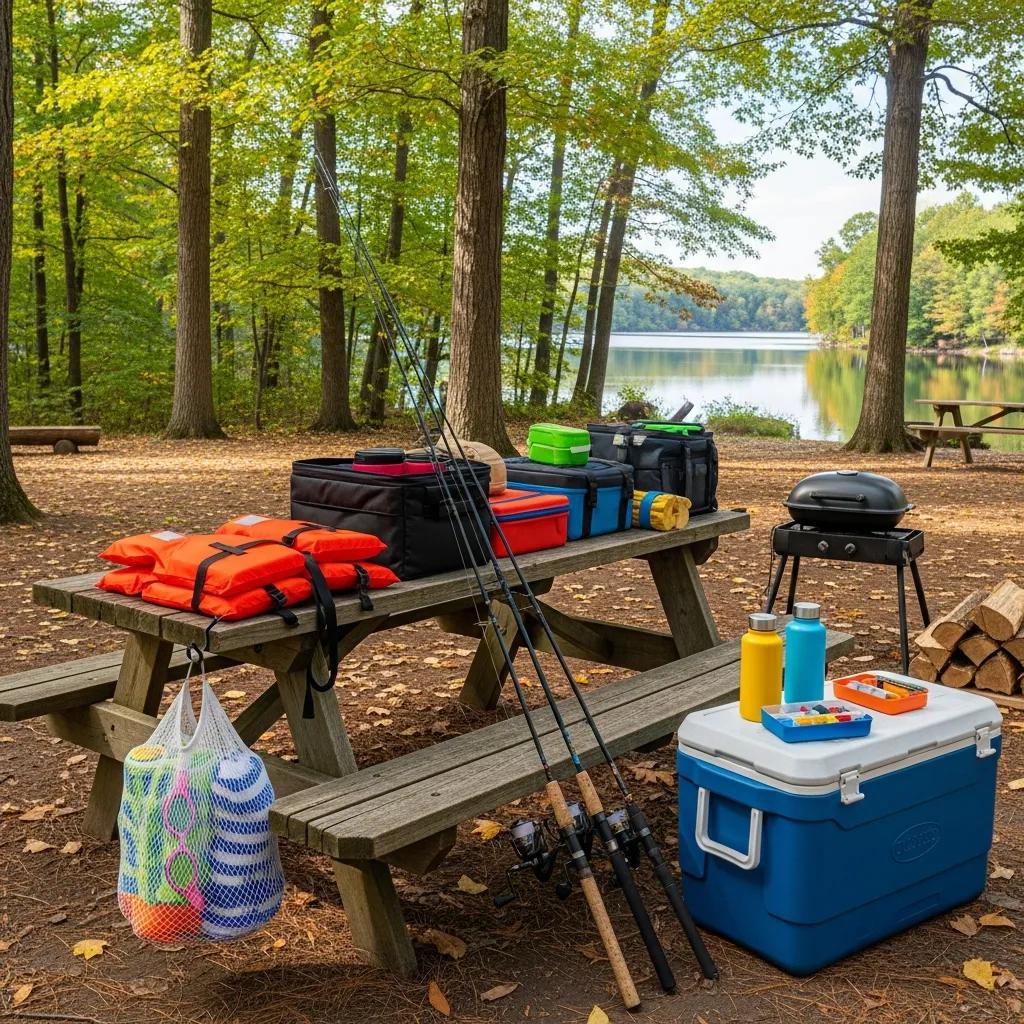
A focused packing list and reservation plan reduce stress and keep everyone comfortable. Reserve campsites early for weekends near cities, then pack swim and fishing gear sized for kids. Essentials include properly fitted life jackets, sun protection, child-sized rods and basic tackle, a first-aid kit, quick-dry towels, and waterproof storage for valuables. For fishing, verify each angler has the correct license and understands local size and bag limits. For swimming, bring visible flotation aids and review swim-area rules with children before they enter the water. The checklist below captures the must-haves.
- Family packing and reservation checklist:Life jackets for every child and non-swimmer, labeled and correctly sized.Sunscreen, hats, rash guards, and a shade canopy or umbrella.Basic fishing gear, child-sized rods, simple tackle, and bait suited to stocked ponds.First-aid kit, insect repellent, quick-dry towels, and spare clothing.Confirm campsite reservation timing, pet policies, and on-site rental availability.
Reserve early for weekend stays near larger cities to secure preferred sites, and check whether the campground requires advance registration for activities or rentals.
For families who want a private campground that brings swim and fish amenities together, The Oaks Campground by GatherGrounds shows how an on-site sandy swim lake and stocked fishing pond can simplify logistics and boost family fun. If you prefer short drives from metro areas and properties that bundle beach play, beginner-friendly fishing, RV sites, and upcoming water-park features, look for campgrounds that advertise those combined amenities. A well-chosen site that matches your family’s priorities reduces planning friction and creates more chances for lasting outdoor memories.
Frequently Asked Questions
What types of fish can families expect to catch in Michigan’s campgrounds?
Species vary by location, but common catches at family campgrounds include bluegill, perch, bass, and trout — especially in stocked ponds set up for kids. Many campgrounds also provide access to larger lakes and rivers where anglers can find walleye, pike, and salmon. Check local regulations and the campground’s information on species and seasons before you go.
Are there safety tips for swimming with children at campgrounds?
Safety should always be first. Supervise children closely, especially in unfamiliar waters. Choose campgrounds with marked swim zones and, when available, lifeguards. Use properly fitted life jackets for weak swimmers and review swim-area rules with kids before they enter the water. Also check recent water-quality advisories to make sure conditions are safe.
What are the best practices for fishing with kids at campgrounds?
Keep gear simple: start with child-sized rods and easy tackle. Pick stocked ponds or spots known for frequent catches to build confidence. Teach basic local rules like size limits and catch-and-release where appropriate. Make the outing fun with short sessions, snacks, and small games, and ensure kids wear life jackets when fishing from docks or boats.
How can families find the best campgrounds for swimming and fishing?
Start with online reviews and campground directories that highlight family amenities. Look for listings that call out both sandy beaches and stocked ponds, and factor in proximity to your metro area. Check campground websites for playgrounds, rentals, and scheduled activities. Local tourism sites and community forums can also point you to lesser-known family-friendly spots.
What should families know about campground regulations for swimming and fishing?
Regulations vary by site and waterbody. Most anglers need a state fishing license, and some species or methods have size or bag limits. Swimming areas may have set hours, safety rules, or age restrictions. Always check the campground’s website or call management for the latest regulations so you can plan and stay compliant.
What are the benefits of choosing a private campground over a state park?
Private campgrounds often focus on convenience and family programming: dedicated swim lakes, stocked fishing ponds, smaller crowds, and on-site activities tailored to kids. They may offer upgraded facilities, equipment rentals, and scheduled events that make a family stay easier. State parks, by contrast, usually offer more wild shoreline and larger public waters — so choose based on whether you want convenience and kid-focused features or broader natural access.
Conclusion
Picking the right campground in Michigan for swimming and fishing makes a big difference for family time outdoors. By understanding key features — beach type, fishing access, amenities, and location — you can choose a site that matches your priorities and reduces stress on the trip. Explore our curated options, plan with the checklist above, and you’ll be set to make memories on the water. Ready to start planning your next family getaway?