

Discover Michigan’s Best Campgrounds with Horseback Riding: Your Practical Guide to Equestrian Camping
Equestrian camping blends trail riding, overnight stays, and family fun into one outdoor weekend (or week) built for riders and their people. This guide breaks down what horse camping looks like in Michigan, why the state is so rider-friendly, how to pick the right trails and parks, and the practical steps to plan a safe, enjoyable trip. You’ll find where to locate horse-friendly campgrounds and trails, how to arrange services like boarding and feed, and tips for pairing family activities with equestrian days. We map Michigan’s trail highlights and use The Oaks Campground by GatherGrounds as a convenient base near Waterloo State Recreation Area. We also compare nearby parks, note regional service options, cover packing and permit essentials, and walk through booking. Throughout, we keep things discoverable with practical search phrases like campgrounds with horseback riding trails Michigan, equestrian trails Waterloo Michigan, and horse camping Michigan.
Why Michigan Makes a Great Base for Equestrian Campgrounds
Michigan is a top pick for riders because it combines a wide public trail network, varied terrain, and many state recreation areas that welcome horses. The patchwork of state recreation areas, state forests, and multi-use trails gives you options from flat sandy bridle paths to rolling woodland loops — so beginners and seasoned riders alike can find suitable routes. Close proximity to major population centers makes day trips and weekend camping realistic for families and riding groups. Many parks also offer designated trailheads and trailer parking. In recent years, state agencies and local equestrian groups have improved signage, clarified permits, and supported volunteer trail work — all of which make riding smoother and encourage visitors.
Michigan’s trail system supports several common riding experiences:
- Extensive state-designated trails: Numerous parks keep bridle paths and multi-use loops open to horses.
- Varied terrain and scenery: Within short drives you can ride shoreline, hardwood forest, dunes, and open fields.
- Accessible staging areas: Trailheads and trailer parking are often located near campgrounds.
Those features make Michigan attractive for single-day rides and multi-night camping trips, and they help explain why The Oaks Campground by GatherGrounds is a useful basecamp for simplifying logistics and family planning.
What Makes Michigan’s Horse Trails Stand Out?

Michigan’s horse trails stand out because of their mix of surfaces, interlocking loops, and emphasis on multi-use access. You’ll find packed dirt and sandy bridle paths that suit stockier breeds and beginners, plus rooty woodland singletrack that challenges intermediate riders. Many trail systems connect to hiking and biking routes, so expect clear signage and the occasional need for shared-use courtesy near busy trailheads. That mix lets families choose short, easy loops while experienced riders string together longer back-to-back days — making the state’s trail network both extensive and flexible.
Knowing the trail variety helps you pick the right tack, plan ride lengths, and predict footing — and it also points to how state permitting and support shape equestrian access around the region.
How Michigan Supports Horse-Friendly Camping and Equestrian Tourism
State agencies and local riding groups support horse camping through designated equestrian campgrounds, trail maintenance programs, and clear permit rules that balance access with conservation. Parks usually publish rules for trailer parking, manure disposal, and required permits, while volunteers organize trail stewardship and group rides that boost local equestrian tourism. Weekend events often draw riding groups and encourage nearby businesses to offer temporary stalls or haul-in services. That mix of institutional and community support lowers barriers for visiting riders and helps keep horse camping sustainable and family-friendly.
Understanding these policies makes it easier to plan a compliant trip and to coordinate with park staff or local clubs before you arrive — which streamlines logistics for families and groups preparing to ride.
Why The Oaks Campground Works as a Base for Horseback Riding
The Oaks Campground by GatherGrounds is a family-focused campground in Munith, Michigan, on 160 acres right next to Waterloo State Recreation Area, giving you direct access to regional horse trails. Because Waterloo is so close, riders can stage outings with short drives from camp, cutting trailer time and simplifying daily logistics for families traveling with horses. On-site amenities — a swimming lake, fishing pond, playgrounds, golf cart trails, pavilions, and weekend events — mean non-riding family members have plenty to do while riders are out. The property’s adjacency to state-managed trails makes it practical to combine equestrian time with other campground activities without sacrificing convenience.
Choosing The Oaks reduces planning friction by pairing overnight options and family-friendly amenities with immediate access to Waterloo’s equestrian resources; planned additions to the property expand on-site recreation for longer stays.
Equestrian Amenities and Family Features at The Oaks
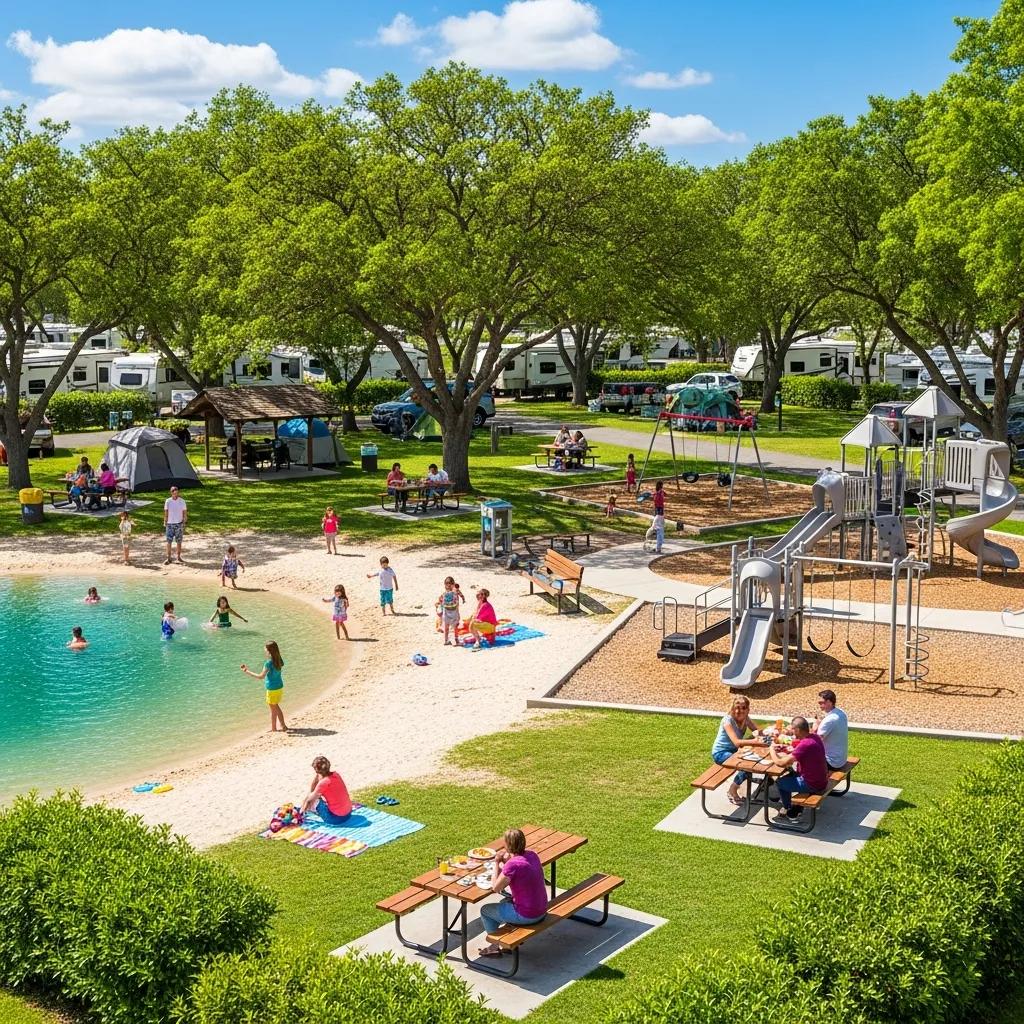
The Oaks focuses on family recreation across its 160 acres, with amenities that support mixed groups of riders and non-riders. Guests can relax at the swimming lake or fishing pond between rides, while playgrounds and pavilions offer spaces for kids and family gatherings. Golf cart trails and weekend events add options that complement equestrian days — and planned upgrades like a Wibit water park (planned for the 2024 season) show ongoing investment in family fun. Because The Oaks is adjacent to Waterloo State Recreation Area, riders often handle equine logistics such as trailer parking and specialized care through off-site providers when needed.
These family-minded features make The Oaks a smart choice for groups balancing horse time with other campground activities and let families plan parallel schedules that keep everyone happy.
How The Oaks Connects to Waterloo State Recreation Area’s Horse Trails
Sitting next to Waterloo State Recreation Area gives riders straightforward access to its trail network — short commutes from camp to trailhead make daily rides easier to plan. Trail access usually means driving to designated trailheads or nearby staging areas that accommodate trailers and offer parking, which minimizes daily transit time for mounted outings. Riders should check Waterloo’s permit rules and etiquette before entering state-managed trails, including guidance on manure management, trail-sharing, and any seasonal closures. Using The Oaks’ proximity while following park rules lets you enjoy long loops or short family rides with confidence and efficient staging.
That closeness to Waterloo boosts The Oaks’ value as an equestrian base by cutting logistics while preserving access to a wide mix of trail experiences in a compact area.
Best Equestrian Trails and State Parks Near The Oaks Campground
Below we compare the top nearby trail systems and state parks for riders starting from The Oaks, focusing on access, difficulty, and trailhead logistics. Use this to pick daily routes based on skill level, desired scenery, and trailer parking needs.
This overview highlights Waterloo’s immediate convenience for riders at The Oaks, while Pinckney and Huron-Manistee offer variety and longer circuits for more ambitious outings. Always confirm trail access and current conditions with park staff before you go to ensure routes match your group’s abilities.
Horseback Riding Trails Inside Waterloo State Recreation Area
Waterloo provides interconnected trails that allow equestrian use across mixed terrain, with options from short family loops to longer routes for experienced riders. Trails include packed surfaces and natural singletrack through hardwoods, wetlands, and open fields, so expect changing footing and possible wet sections after rain. Designated trailheads support trailer parking and act as clear entry points to the system, making out-and-back rides or looped excursions simple to plan. Study Waterloo’s trail map and follow shared-use protocols to pick the right loops and avoid crowded spots during peak weekends.
Knowing the range of trail lengths and footing in Waterloo helps you manage ride time, horse fitness, and equipment choices for the day’s conditions.
Other Michigan State Parks with Horse Trails
Beyond Waterloo, Michigan has several state parks and recreation areas with rider-friendly trails suitable for day trips or overnight equestrian camping. Each park offers different scenery — long forested loops, open prairies, or dune riding — so pick destinations based on the views and difficulty you want. Closer parks work well for short excursions while more remote systems can be reserved for separate overnight adventures. Mixing parks across multiple days adds variety and prevents overuse of any single trail system, while giving families chances to tailor each day to different interests.
Exploring alternative parks expands your itinerary and keeps experiences fresh for both riders and non-riders.
Horse-Friendly Camping Amenities and Services in Southeast Michigan
Here we list the logistical services that support horse camping in Southeast Michigan — boarding, rentals, feed suppliers, farriers, and vets — and explain how guests at The Oaks can access them. Knowing where to find local support reduces worry for riders traveling with animals and helps coordinate needs like temporary stalls, hay deliveries, or emergency care.
Where to Find Boarding and Rental Services Near Munith
In Munith and the surrounding region you’ll find boarding stables that offer short-term stalls, day-use options, and sometimes guided rides for visiting equestrians. These facilities provide stalls, turnout, and routine care that can be useful during longer stays or when trail conditions require alternate plans. When booking boarding or rentals, confirm availability, stall sizes, fees, and drop-off/pick-up windows so they match your travel plans. Advance reservations are especially important during summer and holiday weekends to secure space for horses and trailers.
Locking in boarding or rentals before arrival removes last-minute stress and ensures your horses get steady care while you ride and enjoy family activities at the campground.
Essential Services That Support Horse Camping in Michigan
Key support services include dependable feed sources, farrier and veterinary contacts, trailer parking, and equipment repair resources — all of which keep outings safe and compliant. Plan feed for travel stress and possible delays by ordering hay or high-energy rations ahead of time; likewise, identify on-call farriers and equine vets as a safety net. Trailer parking and campsite setup should follow local rules on manure disposal and tethering; plan secure overnight containment to minimize impact. Have contingency plans — alternative boarding or emergency transport routes — so you can handle the unexpected while maintaining animal welfare.
A practical approach to logistics protects horse health, keeps campsites tidy, and helps the equestrian portion of your trip complement the family experience.
How to Plan a Successful Horseback Camping Trip in Michigan
Planning horse camping in Michigan means choosing suitable trails, coordinating services, packing the right gear, and timing your visit for favorable conditions and family schedules. Steps to follow: confirm trail permits if required, map trailer-friendly staging areas, arrange boarding or feed deliveries when needed, and pack gear for both horses and people. Watch seasonal trail conditions — spring mud or high summer heat — and plan shorter rides for young or less-conditioned horses. The table below gives a compact packing and regulation checklist tied to what matters most for equestrian campers.
Packing Tips and Key Regulations for Equestrian Camping
Packing should prioritize horse welfare, rider safety, and low-impact use of public lands. Bring well-fitted tack and spare equipment, plenty of feed and water, and a full equine first-aid kit. Carry any required health certificates, vaccination records, or permits if parks ask for them, and confirm manure disposal and tethering rules at your chosen campsite. Practice good trail etiquette — yield to hikers and bikers, control speed on shared segments, and stay on marked paths to avoid widening trails. Getting gear and paperwork in order before you arrive eases check-in at staging areas and helps build positive relationships with land managers.
Being prepared protects horses and riders, supports responsible trail stewardship, and helps keep equestrian access open across Michigan’s recreation areas.
Best Times of Year for Horse Camping in Michigan
The ideal time for horse camping balances trail conditions, weather comfort, and event timing. Late spring after major thaw, late summer, and early fall often deliver stable footing and pleasant temperatures for multi-day rides. Spring can bring muddy trails and temporary closures to protect soils; high summer heat calls for early starts and careful hydration for horses and riders. Fall offers cool temps and great color but can mean busier trails, so reserve staging or campsite options in advance. Pick windows that match trail usability and your family’s schedule to get the most safe riding time and avoid weather-related surprises.
Smart seasonal planning reduces stress and helps align trail choices with horse fitness and family recreation goals.
How to Book Your Equestrian Getaway at The Oaks Campground
To book an equestrian-friendly stay at The Oaks Campground by GatherGrounds, choose dates that match trail conditions and campground events, pick a site type that fits trailers, and confirm any special needs with campground staff before you arrive. Since The Oaks is family-focused and adjacent to Waterloo State Recreation Area, plan for trailer parking and arrange off-site equine services like boarding or feed delivery when required. Peak-season weekends and event weekends fill fast, so timing your reservation matters. Ask about site dimensions, proximity to staging areas, and event schedules before you book to make arrival smoother and your stay more predictable.
Clear pre-booking communication and picking the right dates boost your odds of securing a site that meets both equestrian needs and family recreation plans.
Steps to Reserve Your Spot at The Oaks Campground
To reserve a campsite at The Oaks Campground, pick your travel dates and preferred site type, check availability for your window, and complete the reservation through the campground’s online booking tools or reservation system. Choose sites with enough room for a horse trailer and consider how close you want to be to amenities and staging areas. Book early for peak dates or weekends with scheduled events to avoid sell-outs, and note any onsite rules for animals and campsite setup. After booking, confirm any additional needs — recommendations for equine services, trailer parking tips, or local contacts — so your riding plans align with the campground setup.
Following these steps reduces uncertainty and lets you focus on packing and ride planning instead of last-minute logistics.
How to Maximize a Family-Friendly Horseback Riding Trip
Get the most from a family-friendly equestrian trip by balancing ride plans with activities for non-riders, alternating schedules to keep kids engaged, and choosing mixed-ability trails so everyone can join. Use The Oaks’ playgrounds, swimming lake, and pavilions to create parallel schedules — kids can play or swim while adults ride — and plan short, easy loops during the hottest hours. Make safety a priority: teach basic trail etiquette to children, supervise around horses, and consider guided or introductory rides for younger family members. Clear daily planning and communication between riders and non-riders help everyone enjoy the trip while keeping people and horses safe.
These strategies create a more inclusive vacation, letting riders enjoy longer trail time while family members take advantage of on-site recreation and events.
Frequently Asked Questions
What should I consider when choosing a campground for equestrian camping in Michigan?
When choosing a campground for equestrian camping in Michigan, look for proximity to horse trails, horse-friendly amenities, and space for trailers. Seek sites with designated equestrian areas, access to water for horses, and manure disposal options. Also check for nearby services like feed suppliers and veterinary care — those can be crucial. Reading reviews from other equestrians will help you gauge a campground’s real-world suitability.
Are there any specific regulations for horseback riding in Michigan state parks?
Yes. Michigan state parks set rules to protect people and the environment. Riders must stay on designated trails, follow posted signs, and handle manure responsibly. Some parks require permits for equestrian use, especially at busy times. Rules vary by park, so check each park’s website or contact staff for the latest trail access and seasonal restrictions before you go.
What types of horses are best suited for Michigan’s trails?
Michigan’s trails suit many types of horses. Stockier breeds like Quarter Horses and Paints do well on sandy and packed dirt paths. Horses with balance and stamina — such as Thoroughbreds or Arabians — handle rooty or technical woodland trails better. Regardless of breed, make sure your horse is conditioned for the distances and footing you plan to tackle.
What are the best practices for trail etiquette while horseback riding?
Good trail etiquette keeps everyone safer and preserves access. Yield to hikers and bikers on narrow sections, keep a controlled pace so you don’t startle others, and announce your presence when approaching. Stay on marked trails to avoid widening paths and minimize environmental impact. Keeping horses calm and well-managed helps create a positive experience for all users.
How can I prepare my horse for a camping trip?
Prepare your horse by confirming good health and up-to-date vaccinations, conditioning for the planned distances and terrain, and exposing the horse to typical campground sights and sounds. Pack essential gear — a well-fitted saddle, halter, and first-aid kit — and bring enough feed and water. Consider a short trial run to see how your horse handles travel and camp life before a longer trip.
What family-friendly activities can I enjoy while camping with horses?
Families can enjoy lots of activities while camping with horses: swimming, fishing, playground time, nature walks, and guided or introductory rides for kids. Organize family games, shared meals, and campfire evenings to build memories. By balancing riding schedules with on-site recreational options, everyone gets something they enjoy.
Conclusion
Horse camping in Michigan pairs outdoor adventure with family-friendly recreation — a great fit for riders who want variety and convenience. With access to diverse trails and family amenities at places like The Oaks Campground, you can balance riding days with activities for everyone. Plan ahead, confirm permits and services, and pack smart to ensure a smooth, enjoyable trip. Start planning your equestrian getaway and see the best of Michigan’s trails for yourself.