

Understanding Michigan Campground Fees: Average Costs Families Should Budget For
Michigan campground fees can really vary, depending on the kind of site, where it is, and what extras you get. Knowing these differences helps families plan their budget so their trip is smooth and stress-free. This guide breaks down campground fees, why they differ between state forests, state parks, and private spots, and what families can expect to pay for RV sites, tent sites, and cabins. You’ll get clear nightly price ranges, common extra fees that can add up, how the Michigan Recreation Passport works for state parks, and smart ways to save money while keeping the fun going. We’ll use real examples, like RV sites at Walnut Hills Family Campground for $49 a night and weekday cabin rates at $90, to give you a solid idea of private campground costs. Keep reading for a detailed look at base rates, a table comparing different places to stay, a list of common add-ons, and step-by-step tips to plan the perfect Michigan family camping trip.
What Are the Average Camping Fees for Families in Michigan?
Campground fees are the basic nightly charges for staying at a campsite or in a cabin. They reflect the amenities, location, and time of year. In Michigan, state forest sites are usually cheaper because they offer more basic facilities. Private family campgrounds tend to cost more when they include recreation and modern conveniences. It’s helpful for families to know the nightly price ranges so they can compare options and avoid unexpected costs. Here’s a quick look at typical base costs for common site types.
Here’s a quick comparison of different places to stay and their typical nightly price ranges to help families compare base rates easily.
This table shows how a private campground with extra amenities can justify higher base prices compared to state-managed sites. Understanding these base ranges helps you see how RV, tent, and cabin costs break down.
How Much Do RV Camping Rates Typically Cost in Michigan?
RV site rates are the nightly fees for parking and using a campsite made for recreational vehicles. They change based on hookups, site size, and amenities. Full-hookup sites with water, sewer, and electricity cost more each night because they offer more convenience and comfort for family RVs. Demand during peak season and weekend surcharges can also raise prices during busy summer dates and holidays. Using a private property like Walnut Hills Family Campground as an example, their RV Sites are listed at $49 per night, which is a typical mid-range price for a private campground with family-friendly amenities.
RV rates mainly differ based on the level of infrastructure and location. Knowing the hookup details helps families choose the right value. Understanding RV pricing naturally leads to comparing tent options for families looking for a more budget-friendly experience.
What Are the Average Tent Camping Prices for Families?

Tent site fees are the nightly charges for basic or semi-modern tent spots. They vary depending on how close they are to facilities, how many people are in your group, and the amenities offered by private parks. Primitive state forest tent sites are often at the lower end of the price range, offering basic services for families on a budget. Private family campgrounds charge more for tent sites that include picnic tables, fire rings, and easy access to playgrounds or water features. Choosing a tent site depends on whether families want to save money or have on-site entertainment and convenience.
Comparing tent site options shows that families can lower their base cost by choosing state forest locations or visiting during off-peak times. This leads into how cabins compare as an alternative.
How Much Do Cabin Rentals Cost at Michigan Campgrounds?
Cabin rentals offer enclosed lodging for families who want more comfort than a tent. Cabin prices depend on their size, utilities, and whether bedding or kitchenettes are included. Weekday cabin rates are usually lower than weekend rates. For instance, a weekday cabin rate of $90 at a private campground shows an affordable private-campground option for families. Extra fees like cleaning charges or minimum-night stays can increase the effective nightly cost, so families should always read the rental terms carefully. Cabins often bridge the gap between camping and hotel stays by providing reliable comfort while still offering outdoor access.
Knowing cabin costs helps families decide between comfort and budget. Understanding extra fees clarifies the total cost beyond the base rates.
What Additional Fees Should Families Expect Beyond Base Campground Rates?

Additional fees are charges beyond the basic nightly rate that increase the total trip cost. These can include extra-person fees, pet fees, activity admissions, and optional add-ons. These fees are common at private campgrounds and many managed parks, and they can add up significantly for weekly or multi-night trips. Families should list out potential extras when estimating the total cost to avoid surprises and to compare properties fairly. The table below shows typical add-ons and their usual cost ranges to help families create a realistic budget.
Here’s a summary of common add-ons and their typical cost ranges so families can estimate total trip expenses more accurately.
This add-on table shows how several small fees can accumulate. Families should plan for these when comparing campgrounds and booking sites.
What Are the Extra Person and Pet Fees at Michigan Campgrounds?
Extra-person fees are nightly charges applied when the number of people at a campsite goes over the basic limit. Pet fees cover cleaning or wear and tear from animals. These fees vary by property and sometimes by age for children, so families should confirm occupancy rules before booking. Pet policies also differ; some private family campgrounds have dog parks and may charge a small pet fee, while state-managed sites often have different regulations. Checking policies helps avoid unexpected charges and assists families in deciding whether to bring pets or split up their group.
Knowing the per-person and pet fee ranges helps you understand how adding guests or animals affects the trip total. This leads directly into activity fees and recreational costs.
How Do Activity Fees Like Wibit Water Park and Canoe Rentals Affect Total Costs?
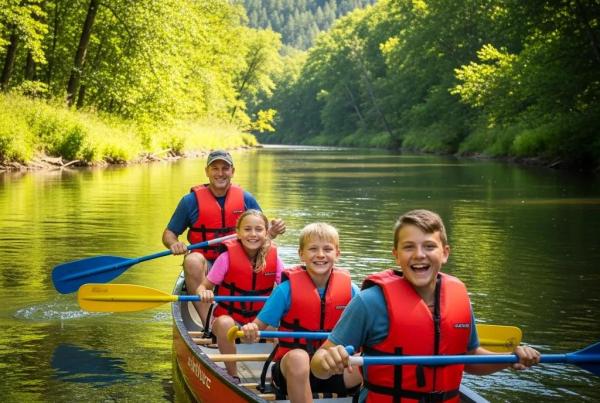
Activity fees are optional but can be the biggest extra cost for family stays. They include admissions to attractions, equipment rentals, and guided trips. For example, on-site attractions like a Wibit water park or organized river floats through Cheff’s Canoe Rental add to a campground’s entertainment value but come with per-person costs that add up on multi-day stays. Families should estimate their activity budgets by multiplying per-person daily charges by the number of days they plan to participate and consider bundling options or limiting paid activities. Pre-booking popular activities often secures spots and can sometimes lower the per-person cost.
Estimating activity costs allows families to balance entertainment with base lodging expenses. This then flows into planning for other optional add-ons.
What Optional Add-Ons Can Increase Your Camping Budget?
Optional add-ons include items sold on-site, equipment rentals, and convenience services that make the stay better but add to the cost. These often include golf cart passes, extra linens, or purchases from the camp store. Many families encounter these expenses during their stay and can reduce them by bringing key supplies or planning to share equipment. A small contingency fund for incidentals, typically 10–15% of the lodging total, helps families cover unplanned add-ons without stress. Preparing a checklist of likely purchases can reduce impulse spending and help maintain the overall budget.
Being prepared for optional costs helps families achieve more predictable total trip pricing and informs comparisons with state parks.
How Do Michigan State Park Camping Fees Compare to Private Campgrounds Like Walnut Hills?
Comparing campsite types highlights the trade-offs between budget-friendly state options and private resorts with more amenities. The differences stem from the services and recreational activities included. State forest campgrounds are usually more affordable with basic services, while private campgrounds charge higher nightly rates but include attractions and modern facilities that reduce the need for off-site spending. For families weighing their options, the Michigan Recreation Passport is also a factor when visiting state parks. The table below shows typical offerings and price ranges for easy side-by-side comparisons.
A quick comparison helps families prioritize amenities versus price when choosing between state and private campground options.
This comparison clarifies that private campgrounds cost more but often include paid amenities that add value. This helps families assess the total cost against the desired experience.
What Is the Cost Range for Michigan State Forest Campgrounds?
State forest campgrounds offer affordable overnight options with basic amenities, making them a good choice for families focused on saving money. Typical nightly rates are on the lower end of camping costs, often between $10 and $25, depending on the location and whether potable water or vault toilets are available. These sites are ideal when families want a secluded nature experience without resort-style recreation. Factoring in the Michigan Recreation Passport where applicable ensures accurate total cost comparisons with private campgrounds.
Recognizing the low base cost helps explain why private campgrounds charge more and what they offer in return.
How Do Private Campground Rates Differ and What Amenities Justify Them?
Private campgrounds increase nightly rates to cover enhanced amenities and guest services that improve convenience and entertainment for families. Amenities like a Wibit water park, swimming lake, updated bathrooms, playgrounds, a dog park, and sports facilities justify higher fees because they reduce travel time to activities and offer on-site supervision for kids. For example, Walnut Hills Family Campground offers features that boost family entertainment and support higher nightly rates, such as the $49 RV site and $90 weekday cabins. Families should consider whether the included amenities are worth the extra lodging cost.
Understanding amenity-driven pricing helps families decide if a resort-style stay fits their budget and expectations. This then transitions into the impact of permits like the Recreation Passport.
What Is the Michigan Recreation Passport and How Does It Impact Camping Costs?
The Michigan Recreation Passport is an annual permit that allows vehicle entry into many state parks and recreation areas. It adds a small but important cost when comparing expenses. For residents, the passport costs around $18 annually, which spreads out over multiple visits and can be a cost-effective purchase for frequent park visitors. Non-residents should check entry rules and include potential day-use fees when estimating total trip costs. Including the Recreation Passport in comparisons ensures families don’t underestimate the total cost of visiting state-managed sites compared to private campgrounds.
Accounting for passport and entry fees provides a balanced view when choosing a campground. This follows into why certain private campgrounds might be worth the price.
Why Is Walnut Hills Family Campground Worth the Investment for Families?
Walnut Hills Family Campground, managed by GatherGrounds Resorts and located in Durand, Michigan, is designed as a family-focused private campground that combines amenities to create high-value experiences. Its variety of accommodation options—RV Sites, Tent Sites, Cabins, and Seasonal Sites—along with extensive family amenities like a Wibit water park, swimming lake, playgrounds, updated bathrooms, and a dog park, help justify its private-campground pricing. These features reduce the need for off-site planning and keep children entertained on the property, which many families consider part of the trip’s value. Families comparing nightly rates should consider the included entertainment and convenience against lower-cost alternatives.
Highlighting Walnut Hills’ unique amenities makes the pricing rationale clearer and shows how those features contribute to a smoother family stay.
What Unique Amenities Does Walnut Hills Offer That Affect Pricing?
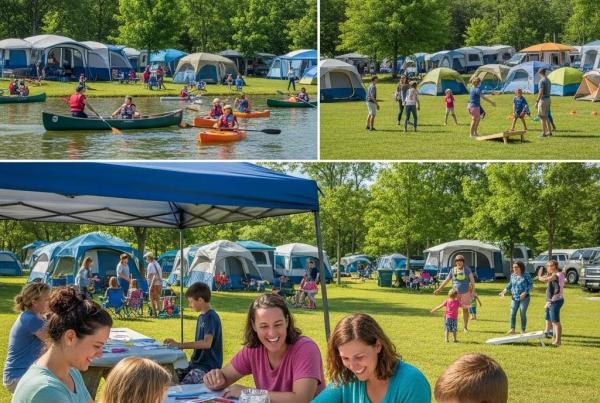
Walnut Hills includes several on-site amenities that influence nightly rates by providing built-in activities and convenience for families. Key features include a Wibit water park for active kids, a swimming lake with beach access, updated bathrooms for better comfort, playgrounds and sports facilities for various ages, and access to the Shiawassee River via Cheff’s Canoe Rental for guided floats. These amenities reduce external activity costs and enhance the on-site experience, helping to justify higher private-campground rates. Clean, modern facilities also add to the perceived value for families who prioritize comfort over basic camping.
Knowing these amenities helps families determine if a private-campground stay offers better overall value than options with lower base rates.
How Do Family-Friendly Features Enhance the Camping Experience?
Family-focused amenities improve the overall experience by offering structured, supervised, or easily accessible activities that keep children engaged and reduce the planning burden on parents. On-site entertainment like water parks or game rooms shortens the time between lodging and activities, improving downtime quality and reducing travel logistics. Safety and convenience features—such as updated bathrooms and nearby play areas—allow families to spend more time together and less time managing logistics. These improvements in experience often encourage families to accept higher nightly prices for private campgrounds.
Recognizing these experiential benefits supports budget decisions and naturally leads to planning tips for saving money while still enjoying these features.
What Do Families Say About Their Experiences at Walnut Hills?
Families often mention the convenience of on-site amenities and the ability to combine various activities in one location when evaluating private campgrounds. Reviews and feedback frequently focus on family fun, access to activities, cleanliness of facilities, and the value of all-day entertainment options like on-site water features. While specific quotes belong on review pages, the recurring themes of engaged children and reduced planning hassle explain why families are willing to pay premium nightly rates. Potential visitors should check available reviews when finalizing reservations to ensure the property’s strengths match their family’s priorities.
Social proof themes reinforce how amenities relate to pricing and lead into practical budgeting strategies.
How Can Families Budget Smartly for Their Michigan Camping Trip?
Smart budgeting starts with a detailed estimate of base lodging, expected add-ons, activity fees, and a contingency for incidentals. This allows families to compare options on an equal footing. Prioritize the costs that matter most—lodging versus activities—and decide if the included amenities at a private campground are worth the higher nightly rates. Use checklists to identify items you can pack and free activities that reduce on-site purchases. The lists below offer practical savings tips and planning steps to keep family fun intact while controlling expenses.
- Book midweek or off-peak: Weekday stays often cost less than weekend reservations.
- Bring food and supplies: Preparing meals reduces purchases at the campsite store and saves money.
- Limit paid activities: Choose 1–2 paid attractions and supplement with free on-site recreation.
These strategies help preserve quality time while cutting predictable costs, enabling families to build a realistic total trip budget.
What Strategies Help Save Money Without Sacrificing Fun?
Saving strategies focus on using lower-cost alternatives for common camping expenses while maintaining entertainment value. Packing staple foods, bringing your own firewood or gear, and prioritizing free campground activities like hiking or enjoying the lake can significantly reduce on-site spending. Choosing accommodations with included amenities you’ll actually use means you won’t pay for features you won’t enjoy. Combining these tactics keeps the family experience great while lowering the overall expense.
Practical savings measures flow into seasonal considerations that further optimize timing and rates.
How to Plan for Seasonal Rates and Peak Pricing Periods?
Seasonal planning acknowledges that summer peak times and holiday weekends mean higher base rates and less availability. Booking early or choosing dates in the shoulder seasons can lower nightly costs. Families should compare weekday versus weekend pricing and look for off-peak discounts that private campgrounds sometimes offer. Being flexible with dates and willing to travel in early summer or late season often leads to significant savings. Accounting for seasonality allows families to get the most value for their chosen budget.
Timing decisions interact with available discounts and packages, which are described next.
Are There Discounts or Packages Available for Families?
Discounts often come in the form of multi-night rates, seasonal packages, membership offers, or bundled activity passes. Families should check official rate pages and reservation systems for current deals. Private campgrounds sometimes offer family packages that include activity credits or reduced admission to on-site attractions, which can lower per-person entertainment costs. If you’re unsure, contacting the campground to ask about multi-night or family bundles can reveal unpublished savings. Looking for package options helps reduce the overall budget without eliminating key family activities.
These discount-seeking tactics complete a practical budgeting guide for families planning Michigan camping trips.
Frequently Asked Questions
What types of campgrounds are available in Michigan?
Michigan offers a variety of campground types, including state forest campgrounds, state park campgrounds, and private family campgrounds. State forest campgrounds typically provide primitive sites with basic amenities, making them budget-friendly. State parks offer more facilities and recreational opportunities, while private campgrounds often feature enhanced amenities like water parks and organized activities. Each type caters to different preferences and budgets, allowing families to choose based on their camping style and desired experience.
How can families find the best camping deals in Michigan?
To find the best camping deals in Michigan, families should consider booking during off-peak times, such as weekdays or shoulder seasons, when rates are typically lower. Additionally, checking for discounts or packages offered by campgrounds can lead to significant savings. Many private campgrounds provide multi-night rates or family bundles that include activity credits. Researching and comparing different campgrounds online can also help families identify the best value for their specific needs and preferences.
Are there any specific regulations for pets at Michigan campgrounds?
Pet regulations vary by campground in Michigan. Some private campgrounds allow pets with specific fees, while state-managed sites may have stricter rules regarding pet access. Families should check individual campground policies before booking to understand any restrictions, such as leash requirements or designated pet areas. Being aware of these regulations helps families plan accordingly and ensures a smooth camping experience for both pets and their owners.
What should families pack for a camping trip in Michigan?
When packing for a camping trip in Michigan, families should consider essential items such as sleeping bags, cooking supplies, food, and personal hygiene products. It’s also wise to bring outdoor gear like hiking boots, fishing equipment, and recreational items for on-site activities. Additionally, packing a first-aid kit, insect repellent, and sunscreen can enhance comfort and safety. Creating a checklist can help ensure that nothing important is forgotten, making for a more enjoyable camping experience.
How do weather conditions affect camping in Michigan?
Weather conditions can significantly impact camping experiences in Michigan. Summers are generally warm and ideal for outdoor activities, but families should be prepared for sudden rain or storms. Spring and fall offer beautiful scenery but can bring cooler temperatures, so packing layers is essential. Winter camping is also an option, but it requires specialized gear and preparation. Checking the weather forecast before the trip helps families plan activities and pack appropriately for the conditions they may encounter.
What are the benefits of using the Michigan Recreation Passport?
The Michigan Recreation Passport provides vehicle entry to state parks and recreation areas, making it a cost-effective option for families who plan to visit multiple sites. At around $18 annually for residents, it allows access to various amenities and activities without incurring additional entry fees. This passport can enhance the camping experience by encouraging exploration of different parks and natural areas, ultimately maximizing the value of outdoor adventures in Michigan.
How can families ensure a safe camping experience in Michigan?
To ensure a safe camping experience in Michigan, families should follow basic safety guidelines such as setting up camp in well-lit areas away from hazards. It’s important to familiarize themselves with local wildlife and take precautions to store food securely. Additionally, families should have a first-aid kit on hand and know the location of the nearest medical facilities. Staying informed about weather conditions and campground rules can further enhance safety and enjoyment during their trip.
Conclusion
Understanding Michigan campground fees empowers families to budget effectively for memorable outdoor experiences. By comparing accommodation types, additional fees, and amenities, families can make informed decisions that align with their preferences and financial plans. To maximize your camping adventure, explore our comprehensive guides and resources tailored for family-friendly trips. Start planning your ideal Michigan camping getaway today!