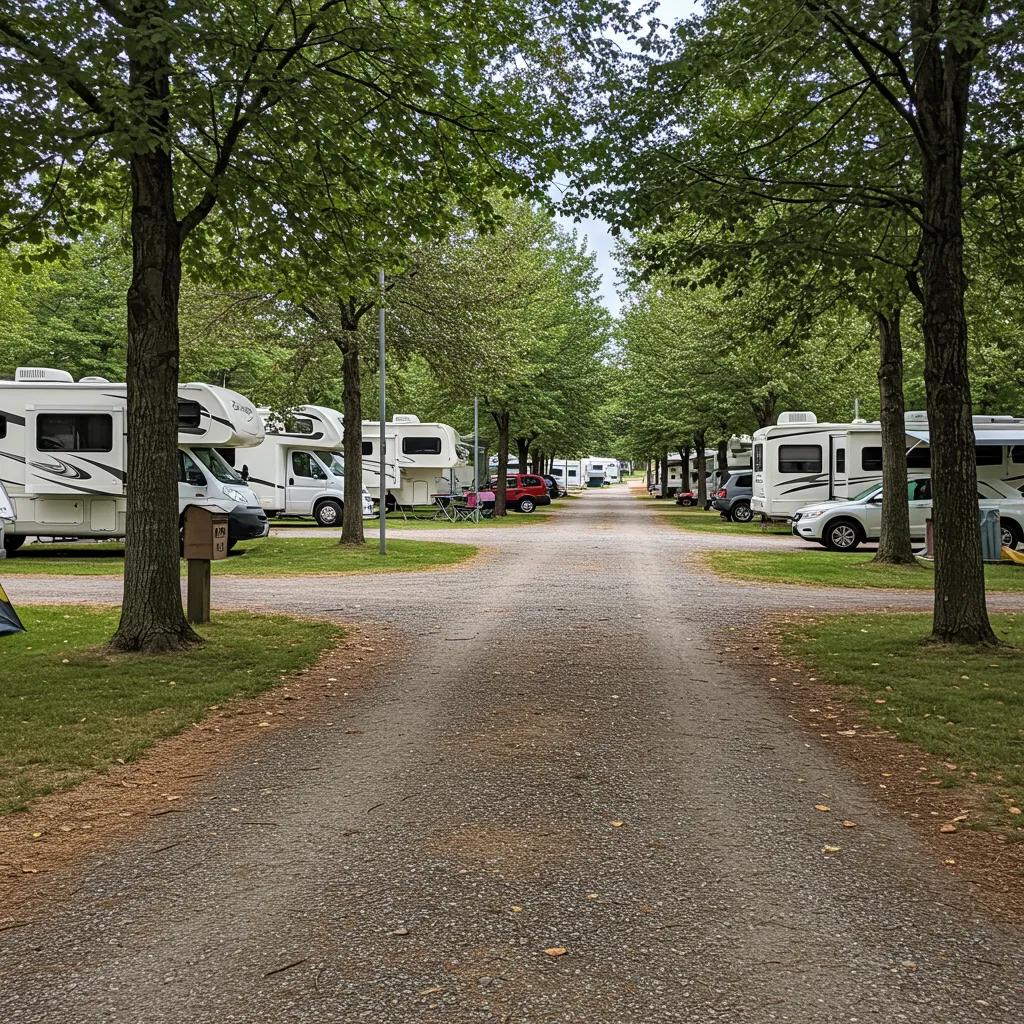
The Ultimate Guide to Finding the Perfect Campground Real Estate Agent for You
Selecting the right campground real estate agent is a pivotal decision that directly impacts your sale price, the speed of the transaction, and how your property’s unique legacy is carried forward. This guide is designed to help campground owners effectively evaluate specialized campground brokers, general commercial agents, and direct-sale buyers, empowering you to make a confident choice that prioritizes your interests. You’ll gain insights into what makes campground and RV park transactions distinct, the essential qualities to seek in an agent, how valuation using NOI and cap rates works, and what to anticipate throughout the marketing, due diligence, and closing stages. We also explore alternative avenues, such as working with specialized brokers and direct buyers like GatherGrounds Resorts, who acquire campgrounds and RV parks directly from owners, and compare these options for sellers. Dive in for step-by-step processes, practical checklists, sample valuation tables, and unbiased comparisons that put your objectives, timeline, and legacy preservation front and center.
Why Is a Specialized Campground Real Estate Agent Essential for Your Sale?
A specialized campground real estate agent is a professional who deeply understands campground operations, revenue models driven by guest experiences, and the intricate regulatory landscape. This expertise allows for accurate property valuation and precisely targeted buyer outreach. Their involvement minimizes pricing errors, attracts qualified buyers with relevant operational experience, and smooths out transaction friction through industry-specific documentation and contract language. Sellers benefit from faster closings, more accurate market positioning, and expert guidance on operational data that generalist agents often overlook. Grasping these advantages is key to selecting the agent attributes that will maximize your sale outcomes and safeguard your campground’s distinctive character.
What Makes Campground and RV Park Sales Unique Compared to Other Real Estate?
Campground and RV park sales are primarily driven by operating income, occupancy rates, and the mix of amenities offered, rather than solely by land value, necessitating specialized financial analysis. Sellers must be prepared to present multi-year P&Ls, site counts, occupancy trends, utility histories, and relevant permits—documents that general residential agents rarely require. An agent familiar with these records will significantly streamline buyer evaluation. Furthermore, regulatory and environmental factors, seasonal demand patterns, and guest-experience details like bathhouse condition and Wi-Fi infrastructure materially influence buyer interest and valuation. Recognizing these operational drivers helps sellers prepare accurate disclosures and positions the property effectively for buyers who value continuity and revenue generation.
What Risks Do General Real Estate Agents Pose to Campground Sellers?

Engaging a general real estate agent can lead to mispricing, as residential or non-specialist commercial agents may apply inappropriate comparables or overlook crucial NOI-based valuation methods. Agents lacking a dedicated campground buyer network risk marketing to an unsuitable audience, resulting in extended time-to-close and increased carrying costs for sellers. Contractual pitfalls can emerge when standard agreements fail to include clauses addressing operational contingencies, the transfer of guest lists, or campground-specific environmental assessments. Avoiding these risks means insisting on agents with industry-relevant experience, which directly enhances marketing effectiveness and legal preparedness for campground transactions.
How Does Industry-Specific Expertise Benefit Campground Owners?
Industry-specific expertise provides precise valuation using NOI and cap-rate methodologies, grants access to a pool of qualified buyers, and facilitates smoother due diligence processes because specialized agents anticipate common document requests. These agents adeptly translate campground attributes—such as the number of sites, quality of amenities, and seasonal patterns—into financial narratives that resonate with buyers, thereby preserving or enhancing perceived value. Sellers often experience faster offers and fewer renegotiations because specialized brokers pre-qualify buyers for operational fit and financing readiness. This clarity in buyer matchmaking not only protects legacy elements but also reduces post-offer complications.
What Key Qualities Should You Look for in a Campground Real Estate Agent?
Choosing the right agent involves vetting demonstrated campground transaction experience, valuation expertise, marketing reach, negotiation capability, and transparent communication practices. These qualities collectively determine an agent’s ability to price your property correctly, attract buyers with campground-operating experience, and navigate regulatory and financing complexities. The checklist below offers concrete attributes to verify during agent interviews, helping sellers distinguish marketing promises from measurable outcomes.
How Important Is Proven Industry Experience and a Strong Track Record?
Proven industry experience is paramount because past campground or RV park transactions demonstrate an agent’s proficiency in valuing operational properties and successfully closing deals under typical sector conditions. Request transaction lists, case studies, and references that detail sale prices, time-to-close, and buyer profiles to confirm their relevance to your market. Inquire about comparable sales the agent utilized, how they managed unusual permitting or environmental issues, and whether they have experience with deals involving seller financing or phased transitions. Evaluating track records ensures the agent brings relevant precedents to your sale and can articulate realistic expectations.
Why Is Deep Market Knowledge and Valuation Expertise Critical?
Deep market knowledge and valuation expertise empower agents to articulate how NOI, cap rates, seasonality, and local demand converge to establish a defensible asking price. Ask prospective agents to walk you through an NOI calculation and justify their recommended cap rate based on local comparables and 2025 benchmarks. An agent capable of modeling multiple scenarios—optimistic, base, and conservative—helps sellers understand price sensitivity and financing assumptions. This level of valuation detail prevents overpricing or underpricing and fosters productive conversations with buyers and lenders.
How Does an Extensive Buyer Network and Marketing Reach Impact Your Sale?
An agent’s buyer network significantly shortens the time-to-close by connecting sellers with buyers who possess campground operating experience or institutional capital, thereby improving bid quality and certainty. Effective marketing channels include industry buyer lists, targeted broker outreach, specialist newsletters, and confidential package distribution to vetted purchasers. High-quality photography, site maps, and a robust financial information package convert interest into offers more efficiently. Consequently, the agent’s network and marketing execution strongly influence sale velocity and the final price.
What Role Do Negotiation Skills and Client Advocacy Play?
Negotiation is central to structuring offers that effectively balance price, timing, contingencies, and seller protections such as escrow release and post-closing transition terms. Skilled negotiators can secure favorable earn-out terms, manage seller-financing proposals, and limit seller exposure during due diligence through staged information release. Ask agents for examples of negotiation scenarios and how they protect seller interests when buyers propose post-inspection price reductions. Strong advocacy reduces risk and maximizes proceeds while preserving important operational or legacy conditions.
Why Are Transparency and Communication Vital During the Selling Process?
Clear, consistent communication ensures sellers receive timely market feedback, reports on buyer interest, and copies of all offers, which is essential for informed decision-making and maintaining momentum. Establish a clear reporting cadence and define documentation expectations—specify which metrics the agent will share weekly and how buyer inquiries will be summarized. Transparency regarding marketing activity, prospective buyer qualifications, and associated costs prevents surprises and enables quicker resolution during negotiation and due diligence. Open communication also sets expectations for any required seller involvement during transition planning.
How Does the Campground Selling Process Work with a Real Estate Agent?
The agent-led selling process integrates valuation, property preparation, targeted marketing, buyer qualification, due diligence, and transition planning to successfully convert operational campground assets into completed sales. Accurate valuation using income-based methods establishes the price, while thorough preparation and documentation build buyer confidence. Effective marketing reaches qualified operators and capital sources, and rigorous buyer screening shortens negotiation cycles. Due diligence and closing necessitate careful contract clauses and transition agreements to protect seller interests and ensure operational continuity for guests and staff.
How Is Accurate Campground Valuation Conducted Using NOI and Cap Rates?
Accurate valuation relies on the Income Approach: calculate Net Operating Income (NOI) by subtracting operating expenses from recurring revenue, then divide NOI by an appropriate capitalization rate to estimate value. NOI is typically derived from normalized historical P&Ls, adjusted for owner perks, non-recurring items, and consistent occupancy. Cap-rate selection reflects market risk, property quality, and 2025 benchmarks—commonly ranging from 8% to 12% for comparable RV parks. This method ties valuation directly to operating performance rather than land comparables alone and supports seller negotiations with finance-savvy buyers.
Different valuation approaches and their characteristics are summarized below to clarify how NOI and cap rate choices affect sale price.
This comparison highlights that the income approach generally dominates for operational campgrounds because it directly links price to cash flow, which is the primary basis for buyer financing.
What Are the Best Practices for Preparing Your Campground for Sale?

Preparation involves meticulously organizing financials, addressing any deferred maintenance, and enhancing the property’s buyer-facing presentation to elevate perceived value and minimize potential contingencies. Compile three to five years of P&Ls, tax returns, occupancy reports, utility bills, permits, and site maps to enable buyers to verify income and expenses swiftly. Prioritize repairs that directly improve guest satisfaction—such as bathhouse upgrades, enhanced signage, and robust Wi-Fi infrastructure—as modern amenities often justify higher nightly rates and increase buyer interest. Clear documentation and visible care communicate operational stability and facilitate more straightforward negotiations.
Which Marketing Strategies Are Most Effective for Campgrounds and RV Parks?
Effective campground marketing targets buyers who understand outdoor hospitality economics and possess the operational capacity or investment intent; combining confidential broker outreach with niche industry channels yields the best results. Utilize high-quality photography, drone imagery, detailed site plans, and a comprehensive financial information package to convert interest into offers while maintaining confidentiality through controlled distribution. Paid listings and public marketplaces can broaden exposure but are most effective when integrated with direct outreach to a vetted buyer list. A multi-channel approach balances confidentiality with reach to attract both private operators and institutional buyers.
How Do Agents Screen and Qualify Potential Buyers?
Agents screen buyers by verifying proof of funds, reviewing relevant operating experience, and confirming financing readiness to ensure offers are realistic and closable. Typical qualification steps include requesting a letter of intent, proof of funds or lender pre-approval, and evidence of campground management experience or a credible business plan. Agents often conduct interviews to assess buyer intent, timeline, and plans for property use, which helps sellers evaluate cultural fit and legacy concerns. Robust qualification processes reduce wasted time and strengthen deal certainty before committing to due diligence.
What Should Sellers Expect During the Due Diligence Phase?
Due diligence commonly encompasses financial verification, physical inspections, permit and environmental reviews, and utility audits, typically spanning several weeks to a few months depending on the property’s complexity. Buyers will request extensive documentation—tax returns, P&Ls, permits, site maps, maintenance logs—and schedule on-site inspections for infrastructure, septic systems, and environmental conditions. Sellers should prepare organized folders and designate a point person to expedite responses and minimize delays. Anticipating common requests and providing clear documentation shortens timelines and reduces the likelihood of renegotiation.
Below is an example Entity-Attribute-Value table illustrating the income-based valuation example discussed earlier.
This EAV table demonstrates how a normalized NOI combined with a market-aligned cap rate produces a defensible valuation that sellers and buyers can discuss during negotiation.
How Can You Ensure a Smooth Closing and Ownership Transition?
A successful transition begins with clearly defining responsibilities in the purchase agreement—including staff retention terms, vendor introductions, and phased takeover procedures—to protect operations and legacy. Plan proactive communications with employees, key vendors, and regular guests to ensure service continuity remains intact and goodwill is preserved. Consider seller consultancy arrangements or a staged handover where the seller assists for an agreed period, which can reassure buyers and maintain guest satisfaction. Clear transition terms reduce post-closing disputes and support the long-term stewardship of the property’s character.
What Are Typical Agent Fees, Contracts, and Legal Considerations When Selling a Campground?
Agent fees, listing terms, and legal clauses significantly impact net proceeds and seller exposure; understanding common commission structures, essential listing agreement elements, and the role of attorneys empowers sellers to negotiate more favorable terms. Typical commissions reflect deal complexity and market norms, while listing agreements govern exclusivity, term length, and expense allocation. Legal review is advisable for contract negotiation, addressing environmental concerns, and navigating any nonstandard sale structures like seller financing or earn-outs.
What Is the Average Commission Structure for Campground Brokers?
Campground broker commissions commonly range between 5% and 10% of the sale price, varying based on deal complexity, property size, and the scope of marketing efforts. Larger or more complex transactions may lean toward the lower percentage, often negotiated against a higher fee floor or a tiered commission structure, while smaller or harder-to-market assets might command higher percentages. Sellers can negotiate the specific services included—such as marketing, buyer qualification, and document preparation—and request performance-based terms. Comparing commission proposals and service scopes helps sellers identify the best value for their specific needs.
This table clarifies typical commission-related terms, enabling sellers to compare proposals and negotiate protections such as termination rights and expense caps.
When weighing commission costs, sellers should also consider the direct-sale alternative to a buyer like GatherGrounds Resorts’ direct acquisition of campgrounds and RV parks from owners, which may offer different cost and timing trade-offs compared to an agent-led listing.
Which Key Clauses Should You Look for in Listing Agreements?
Key clauses to scrutinize include exclusivity terms, listing duration, termination rights, confidentiality obligations, commission carve-outs for buyers introduced by the seller, and expense responsibilities. Sellers should insist on clear definitions of what constitutes a procuring cause for commission and establish caps on marketing expenses. Confidentiality clauses are crucial for protecting operational sensitivity while allowing targeted marketing to vetted buyers. Ensuring these clauses are fair and balanced reduces future disputes and preserves seller control throughout the marketing period.
Typical listing agreement clauses include:
- Exclusivity and Term: Defines the agent’s exclusive rights and the length of the listing agreement.
- Commission Triggers: Specifies precisely when commission is owed and outlines any exceptions.
- Confidentiality: Protects sensitive property details during targeted outreach efforts.
These contractual protections help sellers manage their exposure and ensure clarity regarding agent responsibilities and compensation.
When Should You Consult a Real Estate Attorney During the Sale?
Engage a real estate attorney before signing listing agreements, when negotiating nonstandard sale structures, or if environmental or regulatory complexities are present, to ensure robust legal protections are in place. Attorneys are particularly vital for reviewing seller-financing terms, earn-outs, easements, and contract language governing representations and warranties. Early legal involvement significantly reduces the risk of costly disputes and clarifies the allocation of post-closing liabilities. When in doubt, always obtain counsel to review documents that materially affect price, exposure, or future obligations.
How Does Selling Directly to GatherGrounds Resorts Differ from Using an Agent?
Selling directly to a buyer like GatherGrounds Resorts, which focuses on the direct acquisition of campgrounds and RV parks from owners, means engaging a family-owned buyer committed to legacy preservation, direct communication, and property enhancement, rather than pursuing a brokered public listing. This pathway can offer enhanced speed, reduced marketing fees, and a buyer aligned with preserving the campground’s character, particularly for sellers prioritizing continuity. Understanding the trade-offs—balancing pricing leverage from open-market exposure against the certainty and simplicity of a direct sale—helps sellers select the pathway that best aligns with their financial and legacy goals.
What Is the Family-Owned Difference That Sets GatherGrounds Apart?
GatherGrounds champions a family-owned approach that respects and preserves the legacy and traditions of acquired properties, emphasizing direct communication that bypasses layers of corporate approvals. This methodology often means sellers work directly with decision-makers who understand the emotional and operational priorities of family-run campgrounds. For owners motivated by careful stewardship and a thoughtful handover, a family-owned buyer’s values can align more closely with legacy preservation than those of some institutional buyers. This alignment frequently translates into tailored transition plans and sustained operational continuity.
What Types of Campgrounds Does GatherGrounds Seek to Acquire?
GatherGrounds primarily seeks to acquire and operate campgrounds and RV parks in the upper Midwest, actively looking for properties with over 130 sites. Their stated focus on quality properties with natural features and rich family histories guides the types of assets they pursue. Sellers with larger site counts or properties with deep family legacies in that geographic region may find this buyer profile particularly relevant. Recognizing buyer fit early on helps sellers determine whether a direct approach or agent-led marketing is the more advantageous route.
What Are the Benefits of a Direct Sale to GatherGrounds Resorts?
A direct sale to GatherGrounds can offer potentially faster transaction timelines, streamlined communication with buyer-operators, and the preservation of property character through a thoughtful transition process. Without broker intermediaries, negotiations may proceed more directly, and seller concerns about legacy may receive prioritized attention. Conversely, agent-led public listings can expand market exposure and potentially secure higher competitive bidding, so sellers should carefully weigh the benefits of speed and certainty against the possibility of a price premium derived from broader marketing. Evaluating these trade-offs is crucial for aligning your sale strategy with your ultimate goals.
How Does GatherGrounds Ensure a Thoughtful Transition for Sellers?
GatherGrounds articulates a commitment to a thoughtful transition that emphasizes direct communication with owners and a focus on operational continuity, preserving guest experience while enhancing amenities. Practical transition measures can include staff introductions, phased operational handovers, and collaborative planning for amenity improvements that respect the property’s existing character. These practices aim to balance modernization with legacy preservation so that long-time guests and staff experience minimal disruption. Sellers prioritizing legacy and continuity may find this approach particularly appealing as part of their exit planning.
What Resources and Next Steps Can Help You Find the Right Campground Agent?
A focused resource plan accelerates agent selection: prepare key documents, utilize targeted vetting questions, and compare proposals from specialized brokers and direct buyers to determine the optimal path forward. Consolidating financials and property records enables rapid evaluation by agents and potential buyers, while a comprehensive checklist and timeline keep the sale on schedule. Below are practical next steps and an EAV-style checklist to guide your preparation and outreach efforts.
What Are the Most Common Questions Campground Sellers Ask About Agents?
Sellers typically inquire about expected time-to-close, commission rates, required documentation, marketing approach, and buyer qualification methods to assess agent suitability. Additional common questions revolve around how the agent values NOI and cap rates, their experience with similar site counts, and examples of past transaction outcomes. Requesting references and a proposed marketing plan helps sellers compare tangible deliverables. These inquiries effectively narrow the field to agents who offer measurable strategies and demonstrate relevant prior successes.
How Can a Due Diligence Checklist Simplify Your Selling Process?
A prioritized due diligence checklist reduces friction by ensuring required documents and site information are readily available for buyer review, which shortens verification timelines and minimizes renegotiation. Typical high-priority items include 3–5 years of P&Ls, occupancy and rate data, permits and environmental reports, utility invoices, site maps, and maintenance logs. Preparing these items according to a suggested timeline—organizing them within 2–6 weeks before marketing—enhances buyer confidence and accelerates offers. The next table consolidates these resources into actionable items.
Where Can You Contact GatherGrounds Resorts to Explore Selling Options?
If you are considering direct-sale alternatives alongside brokered listings, GatherGrounds Resorts’ direct acquisition of campgrounds and RV parks from owners represents one such pathway, focusing on family-owned stewardship and upper Midwest properties with 130+ sites. When reaching out to explore a direct sale, prepare concise initial information: number of sites, location, recent P&Ls, and a brief description of amenities and legacy priorities. Presenting these essentials enables quicker preliminary evaluation and aligned next steps with any potential buyer.
How Are Current Market Trends and Valuation Methods Impacting Campground Sales in 2025?
In 2025, valuation and buyer behavior reflect robust demand for operational campgrounds, with cap-rate benchmarks commonly in the 8%–12% range and buyers showing a distinct preference for modernized amenities that support higher nightly rates. Market trends favor properties with reliable occupancy, diversified revenue streams, and amenities that enhance guest experience and operational efficiency. Time-to-sale typically ranges from six months to a year but can shorten substantially when documentation is meticulously organized and marketing effectively targets qualified buyers. Understanding these dynamics helps sellers prioritize improvements and select a sale path that maximizes value and minimizes friction.
What Are the Latest RV Park Cap Rates and Valuation Benchmarks?
Cap rates in 2025 for RV parks and campgrounds generally fall between 8% and 12%, reflecting investor expectations for risk and return within this asset class; lower cap rates typically indicate lower perceived risk or higher-quality cash flow. Property-specific factors—such as amenity mix, occupancy stability, site count, and regional demand—influence the cap rate applied to NOI. Sellers should obtain agent-provided comps and scenario modeling to justify cap-rate selection during negotiation. Aligning cap-rate assumptions with current benchmarks ensures realistic pricing and facilitates productive conversations with lenders.
How Do Modern Amenities Influence Campground Value and Buyer Interest?
Modern amenities, including reliable high-speed Wi-Fi, updated bathhouses, ADA-accessible sites, and pet-friendly facilities, measurably increase guest satisfaction and can justify higher nightly rates and occupancy, which in turn elevate NOI. Buyers often pay premiums for properties requiring minimal capital expenditure to meet modern guest expectations, thereby reducing post-acquisition risk. Investing in targeted amenity upgrades prior to sale frequently offers a strong ROI by improving both marketing appeal and valuation multiples. Sellers should prioritize amenities that directly impact revenue and guest retention.
How Long Does It Typically Take to Sell a Campground Today?
Typical sale timelines in 2025 range from six months to a year, contingent on pricing accuracy, documentation readiness, local demand, and buyer financing complexity. Proper preparation—organized financials, clear permits, and targeted marketing—can significantly shorten this window, while issues such as environmental concerns, permitting complications, or niche property features may extend it. Sellers who engage specialized agents or pursue direct buyers with a strong local fit often experience faster closings. Realistic timeline planning and early resolution of potential hurdles keep transactions on track and less stressful for all parties involved.
Frequently Asked Questions
What should I consider when preparing my campground for sale?
When preparing your campground for sale, focus on organizing financial documents, addressing any deferred maintenance, and enhancing the property’s presentation. Compile three to five years of profit and loss statements, occupancy reports, and utility bills to provide potential buyers with a clear picture of the campground’s financial health. Additionally, prioritize repairs that improve guest satisfaction, such as upgrading bathhouses and enhancing Wi-Fi infrastructure. A well-maintained and documented property can significantly increase perceived value and streamline negotiations.
How can I effectively market my campground to potential buyers?
Effective marketing for campgrounds involves targeting buyers who understand the outdoor hospitality industry. Utilize high-quality photography, drone imagery, and detailed site plans to showcase your property. Combine confidential outreach to industry contacts with listings on niche platforms to maximize exposure while maintaining confidentiality. A multi-channel approach that includes direct communication with vetted buyers can attract both private operators and institutional investors, increasing the chances of a successful sale.
What are the common challenges during the due diligence phase?
During the due diligence phase, common challenges include providing timely access to financial records, physical inspections, and necessary permits. Buyers will typically request a variety of documents, such as tax returns, maintenance logs, and occupancy reports, which can be overwhelming if not organized in advance. To mitigate delays, sellers should prepare these documents ahead of time and designate a point person to facilitate communication and expedite responses to buyer inquiries.
How can I ensure a smooth closing process for my campground sale?
To ensure a smooth closing process, clearly define responsibilities in the purchase agreement, including staff retention, vendor introductions, and transition procedures. Communicate with employees and key stakeholders to maintain operational continuity and goodwill. Consider offering consultancy arrangements or phased handovers to reassure buyers and facilitate a seamless transition. Establishing clear terms and expectations can help prevent disputes and support the long-term stewardship of the property.
What are the key differences between selling through an agent and a direct sale?
Selling through an agent typically involves broader market exposure and the potential for competitive bidding, which can lead to higher sale prices. In contrast, a direct sale to a buyer like GatherGrounds Resorts may offer a faster transaction with less complexity, focusing on legacy preservation and direct communication. Sellers should weigh the benefits of open-market exposure against the certainty and simplicity of a direct sale to determine which option aligns best with their financial and legacy goals.
What role does a real estate attorney play in the selling process?
A real estate attorney is crucial in navigating the complexities of selling a campground. They can review listing agreements, negotiate nonstandard sale structures, and ensure that legal protections are in place. Engaging an attorney early in the process helps mitigate risks associated with environmental concerns, financing terms, and contract language. Their expertise can clarify post-closing liabilities and protect the seller’s interests throughout the transaction.
How can I assess the right campground agent for my needs?
To assess the right campground agent, consider their experience with similar properties, their understanding of campground valuation methods, and their marketing strategies. Request references and examples of past transactions to gauge their success in closing deals. Additionally, evaluate their communication style and transparency during the interview process. A qualified agent should demonstrate a strong track record in campground sales and possess the skills necessary to navigate the unique challenges of this market.
Conclusion
Selecting the right campground real estate agent can significantly enhance your selling experience by ensuring accurate valuation, targeted marketing, and a smooth transaction process. Specialized agents bring invaluable expertise that protects your property’s legacy while maximizing sale outcomes. To take the next step in your selling journey, consider reaching out to a qualified agent or exploring direct sale options with GatherGrounds Resorts. Empower yourself with the right information and resources to make a confident decision today.