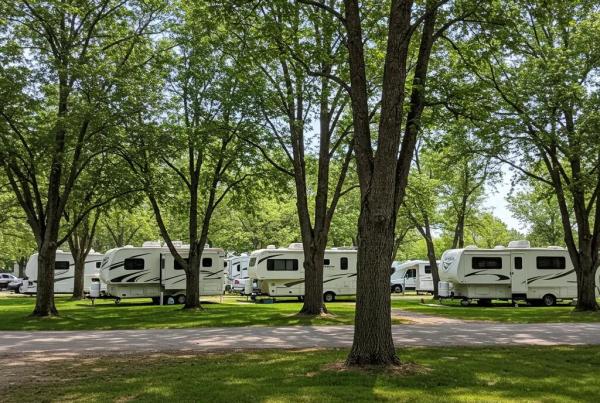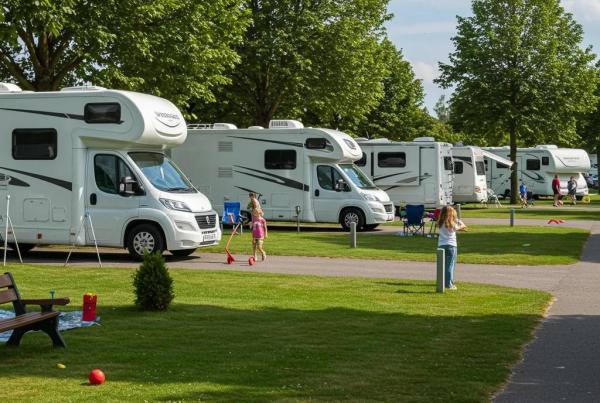

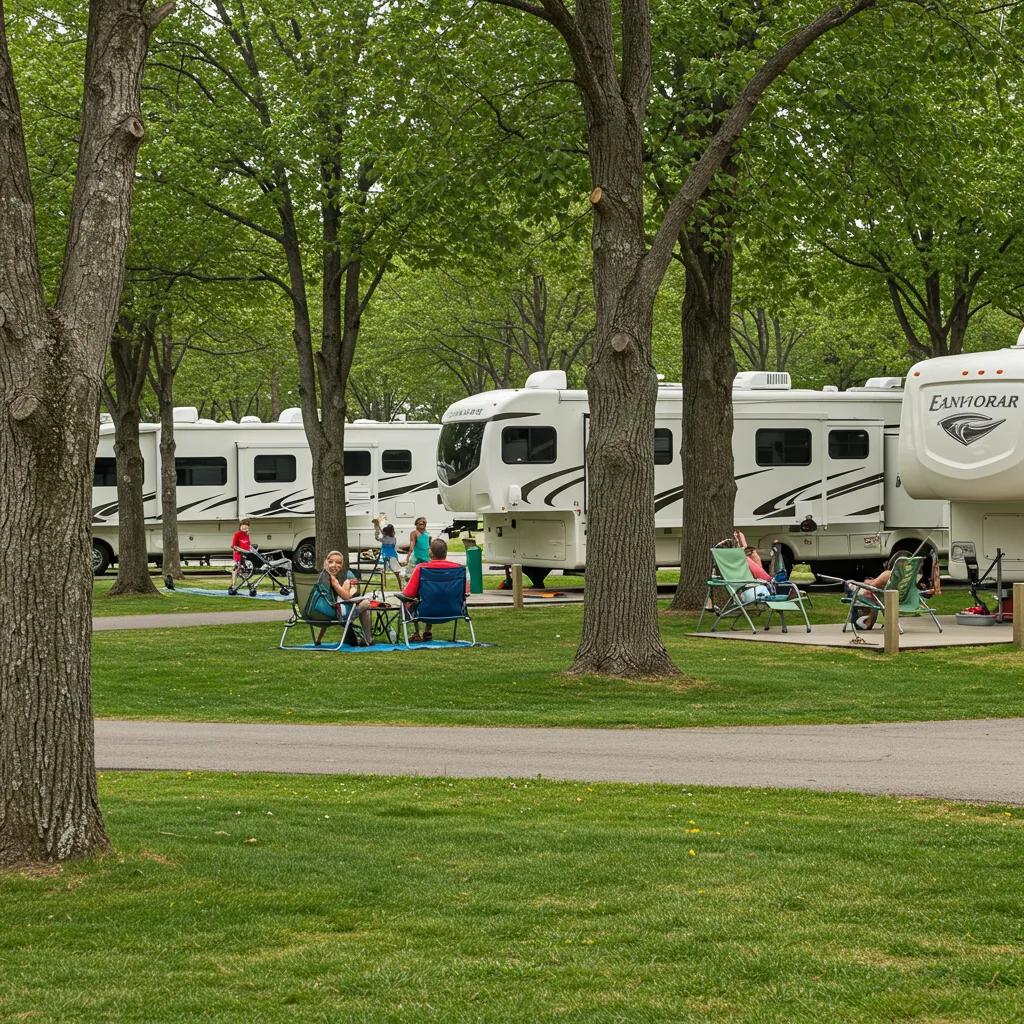
Key Elements That Influence the Market Value of Your RV Park or Campground: How to Maximize Your Selling Price
Your campground’s market value is essentially what a ready buyer will pay in today’s market. This price is primarily shaped by how well it generates income, what similar properties have sold for, and the cost to rebuild it from scratch. When you understand how your Net Operating Income (NOI), capitalization rates, amenities, location, and operational performance all work together, you’re empowered to make smart improvements that boost your sale proceeds. Many owners don’t realize how much a difference proper documentation, normalizing financials, or a few strategic, high-ROI upgrades can make in buyer offers. That’s why having a clear valuation framework is so important. This guide breaks down valuation methods, the most critical property and operational factors, practical financial prep steps, and improvement priorities that typically lift site values and NOI. You’ll find real-world examples, comparison charts, handy checklists, and market insights for 2025—covering everything from long-term stays and digital marketing to sustainability—so you can focus your efforts on what truly moves the needle on your campground’s selling price.
What Are the Primary RV Park Valuation Methods Used by Experts?

Valuation methods for RV parks and campgrounds offer different perspectives. The Income Approach converts stabilized Net Operating Income into a market value using a capitalization rate. Comparable Sales translate recent transaction data into per-site values, adjusted for differences. And the Cost Approach sums land value plus the replacement cost of improvements, minus depreciation. Each method answers a distinct buyer question—income yield, market precedent, or replacement economics—and together, they help triangulate a defensible asking price. In practice, buyers often lean on the Income Approach for operating parks, use comparables to sanity-check per-site values, and rely on the Cost Approach when unique infrastructure or recent capital work skews income comparability. Understanding which method is primary in different scenarios helps owners present data that aligns with buyer expectations and supports a stronger price.
How Is Net Operating Income Calculated for RV Parks?
Net Operating Income (NOI) is your total operating revenue minus allowable operating expenses. It’s the main income metric buyers use to value an operating campground. NOI includes site fees, cabin or rental revenue, ancillary income from things like on-site retail or activity fees, and seasonal or long-term lease income. Then, it subtracts recurring expenses such as utilities, maintenance, property management, insurance, and routine repairs. Sellers should prepare a normalized NOI that strips out owner perks, one-time capital expenditures, and non-recurring items to present a sustainable earnings figure that buyers can underwrite. A sample checklist of revenue streams and expense categories clarifies what to include, and a worked example shows how to convert gross revenue into adjusted NOI, demonstrating sensitivity to occupancy and expense ratios. Presenting NOI clearly reduces buyer skepticism and speeds up the valuation process.
Here’s a list of common revenue streams and expense categories used to calculate NOI:
- Site Fees and Rentals: Nightly, weekly, seasonal, and monthly fees for pads, cabins, and glamping units.
- Ancillary Income: Store sales, equipment rentals, activity fees, and laundry revenue.
- Operating Expenses: Utilities, payroll, supplies, maintenance, insurance, and routine groundskeeping.
Presenting these items cleanly helps buyers reconcile revenue to bank deposits during diligence and supports a reliable NOI.
What Role Does the Capitalization Rate Play in Campground Valuation?
The capitalization rate, or cap rate, is the ratio of NOI to market value. It essentially expresses the required investor return and risk. The formula is: Value = NOI ÷ Cap Rate. Cap rates tend to compress when demand rises or perceived risk falls, and they expand when interest rates climb or sector-specific risks increase. For campgrounds, cap rates reflect local market demand, site quality, amenity mix, and income stability. Long-term stay income, for instance, typically reduces risk and can lead to lower cap rates. Showing how small cap-rate differences impact valuation with two side-by-side calculations helps sellers grasp the sensitivity: a modest cap-rate compression can add substantial dollar value to the property. Buyers interpret cap rates as the market’s shorthand for risk and expected future performance.
How Do Comparable Sales Affect Your Campground’s Market Value?
Comparable sales (comps) translate recent transaction prices into per-site or per-acre metrics. Buyers then adjust these for differences in amenities, condition, and location. Comps, therefore, anchor expectations and validate income-based valuations. Good comps match site count, amenity parity (like full hookups, bathhouses, cabins), and regional demand characteristics. Adjustments are then made for variances in condition, infrastructure age, and permitted uses. A best-practice comp checklist speeds up analysis: identify the date of sale, price per site, occupancy at sale, and cap rate if available, then adjust for amenity and condition differences. Translating a comp sale into an adjusted per-site estimate gives sellers a market-backed reference point to justify pricing and counteroffer positions.
Here’s an introduction to a standard comparable selection checklist:
- Date of sale and proximity to subject property.
- Site count and mix (RV pads, cabins, glamping).
- Amenity parity and infrastructure condition.
Using this checklist helps owners and advisors produce defensible per-site adjustments for negotiations.
What Is the Cost Approach to Valuing an RV Park?
The Cost Approach values property by summing the land value plus the replacement cost of improvements, minus accrued depreciation. It’s most useful for unique or recently improved parks where replacement cost provides a clear floor value. Components include a current land appraisal, detailed improvement cost schedules (for roads, utilities, bathhouses, cabins), and depreciation for wear, obsolescence, or deferred maintenance. While income-producing properties typically favor the Income Approach, the Cost Approach becomes critical when substantial recent capital investment exists or when comparable sales are scarce. Demonstrating replacement-cost support can protect value in negotiations when buyers question income normalization or when environmental or entitlement issues limit comparable applicability.
A condensed comparison table of valuation approaches follows to clarify method characteristics and typical use-cases.
This comparison shows why buyers and appraisers use multiple methods to triangulate a final value and which approach will likely dominate a given sale.
After describing these valuation methods, owners seeking a confidential, no-pressure initial conversation can consider contacting GatherGrounds Resorts’ acquisition team. GatherGrounds Resorts offers preliminary valuations and private property discussions that help owners understand likely selling price ranges before listing. These exploratory conversations are designed to be stewardship-focused, providing a preliminary perspective without pressure to sell.
Which Key Factors Influence the Market Value of Your Campground?
Value drivers for campgrounds combine location, amenities, operational performance, infrastructure condition, and legal entitlements. Each factor affects income stability, growth potential, and buyer perception. Location determines demand patterns and achievable rates through proximity to attractions, highway access, and regional tourism trends. Amenities and infrastructure translate directly into nightly rate differentials and occupancy elasticity. Operational efficiency and clean financial records increase buyer confidence and often justify premium multiples. Zoning and expansion potential alter pro forma upside and can move site valuations substantially when entitlements permit additional pads or alternative revenue uses. Prioritizing these levers yields the best mix of near-term NOI uplift and sustainable value increase.
How Does Location and Accessibility Impact RV Park Value?
Location affects both demand level and seasonality. It’s measured by drive-time bands to major population centers, nearby attractions, and highway access. Highly accessible destination parks command higher occupancy and ADRs, while remote properties trade at discounts. Buyers prioritize characteristics such as proximity to lakes, trails, or tourist nodes, visibility from primary routes, and regional demand trends. These factors influence occupancy curves and peak-season pricing. Site-value benchmarks often differ substantially across regions, translating to large per-site value variation even with similar NOI. Quantifying local demand and showing patterns of origin markets helps sellers explain pricing and supports higher offers.
A short table gives example drive-time bands and likely demand implications:
These patterns help owners prioritize marketing and operational strategies tailored to their catchment area.
What Amenities Most Increase Campground Market Value?
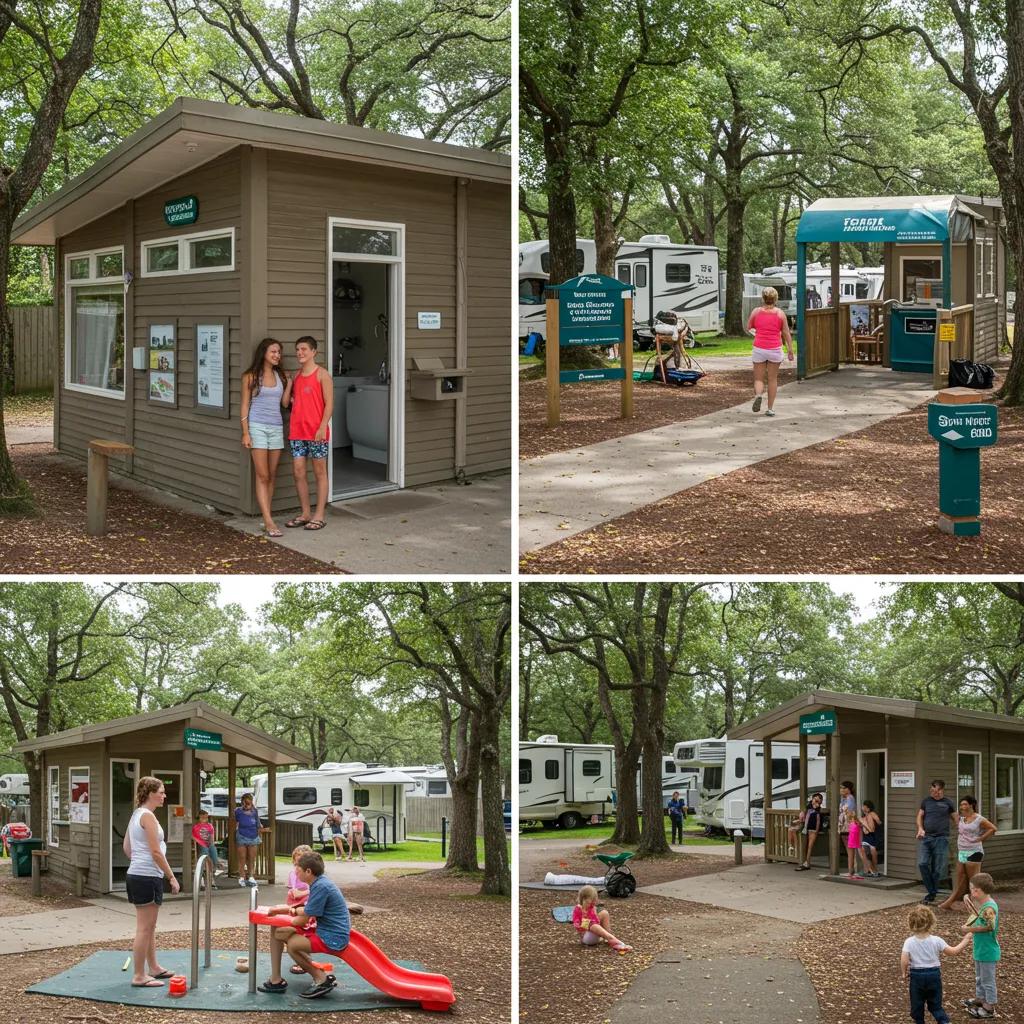
Specific amenities—high-speed Wi-Fi, modern bathhouses, full hookups, laundry facilities, and recreational features—are consistently linked to rate premiums and longer average stays, especially among remote workers and multigenerational families. Amenities alter guest demographics and length-of-stay behavior, with investments in connectivity and comfort often yielding quick occupancy or ADR lifts. Buyers examine amenity parity when comparing comps and apply adjustments for missing or substandard features. Presenting amenity-driven revenue projections and short ROI estimates helps owners prioritize upgrades that buyers value most.
The following table summarizes amenity impacts and common ROI expectations:
Owners can use this table to prioritize investments that produce revenue lift and buyer appeal.
How Do Operational Efficiency and Financial Performance Affect Valuation?
Operational efficiency—measured by occupancy, average daily rate (ADR), expense ratios, payroll efficiency, and marketing conversion—directly influences NOI and thus market value. Small margin improvements compound through capitalization. Buyers model potential upside from management improvements, so documented historical performance and evidence of implemented efficiency measures make price premiums more likely. Concrete operational changes such as dynamic pricing, direct booking incentives, and optimized staffing reduce expense ratios and increase net cash flow. Demonstrating a plan with KPI targets and recent results lowers perceived execution risk and can compress a buyer’s assumed cap rate.
Key operational metrics buyers look for include:
- Occupancy rate: Seasonal and annual trends.
- ADR / Average Revenue per Site: Rate realization over season.
- Expense ratio: Operating expenses as a percentage of revenue.
Improving these metrics increases NOI and thereby the asking price.
Why Are Zoning and Expansion Potential Important for RV Park Value?
Zoning, permitted uses, and entitlements determine what a buyer can legally operate or expand. They materially affect upside projections; properties with clear entitlement paths or approved expansions trade at premiums because future revenue is more certain. Buyers review current zoning classifications, septic/water capacity, and permit histories to understand near-term expansion feasibility. Documenting potential pad counts, precedent approvals, or utility upgrade paths strengthens pro forma arguments and justifies higher valuation multiples. Owners should compile zoning maps, permit files, and engineer reports to demonstrate expansion capacity and reduce buyer uncertainty about future revenue growth.
A practical entitlement checklist helps sellers prepare documentation:
- Current zoning and permitted uses.
- Recent permit approvals or denials.
- Utility capacity studies and septic/water constraints.
Proactive documentation of these items shortens diligence and supports value.
How Can You Prepare Your Campground Financials to Maximize Selling Price?
Preparing financials begins with assembling clean, reconciled Profit & Loss statements, tax returns, occupancy records, and supporting bank statements for at least three years. This allows buyers and lenders to reliably underwrite historical performance. Organizing records into standardized folders with summarized schedules, a normalized NOI reconciliation, and explanations for owner-related adjustments reduces friction during diligence and improves perceived transparency. Sellers should correct common issues—commingled personal expenses, missing receipts, or inconsistent booking reports—well before marketing. Clear financial packaging often results in faster offers and fewer valuation discounts because buyers can underwrite projected cash flow with confidence.
What Financial Documents Are Essential for Selling Your RV Park?
Buyers and lenders expect a specific set of documents that substantiate revenue and expenses and enable underwriting. Providing these documents upfront accelerates diligence and supports higher valuations. Essential items include multi-year P&Ls and tax returns, occupancy and booking system exports, utility bills, payroll records, vendor contracts, insurance policies, and capital expenditure histories. Licenses, permits, and environmental reports should also be available to preempt concerns. Including a one-page executive summary that highlights normalized NOI and key operating assumptions helps buyers quickly grasp the business case.
Here’s a numbered checklist of essential documents:
- 3–5 years Profit & Loss statements and tax returns.
- Occupancy, reservation exports, and channel reports.
- Utility invoices, payroll records, and vendor contracts.
Providing these items with explanations reduces buyer pushback and supports asking prices.
How Should You Organize and Present Financial Records for Valuation?
A standardized folder structure and a summary cover sheet that reconciles book income to normalized NOI make reviewer navigation straightforward and reduce questions during offers. Present recurring versus non-recurring items clearly, provide schedules for owner perks removed from EBITDA, and include occupancy trend charts and rate tables that map price to seasonality. A reconciled bank-to-book summary for major revenue accounts prevents perceived revenue inflation. Transparency in presentation builds trust and can translate into better offers and smoother negotiations.
Here’s a suggested folder structure and cover sheet elements:
- Executive summary with normalized NOI.
- Annual P&Ls, tax returns, and bank statements.
- Occupancy and ADR trend charts and channel reports.
Well-organized records shorten diligence timelines and increase buyer confidence.
What Common Financial Pitfalls Should Sellers Avoid?
Several frequent mistakes erode buyer trust or reduce valuation. These include commingled personal and business expenses, missing backup documentation, overstated revenue claims, and unrecorded deferred maintenance. Sellers should remedy these by separating personal expenses, collecting invoices and receipts, and documenting capital improvements with cost and date. Addressing these issues months before marketing—standardizing bookkeeping, correcting errors, and preparing an explanatory memo—often yields higher offers and avoids last-minute price cuts. A realistic remediation timeline of 60–120 days is typically sufficient for common financial cleanups.
Here are common pitfalls and remediation steps:
- Commingled expenses: Separate and reclassify; provide corrected P&Ls.
- Missing records: Reconstruct from bank statements and vendor confirmations.
- Deferred maintenance: Estimate repair costs and disclose with timelines.
Proactive fixes reduce negotiation friction and help preserve value.
What Value-Adding Improvements Can Increase Your Campground’s Market Price?
Targeted capital improvements and operational upgrades that increase NOI and guest satisfaction deliver the strongest impact on market price. Investments in connectivity, utility upgrades, bathhouse modernization, and selective site expansions typically offer the highest returns. Improvements should be prioritized by cost-effectiveness and alignment with local demand. For example, remote-work-friendly amenities in high long-stay markets outperform purely decorative upgrades. Measuring expected NOI uplift and payback period for each improvement helps owners decide which projects to complete before sale and which to leave as seller-financed upside for buyers.
Which Upgrades Have the Highest Return on Investment?
High-return upgrades often include high-speed internet installation, bathhouse renovations, hookup electrical and sewer improvements, and added cabin or glamping units where permitted. These investments either raise achievable ADRs or increase occupancy and length of stay. Case-style examples illustrate the impact: a Wi-Fi upgrade that converted several nightly guests into long-term monthly tenants improved occupancy stability and raised annual NOI; a renovated bathhouse translated to better online reviews and higher peak-season ADRs. Prioritization should consider property size, permitted uses, and local market demand.
Here’s a list of high-ROI improvements with payback rationale:
- High-speed Wi-Fi: Attracts long-term stays; rapid payback through increased occupancy.
- Bathhouse renovation: Improves guest experience; raises ADR and repeat visits.
- Full hookups and utility upgrades: Enables premium rates and broader guest appeal.
Owners should align upgrades with buyer expectations to capture value at sale.
GatherGrounds Resorts has implemented targeted renovations in acquired properties—such as connectivity and bathhouse upgrades—that led to measurable NOI increases and higher per-site valuations, demonstrating how focused capital improvements translate into buyer-perceived value.
How Do Renovations and Modern Amenities Affect Guest Satisfaction and Revenue?
Renovations and contemporary amenities reduce negative reviews, encourage repeat bookings, and extend average length of stay. Together, these factors support higher ADRs and more predictable revenue. For example, adding remote-work-friendly spaces increases off-season occupancy and stabilizes revenue streams; improved communal facilities foster group bookings and events. Better guest satisfaction also improves online ratings, enhancing discoverability and conversion rates. Quantifying these effects through pre- and post-renovation occupancy and ADR comparisons helps sellers make a data-backed case for value uplift.
What Operational Changes Can Boost Your Campground’s Financial Performance?
Operational levers—dynamic pricing, direct-booking incentives, streamlined staffing schedules, utility cost controls, and targeted marketing—can raise margins without large capital outlays and often show immediate NOI improvement. Implementing a revenue-management approach that adjusts rates by demand and channel reduces reliance on third-party commissions and lifts realized ADR. Streamlining vendor contracts and optimizing staff scheduling reduce expenses and improve service consistency. Setting measurable KPIs such as occupancy targets, ADR growth, and cost-per-occupied-site helps track improvements and provides buyers with credible performance projections.
Here are actionable operational steps with expected impact:
- Adopt dynamic pricing to capture higher rates on peak dates.
- Promote direct bookings to reduce commission expenses.
- Implement utility monitoring to cut avoidable costs.
What Current Market Trends Are Shaping RV Park and Campground Valuations in 2025?
In 2025, several trends are reshaping valuations: rising demand for long-term stays and remote-work-friendly parks, increasing importance of a strong digital presence and direct-booking performance, and greater buyer attention to sustainable infrastructure that lowers operating costs and regulatory risks. Interest-rate and capital-market moves continue to influence cap rates, while buyer preferences favor properties with stable recurring revenue streams and demonstrable operational systems. Owners who align amenities, marketing, and sustainability investments with these trends often command tighter cap rates and higher per-site multiples.
How Is Increased Demand for Long-Term Stays Influencing Value?
Long-term stays convert some seasonal variability into steadier monthly revenue, reducing income volatility and thereby lowering perceived investment risk. Buyers often apply lower cap rates to parks with a reliable base of extended-stay income. Structuring a portion of inventory for monthly rentals increases cash-flow predictability but requires operational adjustments like clearer lease terms and utility billing. A simple pro forma illustrating a 10–20% conversion of sites to long-term can show material NOI stability and justify cap-rate compression. Demonstrating existing long-term demand through booking data makes the case most persuasively to buyers.
What Role Does Digital Marketing Play in Campground Marketability?
Digital marketing and direct-booking systems provide verifiable demand signals—conversion rates, channel mix, and review trends—that buyers use to validate revenue claims. A strong website with a booking engine, active OTA presence, and consistent review scores demonstrates marketability and reduces perceived marketing risk. Presenting analytics and channel performance in the data room helps buyers underwrite future revenue and supports higher offers. Quick wins before sale include improving listings, consolidating channel management, and highlighting direct-booking incentives to improve margins.
Here’s a list of digital assets buyers expect and why they matter:
- Website with booking engine: Demonstrates direct demand and conversion.
- OTA presence and channel metrics: Shows market reach and occupancy drivers.
- Review and reputation data: Correlates with pricing power and repeat business.
Improving these assets pre-sale improves buyer confidence and valuation.
Why Is Sustainable Infrastructure Becoming a Valuation Factor?
Sustainable infrastructure—efficient utilities, septic/water upgrades, and renewable energy—reduces operating costs, mitigates regulatory risk, and appeals to a subset of buyers willing to pay for lower long-term expenses and community goodwill. Energy- and water-efficiency projects often yield multi-year paybacks but improve the bottom line and lender underwriting assumptions. Demonstrating utility savings and replacement-cost reductions with hard numbers can justify modest premiums and broaden the buyer pool to investors focused on lower operating risk.
How Do Buyers and Investors Typically Evaluate RV Parks Before Purchase?
Buyers evaluate RV parks through a structured due diligence process focused on financial metrics, market comparisons, and site inspections. They prioritize sustainable NOI, occupancy trends, and the condition of infrastructure that supports revenue assumptions. Typical evaluation phases include initial financial review, site visit and property condition assessments, title and environmental checks, and entitlements review. Presenting clean, reconciled records and proactive disclosures shortens each stage and reduces price adjustments during negotiations. Understanding buyer priorities lets sellers prepare targeted documentation that accelerates offers and reduces perceived risk.
What Financial Metrics Do Buyers Prioritize?
Buyers prioritize NOI, occupancy trends, ADR, expense ratios, and site value per pad as primary underwriting inputs. They also model EBITDA adjustments and cap-ex needs for near-term stabilization. These metrics drive offer price and the buyer’s required cap rate. Presenting benchmarked metrics against regional peers—occupancy ranges, ADR by season, and historical expense ratios—helps buyers reconcile assumptions and can support a tighter valuation spread. Simple presentation templates for these metrics make underwriters’ jobs easier and speed decision-making.
How Important Are Market Comparisons and Site Values?
Market comparisons and per-site values are central to buyer valuation because they provide market-tested price points and reduce reliance on speculative projections. Buyers convert comparable sale prices into adjusted per-site values and then reconcile to income-based valuations to form a final offer. A worked example that adjusts a nearby comp for fewer amenities or better infrastructure helps sellers anticipate adjustments and prepare supporting documentation that justifies premium pricing. Demonstrating unique value drivers—natural features, stewardship, or repeat-guest programs—helps rationalize per-site premiums.
What Due Diligence Processes Should Sellers Expect?
Due diligence commonly covers financial verification, property condition assessments, environmental review, title and survey checks, zoning and entitlement confirmation, and operational interviews. Timelines typically range from 30 to 90 days depending on financing and complexity. Preparing organized data rooms with reconciled financials, recent inspections, and permit files reduces back-and-forth and shortens diligence. Proactive seller actions—such as pre-ordering a Phase I environmental report or updating utility records—can remove common bottlenecks and expedite a clean closing.
Here’s a typical due diligence timeline overview:
- Initial financial and document review: 1–2 weeks.
- Property inspection and environmental checks: 2–4 weeks.
- Title, survey, and entitlement verification: 2–6 weeks.
Being prepared on these fronts improves transaction speed and preserves value.
What Are the Steps to Successfully Sell Your RV Park or Campground?
Selling a campground successfully follows a roadmap: initial confidential valuation and exploratory conversations, preparing property and financial documentation, targeted marketing or direct outreach to stewardship-minded buyers, negotiation and diligence, and a planned transition that preserves guest relationships and staff continuity. Each step benefits from early preparation—clean financials, prioritized improvements, and an organized data room—and from aligning sale timing to market demand. Framing the sale as a stewardship transition can attract buyers who value legacy preservation and are willing to pay a premium for well-maintained, community-oriented parks.
How Do You Initiate a No-Pressure Conversation with Potential Buyers?
Initiating a no-pressure conversation starts with concise outreach that requests an exploratory discussion and provides basic property summaries—site count, general location, recent occupancy, and a brief list of improvements—so buyers can determine initial interest without binding commitments. Owners should prepare a short executive summary and the key documents listed earlier to facilitate an informed preliminary conversation. Sample outreach language focuses on exploratory intent and confidentiality, and owners should expect the preliminary call to clarify what additional information a buyer would need to provide an indicative valuation.
Here are sample outreach script elements:
- Opening: Request an exploratory, confidential conversation regarding property interest.
- Key facts to present: Site count, typical occupancy, recent NOI figure.
- Ask: Request initial valuation perspective or next steps for a confidential review.
This structure encourages constructive, pressure-free dialogue.
What Is the Typical Timeline for Selling a Campground?
Typical sale timelines vary. A highly prepared sale to a motivated buyer can close in 60–90 days, whereas a marketed sale with financing and extended due diligence often spans 120–180 days. Factors that speed a transaction include pre-prepared financials, clear title, up-to-date permits, and responsive seller cooperation. Bottlenecks commonly arise around environmental reports, utility upgrades, and lender underwriting. Anticipating these needs and preparing documentation in advance shortens overall time to close. Sellers should plan contingency time for contract negotiations and potential remediation items.
How Can You Ensure a Smooth Transition After Sale?
A smooth transition requires planning for staff retention, guest communications, vendor handoffs, and operational documentation. Overlapping management periods and written handoffs preserve service consistency and protect guest relationships. Key transition items include payroll continuity plans, vendor contract assignments, guest notification templates, and an operations manual detailing seasonal procedures. Stewardship-focused buyers often prioritize legacy preservation and may offer structured transition support to maintain community goodwill. Clear documentation and reasonable overlap reduce disruption and protect the value you negotiated.
For owners ready to explore next steps, GatherGrounds Resorts invites no-pressure conversations to discuss property possibilities and transition planning. Their acquisition service emphasizes stewardship, direct communication, and thoughtful transitions designed to preserve legacy and enhance property quality.
Frequently Asked Questions
What are the most common mistakes sellers make when preparing their RV park for sale?
Sellers often make several common mistakes that can negatively impact their RV park’s valuation. These include failing to separate personal and business expenses, neglecting to maintain accurate financial records, and not addressing deferred maintenance issues. Additionally, overstating revenue or not providing sufficient documentation can lead to buyer skepticism. To avoid these pitfalls, sellers should proactively clean up their financials, ensure all records are complete, and transparently disclose any maintenance needs. This preparation can help build trust and support a higher selling price.
How can sellers effectively market their RV park to attract buyers?
Effective marketing of an RV park involves showcasing its unique features and strengths. Sellers should create a comprehensive marketing package that includes high-quality photos, detailed descriptions of amenities, and a clear outline of financial performance. Utilizing online platforms, social media, and targeted outreach to potential buyers can enhance visibility. Additionally, highlighting the park’s location, accessibility, and any recent upgrades can attract interest. Engaging a real estate professional with experience in campground sales can also help in crafting a compelling narrative that resonates with buyers.
What role does guest feedback play in the valuation of an RV park?
Guest feedback significantly influences the valuation of an RV park, as it reflects customer satisfaction and overall experience. Positive reviews can enhance the park’s reputation, leading to higher occupancy rates and increased revenue potential. Buyers often consider online ratings and testimonials when assessing a property’s marketability. To leverage guest feedback, owners should actively manage their online presence, respond to reviews, and implement improvements based on guest suggestions. This proactive approach not only boosts guest satisfaction but also strengthens the park’s appeal to potential buyers.
How can sustainability initiatives impact the value of an RV park?
Sustainability initiatives can positively impact the value of an RV park by reducing operating costs and appealing to environmentally conscious buyers. Implementing energy-efficient systems, water conservation measures, and waste reduction practices can lower expenses and enhance the park’s long-term viability. Buyers are increasingly interested in properties that demonstrate a commitment to sustainability, as these initiatives can mitigate regulatory risks and improve community relations. By showcasing sustainability efforts, sellers can attract a broader range of buyers and potentially command a premium price for their property.
What are the benefits of having a well-documented operational plan for an RV park?
A well-documented operational plan provides clarity and structure, which can significantly enhance the value of an RV park. It outlines standard operating procedures, staffing requirements, and maintenance schedules, making it easier for potential buyers to understand the park’s management. This documentation can also demonstrate the seller’s commitment to operational efficiency and profitability. Buyers are more likely to feel confident in their investment when they see a clear plan for ongoing operations, which can lead to quicker sales and potentially higher offers.
How does the timing of a sale affect the market value of an RV park?
The timing of a sale can greatly influence the market value of an RV park. Selling during peak demand seasons, such as summer or holiday periods, can attract more buyers and potentially lead to higher offers. Conversely, selling during off-peak times may result in lower interest and offers. Additionally, market conditions, such as interest rates and economic trends, can impact buyer sentiment. Sellers should monitor market trends and consider timing their sale to align with favorable conditions to maximize their property’s value.
Conclusion
Maximizing the market value of your RV park or campground hinges on understanding key valuation methods, enhancing operational efficiency, and prioritizing high-impact improvements. By leveraging insights on location, amenities, and financial preparation, owners can significantly increase their selling price and attract motivated buyers. Engaging in proactive discussions with experts like GatherGrounds Resorts can provide tailored strategies to elevate your property’s appeal. Start your journey towards a successful sale by reaching out for a confidential consultation today.