

Comparing Campground Accessibility: Tents, RVs, and Trailers Site Types and Requirements Explained
Campground accessibility is all about how campsite design, utilities, and the lay of the land make it easy and safe for different camping styles—tents, RVs, and trailers—to enjoy their spot.
You’ll get the lowdown on the real differences between primitive tent sites, tent sites with electricity, 30A and 50A RV sites, and trailer sites with full hookups. We’ll cover how these distinctions impact booking, accessibility in Michigan, and what amenities you can expect right at your site. This guide breaks it all down: a direct comparison of site types, ADA accessibility considerations with a Michigan example, booking and seasonal rules with a sample reservation flow, family-focused amenities including a Wibit water park example, and a handy checklist to help you pick the perfect site at Walnut Hills. We’ll highlight how site features connect with what you need, so you can make smart choices when looking for tent camping amenities in Michigan or trailer-friendly campgrounds in the Durand area.
What Are the Key Differences Between Tent, RV, and Trailer Campground Sites?
Tent, RV, and trailer sites mainly differ in their size, what the ground surface is like, and the utility hookups available. These factors directly determine what kind of vehicles and camping setups can comfortably and safely use the site. Tent sites can range from basic spots on the grass to raised pads with electricity nearby, while RV and trailer sites usually offer gravel or concrete pads with 30 or 50 amp electrical service and sometimes sewer hookups for longer stays.
These differences can affect how much privacy you have, how much shade you get, how easy it is to maneuver your vehicle, and the kind of gear you can bring. All of this plays a big role in how comfortable your family will be and how much planning you’ll need to do. Knowing these physical differences will help you pick the right site and double-check the site’s dimensions and hookup availability before you book.
This table gives you a quick look at typical site features to help you decide faster and shows the common trade-offs between size and services.
This comparison helps clarify which site types are best for different family priorities and leads into more specific details for tent, RV, and trailer camping.
How Do Tent Camping Sites Vary in Accessibility and Amenities?
Tent sites can range from basic spots with uneven ground and few services to ones with electricity that include picnic tables and nearby water. This choice really impacts wheelchair accessibility and overall convenience. Primitive tent sites often mean walking off-trail and might not be the best for campers with mobility challenges, while tent sites with electricity are usually closer to bathhouses and parking, offering an easier path to facilities. Families will find it helpful to check the ground surface, how close accessible restrooms are, and the amount of shade and privacy when picking a tent site, as these things make a big difference in comfort during longer stays. These accessibility points for tent campers naturally lead into how RV and trailer sites handle utility and mobility needs.
What Are the Typical RV Site Requirements and Full Hookup Options?
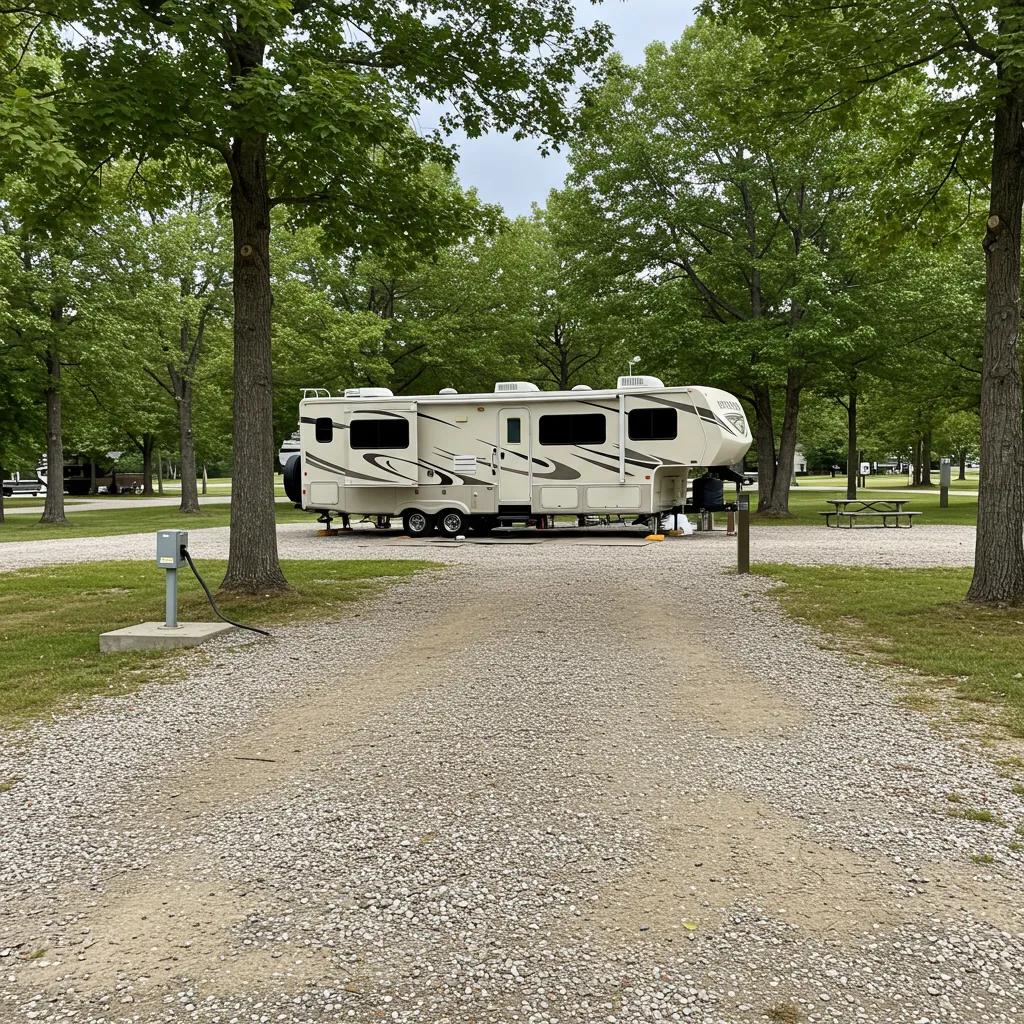
An RV site is defined by its pad size, electrical capacity, and whether it offers full hookups (water, electric, sewer). These features together support longer stays and the use of larger appliances in your rig. A 30 amp service is enough for basic RV systems and smaller air conditioners, while a 50 amp service can power multiple AC units and higher-demand appliances. Full-hookup sites add direct sewer connections and consistent water pressure, perfect for extended family trips. The site’s layout—whether it’s pull-through or back-in, the pad length, and clearance for slide-outs—affects how easy it is to maneuver and where you can park your tow vehicle, which is a practical consideration for families with big rigs. Knowing these RV site details helps campers choose the right hook-up options when booking and leads into trailer-specific considerations.
How Do Trailer Camping Sites Compare in Size and Hookup Availability?
Trailer sites often have similar hookup options to RV sites but require extra space for the tow vehicle and room to detach and store gear. This makes the pad length and turning radius really important. Typical trailer length limits at family campgrounds can vary, so trailers might face stricter length restrictions than motorhomes and need sites with enough maneuvering room. Hookup availability for trailers is usually comparable to motorhomes—sites marked as full-hookup typically accommodate towables—but families should confirm sewer connections and power capacity, especially for longer stays. Confirming these trailer-specific details when booking helps avoid surprises upon arrival and naturally leads into how accessibility can differ by state and campground.
How Accessible Are Campgrounds for Different Camping Styles in Michigan?
Campground accessibility for tents, RVs, and trailers really depends on things like wheelchair-accessible paths, ramped entrances to bathhouses, and how close parking is. Michigan’s terrain and seasonal weather can also affect how usable these features are. Accessible features help remove barriers: firm pathways allow wheelchair users to get to tent pads and amenities, accessible restrooms and showers support personal care needs, and nearby parking makes it easier for families to load and unload. In Michigan, the weather can change trail firmness and river access levels throughout the year, so campers should check on the durability of accessible paths and whether facilities are winterized when planning. Looking at these ADA features across different site types shows how design choices translate into real-world usability for families and sets the stage for the next section on specific ADA features for each site type.
Before you see the accessibility table, note that this table lists specific ADA-related features so you can compare accessible options across site types and plan accordingly.
This table layout clearly shows which site categories commonly include accessible features and helps families get ready to confirm the specifics with campground staff.
What ADA Compliant Features Are Available for Tent, RV, and Trailer Sites?
ADA-compliant features include pathways with accessible surfacing, parking spaces right next to sites, ramped entrances to shared facilities, and accessible restrooms and showers designed for mobility devices. Tent sites with electrical pads might have paved routes and closer parking to cut down on the distance to facilities, making them a better choice for families needing mobility accommodations. RV and trailer areas often provide level concrete pads and are located near ADA restrooms, which makes setup easier for larger groups and reduces the distance for individuals using mobility aids. Confirming these features when booking ensures your chosen site meets your family’s accessibility needs and leads into an example of accessible amenities at a family campground.
Which Family-Friendly Amenities Support Accessible Camping at Walnut Hills?
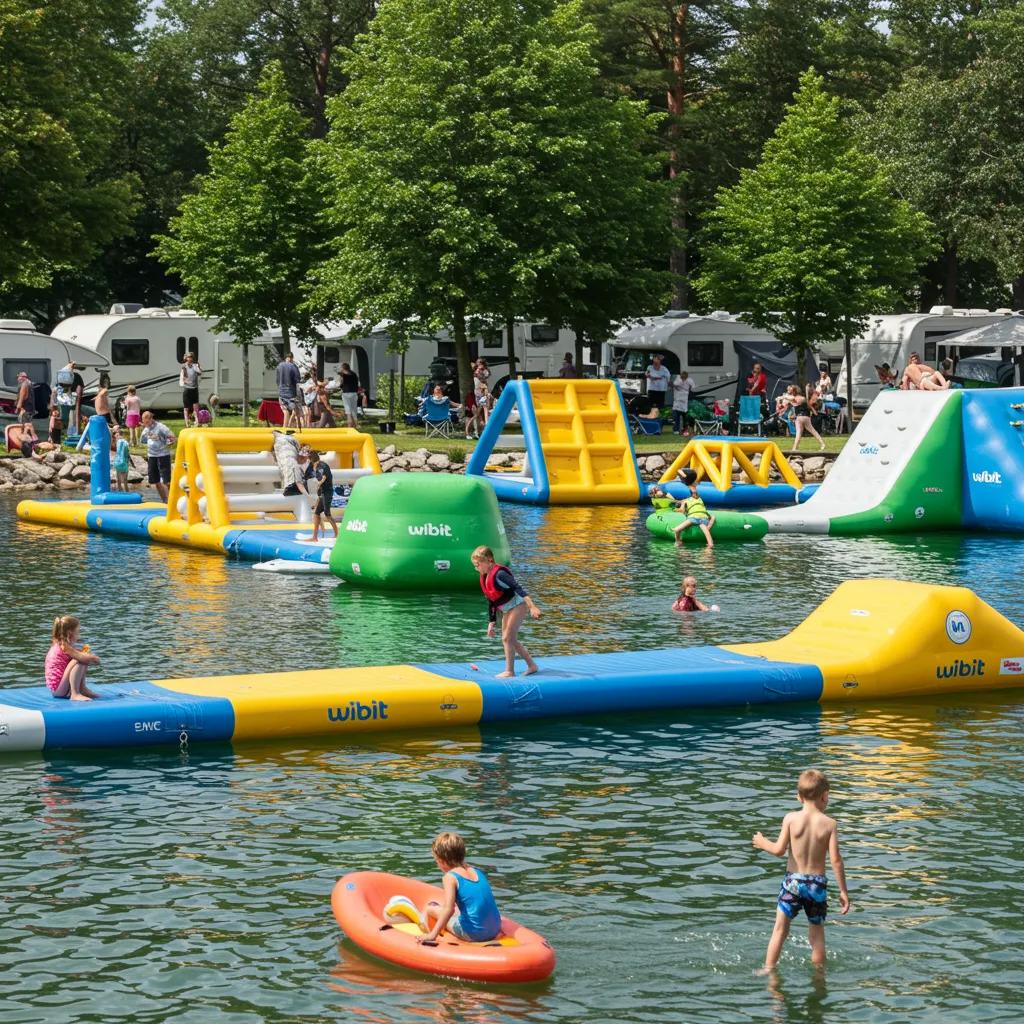
Family-friendly amenities like a swimming lake, playgrounds, a dog park, and organized weekend events can boost accessibility by grouping services close together and offering staff-led activities that work for families. Walnut Hills Family Campground (part of GatherGrounds Resorts) offers accessible bathhouses and amenity layouts designed to support family stays. Their amenities include a Wibit water park and river float trips that families often enjoy during daytime activities. These amenity arrangements cut down on travel time between your site and play areas for families with young children or mobility concerns, and they show how amenity design can support various camping styles. Thinking about where amenities are located helps families pick a site type—tent, RV, trailer, or cabin—that maximizes fun with fewer accessibility hurdles.
How Do Site Types Affect Booking and Reservation Options at Family Campgrounds?
Site types influence your booking choices because they determine the online filters you can use, the cancellation policies, and the minimum-night stays that campgrounds enforce to manage demand and utility use. RV and trailer sites with full hookups often have longer minimum stay requirements during peak season and might have different deposit rules than primitive tent sites. Cabin rentals and seasonal sites have their own reservation processes for longer stays. Understanding how site types relate to reservation rules helps families plan their deposits, pack the right gear, and pick dates that work with both availability and their budget. This naturally leads into a practical, step-by-step reservation example for families to follow when booking a specific campground.
Before you see the reservation steps, this short intro explains the purpose: the list will guide you through a clear online reservation process tailored for tent, RV, and trailer filters, along with essential confirmations.
- Choose your site type (primitive tent, electrical tent, 30A RV, 50A RV, or trailer full-hookup) to filter availability.
- Confirm pad dimensions and length limits to verify vehicle and slide-out clearance.
- Select desired dates and review minimum-night and seasonal pricing notices before adding extras.
- Enter camper details, submit required deposit, and review cancellation and extended-stay policies.
This ordered list helps families avoid booking mistakes and moves on to a brief, campground-specific reservation example.
After explaining the general reservation steps, here’s a quick practical example using Walnut Hills campsite reservation processes to show you the flow for families.
- To reserve at Walnut Hills Family Campground, select the site type filter for tent, RV, or trailer, confirm hookups and length, choose dates, and complete the online checkout with the displayed deposit and cancellation terms.
- Walnut Hills campsite reservations offer site-type filters and clear notes on seasonal site availability to help families match their needs before arrival.
This example shows how to apply the booking steps at a family campground and prepares you for differences in seasonal booking.
What Are the Online Reservation Steps for Tent, RV, and Trailer Sites?
An online reservation usually starts by picking your dates, then using site type filters, followed by confirming hook-up options and site length limits before paying a deposit and reviewing cancellation rules. Tent campers should select primitive or electrical tent filters to see sites near bathhouses, and RV/trailer guests should use the 30A/50A and full-hookup filters to narrow down options that fit their rig. The platform typically shows site maps and photos so you can check privacy, shade, and parking layout, which helps families plan their gear and arrival maneuvers. Going through these reservation steps reduces arrival hassles and informs decisions about seasonal and extended-stay options.
How Do Seasonal and Extended Stay Options Differ Across Site Types?
Seasonal and extended-stay options are generally better suited for RVs and trailers with full hookups because the utilities support long-term living, while tent sites are usually booked for nightly or short-term stays on busy weekends. Seasonal sites often have different pricing and deposit structures and might require a separate application or payment plan for multi-week stays. Families thinking about extended stays should weigh the benefits of stable hookups and convenient parking against seasonal commitments and ask about utility access during the shoulder seasons. Knowing these trade-offs before booking helps match your camping style to your intended stay length and family needs.
What Activities and Amenities Enhance the Camping Experience for All Site Types?
Core amenities—like a swimming lake, Wibit water park, river float trips, playgrounds, and dog parks—act as enjoyment multipliers for families, no matter if you’re in a tent, RV, trailer, or cabin, because they offer shared experiences close to your site. Organized weekend events and scheduled river floats cut down on planning for families and make amenities accessible to all site types, provided pathways and parking are well-designed. Amenities can influence your site selection: families who want immediate access to water play might choose sites near the Wibit water park, while groups looking for a quieter experience might prefer tent areas on the outskirts. Understanding how amenities align with site types helps families prioritize site location when booking.
This short table lists amenities and the main ways different site types typically use them to help families match activities to their camping style.
How Does the Wibit Water Park Cater to Families Across Camping Styles?
A Wibit water park features modular play elements on a lake that are fun for both kids and adults. Its effectiveness relies on easy entry points, lifeguard supervision, and being close to parking or campsites. Tent campers need short, stable paths to avoid carrying heavy gear long distances, while RV and trailer guests benefit from vehicle storage for flotation devices and quick returns to their site. Families should check the rules, age or weight limits, and schedules for quieter times to ensure safe use, and pack appropriate footwear and flotation aids. Planning water park visits around your site’s location and arrival routine can really improve the overall family experience.
What Outdoor Recreation Opportunities Are Available Near Tent, RV, and Trailer Sites?
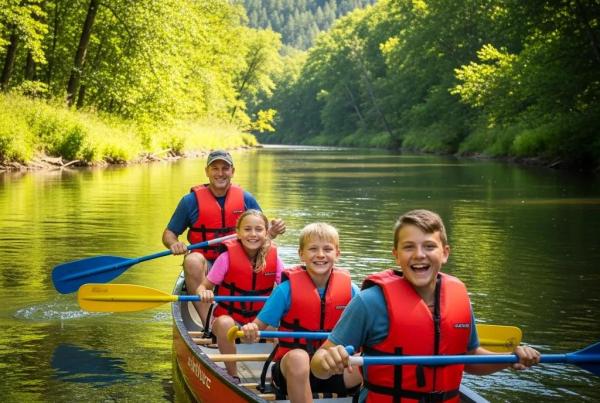
Nearby recreation often includes river float trips on the Shiawassee River, short family-friendly hikes, playgrounds, and local day trips. The logistics for these activities can vary depending on your site type and how much storage you have. Tent campers might prefer lightweight, portable gear and shuttle services for river floats, whereas RV and trailer guests can store kayaks or large coolers on-site for multi-day excursions. Families should map out the logistics for activities—like launch points, parking, and how far you’ll need to carry things—when choosing a site to make sure your transport needs match your planned recreation. Getting your equipment lists and transport plans ready for your specific site type makes day trips easier and boosts family safety.
How Can Campers Choose the Best Site Type for Their Needs at Walnut Hills?
Picking the best site means matching your family size, vehicle type, accessibility needs, desired amenities, and budget to site features like pad size, hookups, and how close facilities are. Walnut Hills Family Campground (part of GatherGrounds Resorts) offers a variety of options, from tent sites to seasonal RV sites and cabin rentals. Families should prioritize site dimensions, accessible pathways, and proximity to amenities when making their decision. A decision checklist can help families quickly rule out unsuitable options and focus on sites that meet their mobility, storage, and activity preferences. Following that checklist reduces booking errors and ensures the site you select supports your family’s planned activities.
Before you see the checklist, this paragraph explains that the checklist helps you prioritize your needs so families can quickly find the best tent, RV, trailer, or cabin option.
- Identify your vehicle type and measure its overall length to confirm site compatibility.
- Prioritize necessary hookups (none, 30A, 50A, sewer) based on your appliances and how long you’ll be staying.
- Match your accessibility needs to site proximity and bathhouse features, and confirm accessible parking availability.
What Factors Should Families Consider When Selecting Tent, RV, or Trailer Sites?
Families should think about privacy and shade, how close restrooms and playgrounds are, their hookup needs, vehicle length limits, and pet policies when choosing a site to ensure convenience and safety. For young children, pick sites closer to amenities and with gentle terrain to make playtime comfortable. Larger groups might prefer pull-through RV sites for easier loading and extra parking. Accessibility needs mean confirming wheelchair-accessible pathways and accessible restroom availability, which can significantly impact arrival and daily routines. Evaluating these factors in order of importance ensures that the selected site will support your daily life and planned activities during your stay.
How Do Cabin Rentals and Glamping Options Compare to Traditional Camping Sites?
Cabin rentals and glamping cabins usually offer more built-in comfort, easier accessibility, and simpler packing because they provide enclosed shelter, furniture, and sometimes electricity and heating, unlike tent sites. For families seeking convenience or dealing with mobility challenges, cabins often include ramped entrances and shorter distances to amenities, making them more accessible than primitive tent areas. However, cabins trade some outdoor immersion for comfort and might cost more per night than basic tent sites or seasonal RV spots. Choosing cabins over traditional camping depends on your family’s priorities for comfort, accessibility, and the level of outdoor experience you’re looking for.
Frequently Asked Questions
What should I consider when choosing a campground for a family with young children?
When picking a campground for a family with young children, focus on being close to amenities like playgrounds, restrooms, and water sources. Look for sites with gentle terrain and shade to keep things comfortable during playtime. Also, consider how far away these facilities are from your campsite, as shorter distances mean less hassle hauling gear and kids. Accessibility features, like wheelchair-friendly paths, can also make things more convenient for families with different mobility needs.
Are there specific campgrounds in Michigan that cater to families with special needs?
Yes, many campgrounds in Michigan are designed with families with special needs in mind. These campgrounds often have ADA-compliant facilities, including accessible restrooms, shower units, and pathways that work for wheelchairs. It’s a good idea to call the campground directly to ask about specific accessibility features and what amenities are available. Some campgrounds might even offer programs or staff training to help families with special needs, making for a more enjoyable camping trip.
How can I ensure my RV or trailer fits the campground’s requirements?
To make sure your RV or trailer fits the campground’s requirements, first check the specific site dimensions and length limits the campground provides. Measure your vehicle’s total length, including any extras like bike racks or towed trailers. Confirm the type of hookups available, such as 30A or 50A electrical service, and if the site offers full hookups. It’s also smart to ask about maneuverability, especially for back-in versus pull-through sites, to avoid any surprises when you arrive.
What are the benefits of booking a seasonal campsite versus a nightly site?
Booking a seasonal campsite offers several perks, like the convenience of having your own spot for the whole camping season, which saves time on packing and setting up. Seasonal sites often come with full hookups, making them great for longer stays. They might also be more cost-effective than nightly rates, especially for families who camp a lot. Seasonal campers also get to experience a sense of community, as they often return to the same site and meet other campers year after year.
What types of outdoor activities are typically available near campgrounds?
Campgrounds often offer a variety of outdoor activities to make your camping trip even better. Common options include hiking trails, fishing spots, swimming lakes, and organized events like guided nature walks or campfire stories. Many campgrounds also have recreational facilities such as playgrounds, sports courts, and water parks. Families can enjoy river float trips or kayaking, depending on where the campground is located. It’s a good idea to check the campground’s website or call them directly for a list of available activities and any seasonal offerings.
How do I find out about cancellation policies for campground reservations?
To find out about cancellation policies for campground reservations, check the campground’s official website, where they usually lay out their policies in the reservation section. If you can’t find the information there, contact the campground directly by phone or email to ask about their specific cancellation terms. Policies can vary a lot, with some campgrounds being flexible while others have strict deadlines or fees. Understanding these policies before you book can help you avoid unexpected charges if your plans change.
What are the advantages of glamping compared to traditional camping?
Glamping, or glamorous camping, offers several advantages over traditional camping, especially when it comes to comfort and convenience. Glamping accommodations often include amenities like real beds, electricity, and private bathrooms, making the experience more enjoyable for families. This style of camping means less packing and setup, allowing families to focus on relaxing and having fun. Plus, glamping sites are often in beautiful locations, offering a unique way to experience nature without giving up comfort.
Conclusion
Understanding the differences in campground accessibility for tents, RVs, and trailers empowers you to make smart choices that will make your outdoor adventures even better. By considering site features like utility hookups, accessibility options, and how close amenities are, campers can find the perfect spot that fits their needs. We encourage you to explore our detailed guides and resources to ensure your next camping trip is fun and stress-free. Start planning your adventure today and discover the ideal campsite for your family!