
Michigan’s Peak Season Dog-Friendly Campground Rates: A Clear Guide
Planning a getaway with your furry friend to Michigan’s dog-friendly campgrounds during peak season? We’ve got you covered. This guide breaks down what “peak season” really means for Michigan camping, how rates for RV sites, tents, and cabins typically stack up, and the pet-specific fees and policies that shape your final cost. You’ll learn how to book like a pro, what amenities and rules influence pricing, and see real-world examples from a local Durand property to give you a clear picture of charges and services.
Tired of guessing about pet fees, holiday weekend availability, or how much a dog park might add to your nightly rate? This guide cuts through the confusion with straightforward comparisons and actionable tips.
We’ve organized everything into easy-to-digest sections: peak season dates and a sample rate table, how amenities and policies affect pricing, a simple step-by-step booking process, fun family activities that include your dog, and quick Q&A answers to common cost and policy questions. Throughout, you’ll find keywords like “dog-friendly camping Michigan,” “pet policy and prices,” and “booking pet friendly campsites Durand MI” to help you find exactly what you’re looking for.
Michigan’s Peak Season: Dates and Rates for Dog-Friendly Camping
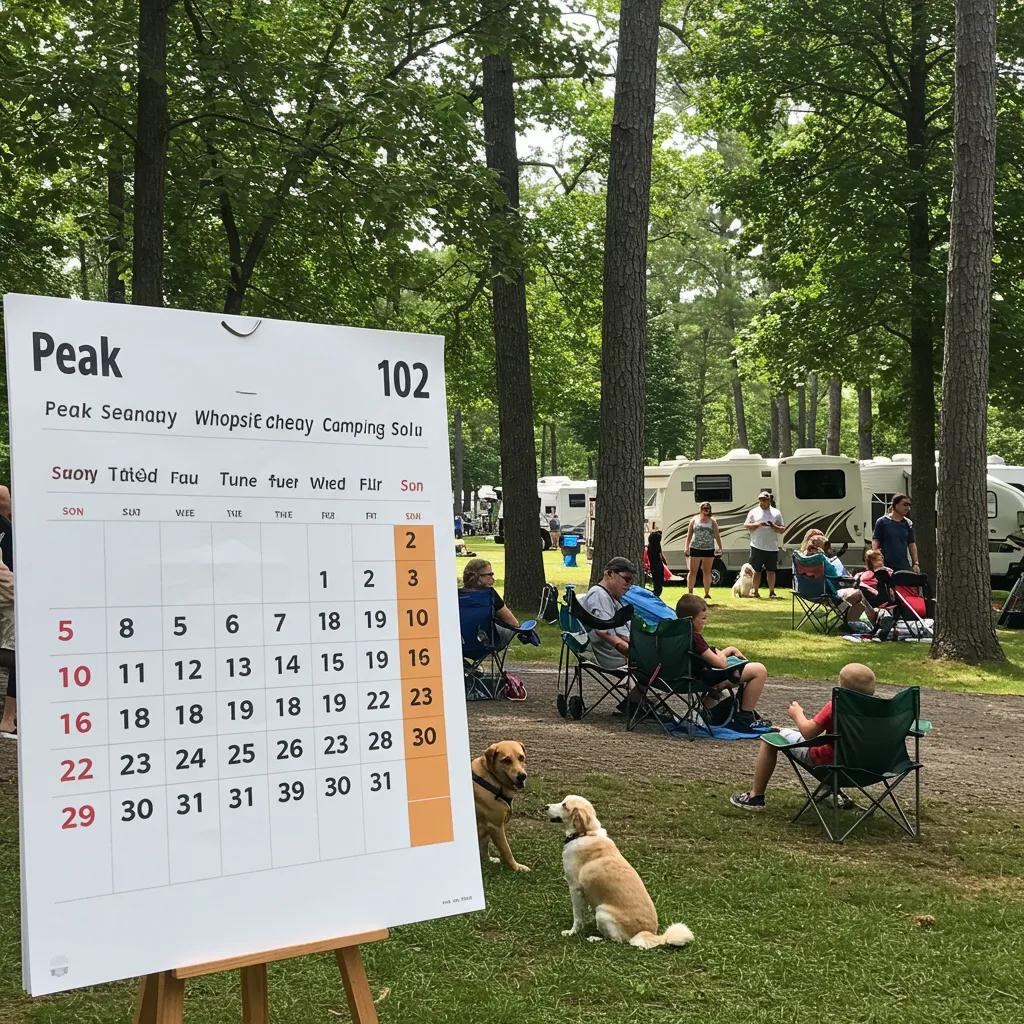
Michigan campgrounds typically hit their peak season during the warmest months, when families and pet lovers flock to enjoy swimming, hiking, and river adventures. This surge in demand means higher nightly rates and shorter booking windows. It’s simple economics: more people want to camp, especially on holiday weekends and during consistently warm weather, so campgrounds adjust prices based on site type and day of the week. Booking early or opting for mid-week stays can offer significant savings. Understanding these demand patterns helps you budget and prioritize your reservations for RV sites, tent sites, or cabins from late June through August. Here’s a look at how peak-season pricing is generally structured by accommodation type, including how pet fees are often presented. We’re using descriptive indicators instead of fixed dollar amounts to keep things flexible across different campgrounds and highlight what to look for when comparing options.
Here’s a typical breakdown of peak-season pricing and pet fees:
This table shows how campgrounds typically present their pricing: a base nightly rate plus clear pet fee details. It’s designed to help you compare offers effectively. Keep in mind that prices can vary based on the specific dates, whether it’s a weekend or weekday, the amenities offered, and how close the site is to water features.
Peak Season at Walnut Hills Family Campground?
At Walnut Hills Family Campground, peak season mirrors Michigan’s prime summer months when lake and river activities are at their height, driving the highest demand for RV, tent, and cabin stays. This timing is crucial because Walnut Hills’ popular weekend events and water park amenities attract many families, which naturally limits available spots and increases rates for those sought-after dates. Campers benefit greatly by booking well in advance for summer weekends and checking for minimum stay requirements during holidays or special event weekends. Planning ahead helps you avoid last-minute price hikes and secures your preferred site type at Walnut Hills.
Peak Season Costs for RV, Tent, and Cabin Sites?
The cost of RV, tent, and cabin sites during peak season largely depends on the amenities included, the site’s location, and any weekend surcharges. This is why you’ll often see base rates with additional charges rather than a single flat price. RV sites with full hookups, sewer connections, or prime waterfront locations usually command the highest peak-season rates. Tent sites without hookups tend to be more budget-friendly, while pet-friendly cabins often fall somewhere in between, reflecting the added cleaning and convenience. When reviewing options, pay close attention to line items for “nightly rate,” “site-type surcharge,” and “pet fee” to get a clear picture of the total cost before you book.
Extra Fees for Bringing Dogs to Campgrounds?
Campgrounds commonly list pet fees separately from the base nightly rate to cover extra cleaning, facility wear, and specialized amenities. These fees can appear as a nightly charge per pet, a flat fee for the entire stay, or sometimes a refundable deposit, depending on the campground’s policy. The logic is straightforward: facilities that offer more pet-friendly features or have stricter cleaning protocols offset their maintenance costs through these explicit charges. This benefits both pet owners and other guests by funding things like waste stations and enhanced cleaning services. You might see a nightly pet fee or a one-time pet cleaning charge. Some places also limit the number or size of pets, which can affect additional fees. Always confirm the pet fee details and any refundable deposit or damage policies when you book to avoid surprises.
Dog-Friendly Amenities and Policies: How They Affect Camping Rates

The amenities and policies a campground offers for dog-friendly stays directly impact the perceived value and, consequently, the pricing. Facilities that add features like off-leash areas, dedicated washing stations, or pet-focused events incur higher operating costs and staffing needs. This is why you’ll often see tiered pricing or premium site designations. Understanding which features can lead to higher nightly rates helps you find the best balance between convenience and cost for your pet. Here’s a look at how common amenities can influence pricing:
This table helps you understand why certain amenities might lead to higher nightly rates and what features to prioritize when comparing your options.
Walnut Hills’ Dog Park Features?
Walnut Hills Family Campground boasts a large dog park, a highly valued amenity for families traveling with pets. It provides a safe space for off-leash exercise and socialization, enhancing your pet’s experience and minimizing potential disturbances on-site. The presence of a well-maintained dog park justifies modest rate differences because it offers convenience, saving guests from having to travel elsewhere for pet exercise, and contributes to happier, better-behaved pets. Operational guidelines, such as specific hours, separate areas for smaller dogs, or grooming stations, help staff manage safety and cleanliness, which in turn maintains the quality of nearby campsites. For pet owners, the quality of a campground’s dog park can be a key factor when deciding between price and convenience.
Pet Policies and Vaccination Requirements?
Campground pet policies typically require proof of essential vaccinations and current parasite prevention to safeguard other guests and local wildlife. These requirements are usually checked at check-in to minimize health risks. Requiring vaccination records and visible ID tags creates a clear compliance process that protects the health of the community and allows campgrounds to confidently welcome pets. Pet owners should always bring their dog’s vaccination records and be ready to present them upon arrival. Failure to comply might result in being denied access or needing to update records before using shared pet facilities. Being prepared with the necessary paperwork speeds up your check-in and prevents last-minute issues that could impact your stay.
Leash and Waste Disposal Rules Impact?
Leash and waste disposal rules are essential for ensuring comfort and safety for all campers. They prevent pets from wandering off-site and guarantee that pet waste is promptly cleaned up. This is why many campgrounds can maintain pet-friendly policies without compromising the overall guest experience. Clear signage and conveniently located waste stations make compliance easy. Consistent enforcement, sometimes including fines, encourages responsible pet ownership, which helps preserve the quality of the campsites for future visitors. Adhering to these guidelines reduces conflicts, protects natural areas, and helps you avoid potential extra cleaning fees after your stay. Campers who follow these expectations generally enjoy smoother trips and better relationships with staff and fellow campers.
Booking Dog-Friendly Campsites During Peak Season: Your Guide
Securing a pet-friendly campsite during peak season involves a strategic approach: use pet-friendly filters, carefully review site-specific amenities and pet policies, confirm the total cost including all pet fees, and book early to avoid high-demand date markups. The key to success is combining targeted searches with flexibility on dates and a close look at policy details to ensure you know the total cost and rules before you pay. Here’s a quick rundown of common reservation factors that influence your decision and potential cancellation risks:
This table highlights the booking terms that most frequently affect pet-inclusive stays and what you should confirm before finalizing your reservation.
Step-by-Step Process to Book a Pet-Friendly Site?
A clear, reliable booking process involves a few key steps to ensure all pet details are captured and total costs are transparent before you finalize your payment. Here’s the recommended sequence:
- Search and filter for pet-friendly options, specifying your dates and desired site type.
- Carefully review the listed amenities and the campground’s specific pet policy language.
- Record your pet’s details and confirm the total fees before making your payment.
Following this checklist minimizes the chance of misunderstandings upon arrival and makes your check-in process much smoother.
Finding and Comparing Dog-Friendly Rates Online?
To effectively find and compare rates, combine direct campground listings with reputable third-party sites, but always watch for hidden pet fees or cleaning surcharges that some third-party platforms might overlook. Think of third-party listings as a starting point, then verify the full price on the campground’s official reservation page, where pet fees and site-specific charges are usually clearly detailed. Create a simple comparison chart or checklist noting the nightly base rate, pet fee type, and cancellation window to accurately weigh the true cost side-by-side. Using local search terms like “campground name Durand Michigan” can help you find the most authoritative listings and save time validating policies.
Cancellation Policy for Dog-Friendly Reservations?
Cancellation policies for pet-inclusive bookings often mirror the standard reservation windows but may handle pet fees or cleaning charges differently—some are refundable, while others are non-refundable to cover preparation costs or potential lost revenue. The practical advice is to confirm how pet fees are treated if you need to cancel: are they returned, kept as a cleaning charge, or converted into a credit for a future stay? For example, you might receive a full refund if you cancel before the standard window, a partial refund minus a non-refundable pet fee, or a reservation credit for future dates. It’s wise to ask about rescheduling or credit options when you book so you understand your recourse if your plans change.
Activities and Experiences for Families Camping with Dogs
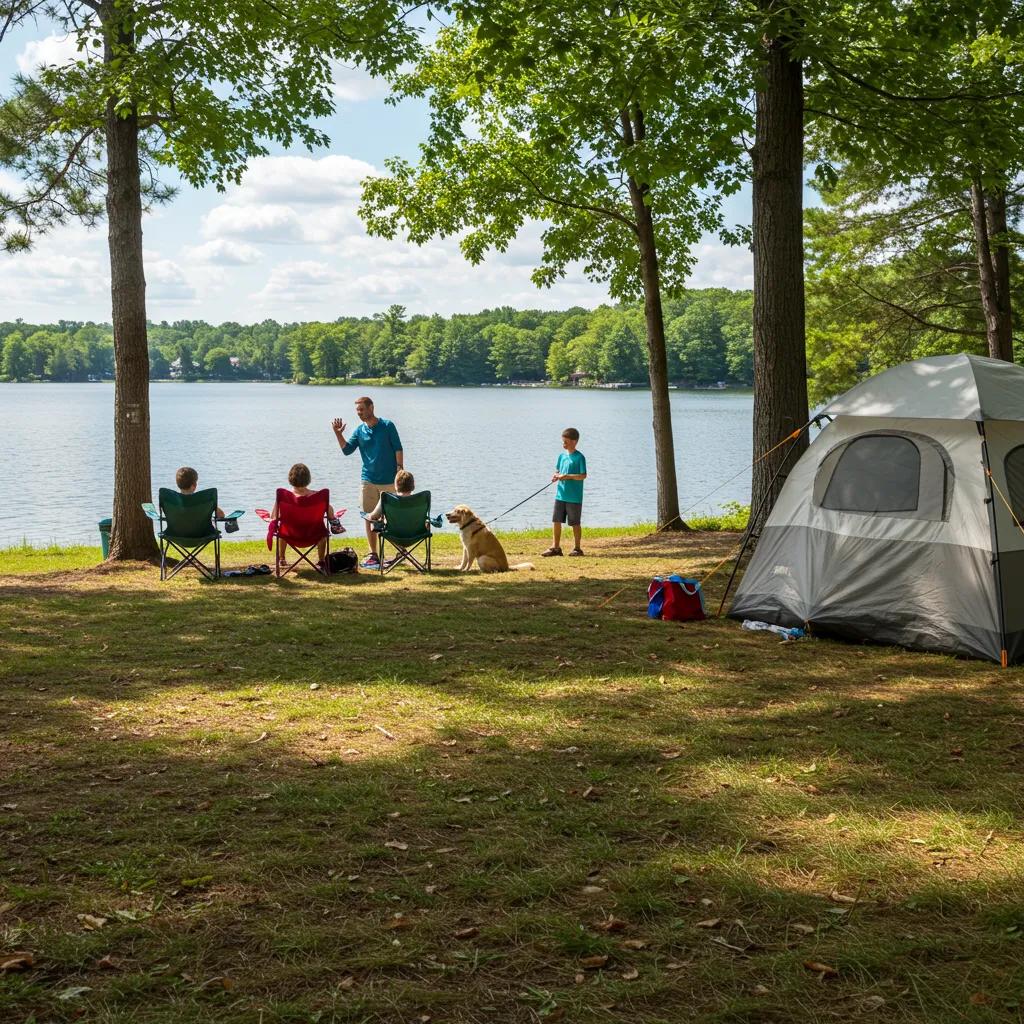
When camping with your dog in Michigan, you can look forward to a variety of activities, including on-site play areas, supervised events that welcome pets, water-based fun near lakes or rivers, and trails perfect for leashed walks. These offerings enhance the overall experience and can justify premium rates for pet-welcoming sites. Amenities like proximity to playgrounds, easy access to swimming spots, and dog-centric events provide multi-generational value that many families prioritize when choosing a campground.
Here are the types of dog-friendly activities to look for:
- Trails and walking paths suitable for leashed dogs.
- Off-leash dog park access and supervised pet events.
- Water access points for supervised swimming or river floats, where permitted.
Selecting a campsite that matches your activity preferences with your pet’s needs ensures both family fun and pet safety throughout your visit.
Family Activities Welcoming Dogs at Walnut Hills Campground?
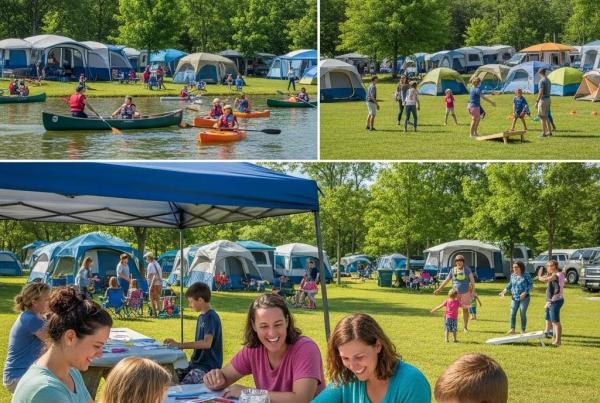
Walnut Hills Family Campground offers family activities that seamlessly integrate pets. This includes a large off-leash dog park, convenient access to the water park for supervised pet-friendly shoreline time, and weekend events where dogs are welcome in designated areas. These features significantly boost the campground’s family appeal. The integration of these activities makes Walnut Hills a great example of how pet amenities can enrich family itineraries and potentially justify slightly higher peak-season rates for pet-welcoming accommodations. When planning your days, always check the operating hours for activities and any specific pet limits for events to manage expectations and avoid surprises. Participating responsibly in pet-friendly events enhances the experience for everyone and helps maintain access for future visitors.
Can You Take Your Dog on Shiawassee River Float Trips?
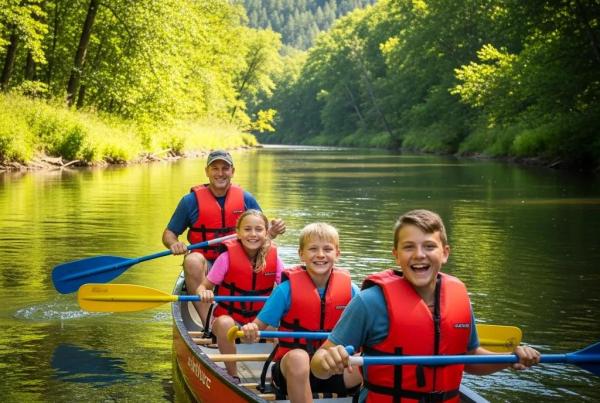
Whether your dog can join you on a Shiawassee River float trip depends on the specific operator and campground rules. If dogs are permitted, the key considerations are safety gear for your dog (like a life vest), the current heat and water conditions, and the logistics for launching and landing. These safety measures are crucial for making informed decisions about participation. Equipping your dog with a properly fitted life vest and confirming that canine companions are allowed will minimize risks and ensure compliance with the trip provider’s regulations. If dogs are allowed, plan for transportation, secure leash or tether protocols during launches, and extra provisions for drying and warming your pet afterward. Confirming these details before booking a float trip ensures a safe and enjoyable experience for both you and your dog.
Common Questions About Dog-Friendly Camping Rates and Policies in Michigan
This section provides quick, search-optimized answers to common questions about costs and rules, offering immediate clarity on key decision points. Each answer starts with a direct response, followed by a brief explanation for context. This Q&A format is designed to address typical user queries and potentially capture featured snippets for those searching for information on pet fees, cabin policies, and general rules at Michigan campgrounds. Here are the answers to the most frequent concerns:
How Much Does It Cost to Bring a Dog Camping in Michigan?
The typical costs associated with bringing a dog camping in Michigan include a nightly pet fee or a flat stay surcharge, potential cabin cleaning fees, and incidental expenses for pet supplies. The total amount varies based on the site type, length of stay, and any premium amenities used. Campers should expect an explicit pet fee line item and add it to the base nightly rate when comparing options. Factors that can increase the cost include bringing multiple pets, premium cabin cleaning charges, and event weekend surcharges that apply to all bookings. Calculating your expected total cost before booking helps prevent surprises upon arrival.
Are Dogs Allowed in Cabins and Other Accommodations?
Many campgrounds offer dog-friendly options in specific cabins and units, but they often have restrictions on the number, size, or breed of pets and usually apply a cleaning surcharge to cover the extra turnover work. This policy aims to balance guest access with property upkeep. The simplest approach is to confirm if a cabin is designated as pet-friendly and to review any restrictions or additional cleaning fees before booking. Common stipulations include a limit on pets per unit and requirements for crating or supervision when you’re not present. Booking a designated pet-friendly cabin ensures compliance and a smoother stay.
What Are the Rules for Dogs at Michigan Campgrounds?
Across Michigan campgrounds, common rules typically include leash requirements outside designated off-leash areas, the need for proof of core vaccinations at check-in, prompt waste removal using provided stations, and adherence to posted hours for pet facilities. These measures are in place to protect wildlife, staff, and other guests. Campground rules are enforced to maintain a safe and pleasant environment, and violations may result in penalties. Always consult the campground’s posted policy before your arrival and carry vaccination documentation to expedite check-in. Following these rules helps ensure that pet amenities remain available and enjoyable for everyone.
We’ve used local context like Durand, Michigan, and the Shiawassee River to help campers compare options and plan their trips responsibly. Walnut Hills Family Campground and the Dog-Friendly Camping Stays product serve as concrete examples of pet-focused accommodations and amenities. For families who prioritize pet amenities and clear policy disclosures, booking early and carefully reviewing explicit pet-fee and cancellation terms will ensure the best combination of value and peace of mind for your next adventure.
Frequently Asked Questions
What Should I Consider When Choosing a Dog-Friendly Campground?
When selecting a dog-friendly campground, consider factors such as the campground’s pet policies, available amenities, and the types of activities offered. Look for campgrounds that provide off-leash areas, pet waste stations, and nearby trails suitable for leashed walks. Additionally, check for any restrictions on the number or size of pets allowed. Understanding these elements will help ensure a comfortable and enjoyable experience for both you and your dog during your stay.
Are There Specific Vaccination Requirements for Dogs at Campgrounds?
Yes, many campgrounds require proof of core vaccinations for dogs to ensure the safety of all guests and wildlife. Commonly required vaccinations include rabies, distemper, and parvovirus. Campgrounds may ask for documentation at check-in, so it’s essential to bring your dog’s vaccination records. This policy helps maintain a healthy environment and allows campgrounds to confidently welcome pets while minimizing health risks.
How Can I Ensure My Dog is Safe While Camping?
To keep your dog safe while camping, always supervise them, especially in unfamiliar environments. Use a leash in public areas and ensure they wear a collar with ID tags. Bring a pet first-aid kit and familiarize yourself with local wildlife and potential hazards. Additionally, consider using a life vest for water activities and ensure your dog is hydrated and protected from extreme weather. Planning ahead will help ensure a safe and enjoyable camping experience for your furry friend.
What Should I Do If My Dog Has Behavioral Issues While Camping?
If your dog exhibits behavioral issues while camping, such as excessive barking or aggression, it’s important to address these concerns promptly. Create a calm environment by providing a safe space for your dog, such as a crate or designated area. Engage them in activities to expend energy, like walks or playtime. If issues persist, consider consulting a professional trainer or behaviorist for strategies to manage your dog’s behavior effectively during your trip.
Can I Leave My Dog Unattended in a Cabin or RV?
Leaving your dog unattended in a cabin or RV is generally discouraged, as it can lead to anxiety or destructive behavior. If you must leave your dog alone, ensure they are comfortable and secure, and consider using a crate if they are crate-trained. Always check the campground’s specific policies regarding unattended pets, as some may have restrictions or require pets to be supervised at all times. Planning ahead can help prevent issues during your stay.
What Are the Best Practices for Cleaning Up After My Dog?
Cleaning up after your dog is essential for maintaining a pleasant camping environment. Always carry waste bags and promptly dispose of your dog’s waste in designated disposal stations. This practice not only keeps the campground clean but also helps prevent the spread of disease and maintains good relations with other campers. Additionally, consider bringing cleaning supplies for any accidents that may occur inside your cabin or RV to ensure a tidy space for everyone.
How Can I Find Dog-Friendly Activities Near My Campground?
To find dog-friendly activities near your campground, start by checking the campground’s website or visitor center for local attractions and events. Look for nearby trails, parks, or recreational areas that welcome pets. Online resources, such as pet-friendly travel websites and local social media groups, can also provide valuable information. Engaging with fellow campers can yield recommendations for fun activities that include your furry friend, ensuring a memorable camping experience for the whole family.
Conclusion
Understanding the rates and policies for dog-friendly campgrounds in Michigan empowers families to make informed decisions for a memorable outdoor experience. By grasping peak-season pricing, pet fees, and available amenities, campers can optimize their bookings and enjoy a stress-free stay with their furry companions. We encourage you to explore our detailed guides and resources to ensure your next camping trip is both enjoyable and well-planned. Start planning your adventure today and discover the perfect campground for you and your dog!