Why Campgrounds With Wi-Fi Are a Smart Choice for Your Next Getaway
Having internet access at a campground can really change how families plan their trips, stay safe, keep the kids learning, and entertain them, all while still enjoying the great outdoors. This guide dives into why Wi-Fi at Michigan campgrounds and elsewhere is a game-changer for today’s campers. We’ll cover the main perks, show you how to use campground Wi-Fi for everything from planning and safety to streaming and even remote work or online classes. Many families juggle busy schedules, schoolwork, and the need to stay in touch. Reliable campground Wi-Fi solves these issues by giving you quick access to maps, weather updates, and entertainment, all while still allowing for those important moments of unplugging. You’ll discover the key benefits for families, what makes a campground truly remote-work friendly, how Walnut Hills Family Campground blends connectivity with family fun, and why Wi-Fi is becoming a must-have in Michigan. We’ve packed this guide with handy checklists, comparison charts, and actionable tips to help you find a campground that perfectly balances staying connected with enjoying nature. Read on for quick takeaways, questions to ask before you book, and simple ways to get the most out of your on-site bandwidth.
What Are the Top Benefits of Campground Wi-Fi for Families?
Campground Wi-Fi brings convenience, safety, and entertainment right to your campsite by offering internet access that helps with planning, emergency alerts, and sharing media. With reliable connectivity, parents can easily coordinate plans, check weather and park updates, and keep children entertained during downtime, leading to better-organized trips and more peace of mind. Here are some concrete benefit categories with quick examples showing how Wi-Fi can transform your campsite routine and family coordination. The next section will explore specific convenience scenarios where Wi-Fi directly enhances trip planning and responsiveness.
Campground Wi-Fi helps families plan, stay safe, and have fun:
- Planning Made Easy: Get instant access to maps, attraction hours, and booking confirmations.
- Safety First: Receive local advisories, emergency alerts, and coordinate help when needed.
- Entertainment Options: Stream shows or download content for rainy days and family movie nights.
These benefits make it simpler to balance planned activities with spontaneous outdoor adventures, keeping everyone informed and relaxed.
Different types of benefits translate directly into real-life campsite needs and expectations. Below is a quick comparison table that clarifies how each benefit plays out in campsite behavior and family outcomes.
This table shows how connectivity directly supports family logistics and emergency preparedness. Understanding these categories will help you choose a campground with the right coverage and policies for your family.
How Does Wi-Fi Make Convenience and Trip Planning Better?
Wi-Fi boosts convenience by giving you instant access to maps, attraction hours, and digital confirmations, speeding up decisions and reducing stress at the campsite. When families can easily pull up local trail maps or check shuttle schedules, they avoid wasted time and can adapt plans on the fly. Use cases include updating reservations, checking weather radar before a hike, and coordinating meal times, all of which save precious time and help families focus on outdoor activities. The next section will explain how connectivity contributes to safety during unexpected events.
Why Is Wi-Fi Crucial for Safety and Emergency Communication?
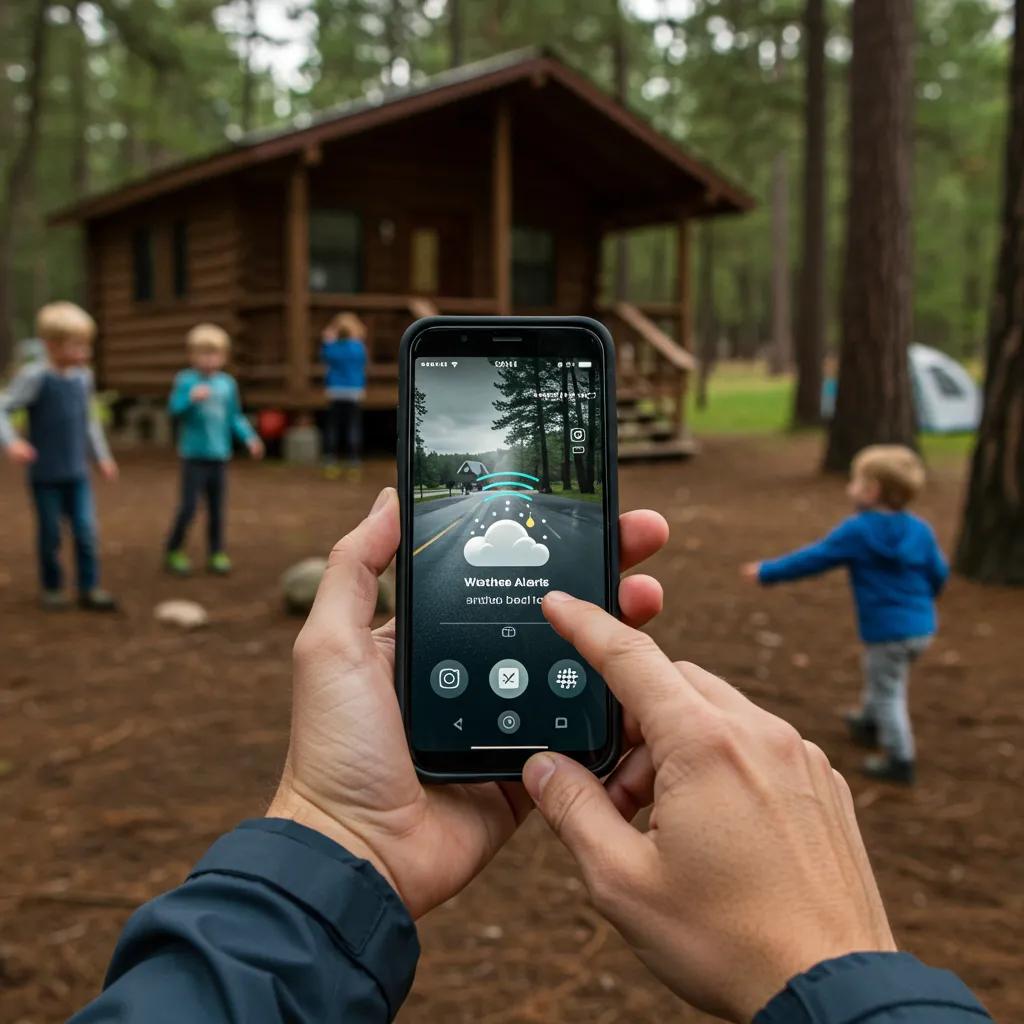
Wi-Fi is vital for safety because it allows for quick receipt of advisories, two-way communication between adults, and efficient location sharing, especially in areas with spotty cell service. In rural settings, a campground hotspot or signal from the office can be the difference between a quick response and a delay, so families should always keep their phones charged and know where to find access points. Practical habits include saving local emergency numbers, setting up group messaging, and identifying the campground office as a connectivity hub. These steps build resilience and reduce response times during weather or medical emergencies.
How Does Wi-Fi Expand Entertainment Options for Everyone?

Wi-Fi enhances entertainment by enabling streaming, online games, and access to educational content, while also allowing families to download media for offline use. Parents can manage bandwidth with parental controls and prioritize downloads before trips, ensuring children have safe, curated content. Tips include pre-downloading playlists and videos, reminding kids about sharing device etiquette, and scheduling streaming during off-peak hours to conserve bandwidth. These entertainment strategies make downtime smoother and let families get back to outdoor adventures quickly.
After covering family benefits, it’s helpful to see how Wi-Fi supports work and learning needs while camping, and what technical basics are needed for reliable remote use.
How Does Wi-Fi Support Remote Work and Online Learning While Camping?
Campground Wi-Fi makes remote work and online learning possible by offering sufficient speed, stable connections, and quiet spots needed for video conferencing, file transfers, and live classes. The key is adequate upstream and downstream bandwidth plus low latency, which enables stable video calls and resource access, leading to productive remote sessions without compromising the camping experience. For families balancing vacation with responsibilities, this capability allows adults to meet work deadlines and children to attend virtual classes with minimal disruption. The following checklist outlines recommended minimums and setup tips to help you assess any campground’s suitability for blended work-vacation days.
Remote-work and online-learning checklist:
- Recommended baseline: A stable connection that can handle at least one 720p video call without interruption.
- Quiet workspace: Look for a cabin or a shaded picnic table near power outlets for better focus.
- Backup plan: Pre-download materials and have offline tasks ready for any connectivity gaps.
These items help campers prepare for their needs and select sites that support both productivity and family time.
Below is a compact comparison table that pairs common use-cases with recommended technical values and practical examples to guide your booking decisions.
This table clarifies realistic expectations for different activities and helps you prepare your devices and schedules before you arrive. After this technical guidance, the next section shows how Walnut Hills Family Campground puts these principles into practice locally, offering practical on-site examples for families.
What Makes Walnut Hills Family Campground a Top Choice for Wi-Fi Connectivity in Michigan?
Walnut Hills Family Campground seamlessly combines family comfort with modern connectivity by offering a variety of accommodations and amenities that complement their on-site Wi-Fi services. This balance means parents can use connectivity for planning and safety while children enjoy on-site attractions like the Wibit water park and swimming lake, creating a truly integrated family experience. Walnut Hills supports these benefits across RV and tent sites, cabins, a Wibit water park, swimming lake, renovated bathrooms, a campground store, playgrounds, a dog park, sports facilities, and weekend family events, allowing guests to blend connectivity with active recreation.
For visitors planning longer stays or needing consistent access, the campground highlights online reservations and explains how connectivity works alongside activities like float trips on the Shiawassee River and other local adventures.
This breakdown clarifies where guests can expect the strongest signals and what activities each zone supports. For specific access instructions and any premium options, guests can check the campground’s Wi-Fi details page and use online reservations when planning longer stays.
How Reliable and Fast Is Wi-Fi at Walnut Hills Family Campground?
Expectations for reliability and speed at Walnut Hills are based on coverage zones rather than a single speed number. This means guests typically experience a strong signal in the office and good performance in many cabins, while some sites might have variable reception. This approach reflects the common trade-offs at rural campgrounds: targeted hotspots and site coverage rather than uniform, widespread service. Guests should test connections upon arrival and use local access points for high-bandwidth needs, saving large uploads for off-peak hours when possible. If connectivity is crucial, consider booking a cabin or a site near central amenities to maximize reliable access.
What Wi-Fi Access Options Are Available at Walnut Hills?
Wi-Fi access at Walnut Hills typically involves a guest authentication portal or an on-site login process designed to balance open access with network management for fair use among families. Device limits, acceptable use guidelines, and any premium options are managed by staff to keep the network stable during busy weekends and events. Helpful tips include connecting at the office for initial setup, limiting simultaneous high-definition streams, and using offline resources when large downloads are needed. For specific access instructions, guests should consult the campground’s Wi-Fi details resources and consider online reservations for stays requiring consistent connectivity.
Why Is Wi-Fi a Must-Have Amenity at Michigan Campgrounds?
Wi-Fi has shifted from a luxury to a practical necessity because today’s campers expect internet access for safety, booking services, and managing blended work-vacation lifestyles. This trend is driven by adoption: as remote work and online learning become more common, campground choices increasingly depend on connectivity, influencing booking behavior and guest satisfaction. Practical reasons include emergency communication, easy access to local services, and the ability to research and book nearby activities on short notice. The next section will discuss how Wi-Fi shapes camper decision-making and what factors to consider alongside other amenities.
Camping decisions now often include connectivity as a core factor when comparing properties. Here’s a quick list of ways Wi-Fi influences choices and planning.
- Booking decisions: Campers check amenity lists for Wi-Fi before making reservations.
- Activity planning: Access to local information can change daily itineraries.
- Demographic expectations: Younger campers and families often prioritize connectivity.
How Does Wi-Fi Influence Campers’ Choice of Michigan Campgrounds?
Wi-Fi influences choices by serving as both a practical tool and a signal of quality. Campgrounds that list reliable internet attract families, remote workers, and digitally connected campers. When comparing properties, travelers weigh coverage maps, tiered plans, and the presence of quiet work-friendly zones alongside traditional amenities. Asking about peak-hour performance and coverage zones before booking provides a clearer picture than a simple “Wi-Fi: yes” in a listing. Understanding these details helps families and digital nomads select sites that meet their connectivity needs.
What Are the Unique Wi-Fi Features Offered by Michigan Campgrounds?
Unique features to look for include coverage maps, tiered speed plans, hotspot lending, and dedicated business or study areas that prioritize quiet and power access. These specific features—coverage zones, speed tiers, guest portals, and hardware like repeaters—translate into user experience differences that matter for streaming and conferencing. Before booking, ask which areas have the strongest signal, whether premium options are available, and what device limits apply. Choosing a campground with transparent access options reduces surprises and improves satisfaction upon arrival.
How Can Campground Wi-Fi Improve Your Overall Camping Experience?
Campground Wi-Fi enhances camping by enabling practical coordination, safe operations during unexpected events, and curated entertainment, all without detracting from outdoor engagement. The system works best when connectivity is used thoughtfully: quick checks for weather and logistics, scheduled screen time for children, and reliable channels for emergency contact lead to more focused outdoor time. Families can plan half-days for work or study while dedicating most of their visit to trails, water activities, and shared events. The next section will explain how staying connected can actually deepen family bonding when managed intentionally.
How Does Staying Connected Enhance Family Bonding and Peace of Mind?
Staying connected supports bonding by allowing groups to coordinate meet-up times, share photos instantly, and confirm locations, all while keeping outdoor activities as the main focus. For peace of mind, a working connection means parents can quickly check local conditions, coordinate with relatives, and respond to school or work requests without disrupting planned outings. Establish device boundaries, like tech-free meals and scheduled check-ins, to prevent connection from taking over the experience. These practices allow families to use Wi-Fi as a tool for togetherness rather than a distraction.
What Are the Practical Uses of Wi-Fi for Entertainment and Planning?
Practical daily uses include streaming short programs during rain, downloading route maps before hikes, booking local attractions, and using weather apps to adjust schedules. Bandwidth management tips—pre-download media, limit simultaneous HD streams, and prioritize critical uploads—help keep the network usable for everyone. A short checklist of device-management steps improves fairness and avoids conflict during high-demand periods:
- Pre-download essential media before arriving.
- Schedule large uploads for off-peak times.
- Prioritize calls or schoolwork when needed.
These steps make it possible to enjoy connected conveniences while preserving the campsite atmosphere and ensuring everyone gets the most out of their visit.
Frequently Asked Questions
What should I consider when choosing a campground with Wi-Fi?
When selecting a campground with Wi-Fi, consider the coverage areas, speed, and reliability of the connection. Look for campgrounds that provide detailed coverage maps and information about peak usage times. Additionally, inquire about the types of devices supported and any restrictions on bandwidth usage. Understanding the campground’s policies on Wi-Fi access, such as whether it requires a login or has device limits, can also help ensure a smooth experience during your stay.
Can I work remotely from a campground with Wi-Fi?
Yes, many campgrounds with Wi-Fi are equipped to support remote work. Look for campgrounds that offer stable connections with sufficient speed for video calls and file transfers. It’s also beneficial to choose a quiet area for work, such as a cabin or designated workspace. Before your trip, check the campground’s Wi-Fi specifications to ensure it meets your remote work needs, and consider having backup plans for connectivity issues, such as pre-downloading materials.
How can I ensure my family uses Wi-Fi responsibly while camping?
To promote responsible Wi-Fi use while camping, establish clear guidelines for device usage. Set specific times for online activities, such as streaming or gaming, and encourage tech-free family meals or outdoor activities. Pre-download content before your trip to minimize bandwidth usage during peak times. Additionally, involve children in discussions about sharing devices and managing screen time, fostering a balanced approach to technology that enhances rather than detracts from the camping experience.
What types of entertainment can I access with campground Wi-Fi?
Campground Wi-Fi allows access to a variety of entertainment options, including streaming services, online games, and educational content. Families can enjoy movies or shows during downtime, especially on rainy days, and children can participate in online learning or interactive games. To optimize the experience, consider pre-downloading content before your trip and managing bandwidth by limiting simultaneous streams, ensuring everyone can enjoy their preferred activities without interruptions.
Are there any safety tips for using Wi-Fi at campgrounds?
When using Wi-Fi at campgrounds, prioritize safety by ensuring your devices are secure. Use strong, unique passwords for accounts and avoid accessing sensitive information over public networks. Familiarize yourself with the campground’s emergency procedures and save local emergency contacts on your devices. Additionally, keep your devices charged and know where the nearest Wi-Fi access points are located, as this can be crucial during emergencies or unexpected situations.
How does Wi-Fi impact the overall camping experience?
Wi-Fi can significantly enhance the camping experience by providing essential connectivity for planning, safety, and entertainment. It allows families to access maps, weather updates, and local attractions, making trip coordination easier. Moreover, it offers entertainment options during downtime, helping to keep children engaged. However, it’s important to balance technology use with outdoor activities to ensure that the essence of camping—connecting with nature and each other—is preserved.
Conclusion
Choosing a campground with Wi-Fi enhances your family’s camping experience by providing essential connectivity for planning, safety, and entertainment. This modern amenity allows for seamless coordination and peace of mind, ensuring that outdoor adventures can be enjoyed without sacrificing the convenience of technology. By prioritizing campgrounds that offer reliable internet access, you can create a balanced trip that caters to both work and play. Start planning your next family getaway by exploring our recommended campgrounds today!