Essential Backcountry Camping Tips at Walnut Hills Family Campground
Backcountry camping immerses you in pristine wilderness while testing your planning and safety skills. This guide promises to map out core gear, campsite setup, emergency readiness, Michigan-specific regulations, and family-friendly strategies—equipping you to reserve and enjoy a backcountry site with confidence. Along the way, learn how Gathergrounds Resorts blends genuine backcountry practice areas with comfortable support facilities at Gathergrounds Resorts for families and groups.
What Are the Most Important Essentials for Backcountry Camping?
Every backcountry trip relies on three foundational elements: shelter systems, water/cooking equipment, and navigation/first-aid tools. Prioritize these to enhance safety and comfort from day one.
What Is the Complete Backcountry Camping Gear Checklist?
Below is a concise list of core gear items that reliably support an overnight or multi-day trek:
- Pack a backpacking tent rated for local conditions to protect against wind and rain.
- Carry a water filter or purification tablets to ensure safe hydration on any trail.
- Bring a navigation kit—map, compass, and GPS device—to maintain orientation in remote areas.
- Include a first-aid kit stocked with bandages, antiseptic, and emergency shelter supplies.
- Pack a camp stove and lightweight cookware for efficient meal preparation.
Each item enhances resilience against unexpected challenges, preparing you to focus on the trail ahead.
Backcountry Camping Gear Essentials
Essential gear for backcountry camping includes a backpacking tent, water filter, navigation kit, first-aid kit, and camp stove. These items are crucial for safety and comfort during overnight or multi-day treks in remote areas.
This source provides a general overview of essential gear, which aligns with the article’s recommendations for essential equipment.
How Do You Choose the Right Tent and Sleeping System?
Select a three-season tent that balances weight and durability, then match your sleeping bag’s temperature rating to expected lows. A closed-cell foam pad adds insulation when ground moisture or cold are concerns. Integrating these ensures restorative rest and energy conservation for the next adventure phase.
Which Water Purification and Cooking Equipment Are Essential?
Opt for a pump or gravity filter capable of removing protozoa and bacteria, then pair with a compact canister stove that boils a liter in under five minutes. This combination guarantees both safe drinking water and hot meals with minimal fuel weight.
What First Aid and Navigation Tools Should You Carry?
Include a multi-use first-aid kit with trauma shears and blister treatments, alongside a waterproof map and compass. These tools empower you to address minor injuries and navigate terrain changes without relying solely on electronic devices.
How Do You Find and Set Up a Safe Backcountry Campsite?
Finding and pitching a campsite requires attention to terrain, water access, and leave-no-trace ethics. A clear evaluation of these factors prevents hazards and preserves the environment.
What Are the Key Factors for Choosing a Campsite?
Below is a comparison of critical campsite attributes and their recommended guidelines:
Choosing a site that meets these criteria supports both safety and environmental stewardship, leading us directly into proper setup practices.
How Do Leave No Trace Principles Guide Campsite Selection?
Always camp on durable surfaces, pack out all waste, and avoid disturbing wildlife habitats. Adhering to these seven principles ensures minimal impact on backcountry ecosystems and sustains trail access for future adventurers.
What Are the Best Practices for Setting Up Your Campsite?
Pitch your tent with its door facing away from prevailing winds, secure food in bear-resistant containers, and build small, controlled fires in existing fire rings. These measures enhance comfort and reduce wildlife encounters, laying the groundwork for emergency planning.
What Safety and Emergency Preparedness Tips Should You Follow in Backcountry Camping?
Preparedness combines wildlife awareness, weather planning, and reliable communication tools. Integrating these elements fortifies you against common wilderness risks.
How Do You Plan for Wildlife Encounters and Weather Changes?
Store food high in a tree or in a bear canister, carry bear spray, and check forecasts before departure. Understanding local wildlife behavior and weather patterns improves decision-making when conditions shift.
What Emergency Supplies and Communication Tools Are Necessary?
Pack a satellite messenger or PLB (personal locator beacon) alongside extra food, a whistle, and reflective signaling devices. These supplies bridge the gap between self-rescue and outside assistance in remote areas.
How Do You Stay Hydrated and Avoid Common Health Risks?
Drink small amounts frequently, monitor urine color, and rest during midday heat. Preventing dehydration and heat exhaustion maintains energy levels for sustained exploration.
What Are the Specific Backcountry Camping Rules and Permits in Michigan?
Michigan’s public lands require permits and adherence to defined regulations to protect natural resources and fellow campers.
Which Michigan State Parks Offer Backcountry Camping?
Popular backcountry destinations include Porcupine Mountains Wilderness State Park, Isle Royale National Park, and Sleeping Bear Dunes National Lakeshore. Each offers permit-based, hike-in campsites in diverse ecosystems.
How Do You Obtain Permits and Follow Regulations in Michigan?
Permits can be secured through the Michigan DNR website or visitor centers. Follow designated trail quotas, camp only in marked zones, and carry proof of permit at all times to comply with state rules.
Michigan Backcountry Camping Regulations
Backcountry camping in Michigan requires permits and adherence to specific regulations to protect natural resources and ensure the safety of campers. Permits can be obtained through the Michigan DNR website or visitor centers.
This citation supports the article’s information on obtaining permits and following regulations in Michigan.
What Local Resources Support Safe and Responsible Camping in Michigan?
Rely on park rangers, official DNR publications, and interactive trail maps provided by Michigan.gov/DNR. These resources enhance planning accuracy and align your trip with current regulations.
How Can Families Safely Enjoy Backcountry Camping Adventures?
Families thrive on well-planned backcountry outings when gear, route selection, and skill practice align with children’s safety and learning.
What Gear and Routes Are Best for Family Backcountry Camping?
Choose lightweight, quick-pitch tents and trails under 5 miles round-trip with minimal elevation gain. Simple stove systems and ample hydration packs create an inclusive environment for all ages.
How Do You Manage Safety Concerns with Children in the Backcountry?
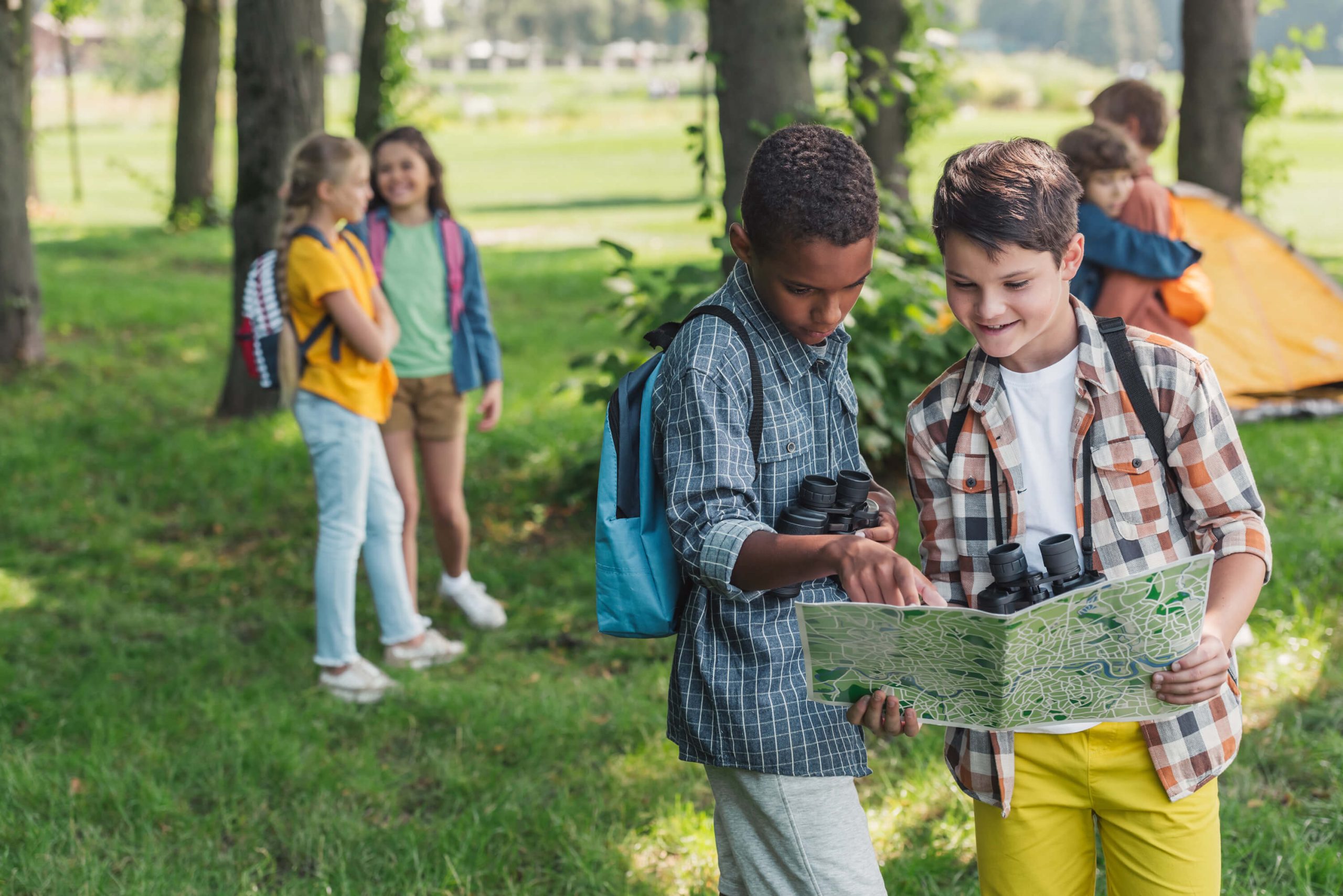
Establish clear boundaries, teach wildlife-safe food storage, and carry a family-sized first-aid kit. Ongoing supervision paired with skill drills—like map reading—builds confidence and reduces risk.
How Can Families Practice Backcountry Skills at Gathergrounds Resorts?
Gathergrounds Resorts offers a primitive camping area where families can test tent setups, fire-building, and navigation on marked loops. Reserve a seasonal site or rate package through the Walnut Hills Family Campground portal to hone your backcountry techniques before heading into true wilderness.
Families who practice skills in a controlled setting develop resilience and readiness for any backcountry challenge.