

Unlock the Value of Your Campground or RV Park with Expert Agents
Selling a campground or RV park is a specialized endeavor, blending hospitality operations, real estate valuation, and careful transition planning. Expert campground agents bridge this gap, aligning valuation with operational realities. This guide explores who these agents are, how they assess campgrounds and RV parks, and why their buyer-centric approach minimizes seller risk while safeguarding your legacy. You’ll learn practical steps for a confidential sale, the key valuation drivers that shape price, and transition practices that protect your staff, guests, and community ties. We also clarify the roles of brokers versus direct operators, address common seller questions, and illustrate how family-owned acquirers can provide dedicated stewardship through real-world examples. Read on for a step-by-step selling roadmap, actionable valuation checklists, comparison tables, and specific insights into a family-owned buyer’s approach to help you decide whether to list, negotiate, or sell directly.
Why Partner with Expert Campground Brokers to Sell Your Campground or RV Park?
Expert campground brokers and buyer-operators focus on industry-specific indicators—seasonality, site mix, amenities, and Net Operating Income (NOI)—allowing them to value properties based on operational potential rather than generic commercial comparisons. This focused methodology reduces the disconnect between seller expectations and actual market offers, leading to clearer pricing and quicker interest from qualified buyers. Sellers benefit from enhanced confidentiality, targeted outreach to suitable buyers, and transactional expertise that shortens market time while preserving operational continuity. The following sections delve into how buyer/operators differ from traditional brokers, the significance of family ownership, and the role of direct communication in facilitating smoother transitions.
What Sets GatherGrounds Resorts Apart from Traditional Brokers?
GatherGrounds Resorts operates as an acquirer and operator, not merely an intermediary. This distinction shifts the valuation lens from a hypothetical list price to realistic buyer economics grounded in operations and stewardship. Our buyer perspective prioritizes factors like NOI, site maps, amenity value, and long-term guest satisfaction when constructing offers, and it accelerates decision-making due to fewer approval layers. GatherGrounds Resorts offers an alternative to large investment firms, providing direct communication and a focus on legacy preservation for properties typically exceeding 130 sites. This hands-on acquisition approach naturally leads into the family-owned benefits detailed in the next subsection.
How Does a Family-Owned Approach Benefit Campground Owners?
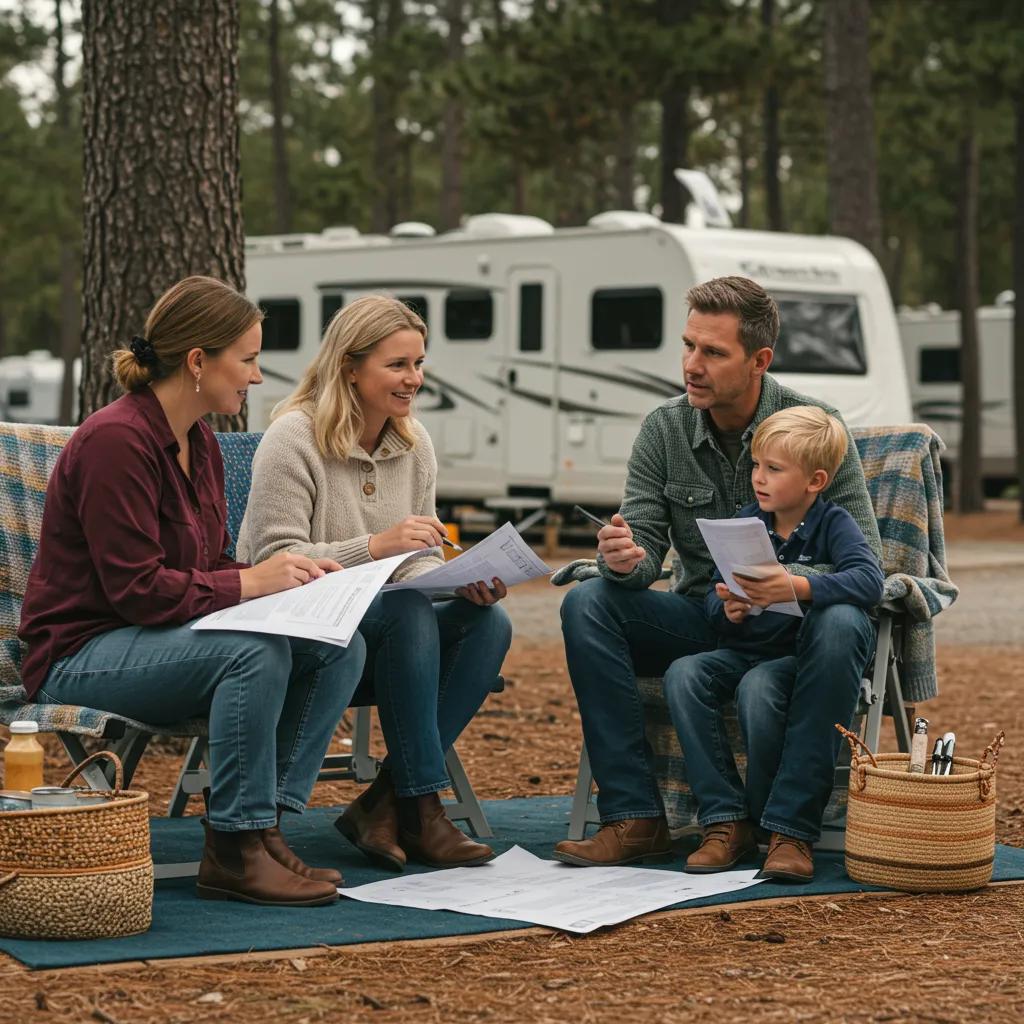
A family-owned buyer often places a high value on preserving legacy, nurturing community relationships, and retaining staff. This focus yields seller outcomes that extend beyond immediate financial returns, such as maintaining cherished traditions and local goodwill. Sellers receive personalized transition planning, which can include phased operational handovers, staff retention incentives, and ongoing program support to ensure guest experience remains consistent during the ownership change. This approach mitigates reputational risk within small communities and supports seamless operational continuity post-closing. Understanding these practical advantages highlights why direct communication between seller and buyer is vital during negotiations.
Why Is Direct Communication Crucial When Selling Your Campground?
Direct owner-to-buyer communication shortens negotiation cycles, minimizes misunderstandings, and fosters an environment for candid discussions about legacy, guest relations, and staff concerns—elements often lost in layered corporate negotiations. When sellers can communicate directly with decision-makers, responses to operational questions and offers on terms are expedited, and confidentiality is more easily maintained through controlled exchanges. Direct communication also builds trust, often resulting in offers that more accurately reflect the seller’s priorities beyond just the price. This trust is a key step toward initiating a confidential valuation and structured offer process, which the next H2 section unpacks.
Your Step-by-Step Guide to Selling a Campground from Expert Agents
Selling a campground typically follows a clear three-phase roadmap: initial confidential consultation, valuation and offer, and due diligence through transition. Expert agents expertly manage each phase using industry-specific data and robust communication safeguards. This structured process alleviates seller anxiety by outlining clear actions, expected outcomes, and realistic timeframes, all while preserving confidentiality through NDAs and limited information sharing. Sellers who adhere to this mapped process diligently prepare financials, site documentation, and operational summaries, which accelerate offers and due diligence. The following subsections detail the key steps, present an EAV roadmap table, and explain how confidential valuations and transition planning are executed.
Key steps for expert campground selling:
- Initial confidential consultation: Share high-level property details under NDA to receive preliminary valuation guidance and an assessment of buyer interest.
- Valuation and offer: Provide financials and site maps so buyers can calculate NOI, adjust for capital needs, and present structured offers that include terms and timelines.
- Due diligence and transition: Complete inspections, review contracts, and execute a transition plan covering staff, vendors, reservations, and guest communications.
These numbered steps help sellers visualize the journey from inquiry to closing and prepare the essential documents that expedite each phase.
What Are the Core Steps in the Campground Selling Process?
The core steps involve initial inquiry under confidentiality, meticulous preparation of operational and financial documentation, receipt and negotiation of offers, thorough due diligence, and a structured transition to new ownership. Each step is designed to minimize deal friction: NDAs protect staff and booking continuity during early discussions, clear P&Ls and site maps expedite valuation, and staged communication plans limit operational disruption. Sellers who methodically complete these steps shorten market time and increase the likelihood of receiving offers that align with both financial and legacy objectives. Preparing these materials naturally leads to understanding how confidential valuations and offers are conducted by buyers.
How Does GatherGrounds Approach Confidential Valuations and Offers?
GatherGrounds Resorts employs buyer-oriented valuation methods that carefully consider NOI, site count and mix, amenity feature value, and regional market demand. We combine operational KPIs with comparable acquisitions to formulate offers that reflect realistic owner and operator outcomes. Confidentiality is rigorously maintained through NDAs, limited information sharing, and staged data requests, releasing more detail only as interest and trust develop. Our offers focus on terms—such as transition commitments and timing—not just the headline price, providing sellers with clear tradeoffs between cash, continuity, and operational guarantees. This valuation approach directly informs the transition planning detailed next.
What Occurs During the Transition and Closing Phases?

During closing, buyers and sellers execute coordinated tasks: transferring reservations, assigning vendor and service contracts, communicating with staff, finalizing capital plans, and reconciling financials to ensure operational stability following the ownership change. A practical transition timeline typically includes pre-closing coordination, a brief initial overlap period for training and customer communications, and a 30–90 day window for operational stabilization. Effective transition planning addresses vendor continuity and reservation integrity to safeguard revenue and guest satisfaction during the handover. These activities are also contingent on accurate valuation and due diligence, which relates to the valuation drivers discussed in the next section.
How Expert Agents Determine Campground and RV Park Valuation
Campground and RV park valuation is a synthesis of financial performance metrics, physical attributes, and market dynamics. Agents translate NOI, occupancy, and site mix into a value that reflects both current cash flow and future growth potential. The valuation mechanism balances quantifiable metrics (NOI, ADR, occupancy) with property-specific features (amenity features, number of sites) and regional demand, producing offers that align with operator economics. Sellers who understand these drivers can prepare documentation and operational improvements that enhance sale value. The following subsections break down the top factors, present an EAV table of drivers, and explain why knowing your property’s true value is essential.
Key valuation factors that buyers consider include:
- Location: Regional tourism demand and accessibility shape long-term occupancy.
- Net Operating Income (NOI): The primary financial anchor for buyer valuation.
- Number of sites and site mix: The scale and types of sites determine revenue potential.
- Amenities and infrastructure: On-site features and capital needs influence buyer adjustments.
- Growth potential: Expansion capability and ancillary revenue sources drive premium offers.
What Factors Influence the Value of Your Campground or RV Park?
Value is derived from location demand, occupancy rates, ADR, NOI, the number of sites, and the quality of amenity features, each of which impacts how buyers forecast revenue and capital needs. For instance, a campground with high occupancy and a diverse site mix will command a higher multiple on NOI than a property with deferred capital needs. Buyers also consider intangible assets—brand reputation, repeat guest base, and local partnerships—that reduce integration risk. Understanding these factors helps sellers prioritize improvements that maximize sale outcomes and prepares them for buyer inquiries during due diligence.
How Does GatherGrounds Assess Market Trends and Financial Performance?
GatherGrounds Resorts evaluates industry indicators—regional tourism trends, RV sales growth, and comparable campground acquisitions—alongside property KPIs like occupancy, ADR, and historical NOI to determine offer viability. As a buyer, we use operational benchmarking to identify realistic revenue projections and necessary capital improvements. We balance short-term performance with long-term stewardship potential. By combining market comparables with on-site operational analysis, we produce offers that reflect both purchase price and essential post-acquisition investments. Accurate trend assessment directly informs why sellers must understand their property’s true value before listing.
Why Is Understanding Your Property’s True Value Crucial Before Selling?
Mispricing risks include extended market time, overlooking qualified buyers, or selling below operational potential. Conversely, realistic valuation enables targeted improvements and strengthens negotiation confidence. Sellers who meticulously document financials, site maps, and maintenance records significantly accelerate due diligence and support higher offers by reducing buyer uncertainty. Presenting evidence of NOI, occupancy trends, and amenity condition enhances credibility and can justify premium terms for stewardship commitments. These preparatory steps set the stage for selecting the right buyer type, which the next H2 section compares.
Benefits of Selling Your Campground to a Family-Owned Operator
Selling to a family-owned operator often yields seller benefits that go beyond price. These buyers prioritize stewardship, staff continuity, and the preservation of community traditions, which can safeguard your legacy while ensuring operational competence. The underlying mechanism is cultural alignment: family operators value long-term guest experience and tend to avoid rapid changes that could disrupt community trust. Sellers benefit from tailored transition plans and closer communication, reducing reputational risk and protecting employee relations. The following subsections compare buyer types with a table, describe GatherGrounds’ specific stewardship approach, and detail post-sale support practices.
How Does Selling to GatherGrounds Preserve Your Campground’s Legacy?
GatherGrounds Resorts is committed to stewardship and legacy preservation by ensuring operational continuity, upholding service standards, and supporting the community relationships that are vital to many campgrounds. Our family-owned approach favors retaining key staff and continuing signature programs that define a campground’s unique identity, minimizing the risk that cherished traditions will be lost. For sellers who prioritize legacy, these buyer commitments offer tangible reassurance alongside financial terms. This dedication to legacy naturally extends into specific staff and guest support measures implemented after closing.
What Support Is Provided to Staff and Guests After the Sale?
Post-sale support typically includes retention offers for key staff, structured onboarding and training, phased guest communications to protect reservations, and coordinated vendor transition plans to prevent service interruptions. These measures help maintain morale, preserve institutional knowledge, and safeguard revenue streams by ensuring reservations and vendor relationships remain intact. Family-owned buyers often provide hands-on training and overlap periods to facilitate a smooth operational transfer and sustain the guest experience during the initial months of new ownership. Maintaining confidentiality throughout the sale process is crucial for protecting staff morale, a topic addressed in the following subsection.
How Does Confidentiality Protect Sellers During the Sale Process?
Confidentiality is essential for preserving staff stability and guest confidence by preventing premature announcements that could lead to cancellations, vendor uncertainty, or local speculation that damages goodwill. Practical confidentiality measures include NDAs, controlled data rooms with staged access, and agreed-upon announcement timing that aligns with contract milestones. These protocols minimize reputational risk and allow sellers to negotiate from a position of calm rather than reaction. Controlled communications are a critical component of any transition plan and prepare both parties for a successful handover, as detailed in subsequent sections.
Navigating the RV Park Real Estate Market with Expert Campground Brokers
Expert brokers and buyer-operators expertly navigate complexities—zoning, environmental checks, financing feasibility, and buyer qualification—by coordinating specialists and leveraging market knowledge to guide sellers through each regulatory and transactional step. Our mechanism combines networked resources with specialized due diligence checklists, minimizing surprises and accelerating closings. Sellers benefit from this orchestration through better offers, fewer contingencies, and smoother regulatory clearance. The next subsections detail broker advantages, regulatory handling, and why specialization is key to seller outcomes.
What Advantages Do Expert Brokers Offer Over Selling Without Representation?
Expert brokers provide access to a qualified buyer pool, skilled negotiation support to maximize price and terms, and management of complex transaction paperwork that many owners find time-consuming. Brokers also bring comparative market data and valuation expertise that can substantiate asking prices and shorten time on market. For sellers seeking broader buyer exposure or who prefer not to engage directly with buyers, professional representation is often the most efficient route. Understanding these advantages helps owners determine whether a direct sale to an operator or a brokered listing best aligns with their priorities.
How Do Brokers Handle Complexities Like Zoning and Regulations?
Brokers coordinate zoning and permitting checks, environmental assessments, surveys, and title reviews by engaging specialized consultants and local authorities to identify potential constraints early in the process. Typical checks include septic and wastewater permitting, land use compatibility for camping operations, and any environmental remediation needs that could affect valuation. By proactively addressing regulatory items, brokers reduce buyer contingencies and expedite due diligence timelines. This regulatory coordination underscores why specialized market knowledge is vital for sellers, as explained next.
Why Is Specialized Market Knowledge Important for Sellers?
Specialized knowledge of campground seasonality, site mix valuation, reservation revenue dynamics, and local tourism drivers enables more accurate benchmarking and realistic pricing that generic commercial brokers might overlook. Buyers and brokers who understand hospitality operational levers can identify value-enhancing investments and advise sellers on cost-effective improvements before listing. That expertise translates to faster sales at fair market values and reduced post-sale operational disruption. These insights also inform the FAQ section that follows, addressing typical owner concerns.
Common Questions Campground Owners Have When Selling
Sellers frequently inquire about timelines, necessary documents, and the choice between using a broker or selling directly. Clear answers reduce uncertainty and empower owners to select the most suitable path. The mechanism for addressing these concerns is transparency regarding required materials, realistic timing ranges, and a decision checklist aligned with seller priorities such as confidentiality or maximizing price. Below are concise answers to frequent questions, followed by a document checklist and guidance on brokerage versus direct sale.
How Long Does It Typically Take to Sell a Campground or RV Park?
A typical sale timeline includes preparation (2–8 weeks), marketing and offer phase (2–12 weeks), and due diligence to closing (30–90 days). Variability depends on property complexity, pricing, and buyer type. Properties with complete documentation, clear title, and updated financials generally move faster, while those requiring environmental reviews or capital repairs may take longer. Sellers who prepare documentation in advance and accept realistic valuation ranges can shorten market time and streamline negotiations. Clear timelines set expectations for the seller and lead into the documentation checklist below.
What Documents Are Needed to Sell Your Campground?
Preparing a comprehensive document set accelerates valuation and due diligence. Essential documents include financial statements (P&L, tax returns), occupancy and ADR data, site maps or facility layouts, permits and zoning documentation, vendor and reservation contracts, and capital improvement records. These documents enable buyers to verify NOI, assess capital needs, and accurately model post-acquisition operations. Organizing these files into a controlled data room under NDA reduces friction and signals professionalism to prospective buyers. Having this documentation assembled naturally informs the decision about whether to broker or sell directly.
- Financial statements and tax returns: Provide historical NOI and revenue trends.
- Site maps and facility layouts: Show number of sites, utility access, and expansion potential.
- Permits, vendor contracts, and reservation histories: Demonstrate operational stability and legal compliance.
Should You Use a Broker or Sell Directly?
The choice between a broker and a direct sale hinges on your priorities: opt for a broker to gain broad market exposure and competitive bidding; choose a direct sale when confidentiality, cultural fit, and operational continuity are paramount. Brokers can attract numerous bidders but may surface buyers whose goals differ from the seller’s legacy priorities. Direct sales to family-owned operators can preserve culture and provide smoother transitions but might reduce competitive pressure. Decision criteria include property size, complexity, desired timeline, and the importance of legacy preservation. A clear decision checklist helps sellers align their goals with the optimal sales pathway.
Success Stories: The Benefits of Selling Your Campground to GatherGrounds Resorts
Anonymized success stories illustrate how thoughtful transitions lead to seller peace of mind, staff continuity, and sustained guest satisfaction. These examples showcase the mechanism of stewardship in action and the measurable outcomes that follow a family-owned acquisition. By focusing on problem → action → outcome narratives, sellers can see how commitments to legacy, direct communication, and hands-on transition planning reduce disruption and preserve value. The following H3 subsections present concise case patterns, typical owner outcomes, and how GatherGrounds maintains quality post-acquisition.
How Have Previous Sellers Experienced Thoughtful Transitions?
Sellers who prioritized legacy reported smoother retirements after buyers implemented phased handovers, honored existing reservation commitments, and retained key staff through retention offers and overlap training periods. In these anonymized patterns, the action steps included staged announcements, vendor onboarding, and a brief operational overlap to facilitate knowledge transfer. Outcomes consistently included fewer cancellations, sustained revenue streams, and positive community feedback regarding continuity. These examples demonstrate how structured transition planning benefits both sellers and guests, leading into the common measurable outcomes owners experience.
What Positive Outcomes Have Owners Seen After Selling?
Owners often cite preserved property character, continued guest satisfaction, and orderly retirements as primary positive outcomes when selling to family-owned operators, alongside competitive pricing and reduced post-sale friction. Quantitatively, sellers may experience minimal revenue disruption during the first season post-sale and qualitative benefits such as maintained staff morale and sustained local partnerships. These results stem from transition commitments, clear communication plans, and capital improvement roadmaps that buyers implement early. Recognizing these outcomes helps sellers evaluate offers that include stewardship terms rather than price alone.
How Does GatherGrounds Maintain Campground Quality Post-Acquisition?
GatherGrounds Resorts prioritizes operational SOP continuity, early capital improvement planning, and guest experience monitoring to maintain and enhance campground quality after acquisition. We combine immediate operational stabilization with multi-year improvement roadmaps. Typical activities include staff training, targeted facility investments, and ongoing reservation system checks to ensure service continuity and progressive upgrades. Sellers are often offered a confidential, no-obligation conversation about valuation and transition preferences. GatherGrounds invites owners to discuss stewardship priorities and timelines through its Sell Your Campground contact channels. These practices demonstrate how a family-owned operator balances respect for legacy with pragmatic operational improvements.
This final example of buyer stewardship invites owners seeking confidential, no-obligation conversations to explore options that align with both financial goals and legacy preservation through our Sell Your Campground process.
Frequently Asked Questions
What should I consider when preparing my campground for sale?
When preparing your campground for sale, focus on enhancing its appeal to potential buyers. This includes ensuring all facilities are well-maintained, updating any outdated amenities, and improving the overall aesthetic of the property. Additionally, gather all necessary documentation, such as financial statements, occupancy rates, and site maps, to present a clear picture of the campground’s performance. Consider conducting a pre-sale inspection to identify and address any issues that could affect the sale price or buyer interest.
How can I ensure confidentiality during the selling process?
To maintain confidentiality during the selling process, utilize Non-Disclosure Agreements (NDAs) with potential buyers and limit the information shared until serious interest is established. Create a controlled data room where sensitive documents can be accessed securely. Additionally, consider working with expert campground agents who understand the importance of confidentiality and can manage communications discreetly, ensuring that staff, guests, and the community remain unaware of the sale until it is finalized.
What are the common pitfalls to avoid when selling a campground?
Common pitfalls when selling a campground include overpricing the property, failing to prepare necessary documentation, and neglecting to address operational issues before listing. Sellers should avoid emotional decision-making and instead rely on market data and expert advice to set a realistic price. Additionally, not having a clear transition plan can lead to operational disruptions post-sale. Engaging with experienced campground agents can help navigate these challenges and ensure a smoother selling process.
How can I assess the right buyer for my campground?
Assessing the right buyer for your campground involves evaluating their experience, financial capability, and alignment with your values. Look for buyers who have a background in hospitality or campground operations, as they are more likely to appreciate the nuances of the business. Additionally, consider their long-term vision for the property and whether they prioritize legacy preservation and community relationships. Conducting interviews and discussions can help gauge their intentions and compatibility with your goals.
What role does market timing play in selling my campground?
Market timing is crucial when selling your campground, as it can significantly impact buyer interest and sale price. Seasonal trends, local tourism patterns, and economic conditions all influence the optimal time to list your property. For instance, selling during peak camping season may attract more buyers, while off-peak times could lead to lower offers. Monitoring market trends and consulting with expert agents can help you identify the best time to sell for maximum return.
What are the benefits of using an expert campground agent versus selling independently?
Using an expert campground agent offers numerous benefits compared to selling independently. Agents provide specialized knowledge of the campground market, helping to accurately price your property and attract qualified buyers. They handle complex negotiations, paperwork, and regulatory requirements, reducing the burden on you. Additionally, agents have established networks and marketing strategies that can expedite the selling process and ensure confidentiality, ultimately leading to a smoother transaction and potentially higher sale price.
How can I prepare for buyer due diligence during the sale process?
Preparing for buyer due diligence involves organizing all relevant documentation and ensuring transparency about your campground’s operations. Compile financial statements, occupancy data, maintenance records, and any permits or contracts. Conduct a thorough review of your property to identify and address any potential issues that could arise during inspections. Being proactive in this preparation not only builds trust with potential buyers but also streamlines the due diligence process, making it more efficient and less stressful.
Conclusion
Partnering with expert campground agents offers significant advantages for sellers, including tailored transition planning, operational continuity, and legacy preservation. By understanding the unique valuation drivers and leveraging specialized market knowledge, sellers can maximize their campground’s potential and ensure a smooth handover. If you’re considering selling your campground or RV park, take the next step by reaching out to our team for a confidential consultation. Discover how we can help you achieve your selling goals while honoring your legacy.