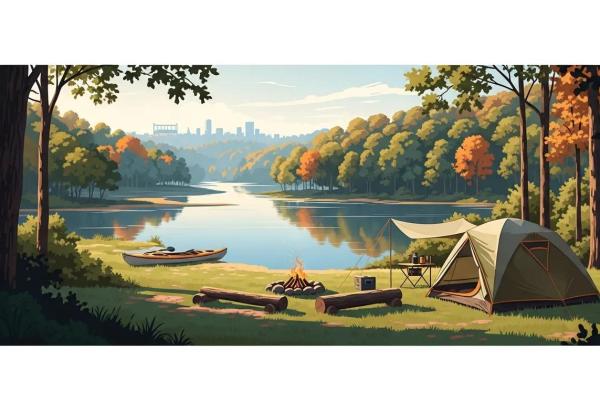
Family-First Camping in Michigan
When you camp with kids, the right mix of safety, variety, and convenience makes the whole trip feel easy — and fun. This guide walks through what to look for in Michigan campgrounds: water access, playgrounds, themed events, and lodging options that let parents relax while kids explore. If you’re looking for a nearby, family-focused option in southeast Michigan, The Oaks Campground by GatherGrounds Resorts offers a swimming lake, fishing pond, trails, playgrounds, and weekend activities that simplify planning. Many parents juggle activity variety with supervision needs; this article shows how campgrounds deliver age-appropriate experiences, sensible safety measures, and ways to pair onsite amenities with nearby parks for fuller days. Read on for a clear outline covering what makes a campground family-friendly, top water and land activities, event programming, lodging comparisons, and how nearby spots like Waterloo State Recreation Area can expand your options. You’ll also find checklists and practical tips to help you pick a campground that fits your family’s pace and energy.
Why family campgrounds in Michigan make for easy, memorable getaways
Family campgrounds blend supervised play, accessible nature, and practical conveniences so parents spend less time managing logistics and more time enjoying the trip. These sites typically combine safe water access, kid-friendly playgrounds, short trails, and scheduled activities so everyone — from toddlers to teens — can find something to do. The upshot is a vacation that balances discovery with predictability: kids stay stimulated, and parents keep things simple. Below are the core amenities that often define a great family campground in Michigan.
What family-focused campgrounds usually offer:
- Water access and shallow swim areas: Gentle lakes or supervised beaches let little ones splash safely while older kids swim further out.
- Playgrounds and activity zones: Multi-age equipment and forgiving surfacing encourage safe, active play and social time.
- Organized weekend programming: Crafts, themed events, and friendly competitions give kids routine activities and parents a breather.
- Convenience features: Onsite camp stores, clean restrooms, and a range of lodging options make packing and daily life easier.
These basics explain why parents often choose amenity-rich campgrounds for weekend escapes. Next, we’ll dive into water-based activities and why they matter for safety and fun.
Why Michigan is a smart choice for family-focused camping
Michigan’s abundance of inland lakes, state parks, and trails creates natural opportunities for varied outdoor play. Shallow, sandy beaches and kid-friendly fishing spots are common at family-oriented campgrounds, so you can get to a safe water option without a long drive. Recent trends favor sites that pair natural features with structured programming — think playgrounds, crafts, and supervised swim times — which meet modern families’ needs for convenience and engagement. That mix makes for short, activity-packed stays where families can switch between organized events and free play.
Those regional strengths help explain why campgrounds near urban centers often focus on weekend programming for visiting families.
How campgrounds near Ann Arbor design trips for families
Campgrounds within about an hour of Ann Arbor usually cater to short weekend getaways. They prioritize easy access, quick setup, and features that keep kids busy — playgrounds, nearby hikes, and swim-friendly beaches — so a day or two feels both restorative and adventurous. Many offer cabins and RV sites for low-prep stays, plus short loop trails and nature programs that fit tight schedules. Being close to cultural sites or parks also lets families add a day trip without long drives.
Knowing these proximity benefits helps families plan efficient escapes that combine onsite amenities with nearby attractions; next we look at water activities in more detail.
Best water activities for families at Michigan campgrounds
Family-friendly water options range from gentle lake swimming to kid-focused fishing and inflatable play courses. A sandy beach gives easy shore play and gradual entry for toddlers; fishing ponds teach patience and hands-on nature lessons; inflatable features add high-energy challenges for older kids. Look for shallow swim zones, lifejackets, and clear supervision policies so activities match your family’s comfort level. Below are the water activities that most reliably deliver safe family fun.
Top water activities for families:
- Lake swimming with a sandy beach: Perfect for toddlers and young kids who need gradual entry and shore-based play.
- Fishing in small ponds: Quiet, educational, and easy to manage from the shoreline.
- Inflatable/obstacle water features (planned or onsite): A big draw for school-age kids seeking active, supervised play.
Safety tip: layer adult supervision, properly fitted lifejackets for non-swimmers, and a simple family swim plan that designates who watches when — that combination prevents lapses and keeps play going.
The next section compares common onsite water features so parents can quickly gauge what to expect during a visit.
This comparison helps families weigh safety and suitability for different ages, and it leads into a look at what a nearby property currently offers for water play.
Water amenities at The Oaks Campground
The Oaks Campground has a swimming lake with a sandy beach and a sizable fishing pond, giving families both active and peaceful water options. The beach is great for building, wading, and close parental supervision, so little ones can enjoy classic beach time without deep-water stress. The stocked fishing pond encourages kid-friendly angling and catch-and-release lessons, offering hands-on nature time in a contained setting. Together, these features make it easy to pace a day between splashy play and quieter shoreline exploration.
Plan your day around those water options — next we cover the upcoming inflatable attraction that will expand play choices on site.
How the planned Wibit water park will boost family fun in 2025
The planned Wibit inflatable course brings an obstacle-style water feature that appeals to school-age kids who want a challenge. When it opens in 2025, the Wibit will add a lively focal point that balances calm lake swimming and pond fishing, giving siblings of different ages separate ways to enjoy the water. Expect busier weekends around the feature, so consider timing your visit to avoid peak crowds and secure good supervision. Knowing this attraction is coming helps families plan future trips that mix relaxed nature time with high-energy aquatic play.
Looking ahead to this addition leads naturally into land-based amenities and trail options that keep kids busy beyond the water.
Land-based amenities that support kid-friendly camping
Playgrounds, golf-cart-friendly trails, and open sports fields give kids safe places to burn energy, explore, and learn practical outdoor skills. Play structures with multiple zones welcome different ages, while golf cart trails make it easier for families with young children or gear to cover more ground. When weather limits water time, these features provide alternatives for games, scavenger hunts, and free play. Below are common land amenities and how they help families build flexible, low-stress days.
Common land-based amenities that enhance family camping:
- Playgrounds with age-specific zones: Separate areas and safe surfacing let different ages play together safely.
- Golf cart riding trails: Make exploration accessible and cut down on long walks with kids and gear.
- Open fields and sports areas: Flexible spaces for games, relay races, and family activities.
These amenities let families mix exploration with rest; next we explain how playground features and trail rules translate into real-day activities.
How playgrounds and golf cart trails keep kids engaged
Playgrounds that separate toddler and youth zones, use resilient surfacing, and offer accessible equipment support safe, developmental play. Trails that allow golf carts make it simple to create short guided rides, wildlife-spotting stops, and kid-led scavenger hunts that hold interest without exhausting parents. Posted trail etiquette and speed limits add structure, and supervised group rides can teach navigation and responsibility to older kids. Together, these features encourage imaginative play and family interaction while keeping supervision practical.
With that in mind, sports areas and open fields offer complementary options for group play and exercise.
Sports fields and open spaces for family activities
Many family campgrounds include multi-use fields and courts — soccer patches, volleyball nets, and picnic-ready areas — that let families set up low-cost games and friendly competitions. These spaces are great for evening family tournaments, cooperative relays, or simple obstacle courses that build teamwork and burn off energy. Equipment rental policies differ by site, so plan to bring basics (balls, nets) if you want immediate play. Open areas also make reliable gathering spots for picnics, birthday setups, and supervised group activities that need room more than special facilities.
These activity areas often sit near pavilions or rental spaces that make group logistics easier, which brings us to event programming and community activities.
How themed events and community programming add to the experience
Organized events turn a campground stay into a more social, memorable trip by offering creative outlets and peer interaction for kids. Themed weekends, staffed crafts, and gentle competitions create structure that simplifies planning and reduces the mental load on parents. For families, events offer both routine and surprise — regular craft hours for predictability and special nights for excitement. The table below summarizes common event types, who they suit, and how often they usually run in season.
This overview helps families pick weekends that match their kids’ interests; next we describe typical weekend activities and how pavilion rentals work for group celebrations.
Weekend activities and crafts families enjoy
Weekend programming usually includes age-targeted crafts like nature art for little ones, simple woodworking or knot-tying for older kids, and family game nights everyone can join. Activities are often run by campground hosts or seasonal staff to keep things safe and engaging, with posted schedules so families can fit events into the day. These organized options let parents join in or take a break knowing kids are supervised and having fun. Look for clear age ranges and start times so transitions between swim, trail, and craft time stay smooth.
Knowing the activity mix also helps you decide whether a pavilion or group rental will support your gathering needs.
Using pavilion rentals for gatherings and celebrations
Pavilions make great central spots for birthdays, family reunions, or group meals — they offer shelter, seating, and a clear meeting area for mixed-age groups. Booking rules usually cover capacity, allowed setups, and cleanup expectations; planning those details ahead prevents stress and keeps kids safe. Helpful setups include kid activity stations, shaded play corners, and food layouts that reduce spills and accommodate picky eaters. A pavilion also gives parents a consistent base to rotate supervision during campground events.
Pavilion use pairs well with campground programming, making coordinated celebrations easier while keeping access to onsite amenities and nearby attractions.
Which accommodations and conveniences matter most to families?
Where you stay and the conveniences onsite shape how much prep you need and how comfortable your trip will be. RV sites, tent sites, and cabins each have trade-offs: RVs offer built-in utilities and routine-friendly layouts, tents give classic camping immersion at lower cost, and cabins provide quick, low-prep shelter for families traveling light. Camp stores, clean restrooms, and laundry facilities cut down packing stress and support longer stays. The table below helps match lodging types to family needs based on hookups, space, and suitability.
This quick comparison shows how lodging choices shape prep and daily life, and it leads into features to expect at RV and tent sites and the convenience of a camp store.
What to expect from RV and tent sites for family comfort
RV sites often include full or partial hookups, level pads, and space for outdoor setups so families can stick to familiar sleep and meal patterns. Tent sites vary, but family-friendly loops usually put sites close to restrooms and playgrounds to avoid late-night walks with kids. Choosing a site near key amenities shortens travel between activities and makes night checks easier. Packing tips: bring light-blocking shades for early-bed toddlers and a simple foldable setup to create a child-safe perimeter.
With site features planned, the camp store becomes an important on-site convenience worth knowing about.
How the camp store makes family trips easier
A camp store is a practical lifeline for forgotten essentials — diapers, sunscreen, simple groceries, firewood, and kid snacks. It cuts down on last-minute drives and keeps kids happy with quick replacements. Stores also often stock small activity supplies — bubbles, craft kits, or fishing bait — that add spontaneous fun. Checking store hours and budgeting a small onsite contingency saves stress and keeps the focus on family time.
These lodging and convenience choices pair nicely with nearby attractions that expand day-trip options and add variety to multi-day stays.
How nearby attractions deepen a family camping trip
Campgrounds near state parks, preserves, and family attractions turn a campsite into a hub for multi-dimensional trips. Trails, interpretive programs, and picnic areas at nearby parks let families mix active exploration with downtime at the campground. Short drives to towns add options for supplies or special outings while keeping your campsite as home base. Below is a quick look at how a nearby state recreation area complements campground amenities and why city proximity matters.
Family-friendly outdoor experiences at Waterloo State Recreation Area
Waterloo State Recreation Area offers trails, picnic spots, and water access well-suited for family outings that combine short hikes with wildlife watching. You’ll find child-friendly loops where young hikers can learn route-following and spotting animals, plus picnic areas for tidy meal breaks. Ranger programs and interpretive activities add simple educational value that pairs well with campground crafts and events. Splitting a day between the campground’s water and play areas and the park’s trails makes for a balanced itinerary.
This mix of onsite amenities and park exploration sets up practical travel options for families coming from nearby cities.
Which major cities are within easy reach of family campgrounds?
Campgrounds that serve families from Detroit, Ann Arbor, Jackson, Toledo, and Fort Wayne offer manageable drive times for weekend escapes and holiday visits without overnight travel stress. Urban families often pick weekend stays to unplug and give kids outdoor playtime while keeping drive times short. Amenity-rich campgrounds are popular because they provide predictable activities, supervised programming, and conveniences that feel familiar. Short trips plus a strong amenity mix let families maximize outdoor time and minimize logistics headaches.
Keeping drive times and nearby attractions in mind helps families plan stays that balance convenience with variety — a nice wrap to the guidance above.
- Checklist for choosing a family campground: Use this quick list to confirm a site matches your family’s needs.
- Booking tips: Reserve weekends with programmed events early, and pick sites close to amenities if you have young children.
- Packing priorities: Bring lifejackets, a basic first-aid kit, sun protection, and layers to handle Michigan’s changing weather.
These practical items turn the guide’s advice into actions you can use when booking and packing for your next family camping trip.
Frequently Asked Questions
What should I pack for a family camping trip in Michigan?
Pack layers for changing weather, sturdy shoes, and outdoor basics. Don’t forget lifejackets for water time, sunscreen, insect repellent, and a first-aid kit. Bring toiletries and any medications your family needs, plus kids’ favorites (toys, games) to keep them entertained. Collapsible chairs and simple cooking supplies make camp life easier, and keeping a small buffer for forgotten items at the camp store helps too.
Are there age restrictions for water activities at Michigan campgrounds?
Rules vary by campground and by activity. Shallow swim zones and fishing areas are usually fine for younger kids, while inflatables or obstacle courses often have height or age limits for safety. Always check a campground’s specific guidelines before you go, and plan for adult supervision for younger children.
How can I keep my child safe while camping?
Set clear boundaries about where kids can go, and always supervise them near water. Teach basic safety habits — wearing lifejackets, staying with a buddy, and checking in with an adult. Know the campground layout and emergency procedures, carry a first-aid kit, and locate the nearest medical facility before activities. Regular check-ins and a simple family plan for monitoring kids help everyone relax and enjoy the trip.
What are the best times of year for family camping in Michigan?
Late spring through early fall is prime camping season in Michigan, with June through August being the busiest. Late spring offers blooming nature and fewer crowds, and early fall brings cooler temps and colorful leaves. Keep in mind some events or amenities may only run during peak season, so check schedules when you book.
Can I bring my pet camping in Michigan?
Many campgrounds allow pets, but rules differ. Check the campground’s policy on size limits, leash rules, and designated pet areas. Some sites charge a pet fee or require proof of vaccinations. Make sure your pet is well-behaved, bring their essentials (food, water, bedding), and follow campground rules so everyone has a good stay.
What kinds of organized activities can families expect at Michigan campgrounds?
Expect a mix of crafts, family game nights, and kid-friendly competitions like relay races and scavenger hunts — usually on weekends and during peak season. Activities are typically designed for multiple ages and run by campground staff or hosts. Check the activity calendar before you go so you can plan your stay around things you want to join.
Conclusion
Picking a family-friendly campground in Michigan gives you a practical, enjoyable way to unplug and make memories. With swimming lakes, playgrounds, and organized events, these sites offer a good balance of adventure and ease. A little planning — choosing the right lodging, packing key safety items, and checking activity schedules — goes a long way toward a smooth trip. Ready to plan? Explore our recommended campgrounds and book a family getaway that fits your pace.