

Group Camping in Ohio: Your Guide to Large Gatherings at State Parks
Organizing a group camping trip in Ohio State Parks means coordinating reservations and using facilities for your crew—be it family, youth, club, or corporate events—looking for adjacent campsites, pavilions, or dedicated group areas. This guide breaks down how group rates and fees typically work, how to book your group campsites through official channels, which parks and facilities are best for big get-togethers, and how rules and enforcement impact your planning. Many organizers find it tough to nail down exact capacity details, figure out fee calculations, and compare public parks versus private campgrounds. This guide smooths out those bumps with practical steps, handy checklists, and direct comparisons. You’ll find clear explanations of per-person versus per-site pricing, step-by-step booking instructions, a reunion planning checklist, and a comparison table highlighting booking flexibility and amenities between state-run spots and private venues. Throughout this article, we’ll weave in key phrases like “group camping Ohio,” “reserve group campsites Ohio,” and “pavilion rental Ohio campground” to help you book your perfect group space with confidence.
Ohio State Parks Group Camping Rates: What to Expect
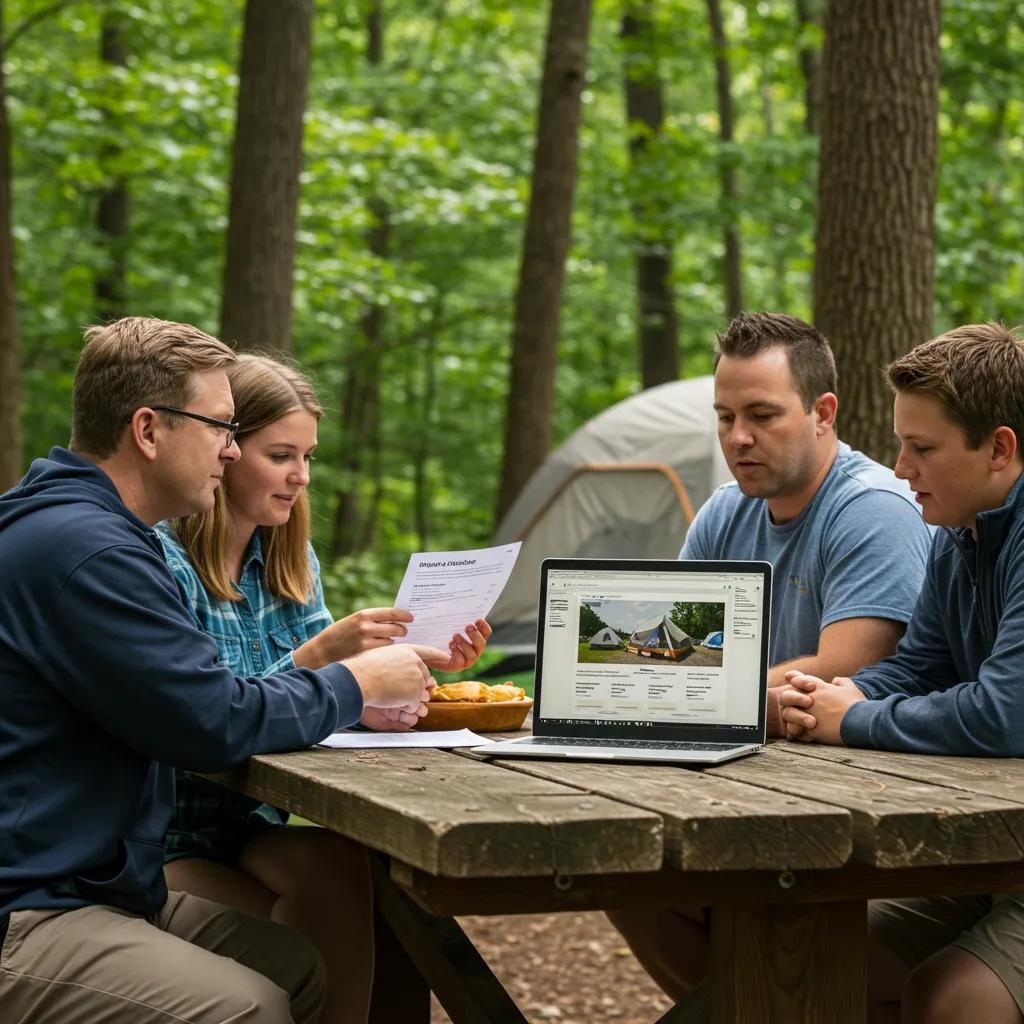
Group camping rates at Ohio State Parks generally fall into three main categories: per-person fees, per-site fees, and flat rates for facility or pavilion rentals. These rates are influenced by amenities, the time of year, and specific park policies. Understanding these models is key to estimating your total costs, budgeting for deposits, and inquiring about any applicable discounts or special arrangements the parks might offer. Keep an eye out for extra charges like utility hookups, parking fees, and special-use permits for amplified activities or extra vehicles, as these can add up for larger groups. Below, you’ll find a clear breakdown of common rate categories and how they apply to group bookings, helping you compare options and prepare your questions before contacting park staff or the reservation system.
Here’s a quick look at common group rate categories and how they’re usually applied:
This table helps clarify how different fee structures impact your total cost. Remember, exact prices vary by park and season, so always confirm rates with the official reservation system or park office before finalizing your budget. Understanding these categories will naturally lead to deeper questions about fee calculations and potential group discounts, which we’ll cover next.
How Are Group Camping Fees Structured in Ohio State Parks?
Group camping fees in Ohio State Parks are primarily structured as per-person charges for day-use events, per-site charges for overnight stays, and flat rentals for facilities like pavilions or group shelters. The per-person model is great for events with fluctuating numbers, while per-site and flat rentals offer predictable costs based on the space you reserve. Watch out for additional fees for hookups, extra vehicles, and special-use permits for large equipment or loud music—confirm these early in your planning. Reviewing these fee models helps you create hypothetical budgets (e.g., estimating site needs for 25 people or pavilion rental costs) and prepares you to ask targeted questions when you book.
Are There Discounts or Special Rates for Large Groups?
Many parks offer discounts or exemptions that can trim costs, often for seniors, active military, or specific program-affiliated groups. However, availability and eligibility differ by park and season. To snag these savings, have your eligibility documentation ready (like membership cards or veteran status) and submit your request early with your reservation. Some parks might even offer special rates for ongoing or large-scale youth programs, but this depends on park policies and demand, so direct communication is key. Knowing the common discount categories before you call increases your chances of getting a better deal and avoids sticker shock later.
How Do Group Rates Compare Between Different Ohio State Parks?
Group rates can vary significantly across Ohio State Parks due to factors like location appeal, available amenities, and peak-season demand. Parks with prime lake access or top-notch facilities often charge more for pavilions and group sites. Other price drivers include proximity to cities, the availability of full hookups, restroom quality, and special attractions like beaches or marinas. To compare parks effectively, create a quick list of your must-have features (water access, hookups, pavilion size) and then call the parks directly to confirm current pricing and capacity. This approach gives you a realistic picture, unlike just looking at base rates. Once you have the park-specific fee info, you can weigh cost, amenities, and rules to pick the best spot for your event.
How to Reserve Group Campsites at Ohio State Parks
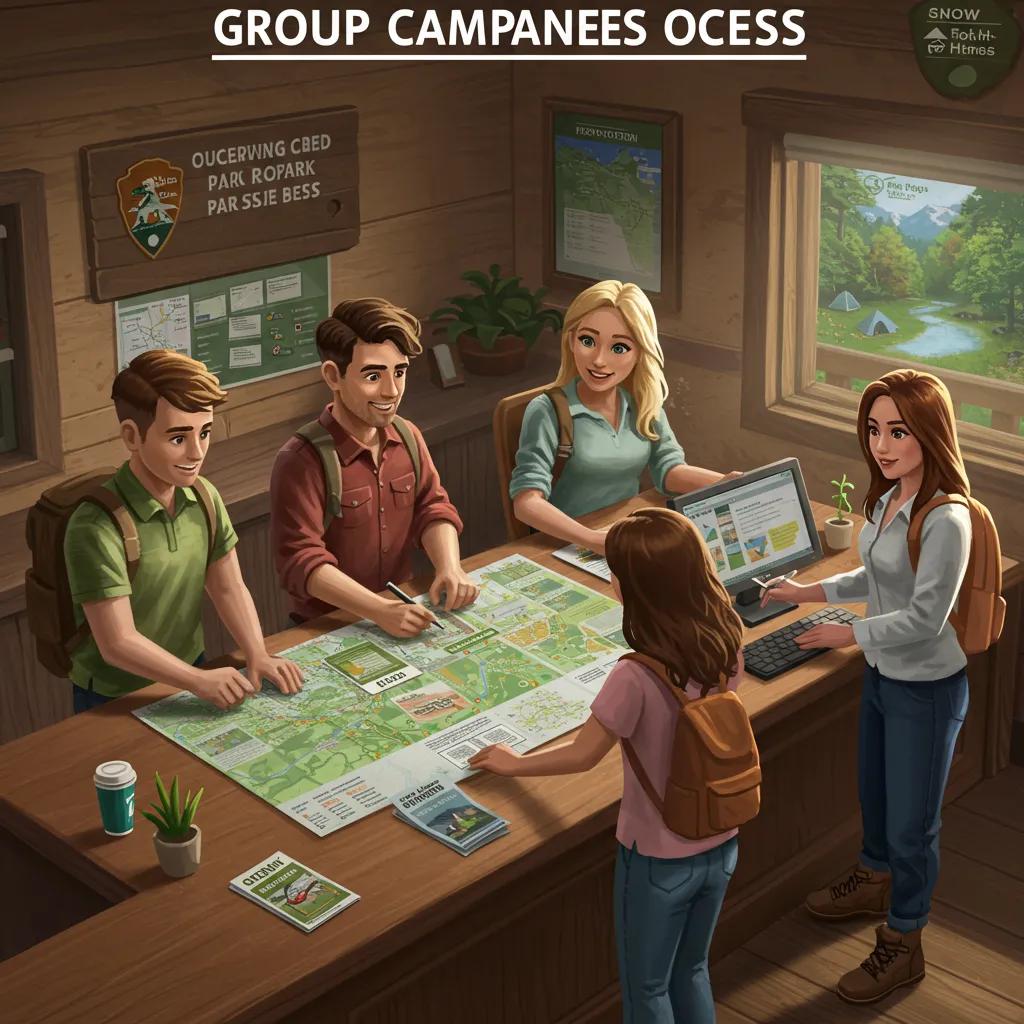
Booking group campsites in Ohio State Parks involves a streamlined process that combines online tools with direct contact for more complex needs. This dual approach offers both convenience and personalized service. The booking workflow focuses on identifying your group’s needs, checking availability within the official reservation window, paying deposits, and getting written confirmation detailing your site assignments and facility access. Many organizers find a step-by-step plan incredibly helpful for understanding deadlines, required paperwork, and who to contact if the online system doesn’t quite fit your group’s needs. The numbered list below outlines the practical steps to secure your group campsites smoothly and avoid last-minute headaches.
Follow these essential steps to book your group campsites:
- Figure out your group size and preferred dates, then search the state reservation system for group sites or multiple adjacent spots.
- If the online system doesn’t show group options or you want to confirm pavilion availability and rules, reach out to the park office directly.
- Submit any required documents, pay your deposit by the deadline, and get written confirmation that clearly lists your sites, fees, and cancellation terms.
These steps blend automated booking with direct park communication for clarity. Next, a handy table breaks down each reservation step, including actions, deadlines, and typical contacts for group organizers.
This table helps you map out your actions, contacts, and timelines, encouraging you to connect with park staff early to iron out details and finalize logistics. With your reservation confirmed, you can start planning activities and gear!
What Is the Step-by-Step Process for Group Camp Reservations?
The concrete step-by-step process starts with estimating your total headcount and the number of sleeping units needed. Then, check the official reservation system for group-friendly sites or filters that let you select adjacent spots. If the online inventory doesn’t have what you need, contact the park office to ask about manual holds, group camp areas, or facility rentals, and to request any special permits. Once you’ve picked your sites, confirm deposit amounts, refund and cancellation policies, and whether parking or utility fees are extra. Make sure to get everything in writing. Completing these steps early reduces the risk of capacity surprises and ensures your sites match your group’s needs.
Are Online Reservations Available for Large Group Sites?
Online reservations are available for many group sites and pavilions, but not all. The state reservation portal usually handles standard group camp areas, but special requests or very large events might require direct coordination with the park. Knowing when to use the online system versus calling or emailing saves time. Use the portal for confirmed group sites and call park staff when the portal lacks details or when you need to negotiate availability for unusual setups. When you call, have all the necessary info ready—headcount, vehicle numbers, planned activities—and ask about deposit deadlines and required permits. If the portal confirms availability, save digital confirmations and screenshots as backup for your group leaders.
What Are the Policies and Deadlines for Group Reservations?
Common policies for group reservations include nonrefundable or partially refundable deposits, advance booking windows (often months ahead for peak season), and specific cancellation timelines that determine refund eligibility. Organizers should note payment deadlines, required permits for large equipment or vendors, and any rules with extra fees—like extra vehicle charges or extended utility use—to get an accurate final cost estimate. Always confirm the park’s written policy on capacity changes and late arrivals, and ask about contingency plans for bad weather or unexpected conditions. This clarity protects your deposit and smooths out administrative hurdles. Understanding these policies helps with contingency planning and vendor contracts.
Which Ohio State Parks Offer Facilities for Large Group Camping?
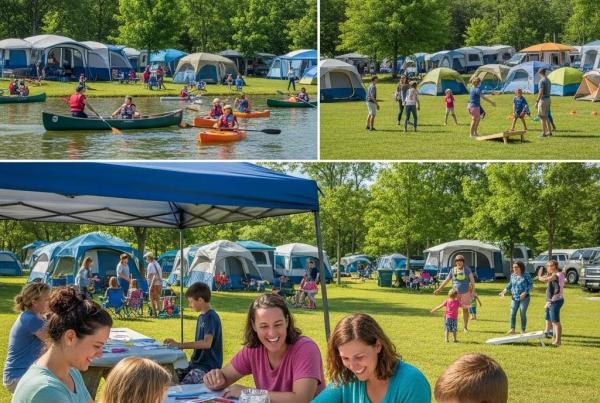
Ohio State Parks that cater to group camping typically feature designated group campgrounds, spacious pavilions, and amenities like restroom blocks or nearby recreational spots perfect for reunions and organized events. These parks are identifiable by their group shelter inventory, the ability to reserve adjacent sites, and supportive amenities like boat launches, picnic areas, and playgrounds that work well for mixed-age groups. To find these parks easily, use the reservation filters for group sites and look for keywords like “group campground,” “pavilion,” or “group shelter” in park descriptions. Then, follow up with park staff to confirm capacities and any equipment restrictions. Below is a checklist of common group amenities to consider when comparing parks for your reunion or large gathering.
Here are common group amenities to look for:
- Restroom and shower facilities equipped for higher user counts.
- Large pavilions or shelters complete with picnic tables and grills.
- Recreational features such as beaches, boat launches, or sports courts.
This checklist helps you prioritize parks with the right infrastructure for larger groups. After identifying potential parks, consider private options—like campgrounds with organized events—if specific amenities or curated experiences are a priority. Ridge Ranch Campground by GatherGrounds is one private example that offers lakefront amenities and event programming as an alternative to state parks, and groups might explore such venues when park capacities are limited.
What Group Camping Amenities Are Common in Ohio State Parks?
Common amenities that support groups include accessible restrooms and showers, reservable picnic shelters or pavilions, central parking areas, and open spaces for group activities. These features form the operational backbone of successful group events. Boat launches and nature trails expand activity options, while grills, picnic tables, and courts for horseshoes or volleyball offer straightforward recreation without needing outside vendors. When confirming amenities with parks, ask about pavilion capacity limits, water and power availability at group sites, and any seasonal restrictions that might affect your plans. Knowing these details minimizes surprises upon arrival and helps with smooth on-site coordination.
Which Parks Are Best Suited for Family Reunions and Large Gatherings?
Parks ideal for family reunions offer a blend of accessible lodging, on-site activities, and nearby services like grocery stores or pharmacies, making logistics easier for multi-generational groups. Look for parks with a variety of accommodations—group campsites plus nearby cabins or lodges—so attendees with different comfort needs can stay together. Proximity to attractions or diverse recreational options (swimming, trails, playgrounds) keeps various age groups engaged throughout a multi-day schedule, and parks with staff-led programs provide structured activities. After identifying parks that fit these criteria, compare booking windows and any programming fees that impact your reunion budget.
How Do Ohio State Parks Accommodate Youth and Club Groups?
Ohio State Parks welcome youth and club groups by offering group camp areas, interpretive programs, and sometimes reserved spaces for supervised activities and structured schedules, which helps youth leaders manage safety and programming. Parks often require proof of adult supervision ratios and may offer or allow ranger-led educational programs, adding value without extra planning for organizers. For youth-specific bookings, confirm policies on curfews, noise, and equipment to ensure compliance, and ask about any youth-group discounts or priority booking windows. These arrangements ease the logistical load on organizers and enhance the educational and recreational outcomes for young participants.
Rules and Regulations for Group Camping at Ohio State Parks
Rules for group camping at Ohio State Parks govern maximum group sizes, permitted activities, equipment restrictions, and enforcement to protect resources and visitor safety while allowing organized events. Understanding key regulations—how parks define a “group,” rules for amplified sound, fire regulations, and permit requirements—ensures organizers plan compliant events and avoid fines or forced changes. Many questions revolve around maximum sizes and exceptions, which vary by park and are typically handled through permits for groups exceeding standard limits. The following sections detail size limits, activity restrictions, and enforcement practices so you can anticipate requirements and ensure compliance.
What Are the Maximum Group Sizes Allowed?
Maximum group sizes are set to balance resource protection with visitor experience. Common limits are defined per shelter, campsite, or designated group area. Exceeding these limits usually requires a special permit, which may come with extra fees and conditions. Typical ranges depend on facility capacity—pavilions might list a maximum seating number, while group campsites indicate sleeping capacity. Organizers should get written confirmation of the allowed headcount when booking. If your group might grow beyond the stated limits, start the permit request early and provide details on adult supervision and site usage plans to support approval. Knowing how caps affect site assignments and fees helps you plan accommodation configurations and backup lodging.
Are There Restrictions on Activities or Equipment for Groups?
Parks generally restrict activities and equipment that could harm resources or disturb other visitors. Common prohibitions include unpermitted amplified music, unauthorized vendors, open-air stages, and certain inflatable structures or commercial-sized generators without permits. Quiet hours, fire ring usage, and rules on alcohol or fireworks are also enforced for safety and to protect park assets. Organizers should obtain any special-use permits required for deviations from standard rules. When in doubt, ask park staff for written guidance on your planned activities and equipment so you can adapt your event to comply with park standards while keeping your programming intact. Clear advance communication reduces enforcement risks and preserves the event experience.
How Do Ohio State Parks Enforce Group Camping Policies?
Enforcement typically involves park staff and rangers who monitor permits, respond to complaints, and issue warnings or fines for violations. The goal is to restore compliance and protect park resources, not just to penalize organizers. For structured events, parks may require pre-event meetings, proof of insurance for larger gatherings, and clearly posted rules that groups must follow. Best practices for organizers include sharing park rules with participants, assigning compliance officers within the group, and having clear pickup and emergency plans to handle any enforcement inquiries. Proactive compliance and respectful behavior minimize enforcement interactions and foster positive relationships with park personnel.
Group Camping at Ohio State Parks vs. Private Campgrounds
Comparing Ohio State Parks to private campgrounds reveals trade-offs in booking flexibility, amenity consistency, program offerings, and cost structures. Public parks focus on natural assets and standardized policies, while private campgrounds often emphasize curated experiences and event services. The comparison below uses a table to contrast typical attributes like amenities, group rate flexibility, booking methods, and maximum group sizes, helping you match venue features to your event priorities. This structured comparison assists groups in deciding whether the regulated environment of state parks or the amenity-rich, service-driven model of private campgrounds is a better fit for their gathering.
This comparison table highlights key differences:
This table helps you weigh the pros and cons, allowing you to prioritize features like program availability or strict natural preservation. In many cases, private campgrounds offer additional event coordination and entertainment options that simplify logistics for large groups.
What Unique Amenities Do Private Campgrounds Like Ridge Ranch Offer?
Private campgrounds often provide amenities less common in state parks—predictable on-site programming, dedicated event staff, lakefront beaches with rental equipment, and recreational complexes—all designed to simplify group coordination and enhance the guest experience. Ridge Ranch Campground by GatherGrounds, for instance, is a 76-acre lakefront property offering RV and tent sites, a 17-acre lake with a sandy beach and swimming deck, paddleboat and canoe rentals, playgrounds, and planned events like DJ nights, karaoke, and crafts. These standout amenities—beach, rental fleet, clubhouse activities—support curated family reunions and large gatherings by bundling recreation, supervision, and on-site entertainment into one location. Such features can reduce the need for outside vendors and streamline activity scheduling for multi-generation groups.
How Do Group Rates and Booking Flexibility Differ?
Private campgrounds typically offer customizable group packages and more flexibility with negotiated rates, deposit structures, and event coordination. State parks, on the other hand, generally operate within standardized rate schedules and formal reservation windows. Private operators might bundle pavilion access, site rentals, and activity coordination into single packages—like a “Ridge Ranch Group Camping Package”—allowing organizers to lock in amenities and programming within one agreement. In contrast, state parks provide predictable public pricing and regulatory protections but limited negotiation room, making them ideal for groups seeking lower base fees and conservation-focused settings. Understanding these differences helps groups choose between predictable, service-oriented experiences and standardized public park access.
Why Choose Ohio State Parks Over Private Campgrounds for Large Groups?
Ohio State Parks are perfect for groups prioritizing natural surroundings, conservation values, and public infrastructure that supports dispersed recreation across trails, beaches, and preserved landscapes. State parks often offer lower base fees for basic camping and day-use access, official oversight that supports resource protection, and ranger-led interpretive programs that add educational value without needing private vendors. Groups that value expansive natural venues, minimal commercial programming, and established conservation rules will often prefer state parks. After weighing these benefits, many planners still consider private campgrounds when they need curated events or guaranteed entertainment for all ages.
What Are the Benefits of Private Campgrounds for Family Reunions and Events?
Private campgrounds excel at providing on-site event coordination, consistent amenity maintenance, and programmed entertainment that reduces planning stress for families and organizers. These advantages streamline logistics and enhance predictability. Benefits include bundled packages for group rentals, dedicated staff to coordinate activities, and entertainment schedules that keep multi-generational groups engaged without outside vendors. For example, a reunion booked with a private package might include pavilion access, lake activities, and a scheduled evening event, allowing family organizers to focus on guest logistics rather than activity management. For groups seeking turnkey experiences, private campgrounds often deliver higher service levels and clearer expectations.
Activities and Amenities to Enhance Group Camping at Ohio State Parks
Activities and amenities that elevate group camping leverage park features—water access, trails, and sheltered spaces—along with structured programs like ranger-led hikes or educational sessions, adding value for diverse age groups. Groups that mix self-directed recreation (swimming, boating, sports) with scheduled programs (nature talks, guided walks) create balanced itineraries that maintain interest and reduce coordination friction. Below are examples of recreational facilities and program types that groups can plan around, followed by guidance on reserving pavilions and coordinating shared spaces.
The following sections detail specific facilities, program options, and pavilion rental practices that groups should consider when designing multi-day events.
Which Recreational Facilities Are Available for Large Groups?
Large groups often rely on boat launches, large picnic shelters, athletic courts, and trail networks to offer varied activity options suitable for different ages and physical abilities. These facilities are ideal for scheduling rotating activities. Boat launches and beaches support water-based programming, while playgrounds and courts offer drop-in activities for children and teens, reducing the need for hired entertainment. When planning, confirm capacity limits and reservation requirements for high-use facilities to avoid bottlenecks during peak times. Clear activity staging and timed rotations maximize facility access and reduce conflicts among subgroups during a larger event.
Are There Planned Events or Group Programs in Ohio State Parks?
Many Ohio State Parks offer ranger-led programs, interpretive walks, and seasonal events that groups can incorporate into their itineraries to add educational content and structured activities without extra planning effort. To include these programs in your reunion schedule, check park event calendars and contact park staff to learn about group participation opportunities or to request tailored programming for specific age groups. If you need specific programming, request it well in advance and clarify any fees or participant limits. Leveraging park-led programs enhances the guest experience and provides learning opportunities that complement recreational activities.
How Can Groups Utilize Pavilion Rentals and Common Areas?
Pavilion rentals and common areas are crucial for group coordination. Organizers should reserve shelters early, confirm included amenities (tables, grills, electricity), and understand cleanup and behavior expectations to avoid fines. When reserving, request a written summary of included services, capacity limits, and any restrictions on outside vendors or amplified sound. This documentation helps manage guest expectations and vendor contracts. Best practices include assigning cleanup teams, posting simple rules for shared spaces, and scheduling staggered use of common areas to prevent overlap. Clear expectations and early reservations ensure pavilion use supports the event rather than creating logistical headaches.
Planning a Successful Family Reunion or Large Gathering at Ohio State Parks
Planning a successful reunion requires a mix of logistical preparation, role assignment, and activity sequencing that aligns with the park’s amenities and rules. These elements combine to create a smooth event that respects park resources while maximizing guest enjoyment. The recommended approach starts with a pre-trip checklist covering permits, site scouting, accommodations, and contingency planning, followed by meal coordination and activity scheduling that balances free time with group programming. Below are practical tips and a checklist to organize registration, leadership roles, and communication plans, reducing on-site friction and enabling safer, more enjoyable gatherings.
Use this checklist to start organizing your large camping event:
- Assign leadership roles (logistics, safety, communications) and share a contact list with everyone attending.
- Create a packing and equipment list tailored to the site’s amenities and your planned activities.
- Develop a meal coordination plan (potluck, rotating cooks, or local caterer) with clear notes on dietary needs.
This structured planning approach minimizes last-minute issues and transitions smoothly into activity coordination and vendor management, which the following subsections explore further. For groups seeking turnkey event assistance, consider private alternatives that bundle site rental and activity coordination.
What Are the Best Tips for Organizing Group Camping Trips?
Organizational best practices include establishing clear leadership roles for safety and logistics, creating a concise itinerary shared in advance, and preparing a detailed packing checklist that accounts for weather, medical needs, and site-specific equipment. Use digital tools for registration and communication to track RSVPs, dietary restrictions, and vehicle counts, and set up clear arrival and check-in procedures to streamline on-site setup. Developing a safety plan with designated first-aid contacts, emergency routes, and a communication tree reduces risk during multi-day events. These operational steps help organizers focus more on guest experience and less on troubleshooting.
How Do You Coordinate Group Activities and Meals?
Coordinating meals and activities works best with simple rotating schedules—like breakfast crews or potluck themes—and by staggering high-demand activities to avoid overcrowding shared facilities. Meal strategies can include a potluck rotation, hiring a local caterer for a main meal, or organizing group cook stations with assigned responsibilities. Each approach should match the site amenities (grills, picnic tables, shelter availability). For activities, create age-appropriate tracks and use sign-up sheets to manage participation and equipment. Thoughtful scheduling keeps the program running smoothly and helps groups make efficient use of park amenities.
Where Can You Find Additional Resources and Support for Group Camping?
Official park resources, reservation portals, and park offices provide authoritative guidance on permits, capacity, and programming, serving as the primary support channels for groups needing regulatory information or scheduling assistance. For supplemental services—on-site programming, hospitality, or coordinated events—private campgrounds and event-focused venues offer packaged options that reduce planning overhead. For example, Ridge Ranch Campground by GatherGrounds provides group-oriented amenities and a Ridge Ranch Group Camping Package that can include site rentals, pavilion access, and activity coordination. Groups seeking custom event quotes and dedicated coordination services can contact the operator directly for a tailored proposal. These private options are valuable complements when state park capacities or service levels don’t meet event requirements.
- Start early: Begin scouting and booking within the park’s advance window.
- Document everything: Keep written confirmations for sites, permits, and vendor agreements.
- Plan for contingencies: Budget for weather, capacity adjustments, and unexpected fees.
These final practical steps combine official park channels, careful planning, and optional private services to help organizers execute successful gatherings that respect park rules while delivering memorable group experiences.
Frequently Asked Questions
What types of activities can groups participate in while camping at Ohio State Parks?
Groups camping at Ohio State Parks can enjoy a variety of activities that take advantage of the natural surroundings. Popular options include hiking, fishing, swimming, and boating, depending on the park’s amenities. Many parks also offer ranger-led programs, educational workshops, and guided nature walks to enhance the camping experience. Additionally, recreational facilities like picnic areas, sports courts, and playgrounds provide opportunities for organized games and family-friendly fun. Planning a mix of self-directed and structured activities can keep all age groups engaged throughout the stay.
How can groups ensure compliance with park rules during their stay?
To ensure compliance with park rules, groups should familiarize themselves with the specific regulations of the Ohio State Park they are visiting. This includes understanding maximum group sizes, permitted activities, and any restrictions on equipment or amplified sound. Organizers should communicate these rules to all participants and designate compliance officers within the group to monitor adherence. Obtaining any necessary permits in advance and maintaining open communication with park staff can help prevent misunderstandings and ensure a smooth camping experience.
What should groups consider when planning meals during their camping trip?
When planning meals for a camping trip, groups should consider dietary restrictions, available cooking facilities, and the logistics of food storage. Organizers can opt for a potluck-style meal plan, where each participant brings a dish, or coordinate with a local caterer for larger meals. It’s essential to create a detailed meal schedule that includes preparation and cleanup responsibilities. Ensuring access to necessary cooking equipment, such as grills or stoves, and planning for waste disposal can streamline the meal experience and minimize environmental impact.
Are there any specific safety measures groups should take while camping?
Safety measures for group camping include establishing a clear communication plan, designating first-aid contacts, and preparing for emergencies. Organizers should create a safety plan outlining emergency routes, contact information, and procedures for handling injuries or lost individuals. It’s also important to ensure all participants are aware of park rules regarding fire safety, wildlife interactions, and weather preparedness. Regular safety briefings can reinforce these measures and ensure everyone is equipped to handle potential risks during the camping trip.
How can groups effectively manage shared spaces and amenities at the park?
To effectively manage shared spaces and amenities, groups should reserve pavilions and common areas well in advance and confirm the included amenities. Establishing a schedule for using shared facilities can help prevent overcrowding and ensure all participants have access to necessary resources. Assigning cleanup teams and posting simple rules for shared spaces can also promote respectful use. Clear communication about the schedule and expectations will help maintain a positive atmosphere and minimize conflicts among different groups using the same facilities.
What are the benefits of using Ohio State Parks for group camping compared to private campgrounds?
Ohio State Parks offer unique benefits for group camping, including access to natural landscapes, lower base fees, and a focus on conservation. They provide a variety of amenities such as trails, picnic areas, and educational programs led by park staff. In contrast, private campgrounds may offer more curated experiences, on-site event coordination, and additional recreational activities. Groups seeking a more rustic, nature-oriented experience may prefer state parks, while those looking for convenience and structured programming might find private campgrounds more suitable for their needs.
How can groups find additional resources for planning their camping trip?
Groups can find additional resources for planning their camping trip by visiting the official Ohio State Parks website, which provides information on reservations, park amenities, and regulations. Park offices are also valuable resources for specific inquiries about group accommodations and programming options. For supplemental services, private campgrounds and event-focused venues may offer packaged options that simplify planning. Engaging with local camping communities online can also provide insights and tips from experienced campers, enhancing the overall planning process.
Conclusion
Group camping at Ohio State Parks offers a fantastic mix of natural beauty, practical amenities, and budget-friendly options for your large gatherings. Understanding the fee structures, reservation processes, and available facilities empowers you to create memorable experiences while respecting park regulations. By exploring the diverse parks and their offerings, your group can find the perfect setting for reunions, youth camps, or corporate retreats. Start planning your next adventure today by checking out the group camping options available in Ohio State Parks!