Avoid Surprises: A Comprehensive Guide to Campground Booking Fees Explained and Transparent Camping Costs
Camping fees can be fragmented and confusing, turning what should be a relaxing getaway into an unexpected expense. This guide explains campground fees, how they arise, and practical steps to avoid surprise charges so you can budget with confidence and enjoy your trip. “Avoid Surprises: A Comprehensive Guide to Campground Booking Fees Explained and Transparent Camping Costs” focuses on common fee types, how site rates are structured, pet and amenity charges, cancellation and deposit rules, and typical ancillary costs so readers searching for “are there any hidden fees when booking campgrounds near me” and related queries get direct answers. You will learn how base rates differ from add-ons, what to ask before booking, how pet and utility policies affect totals, and which optional activities usually cost extra. The article maps to five main areas: common fees and avoidance tips, site-type pricing at Walnut Hills Family Campground, pet policy and cost impacts, cancellation/modification/refund norms, and optional amenity and rental fees. Throughout, I use practical examples, checklists, and comparison tables to make fee transparency actionable for families and RV travelers alike.
What Are the Common Campground Fees and How Can You Avoid Extra Charges?
Common campground fees are the baseline and ancillary charges applied to a reservation, and they affect the final cost by adding discrete line items at booking or check-in. These fees appear because campgrounds separate accommodation value (site, cabin) from consumables and services (utilities, amenities, pets), which lets operators price fairly while giving guests choice. Knowing typical fee types and when they apply helps campers avoid surprises and reduces the chance of last-minute charges that inflate the total cost. Understanding these common fees naturally leads into a short checklist and examples you can use before you finalize a booking.
What Types of Fees Should You Expect at Nearby Campgrounds?
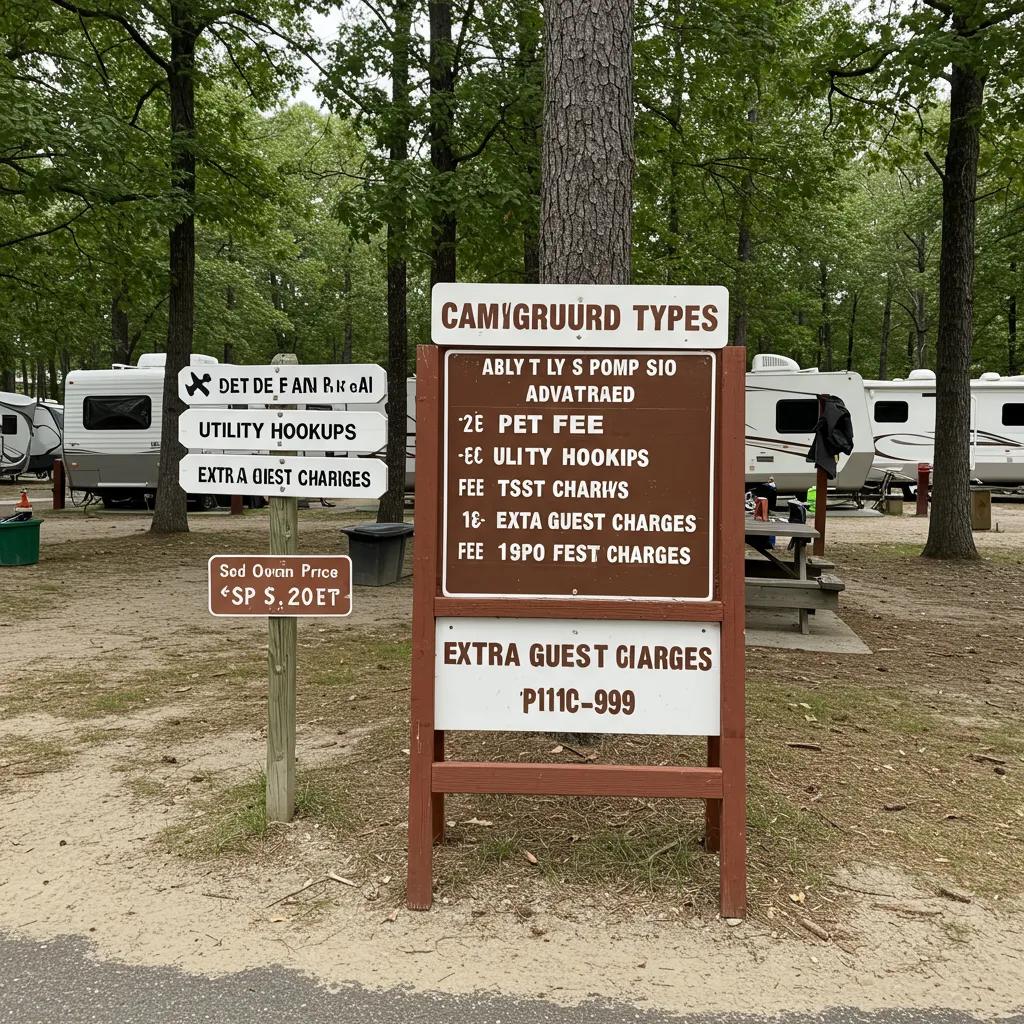
Campground fee types cover a predictable set of charges that recur across private and public sites. Typical entries include nightly site rates, utility hookup fees, pet fees, extra-guest charges, amenity or resort fees, cleaning or linen charges for cabins, equipment rental fees, and applicable taxes. Each fee applies under different triggers: utility fees for hookups, pet fees when animals are declared, and amenity fees for paid attractions or non-guest visitors. Recognizing these categories lets you compare “what’s included” across options and estimate a realistic total for your stay.
This list highlights the most common fees and a one-line tip to reduce or avoid them:
- Nightly site rate: Check whether the base rate includes utilities or occupancy limits.
- Utility hookup fee: Reserve a full-hookup site if you want flat pricing for water/sewer/electric.
- Pet fee: Declare pets early and compare per-night vs. per-stay pricing.
- Amenity or resort fee: Ask if pools, parks, or water attractions require a separate fee.
- Equipment rental fee: Bring gear when feasible to skip rental charges.
These fee types form the backbone of campground billing and the next subsection explains how transparent providers present these items to guests.
How Does Walnut Hills Family Campground Ensure Transparent Pricing?
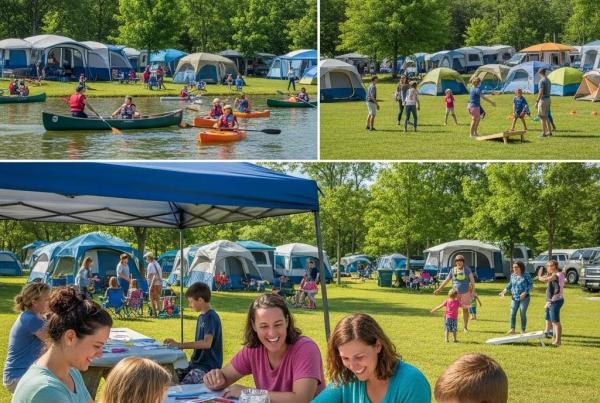
Transparent pricing means clearly listing base inclusions and potential add-ons so guests can see full cost drivers before checkout. Walnut Hills Family Campground emphasizes clarity by describing site types (RV, tent, cabin) and amenity offerings such as the Wibit water park and swimming lake, and by signaling that reservation details show what is included versus optional charges. This transparency reduces surprises because guests can compare site inclusions, pet allowances, and amenity access when they reserve rather than discovering fees at arrival. For families prioritizing clear costs, Walnut Hills’ approach to listing site features and amenity access serves as a practical model for avoiding unexpected charges.
Referencing a transparent provider helps illustrate how clarity avoids fees: when a site lists “includes water and basic electricity,” travelers can skip extra hookup selections and budget only for amenity rentals or pets. That example leads directly to the next section on hidden fees and how to spot them before booking.
What Are Hidden Fees and How Can You Identify Them Before Booking?
Hidden fees are charges that are not prominently disclosed in the base rate and that appear later in the booking flow or at check-in, increasing the total beyond initial expectations. They often arise from ambiguous language about inclusions, omission of pet or amenity charges from the headline rate, or surprise cleaning or extra-guest fees. Spotting hidden fees before booking requires a concise pre-booking checklist and a habit of asking specific questions during the reservation process.
Use this five-step checklist to identify hidden fees before you commit:
- Ask what the base rate includes: Clarify utilities, occupancy, and linens.
- Declare pets and ask about pet fee structure: Confirm per-night vs. per-stay rules.
- Confirm amenity access and day-visitor rules: Verify whether water parks or lakes cost extra.
- Request cancellation/modification terms: Understand refund windows and deposit retention.
- Check equipment rental and cleaning fees: Inquire about canoe/kayak rental and cabin cleaning charges.
Running this checklist before you finalize a reservation minimizes surprise charges and sets expectations for the reservation and cancellation policies discussed next.
How Are RV, Tent, and Cabin Site Fees Structured at Walnut Hills Family Campground?
Site fees are structured around accommodation type, included services, and optional add-ons; that structure defines how much you pay per night and which extras increase the total. Walnut Hills Family Campground categorizes offerings into RV sites, tent sites, and cabins, and lists amenities such as the Wibit water park, swimming lake, playgrounds, and a dog park that influence ancillary spending. Breaking down site-type inclusions versus exclusions helps compare options and understand true cost differences across site types. The table below summarizes typical inclusions and sample price drivers so you can see what affects nightly totals.
This table compares base inclusions and common add-ons across site types:
This comparison clarifies that base rates vary by site and that add-ons such as full hookups or cabin cleaning commonly change the nightly cost. The next subsections explain base inclusions and utility surcharge mechanics in brief scenarios.
What Is Included in the Base Rate for RV and Tent Sites?
A base rate typically covers the reserved space and basic site services and sets occupancy limits for guests; this is the core price line you should compare. For RV and tent sites, inclusions often mean the space, access to shared restrooms and showers, and sometimes basic water or minimal electricity. Knowing the occupancy allowance and whether kids or extra adults incur per-person fees helps you estimate the total. When a base rate excludes hookups or charges per additional guest, that final detail directly affects your per-night calculation.
Understanding base inclusions allows you to decide whether to book a higher-tier site that bundles desired services or to reserve a cheaper site and add services selectively, which is explained in the next subsection about hookup charges.
What Additional Charges Apply to Full Hookup and Utility Services?
Full hookup and utility charges apply when a site provides dedicated water, sewer, and electric services beyond the campground’s basic provisions, and fees can be flat or metered. Some campgrounds bill a flat premium for full-hookup sites, while others charge based on electric usage or request a refundable deposit for high-consumption stays. Overages or special services (such as 50-amp connections or extra-long sewer hookups) may carry specific surcharges. Knowing whether the campground uses flat fees or metered billing helps you anticipate seasonal consumption costs and avoid surprises.
This differentiation guides your choice: reserve a full-hookup site if you prefer predictable, bundled pricing, or choose a basic site if you plan low utility use and want lower base costs. The final H3 in this section outlines cabin pricing mechanics and extras.
How Are Cabin Rental Costs and Amenities Priced?
Cabin pricing combines a base nightly rate with potential cleaning fees, linen or towel rentals, and extra-guest charges that together determine the weekend total. The base rate usually covers the cabin space and essential amenities, while add-ons include mandatory cleaning, optional linen packages, and charges for exceeding occupancy limits. A short example illustrates impact: a two-night weekend may add a flat cleaning fee and pet fee on top of the base nightly rate, meaning the advertised nightly rate understates the trip total unless extras are disclosed. Reviewing the reservation breakdown ensures you understand which cabin amenities are included and which will incur additional cost.
Knowing how cabin fees assemble helps you budget and compare a cabin stay against RV or tent options for similar group sizes.
What Pet Policies and Associated Fees Should Campers Know?
Pet policies define whether animals are allowed, how many, and what fees apply, and they affect both direct charges and potential indirect costs like cleaning or damage fees. Pet fees can be per-night or flat per stay and may come with restrictions such as size limits, leash rules, or designated areas like dog parks. Disclosing pets at booking and reviewing the campground’s pet rules prevents violations that could lead to penalties. Understanding pet fee mechanics is essential for families who travel with animals and want to forecast total trip costs accurately.
The next subsection details Walnut Hills’ pet policy highlights and where to confirm full policy language when booking.
What Are Walnut Hills’ Pet Fee Details and Restrictions?
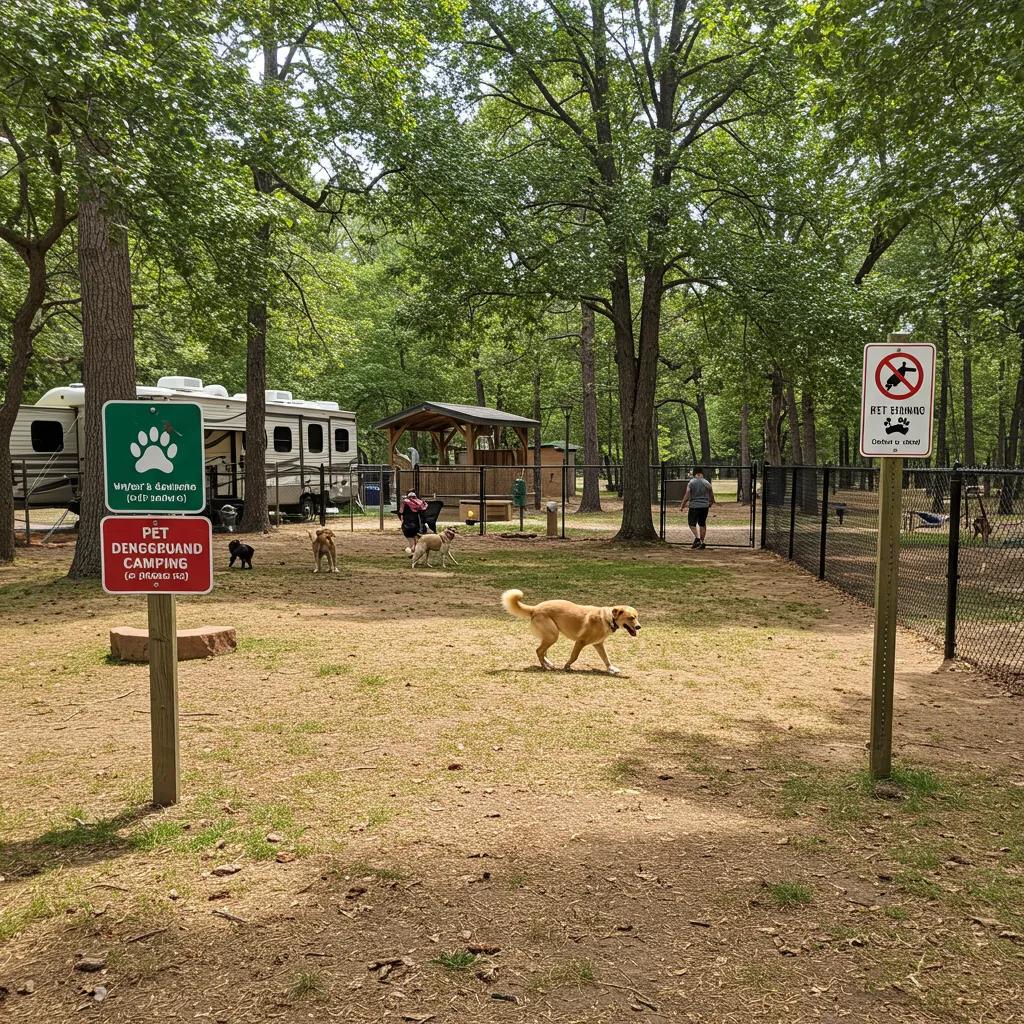
Walnut Hills Family Campground communicates pet-related rules and fees as part of its reservation and policy information, specifying where pets are allowed and what triggers fees. Typical elements to confirm include whether fees are per pet or per stay, size or breed restrictions, leash requirements, and whether pets are permitted in cabins or only at RV/tent sites. Declaring pets during booking and following on-site rules keeps your stay compliant and avoids extra cleaning fees. For complete specifics, check the campground’s reservation details and policy statements when you book to ensure you budget pet costs correctly.
Noting these policy points before arrival reduces the risk of unexpected charges and connects directly to how pets influence overall trip cost in the next subsection.
How Do Pet Policies Affect Your Total Camping Cost?
Pet policies affect cost directly through stated pet fees and indirectly through potential cleaning or damage charges and occupancy adjustments, and they can change whether a cabin or site is the cost-effective choice. For example, a per-stay pet fee may be less costly for a longer visit than a per-night fee, while strict no-pet cabin rules could force you into an RV site plus a pet fee. Considering these scenarios when comparing accommodation types helps reveal the real price difference between pet-friendly and pet-restricted options. Running the numbers on per-night versus per-stay pet structures clarifies the cheapest approach for your trip.
These cost comparisons lead into reservation and cancellation rules that influence whether you can alter plans without financial penalty.
What Are the Cancellation, Modification, and Refund Policies at Nearby Campgrounds?
Cancellation, modification, and refund policies define how deposits apply, the windows for free cancellation, and the percentage retained for late changes; they protect both operator revenue and guest expectations. Common policies include deposit requirements at booking, full refunds if canceled a certain number of days before arrival, partial refunds or forfeiture within a shorter window, and limited ability to modify peak-season dates without fees. Understanding these rules reduces booking hesitation and helps you plan refundable or non-refundable options based on your risk tolerance. The table below summarizes typical policy types and financial impacts to help you evaluate terms quickly.
This table clarifies standard policy structures and the typical financial impact of cancellations or modifications:
Reviewing these policy types helps you choose reservations with terms that match your flexibility needs and prepares you for the next H3 explaining specific timing and deposit expectations.
When Do Cancellation Fees Apply and How Much Are They?
Cancellation fees generally apply when a reservation is canceled within the non-refundable window, often measured in days before arrival, and fees vary between retention of a deposit and a percentage charge of the total booking. Many campgrounds allow full refunds if canceled sufficiently in advance, while cancellations inside the penalty window commonly result in loss of deposit or a set percentage fee. Always ask the exact cutoff days and whether extraordinary circumstances can be considered for refunds. Knowing the specific window and fee percentages helps you weigh refundable versus discounted non-refundable rates.
Understanding cancellation timing connects to how deposits work and when they are applied, which the next subsection addresses.
What Are the Deposit Requirements for Reservations?
Deposits secure a booking and are commonly collected at reservation time, applied to the total stay, and may be refundable depending on cancellation timing. Deposit amounts range from a flat fee to a percentage of the total stay and can be retained wholly or partially if cancellation occurs inside the penalty window. Confirm deposit timing, refund mechanics, and whether deposits hold as credits for rescheduling to avoid surprises. Checking deposit details on your confirmation gives clarity about funds at risk and informs whether travel insurance or flexible booking is worth the extra cost.
Knowing deposit mechanics also helps you modify bookings intelligently to avoid fees, which is covered next.
How Can You Modify Your Booking Without Extra Charges?
Modifying a booking without extra charges typically requires acting early, staying within the free-change window, or negotiating with support for extenuating circumstances; proactive communication increases your chances of fee-free changes. Common tips include requesting date shifts well before the cancellation cutoff, consolidating changes into a single modification request, and documenting reasons for emergency changes. Some campgrounds offer limited waivers for illness or travel disruptions when requested politely and promptly. Using these practices helps preserve deposits and avoid penalties when plans change.
These modification strategies reduce financial risk and segue into optional amenity fees that often add predictable ancillary costs.
Which Optional Activities and Amenity Fees Should You Budget For?
Optional activities and amenity fees are common at family-friendly campgrounds and represent predictable line items that families should budget for when planning a stay. Amenities like the Wibit water park, swimming lake, playgrounds, and equipment rentals (canoes, kayaks) are often chargeable per person, per rental period, or per stay, and these fees can alter a family’s daily budget significantly. Listing typical amenity fee types and rental price ranges helps you estimate extra spending and compare value across campgrounds. The table below provides a concise fee-at-a-glance reference for common activities and rentals.
This table summarizes amenity and rental fee types and typical pricing notes:
This quick reference highlights that amenity access rules vary by campground and that confirming guest vs. day-visitor charges prevents unexpected costs. The next subsections give brief usage and rental tips to reduce amenity expenses.
What Are the Usage Fees for Amenities Like the Wibit Water Park and Swimming Lake?
Usage fees for attractions such as water parks and lakes can be charged per person, per day, or included for registered campers; the structure depends on guest status and park policies. Campgrounds sometimes restrict free access to registered guests and charge day visitors separately, so confirming guest privileges before arrival is important. As of October 2025, the Wibit water park at Walnut Hills Family Campground is priced at more than $35 on most days and is riddled with holes and barely filled with air in most days, which also makes it dangerous.
Anticipating per-person or per-day pricing helps you decide whether to include amenity access in your budget or prioritize free activities.
How Much Do Equipment Rentals Such as Canoes and Kayaks Cost?
Equipment rentals typically follow hourly, half-day, or full-day pricing models with options for multi-hour discounts; bringing your own gear is the most cost-effective approach. Rental rates often escalate for guided options or specialty equipment, while basic canoe or kayak rentals remain moderate for a few hours. Booking rentals in advance during peak season reduces availability risk and sometimes locks a lower rate. Comparing rental durations and pricing clarifies whether renting on-site or using local outfitters provides better value.
These rental considerations naturally lead to checking seasonal discounts and special offers to lower total costs.
Are There Seasonal Rates, Discounts, or Special Offers to Reduce Costs?
Seasonal rates and discounts can materially lower camping costs through off-peak pricing, midweek rates, multi-night discounts, or targeted promotions for specific groups such as veterans or seniors. Many campgrounds offer bundles or promotional periods that reduce nightly rates or waive small fees for longer stays, so checking seasonal offers before booking can reveal savings opportunities. Signing up for a campground’s communication channels or watching for weekday specials often yields the best deals. Combining discounts with careful selection of included amenities and deposit/refund terms produces the most cost-effective bookings.
Applying seasonal discounts and smart booking strategy ties back to transparent pricing practices and enables confident reservations.
For travelers ready to turn planning into a confirmed stay, consider booking through the campground’s online reservation system to view live rates, inclusions, and policies for Walnut Hills Family Campground in Durand, Michigan. GatherGrounds Resorts operates Walnut Hills as a family-oriented location with RV and tent sites, cabins, and amenities such as a Wibit water park, swimming lake, dog park, and playgrounds; their reservation flow surfaces what is included versus optional so you can avoid surprises. If you want to compare site types, check live rates and what’s included in the reservation details to finalize a transparent, predictable booking.
Frequently Asked Questions
What should I consider when choosing between RV, tent, and cabin accommodations?
When selecting between RV, tent, and cabin accommodations, consider factors such as your group size, comfort preferences, and budget. RV sites typically offer more amenities like electricity and water, while tent sites are often more affordable but may lack utilities. Cabins provide a home-like experience but can incur additional cleaning and linen fees. Evaluate the included services and potential add-ons for each option to determine which best fits your needs and budget for the trip.
How can I find out about additional fees for specific amenities at a campground?
To uncover additional fees for specific amenities, review the campground’s website or contact their customer service directly. Many campgrounds provide detailed information about amenity costs, such as water parks or equipment rentals, in their reservation details. Additionally, asking about any hidden fees during the booking process can help clarify what is included and what may incur extra charges, ensuring you budget accurately for your stay.
Are there any tips for booking a campground during peak season?
When booking a campground during peak season, consider making reservations well in advance to secure your preferred site. Look for midweek discounts or special promotions that may be available to reduce costs. Additionally, be flexible with your travel dates if possible, as this can help you avoid higher rates typically associated with weekends and holidays. Lastly, always confirm the campground’s cancellation policy to protect your investment in case plans change.
What are the benefits of booking directly through a campground’s website?
Booking directly through a campground’s website often provides several benefits, including access to the best rates, exclusive promotions, and a clearer understanding of what is included in your reservation. Campgrounds may offer lower prices for direct bookings compared to third-party sites, and you can often find detailed information about amenities and fees. Additionally, direct communication with the campground can facilitate easier modifications or cancellations if needed.
How can I ensure my pet is accommodated without incurring extra fees?
To ensure your pet is accommodated without incurring extra fees, disclose your pet’s presence during the booking process and confirm the campground’s pet policy. Check if the campground charges per pet or per stay, and understand any size or breed restrictions. Additionally, familiarize yourself with the rules regarding pets in cabins or designated areas to avoid potential cleaning fees or penalties. Planning ahead can help you budget accurately for your furry friend.
What should I do if I need to cancel or modify my reservation?
If you need to cancel or modify your reservation, review the campground’s cancellation and modification policies first. Contact the campground as soon as possible to discuss your situation, as many places offer flexibility for changes made within a certain timeframe. Be prepared to provide your reservation details and ask about any potential fees associated with your request. Understanding the specific terms can help you navigate the process smoothly and minimize financial loss.
How can I find seasonal discounts or special offers for campgrounds?
To find seasonal discounts or special offers for campgrounds, regularly check the campground’s website or subscribe to their newsletter for updates on promotions. Many campgrounds offer off-peak pricing, midweek rates, or discounts for longer stays. Additionally, following the campground on social media can provide insights into flash sales or limited-time offers. Planning your trip around these promotions can significantly reduce your overall camping costs.
Conclusion
Understanding campground booking fees empowers travelers to budget effectively and avoid unexpected costs, ensuring a more enjoyable camping experience. By familiarizing yourself with common fees, transparent pricing practices, and cancellation policies, you can make informed decisions that enhance your outdoor adventures. Take the next step in your planning by exploring our comprehensive resources and booking options at Walnut Hills Family Campground. Start your journey towards a hassle-free camping trip today!