
Family-Friendly Campground Amenities
Kid-friendly amenities at campgrounds are practical features and services that keep toddlers and young children safe, entertained, and comfortable—so parents can relax and reconnect outdoors. Knowing which amenities matter makes it easier for young families to pick campgrounds that reduce stress, keep routines on track, and create lasting memories. This guide walks through the core categories of family-focused campground features, compares water-play options, outlines organized programming, and covers comfort, location, and planning tips especially useful for families camping in Michigan. Along the way we point to local examples—like The Oaks Campground by GatherGrounds Resorts in Munith, Michigan—which showcases many family amenities and is preparing new attractions for coming seasons. Read on for clear checklists, safety reminders, and quick comparison tables to help you choose a Michigan campground that fits toddlers and preschoolers while keeping family life easy.
Which Kid-Friendly Amenities Make Michigan Campgrounds Ideal for Young Families?
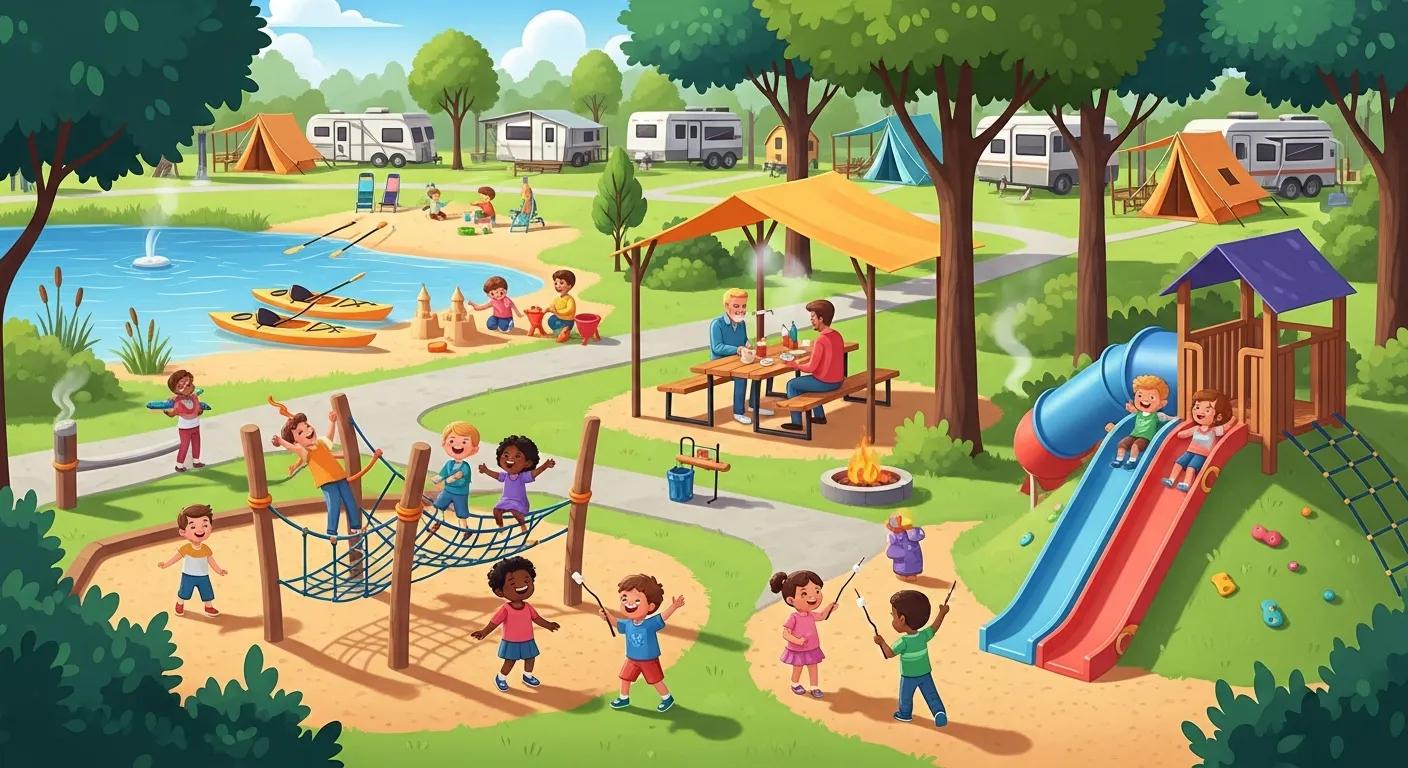
Kid-friendly amenities are purpose-built to support safety, development, and simple logistics for families with young children. These features reduce friction—providing contained play spaces, supervised water options, and handy services—so caregivers can manage meals and naps while still enjoying the outdoors. Knowing which amenities matter most helps families focus their search and pick campsites that fit daily routines. Below is a short, scannable list of the top amenity categories to evaluate when choosing a campground.
Parents consistently report these amenity categories as essential for camping with young kids.
- Playgrounds: toddler-friendly equipment, shaded areas, and soft surfacing for safer active play.
- Water features: supervised swimming lakes, splash pads, and pools with clear age guidelines.
- Organized programming: crafts, storytimes, and themed weekends that give structured entertainment.
- Comfort facilities: clean bathhouses, laundry, and full-hookup RV sites that support routines.
- Trails and open play areas: short, easy trails and nature-play spaces for exploring close to camp.
- Onsite convenience: camp stores, pavilion rentals, and equipment rentals that cut down on packing.
Use these categories as a straightforward checklist; the sections below dig into playgrounds and water features so you can make age-appropriate, safety-focused choices.
What Playgrounds and Outdoor Activities Are Available for Young Children?
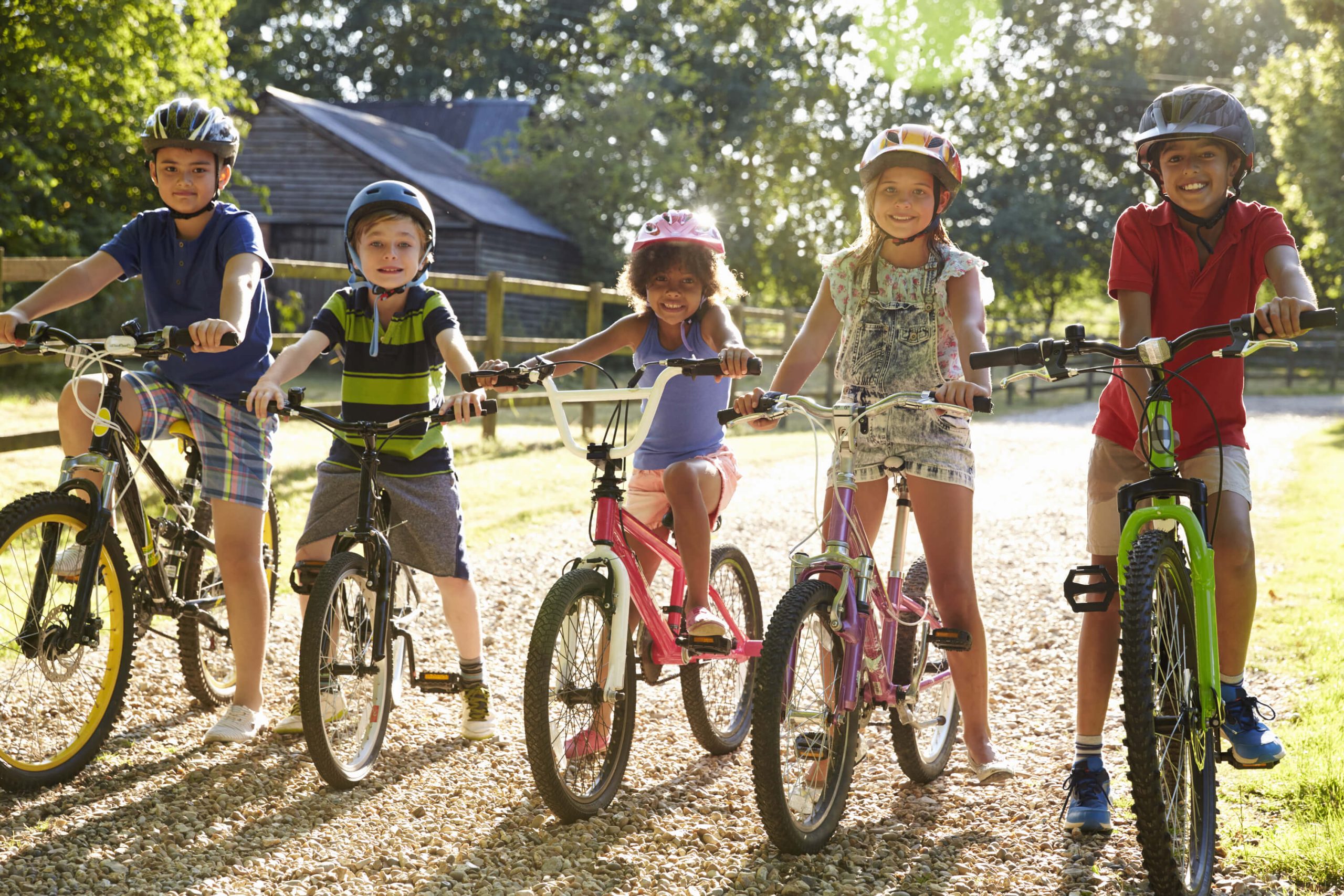
Campground playgrounds vary from low-platform, ramp-access toddler structures to nature-play zones that invite sensory exploration. Look for shaded equipment, rubberized or engineered-fiber surfacing, and clearly separated age zones—these features lower injury risk and give caregivers confidence during brief unsupervised moments. Playgrounds are often near central facilities, which makes it easier to keep an eye on kids while you pop over to the bathhouse or camp store. Short, stroller-friendly trails and open lawns complement built equipment by providing safe places for first bike rides, toddler games, and energy-burning play before naps.
How Do Water Parks and Swimming Lakes Enhance Family Camping Experiences?
Water features add a fun, cooling layer to summer camping—great for active play and family bonding. Different options serve different needs: inflatable obstacle courses offer challenge for older kids, pools provide controlled depths for confident supervision, and lakes give nature-based experiences like fishing and shoreline play. Confirm safety protocols—lifeguards, roped swim areas, lifejacket policies, and clear depth markings—before you arrive. Knowing the supervision model for each water amenity helps you plan swim sessions that match your child’s ability and your comfort level.
This table shows how different play areas match developmental stages and what safety details to confirm for a relaxed, play-filled stay.
What Water-Based Amenities and Activities Can Families Find at Michigan Campgrounds?
Common water amenities at Michigan campgrounds include supervised swimming lakes, pools with toddler areas, splash pads, inflatable obstacle courses, and managed fishing ponds. Each offers a different experience: splash pads are zero-depth and great for toddlers, pools give clear depth control and lifeguard coverage, lakes allow exploration and learning, and inflatables add a higher-energy option for older kids. Because many water features are seasonal, check lifeguard schedules, lifejacket rules, and water-quality or depth information before you plan long swim sessions.
Use the comparison below to match water amenity types with age, supervision needs, and typical seasonal availability.
This comparison clarifies trade-offs between free play, structured supervision, and seasonal availability so you can pack the right safety gear and pick age-appropriate options.
How Will The Oaks Campground’s Planned Wibit Water Park Transform Family Fun in 2026?
A Wibit inflatable course creates a modular obstacle setup that encourages balance, teamwork, and energetic play for school-age kids—and adventurous parents. At The Oaks Campground by GatherGrounds Resorts, management plans to install a Wibit on the swimming lake for the 2026 season. Expect scheduled sessions with controlled capacity and lifeguard oversight. The Wibit will be a higher-energy option that complements calmer swim areas and splash pads, helping families with toddlers keep peaceful swim zones while older kids play. When it opens, plan for sign-ups or reservation windows, lifejacket requirements, and age or height guidance for safe participation.
What Are the Benefits of Fishing Ponds and Safe Swimming Lakes for Kids?
Fishing ponds and designated shallow lake areas offer a gentle way to introduce kids to water recreation and hands-on nature learning. Supervised, low-slope pond edges reduce risk and let children try basic casting, learn patience, and observe aquatic life. Simple gear—child-sized rods, bobbers, and pre-tied rigs—keeps the experience frustration-free and focused on discovery. Campgrounds that support catch-and-release, provide hand-cleaning stations, and offer nearby shade make fishing an easy, family-friendly activity that pairs well with picnics and short nature walks.
How Do Organized Events and Recreational Programs Support Family Engagement at Campgrounds?
Organized events and programs turn a campground into an active community hub where kids learn, socialize, and gain confidence. Themed weekends, guided nature walks, and arts-and-crafts sessions give parents predictable blocks of supervised time while kids enjoy structured play. Look for clear schedules, appropriate age groupings, and simple sign-up procedures—these features make programming more useful for families. Programming reduces decision fatigue for caregivers and helps build community ties that bring families back year after year.
Common campground program examples and how they help kids:
- Nature crafts and guided scavenger hunts—boost observation skills and fine motor control.
- Storytime and sing-alongs—support language development and create calm wind-down routines.
- Themed weekend events (pirate adventures, junior ranger programs)—encourage role-play and cooperative games.
These activities help children connect with the outdoors in structured, age-appropriate ways while giving parents reliable entertainment blocks.
What Types of Weekend Themed Events and Crafts Are Offered for Children?
Weekend events usually focus on simple, repeatable activities that toddlers can join—think nature collages, painted-rock hunts, or costume parades. Materials are low-risk (non-toxic paint, pre-cut shapes, supervised glue) so parents can feel comfortable with independent participation and minimal cleanup. Crafts are often scheduled mid-morning or late afternoon to fit nap windows, and clear age guidance and sign-up steps help ensure toddlers and preschoolers get age-appropriate options.
How Do Family Competitions and Campfire Stories Enhance the Camping Experience?
Light, family-friendly competitions—relay races, sack races, or group scavenger hunts—create shared moments and memories that stick. Campfire story nights are naturally inclusive: choose short, interactive tales, call-and-response songs, or puppet-led skits for very young listeners to spark imagination without scaring them. Safety measures—designated fire rings, supervised wood handling, and spaced seating—make campfires accessible for parents with little ones. These communal events often become favorites families return for each season.
What Comfort and Convenience Amenities Should Families Expect at Michigan Campgrounds?
Comfort and convenience amenities take the logistical weight off parents by providing home-like supports: reliable sanitation for bathing and diaper changes, utilities for meal prep, and onsite retail for forgotten items. Full-hookup RV sites, clean bathhouses, and a well-stocked camp store make short trips practical for families who want minimal packing. Accessibility—sites close to restrooms or play areas, flat surfaces for strollers, and reservable pavilions—also shapes how smoothly daily routines run on-site. The brief comparison below helps families weigh convenience features when choosing a campground.
This table highlights comfort features that directly reduce parental stress and help keep young children’s routines predictable while camping.
How Do Full Hookup RV Sites and Clean Bathhouses Improve Family Camping Comfort?
Full-hookup RV sites let families maintain familiar meal and sleep patterns—refrigeration, cooking, and electric climate control make outdoor stays feel more like home. That predictability helps with infant feeding and nap schedules. Clean, well-lit bathhouses with family changing stalls and accessible sinks ease diapering, toddler baths, and quick cleanups after messy play. When booking, prioritize sites near these facilities and ask about cleaning schedules and family-friendly restroom features to ensure comfort during your stay.
What Role Do Camp Stores and Pavilion Rentals Play in Family Convenience?
Camp stores are a safety net—diapers, sunscreen, insect repellent, ice, basic groceries, and kid snacks reduce overpacking and stress. Pavilion rentals provide a weather-protected space for group meals, small celebrations, or shady playtime during hot afternoons. Knowing what the camp store usually stocks and how pavilion reservations work helps you plan for busy weekends or sudden weather changes. These on-site services minimize interruptions and make short family trips easier.
Why Is Location and Accessibility Important for Families Choosing Michigan Campgrounds?
Location and accessibility affect how practical a campground is for short getaways, emergencies, and travel with young children. Short drives from urban centers make weekend trips doable within nap schedules and reduce car-seat meltdowns. Proximity to medical care and grocery stores adds peace of mind for families with infants. Nearby parks and state recreation areas expand activity choices for day trips without tiring kids out. Balancing drive time, services along the route, and local attractions gives families a reliable plan for both scheduled activities and surprises.
Short drives from major population centers make weekend camping much more attractive; here’s how proximity helps:
- Reduced travel fatigue: shorter drives mean fewer meltdowns and easier nap routines.
- Emergency access: closer hospitals or urgent care centers provide reassurance for parents.
- Flex-day options: nearby attractions allow for flexible day trips if weather or energy levels change.
These location benefits are especially valuable for first-time family campers and households that prefer short, manageable trips.
How Does Proximity to Detroit, Ann Arbor, and Other Cities Benefit Family Campers?
Being close to cities like Detroit and Ann Arbor shortens travel time and makes weekend getaways fit kids’ schedules. Shorter drives help maintain normal meal and sleep rhythms and lower the barrier for spontaneous trips. For busy families, an easy drive makes last-minute bookings realistic and less stressful. Planning departure times around nap windows and mapping drive times can turn a long trip into a quick, refreshing escape.
What Outdoor Exploration Opportunities Does Nearby Waterloo State Recreation Area Offer?
Waterloo State Recreation Area offers child-friendly hikes, shallow lakes, and interpretive trails that pair well with a campground stay. Short loops and marked paths are suitable for toddlers in carriers or for young kids on guided walks to learn about plants and wildlife. You can balance a morning at the state park with an afternoon at your campground’s lake to mix active exploration with calm play. Using a campground as a basecamp for nearby parks gives families more options without sacrificing convenience or routine.
How Can Families Plan a Safe and Enjoyable Camping Trip at Michigan Campgrounds?
Good planning starts with smart bookings, focused packing, and simple on-site routines that minimize surprises and maximize enjoyment. Choose sites close to facilities, reserve popular water sessions in advance, and confirm event schedules before you arrive. Pack for safety and comfort—first-aid, sun protection, lifejackets, and familiar sleep items—so kids settle in faster. The checklist below gives clear pre-trip and packing tasks for families with young children.
Essential booking and packing steps for families:
- Reserve sites near bathhouses or playgrounds to shorten night walks and diaper-change trips.
- Pack child-specific safety gear: toddler-sized lifejackets, a compact first-aid kit, and sun protection.
- Confirm campground programming and water amenity schedules to line up activities with nap-friendly times.
What Are Essential Tips for Booking and Packing for Young Children?
When booking, choose spots with short walks to bathrooms and play areas and, if possible, request level sites for stroller access. Reserve timed activities—swim sessions or Wibit slots—well ahead for busy weekends. For packing, prioritize safety and routine: lifejackets, a small medical kit, favorite sleep items, and layered clothing. A few familiar toys and a portable shade umbrella can smooth transitions and make outdoor meals and naps more predictable for toddlers.
How Can Parents Ensure Safety and Comfort During Their Camping Stay?
Create simple on-site routines: pick a supervised play zone, set water boundaries, and schedule quiet windows for naps. Keep emergency contacts and directions to the nearest urgent care handy, and review campground safety rules with older kids so everyone understands limits. Stick to consistent meal and sleep routines to keep moods steady, and use lightweight barriers or playpens to make secure spaces for very young children. Small habits like these help outdoor stays feel calm and enjoyable so parents can relax while keeping kids safe.
For families planning a stay at a local campground with strong family amenities, The Oaks Campground by GatherGrounds Resorts in Munith, Michigan, is a good example to consider. The Oaks spans approximately 160 acres and lists family camping options including RV and tent sites, multiple playgrounds, pavilions, a camp store, organized weekend events, a large fishing pond, and extensive golf cart trails. GatherGrounds Resorts plans to add a Wibit water park on the swimming lake for the 2026 season, which will expand supervised water-play options for older children. Families comparing regional campgrounds can use The Oaks Campground by GatherGrounds as a helpful reference when planning reservations.
- Pack safety gear first: lifejackets, first-aid, and sun protection go in the top of your bag.
- Reserve critical sessions early: popular water features and pavilion spaces fill up fast on busy weekends.
- Choose a site near facilities: proximity to bathhouses and playgrounds simplifies daily routines.
These steps create a simple planning rhythm that helps families arrive ready, enjoy scheduled activities, and keep caregiver routines calm throughout the stay.
Frequently Asked Questions
What should families consider when choosing a campground for young children?
Prioritize safety, convenience, and the right amenities. Look for playgrounds, clean bathhouses, and organized activities. Check proximity to medical care and grocery stores for peace of mind, and consider drive time from home so travel fits your child’s schedule. These factors help ensure a smoother, more enjoyable camping trip.
How can families prepare for unexpected weather during their camping trip?
Pack versatile clothing—rain gear and warm layers—and bring a tarp or portable shelter for quick cover. Check the forecast before you leave and plan a few indoor-friendly activities like crafts or games. A simple backup plan keeps kids entertained and comfortable if outdoor plans change.
What are some tips for managing meal times while camping with young children?
Plan meals around your child’s routine and pack easy-to-cook or ready-to-eat options. A portable stove or grill speeds up prep, and having snacks on hand keeps little ones satisfied between meals. Involve kids in small tasks like setting napkins or washing fruit to keep them engaged.
How can families ensure their children stay safe while exploring nature?
Set clear boundaries before you head out and stick to sightlines you’re comfortable with. For very young children, lightweight harnesses or carriers can help in open areas. Teach kids basic wildlife and plant safety, supervise closely near water or steep terrain, and carry a first-aid kit with directions to the nearest medical facility.
What are the benefits of involving children in campground activities?
Campground activities help kids build skills, make friends, and feel part of a community. Crafts, games, and nature walks boost confidence and curiosity. Organized events also give parents reliable blocks of supervised time to relax or take part in family activities together.
How can families maintain a routine while camping?
Keep meal and sleep schedules predictable and set aside regular quiet times for naps. Bring familiar comfort items—blankets, favorite toys, a white-noise machine if needed—to help children sleep better. Small, consistent routines make the new setting feel safe and reduce stress for everyone.
Conclusion
Choosing a campground with the right family amenities makes outdoor time easier and more fun. By focusing on playgrounds, organized programming, safe water features, and convenient facilities, families can enjoy fresh-air adventures without added stress. Use this guide—and local examples like The Oaks Campground by GatherGrounds Resorts—to compare options and plan a trip that works for your little ones. Start planning your next family escape and make outdoor memories together.