Why Local Campground Brokers Make a Difference: Understanding Campground Brokerage Services and Selling Your Campground
Local campground brokers act as specialized real estate professionals who connect campground and RV park owners with qualified buyers, manage complex transactions, and help maximize net proceeds through targeted marketing and negotiation. This article explains why a local broker matters, how they operate, and how owners can weigh brokered sales against selling directly to an acquisition company. Owners deciding whether to find campground brokers in my area or to sell my campground without a broker need clear guidance on fees, timelines, valuation metrics, and legacy outcomes. The piece covers the broker role and services, a side-by-side comparison with direct buyers, a step-by-step selling checklist, up-to-date campground valuation insights for 2025, local/regional advantages, common seller concerns, and practical next steps for confidential outreach. Throughout, readers will find keyword-focused guidance—how to sell an RV park, what documents do I need to sell my campground, and campground valuation 2025—plus concrete tables, checklists, and suggested questions to vet brokers or buyers. By the end, owners will understand options for maximizing value while preserving their campground’s legacy and operational continuity.
What Is the Role of Local Campground Brokers in Selling Your Campground?
A local campground broker is a specialist in commercial real estate who coordinates marketing, buyer matching, negotiation, and transaction management to facilitate the sale of campgrounds and RV parks. Brokers use market knowledge and buyer networks to position listings, screen prospects, and push deals through due diligence to closing, producing value by expanding exposure and reducing seller time spent on transactional tasks. Sellers who engage brokers gain professional vetting of buyers, structured confidentiality protocols, and negotiated terms that can increase net proceeds despite commission costs. Understanding these tradeoffs helps owners decide whether to engage a broker or pursue direct-sale alternatives. The next subsections explain how brokers facilitate sales, typical fee structures, and buyer-matching processes in practical terms.
How Do Campground Brokerage Services Facilitate Sales?
Campground brokerage services facilitate sales by combining targeted marketing, listing preparation, and buyer network outreach to attract qualified purchasers and manage complex transaction steps. Brokers typically prepare offering materials—financial summaries, site maps, and amenity inventories—then distribute those materials through niche channels and investor networks to generate competitive interest. They also coordinate site tours, handle nondisclosure agreements, and manage timelines for due diligence and inspections, reducing seller workload and operational disruption. By centralizing communication and problem-solving, brokers improve deal clarity and can often secure better contract terms than ad-hoc seller efforts. This coordination leads directly into how fees and commissions affect net proceeds and choice of strategy.
What Are Typical Broker Fees and Commissions?
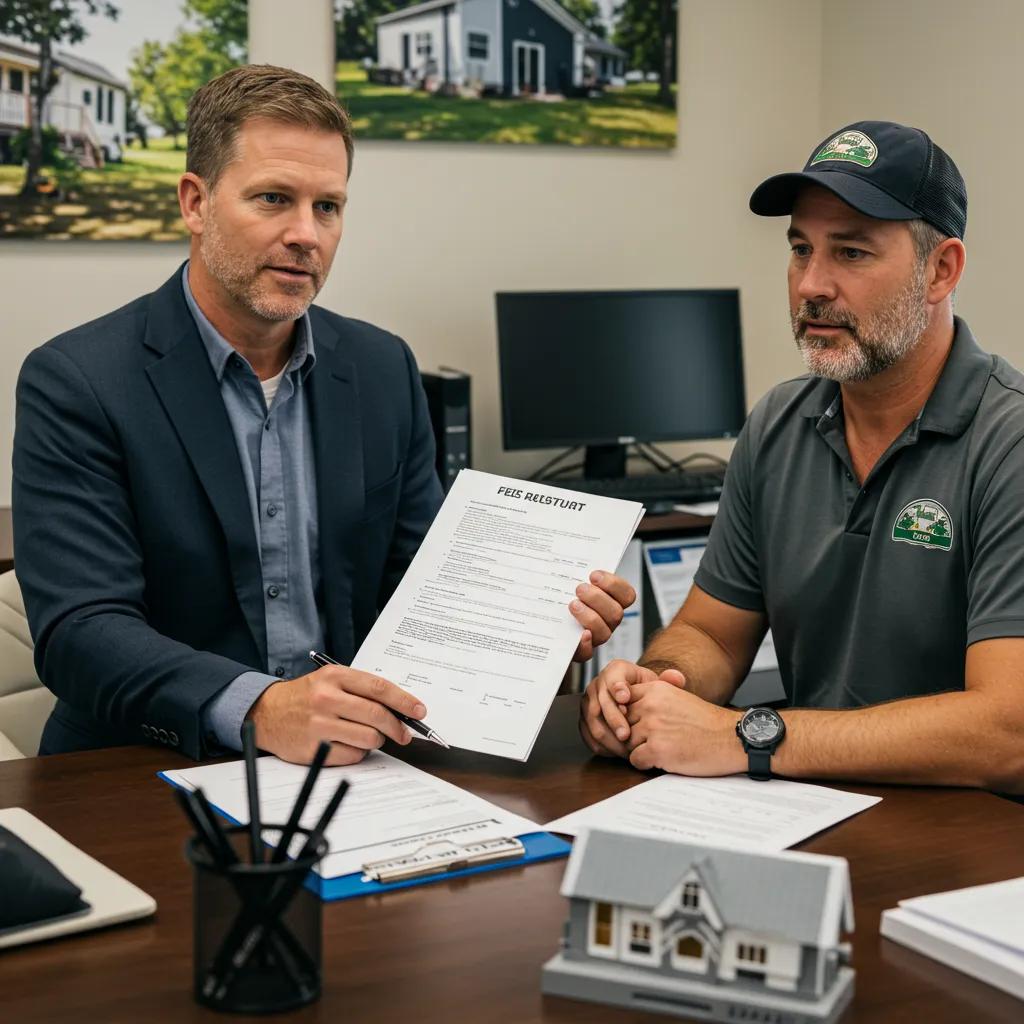
Broker fees for campground and RV park transactions are usually structured as a percentage commission of the sale price plus potential marketing and administrative costs, which affects seller net proceeds and must be weighed against the incremental value brokers deliver. Typical commission ranges in commercial brokerage vary, and sellers should expect negotiation on structure, especially for larger properties, with some adjustments for marketing intensity or exclusivity agreements. Brokers justify fees through market exposure, buyer qualification, and transaction management that reduce risk and time to close; sellers should request itemized fee estimates and compare net outcomes. Understanding fees leads naturally to how brokers screen and match sellers with credible buyers to ensure paid commissions yield value.
How Do Brokers Match Sellers with Qualified Buyers?
Brokers match sellers with qualified buyers through a structured vetting process that verifies financial capacity, acquisition intent, and operational fit before sharing detailed property information. Initial qualification typically includes proof-of-funds or lender pre-approval, a review of prior acquisitions or operator experience, and confidentiality agreements to protect seller operations during marketing. Brokers also leverage CRM databases, investor lists, and regional contacts to prioritize buyers who meet size and strategic criteria, which reduces wasted tours and safeguards sensitive data. These screening steps connect directly to seller concerns about confidentiality, timelines, and buyer seriousness later in the transaction.
How Does Selling Directly to a Buyer Like GatherGrounds Resorts Compare to Using a Broker?
Selling directly to a buyer is an alternative that replaces broker-mediated exposure with a negotiated, buyer-side acquisition process, and it frequently shortens timelines while eliminating broker commissions. Direct sales work well when a seller’s priorities emphasize speed, confidentiality, and legacy preservation rather than maximizing market exposure. For sellers evaluating whether to sell RV park without a broker, the main tradeoffs are fewer competing offers versus faster certainty and potentially lower transaction friction. The following subsections compare commission savings, stewardship and cultural fit offered by a family-owned operator, the streamlined acquisition process, and the communication advantages of direct negotiation.
What Are the Benefits of Selling Without Broker Commissions?
Selling without broker commissions preserves a larger portion of the sale proceeds by avoiding percentage-based fees, and it often shortens the timeline by removing listing, marketing, and brokerage coordination stages. The direct-sale scenario reduces months of marketing and staging, which can be valuable for owners seeking quick liquidity, simplified negotiations, or privacy from public listings. However, sellers should model net proceeds by comparing a likely brokered sale price to a direct purchase offer to determine which route yields the best financial and operational outcome. For many owners, faster closes and fewer intermediaries make direct sale attractive, especially when the buyer brings operational continuity and clear transition commitments.
How Does GatherGrounds Preserve Campground Legacy and Family Values?
GatherGrounds Resorts’ direct acquisition service for campground and RV park owners emphasizes a stewardship mindset that listens to sellers, preserves existing operations, and invests where it matters for guests and staff. As a family-owned operator, the buyer frames acquisitions as continuity projects—honoring traditions and property identity while committing to targeted improvements that enhance guest experience and staff retention. This stewardship approach appeals to owners who place value on legacy preservation and who prefer buyers that prioritize community relationships over corporate rebranding. Understanding these cultural fit aspects helps sellers weigh non-financial value alongside price when evaluating offers.
What Is the Streamlined Acquisition Process with GatherGrounds?
A streamlined direct acquisition process typically begins with confidential outreach, followed by an expedited valuation, a focused due diligence period, and a coordinated closing and transition plan that minimizes operational disruption. Sellers can expect a concise document request list, targeted site visits, and direct negotiations that reduce back-and-forth mediated by brokers, with faster decision cycles and clearer transition responsibilities. This process benefits owners who want a predictable timeline and hands-on buyer involvement in onboarding staff and preserving guest operations. The next section highlights how direct communication further improves the selling experience.
How Does Direct Communication Improve the Selling Experience?

Direct communication between seller and buyer reduces layers of interpretation and accelerates negotiation by allowing immediate clarification of concerns, priorities, and transition details. When sellers speak directly with an acquiring company’s decision-makers, they can negotiate bespoke transition arrangements, retention incentives for key staff, and capital improvement schedules that reflect stewardship goals. Direct lines of dialogue also create accountability and often increase transparency about buyer intentions, which helps preserve reputation and ensures continuity for guests. These communication benefits lead into practical steps owners can take when preparing to sell, whether via broker or direct buyer.
What Are the Key Steps in the Selling a Campground Process?
Selling a campground involves preparation across operational, financial, and physical domains, followed by buyer outreach, due diligence, and a managed transition. A disciplined process improves buyer confidence and compresses timelines by presenting organized records, clear site documentation, and prioritized maintenance tasks that increase perceived value. Sellers should focus on high-impact items—clean financial histories, updated site maps, and guest experience evidence—before opening formal discussions. The subsections below cover preparation, essential paperwork, and cost-effective enhancements that raise saleability.
How Do You Prepare Your Campground for Sale?
Preparation begins with organizing operational records and ensuring property maintenance is current, because buyers rely on accurate performance data and visible care when assessing offers. Start by assembling financial statements, occupancy and reservation histories, staffing records, and a prioritized maintenance list that demonstrates ongoing capital management. Simultaneously, address deferred maintenance items that materially affect guest perception—plumbing, restroom upgrades, and common area improvements—while documenting recent investments and vendor contracts. Clear preparation shortens due diligence and builds buyer trust, which then connects to the paperwork owners should compile.
What Essential Paperwork Is Needed for a Smooth Sale?
Essential paperwork includes financial statements, tax returns, site maps, permits, leases, vendor contracts, and any environmental or compliance reports; these documents form the core of buyer due diligence and underwriting. Sellers should work with their CPA and attorney to assemble NOI calculations, P&L statements, occupancy metrics, and a consolidated list of licenses and permits, plus site plans showing utility routing and easements. Having pre-prepared, redacted summary packages under an NDA accelerates initial offers and prevents delays during formal diligence. The table below maps typical documents to their purpose and preparer to help sellers streamline readiness.
How Can You Enhance Your Campground’s Appeal Before Selling?
Targeted, low-cost improvements can materially increase buyer perception and effective sale price by improving guest metrics or reducing immediate capital needs post-close. Prioritize work that impacts NOI and guest satisfaction—updating reservation systems, refurbishing restrooms, improving landscaping, and investing in connectivity or EV charging where appropriate. Professional photography, current amenity lists, and virtual tours also raise marketing quality and attract more competitive offers. These enhancements, combined with organized documentation, lead directly into valuation dynamics that buyers and brokers use to price properties.
- Sellers should prioritize maintenance, guest experience, and documentation to maximize appeal.
- Small capital projects that improve occupancy or reduce deferred maintenance often clear quickly.
- Professional marketing materials help listings and direct offers attract qualified buyers.
How Is Campground Valuation Determined in Today’s Market?
Campground valuation combines income-based metrics, market comparables, and qualitative site attributes to produce an offer price; buyers look at NOI, cap rate, occupancy trends, and unique asset features when valuing properties in 2025. Income approaches convert stabilized NOI into value using market cap rates, while comparable sales provide additional context when transaction data is available. Market dynamics—such as prevailing interest rates, demand for outdoor recreation, and amenity trends like glamping—affect cap rates and buyer appetite in 2025. The subsections below unpack the key financial metrics, market trends, and how buyer-side stewardship alters valuation approaches.
What Financial Metrics Do Brokers and Buyers Use?
Brokers and buyers primarily use net operating income (NOI), capitalization rate (cap rate), cash-on-cash return, and comparable sales to estimate value, with NOI serving as the foundational metric for income capitalization. NOI equals revenue minus operating expenses (before debt service), and value is often estimated as NOI divided by the cap rate; for example, a property with higher NOI or lower perceived risk commands a lower cap rate and higher price. Lenders and buyers also assess occupancy, average daily rates, and revenue per available site to stress-test forecasts, while cash-on-cash and IRR analyses gauge investor returns relative to acquisition structure. These metrics feed directly into how market trends are interpreted for 2025 valuations.
How Do Market Trends Affect Campground and RV Park Values?
Market trends in 2025—shifts in financing conditions, persistent outdoor demand, and amenity preferences like glamping and connectivity—have a direct impact on cap rates, buyer competition, and capital expenditure expectations. Higher interest rates or tighter lending can widen cap rates and reduce valuations unless NOI growth or unique assets offset financing pressure; conversely, strong demand and limited supply can compress cap rates. Buyer emphasis on guest experience and operational flexibility means amenities that support higher ADRs or longer seasons can command premiums. Understanding these trends helps sellers position properties and anticipate buyer adjustments during offers.
How Does GatherGrounds Approach Fair Valuation Differently?
GatherGrounds Resorts’ direct acquisition service for campground and RV park owners incorporates stewardship considerations into valuation by assessing operational fit, planned capital improvements, and legacy preservation commitments when structuring offers. Rather than presenting an impersonal comp-based offer only, a stewardship buyer may account for investment commitments that improve guest experience and staff outcomes post-close, structuring terms that reflect those commitments. This buyer-side perspective can change offer structuring—potentially trading some cash for stronger transition guarantees or phased investment plans—to align with seller priorities focused on property identity and operational continuity. Sellers should factor such qualitative elements alongside pure financial metrics when evaluating offers.
Why Should You Choose a Local Campground Broker or Direct Buyer Near You?
Local brokers and regional buyers offer contextual knowledge, proximity advantages, and community relationships that improve pricing accuracy and transition outcomes for campground sales. Regional expertise helps in selecting relevant comparables, understanding seasonal demand patterns, and anticipating regulatory or permitting considerations that national firms might overlook. Local buyers can execute faster site visits, maintain community relationships, and provide hands-on transition oversight that benefits staff and guests. The next subsections describe how local knowledge improves pricing, advantages specific to local buyers like GatherGrounds, and how proximity shortens integration timelines.
How Do Local Brokers Understand Regional Market Nuances?
Local brokers develop expertise in regional occupancy cycles, state and local regulations, and typical amenity preferences that shape realistic pricing and marketing strategies for campgrounds. This knowledge produces more accurate comps, better timing for listings, and targeted buyer outreach to operators who understand local seasonality and guest demand. Local brokers also maintain relationships with regional lenders and service providers, which can smooth due diligence and closing logistics. Those regional advantages often translate into faster sales and fewer surprises in transaction execution.
What Advantages Do Local Buyers Like GatherGrounds Offer?
Local buyers such as GatherGrounds Resorts’ direct acquisition service for campground and RV park owners bring hands-on operational familiarity, faster inspections, and a stewardship orientation that preserves property identity and staff continuity. A regional buyer’s proximity reduces travel time for site visits, enables quicker problem resolution during transition, and supports ongoing vendor and community relationships that matter for guest experience. For sellers with properties in the buyer’s geographic focus, these advantages can be decisive when prioritizing continuity, legacy preservation, and a smooth handover.
How Can Proximity Improve Communication and Transition?
Proximity allows more frequent on-site collaboration during the handover period, enabling the buyer to implement phased improvements, train retained staff, and maintain guest communications with minimal lag. When buyer and seller are nearby, logistics—like transferring vendor relationships, updating local licenses, and monitoring initial guest feedback—move faster and more transparently. This proximity diminishes the risk of operational discontinuity, which is especially important for community-oriented campgrounds where local reputation and relationships drive repeat visitation. Efficient proximity-based transition then leads to practical considerations sellers commonly raise, addressed next.
What Are Common Seller Concerns When Working with Brokers or Direct Buyers?
Sellers commonly worry about confidentiality, timelines, staff retention, and whether offers fairly reflect legacy value; addressing these concerns requires clear protocols, realistic timelines, and explicit transition plans. Effective confidentiality measures (NDAs, staged data rooms) reduce the risk of guest or staff anxiety, while clear timelines and retention incentives preserve operational continuity. Sellers should obtain written transition commitments and phased handover agreements to align expectations. The next subsections provide actionable guidance on ensuring smooth transitions, realistic timelines, and confidentiality protections.
How Can You Ensure a Smooth Transition for Your Campground?
A smooth transition depends on detailed handover planning that addresses staff retention, vendor relationships, guest communication, and phased capital projects to avoid operational shocks. Include retention bonuses or contracts for key employees, define vendor transfer steps, and prepare guest-facing messaging that emphasizes continuity to avoid cancellations or negative perception. Contractual protections—such as transition period management agreements—can formalize responsibilities while reducing ambiguity. These measures both protect the property’s legacy and reassure buyers that operations will continue to meet guest expectations.
What Are Typical Timelines for Selling a Campground?
Typical timelines vary: brokered listings often take several months to market, vet buyers, and close, while direct-sale transactions can close in a shorter window if documentation and financing are straightforward. Brokered timelines include listing preparation (weeks), marketing and buyer outreach (1–6 months), and due diligence/closing (30–90 days), whereas direct buyers may compress marketing and negotiation phases, focusing on quick valuations and a concentrated due diligence period. Variables that affect speed include financing arrangements, environmental reviews, lease transfers, and title clarity. Being realistic about these variables helps sellers choose the best route for their priorities.
How Do Sellers Protect Confidentiality During the Sale?
Protect confidentiality by using nondisclosure agreements, redacted financial summaries for early inquiries, controlled data rooms, and staged site visits to vetted buyers to minimize staff and guest awareness. Brokers often manage confidentiality protocols as part of their service; direct buyers can mirror those practices by requesting NDAs before receiving sensitive materials. Limiting initial disclosures to summary metrics and requiring proof of funds before detailed access reduces leak risk. Clear confidentiality practice minimizes operational disruption and preserves business value during the sale process.
- Use NDAs and redacted summaries for initial outreach.
- Require proof-of-funds before sharing detailed financial records.
- Schedule controlled, vetted site visits to limit staff and guest exposure.
How Can You Start the Process of Selling Your Campground or RV Park?
Begin with organized documentation, a clear set of questions for prospective brokers and buyers, and confidential outreach that preserves operational stability while eliciting serious offers. Preparing a redacted seller packet and a prioritized task list will speed evaluations, and a concise question set helps compare broker services and buyer fit. The subsections below provide question checklists, suggested steps to initiate confidential conversations with a stewardship buyer, and resource recommendations to support valuation and transaction planning.
What Questions Should You Ask Potential Brokers or Buyers?
Ask potential advisors and buyers about transaction experience with similar properties, references, fee structures or offer terms, confidentiality practices, and proposed timelines to evaluate fit and seriousness. Specific questions include: Have you completed deals with properties of similar site count and amenity mix? How do you protect confidentiality? What is your typical timeline from initial offer to close? What documentation do you require at each stage? Use answers to compare net proceeds, timelines, and cultural fit before committing to an exclusive relationship or accepting an offer.
How Do You Initiate a Confidential Conversation with GatherGrounds Resorts?
When initiating a confidential conversation with GatherGrounds Resorts’ direct acquisition service for campground and RV park owners, prepare a concise redacted property summary and be ready to discuss high-level financials, site count, and operational highlights while requesting confidentiality protections. Expect an initial discussion about property size and condition, followed by requests for proof-of-funds and targeted documentation if both parties wish to proceed. GatherGrounds emphasizes listening, honoring existing operations, and preserving property identity, so early conversations should also cover stewardship priorities and transition preferences. This approach helps sellers assess both financial and non-financial alignment before deeper diligence.
What Resources Are Available to Help You Sell Your Campground?
Sellers should engage professional advisors—accountants, attorneys, and valuation consultants—plus industry associations and market research to inform pricing and transaction structure. Advisors can prepare NOI calculations, interpret cap rate ranges, and draft transitional agreements that protect seller interests while facilitating buyer confidence. Local brokers provide comparative market intelligence, while specialized valuation firms and attorney teams provide transaction structuring and regulatory guidance. Combining professional advice with organized documentation gives sellers the confidence to evaluate offers and preserve their campground’s legacy during sale.
- Engage a CPA to validate NOI and tax history.
- Consult an attorney for sale agreements and transition clauses.
- Use valuation consultants or brokers for market context and comps.
Frequently Asked Questions
What Should I Consider When Choosing Between a Broker and a Direct Buyer?
When deciding between a broker and a direct buyer, consider factors such as your timeline, desired confidentiality, and the importance of maximizing sale price. Brokers typically offer broader market exposure and professional negotiation, which can lead to higher offers. In contrast, direct buyers may provide quicker transactions and less complexity, but might not generate as many competing offers. Assess your priorities, such as speed versus value, to determine the best fit for your situation.
How Can I Ensure My Campground is Valued Fairly?
To ensure fair valuation of your campground, gather comprehensive financial records, including profit and loss statements, occupancy rates, and maintenance histories. Engage a professional appraiser or broker who understands the local market dynamics and can provide insights into comparable sales. Additionally, consider qualitative factors like location, amenities, and guest experience, as these can significantly influence perceived value. A well-rounded approach will help you set a realistic asking price.
What Are the Risks of Selling My Campground Without a Broker?
Selling your campground without a broker can pose several risks, including inadequate market exposure, potential undervaluation, and the complexities of managing negotiations and due diligence alone. Without professional guidance, you may miss critical buyer vetting processes, leading to time wasted on unqualified offers. Additionally, handling legal and financial documentation without expertise can result in costly mistakes. Weigh these risks against the potential savings from avoiding broker fees before deciding on your selling strategy.
How Do I Prepare for Buyer Due Diligence?
Preparing for buyer due diligence involves organizing all relevant documentation, including financial statements, permits, and maintenance records. Ensure that your property is well-maintained and that any deferred maintenance issues are addressed. Create a comprehensive list of assets and liabilities, and be ready to provide clear explanations of operational practices. Transparency and thorough preparation can build buyer confidence and facilitate a smoother transaction process.
What Are the Common Mistakes Sellers Make During the Selling Process?
Common mistakes sellers make include overpricing the property, failing to prepare necessary documentation, and neglecting to address maintenance issues before listing. Additionally, not conducting adequate market research can lead to unrealistic expectations about sale price and timeline. Sellers may also overlook the importance of confidentiality, inadvertently exposing sensitive information to potential buyers. Avoiding these pitfalls requires careful planning and a clear understanding of the selling process.
How Can I Maintain Confidentiality During the Sale?
To maintain confidentiality during the sale of your campground, utilize nondisclosure agreements (NDAs) with potential buyers and limit the information shared during initial discussions. Prepare redacted financial summaries and control access to sensitive documents. If working with a broker, ensure they have strict confidentiality protocols in place. By managing the flow of information carefully, you can protect your business operations and reputation throughout the selling process.
What Should I Expect After Accepting an Offer?
After accepting an offer, you can expect a series of steps leading to the closing of the sale. This includes the buyer conducting due diligence, which may involve inspections and financial reviews. You will also need to prepare for the transition process, which includes transferring licenses, vendor contracts, and communicating with staff and guests. Clear communication and cooperation with the buyer during this phase are crucial to ensure a smooth handover and maintain operational continuity.
Conclusion
Engaging a local campground broker or opting for a direct buyer like GatherGrounds can significantly enhance the selling experience by maximizing value and ensuring a smooth transition. Understanding the benefits of professional guidance, seller confidentiality, and streamlined processes empowers campground owners to make informed decisions. By weighing the advantages of each approach, sellers can preserve their legacy while achieving their financial goals. Start your journey today by reaching out for a confidential consultation to explore your options.