Ohio Campground Costs: Your Guide to Fees and Expenses
Your campground costs encompass the nightly rate plus any additional charges that contribute to your total trip expenses. This includes site-specific fees, utility hookups, activity rentals, and convenience services. This guide will walk you through what campground costs typically include, why these charges are applied, and how to create a comprehensive budget for your stay. You’ll be able to compare private campgrounds and Ohio State Parks, understanding the main factors influencing nightly rates, common pricing structures for RV and tent sites, cost considerations for cabins and glamping, typical extra fees, and smart strategies for families to save money. We’ll break down each section to help you make informed decisions about price drivers, RV and tent site pricing, examples from Ridge Ranch Campground, cabin/glamping options, additional fees to anticipate, family-friendly savings, and where to find clear pricing. Throughout, we’ll naturally incorporate keywords like Ohio campground costs, Ohio RV camping prices full hookup, tent site rates Ohio, and Ridge Ranch Campground rates to help you find comparable options and plan your budget accurately. By the end, you’ll be equipped to estimate your total nightly expenses and identify the best value for your Ohio getaway.
What Influences Ohio Campground Prices Per Night?
Nightly campground prices in Ohio are shaped by several key factors: the type of site, the amenities offered, the time of year, the location, and the campground’s specific policies, all of which impact operational costs and the guest experience. The site type dictates infrastructure needs—primitive sites require minimal upkeep, while full hookup RV sites demand extensive water, electric, and sewer systems, increasing operating expenses and thus nightly rates. Amenities like beach access, organized activities, and on-site rentals enhance perceived value, allowing operators to charge more, whereas campgrounds with fewer services maintain lower costs. Seasonal demand and surcharges for weekends or holidays lead to dynamic pricing, and local events or proximity to popular attractions can further drive up prices. Understanding these influences makes it easier to compare options and decide on the right balance between amenities and cost for your trip.
How Do Site Types Affect Camping Costs in Ohio?
The variety of site types—from primitive tent sites to electric tent sites, 30-amp and 50-amp RV sites, and cabin/glamping units—creates distinct cost structures due to differing infrastructure and maintenance requirements. Primitive tent sites have the lowest overhead, involving minimal site preparation, no utility hookups, and basic restroom facilities, resulting in the lowest nightly rates for budget-conscious campers. Electric tent sites and lower-amp RV sites necessitate on-site electrical distribution and occasional water access, leading to slightly higher rates to cover utility costs and site-level conveniences. Full hookup RV sites, particularly 50-amp with sewer connections, require more complex utility systems and regular upkeep, justifying higher nightly fees for the convenience they offer. Selecting your site type involves balancing the value of utilities and space against the incremental cost per night.
How Do Amenities Impact Campground Fees?

Amenities enhance the value for guests and can be priced separately or included in higher nightly rates, depending on the campground’s strategy and market position. Essential amenities such as restrooms, showers, potable water, and basic parking are typically covered by the base rate. However, premium amenities—like lakefront beach access, boat rentals, arcades, and organized family events—may incur separate fees or justify higher base pricing. Some campgrounds opt for a bundled approach, including certain activities within a higher nightly rate for a simpler guest experience, while others use an à la carte model where rentals and special events are itemized, allowing campers to pay only for services they use. When comparing campgrounds, consider whether the listed price includes activities you would otherwise pay for separately; bundling can often lead to savings for families planning to use multiple amenities.
What Seasonal and Weekend Pricing Variations Should Campers Expect?
Expect predictable price adjustments based on seasonality and weekends: peak summer months and holiday weekends typically command higher rates due to increased demand and limited availability. Campgrounds often implement a weekend premium or require minimum-night stays during high-demand periods, and they may offer reduced rates midweek to boost occupancy. As a general guideline, peak weekend rates can be 10–30% higher than off-peak weekday rates, with holiday weekends falling at the upper end of this range. Understanding these patterns can help travelers choose midweek stays or shoulder seasons to secure lower per-night costs while still enjoying similar amenities.
How Does Location Affect Ohio Campground Rates?
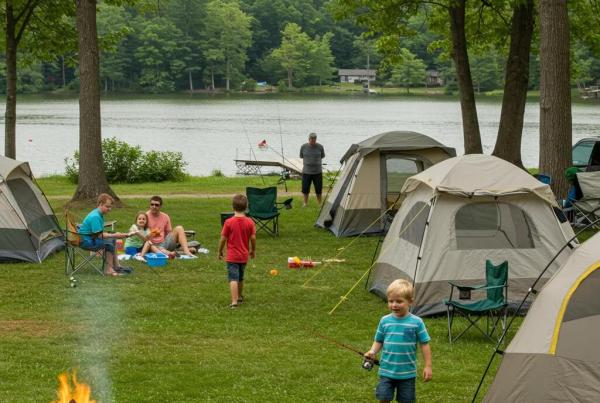
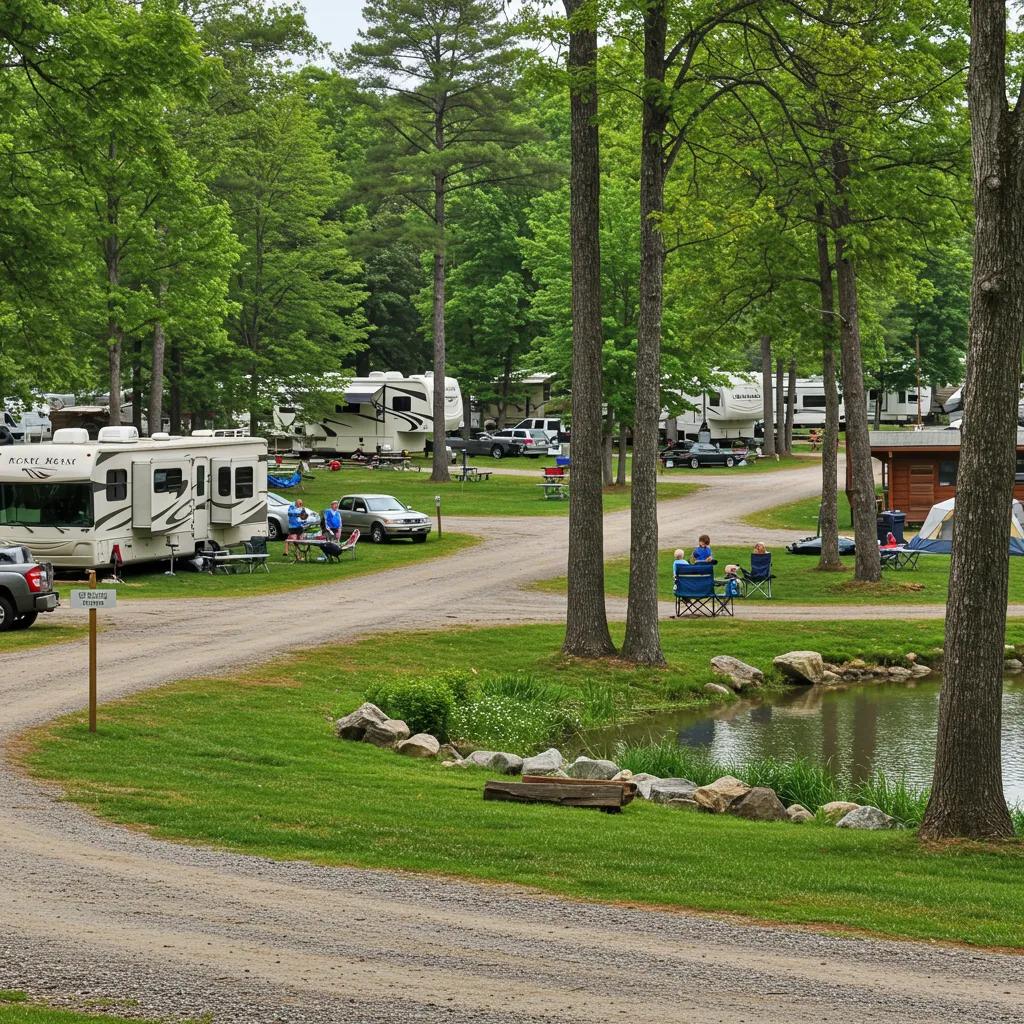
Location plays a significant role in pricing through its proximity to attractions, scenic beauty, and local demand generators; sites near lakes, state parks, or major events usually come with higher price tags. Campgrounds situated near urban areas or within easy driving distance of popular state parks often experience higher demand and, consequently, higher rates. Conversely, remote rural sites can be considerably cheaper but may offer fewer services. Lakefront or waterfront properties command premiums for their scenic value and direct access, and campgrounds near year-round attractions tend to maintain steadier pricing. Ridge Ranch Campground’s location in Newton Falls serves as an example of how a lakeside setting and on-site activities can enhance value perception and influence pricing tiers compared to more remote or basic campgrounds.
What Are the Typical Costs of RV Camping in Ohio at Ridge Ranch Campground?
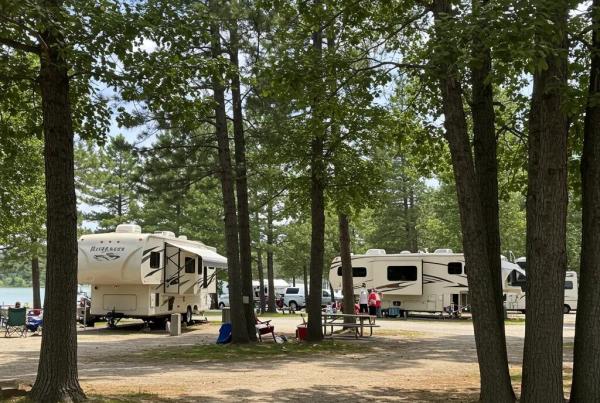
RV camping costs are a combination of site type pricing, utility hookup levels, and seasonal rate variations. At private campgrounds like Ridge Ranch Campground, these factors are layered with on-site amenities to determine the final nightly rates. RV sites are typically tiered by service: 30-amp sites, 50-amp sites, and full hookups that include water, electric, and sewer. Campground operators may offer weekly or seasonal discounts, and policies regarding extra vehicles, additional guests, and reservation deposits can affect the total cost. For campers comparing options, structured pricing disclosures and Offer/PriceSpecification implementations can clarify what is included in each rate and whether taxes or additional per-use fees apply.
What Are the Nightly Rates for 30-Amp and 50-Amp Full Hookup RV Sites?
Nightly rates for 30-amp and 50-amp full hookup RV sites can vary based on the campground, season, and the specific location of the site within the property. The difference in price often reflects the higher electrical capacity and typically larger pad size associated with 50-amp sites. A clear nightly rate should specify included utilities (water, electric, sewer), any bundled access to amenities like tennis courts or beaches, and whether taxes or local fees are additional. When evaluating offers, look for explicit PriceSpecification fields that detail the base price, taxes, cleaning or sanitation surcharges, and validity dates to enable accurate comparison of true per-night costs across different properties. Ridge Ranch Campground provides RV sites with full hookup options and differentiates sites based on their proximity to the lake and access to amenities.
Here’s a quick guide to comparing RV sites:
This table highlights the distinctions between site types. For each listed site, confirm the current nightly price and any seasonal variations directly with the campground.
Are There Weekly or Seasonal Discounts for RV Camping?
Campgrounds frequently offer weekly or extended-stay discounts that lower the per-night cost for longer durations, benefiting both guests and operators through more consistent occupancy. Discount structures vary—some properties provide fixed percentage reductions for week-long stays, while others offer off-peak seasonal packages that include bundled amenity credits. Eligibility typically depends on the dates and site types; extended-stay rates are more common outside of peak holiday periods and may require direct booking with the campground. Travelers seeking value should inquire about weekly or seasonal pricing and confirm minimum-night rules when booking to secure significant savings.
What Additional Fees Apply to RV Sites?
Beyond the base nightly rate, RV stays can often incur extra fees. These may include charges for additional vehicles, use of the dump station, fees per guest or extra person, and sometimes utility surcharges during periods of high demand. Clear disclosure of fee triggers is essential—common examples include per-day charges for extra vehicles, per-guest fees for visitors, and flat fees for dump station or sewer services. Reviewing a campground’s complete fee schedule helps avoid surprises at check-in and allows for accurate calculation of the true cost of an RV stay. Ridge Ranch Campground’s fee schedule also includes charges for activity rentals and convenience services, which combine with site rates to determine the total trip cost.
How Much Does Tent Camping Cost in Ohio?
Tent site pricing depends on whether a site is primitive or equipped with electric hookups, as well as occupancy limits and amenity access, all of which influence the final rates. Primitive tent sites require less infrastructure and therefore have the lowest base cost, making them perfect for budget campers who bring their own water or are comfortable using shared restrooms. Electric tent sites add a small nightly premium to cover the cost of on-site electrical distribution and maintenance, offering greater convenience for families and campers needing to charge devices or use small appliances. Reservation policies differ—some primitive areas operate on a first-come, first-served basis, while electric sites are commonly reservable with a deposit. For budget-conscious travelers, primitive sites offer maximum savings but may require more planning for water and sanitation needs.
What Are the Rates for Primitive vs. Electric Tent Sites?
Primitive tent sites are generally the most affordable option because they lack electrical hookups and extensive infrastructure, and they often have limited reservation availability. Electric tent sites typically add a modest nightly premium to cover the costs associated with on-site electrical distribution and maintenance, providing added convenience for families and campers who bring battery chargers or small appliances. Reservation policies vary—some primitive areas are first-come, first-served, while electric sites are commonly reservable with a deposit. For budget travelers, primitive sites offer the greatest savings but may necessitate additional planning for water and sanitation access.
Here’s a summary of typical tent site features:
Are There Extra Charges for Tent Camping Amenities?
Many campgrounds include basic site features like a picnic table and fire ring, but some charge extra for premium locations, equipment rentals, or direct amenity access; these add-ons can increase the overall trip cost for tent campers. Common extra charges include fees for premium sites (lakefront or near the bathhouse), charges for vehicles beyond the first one, and rental fees for camp chairs or cooking equipment. It’s important to clarify which amenities are included in your base rate before arrival to avoid unexpected incremental costs. Smart budgeting should also account for potential on-site purchases such as firewood or shower tokens, which are often priced separately from site fees.
What Are the Policies and Fees for Pets at Tent Sites?
Pet policies differ among campgrounds but typically involve per-pet fees, leash requirements, and designated areas where pets are not allowed to ensure the safety and sanitation for all guests. Many private campgrounds charge a modest fee per pet to cover increased cleaning and potential wear and tear, and they enforce rules such as keeping pets leashed, cleaning up after them, and restricting them from certain facilities (like swimming beaches or indoor areas). Always review the specific pet policy before booking and plan for necessary pet supplies, waste disposal bags, and potential behavior deposits if required. For precise policy details, consult the campground’s published pet rules and fee schedule.
What Are Ohio Cabin Rental Costs and Glamping Prices at Ridge Ranch?
Cabin and glamping rates reflect a higher level of service and include more amenities than tent or RV sites, resulting in typically higher nightly fees. However, these can represent better per-person value for families. Deluxe cabins often come with private bathrooms, kitchens or kitchenettes, beds, and climate control, shifting the cost structure from per-person extras to an all-inclusive nightly rate. Glamping units, such as furnished teepees or luxury tents, bundle linens, basic furniture, and sometimes climate control, positioning them between tent camping and cabins in terms of price. Seasonal demand and occupancy limits also influence per-night pricing and the availability of extended-stay discounts for longer bookings.
How Much Do Deluxe Cabins Cost Per Night and What Amenities Are Included?
Deluxe cabins command higher nightly rates due to the inclusion of utilities, furnishings, and services such as bedding and full bathrooms; their value proposition centers on convenience and family-friendly features. Typical cabin amenities include full or partial kitchens, private bathrooms, heating or air conditioning, and sleeping arrangements suitable for families, reducing the need to bring extensive gear. Occupancy limits are enforced, and extra-person fees may apply once the standard occupancy is exceeded. When comparing cabin costs, evaluate the bundled amenities to determine if the higher nightly price offsets potential savings on rentals, meals, or equipment.
Here’s a comparison of cabin and glamping options:
What Are the Rates for Glamping Teepees and Luxury Tent Rentals?
Glamping tiers vary based on included services: basic glamping offers a furnished shelter and linens, while premium glamping adds climate control, furniture, and sometimes private outdoor spaces, which increases rates accordingly. Pricing can be seasonal and may include cleaning fees or mandatory service charges that affect the final per-night cost. For travelers on shorter stays who prioritize convenience over packing gear, glamping often provides competitive per-person value once you factor in savings on equipment and the time saved on setup. Review the unit’s amenity checklist to make accurate comparisons when considering cabin versus glamping options.
Are Seasonal or Extended Stay Rates Available for Cabins and Glamping?
Cabins and glamping units sometimes offer discounted rates for off-peak seasons or extended stays, which can lower per-night costs and encourage longer bookings. Extended-stay discounts are usually available outside of peak holiday periods and may require direct inquiry to secure special pricing or package deals. Availability constraints during peak seasons limit discount opportunities, so planning ahead or choosing shoulder-season dates often leads to better rates. When booking, ask about any multi-night or seasonal packages that could reduce the effective nightly rate.
What Additional Fees and Expenses Should Campers Expect at Ohio Campgrounds?
Campers should budget for potential extra costs such as pet fees, activity and equipment rentals, firewood, Wi-Fi access, and reservation-related charges, which add to the nightly rates and contribute to the trip’s final price. These add-ons are common at private campgrounds and can function like individual purchases—per-item charges for paddleboat rentals, canoe use, or arcade access, each with its own pricing model. It’s crucial to review a campground’s fee schedule to understand what triggers each charge, such as per-pet per-night fees, hourly rates for rentals, and surcharges for convenience services. Anticipating these costs helps families plan their meals, activity budgets, and equipment needs to avoid unexpected expenses.
What Are the Pet Fees and Policies at Ridge Ranch Campground?
Ridge Ranch Campground welcomes pets under specific guidelines and charges pet fees to help cover the costs of additional sanitation and facility management. These policies are clearly outlined in the campground’s fee schedule. Typical elements of the pet policy include leash requirements, guest responsibilities for waste cleanup, and designated areas where pets are not permitted to ensure the safety and cleanliness for all visitors. The campground’s policy will direct you to where you can find the full rules and any applicable per-pet fee structure, ensuring pet-owning campers can budget accordingly. Always confirm pet restrictions and plan for necessary pet supplies and waste disposal to comply with site rules and minimize any extra charges.
How Much Do Activity and Equipment Rentals Cost?
Activity and equipment rentals—such as paddleboats, canoes, and similar recreational gear—are typically priced by the hour or per use and can significantly impact daily budgets if families plan multiple activities. Rental pricing models vary among campgrounds; some charge flat daily rates, while others apply hourly fees, and peak-season demand can lead to higher rates. Campers mindful of their budget should prioritize planned activities and factor in the cost per person per hour to estimate daily recreation spending. Reserving popular rentals in advance can secure availability and sometimes offer lower rates compared to walk-up pricing during busy periods.
Here’s a look at common campground services and their typical costs:
What Are the Costs for Firewood, Wi-Fi, and Other Convenience Services?
Convenience purchases—such as bundles of firewood, Wi-Fi access, linens, propane refills, or ice—are typically priced on-site and can add up to cumulative costs for a camping trip. Firewood is often sold per bundle to prevent the spread of invasive species and ensure dryness; bringing wood from outside may be prohibited. Wi-Fi availability ranges from free basic service to paid premium tiers, especially at private campgrounds focused on guest entertainment. Knowing which convenience items are essential for your group will help you decide whether to bring your own supplies or pay on-site prices to prioritize convenience.
What Are the Reservation, Deposit, and Cancellation Policies?
Reservation systems commonly require deposits to secure dates, enforce minimum-stay rules during peak periods, and apply cancellation penalties within specified timeframes; these policies protect both the camper and the campground. Deposits are typically a portion of the total stay cost and may be refundable depending on the cancellation timing; cancellation penalties generally increase as the arrival date approaches. To avoid unexpected charges, review the campground’s stated cancellation window, deposit forfeiture rules, and whether reservations are transferable or changeable. Planning with these policies in mind reduces the risk of losing money if plans change.
How Can Families Maximize Value and Save on Ohio Camping Costs?
Families can maximize their camping value by selecting the most suitable site type for their needs, timing their stays during off-peak periods, booking extended stays to take advantage of discounts, and leveraging free amenities to reduce spending on paid activities and rentals. Prioritizing included amenities—such as lake access or complimentary playgrounds—can substitute for paid outings and create more cost-effective family days. Careful meal planning and sharing equipment can lower per-person costs, while choosing midweek stays or shoulder-season dates reduces nightly rates. A clear comparison between state park and private campground offerings allows families to weigh cost against amenities to find the best overall value.
What Discounts and Packages Does Ridge Ranch Offer for Families?
Ridge Ranch Campground enhances family-focused experiences and offers package value through its array of amenities and planned attractions, increasing the on-site value for family stays. The property highlights family activities and recreational amenities that create bundled value, helping families get more from each night’s rate. Families should inquire about multi-night or seasonal packages and confirm which on-site amenities are complimentary to identify the most cost-effective booking options. By prioritizing included activities and multi-night pricing, families can effectively lower their per-night cost.
How Does Ridge Ranch Compare to Ohio State Parks and Other Private Campgrounds?
Private campgrounds like Ridge Ranch often provide bundled amenities—such as beach access, paddleboat rentals, playgrounds, and family entertainment—which may appear as higher base rates but can reduce out-of-pocket spending on activities compared to state parks. Ohio State Parks generally feature lower base camping fees but offer fewer bundled entertainment options, potentially leading families to spend more on off-site activities. When comparing value, consider the total trip cost, including rentals, entrance fees, and convenience purchases; private campgrounds can offer superior per-person convenience that offsets higher nightly rates for families seeking an activity-rich stay.
What Budget Camping Tips Help Reduce Overall Expenses?
Practical cost-saving strategies—such as packing essential supplies like firewood where permitted, choosing off-peak dates, sharing equipment among group members, and preparing meals—can significantly reduce overall trip expenses while maintaining the quality of the experience. Prioritize free or low-cost on-site activities, bring multi-use gear to avoid rental fees, and split grocery purchases among group members to lower per-person food costs. Booking longer stays or midweek nights often unlocks lower per-night pricing, and inquiring about unpublished discounts or package deals directly with campgrounds can reveal additional savings.
- Pack essential supplies: Bring your own cooking gear and basic linens to minimize rental costs.
- Choose off-peak dates: Midweek and shoulder seasons typically offer lower rates.
- Share costs among your group: Splitting food and fuel purchases can reduce per-person expenses.
Implementing these tips leads to immediate reductions in the total trip cost and allows families to focus their spending on the activities that matter most.
Where Can Campers Find Transparent and Up-to-Date Ohio Campground Pricing Information?
Reliable pricing information can be found on official campground rate pages, published on-site fee schedules, and through structured data implementations that clearly list offers and PriceSpecification details for each accommodation type. Official pages and published policies provide the most authoritative fee lists, while structured data, such as Offer objects with properties for price, priceCurrency, validFrom, and PriceSpecification breakdowns (taxes, fees, unitPriceSpecification), enhances visibility and reduces rate ambiguity for prospective guests. Interactive pricing calculators and reservation tools offer immediate estimates for total stay costs by aggregating nightly rates and common extras. Knowing where to look—official campground resources and standardized pricing displays—minimizes uncertainty when planning your trip.
How Does Ridge Ranch Provide Clear Pricing and Online Reservation Options?
Ridge Ranch Campground presents its site type options and amenity lists to help guests understand what is included in the rates and which services incur extra fees. Its reservation tools display availability and allow guests to secure dates with the required deposits. The campground’s published materials detail site offerings—including RV sites, tent sites, and seasonal sites—and highlight on-site amenities such as the lake, sandy beach, paddleboat and canoe rentals, playgrounds, and planned family activities. For specific questions about fees or packages, consult the campground’s rate disclosures to confirm deposits, cancellation windows, and any service fees, enabling you to compare total costs accurately.
What Role Does Structured Data Play in Displaying Campground Prices?
Structured data, using schema.org types like Offer and PriceSpecification, links an accommodation entity to explicit price, availability, and validity information, enabling search engines and tools to surface precise pricing details. Implementing Offer objects with properties for price, priceCurrency, validFrom, and PriceSpecification breakdowns (taxes, fees, unitPriceSpecification) improves visibility and reduces rate ambiguity for prospective guests. Structured data also supports rich snippets that display nightly rates and availability windows, allowing travelers to compare options without navigating multiple pages. For campground operators, clear structured pricing enhances search discovery and builds user trust.
How Can Campers Use Interactive Tools to Estimate Their Stay Costs?
A simple pricing estimator allows users to input their site type, number of nights, number of guests, and selected extras (pets, rentals, firewood, Wi-Fi) to calculate an itemized total and suggest package options that can lower per-night costs. Key inputs should include site type (primitive, electric, full hookup), duration of stay, number of extra vehicles, pet count, and planned rentals. The output will list base site costs, each extra fee, taxes, and a grand total, along with recommended bundle options if available. Using an estimator before booking helps prevent surprises and highlights the trade-offs between higher base rates with included amenities and lower base rates with pay-as-you-go extras. After estimating, proceed to reserve your dates to lock in any available discounts or packages.
- Enter site type and nights: Select the accommodation that best suits your needs to establish a baseline cost.
- Add extras: Include pets, vehicles, and rentals to build a precise estimate.
- Review suggested bundles: Consider packages that can reduce the overall cost for families.
Estimators transform the various price drivers discussed in this guide into a clear decision-making tool, empowering campers to confidently choose the best-value option.
Understanding Ohio Campground Costs: A Complete Breakdown of Fees and Expenses for Your Stay
Frequently Asked Questions
What are the best times to camp in Ohio to save on costs?
The most cost-effective times to camp in Ohio are during the shoulder seasons, typically late spring and early fall. During these periods, campgrounds often offer reduced rates due to lower demand. Additionally, opting for midweek stays can provide significant savings compared to weekend rates, which are generally higher. Planning your trip around local events or holidays can also help you avoid peak pricing, allowing you to enjoy the same amenities at a more affordable rate.
How can I find discounts for camping at Ridge Ranch Campground?
To discover discounts for camping at Ridge Ranch Campground, regularly check their official website for any seasonal promotions or package deals. Many campgrounds offer discounts for extended stays, such as weekly rates or multi-night bookings. Furthermore, signing up for their newsletter or following their social media pages can grant you access to exclusive offers. Don’t hesitate to contact the campground directly to inquire about any unpublished discounts or special rates that might be available for your desired stay.
What should I consider when choosing between tent camping and cabin rentals?
When deciding between tent camping and cabin rentals, take into account factors such as comfort, available amenities, and your budget. Tent camping is typically more economical and offers a more immersive nature experience, but it requires more preparation and may lack conveniences like electricity and private bathrooms. Cabin rentals, while more expensive, provide enhanced comforts such as climate control, kitchens, and privacy, making them ideal for families or those seeking a more comfortable stay. Evaluate your group’s specific needs and preferences to make the best choice.
Are there any hidden fees I should be aware of when camping in Ohio?
Yes, many campgrounds in Ohio may have additional fees that can increase your overall cost. Common extra charges include fees for additional vehicles, pet fees, and charges for using amenities like Wi-Fi or equipment rentals. It is essential to thoroughly review the campground’s fee schedule before booking to understand all potential costs. Asking about any extra charges during the reservation process can help you avoid surprises and ensure you budget accurately for your trip.
What amenities should I look for when selecting a campground in Ohio?
When choosing a campground in Ohio, consider amenities that will enhance your camping experience. Look for essential features such as clean restrooms, showers, and potable water. Additional amenities like recreational activities, playgrounds, and access to lakes or hiking trails can significantly improve your stay. If you plan to use specific equipment, check for on-site rental options. Understanding which amenities are included in your rate versus those that incur extra fees will help you make an informed decision.
How can I ensure a smooth check-in process at a campground?
To ensure a smooth check-in process at a campground, prepare in advance by confirming your reservation details, including dates and site type. Arrive during the designated check-in hours and have your identification and payment method readily available. Familiarize yourself with the campground’s policies regarding deposits, cancellations, and any additional fees. If you have specific requests or questions, don’t hesitate to contact the campground ahead of time to clarify any details, ensuring a hassle-free arrival.
What are the benefits of using structured data for campground pricing?
Utilizing structured data for campground pricing offers significant advantages, including improved visibility in search engine results and an enhanced user experience. It allows potential guests to view clear pricing information, availability, and amenities directly within search results, simplifying the comparison of options. Structured data can also power rich snippets, which display essential details like nightly rates and special offers, helping campers make informed decisions quickly. This transparency builds trust and encourages bookings by reducing ambiguity surrounding costs.
Conclusion
Understanding the costs associated with camping in Ohio empowers families to make informed decisions that enhance their outdoor experiences. By considering factors such as site type, amenities, and seasonal pricing, campers can effectively budget for their trips and maximize value. Exploring options at Ridge Ranch Campground and other local sites ensures you find the best fit for your needs. Start planning your memorable camping adventure today!