Best Campgrounds for Fishing in Michigan: Your Friendly Guide to Family‑ and RV‑Ready Fishing Spots
Michigan campgrounds that focus on fishing mix easy shoreline access, stocked ponds, and family‑friendly services to create simple, memorable outdoor getaways for anglers of every age. This guide shows how to spot campgrounds with the best ponds, lakes, and river access, covers the key 2024 license basics, and offers practical gear, bait, and safety tips tailored for campsite anglers. Whether you travel by RV, come for a weekend, or bring the whole family, you’ll learn how to choose sites with on‑site ponds, docks, bank fishing, and boat launches — plus the services that make outings smoother. We also point to state park highlights and nearby waters, give species‑specific tactics for bass, bluegill, perch, walleye, and trout, and walk through packing and technique advice for short trips. Quick comparison tables and checklists help you scan options fast, and family‑focused safety tips keep outings low‑stress. When you’re ready to book, we call out a nearby family campground with an on‑site pond and RV‑friendly facilities as a convenient example.
Which Michigan Campgrounds Offer the Best Fishing Lakes and Amenities?
The best fishing campgrounds combine the right water type (pond, inland lake, river, or Great Lakes access), stocking practices, and angler infrastructure like docks, ramps, and fish‑cleaning stations. Those features matter because they determine whether you can fish from shore, a dock, or a small boat — and how predictable the bite will be. Stocked waters tend to be reliable for beginners and kids; natural lakes can produce bigger, more varied catches. For families, an ideal campground gives clear shoreline access, safe bank spots for children, and handy amenities — restrooms, picnic areas, and dry storage — so you spend more time fishing and less on logistics. Below is a short comparison to help you prioritize features by party and style.
Campground features to prioritize for fishing‑focused trips:
- Accessible Shorelines: Stable banks and clear sightlines so adults can watch kids easily.
- Dock & Boat Launch: Docks broaden casting options; boat launches let you reach more water and species.
- Stocked vs. Natural: Stocked ponds are great for beginners; natural lakes often hold bigger, more diverse fish.
- RV & Family Amenities: Hookups, roomy sites, and family programming make fishing trips comfortable and convenient.
This table shows how campground types match different angler needs and highlights The Oaks Campground as a nearby example with an on‑site pond, dock, and bank fishing that work well for families and RV campers. Next, see what anglers — especially parents with kids — can expect at a family pond campground.
What Fishing Facilities and Fish Species Are Available at The Oaks Campground?
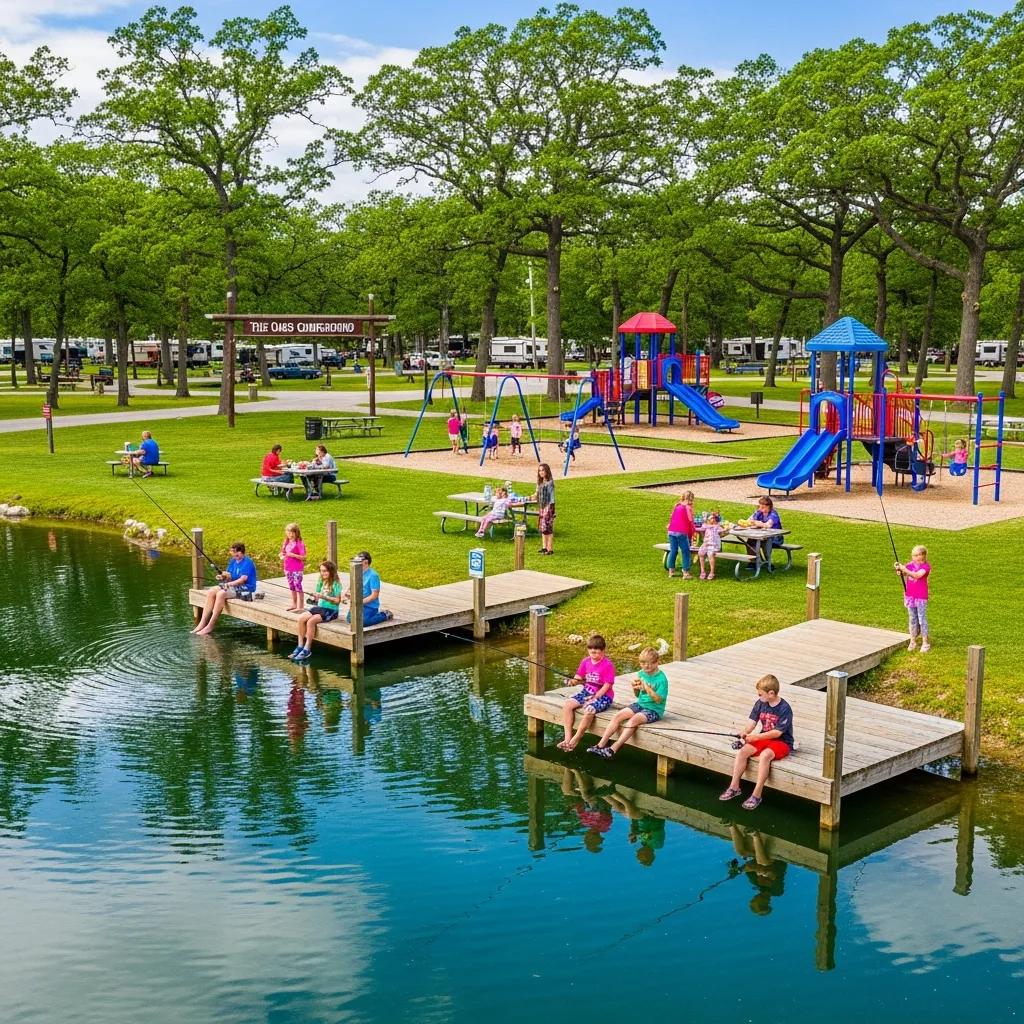
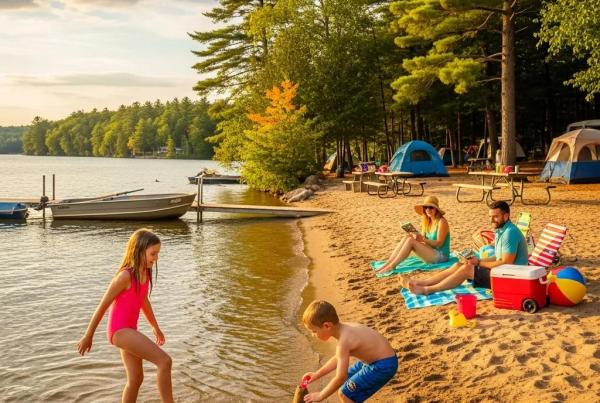
The Oaks Campground in Munith, Michigan, has an on‑site fishing pond set up for dock and bank fishing, which makes it a sensible pick for families and new anglers who want safe, walkable water. The pond is kid‑friendly with shallow edges for easy casting, and the campground runs weekend events that welcome young anglers. Playgrounds and picnic spots nearby keep non‑fishing family members entertained while parents watch the action.
Common pond species at family‑oriented campgrounds include panfish like bluegill and bass species such as largemouth; stocking or natural reproduction affects what’s present, so treat species lists as typical, not guaranteed. For RV visitors, The Oaks offers dedicated RV sites and golf‑cart‑friendly trails for moving gear. You can reserve sites or check availability through The Oaks’ reservation system. Knowing a site’s facilities helps families choose the right balance between convenience and chasing specific fish.
How Do Family‑Friendly Fishing Campgrounds in Michigan Cater to Young Anglers?
Campgrounds built for families shape their infrastructure and programming so kids can fish safely while parents relax. Expect shallow bank areas, clearly marked fishing docks, and — at some sites — lifeguarded swim areas to balance activities. Programming often includes family fishing events, rod‑and‑bait rentals, and short lessons that teach basic casting, knot‑tying, and catch‑and‑release in small groups. Playgrounds, picnic shelters, and short walking trails help non‑fishing kids stay close and entertained, which reduces supervision pressure and makes family fishing more likely to happen. When you pick a campground for kids, prioritize visible shorelines, shaded spectator spots, and on‑site events that build skills and confidence. Next, we place family campgrounds in the wider context of Michigan’s parks and waterways.
Where Are the Top Michigan State Parks and Campgrounds with Fishing Opportunities?
Michigan’s state parks and public campgrounds provide access to many water types — inland lakes, river systems, trout streams, and Great Lakes shorelines — each offering different fishing experiences and species. Location matters: the Lower Peninsula has more accessible inland lakes and shorter drives from cities, while the Upper Peninsula offers remote trout streams and cold‑water fisheries for trout and salmon. When you plan from a basecamp, consider drive time from population centers, seasonal access (many launches are seasonal), and the water type you want — small panfish ponds for kids or deep lakes for walleye and salmon. Below are common water types and what they usually deliver when you’re camping nearby.
- Inland Lakes: Reliable panfish and bass, usually with boat launches.
- Rivers & Streams: Best trout fishing in cold reaches and seasonal movement of other species.
- Great Lakes & Nearshore: Bigger species and shorecasting opportunities — plan for weather and safety.
This region breakdown helps you pick a destination based on target species and convenience. The table above ties water types to likely catches and trip planning notes. Next up: nearby lakes and rivers that pair well with campground stays.
What Are the Best Lakes and Rivers for Fishing Near Michigan Campgrounds?
Nearby lakes and rivers determine whether a campground visit is a quick shore‑fishing day or a multi‑day species hunt. For family shore fishing, small inland lakes and stocked ponds near campsites give predictable bites and safer shallow water for kids. Rivers with public access let you chase moving‑water species that respond to seasonal hatches and flow. Logistics — public launches, parking, and short walks from campsites — can make a trip smooth and productive. Seasonality matters: spring and early summer are often best for panfish and bass near shore, while walleye and trout may bite best in cooler parts of the day or during specific runs.
Which Campgrounds Provide RV Camping with Fishing Amenities in Michigan?
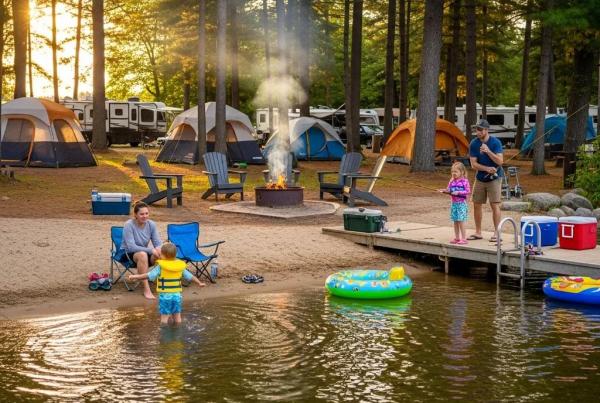
RV anglers look for level pads, full hookups, and close shore access. Many private and state campgrounds now list on‑site ponds or proximity to public boat launches to meet that need. A good RV‑friendly fishing campground offers space for trailers, 30/50‑amp service, fresh water fill/drain facilities, and a short walk from pad to water so you can get from rig to rod quickly. Private resorts often combine RV services with family programs, playgrounds, and small lakes that work well for multi‑generational trips or anglers who prefer bank or dock fishing. When searching, check for amenities labeled “dock,” “boat launch,” or “bank fishing” to find sites that balance comfort and access.
How Do Michigan Fishing Regulations and Licenses Affect Campers and Anglers?
Michigan requires fishing licenses for most anglers age 17 and older and enforces seasons, size limits, and possession limits to protect fisheries and maintain fair access from campgrounds and public waters. Know the main license categories — resident vs. non‑resident, youth exemptions, and short‑term passes — plus daily or seasonal bag limits and special rules on certain waters. Buying and carrying the right license before you fish avoids fines and helps conservation. The short table below summarizes typical 2024 license categories and how they apply to common campground scenarios.
This quick table shows most adults need a valid license, while youth exemptions and short‑term passes are available for visitors. Always confirm exact rates and purchase locations before arrival. The next subsection gives a compact 2024 snapshot and buying tips.
What Are the 2024 Michigan Fishing License Requirements and Costs?
For 2024, choose a license that matches your residency and trip length: annual resident, annual non‑resident, or short‑term visitor passes are common, and anglers under 17 usually have an exemption. Prices vary by type and duration; many visitors pick a short‑term pass for a weekend instead of an annual non‑resident license. Licenses are sold at official retailers, authorized vendors, and online — buying ahead saves time. Keep proof of your license while fishing from campground ponds or public shorelines and check for any water‑specific rules that could add restrictions.
What Key Fishing Regulations Should Campers Know?
Follow size and possession limits, seasonal closures, and gear rules that protect fish and keep access fair. Special regulations can include slot limits, catch‑and‑release sections, bait restrictions to prevent invasive species, and boat‑cleaning requirements to avoid transferring hitchhikers. Learn the rules for the water you plan to fish before casting from a dock or shore. As a habit, check regulation signs at campgrounds and consult the current statewide summary for last‑minute changes or local exceptions.
What Essential Gear and Tips Should You Bring for a Successful Fishing Trip in Michigan Campgrounds?
Packing the right mix of essentials, safety gear, and kid‑friendly items makes for a productive, low‑stress fishing weekend. Prioritize your license, two rods (light and medium), a small tackle kit, life jackets, and weather‑appropriate layers. Species‑specific gear — small jigs, a live‑bait container, and light spinning setups — cover most pond and nearshore situations, while anglers chasing walleye or larger lake fish should bring sturdier rods and deeper lures. Practical tips: fish early morning or late evening for cooler‑water species, change baits when action stalls, and carry a small fish‑handling kit for clean catch‑and‑release or cleaning. The table below pairs common species with recommended baits and techniques to simplify packing.
This quick mapping helps you pack a compact tackle selection that covers typical campsite targets and cuts down on overpacking. Next is a prioritized packing checklist for campers.
What Is the Ideal Packing List for Michigan Fishing Campers?
A smart packing list balances essentials, comfort, and kid‑ready items so families can fish safely and stay comfortable. Bring a valid fishing license, two rods (one light, one medium), a basic tackle kit with small jigs and spinners, spare hooks and bobbers, and a small net for handling fish. For kids, include properly fitted life jackets and kid‑sized rods. Comfort items — folding chairs, shade, a cooler for snacks, and weather layers — keep everyone happy, while a compact first‑aid kit and bug repellent cover common campsite needs. Pack backups for key items (extra line, headlamp batteries) and carry gear sensibly for short walks between RV pad and the water.
- Essentials checklist overview:
License and ID: Keep it handy before you cast.
Rods & Tackle: Two versatile combos and a small tackle box.
Life Jackets: Required for every child near open water.
Which Baits and Lures Work Best for Popular Michigan Fish Species?
Choosing the right bait or lure shortens downtime and makes fishing more fun for kids and beginners. For panfish like bluegill and perch, small live worms, maggots, or tiny jigs on light spinning gear work well near shallow structure. Bass anglers often carry plastic worms, spinnerbaits, and shallow crankbaits to work weeds and cover, while walleye do best on jigging spoons or jigs tipped with minnows — especially at dawn and dusk. Trout in streams or spring‑fed lakes take small spinners, spoons, or flies near moving water or cold inflows.
- Quick bait/lure tip list:
Match size to mouth: Use smaller baits for panfish, larger presentations for bass and walleye.
Vary retrieve: Slow jigging for walleye; an erratic pull for bass.
Keep spares: Extra hooks and leaders cut downtime.
How Can Families Enjoy Safe and Fun Fishing Vacations at Michigan Campgrounds?
Family fishing trips work best when safety, a simple schedule, and activity variety are planned together so younger anglers stay engaged and everyone gets time on the water. Pick campsites with easy shore access, shaded spectator spots, and family programming that lines up kid activities with peak bite times. A short daily routine — a morning fish session, a midday swim or playground break, and a short evening casting clinic — helps spread energy and increases chances of success for all ages. The final sections highlight helpful amenities and safety practices to reduce risk and boost family fun on fishing trips.
What Activities and Amenities Support Family Fishing Experiences?
Amenities that make family fishing easier include supervised weekend events, on‑site playgrounds, picnic shelters near fishing areas, and nearby restrooms to limit interruptions. Programs like family fishing days, quick casting lessons, and nature walks get kids involved and help them learn fast, while RV hookups and nearby conveniences let families stay longer with less hassle. Stroller‑friendly trails and accessible shorelines invite very young children to join, and staff‑led clinics give first‑time anglers confidence. Choosing campgrounds with these features makes it easier to combine fishing with other family activities and creates better multi‑day memories.
- Amenities summary:
Playgrounds & Picnic Areas: Keep non‑fishing kids nearby and happy.
Family Events: Teach skills and create social moments for kids.
Accessible Facilities: Restrooms and shaded areas cut downtime.
What Are Best Practices for Safe Fishing with Kids in Michigan Campgrounds?

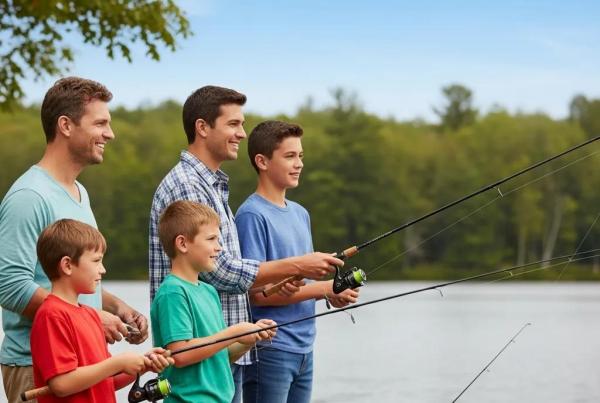
Start every outing with life jackets for kids and close adult supervision during casting and netting — these simple rules prevent the most common incidents. Use kid‑sized rods and barbless or circle hooks to make hook removal safer, and teach basic water rules — no running on docks, one child in the shallow edge at a time, and always stay within sight of an adult. Carry a small first‑aid kit and know the nearest medical facility; share that plan with everyone on site. Practice quick, low‑stress catch‑and‑release techniques and teach children to respect wildlife and local rules so fishing stays good for generations.
- Safety quick list:
PFDs for kids: Required near open water.
Kid‑appropriate gear: Smaller rods, simple rigs, barbless hooks.
Emergency plan: Know nearest help and keep a first‑aid kit ready.
This guide has walked through how to identify campgrounds with strong fishing features, understand licensing, pack efficiently, and keep family trips safe and enjoyable. If you want a local, family‑focused option with an on‑site pond, docks and bank fishing, weekend events, playgrounds, and RV sites, consider The Oaks Campground in Munith, Michigan. The Oaks emphasizes family programming and easy access from nearby metro areas and keeps facilities geared toward young anglers and RV travelers. Check The Oaks’ reservation resources for availability when you’re ready to plan your trip.
Frequently Asked Questions
What types of fishing licenses are available for Michigan anglers?
Michigan offers several license types depending on residency and trip length. Main categories include annual resident licenses for Michigan residents 17 and older, non‑resident annual licenses for visitors, and short‑term passes for day or multi‑day fishing. Young anglers under 17 typically qualify for an exemption. Always verify current rules and fees before you go.
How can families ensure a safe fishing experience for children?
Keep kids safe by using life jackets near water, keeping close supervision during casts and netting, and using kid‑sized gear and barbless hooks. Teach simple rules — no running on docks, stay within sight of an adult — and bring a first‑aid kit and an emergency plan. These steps make fishing calmer and more fun for everyone.
What are the best times of year for fishing in Michigan?
Best times depend on species and water type. Spring and early summer are usually excellent for panfish and bass near shore. Walleye often bite best in low light — early morning or evening — and trout do well in cool, spring‑fed waters and streams, especially in spring. Local conditions and seasonal patterns will affect success.
What amenities should I look for in a family‑friendly fishing campground?
Look for accessible shorelines, playgrounds close to fishing areas, picnic shelters, and nearby restrooms. Family programming like fishing clinics or nature walks helps kids learn, and RV hookups or convenient services let families stay longer with less hassle.
How can I prepare my kids for their first fishing trip?
Mix short lessons with fun: teach casting basics, reeling, and safe fish handling, then use kid‑friendly rods and simple tackle. Make it a game — like who catches the first fish — and reinforce respect for nature and catch‑and‑release when appropriate.
What types of fish can families expect to catch at Michigan campgrounds?
Common catches depend on the water. Family ponds often hold bluegill and largemouth bass, sometimes stocked to encourage bites. Inland lakes can produce perch and walleye, while rivers may offer trout and smallmouth bass. Check local stocking reports and seasonal patterns for the best targets.
What should I include in my fishing gear checklist for a camping trip?
Start with a valid license and ID. Pack two rods (light and medium), a tackle box with assorted lures and hooks, a small net, and life jackets for kids. Bring folding chairs, snacks, weather layers, a first‑aid kit, and bug spray. Extra line and spare batteries save stressed moments at the water.
Conclusion
Picking the right Michigan campground can turn an ordinary trip into a family fishing memory — safe access, the right amenities, and a little planning go a long way. Places like The Oaks Campground offer on‑site ponds, playgrounds, and organized activities that help families learn and make the most of a weekend outdoors. Know the rules, pack smart, and you’ll have smoother, more enjoyable fishing trips. Ready to plan? Start with our recommended campgrounds and resources to find a spot that fits your family and fishing goals.