Campgrounds With Fire Pits vs. Traditional Camping: Which Is Better for Family Outdoor Experiences?
Campgrounds with fire pits make social life, warmth, and cooking the center of attention around a managed fire ring, while traditional camping often leans into minimal gear and deep wilderness immersion. This article dives into how fire pits transform family camping dynamics, outlines the benefits of camping fire pits, and compares fire pit campground amenities to conventional tent or backpacking trips. Many families wrestle with balancing safety, convenience, and creating memorable moments; the right choice blends social rituals with responsible fire pit use for safer, more engaging stays. You’ll discover the key differences, practical safety tips and fire pit types, ways families use campfires for activities and meals, how glamping cabins stack up against tent and RV sites, and step-by-step advice for booking and preparing a fire pit campsite. Our guidance includes handy checklists, safety-focused lists, and EAV-style comparison tables to illustrate fire ring types, accommodation perks, and activity suitability for all family ages. Read on to decide if a campground with fire pits—complete with family programming and local amenities—is the perfect fit for your next getaway.
What Are the Key Differences Between Campgrounds With Fire Pits and Traditional Camping?
Campgrounds with fire pits offer a dedicated containment feature that sparks social interaction, makes campfire cooking a breeze, and provides regulated warmth. Traditional camping, on the other hand, might skip permanent rings and rely on portable stoves for heat and food. This setup boosts communal connection and convenience while requiring campground-level safety management to prevent escapes and smoke hazards. The main advantage is predictable, managed campfire access that fuels family activities and evening programs. Understanding these contrasts helps families pinpoint sites that align with their comfort level and activity aspirations.
How Do Fire Pits Enhance the Camping Experience?
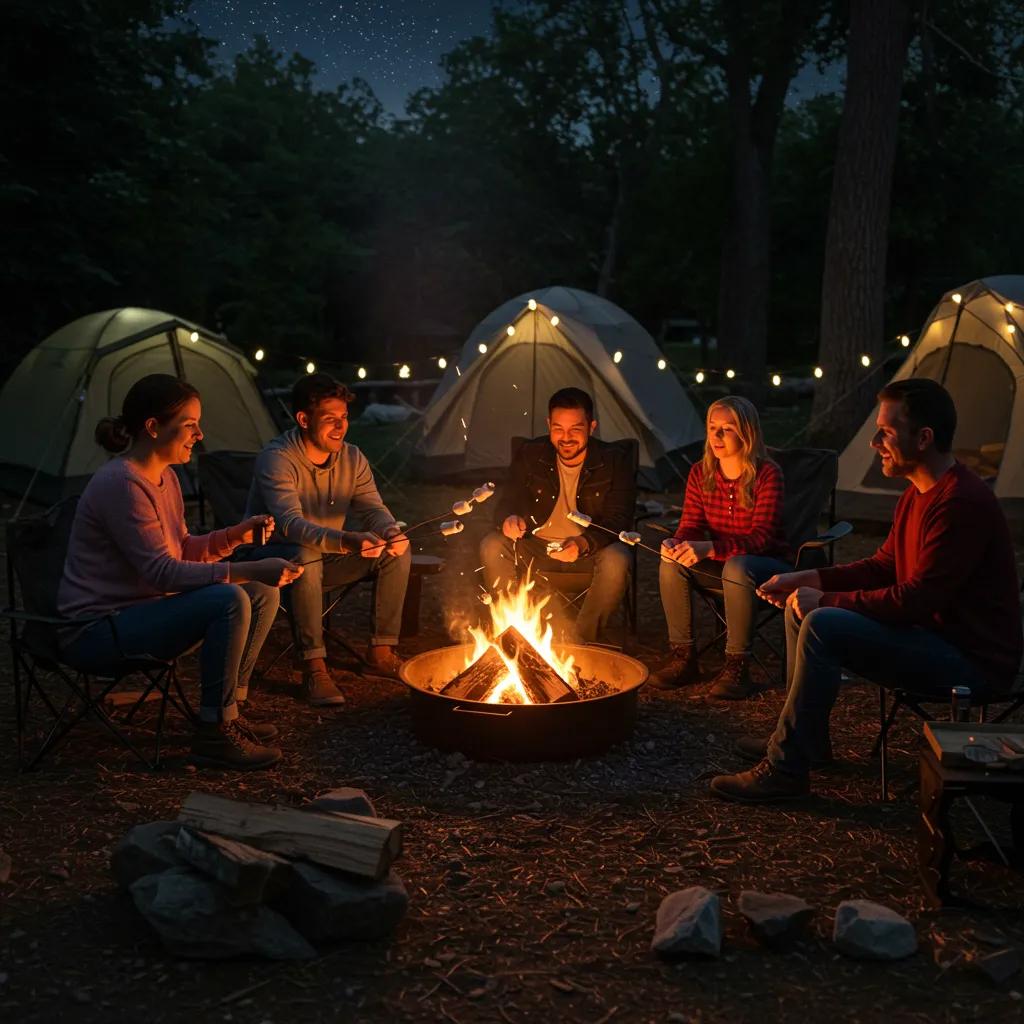
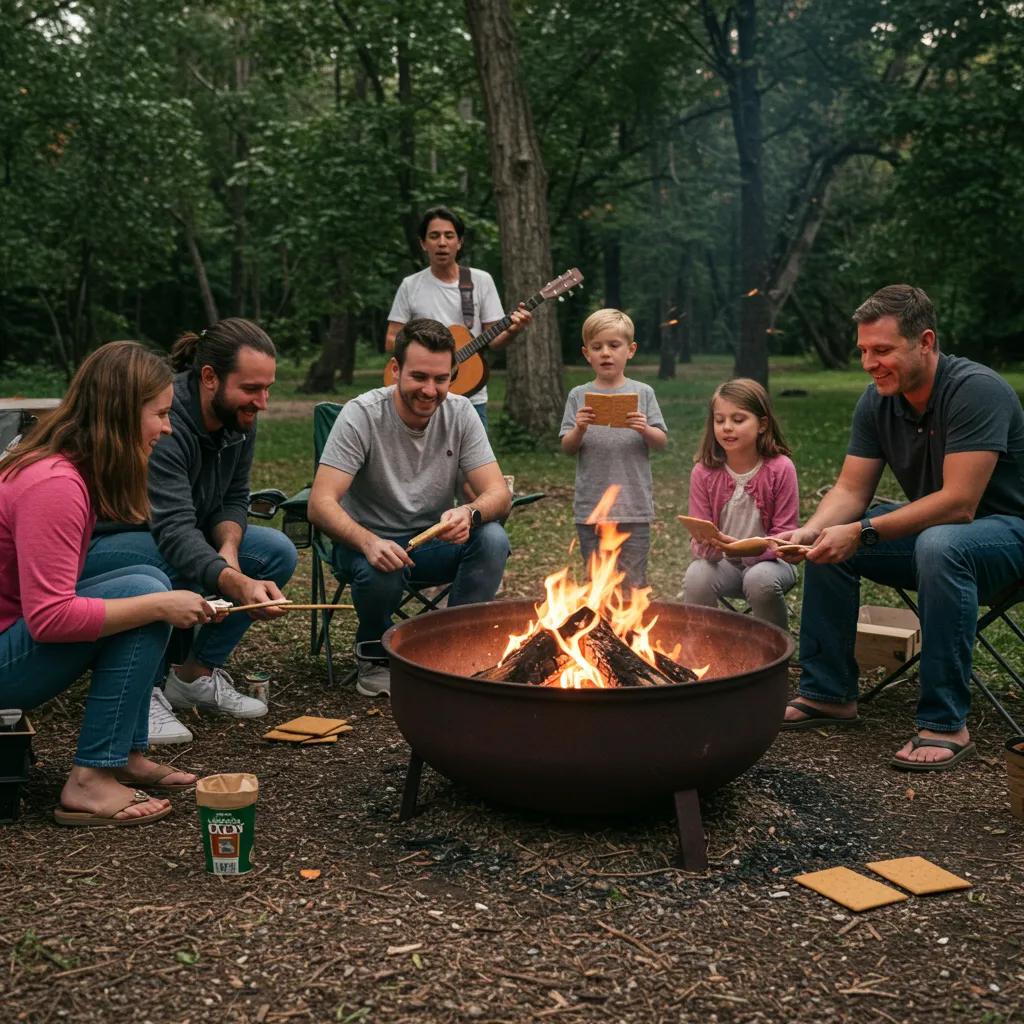
Fire pits elevate camping by gathering social activity, simplifying cooking, and adding ambient light that sparks storytelling and cherished rituals. A managed fire pit acts as the heart of group games and s’mores sessions, and it makes quick meal finishes easy with a cooking grate. Families truly benefit when a fire pit cuts down on stove setup time and boosts shared downtime, paving the way for repeatable traditions. These social and culinary perks naturally lead to questions about safety and regulation at staffed campgrounds.
Campground fire pits also work hand-in-hand with other amenities to stretch a day into an evening of family bonding. For instance, a day spent on the water followed by a controlled campfire creates a full-family itinerary that perfectly balances active fun with restful moments.
What Defines Traditional Camping Without Fire Pits?
Traditional camping without fire pits champions self-reliance and minimal infrastructure, often utilizing portable backpacking stoves and tarps for shelter instead of communal rings. This approach sidesteps campground-imposed rules and can offer a quieter, more primitive wilderness feel. The trade-off is losing a central communal flame and the convenience of built-in cooking grates and designated containment. Families who prioritize solitude and low-impact travel might lean towards this model, but they’ll need to plan alternate cooking and evening activities.
Traditional setups demand careful planning for meals and warmth, which naturally brings up the question of whether families want to trade campfire rituals for a more rugged experience.
Which Camping Accommodations Include Fire Pits at Walnut Hills?
At Walnut Hills Family Campground, many on-site accommodations come with fire pit access across various site types, letting diverse preferences enjoy a managed campfire. RV and tent sites frequently feature shared or individual fire rings, while cabin rentals offer a glamping-style escape where a private or nearby fire pit might be available. These on-site options empower families to choose between rustic tent loops, powered RV spaces, and more comfortable cabins. Guests can perfectly match their activity plans and safety needs to the accommodation type they reserve.
This variety in accommodations supports families who desire both daytime amenities and evening campfire time without the hassle of extensive setup.
What Are the Benefits and Safety Considerations of Using Fire Pits at Campgrounds?
A fire pit delivers warmth, a convenient cooking platform, and a social focal point, all while operating under containment rules that minimize wildfire risk and smoke impacts. The magic of contained combustion concentrates heat and flame where staff can keep an eye on it, boosting family safety and predictable use. The clear advantage is shared experiences with lower operational risk than uncontrolled fires. To weigh your options, campers should compare fire pit types and diligently follow campground safety practices.
Campgrounds that expertly manage fire pits enforce containment and burn-ban protocols, which naturally leads into how on-site types differ and how visitors should adapt during restrictions.
Before you dive into the comparison table below, take note that this table highlights common fire pit types, their fuel, portability, and safety features to help you plan.
This table helps clarify which fire pit best suits your cooking or ambiance goals and which might reduce smoke exposure for sensitive family members.
Your campfire type selection will inform rules about fuel sourcing and burn-ban alternatives, which we’ll cover next.
What Fire Pit Types Are Available at Walnut Hills Family Campground?
Walnut Hills Family Campground proudly offers a variety of fire pit options to suit different preferences and meet regulatory requirements. You’ll find in-ground steel rings and metal bowls at designated sites, providing secure, fixed containment for safety. During burn bans or when low-smoke alternatives are a must, portable propane units are readily available. This thoughtful combination ensures flexibility and safety for all our campers. (gathergroundsresorts.com)
The availability of specific pit types supports your choice between the authentic flavor of wood-cooked meals and the sheer convenience of propane for sensitive guests.
How Does Walnut Hills Ensure Fire Pit Safety and Compliance With Regulations?
Walnut Hills rigorously enforces containment through designated rings, diligent staff checks, and clear burn-ban protocols that always prioritize guest safety and local compliance. Our staff actively monitor conditions and communicate alternatives, and guests are expected to follow posted rules about supervised fires and proper extinguishing. The campground also provides helpful guidance about local restrictions and safe extinguishing practices. (gathergroundsresorts.com)
Clear enforcement and thoughtful alternatives like propane units help families keep their evening traditions alive, even during temporary restrictions.
What Are the Advantages of Propane vs. Wood-Burning Fire Pits?
Propane fire pits offer the convenience of quick ignition, minimal smoke, and easier compliance during local restrictions, while wood-burning pits deliver that beloved traditional aroma and cooking flavor but naturally generate more smoke and ash. The simple mechanism of propane use—controlled gas flow—significantly reduces ember spread and smoke irritation for sensitive children or pets. Opting for propane enhances convenience, while choosing wood amplifies the sensory tradition. Families should carefully weigh smoke sensitivity, cooking preferences, and local regulations when selecting their pit type.
Understanding these distinct tradeoffs helps families zero in on the safest and most enjoyable campfire option for their group.
How Do Family Activities Around Fire Pits Compare to Traditional Camping Experiences?
Fire pits truly expand family activities by making shared cooking, group storytelling, and structured evening events effortless, whereas traditional camping tends to focus on daytime self-guided exploration and quiet, dispersed evenings. The contained flame creates predictable timing for rituals, which perfectly supports organized programming and makes multi-generation gatherings a breeze. The social benefit shines brightest when campfires pair with daytime amenities that keep kids active and campers engaged. Next, we’ll show you specific on-site activities families can seamlessly combine with campfire nights.
What Fun Campfire Activities Can Families Enjoy at Walnut Hills?

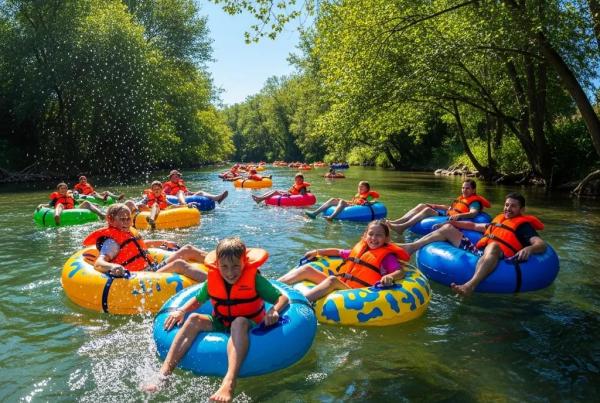
Walnut Hills perfectly complements campfire evenings with family and kid-friendly events every weekend, making s’mores, singalongs, and team games a natural extension of daytime fun. Families can spend their day splashing at the Wibit water park or floating down the river and then wrap it up at a supervised campfire for stories and treats. This thoughtfully crafted schedule creates full-day itineraries that blend high-energy activities with peaceful night-time bonding. The campground’s activity programming is designed to help families sustain engagement across all age groups.
These coordinated activities ensure that campfire nights are a reliable highlight rather than an afterthought.
Before we present activity suitability, here’s a handy mapping of common campfire activities and their recommended age ranges.
This table is designed to help families plan safe, age-appropriate evenings around a fire pit.
How Does Campfire Cooking Enhance Outdoor Meals?
Campfire cooking transforms simple meals into participatory experiences, utilizing foil packets, skewers, or a Dutch oven to create hands-on family recipes. The direct heat from the coals or grate imparts unique flavors and encourages group meal preparation. Simple recipes like foil vegetable packets, toasted sandwiches, and one-pot stews are easily achievable and wonderfully kid-friendly. Cooking together not only introduces valuable skills but also creates memories that extend far beyond a single trip.
These culinary moments beautifully link daytime adventures to evening rituals, significantly boosting overall trip satisfaction.
Why Are Fire Pits Central to Creating Lasting Family Memories?
Fire pits act as a powerful focal point for attention and ritual, enabling the creation of repeated traditions like annual stories, songs, and recipes that families can pass down through generations. The flame serves as a meaningful anchor where connection, storytelling, and informal teaching naturally occur. This mechanism fosters emotional bonding that typical day activities alone rarely replicate. Prioritizing a supervised campfire can therefore be just as important as selecting the right daytime amenity.
Families who pair structured daytime adventures with nightly fire rituals often report stronger, more vivid recollections of their shared trips.
How Does Glamping With Fire Pits Compare to Traditional Camping at Walnut Hills?

Glamping at Walnut Hills masterfully blends comfort features with the invaluable social aspect of a fire pit, creating a perfect hybrid of convenience and cherished ritual. Cabins typically boast indoor comforts and are conveniently located near activities, while tent and RV sites offer varying degrees of shared or private fire ring access. The mechanism that unites these distinct styles is the campfire’s enduring role as a social anchor, regardless of lodging comfort. Comparing these amenities helps clarify which style best suits specific family priorities.
What Amenities Differentiate Glamping Cabins From Tent and RV Sites?
Cabin rentals offer more luxurious indoor comforts, potentially private or nearby fire features, and simplified bedding and plumbing arrangements compared to tent and RV sites. RV and tent sites provide access to rolling hills and flat sites, and often feature shared fire rings in loops designed for a strong community feel. The tradeoff lies between privacy and convenience versus rustic immersion. Families seeking a lower setup effort often gravitate towards cabins, while those craving a truly rustic night opt for tent loops.
Below is a concise comparison of accommodation attributes to help you make the best decision.
How Do Fire Pits Serve as a Common Feature Across Camping Styles?
Fire pits serve as a consistent, unifying element that encourages communal rituals, whether families are staying in a cabin, an RV, or a tent. The relationship between lodging and fire type might influence privacy and smoke exposure, but it doesn’t alter the fundamental social value. Campsites thoughtfully adapt fire options—private pits for cabins, communal rings for loops—to perfectly match guest expectations. Recognizing this commonality helps families select their lodging based on comfort without sacrificing precious campfire time.
Choosing a site that guarantees safe fire access maximizes both convenience and tradition.
How Can You Book and Prepare for a Fire Pit Campsite at Walnut Hills?
Reserving and preparing for a fire pit campsite starts with selecting the ideal accommodation and diligently following campground rules for fires and fuel. The reservation mechanism involves choosing a site type that clearly lists fire pit availability and noting any seasonal restrictions. Preparation also means packing appropriate cooking gear, essential fire safety items, and reliable alternatives for burn ban days. Below are the steps and pre-arrival tips to secure a safe, enjoyable stay.
What Is the Reservation Process for Sites With Fire Pits?
To reserve a fire pit site, simply identify the accommodation type that includes a fire ring and request or confirm fire access during the booking details. Step-by-step, choose your dates, select RV and tent sites or cabin rentals based on your family’s needs, and pay close attention to any site-specific fire notes. Confirm any restrictions or propane alternatives the campground may enforce. Booking early significantly increases your chances of securing your preferred pit arrangements.
These steps help reduce surprises at check-in and ensure your evening plans include a wonderful, supervised campfire.
What Should Campers Know Before Arriving With Fire Pit Equipment?
Campers should be aware of rules regarding portable pits, firewood sourcing, and approved fuel types, and they must bring essential extinguishing tools like water buckets or a small shovel. Never assume open wood burning is always permitted; carry a propane option if sensitive family members are present. Pack cooking grates and gloves if you plan to cook over coals, and always follow leave-no-trace extinguishing practices. Preparing this gear keeps your family safe and aligns perfectly with campground policies.
Being ready with compliant equipment helps avoid last-minute restrictions and ensures a peaceful, enjoyable evening.
Where Are Fire Pit Locations Within Walnut Hills Campground?
Fire pits at Walnut Hills are strategically located near RV and tent loops and cluster around cabin areas to centralize supervision and access. Guests can consult site maps or ask our friendly staff at check-in for precise pit locations and any private vs. shared designations. Choosing a site near playgrounds or activity hubs creates an effortless flow from daytime play to evening campfire enjoyment. Knowing the general placement helps families pick a site that perfectly fits both their daytime plans and cherished nighttime rituals.
- Pre-arrival checklist: Pack approved fuel, extinguishing tools, and cooking gear.
- On-site behavior: Follow staff instructions, supervise children, and respect burn bans.
- Booking tip: Select RV and tent sites or cabin rentals that explicitly note fire pit access.
These steps help ensure a safe, memorable family visit that beautifully combines the daytime amenities with the enchanting evening campfire traditions found at Walnut Hills Family Campground.
Frequently Asked Questions
What safety measures should families take when using fire pits at campgrounds?
When using fire pits at campgrounds, families should always prioritize safety by ensuring that children are supervised at all times. It’s essential to follow all campground rules regarding fire usage, including burn bans and approved fuel types. Always keep a bucket of water or a shovel nearby for emergencies, and make absolutely sure the fire is completely extinguished before leaving the site. Additionally, using designated fire pits rather than creating new ones helps prevent wildfires and preserves the campground’s natural integrity.
Can families cook meals over fire pits, and what are some easy recipes?
Absolutely! Families can indeed cook meals over fire pits, which adds a wonderfully fun and interactive element to camping. Simple recipes include foil packet meals packed with vegetables and proteins, classic s’mores for dessert, and perfectly toasted sandwiches. Using a Dutch oven opens up possibilities for more complex dishes like hearty stews or comforting casseroles. Cooking together not only elevates the meal experience but also fosters teamwork and creates truly lasting memories around the fire.
How can families ensure they have a good camping experience with fire pits?
To guarantee a fantastic camping experience with fire pits, families should thoughtfully plan their activities around the fire, such as engaging storytelling, fun games, and delicious cooking. Arriving fully prepared with the right gear, including cooking utensils and essential safety equipment, is crucial. Furthermore, selecting a campground that offers engaging family-friendly programming and amenities can significantly enhance the overall experience. Balancing organized activities during the day with a cozy campfire at night creates a perfectly balanced and thoroughly enjoyable trip.
What should families consider when choosing between glamping and traditional camping?
When deciding between glamping and traditional camping, families should carefully consider their comfort preferences, their desired level of engagement with nature, and the amenities they truly value. Glamping offers enhanced comfort and convenience, such as indoor plumbing and private fire pits, while traditional camping emphasizes a more authentic, rustic experience. Families should weigh the importance of social activities around fire pits against their desire for solitude and self-sufficiency to make the best choice for their unique trip.
Are there any age restrictions for campfire activities at campgrounds?
While there are generally no strict age restrictions for campfire activities, certain activities may require adult supervision, especially those involving cooking or open flames. For instance, making s’mores is suitable for children aged 3 and up with proper supervision, while Dutch oven cooking is recommended for ages 8 and older with adult assistance. Campgrounds often provide helpful guidelines to ensure safety and enjoyment for all ages, so families should always check specific recommendations before their visit.
How do fire pits contribute to family bonding during camping trips?
Fire pits significantly contribute to family bonding by serving as a central gathering point for shared activities, intimate storytelling, and communal cooking. The warmth and enchanting ambiance of a fire create a relaxed atmosphere that naturally encourages conversation and deeper connection. Engaging in campfire rituals, such as roasting marshmallows or sharing cherished stories, fosters strong emotional ties and creates truly lasting memories. These shared experiences often evolve into cherished traditions that families eagerly anticipate during their camping trips.
What are the environmental considerations when using fire pits at campgrounds?
When using fire pits at campgrounds, it’s vital to consider the environmental impacts, such as the risk of wildfires and air quality. Campers should exclusively use designated fire pits and strictly adhere to local regulations regarding firewood and fuel types. Using seasoned firewood helps reduce smoke and minimizes environmental impact. Furthermore, following leave-no-trace principles, such as cleaning up thoroughly after use and ensuring fires are completely extinguished, helps protect the natural surroundings for all future visitors.
Conclusion
Choosing a campground with fire pits truly elevates family camping experiences by providing a safe, social hub perfect for cooking and bonding. The structured environment of managed fire pits allows for the creation of memorable traditions and shared activities that deepen connections among family members. By exploring the diverse options available at Walnut Hills, families can discover the perfect fit for their next adventure. Start planning your unforgettable camping trip today and experience the pure joy of evenings spent around the fire.