
Why Choose Family Campgrounds With Hiking Trails Nearby for Your Outdoor Adventure?
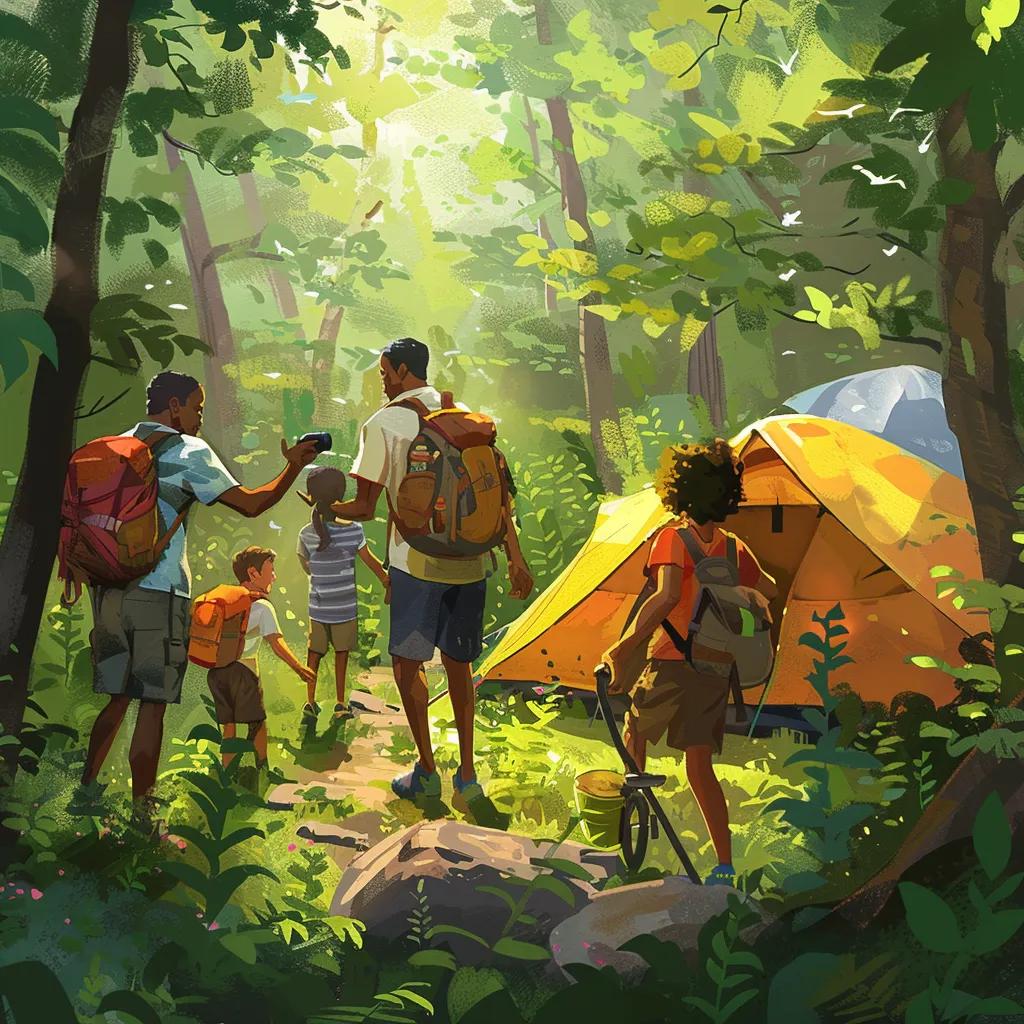
Family campgrounds with hiking trails nearby combine easy access to nature, safe outdoor play, and structured amenities that support multigenerational trips. In this guide, you will learn the key benefits of pairing camping and hiking, which Michigan campgrounds and trail types suit kids, what amenities make trail-adjacent stays easier, and how to plan safe, enjoyable hikes with children. Choosing a basecamp that places trailheads, scenic walks, and water access within short reach reduces transit time, keeps energy high, and increases chances of shared discoveries and bonding. This article explains physical and mental benefits, compares trail characteristics, lists essential gear and safety steps, and highlights how river access pairs with hikes for full-day family adventures. Throughout, expect practical checklists, compact comparison tables, and examples that help you decide where to book a family-friendly camping experience.
What Are the Top Benefits of Camping and Hiking Together?

Camping plus hiking creates a concentrated nature-immersion that boosts cardiovascular fitness, reduces stress, and provides shared goals for families. Hiking raises heart rate, improves mobility, and accumulates meaningful step counts while camping supplies a low-tech setting for recovery and sleep, producing better overall wellbeing. Shared trail time promotes communication and teamwork, which strengthens family bonds and creates memorable milestones for children. Below is a compact mapping of activity benefits to measurable outcomes to help families choose which mix of hiking and campsite activities to prioritize.
Different activity blends produce distinct family benefits:
This table clarifies how small choices on trails and campsites produce predictable health and social returns. Understanding those returns makes packing and planning more intentional for family outdoor adventures.
How Does Hiking Improve Physical Health During Camping?
Hiking during a camping trip elevates heart rate, strengthens legs and core, and improves balance through varied terrain, delivering cardiovascular and mobility benefits in short, achievable segments. For families, routes of one to three miles produce measurable activity without overtaxing younger children, while offering natural intervals for rest and play. Pacing strategies—frequent short breaks, kid-led discovery stops, and snack intervals—help maintain steady exertion and positive moods. These simple practices make physical progress visible and keep families motivated to explore more trails on subsequent days.
In What Ways Does Hiking Enhance Mental Well-being on Family Trips?
Walking on trails reduces cognitive load by limiting screens and prompting sensory engagement, which lowers stress and improves mood for both parents and children. Exposure to green spaces supports attention restoration and offers opportunities for mindful activities like listening for birds or identifying trees, which build calm and curiosity. Short guided exercises—silent minutes, nature journals, or sensory bingo—turn hikes into intentional mental-health practices for kids. Integrating these into a camping routine extends the psychological benefits beyond the trail into better sleep and calmer evenings around the campsite.
How Does Camping With Hiking Trails Strengthen Family Bonding?
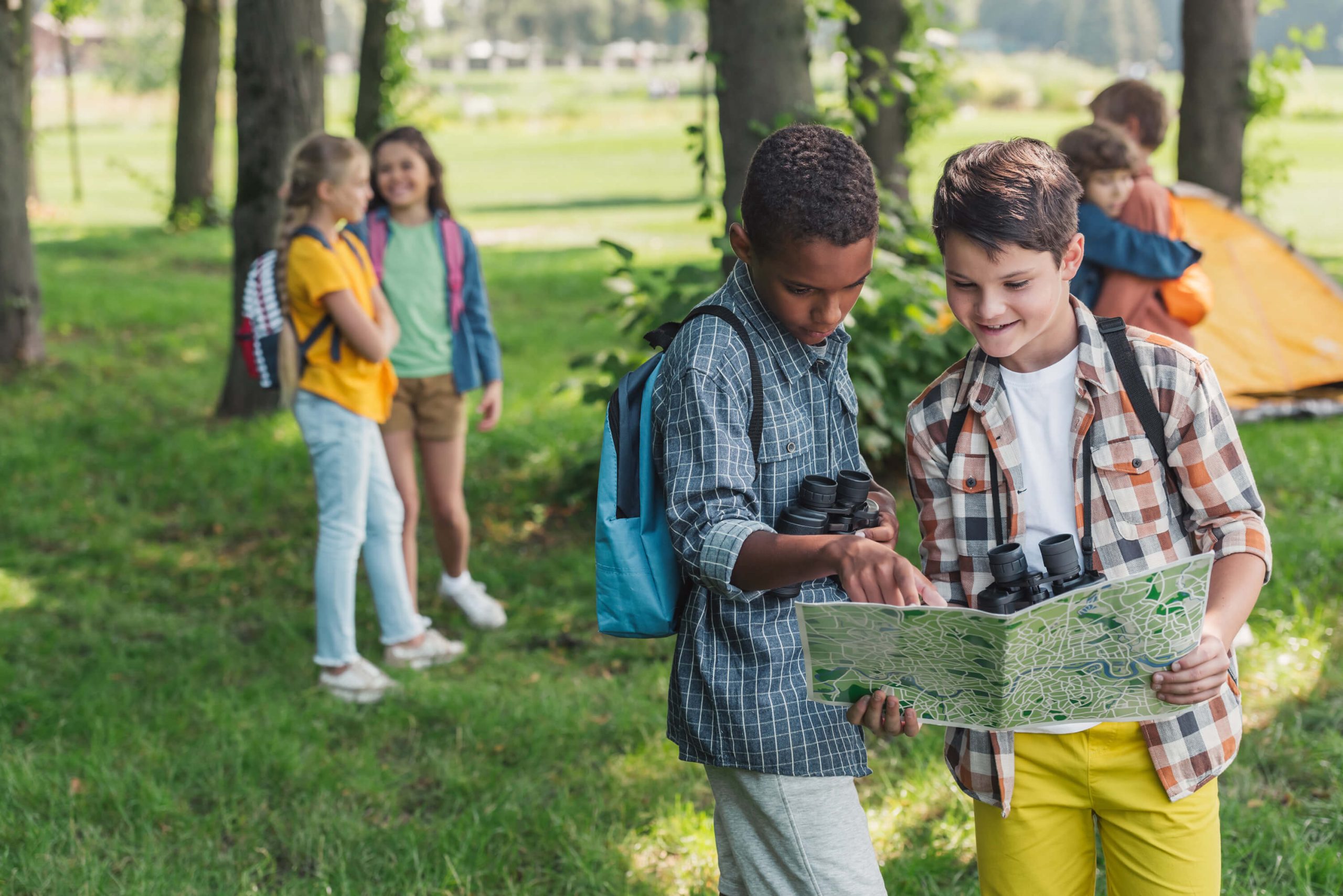
Shared hiking goals—reaching a lookout, finding a specific plant, or completing a nature bingo—create cooperative challenges that promote communication, encouragement, and small celebrations. When families divide simple roles like map reader, snack steward, or photographer, children gain responsibility while adults model teamwork. These micro-achievements compound into stories and rituals that families recall long after the trip ends. Planning a few intentional shared objectives before each hike increases engagement and transforms ordinary walks into memorable bonding experiences.
Which Michigan Campgrounds Offer the Best Nature Trails for Families?
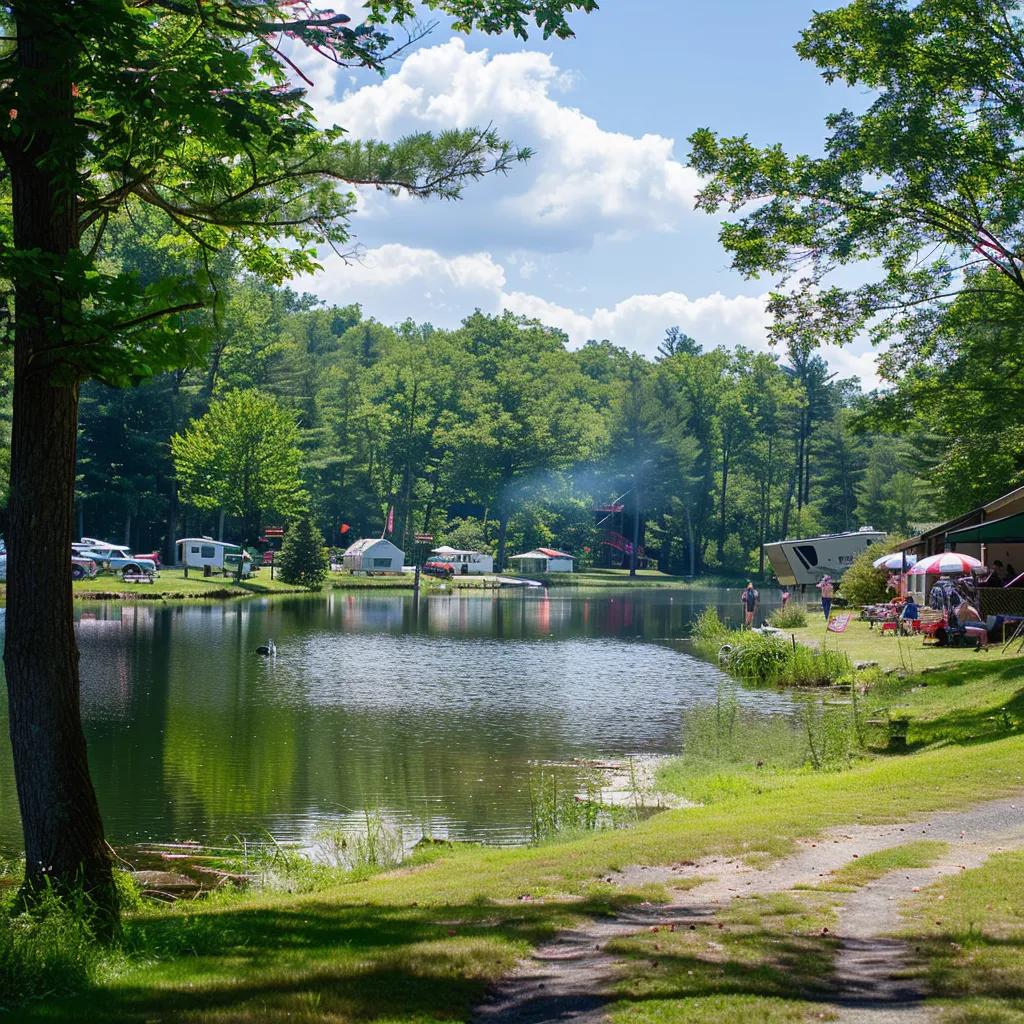
Choosing campgrounds in Michigan for family hiking means weighing trail distance, terrain, and proximity to water or play areas to fit child ages and stamina. Compact comparisons help identify sites best suited to toddlers, school-age children, or teens, emphasizing short loop trails, stroller-accessible paths, and mixed-use routes near kids’ play areas. Below is a concise trail comparison to support quick decision-making for families seeking gentle walks or moderate nature hikes.
Family trail options at a glance:
This compact table lets families match trail length to energy levels and trip goals. Families who prioritize short, frequent explorations should choose sites with multiple short loops and easy access to facilities.
What Hiking Trails Are Accessible Near Walnut Hills Family Campground?
Walnut Hills Family Campground is located in Durand, Michigan, along the Shiawassee River. The campground offers various amenities, including a beach, Wibit water park, river float trips, playgrounds, a dog park, basketball court, sand volleyball, and family-focused events every weekend.
While specific hiking trails are not detailed in the available sources, the campground’s proximity to the Shiawassee River suggests potential for riverside walks and exploration. For more information on nearby trails and activities, it’s recommended to contact the campground directly.
Michigan Hiking Trails: Benefits and Planning for Family Adventures
Recreational hiking trails are a popular destination for local residents and tourists, offering health, educational, and social benefits. The North Country Trail (NCT) provides a unique hiking experience because of the many landscapes through which it travels. Because it spans across seven states in the Midwest, a hiker can travel through the mountains of New York, the hardwood forests of upper Michigan, and the plains of South Dakota along one route. When completed, the NCT will be about 4,600 miles; however, there are currently 1,900 miles of undeveloped connector routes during which the route is often located along the road. In Calhoun County, Michigan, the NCT is highly fragmented with sections of trail on the road. Thus, this research analyzed whether there are better alternative routes through the county that would decrease the amount of trail along the road. Focus groups and interviews were conducted to identify different interest group perspectives. These groups
A Comparison of Alternative Route Alignments for the North Country Trail through Calhoun County, MI, 2018
How Do Michigan Campgrounds Compare for Family-Friendly Hiking Experiences?
Campgrounds vary by trail density, proximity to water, and availability of kid-focused amenities, so families should prioritize features that match their children’s ages and interests. Sites with multiple short loops and clear signage suit toddlers and preschoolers, while campgrounds offering longer mixed-terrain trails appeal to families with older children seeking moderate challenge. Access to water—lakes or rivers—adds value by enabling cooldowns and complementary activities after hikes. Use these comparison points when selecting a campground to make sure the on-site and nearby trail options align with your family’s daily energy and supervision needs.
What Amenities Should You Look for in Family Campgrounds With Hiking Trails?
The right amenities ease transitions between trail time and campsite comfort, making it simpler for families to manage gear, hygiene, and downtime. Look for reliable restrooms and showers, a camp store for quick supplies, secure gear storage, and child-oriented spaces like playgrounds and supervised activity programs. Accommodation type matters too: proximity to parking and trailheads reduces setup time, while cabins offer secure storage and private sleeping spaces for younger children. Below is a quick accommodation attribute table to guide choices for active families.
Accommodation attributes for active families:
Which Accommodation Types Best Support Active Families?
Cabins suit families with infants or those who want quick access to a warm, dry space between hikes, as they provide private beds and gear storage that simplify child care and packing. RV sites offer onboard conveniences and storage for bulky hiking gear, while tent sites give flexibility and closeness to nature for families comfortable with more hands-on setup. Choose based on how often you plan short returns from trails: more frequent short outings favor cabins or RV sites near facilities, while longer day hikes can be paired comfortably with tent camping when gear is organized.
What On-Site Facilities Enhance the Hiking and Camping Experience?
Facilities that make hiking days smoother include a camp store for last-minute snacks and trail supplies, potable water stations for refilling bottles, shaded picnic areas for post-hike rest, and safe play spaces where kids can burn off extra energy. On-site conveniences like dry storage, laundry, and reliable restrooms reduce the friction of multiple short trips from campsite to trailhead. Campgrounds that schedule family-friendly events or offer supervised kids’ activities further free adults to explore slightly longer routes with confidence.
How Can You Plan a Safe and Enjoyable Hiking and Camping Trip?
Good planning centers on simple gear, realistic route choices, and safety rules adapted to children’s abilities and the local environment. Start with a family checklist, select trails that match endurance levels, and practice turnaround times to avoid late-day fatigue. Teach children basic trail etiquette and keep hydration and snacks accessible to prevent meltdowns. The short lists below give essential gear and safety priorities to prepare before you head out.
Essential gear checklist before hitting trails:
- Hydration and water bottles for each family member.
- Sun protection and layered clothing for changing weather.
- Basic first-aid kit with kid-specific supplies.
- Child carriers or small daypacks for toddlers and snacks.
These items cover the majority of common needs on family hikes and reduce the chance of common interruptions.
What Essential Gear Should Families Bring for Hiking Near Campgrounds?
Pack lightweight daypacks with water, high-energy snacks, sun protection, and a compact first-aid kit; include child-specific items like extra socks, a child carrier for younger kids, and small comfort items that keep children calm. Footwear should be sturdy and well-fitted, and a small map or downloaded trail notes help adults stay oriented if signage is sparse. For families planning river pairings, add quick-dry towels and change clothes to the list to make transitions from hike to water activities simpler and more enjoyable.
What Safety Tips Are Important for Hiking With Kids?
Prioritize short turn-around goals, frequent rest breaks, and visible clothing for easy supervision, and teach children basic trail rules like staying on marked paths and not approaching wildlife. Carry a basic emergency kit and know the nearest access point to the campground in case you need to shorten a hike; share a simple plan with children so they understand expectations. Camp staff and on-site resources can often advise on age-appropriate routes and current trail conditions, which helps families choose safe options for each day.
Why Is Camping Near the Shiawassee River Ideal for Outdoor Family Getaways?
Camping near the Shiawassee River offers scenic views, cooler microclimates for summer hikes, and versatile water-based activities that pair well with short trail outings. Riverbank paths often provide flat, stroller-friendly strolls with wildlife viewing and picnic opportunities, creating natural bookends to active hikes. Combining a morning hike with an afternoon river float or shoreline play balances exertion and relaxation, making full days enjoyable without overloading children. Families benefit from this mix because it diversifies activities and uses the campground as a centralized base for both land and water recreation.
What River Activities Complement Hiking at Walnut Hills Campground?
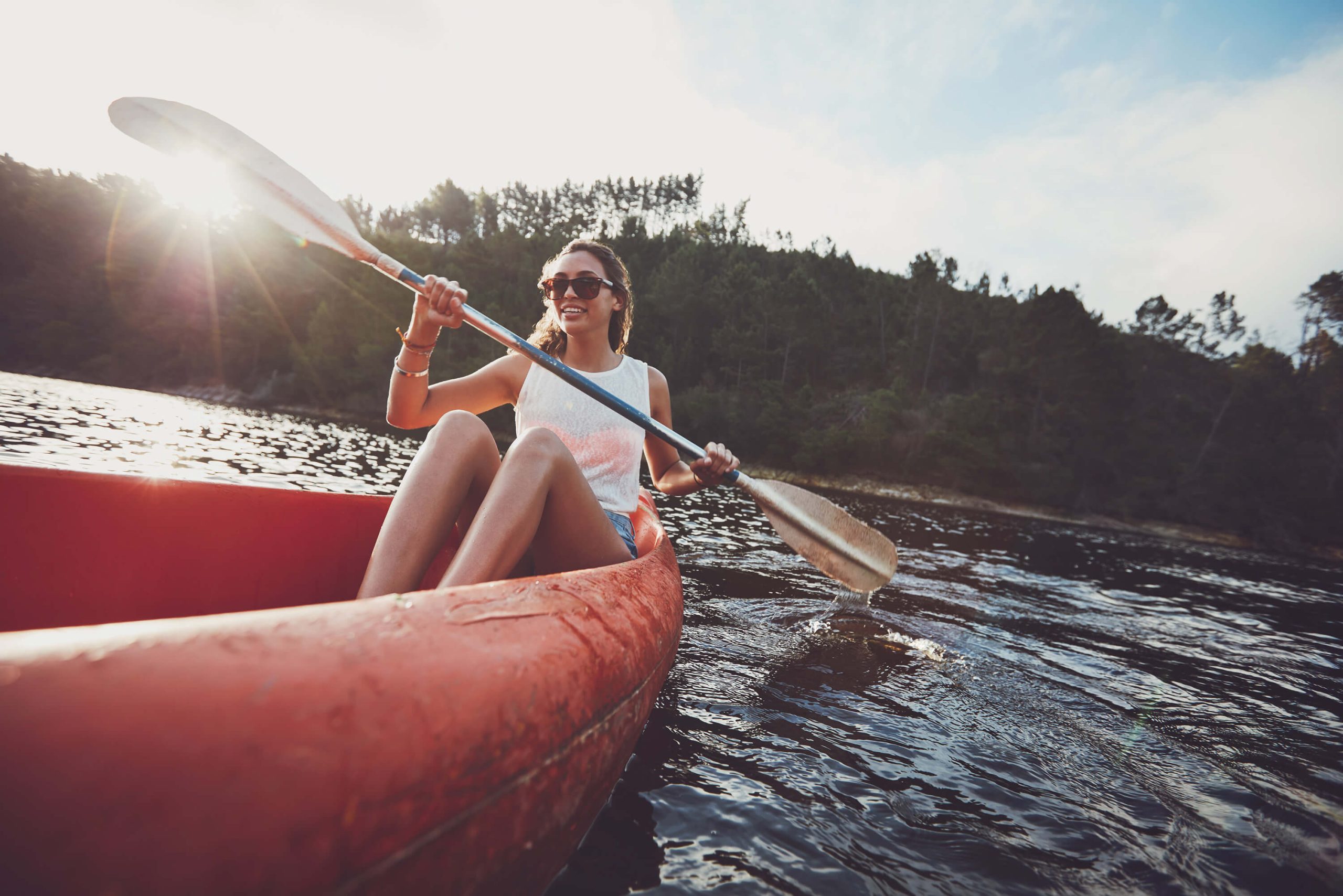
River activities such as canoeing, kayaking, and supervised tubing provide low-impact aerobic options that families can use to reward a morning hike or cool off after a day on the trails. When pairing a short hike with a river trip, plan logistics like life jackets for all ages, a clear meeting time, and a nearby access point to minimize transit. Walnut Hills Family Campground supports river-based recreation and day planning through its proximity to the Shiawassee River, and families can combine hiking with float trips and on-site leisure for a full, balanced day outdoors while enjoying a family-friendly camping experience.
How Do Scenic River Trails Enhance the Family Camping Experience?
Scenic river trails tend to be gentle, offer varied wildlife sightings, and present natural learning moments that suit broad age ranges, making them ideal for families who want nature without excessive distance. A typical mini-itinerary pairs a short riverside walk with a picnic and playground visit, letting kids expend energy in stages and keeping adults relaxed. These trails create memorable sensory experiences—rippling water, bird calls, and tactile exploration—that deepen children’s appreciation for nature. Families who book a family-friendly camping experience near river trails often find the combination of short hikes and water play yields the best balance of activity and rest for multiday stays.
Frequently Asked Questions
What should families consider when choosing a campground for hiking?
When selecting a campground for hiking, families should evaluate trail accessibility, distance, and terrain suitability for their children’s ages and abilities. Look for campgrounds that offer a variety of trail lengths, from short loops for younger kids to more challenging paths for older children. Additionally, consider amenities such as restrooms, picnic areas, and proximity to water sources, which can enhance the overall experience. Safety features, like well-marked trails and available staff for guidance, are also crucial for a worry-free adventure.
How can families ensure a safe hiking experience with children?
To ensure a safe hiking experience with children, families should plan routes that match their fitness levels and set clear turnaround times to avoid fatigue. Teach kids about trail etiquette, such as staying on marked paths and respecting wildlife. Carry a basic first-aid kit and ensure everyone has proper footwear and clothing for the weather. Frequent breaks for hydration and snacks can help maintain energy levels and positive moods, making the hike enjoyable for everyone involved.
What types of activities can families do at campgrounds besides hiking?
Besides hiking, families can engage in various activities at campgrounds, such as fishing, swimming, canoeing, or kayaking if water access is available. Many campgrounds also offer organized events like nature walks, scavenger hunts, and arts and crafts for children. Playgrounds and sports facilities, such as basketball or volleyball courts, provide additional opportunities for fun and exercise. These diverse activities help keep the entire family entertained and allow for a well-rounded outdoor experience.
How can families make the most of their camping and hiking trip?
To maximize enjoyment during a camping and hiking trip, families should create a flexible itinerary that includes a mix of activities. Incorporate short hikes, playtime, and relaxation periods to prevent burnout. Involve children in planning by letting them choose trails or activities, which can increase their excitement and engagement. Additionally, packing nutritious snacks and ensuring everyone stays hydrated will help maintain energy levels throughout the day, making the experience more enjoyable for all family members.
What are some tips for packing for a family camping trip?
When packing for a family camping trip, prioritize lightweight and essential gear. Each family member should have a hydration system, sun protection, and appropriate clothing for changing weather conditions. Include a compact first-aid kit with kid-specific supplies and snacks that provide quick energy. For younger children, consider bringing comfort items like favorite toys or blankets. Organizing gear into daypacks for hikes can streamline transitions between activities and ensure that everyone has what they need at hand.
What are the benefits of camping near water bodies?
Camping near water bodies offers numerous benefits, including opportunities for cooling off during hot weather and engaging in water-based activities like swimming, fishing, or kayaking. Water access enhances the camping experience by providing a natural setting for relaxation and play, making it easier to balance active days with downtime. Additionally, rivers and lakes often attract diverse wildlife, offering families unique opportunities for observation and education about local ecosystems, enriching their outdoor adventure.
Conclusion
Choosing family campgrounds with nearby hiking trails enhances outdoor adventures by promoting physical health, mental well-being, and family bonding. The combination of accessible trails and comfortable amenities ensures a memorable experience for all ages, making it easier to connect with nature and each other. By planning your next trip to a campground that offers these features, you can create lasting memories filled with exploration and joy. Discover our curated list of family-friendly campgrounds today!