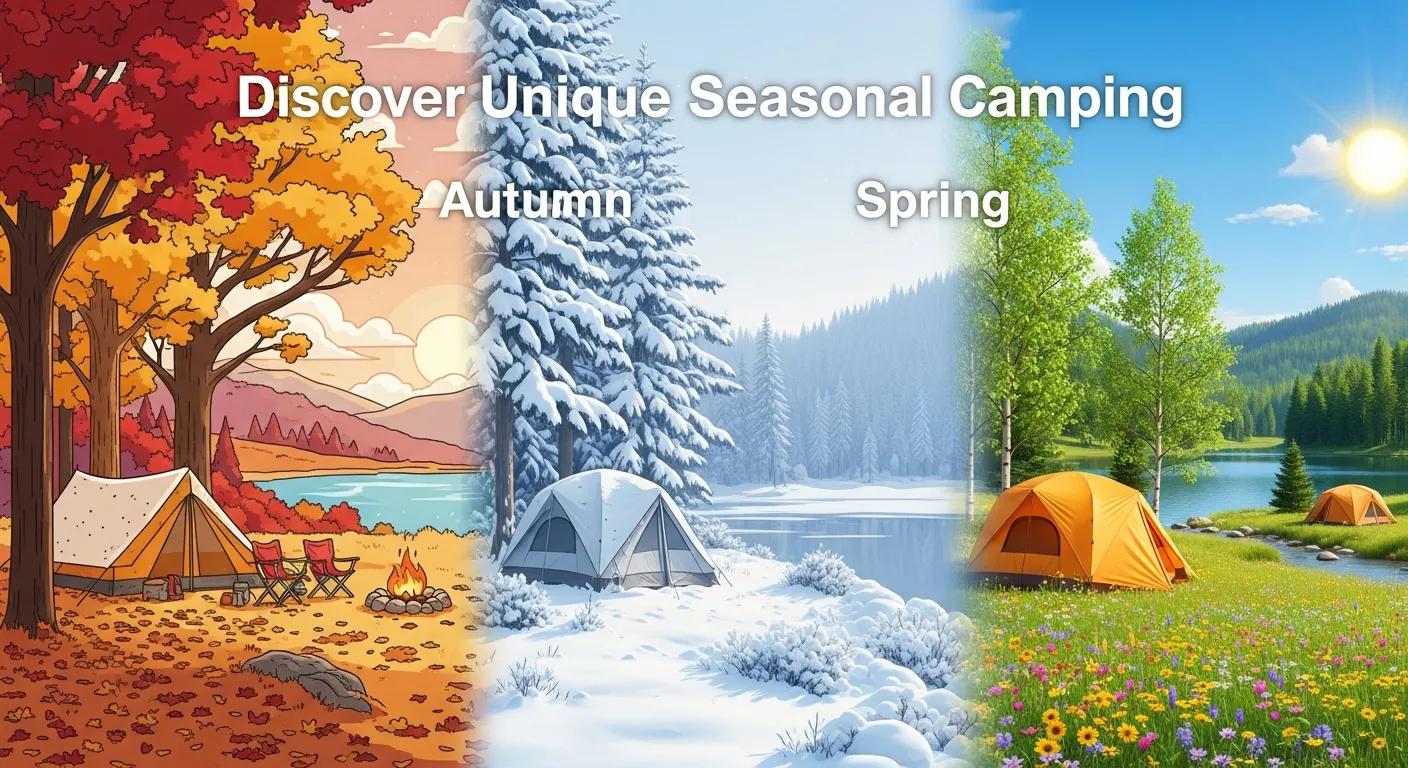
Discover Seasonal Camping at The Oaks
Seasonal camping means leasing a campsite or RV lot for an extended portion of the year so you can keep a semi-permanent setup with utilities, storage, and personal site features. It combines the comforts of a dependable “home away from home” with campground amenities—cutting down on setup and teardown while boosting everyday comfort and neighborhood connections.
In this guide you’ll learn how seasonal lots differ from nightly sites in infrastructure and lifestyle, which long-term amenities matter most, how seasonal camping can save time and money, and how to pick the right seasonal site at a place like The Oaks Campground by GatherGrounds. We’ll walk through hookup options, recreational and community benefits, and a practical checklist for selecting and booking a seasonal lot. This article answers commonly searched questions—seasonal camping site amenities, full hookup seasonal RV sites, and the seasonal campsite reservation process—so your decisions are rooted in infrastructure, lifestyle, and local context. Examples from The Oaks show how a full-service seasonal program supports long-term camping without replacing an objective look at site features and benefits.
What Are the Key Differences Between Seasonal and Regular Camping Site Facilities?
Seasonal sites are built for longer stays with permanent or semi-permanent infrastructure. Nightly sites focus on short-term flexibility and quick turnover. The core difference is reliable on-site utilities—full hookups, dedicated water and sewer, and higher-capacity electrical service—paired with larger lot footprints and storage options that cut down on repeated packing and travel. As a result, seasonal camping lowers everyday friction for repeat visitors and supports personal touches and community life. Knowing these differences helps you choose a site that fits your use—whether frequent weekend getaways or a true second-home setup.
Seasonal and nightly site differences at a glance:
- Permanence and Use: Seasonal sites are intended for repeated, long visits and semi-permanent setups.
- Utility Infrastructure: Seasonal lots commonly offer 30/50 amp electric, potable water, and direct sewer hookups.
- Site Size & Customization: Seasonal lots are often larger and allow decks, sheds, or landscaping.
- Operational Rhythm: Nightly sites prioritize quick turnover; seasonal sites reduce packing and provide storage.
This table summarizes key attributes so you can compare site types before reviewing maps or visiting campgrounds.
This comparison highlights how infrastructure shapes the daily experience of seasonal camping. Next, we’ll look at how full hookups change comfort and maintenance needs for long-term stays.
Explore The Oaks Campground seasonal RV sites for a practical example of seasonal lot design and amenities as you evaluate site features and availability.
How Do Full Hookups Enhance Seasonal Camping Experiences?
Full hookups bring continuous electricity, potable water, and sewer directly to your site so you can use household conveniences and limit logistical work. Technically, 30 amp service handles standard RV appliances and lighting; 50 amp service supplies two hot legs plus neutral and ground, which supports air conditioning, larger appliances, and simultaneous loads—important in hot months or when running multiple systems. Direct sewer hookups remove frequent trips to a central dump station, a major time-saver for families and long-term stays. Reliable water and steady power also relieve strain on freshwater tanks and generators, lowering maintenance needs for seasonal occupants.
With full hookups you can use heating, cooling, refrigeration, and hot water more consistently because those systems run off campground infrastructure instead of limited onboard reserves. That stability supports site personalization and a relaxed daily routine. Knowing hookup specs up front helps you choose a seasonal lot that will comfortably support how you plan to live and visit.
What Customizable Features Are Available at Seasonal Sites?
Seasonal lots often allow a range of tasteful, removable personalizations that make a site feel like a second home while staying within campground rules. Common additions include wooden or composite decks, awnings, storage sheds, and planted or paver patios. These features create defined outdoor zones—dining, storage, relaxation—that reduce clutter inside your RV and make long-term stays more comfortable. Secure sheds or lockers let you store gear and seasonal furniture, cutting the theft and wear concerns that transient setups bring. Always confirm allowed modifications with park management; many seasonal programs permit removable improvements but limit permanent structures.
Personalization can also include landscaping, outdoor lighting, and approved furnishings that increase privacy and year-round use. When touring lots, photograph neighboring sites and measure usable space so planned decks or sheds will fit. Knowing customization rules ahead of time prevents surprises and helps you prioritize improvements—like a shaded patio or dedicated storage—that make daily life better during a seasonal stay.
Which Amenities Define Long-Term RV Park Facilities for Seasonal Campers?
Long-term RV parks combine dependable site utilities with shared recreational, service, and community infrastructure that support sustained occupancy and social life. Core systems—adequate electric capacity, potable water, and sewer—are the foundation; add-on services like laundry, showers, Wi‑Fi, and on-site maintenance make multi-week or seasonal living practical. Recreational amenities—swimming areas, trails, playgrounds, and pavilions—encourage social routines and everyday activity that distinguish seasonal living from overnight stays. Together, these amenities let seasonal campers trade repeated travel for a steady lifestyle centered on convenience, recreation, and neighborhood connection.
Here are common long-term amenities to expect when evaluating seasonal programs.
- Reliable Utilities: Continuous electricity, potable water, and sewer connections for daily living.
- Laundry and Bath Facilities: On-site services that reduce pressure on onboard systems.
- Recreation and Social Spaces: Lakes, trails, playgrounds, and gathering pavilions for community programming.
- Support Services: Camp stores, management offices, and maintenance staff for day-to-day stability.
The EAV table below breaks down core infrastructure with technical details so you can compare specs when assessing a park.
How Do Electricity, Water, and Sewer Connections Support Extended Stays?
Reliable electric, water, and sewer systems let RV systems work like they do at home and cut back on manual resource management. A 30 amp service typically runs lights, fans, and small appliances, while 50 amp service—two hot legs and a neutral—supports air conditioning, microwaves, and multiple appliances without tripping breakers. Potable water to the site removes frequent tank fills and provides safer drinking water; direct sewer hookups remove repeated trips to communal dump stations and lower the risk of backups. For seasonal campers, consistent utilities also simplify winterization and maintenance planning, making long-term occupancy more predictable and sustainable.
Choose a site with utility capacity based on your appliance use, household size, and climate. If you plan to run multiple systems, host guests, or stay through hot months, prioritize 50 amp service and on-site sewer; lighter users may be comfortable with lower capacities. Understanding these tradeoffs aligns your site selection with the lifestyle seasonal camping offers.
What Recreational and Community Amenities Are Offered at The Oaks Campground?
The Oaks Campground by GatherGrounds shows how an amenity mix supports seasonal living: waterfront recreation, trails, and family-friendly elements that appeal to active adults and families alike. On 160 acres next to Waterloo State Recreation Area, The Oaks features a swimming lake with a sandy beach and a fishing pond for everyday outdoor options. The property also includes golf cart riding trails, playgrounds, pavilions for gatherings, and a camp store for routine purchases; a planned Wibit water park (expected in 2024) would add another family-oriented attraction. These amenities increase the everyday value of a seasonal site by creating regular leisure opportunities close to home.
When evaluating a park, consider how on-site programming and event calendars create community rhythms that make seasonal camping social and reliable. Photos of beach activity, trail maps, and event schedules help you picture life at a campground and decide whether the amenity mix matches your priorities. The Oaks takes an amenity-rich approach that supports both quiet outdoor time and active community engagement.
Below is a short table mapping these amenities to seasonal living benefits.
What Are the Cost-Effectiveness and Convenience Benefits of Seasonal Camping?
Seasonal camping can save money and hassle by consolidating travel, cutting repetitive setup tasks, and using annual rate structures that often beat equivalent nightly stays. Savings come from fewer trips, less fuel and mileage, reduced wear on towing equipment, and fewer nights lost to travel logistics. For frequent visitors or those who want a steady weekend base, seasonal rates spread the season cost across many reserved nights, lowering the effective per-night price while adding non-monetary benefits like storage and personalization. To see whether seasonal camping makes sense, compare an annual seasonal cost to your historical or expected nights stayed.
The EAV table below compares conceptual cost elements between a seasonal annual rate and a nightly equivalent to show where savings typically appear.
The financial advantage depends on how often you use the site and how much you value convenience and personalization. Below are the main ways seasonal camping saves time and money.
- Reduced Travel Costs: Fewer long drives lower fuel and maintenance expenses.
- Less Setup Time: Permanent site elements mean less labor each visit.
- Lower Per-Night Rates: Annualized seasonal fees often reduce effective nightly costs.
- Maintenance Savings: Less towing means less mechanical stress and fewer repairs.
The next section offers conservative, illustrative examples so you can model likely savings for your situation.
How Does Seasonal Camping Save on Travel and Setup Costs?
Seasonal camping lowers per-visit travel and setup costs by cutting round trips and daily packing—savings that add up across a season. For example, if you make twenty weekend trips a year and a seasonal site eliminates half the repeated setup tasks, you’ll save significant time and fuel and reduce maintenance on tow vehicles and RV suspension. Even a small reduction in trips can noticeably cut cumulative mileage and deferred repair costs. On-site conveniences like a camp store and absentee storage further reduce the need to haul consumables each visit.
Beyond dollars, the time saved on packing and teardown gives you more leisure hours during each visit. Exact savings vary, but the pattern is consistent: the more you use a seasonal site, the greater the financial and convenience gains compared with nightly-only camping.
In What Ways Does Seasonal Camping Provide a ‘Home Away From Home’ Experience?
Seasonal camping builds a familiar, stable environment where personalization, routine, and social ties recreate many comforts of home while keeping the outdoors front and center. Decks, outdoor furniture, and storage create regular living zones, and predictable utilities support everyday appliances and creature comforts. Community features—repeat neighbors, scheduled events, and shared spaces—add social continuity and reduce the isolation that can come with transient stays. That home-like feeling grows from routine: you know where the shade falls, what activities run each weekend, and where to get supplies, all of which reduces decision fatigue and boosts relaxation.
Practical comforts—consistent Wi‑Fi, laundry facilities, and local services—make longer stays workable for remote work or extended family visits. Seasonal campers often describe a settled rhythm where campground rituals and familiar landscapes replace the constant novelty of travel, delivering comfort, convenience, and community.
How Does The Oaks Campground’s Location Enhance Seasonal Camping Advantages?
Location amplifies seasonal value when a campground sits near large natural areas, regional attractions, and nearby population centers that supply repeat visitors. The Oaks Campground’s adjacency to Waterloo State Recreation Area opens direct access to trails, water recreation, and wildlife viewing, expanding daily activity options without long drives. Shorter travel distances from cities like Detroit, Ann Arbor, Jackson, Toledo, and Fort Wayne encourage more frequent weekend visits and lower travel costs, making a seasonal site a practical, often-used base. In short, location turns a comfortable site into a usable home base for outdoor life.
When evaluating a site, map day-trip options and travel times from likely origin cities to confirm the location supports the visit frequency you want. Cutting one hour of one-way travel can significantly increase usable weekend hours and overall enjoyment.
What Are the Benefits of Proximity to Waterloo State Recreation Area?
Being near Waterloo State Recreation Area gives seasonal campers immediate access to hundreds of acres of trails, lakes, and managed natural spaces that expand recreation beyond park grounds. Hikers and bikers can use interconnected trail systems for longer outings, while anglers and paddlers find varied water bodies within a short drive. That proximity increases routine outdoor options, reduces the need for long drives to nature, and supports spontaneous recreation without heavy planning. Proximity to Waterloo turns many weekends into fresh activity choices, strengthening the case for seasonal investment.
Typical day-trip ideas include trail loops, morning fishing, and mixed-activity family outings—realistic when the recreation area is minutes away. Planning seasonal stays around spring wildflower walks, fall color, and summer water days helps you get the most from the location advantage.
How Does The Oaks Campground Cater to Michigan Seasonal Campers?
The Oaks Campground’s amenities and setting reflect what Michigan seasonal campers value: waterfront access, trail options, and community programming that match regional seasonal rhythms. Peak activity runs from late spring through early fall, and parks that offer reliable utilities, clean facilities, and potable water make multi-month stays practical in that window. The Oaks supports these needs with waterfront recreation, trails, and community amenities, positioning itself as a strong option for campers seeking a predictable seasonal lifestyle near Waterloo. Operational details—like winterization policies and maintenance schedules—also affect multi-season occupancy, so confirm those terms when evaluating seasonal agreements.
Knowing local climate patterns and park operations helps seasonal campers plan for transitions and off-peak use, ensuring a chosen site meets recreational and practical needs across Michigan’s seasonal changes.
How Can Campers Choose the Perfect Seasonal Campsite at The Oaks Campground?
Choosing a seasonal campsite is about matching technical site attributes to your lifestyle through a clear decision process and timely reservations. Key criteria include hookup type (30 vs 50 amp), lot orientation (sun vs shade), proximity to the lake and playgrounds, neighboring lot density, and storage options. A methodical approach—review site maps, prioritize must-have utilities, and score candidate lots against your needs—leads to better long-term satisfaction than picking purely for views or first impressions. Use the quick checklist below when touring or reviewing site plans.
- Utility Check: Confirm electrical capacity, potable water connection, and sewer hookup.
- Accessibility: Verify RV length accommodation, guest parking, and year-round access.
- Proximity to Amenities: Note distance to the lake, playgrounds, laundry, and the camp store.
- Privacy & Orientation: Consider sun exposure, prevailing winds, and nearby traffic.
Score prospective lots with this checklist to narrow options before you start the reservation process. The section below outlines the typical reservation steps and how The Oaks handles bookings.
What Is the Seasonal Site Reservation Process?
Reserving a seasonal site usually starts with an inquiry to the campground, then site selection, a deposit or reservation fee, and a written agreement that spells out responsibilities and seasonal dates. Key steps are confirming availability, reviewing utility specs and site rules, securing your chosen lot with the required deposit, and completing paperwork to finalize the term. At The Oaks Campground by GatherGrounds, the goal is to make booking straightforward with clear site details and amenity descriptions so you can commit confidently. Ask about deposit amounts, cancellation policies, and any maintenance or community participation expectations before you sign.
Start the process early in the year to get the best site choices, and keep documentation of site dimensions and allowed customizations so planned decks or sheds comply with park rules. Taking these steps reduces surprises and smooths your move into seasonal life.
Which Factors Should Be Considered When Selecting a Seasonal Site?
The right seasonal site balances technical, lifestyle, and logistical factors to create a sustainable long-term experience. Technical factors include hookup types (choose 50 amp for heavy appliance use), pad quality and drainage, and confirmed access for your RV length. Lifestyle factors cover proximity to the lake or playgrounds if family recreation matters, the community vibe and event schedule, and how much privacy you want from neighbors. Logistical items like guest parking, storage options, and maintenance support affect hosting and gear storage—these often determine whether a site functions as a true second home or a seasonal staging area.
Use a simple scoring template while visiting: assign weights to utilities, location, privacy, and logistics, then compare totals across candidate lots. This quantitative approach limits bias and clarifies tradeoffs so you pick a seasonal site that fits your long-term needs.
Frequently Asked Questions
What should I consider when personalizing my seasonal campsite?
First, check the campground’s rules on modifications. Common, permitted upgrades include decks, storage sheds, and landscaping that improve comfort and function. Make sure additions are allowed and removable if required. Think about how each feature will improve outdoor living—create separate zones for dining, cooking, and relaxing—and measure your site so planned elements fit. Planning ahead helps your site feel like a true home away from home.
Are there any seasonal camping regulations I should be aware of?
Yes—rules vary by campground. Typical regulations cover what structures you can add, noise limits, and waste disposal requirements. Some parks also set limits on stay length, guest access, and maintenance responsibilities. Review the campground’s policies before committing and speak with management for the most current details to avoid surprises.
How can I maximize my seasonal camping experience?
Get involved with the campground community by attending events and activities—building relationships with neighbors makes the season richer. Use local recreation like hiking and fishing, visit nearby attractions, and establish a routine by visiting regularly. Personalize your space with comfortable furnishings and practical storage to make each stay easier and more enjoyable.
What are the best practices for maintaining a seasonal campsite?
Regular upkeep keeps your site safe and comfortable. Check utility connections, keep the site tidy, and inspect custom structures for wear. Address repairs quickly and prepare for seasonal shifts—winterize your RV if needed and secure outdoor items for bad weather. A simple maintenance schedule prevents small issues from becoming big problems.
What types of seasonal camping events can I expect at The Oaks Campground?
The Oaks hosts a variety of seasonal events to build community: family gatherings, outdoor movie nights, potlucks, and holiday celebrations. You may also see guided nature walks, fishing contests, or craft workshops. Follow the event calendar so you can plan visits around activities that interest you.
How does seasonal camping impact my environmental footprint?
Seasonal camping can lower your environmental footprint by cutting travel frequency and associated emissions. Staying at one site reduces long drives and vehicle wear. Many campgrounds, including The Oaks, offer recycling and sustainable landscaping. You can further reduce impact by using energy-efficient appliances, conserving water, and practicing responsible waste disposal—good for the environment and for a cleaner campground.
Final Thoughts
Seasonal camping blends comfort, community, and convenience so you can enjoy a home-like stay in nature. By understanding full hookups, personalization options, and local amenities, you can choose a seasonal site that fits your lifestyle and makes outdoor living easier. Start planning your seasonal stay at The Oaks Campground and create lasting memories with family and friends.