
Best Campgrounds for Fishing Adventures in Michigan: Family-Friendly Fishing and Camping Experiences
Searching for family-friendly campgrounds in Michigan that put fishing front and center? This guide breaks down practical choices, detailing facilities, fishing prospects, lodging options, family fun, and local logistics to help you plan a successful angling escape. You’ll discover where to find lake, pond, and river fishing at Michigan campgrounds, what species and seasons to anticipate, how different lodging types support anglers, and what local resources will make your trip a breeze. Many families find it challenging to balance kid-approved amenities with genuine fishing access; this article reveals how campgrounds combine safe, shallow fishing spots, catch-and-release areas, and river float trips to satisfy both little ones and seasoned anglers. The sections ahead cover why Michigan campgrounds with fishing are a great choice, specific fishing opportunities including river float access, lodging trade-offs for anglers, family activities, and local resources like licenses, bait shops, and rentals. Throughout, you’ll find actionable tips for planning a fishing-centric camping trip and mentions of on-site services that simplify river access and boat rentals.
Why Choose Michigan Campgrounds with Fishing for Your Next Outdoor Adventure?
Michigan campgrounds offering fishing provide direct access to freshwater angling while bundling camping amenities and family recreation for maximum outdoor enjoyment. It’s straightforward: campgrounds offer managed waters—lakes, ponds, and river access—so families can switch between fishing and supervised activities, cutting down on downtime and boosting safety. The key benefit is convenience; anglers get shoreline access, and kids get engaging amenities all on the same property. Opting for a campground that mixes water-based fun with fishing simplifies logistics and keeps everyone in the family engaged throughout your stay, making trip planning much easier.
Campgrounds with fishing also cut down on travel time to productive waters, meaning more fishing and less driving. The next paragraph explains what makes family fishing campgrounds uniquely suited for groups of all ages.
What Makes Family Fishing Campgrounds in Michigan Unique?

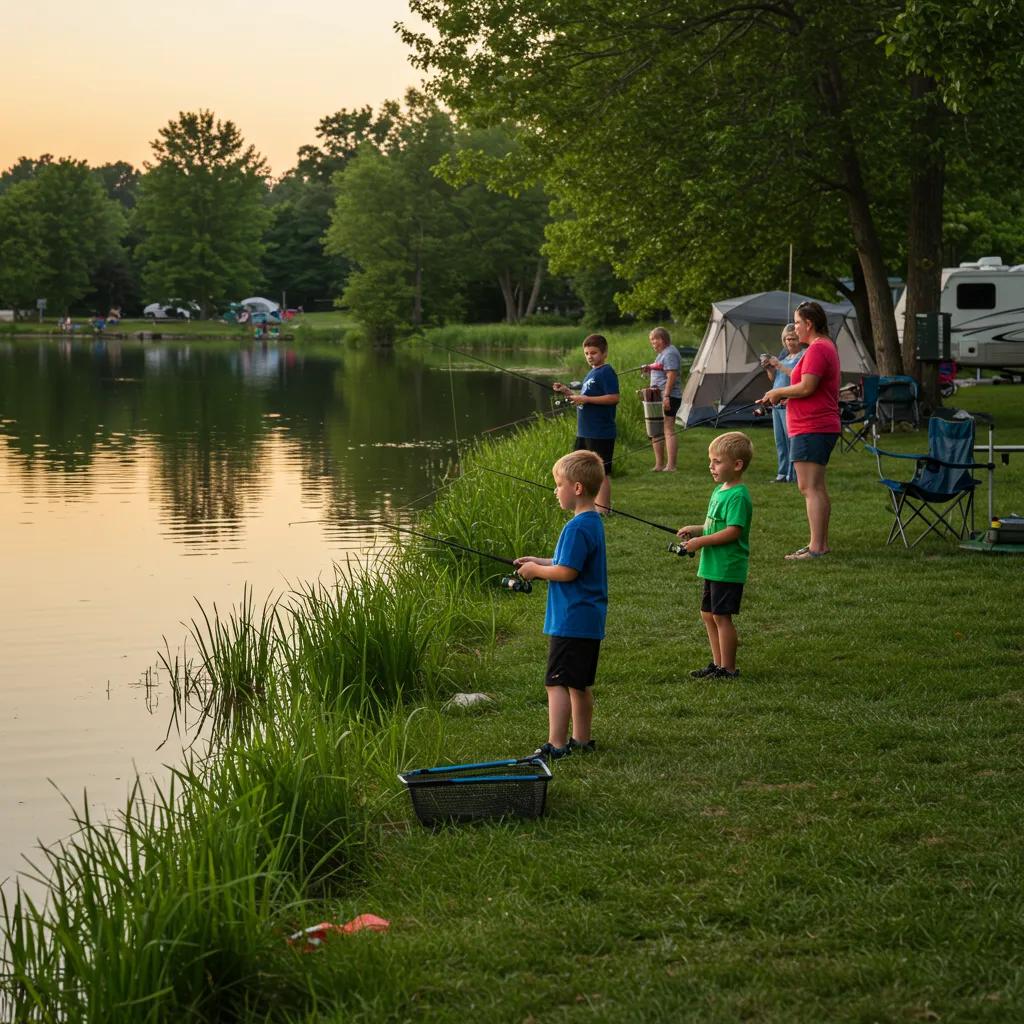
Family fishing campgrounds blend safety features, organized activities, and designated shallow zones to make angling accessible for children and newcomers. Common design elements include supervised ponds, catch-and-release areas, and clear signage explaining rules and best practices, which minimizes risks and encourages learning. These features allow parents to teach fishing basics within view of play areas, creating a relaxed setting for first casts and memorable photos. Understanding these design choices helps families select spots that align with their comfort levels and learning goals.
How Do RV Parks with Fishing Enhance Your Camping Experience?
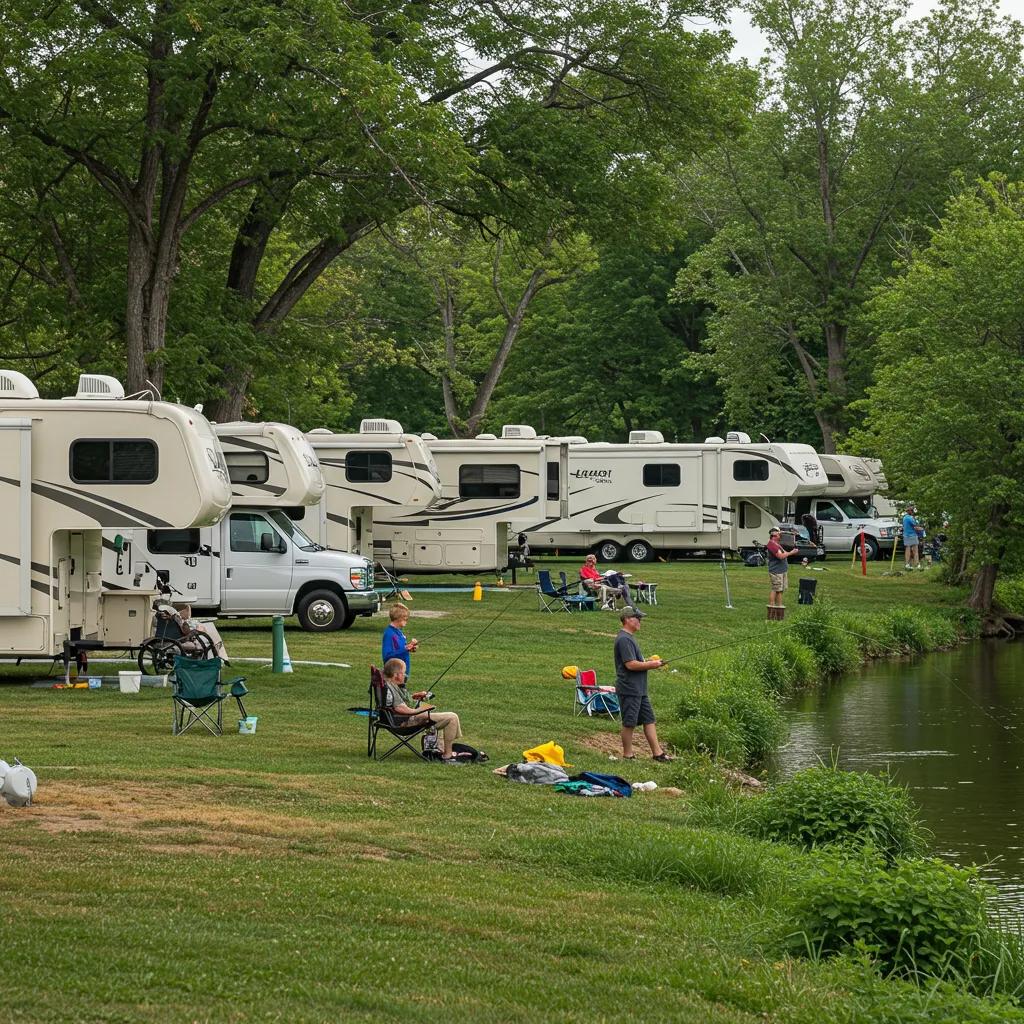
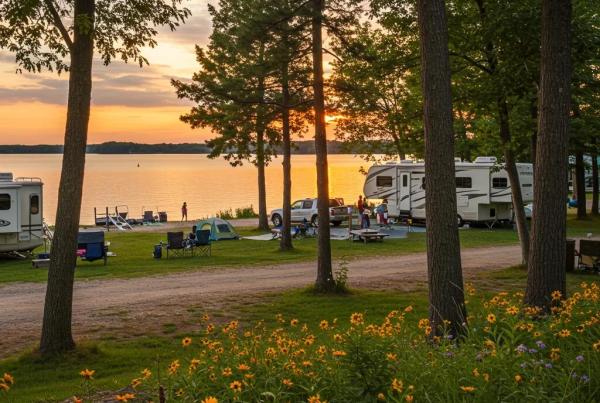
RV parks with fishing elevate the angling experience by offering vehicle-based storage, refrigeration, and electrical hookups that support extended stays and more advanced gear setups. The practical advantage is continuous access—campers can keep their rigs near the water, store bait in powered coolers, and return quickly between fishing sessions, maximizing time spent on the water. RV-specific conveniences are perfect for overnight trips where anglers want to take advantage of early morning or evening feeding times without the daily hassle of packing and unpacking. These logistical tips help anglers reserve waterfront or near-water RV sites whenever possible for the best access.
Why Is Walnut Hills Family Campground a Top Fishing Destination in Michigan?
Walnut Hills Family Campground stands out as a convenient, family-oriented choice, offering multiple on-site fishing opportunities alongside recreational amenities to please groups with diverse interests. The campground features RV sites, tent sites, and cabins, plus a Wibit water park, a swimming lake, playgrounds, and designated catch-and-release fishing spots in its lake and ponds, making it easy to blend angling with family fun. On-site float trips down the Shiawassee River and a partnered on-property canoe rental service further enhance river fishing experiences for guests. If you’re planning a family fishing getaway, consider booking spots at campgrounds that explicitly mention lake and river access to ensure you’re situated near prime fishing locations.
- Walnut Hills Family Campground provides lake and pond fishing areas perfect for families.
- The property boasts family amenities that complement fishing-focused stays.
- On-site canoe rental options make river access and float trips more convenient for guests.
These advantages highlight why Walnut Hills is an excellent example of how campgrounds successfully balance fishing access with family recreation.
What Fishing Opportunities Are Available at Michigan Campgrounds?
Campgrounds across Michigan typically offer three primary fishing opportunities: on-site lakes and ponds, river access for bank or float fishing, and nearby public waters accessible via short drives. Each setting offers a distinct experience: lakes and ponds provide controlled, family-safe fishing with catch-and-release guidelines; rivers present flowing-water species and float-trip possibilities; and nearby public waters expand the range of species and seasons. The result is a rich variety—campers can target panfish from the shore one morning and then float a river stretch later in the day. Below is a quick reference comparing typical campground fishing locations, common species, and seasonal notes to help guide your trip timing and bait choices.
This table helps anglers decide where to focus their efforts based on species targets and family objectives. The next section dives into species expectations and float access specifically.
Which Fish Species Can You Catch at Michigan Campgrounds?
Common species found in campground lakes and ponds include panfish and largemouth bass, while rivers like the Shiawassee are home to smallmouth bass and various other river species depending on water conditions. This distribution is driven by habitat: still waters are ideal for panfish and largemouth bass seeking structure, while flowing rivers support more active species that thrive in currents. Anglers benefit from matching their bait and techniques to the specific habitat—think small jigs for panfish and crankbaits or topwater lures for bass. Always consult Michigan DNR resources when planning, and be prepared for seasonal shifts in fish activity that can influence your tackle choices.
How Does Fishing at the Shiawassee River Enhance Your Camping Trip?
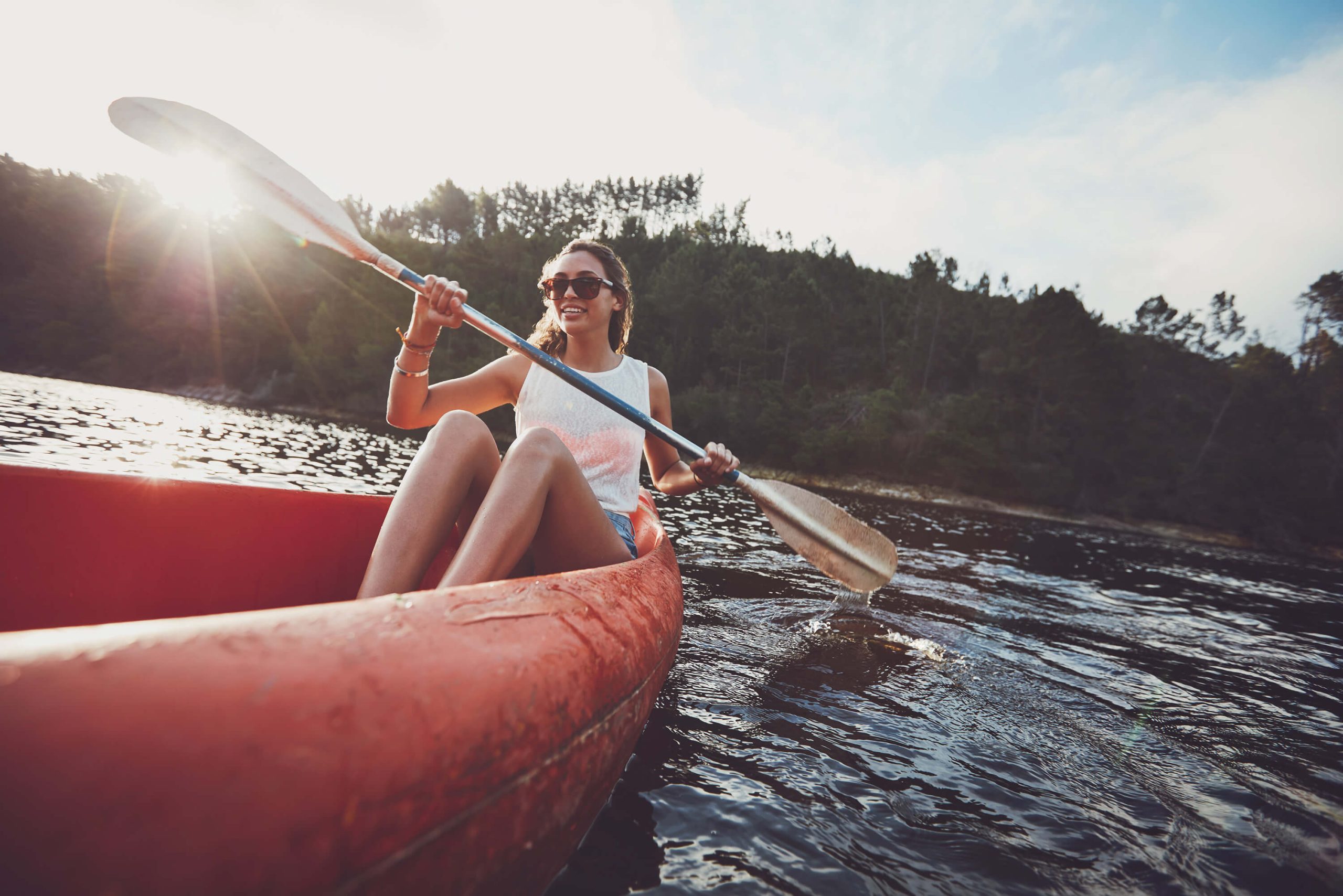
Fishing the Shiawassee River adds a dynamic element to your camping trip, introducing flowing-water tactics, scenic floats, and access to stretches of water unreachable from the road. Float trips expand your fishing range and often reveal productive pockets of water that bank fishing might miss, increasing your chances of a catch. On-site canoe and kayak rentals make this access practical for families who prefer a guided, self-launch experience over the hassle of transporting their own boats. Incorporating river floats into your itinerary transforms a lakeside weekend into a multi-environment angling adventure that appeals to a wide range of skill levels.
When available, on-site rental partners significantly simplify logistics, a topic we’ll explore in practical terms in the next section.
Are There Designated Fishing Areas at Campground Lakes?
Many campgrounds set aside specific areas for fishing and enforce catch-and-release rules to promote sustainable recreation and ensure safety for families. Designated zones concentrate angling activities away from swimming areas and playgrounds, minimizing conflicts and keeping protocols clear for guests. The result is enhanced safety and responsible stewardship: anglers know where to fish, and families know where children can play without worry. Practically speaking, adhering to posted rules and using proper bait containment helps protect water quality and ensures everyone enjoys a respectful outdoor experience.
What Accommodation Options Support Fishing Adventures in Michigan Campgrounds?
Your choice of accommodation—RV sites, tent sites, or cabins—impacts your proximity to fishing access, how you manage your gear, and overall family comfort during angling-focused trips. RV sites typically offer drive-up convenience and hookups for refrigeration, tent sites provide closer shoreline experiences and a more immersive natural feel, and cabins offer secure storage, protection from the elements, and comforts that make multi-day family trips easier. The trade-off is simple: convenience and amenities versus shoreline intimacy and immersion. Use the table below to match your accommodation type to your angling priorities and family needs.
This comparison helps clarify your selection based on priorities, guiding you to reserve the right site for your fishing goals.
How Do RV Sites Provide Convenient Access to Fishing Spots?
RV sites offer convenient access by allowing anglers to park close to the water, keep their gear onboard, and utilize power for bait storage and keeping catches fresh, which supports longer, multi-day fishing pursuits. The key advantage is reduced transit time: an angler can return to their rig between casts, maintain live bait, and prepare meals without the daily need to pack and unpack. This convenience is particularly beneficial for targeting dawn and dusk feeding periods when timely access is crucial. When booking, prioritize waterfront or near-water RV loops to minimize walking and maximize your fishing time.
What Are the Benefits of Tent Camping Near Fishing Lakes?
Tent camping places anglers and families just a short walk from shorelines, increasing spontaneous fishing opportunities and immersion in natural surroundings. This works because of its immediacy—fishing sessions can begin right from your tent site, and children can learn the basics close to where you’re sleeping. Tent sites are perfect for lightweight, family-friendly trips where shoreline proximity and the sounds of nature at night are part of the experience. Pack simple safety gear and low-profile lighting to protect wildlife and keep your family comfortable.
Why Choose Cabins for a Comfortable Fishing Getaway?
Cabins provide sheltered, secure storage for your gear, predictable sleeping arrangements, and cooking facilities that streamline multi-day family trips focused on fishing. The advantage here is comfort—when weather or young children make tenting less practical, cabins allow you to maintain your fishing agenda while reducing stress. This balance helps families extend their stays into the shoulder seasons and keep up with regular meal preparation. Book cabins early for peak fishing seasons to ensure you secure a spot close to your preferred water access points.
How Can Families Enjoy Fishing Activities at Michigan Campgrounds?
Families can make the most of fishing at campgrounds by combining short, supervised sessions with playful activities and simple instruction tailored for various ages and attention spans. The approach involves modular programming: brief learning segments, kid-sized tackle, and timed events keep engagement high while teaching essential skills. The benefits include boosted confidence for new anglers, shared memories, and an easy introduction to conservation-minded practices like catch-and-release. The following list offers ready-to-implement activity ideas that parents and campground staff can easily organize.
- Pond Dipping and Identification: Short, supervised sessions to observe aquatic life and teach species identification.
- Timed Kids’ Fishing Events: Gentle competitions with small prizes designed to encourage participation.
- Casting Practice Stations: Safe, land-based casting drills to build confidence before trying it at the shoreline.
These activities make fishing accessible and enjoyable for children while reinforcing safety and stewardship principles, leading us to options for lessons and instruction.
What Kid-Friendly Fishing Activities and Events Are Offered?
Common kid-friendly activities include brief pond sessions, timed fishing events, and casting practice areas that introduce the basics in a low-pressure environment. These programs work by breaking down learning into short, successful experiences that build skills and enjoyment. The result is increased participation from younger campers and memorable first catches that encourage return visits. Check a campground’s event schedule for dates and planned family events to align your stay with kid-focused programming.
Are Fishing Lessons Available for Beginners at Campgrounds?
Some campgrounds or their local partners offer beginner lessons covering knot-tying, bait selection, and casting fundamentals, while other locations can direct guests to local guides for more in-depth instruction. The core of these lessons is structured skill transfer—short sessions teach essentials that improve early success and reduce frustration. If on-site lessons aren’t available, local resource lists and guide referrals can fill the gap and provide targeted coaching. Ask camp staff or local rental providers for information when planning a trip focused on beginners.
How Do Family Fishing Experiences Create Lasting Memories?
Family fishing trips become cherished memories through simple traditions—group photos with small catches, shared campfire stories about the day’s highlights, and a quick post-fish snack routine that ties the activity back to family time. These practices work by creating repeatable moments that children associate with adventure and bonding. Encouraging safe catch-and-release and documenting trips with photos preserves experiences without harming local fisheries. Ask campgrounds about guest photo features or submission options to share your memories and inspire future visits.
What Local Resources Support Fishing Adventures Near Michigan Campgrounds?
Local resources—license vendors, bait shops, and rental providers—make fishing trips practical by supplying necessary permits, tackle, and watercraft for expanded access. The mechanism is logistical support: quick license purchases and nearby bait reduce friction, while rentals allow families to fish rivers without needing to own boats. Below is a concise overview of typical resources, their services, and how campers usually access them to simplify planning before arrival.
This resource table helps campers identify what to secure before arrival and what to obtain locally. The final H3 explains how rentals improve river fishing logistics.
Where Can You Obtain Michigan Fishing Licenses Near Durand?
Fishing licenses for Michigan can be obtained through the state portal or authorized vendors; checking current regulations before your trip ensures compliance with seasons and size limits. The process is straightforward: purchase the correct license type for adults or youth and verify species-specific rules to avoid penalties. Many campers buy licenses online in advance or at local sporting goods stores near campgrounds, saving time on arrival day. Confirm license requirements for children and any seasonal exceptions when planning.
What Are the Best Bait Shops and Fishing Gear Rentals Nearby?
Local bait shops and rental providers offer live bait, tackle, and temporary gear for anglers who travel light or forget essentials. Calling ahead is recommended to confirm inventory and rental availability. These businesses act as logistical hubs, offering seasonal recommendations and sometimes shuttle or launch advice for river trips. The practical tip is to call before you arrive and ask about recommended tackle for the campground’s waters. This helps avoid wasted trips and ensures you have the right gear for the species and conditions.
How Do Canoe and Kayak Rentals Enhance River Fishing Trips?
Canoe and kayak rentals expand river fishing access by enabling anglers to reach fishable water pockets that are otherwise inaccessible from shore. Rentals often include basic safety equipment and guidance on launching. The advantage is mobility—rentals allow families to float multiple productive stretches in a day without the need to own boats, reducing costs and storage concerns. On-site providers make launches and pick-ups simple, which is ideal for family trips and groups with mixed abilities. At properties with rental partners, consider scheduling a float during prime feeding times for the best fishing opportunities.
Walnut Hills Family Campground offers on-site float trip options and partners with an on-property canoe rental service to help guests access the Shiawassee River for family-friendly river fishing. If you’re looking for a fishing-focused stay, reserve your campground site or cabin in advance through the campground’s booking channel to secure proximity to water and rental services.
Frequently Asked Questions
What is the best time of year for fishing at Michigan campgrounds?
The prime time for fishing at Michigan campgrounds generally runs from late spring through early fall. During this period, fish are more active due to warmer water temperatures, making them easier to catch. Spring is particularly good for targeting species like bass and panfish as they spawn. Late summer and early fall also offer excellent opportunities, especially during the early morning and late evening feeding times. Always consult local regulations for specific seasons and limits to ensure a successful fishing trip.
Are there any fishing tournaments held at Michigan campgrounds?
Yes, many Michigan campgrounds host fishing tournaments, particularly during peak fishing seasons. These events often cater to families and beginners, fostering a fun and competitive atmosphere. Tournaments may include categories for different age groups or skill levels, and they frequently offer prizes for the biggest catch or the most fish caught. To participate, check the campground’s event calendar or contact management for details on upcoming tournaments and registration requirements.
What safety measures should families take while fishing at campgrounds?
Safety is paramount when fishing, especially for families with children. Always supervise kids near water and ensure they wear life jackets if they are on boats or near deep areas. Teach children about fishing safety, including how to handle hooks and bait properly. Additionally, use sunscreen and insect repellent to protect against sunburn and bug bites. Familiarize yourself with the campground’s rules regarding fishing areas and wildlife to ensure a safe and enjoyable experience for everyone.
Can families fish from boats at Michigan campgrounds?
Yes, many Michigan campgrounds permit fishing from boats, and some even provide boat rentals for guests. Fishing from a boat can grant access to deeper waters and areas that are out of reach from the shore. When planning to fish from a boat, ensure you have all necessary safety equipment, such as life jackets and a first aid kit. Always review the campground’s specific rules concerning boat usage and fishing to ensure compliance and safety during your trip.
What types of fishing gear are recommended for families fishing at campgrounds?
For families fishing at campgrounds, lightweight and easy-to-use gear is highly recommended. Spinning rods and reels are ideal for beginners due to their user-friendliness and versatility. Children can benefit from shorter rods that are easier for them to handle. Basic tackle, including hooks, bobbers, and sinkers, along with live bait or lures suitable for the targeted species, should be part of your kit. Consider bringing a tackle box for organization and a cooler for storing any fish you catch. Always check local regulations for any gear restrictions.
Are there any age restrictions for fishing at Michigan campgrounds?
Age restrictions for fishing at Michigan campgrounds generally align with state regulations. Typically, children under 17 do not require a fishing license, but they must be accompanied by a licensed adult. Some campgrounds may have specific rules for youth fishing events or programs, so it’s advisable to check with the campground management for any additional guidelines. Encouraging children to fish can foster a love for the outdoors and create lasting family memories.
What should families do if they encounter wildlife while fishing?
If families encounter wildlife while fishing, it’s important to remain calm and maintain a safe distance. Many animals, such as deer or birds, are harmless but can become defensive if they feel threatened. Teach children to observe wildlife quietly and to avoid approaching or feeding them. If you encounter larger animals, like bears or snakes, back away slowly and avoid sudden movements. Always follow campground guidelines regarding wildlife interactions to ensure the safety of both your family and the animals.
Conclusion
Choosing Michigan campgrounds that cater to fishing enthusiasts offers families a unique blend of outdoor adventure and convenience, ensuring memorable experiences for all ages. With on-site fishing opportunities, family-friendly amenities, and readily available local resources, these campgrounds simplify planning and enhance enjoyment. By reserving your spot at a campground like Walnut Hills, you can secure easy access to both fishing and recreational activities. Start planning your family fishing getaway today and create lasting memories in Michigan’s beautiful natural settings.