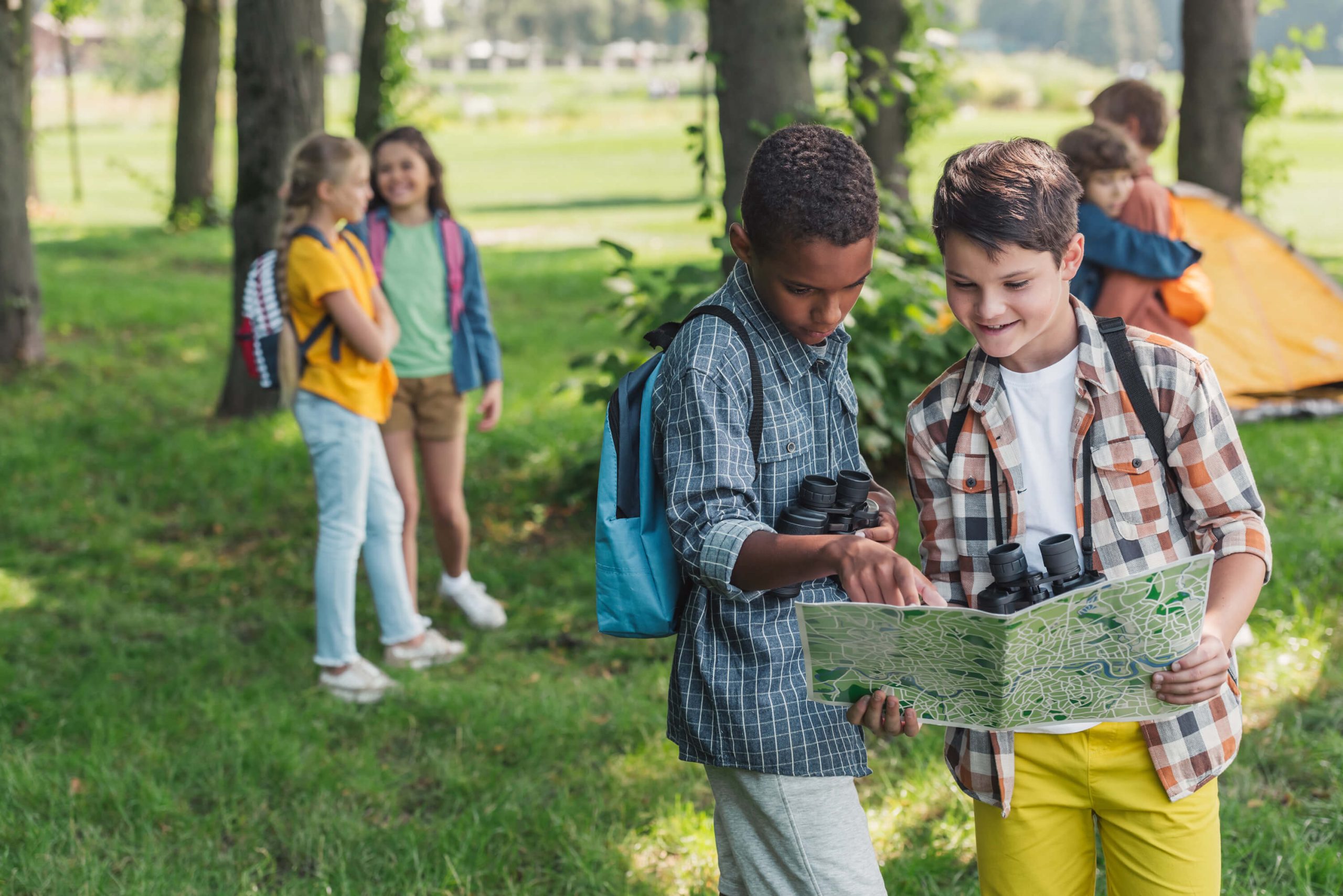
Michigan Camping Built for Families
Camping with little ones is easier when a site is designed around safety, simple entertainment, and convenience. This guide breaks down the campground features that matter most for toddlers and early-elementary kids, how those features keep play safe and engaging, and the right questions to ask before you book. If you’re searching for “what amenities do Michigan campgrounds offer for families with young children,” “kid-friendly campgrounds Michigan,” or “campgrounds with fishing for kids Michigan,” you’ll find checklists, clear comparisons, and real examples that make choosing a family-friendly stay straightforward. We point to water-play options, playground design, beginner fishing setups, lodging choices, kids’ programming, and comfort conveniences like clean bathhouses and dependable connectivity. See a local example with The Oaks Campground by GatherGrounds to understand how a Michigan property layers these amenities for families. Read on by section to learn what to look for, how to compare sites, and which on-site features genuinely support family stays.
What Are the Must-Have Water-Based Amenities for Families at Michigan Campgrounds?
Water-based amenities—swimming lakes with gentle beaches, shallow wading areas, splash pads, and inflatable play courses—give kids age-appropriate play and sensory time while letting parents supervise with confidence. The best designs use graduated depth zones, clear sightlines, and staffed swim windows so families can relax and extend play beyond the shore. Parents tend to look for gradual beach entries, lifeguard coverage, accessible flotation gear, and predictable swim schedules because those features reduce drowning risk and build water confidence in new swimmers. Knowing the differences between lakes, pools, and Wibit-style inflatables helps you pick a campground that suits your child’s age, supervision needs, and appetite for active water play. Below are the top water features worth prioritizing when you pick a Michigan campground.
Top water amenities families should prioritize:
- Shallow swimming area with gradual beach entry: Lets toddlers move in and out of the water easily while caregivers stay close.
- Lifeguard-monitored swim times: Gives trained oversight and predictable windows for planning family swim sessions.
- Separate toddler splash pad or wading pool: Provides water play without deep-water risk and supports sensory exploration.
- Inflatable water features (Wibit-style) with age restrictions: Adds active fun for older kids while keeping younger children safer elsewhere.
- On-site life jackets and flotation aids: A practical backup for families who forget gear or prefer extra safety.
Combined, these elements create layered aquatic options for different ages and abilities—now let’s look at how common water-amenity types compare.
Intro to table: The table below compares common water-amenity types by safety profile, age suitability, supervision needs, and what families should bring or expect on-site.
How Does The Oaks Campground’s Swimming Lake and Planned Wibit Water Park Enhance Family Fun?
The Oaks Campground by GatherGrounds centers a swimming lake with a sandy beach that offers a gentle, gradual entry—perfect for toddlers taking first splashes and for caregivers who want easy visual supervision. The shallow nearshore area doubles as a play and sand-building zone, so kids can alternate water time with quieter beach play. The campground plans to add a Wibit-style inflatable water park in 2025, creating a supervised, age-segmented option for older kids that complements the calm lake areas. A typical family day might include a morning wade and practice lesson, nap time in a cabin, then supervised inflatable play during staffed hours. For mixed-age families, The Oaks shows how combining mellow water zones with more active attractions meets different needs in one family-oriented setting.
Why Are Safe Swimming Areas and Water Parks Essential for Young Children at Campgrounds?
Well-designed swimming areas and structured water play matter because young children build motor skills and water confidence through gradual exposure. Safety measures—lifeguards, clearly marked depths, available flotation devices, and shaded rest areas—create predictable environments where parents can supervise with less anxiety and children can learn new skills. Beyond recreation, structured water play supports balance, coordination, and social habits like waiting turns and following simple rules, so water areas become developmental play spaces as well as fun spots. Before you book, ask about lifeguard coverage, toddler-only zones, and available safety equipment—those details shape how long and how safely your kids can enjoy the water.
Which Playgrounds and Outdoor Play Areas Are Best for Kids at Michigan Family Campgrounds?
The best playgrounds for families mix age-separated equipment, soft surfacing, clear sightlines, and shaded caregiver seating so play lasts longer and supervision is easier. Age zoning keeps toddlers away from bigger kids, impact-absorbing materials reduce injuries, and accessible features like ramps and adaptive swings let more children join in. Thoughtfully designed nature-play elements—logs, sand, loose parts—encourage creativity and gross-motor development beyond standard swings and slides. The short checklist below helps you evaluate playgrounds quickly when choosing a campground.
Playground evaluation checklist:
- Age zoning: Is there a dedicated toddler area separated from older-kid equipment?
- Surfacing: Is impact-absorbing surfacing installed under play equipment?
- Shade and seating: Are benches and shade positioned with clear sightlines to the play area?
- Inclusive features: Are ramps, transfer platforms, or adaptive swings available?
- Creative play elements: Does the area include natural features like logs, sand pits, or loose parts?
This checklist makes it easier to spot playgrounds that reduce risk and boost developmental play—next, compare common playground elements and their benefits.
Intro to playground table: The table below compares typical playground elements and the main benefits they offer young children at family campgrounds.
What Unique Playground Features Does The Oaks Campground Offer for Different Age Groups?
The Oaks spreads several playgrounds across its site so younger toddlers can stay near family cabins while older children explore more challenging structures near group areas. Toddler zones focus on low platforms, gentle slides, and sensory features like sand and water tables to build fine-motor skills and parallel play. Equipment for preschool and early-elementary kids adds climbing, ropes, and balance elements that develop coordination under caregiver supervision. Benches and shade next to each play area keep adults close by, and distributing play spaces reduces crowding—helpful when parents supervise kids of different ages. These choices at The Oaks reflect a clear strategy: separate play by age so everyone gets safe, appropriate playtime.
How Do Creative Outdoor Games and Activities Support Child Development at Campgrounds?
Creative activities—scavenger hunts, obstacle circuits, nature art, and simple team games—mix movement with thinking and social skills. Activities tied to local ecology, like leaf ID or insect hunts, teach observation and stewardship while keeping kids curious. Short, structured games also help children learn rules, take turns, and manage emotions—skills useful beyond the campground. These activities are low-cost, scalable by age, and easy for staff or caregivers to lead, making them high-value additions to any family-focused site.
How Do Family-Friendly Fishing Opportunities Enrich the Camping Experience for Young Children?
Fishing introduces kids to patience, fine-motor skills, and outdoor observation in a low-pressure setting. Child-friendly fishing setups—shallow shorelines, short rods, bobbers, and stocked ponds—help kids experience early success, which builds confidence and interest. Fishing also creates quiet bonding moments and makes for simple, memorable family rituals. Look for campgrounds that provide beginner gear or short intro sessions, and check local rules in advance—those small logistic details make it easier to try fishing during your stay.
Intro to benefits list: Family fishing offers benefits beyond the catch.
- Skill-building: Fishing grows hand-eye coordination and procedural learning.
- Bonding time: Quiet shared moments encourage conversation and connection.
- Low-cost entertainment: Simple gear and a stocked pond provide hours of engagement.
What Makes The Oaks Campground’s Fishing Pond Ideal for Beginner Young Anglers?
The Oaks provides a fishing pond with easy shore access and family-friendly rules so children can learn basic angling without leaving shallow areas. Short rods and simple rigs work well here, and the shorelines offer clear sightlines to nearby amenities so caregivers can supervise while others visit the camp store or playground. The pond’s typical panfish and stocking practices usually produce frequent bites, which helps young anglers see early success. A quick “first-fishing” checklist—pack a simple rod, use bobbers and small bait, bring sunscreen and life jackets for nearshore play—keeps preparation light and stress-free.
What Are Michigan Fishing Regulations Families Should Know When Camping?
Michigan fishing rules cover licensing, seasons, size and bag limits, and occasional local exceptions that support sustainable fisheries and safe family recreation. Children under 17 are generally exempt from license requirements, but double-check current age thresholds and any campground-specific stocking programs. Many sites encourage catch-and-release in small ponds or sensitive seasons—learn basic handling and release to protect fish health. For the latest details, consult state resources before your trip and ask campground staff about any site rules so your family’s plans arrive with no surprises.
What Accommodation Options Best Suit Families With Young Children at Michigan Campgrounds?
Your choice of cabin, RV site, or tent pitch shapes comfort, convenience, and safety. Cabins offer climate control and private bathrooms, RV sites give vehicle-based sleeping and hookups, and tent camping delivers a true outdoors experience with lower cost. Families with very young children often prefer cabins or RVs for predictable sleep spaces and easier night-time care, while others choose tent sites near restrooms and playgrounds to balance authenticity with practicality. Prioritize accessibility, proximity to bathrooms, and distance from busy roads when you pick a site—those details matter for safety and parental peace of mind. The table below summarizes common lodging types to help you match priorities to options.
How to Choose the Best Cabin or RV Site for Your Family at The Oaks Campground?
Pick a cabin or RV site close to the lake, playgrounds, and bathhouse so daily transitions are short and supervision is easier. Look for shaded sites with convenient parking for quick gear loading, and favor pull-through RV sites or cabins with easy access to reduce tight maneuvers with kids in tow. If you want quieter evenings, avoid sites near group pavilions or main event areas. When booking, request family-friendly loops and confirm nearby conveniences—restrooms, the camp store, and playgrounds—to keep routines smooth and reduce caregiver fatigue.
What Are the Benefits of Tent Camping Versus Cabin Rentals for Families?
Tent camping gives a hands-on nature experience that builds resilience and curiosity at lower cost, while cabins offer predictable shelter, comfortable beds, and easier night care—especially helpful with infants and toddlers. If you choose tenting, aim for a site near restrooms, bring a pop-up privacy shelter for naps or changing, and consider a portable crib for safe sleep. Weigh the immersive learning and budget benefits of tenting against the convenience and lower stress of cabins or RVs to decide what fits your family this trip.
What Organized Activities and Entertainment Are Available for Kids at Michigan Campgrounds?
Organized activities—weekend events, themed crafts, evening movies, nature programs, and supervised games—give families ready-made structure and social opportunities while easing planning for parents. Good programming offers age-targeted sessions (toddler crafts, elementary scavenger hunts) that build social skills, creativity, and nature knowledge. Since schedules shift by season, check event calendars before you go and plan to arrive for marquee activities that match your kids’ interests. Below are typical programs and why families value them.
Common organized activities at family campgrounds:
- Crafts and maker sessions: Short, supervised projects that boost fine-motor skills and creativity.
- Guided nature walks and interpretive talks: Teach local plants and wildlife while promoting low-impact recreation.
- Scavenger hunts and adventure games: Encourage exploration, teamwork, and problem-solving.
- Evening family movies or singalongs: Predictable wind-down activities that bring families together.
How Do The Oaks Campground’s Weekend Events and Themed Activities Engage Young Campers?
The Oaks programs weekend events and themed activities that reach a range of ages—simple crafts and short games for toddlers, scavenger hunts and family bingo for older kids—usually held near pavilions to centralize supervision. Sessions are short and focused so little ones stay engaged, and themed weekends tie crafts, songs, and nature activities together to make planning easier for families. Predictable programming gives parents built-in entertainment options while kids meet peers and practice social skills in a safe setting.
What Nature Programs and Educational Fun Can Families Expect at Michigan Campgrounds?
Expect guided walks highlighting local plants and animals, kid-friendly ecology lessons, pond dipping with nets, and simple citizen-science projects that teach observation and reflection. These programs use the campground’s setting to introduce scientific thinking—observe, hypothesize, and reflect—while keeping activities hands-on and age-appropriate. Bringing binoculars, a small field notebook, and comfy shoes can boost your child’s engagement, and parents can keep the learning going with follow-up journaling or photo projects after the trip.
How Do Connectivity and Comfort Amenities Improve Family Camping Experiences in Michigan?
Thoughtful connectivity and comfort features—reliable Wi‑Fi in common areas, clean family bathhouses with private stalls, and a stocked camp store—remove small hassles and help families stick to routines. Realistic expectations about Wi‑Fi coverage and speed let you plan device use for safety checks or a quiet movie during naps. High-quality bathhouses with private family rooms, hot water, and child-height fixtures make diapering and dressing easier. A well-stocked camp store that carries sunscreen, swim diapers, and quick snacks prevents extra drives and keeps days flexible. The table below helps weigh how these conveniences support family stays.
Intro to connectivity table: This table helps families weigh how Wi‑Fi, bathhouse quality, and camp store offerings influence daily convenience during a campground stay.
What Wi-Fi and Modern Facilities Does The Oaks Campground Provide for Families?
The Oaks offers centralized Wi‑Fi in common areas and an on-site camp store to ease everyday logistics—checking the weather, coordinating meetups, or grabbing essentials without a long drive. Wi‑Fi tends to be strongest near the office and pavilion, so plan heavier use in those spots and expect slower speeds elsewhere. Key facilities like the camp store and restrooms are placed near high-traffic family areas to shorten trips with little ones and make snack or gear runs quick and simple. For many families, reliable communal Wi‑Fi and conveniently located facilities make a big difference in comfort and peace of mind.
How Do Clean Bathhouses and Camp Stores Enhance Convenience for Families With Young Children?
Clean bathhouses and a stocked camp store remove small but stressful obstacles—private changing stalls, step-free access, child-height sinks, hot water, and secure changing tables simplify bathing and dressing, while a store that carries sunscreen, insect repellent, and swim diapers saves time and trips. Asking about specific bathhouse features and store inventory before arrival helps you pack smarter and avoid surprises on day one, keeping your family’s routine smooth throughout the stay.
Essential Amenities at Michigan Campgrounds for Families With Young Children Explained: Your Guide to Family-Friendly Camping Experiences
Bringing young children camping works best when a campground prioritizes safety, engagement, and convenience. This guide walks through the features that matter for toddlers and early-elementary kids, explains how those features keep play fun and safe, and lists questions to ask before booking so your stay supports both exploration and routine. If you’re searching for “what amenities do Michigan campgrounds offer for families with young children,” “kid-friendly campgrounds Michigan,” or “campgrounds with fishing for kids Michigan,” you’ll find clear checklists, comparisons, and examples that make it easier to choose a family-focused site. Throughout, we recommend water-play setups, playground design, fishing introductions, accommodation choices, kids’ programming, and comfort features like clean bathhouses and dependable connectivity. See The Oaks Campground by GatherGrounds for a practical example of how a Michigan property layers these amenities to support family stays. Read section by section to learn what to prioritize, how to evaluate options, and which on-site features make a campground truly family-friendly.
Frequently Asked Questions
What should families consider when planning a camping trip with young children?
Start by looking for campgrounds with child-focused amenities: safe swim areas, age-separated playgrounds, and scheduled kids’ activities. Match accommodation to your child’s needs—cabins or RV sites for predictable sleep, tent sites if you want a fuller outdoor experience—and pick a site close to restrooms and stores. Check the campground’s safety and supervision policies, and confirm programs for children so your trip stays fun and low-stress.
How can families ensure their camping experience is safe for young children?
Choose sites with well-kept facilities and clear safety rules. Look for lifeguarded swim times, age-appropriate playgrounds, and accessible first-aid options. Always supervise children near water and on play structures, and bring basic safety gear—life jackets, sunscreen, and a first-aid kit. Reviewing campground rules with kids before activities helps everyone stay safe and enjoy the day.
What types of organized activities are typically available for kids at campgrounds?
Common activities include crafts, guided nature walks, scavenger hunts, and evening family movies. Many campgrounds run themed weekends with coordinated crafts and games. Check the event calendar before you go so you can plan to attend the programs that match your children’s ages and interests.
How can families prepare for unexpected weather during their camping trip?
Pack layers, waterproof outerwear, extra blankets, and tarps for quick shelter. A reliable weather app or portable radio helps you stay informed. Bring indoor options—books, quiet games, craft kits—to keep kids occupied during a storm, and consider staying in cabins or an RV if you want extra protection from the elements.
What are the benefits of choosing a campground with organized kids’ programming?
Organized programming gives children structured play, social opportunities, and chances to learn about nature—all without extra planning from parents. Age-appropriate sessions let kids try new activities safely and meet other families, while parents get a little breathing room to relax or join in when they want.
How can families find campgrounds that cater specifically to young children?
Search family-friendly reviews, campsite directories, and local tourism sites that highlight kid-centered amenities. Look for filters for playgrounds, kid programs, and on-site stores. Personal referrals from friends or family who camp with children are often the best way to find places that truly prioritize young campers.
What should families pack for a camping trip with young children?
Pack clothing for changing weather, sturdy shoes, and swim gear if you’ll be near water. Bring sunscreen, insect repellent, and a well-stocked first-aid kit. For young kids, include a portable crib or cot, favorite comfort items, and simple snacks and meals to reduce prep time. Small extras like a pop-up privacy tent or lightweight stroller can make days easier.
Conclusion
Picking the right Michigan campground can turn a stressful trip into a smooth, memorable family getaway. Prioritize water areas with safe entries, age-appropriate playgrounds, beginner-friendly fishing, the lodging type that fits your family, and comfort features like clean bathhouses and a handy camp store. With the tips in this guide, you’ll be able to compare sites confidently and choose a place where kids learn, play, and parents can relax. Start planning your next family trip—and find the campground that fits your needs.