Top 5 Digital Marketing Strategies to Sell Your RV Resort Quickly
Selling an RV resort demands a sharp focus on marketing tactics designed to attract the right buyers, not just visitors. This guide unpacks what “digital marketing to sell a campground” truly means, how it connects with investor and operator buyers, and why a strategic online approach shortens timelines and can boost valuation. Owners looking to sell their RV park will discover five high-impact strategies: refining your online presence, using social media to connect with buyers, deploying paid ads for buyer intent, leveraging email sequences to qualify leads, and preparing the essential documentation and metrics buyers expect. This resource offers practical steps for each strategy, platform-specific targeting examples, budget and KPI recommendations, and preparation checklists to get your property offer-ready. Dive in for tactical templates, EAV tables for financial disclosures and ad targeting, and insights on when selling directly to a family-owned acquirer might be the best path for legacy-minded owners.
How Can You Optimize Your Online Presence to Sell Your RV Resort Faster?
Optimizing your online presence means crafting a buyer-centric digital profile that clearly presents the asset, demonstrates performance, and simplifies evaluation for prospective purchasers. This approach reduces friction in the initial screening process—buyers can self-qualify using photos, site maps, financial summaries, and virtual tours—ensuring only serious inquiries advance to calls and offers. The direct benefit is faster, higher-quality leads that convert to offers more quickly because buyers perceive lower due-diligence risk. Begin by establishing a dedicated “for sale” section on your website, presenting concise financial highlights, and providing direct download or inquiry pathways to capture buyer information for follow-up.
This H2 introduces three practical website and listing tactics that buyers value, starting with core website features that make properties easy to evaluate and moving on to GBP and visual media updates that build trust and minimize site visits.
What Website Features Attract Potential RV Resort Buyers?
A buyer-ready website emphasizes operational and financial clarity: one-page financial summaries, a downloadable information pack, and a scaled site map detailing parcel boundaries and site counts. Buyers are looking for NOI, historical occupancy trends, ancillary revenue streams, and explicit site counts— noting that parks with 130+ sites can be particularly appealing to certain acquirers. Include high-resolution photos categorized by asset type (lodging, utility infrastructure, amenity revenue generators) and a prominent contact CTA that prompts info-pack downloads or NDA requests. These elements enable investors to quickly assess viability and set valuation expectations, which in turn reduces low-quality inquiries and accelerates meaningful discussions.
Understanding how local discovery influences buyer interest leads to updating your local listings and Google Business Profile, which helps buyers find and trust your listing online.
How Does Updating Your Google Business Profile Help Market Your RV Park for Sale?
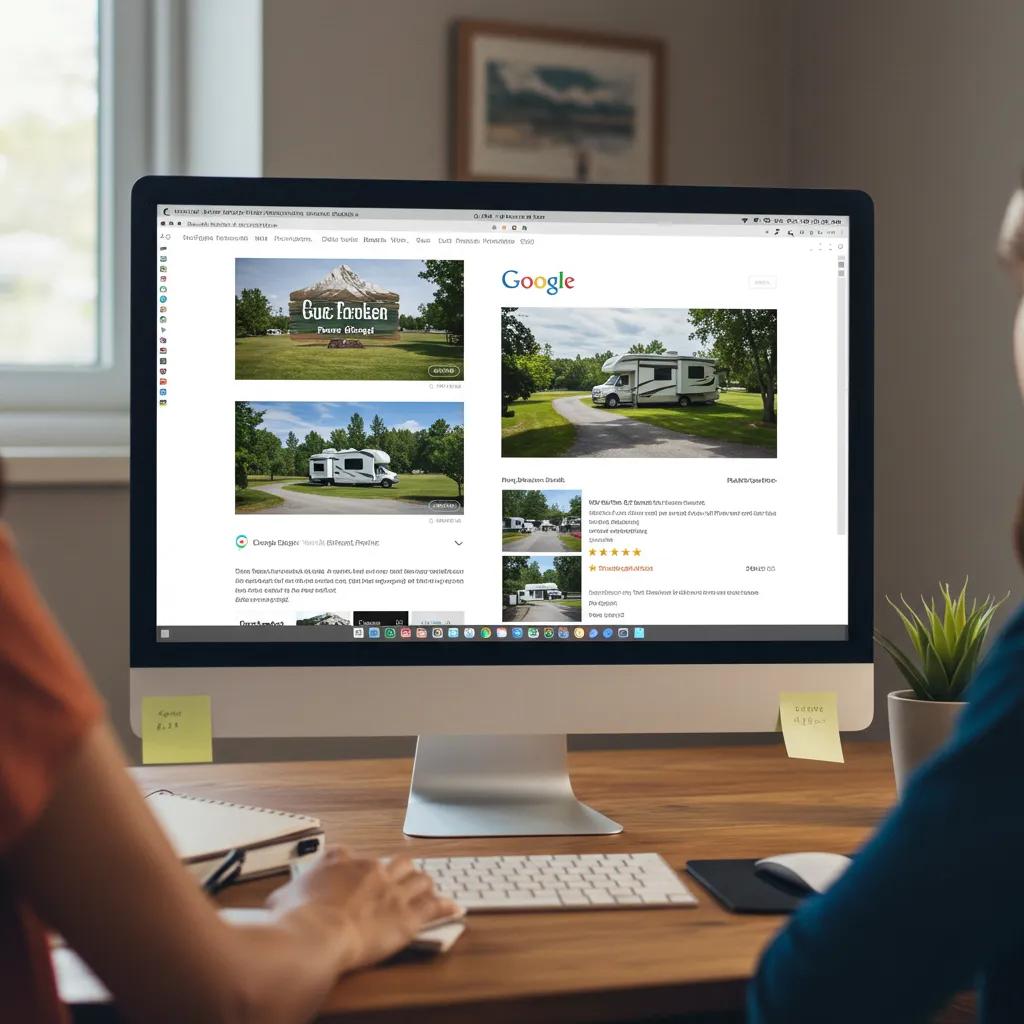
Updating your Google Business Profile (GBP) for sale purposes signals availability and centralizes buyer contact while safeguarding your public-facing reputation. Modify the business description to include a neutral sale note such as “property inquiries welcome,” add aerial and site-plan photos, and use GBP posts to announce availability with links to your info pack or virtual tour (hosted on your site). Avoid altering core categories that could confuse guest-facing searches; instead, supplement with sale-specific images and posts that attract operator searches and local investors. These updates enhance local visibility and credibility, helping active and passive buyers discover and validate the asset before reaching out.
With clearer listings, visual proof becomes the next priority: investors often rely on virtual tours and aerials to triage properties before scheduling site visits.
Why Are Virtual Tours and High-Quality Photos Essential for RV Resort Advertising?

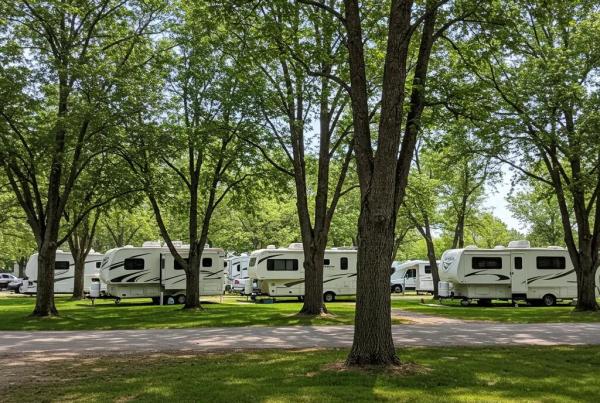
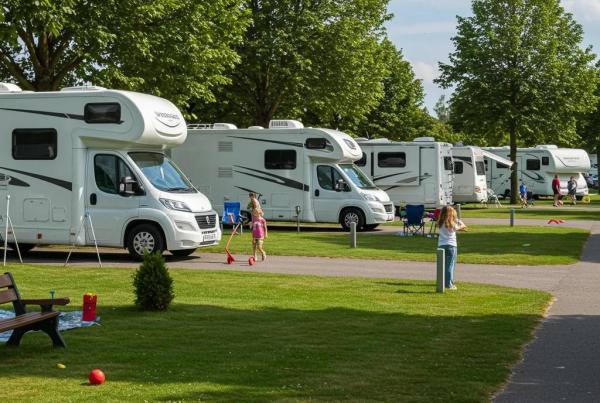
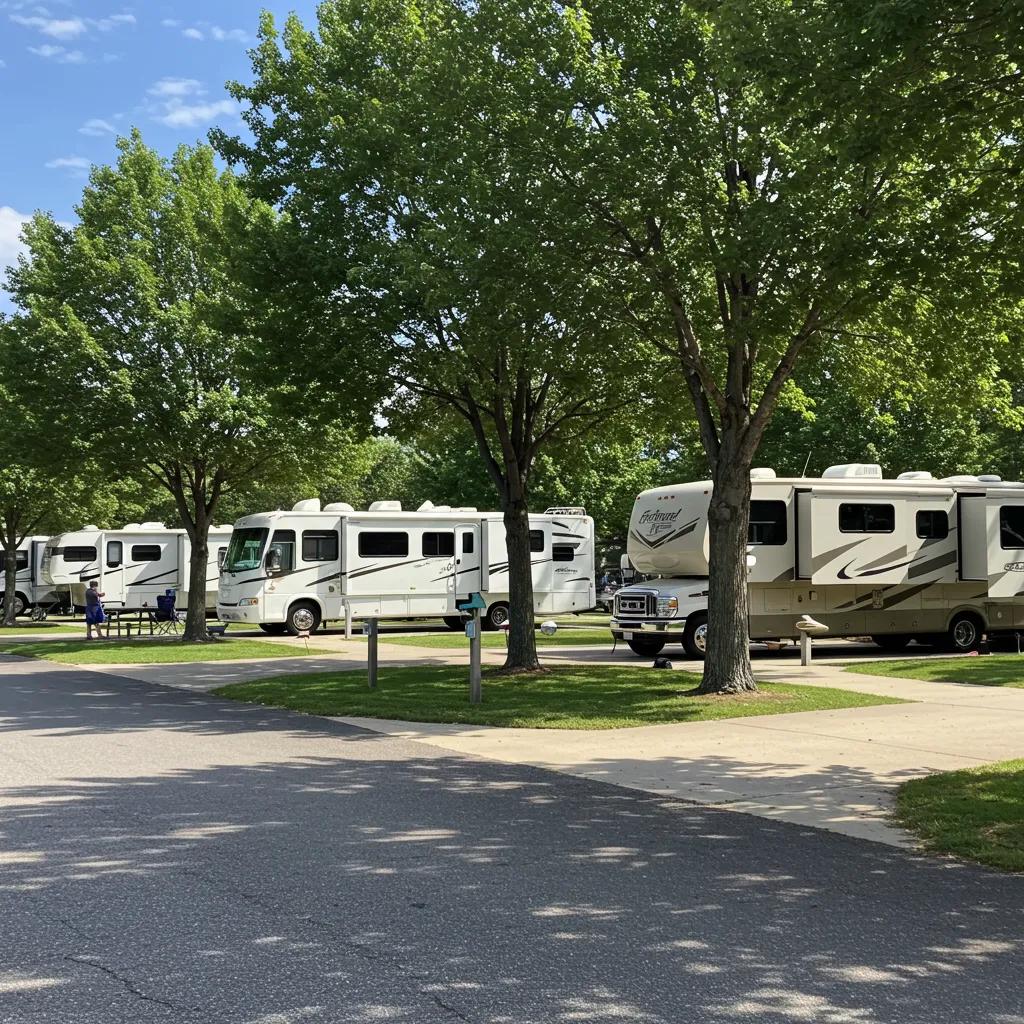
Virtual tours and high-resolution aerials allow buyers to evaluate layout, density, circulation, and expansion potential without an initial site visit, shortening the sales cycle and focusing visits on qualified buyers. Drone imagery communicates parcel boundaries and on-site infrastructure at a glance, while 360-degree tours showcase condition and amenity quality—both are used by buyers to estimate capex and repositioning work. Produce labeled photo sets (roads, utilities, restroom facilities, key revenue-driving areas) and host tours embedded on your “for sale” landing page with download options for qualified viewers. Providing these visuals upfront builds buyer trust and enables faster valuation conversations.
These visual assets also feed into targeted outreach on social platforms where buyers and operators spend professional time.
What Are the Best Social Media Marketing Strategies to Reach RV Resort Buyers?
Social media for selling an RV park shifts from consumer-focused storytelling to buyer-focused value propositions that highlight revenue, growth potential, and operational fit. The mechanism is purpose-driven content plus targeted amplification: post investor-oriented snapshots, promote them to operator audiences, and use professional networks to create introductions and warm leads. The result is a broader, targeted buyer pool reached more quickly than relying solely on broker lists, and social proof that your property is visible to active operators. Use a mix of professional outreach, industry groups, and paid placements to surface the asset to those most likely to transact.
The following H3 subsections compare platforms, explain how to frame your unique selling points for buyers, and give engagement tactics for LinkedIn and Facebook to invite direct inquiries.
Which Social Platforms Are Most Effective for Selling Campgrounds and RV Parks?
Different platforms reach different buyer personas: LinkedIn targets operators, investment managers, and corporate buyers; Facebook reaches owner-operators and private investors through groups and Marketplace exposure; Instagram supports visual storytelling for buyers who prioritize aesthetic improvements or guest experience-driven repositioning. Use LinkedIn posts and targeted Sponsored Content to reach decision-makers by title and company size, while Facebook groups and targeted ads can find small-chain operators and local buyers. Tailor post format by platform—data-driven posts for LinkedIn, image-rich opportunity teasers for Facebook and Instagram—to increase the likelihood of meaningful outreach.
Choosing the right platform naturally connects to the message: your social copy must emphasize business performance and growth potential rather than guest experiences alone.
How Can You Showcase Your RV Resort’s Unique Selling Points on Social Media?
Craft buyer-focused messaging that foregrounds NOI drivers, ancillary revenue (store, laundry, events), seasonal occupancy patterns, and expansion potential. Use short templates that lead with a business fact, add a one-line growth case, and finish with an invitation to request the info pack. Label visuals to call out infrastructure and revenue sources, and include data slides showing occupancy trends or ADR where appropriate. These elements help investors quickly understand the opportunity and motivate them to request more detailed financials or a tour.
Positioning your content for buyer engagement leads into outreach and advertising tactics that directly target professional buyers.
What Are Proven Tactics to Engage Investors and Buyers on LinkedIn and Facebook?
Direct outreach works when it’s targeted and personalized: use LinkedIn InMail to reach owners/operators by title and company size, share succinct deal teasers to industry groups, and promote posts to lookalike audiences modeled on known buyer profiles. Combine sponsored posts with organic participation in owner/operator forums and share downloadable one-page summaries as lead magnets. Monitor engagement and prioritize replies from users with firmographic signals matching buyer criteria for faster qualification. These tactics convert visibility into actionable leads that can be nurtured by email and direct outreach.
The next strategy—paid advertising—scales these tactics and accelerates buyer discovery with intent-based capture mechanisms.
How Does Paid Advertising Accelerate the Sale of Your RV Park?
Paid advertising accelerates a sale by actively placing your listing in front of buyers with demonstrated intent or the right firmographic profile, reducing the time it takes to generate qualified inquiries. The mechanism combines search intent capture, professional audience targeting, and retargeting to keep the opportunity top of mind; the result is higher-quality leads that enter your pipeline faster. Deploy search ads for buyer-intent keywords, LinkedIn for firmographic reach, and retargeting to remind prospects who visited your info pack or virtual tour. Proper conversion tracking ties ad spend to qualified lead outcomes so you can scale what works.
Below are tactical answers for campaign types, targeting criteria, and budget guidance to help you plan ad programs that reach buyers efficiently.
What Types of PPC Campaigns Work Best for RV Resort For Sale Advertising?
Search campaigns are best for capturing active buyers searching specific phrases like “buy RV park” or “campground for sale,” while LinkedIn campaigns reach professional buyers by job title and company size. Display and programmatic campaigns are useful for awareness among investor audiences and remarketing to site visitors who engaged with your asset pages. Use search to capture intent, LinkedIn for firmographic precision, and display/retargeting to sustain recall among warm prospects. Together, these campaign types create a funnel that moves buyers from discovery to qualification.
To make these campaign types actionable, below is a compact EAV-style table of ad types, targeting criteria, and buyer use cases for quick reference.
Intro: The table below compares common ad types and recommended targeting to reach operators, investors, and brokers who might buy an RV park.
This comparison shows how mixing intent-based and firmographic targeting focuses spend on buyers most likely to transact.
How Do You Target Potential Buyers Using Demographics and Keywords?
Use firmographic filters such as job title (owner, operator, general manager), company size (multi-park operators), and geography aligned with your market to reach likely acquirers. Pair these with keyword sets like “buy RV park”, “campground acquisition”, and “RV resort for sale” while excluding guest-focused phrases like “campground rates” to avoid low-intent traffic. For LinkedIn, target companies in outdoor hospitality or related service groups; for search, prioritize long-tail buyer-intent queries. This combination improves lead quality and reduces wasted ad spend by aligning ad exposure with true buyer signals.
A disciplined budget and CPA target help translate these targeting choices into measurable outcomes and guide campaign scaling.
What Budgeting Tips Maximize ROI on Digital Ads for Selling Campgrounds?
Allocate a larger share of initial budget to Search and LinkedIn because they capture higher-intent and higher-quality buyer leads, and reserve a portion for display retargeting to maintain awareness. Start with test budgets and measure cost per qualified buyer lead (e.g., info pack download + buyer qualification) rather than raw lead volume; this metric informs scaling decisions. Use conversion tracking tied to downloads, NDA requests, and inquiry forms to evaluate channel performance and apply bid strategies focused on value-based outcomes. Begin conservatively, validate lead quality, then increase spend on the channels showing higher qualified-conversion rates.
Scaling paid programs depends on consistent measurement, which leads to the KPI framework discussed later.
How Can Email Marketing Help Nurture Leads When Selling Your RV Resort?
Email marketing nurtures interested parties by delivering progressive information—from teaser content to detailed financial packs—that qualifies buyers and prompts offers. The mechanism is sequential trust-building: initial outreach creates interest, follow-ups provide deeper documentation (financial snapshots, virtual tour invites), and personalized messages convert curiosity into site visits or offers. The benefit is a streamlined qualification process where sellers can prioritize high-potential buyers and reduce time wasted on unqualified inquiries. Email sequences also create a paper trail that supports confidentiality and efficient follow-up.
The H3s below present specific email campaign types, list-building and segmentation tactics, and why personalization matters for converting prospects into qualified buyers.
What Are Effective Email Campaigns to Attract RV Park Buyers?
Three high-impact email types convert prospects: a short teaser email that highlights top investment points, an informative follow-up with financial snapshot and downloadable info pack, and a virtual tour invitation that includes scheduling links for site visits. Sample subject lines include “Investment Opportunity: 130-site RV Resort with Strong NOI” and “Detailed Info Pack & Virtual Tour — [Property Name]”. Space emails over two weeks with 3–4 touches and prioritize follow-ups to recipients who download the info pack or complete the tour. These sequences move buyers from awareness to qualification with minimal friction.
After crafting emails, build and segment lists so each sequence targets the right buyer persona.
How Do You Build and Segment an Email List of Interested Buyers?
Build lists from industry directories, LinkedIn outreach, past inquiries, and targeted lead-gen campaigns; then segment by buyer type: investor, operator, broker, and geographic interest. Use lead magnet downloads (info pack or teaser financial snapshot) to capture qualification data such as acquisition criteria and budget range. Maintain a prospect status field (interest level, NDA signed, toured) to prioritize follow-ups and set cadence. Segmentation increases relevance and response rates because messages align with buyer motivations and stage in the funnel.
Segmentation ties directly to personalization, which raises conversion rates for sale-focused emails.
Why Is Personalization Key in Email Marketing for Campground Sales?
Personalization shows buyers you’ve matched the opportunity to their priorities—operators receive operational metrics and expansion potential while investors see NOI, cap rate scenarios, and revenue diversification. Use tokens for company name and prior engagement triggers (downloaded info pack, viewed tour) to tailor a short message that speaks to their profile. Personalization builds trust and encourages rapid responses from serious buyers who value concise, relevant information. Applying role-based value propositions makes your outreach feel like a targeted investment brief rather than generic marketing.
When email sequences identify qualified buyers, consider direct-sale options that can streamline the closing process for sellers who prioritize stewardship and continuity.
After explaining how email qualifies buyers, note a direct-buyer option that some sellers prefer: GatherGrounds Resorts’ acquisition program for campgrounds and RV parks accepts inquiries with a financial summary and offers a thoughtful transition for sellers.
What Are the Advantages of Selling Directly to a Family-Owned Buyer Like GatherGrounds Resorts?
Selling directly to a family-owned acquirer prioritizes stewardship, continuity, and a simplified negotiation process that can be faster than typical brokered transactions. The mechanism is direct engagement—owners negotiate with people who emphasize preserving property legacy and guest relationships—resulting in a transition that often retains staff and honors operational traditions. The specific benefits include lower transaction complexity, potentially lower advisory costs, and a focus on thoughtful transition rather than pure asset extraction. For sellers whose priority is legacy and community continuity, this route can be especially attractive.
The following H3 sections explain GatherGrounds’ transition benefits, acquisition criteria, and how this direct-sale option compares to brokered approaches.
How Does GatherGrounds’ Thoughtful Transition Benefit RV Resort Sellers?
GatherGrounds places emphasis on preserving the “heart and soul” of acquired properties while modernizing amenities and implementing a customer service model they describe as the “GatherGrounds experience.” That approach benefits sellers by offering a quieter transition plan that aims to maintain guest goodwill and staff continuity rather than abrupt operational overhauls. Sellers can expect direct engagement from the acquiring family team, which often simplifies communication and reduces multi-layer corporate approvals. This stewardship-focused pathway tends to preserve legacy value and community relationships that many owners prioritize during a sale.
What Criteria Does GatherGrounds Use When Acquiring RV Parks?
GatherGrounds seeks campgrounds and RV parks primarily in the upper Midwest and has clear thresholds for properties they consider, notably actively seeking parks with over 130 sites. They focus on operational fit with their customer service model and on assets where stewardship and modernization align with their mission. Sellers who meet those filters should highlight site counts, historical occupancy, and revenue streams in their info packs to match acquisition criteria. Presenting qualifying details upfront speeds evaluation and positions your property for a tailored, direct conversation with the acquirer.
How Does Selling Directly Compare to Using Campground Brokers?
A direct sale often reduces brokerage fees and can shorten timelines because it avoids marketing to a wide universe of buyers and negotiation through intermediaries. Brokers typically expand reach, potentially increasing competing offers, but they add commission costs and can extend time to close while vetting a broad buyer pool. Direct buyers like family-owned acquirers offer simplified communication and a higher chance of legacy preservation, while brokers may secure a higher sale price through competitive bidding. Choose the route that aligns with your priorities: maximum price via broad exposure, or stewardship and speed through direct engagement.
Sellers who prioritize stewardship and an efficient handover may prefer to engage directly with family-owned acquirers and can often initiate contact by submitting a concise financial summary.
How Do You Prepare Your RV Resort for Sale Using Digital Marketing Insights?
Preparation means assembling clear disclosures, enhancing visuals, and ensuring legal documents are organized so online marketing converts visitors into serious buyers quickly. The mechanism is transparency: buyers reduce perceived risk when financials, site plans, and permits are presented in digestible formats, which increases the velocity of offers. The result is a smoother due-diligence process and a stronger negotiation position because buyers can see organized metrics and realistic value drivers. Focus on financial snapshots, high-ROI property enhancements, and a legal documentation checklist to speed any transaction.
The H3s below include a financial EAV table, property enhancement priorities, and documentation steps that make your asset offer-ready.
What Financial and Valuation Information Should You Highlight Online?
Buyers expect a concise one-page financial snapshot showing NOI, historical occupancy, ADR, and key ancillary revenue categories; including a simple revenue and expense breakdown increases credibility. Present charts that show seasonality and occupancy trends and offer downloadable CSVs or PDFs behind a qualified-download CTA. For clarity, use a short EAV-style table below to show how to label and present those metrics for buyers. Providing these elements upfront helps investors run quick valuation checks and decide whether to request additional diligence.
Intro: The table below shows common financial disclosures, why buyers care, and a practical example/value format for online presentation.
How Can Property Enhancements Improve Your Digital Marketing Appeal?
Small capital items—landscaping, signage refresh, utility visibility, and repaired roadways—yield outsized improvements in online presentation and buyer perception of maintenance standards. Photograph these improvements as before/after pairs and include captions explaining cost and perceived value uplift. Address high-impact operational risks buyers scan for—septic systems, electrical service, and access roads—and document recent repairs to reduce perceived capex risk. These staged improvements and clear documentation create better visual narratives that increase buyer confidence and often justify stronger offers.
Clear documentation of maintenance and improvements naturally leads into the legal and paperwork sellers should prepare for a digital sale.
What Legal and Documentation Steps Support a Smooth Digital Sale Process?
Organize title documents, permits, operational contracts, leases, utility agreements, and environmental reports into a diligence folder accessible under NDA to speed buyer review. Prepare a disclosure timeline that highlights recent capital expenditures and any known constraints or easements; redacting sensitive tenant or guest data preserves privacy while sharing necessary facts. Work with counsel to prepare a checklist of permissions and to confirm confidentiality and redaction protocols for public listings. This organized approach reduces friction during offers and speeds the transition to closing.
Clear preparedness supports targeted marketing and the measurement of campaign effectiveness described in the next section.
What Are the Key Metrics to Track for Successful Digital Marketing When Selling Your RV Resort?
Track a small set of sale-focused KPIs that measure not just traffic but buyer qualification and engagement: info pack downloads, qualified inquiry rate, virtual tour completion, and conversion to site visit. These KPIs signal how well your marketing attracts real buyers and whether messaging and targeting need adjustment. Measuring the right metrics improves decision-making on channel spend and outreach cadence, enabling you to prioritize high-value leads and reduce time to offer. Combine platform analytics and simple CRM tracking to measure value rather than vanity metrics.
The H3s below define core KPIs, analytics refinement approaches, and tool recommendations to keep your campaign data-driven.
Which KPIs Indicate Effective Online Marketing for RV Park Sales?
Top KPIs include: info pack downloads per channel, qualified lead conversion rate (inquiries meeting buyer criteria), virtual tour engagement (completion rate), and contact-to-site-visit conversion. These metrics matter because they directly correlate to buyer interest and the probability of an offer; a high number of low-quality leads signals ineffective targeting, while fewer high-quality downloads indicates targeted success. Set initial benchmarks—such as a qualified conversion rate target—and compare channel performance to prioritize spend. Tracking these KPIs directs both paid and organic strategy adjustments to improve sale velocity.
The next subsection explains how to use analytics and testing to refine these metrics over time.
How Can You Use Analytics to Refine Your Digital Marketing Strategies?
Use behavior data to A/B test headlines, CTA placement, and info-pack gating to identify what drives qualified downloads and tour asks. For example, test a headline emphasizing NOI versus one emphasizing site count to see which yields higher qualified conversions, then shift ad spend to the better-performing variant. Use audience segmentation data to refine ad targets by job title or company size, and apply retargeting to re-engage users who viewed the tour but did not convert. Iterative testing reduces wasted impressions and increases the yield of buyer-ready leads.
Practical monitoring requires simple tools and dashboards that non-technical sellers can use to see results.
What Tools Help Monitor Your RV Resort’s Online Sale Performance?
A compact monitoring stack includes Google Search Console for query discovery, GA4 for behavior and conversion tracking, ad-platform analytics for campaign performance, and simple heatmap tools to check landing page engagement. Implement event tracking for info-pack downloads, virtual tour starts/completions, and contact-form submissions, then sync conversions to your CRM for lead qualification. Use these tools to generate weekly dashboards that show qualified-conversion trends and channel ROI, allowing you to reallocate budgets toward the highest-yield sources. This toolset keeps sellers focused on actions that create offers rather than vanity traffic.
- Prepare an info pack with clear NOI, occupancy, and site maps for buyer review.
- Use targeted ads and LinkedIn outreach to find operators and investors with acquisition intent.
- Offer virtual tours and labeled photo sets to pre-qualify buyers and reduce site visits.
Digital Marketing’s Influence on Real Estate Consumer Buying Behavior in Sydney
The expansion of information and communication technology (ICT) and digital technologies has profoundly affected the daily routines of consumers worldwide. The development of digital marketing (DM) to advertise and sell products online has also changed the marketing industry significantly. It is now possible for consumers to research products and make purchases around the clock, regardless of location or time zone. Although many marketing professionals acknowledge the significance of including digital marketing in their marketing mixes, there are a few studies assessing the critical factors that contribute to a consumer’s decision when buying products via digital marketing. The overall goal of this study is to fill gaps in existing scholarly literature and expand our understanding of what makes digital marketing succeed or fail. Specifically, the study examines the impact of digital marketing on consumers’ purchasing decisions in the residential real estate market and identifies the most influential digital marketing factors that affect consumers’ buying behaviour (BB).
The impact of digital marketing on consumer buying behaviour in the residential real estate industry: A case study of Sydney, F Rabby, 2022
Frequently Asked Questions
What are the key elements of a successful digital marketing strategy for selling an RV resort?
A successful digital marketing strategy for selling an RV resort includes optimizing your online presence, utilizing social media effectively, deploying targeted paid advertising, and nurturing leads through email marketing. Each element should focus on attracting qualified buyers by showcasing the property’s unique selling points, financial performance, and operational potential. Additionally, providing high-quality visuals and virtual tours can enhance buyer engagement and trust, ultimately leading to quicker sales and better offers.
How can I measure the effectiveness of my digital marketing efforts when selling my RV resort?
To measure the effectiveness of your digital marketing efforts, track key performance indicators (KPIs) such as info pack downloads, qualified inquiry rates, virtual tour completions, and conversion rates to site visits. These metrics will help you understand how well your marketing attracts serious buyers and whether your messaging resonates with your target audience. Regularly analyzing these KPIs allows you to adjust your strategies and optimize your marketing budget for better results.
What role does content marketing play in selling an RV resort?
Content marketing plays a crucial role in selling an RV resort by providing valuable information that attracts and engages potential buyers. This can include blog posts, articles, and guides that highlight market trends, investment opportunities, and property features. By establishing your expertise and offering insights, you can build trust with prospective buyers, making them more likely to consider your property. Additionally, well-crafted content can improve your search engine visibility, driving more traffic to your listing.
How important is it to have a mobile-friendly website when selling an RV resort?
Having a mobile-friendly website is essential when selling an RV resort, as many potential buyers use mobile devices to browse listings. A responsive design ensures that your site is accessible and easy to navigate on various screen sizes, enhancing user experience. This can lead to higher engagement rates, lower bounce rates, and ultimately more inquiries. Additionally, search engines prioritize mobile-friendly sites in their rankings, which can improve your visibility to prospective buyers.
What are some common mistakes to avoid in digital marketing for RV resort sales?
Common mistakes to avoid in digital marketing for RV resort sales include neglecting to optimize your website for search engines, failing to provide high-quality visuals, and not targeting the right audience. Additionally, using generic messaging instead of tailored content can lead to low engagement. It’s also important to avoid overlooking the importance of follow-up communication with interested buyers, as timely responses can significantly impact the likelihood of closing a sale.
How can I effectively use testimonials and reviews in my marketing strategy?
Using testimonials and reviews effectively can enhance your marketing strategy by building credibility and trust with potential buyers. Showcase positive feedback prominently on your website and social media platforms, highlighting specific aspects of the RV resort that buyers appreciate. Consider creating case studies or video testimonials that provide deeper insights into the experiences of past guests or owners. This social proof can significantly influence buyer decisions and encourage inquiries about your property.
Conclusion
Implementing effective digital marketing strategies can significantly expedite the sale of your RV resort by attracting qualified buyers and enhancing visibility. By optimizing your online presence, leveraging social media, and utilizing targeted advertising, you can streamline the selling process and maximize your property’s value. Engaging with potential buyers through personalized email campaigns further nurtures leads and fosters trust. Start your journey towards a successful sale by exploring our comprehensive resources and expert guidance today.