Unlock Your RV Resort’s True Worth: Proven Strategies for a Profitable Campground Sale
Selling your RV resort effectively hinges on clearly showing its value to buyers who can see its potential. This guide will walk you through how to pinpoint and boost your park’s valuation using key metrics like Net Operating Income (NOI) and capitalization rates. You’ll discover which upgrades offer the best returns and how to package your documentation to speed up due diligence and attract serious buyers. By translating your resort’s amenities, occupancy, and financial performance into a compelling story, you’ll spark competition and drive up the sale price. We’ll cover the main valuation drivers, a practical pre-sale checklist, comparisons of selling paths (direct buyer, broker, FSBO), a clear breakdown of NOI and cap rate calculations, and advice on timing your sale for 2025. Throughout, you’ll find helpful lists, EAV tables, and checklists to guide you, plus a direct-buyer example for owners considering a straightforward, legacy-focused exit.
What Key Factors Define Your RV Resort’s Value?

Your RV resort’s value is shaped by its financial performance, physical assets, and local market conditions – all of which influence what a buyer is willing to pay. Buyers prioritize Net Operating Income (NOI) because it represents consistent cash flow, then apply a market capitalization rate (cap rate) to determine the price. Other significant factors include the number of sites, the quality of utilities and infrastructure, appealing guest amenities, occupancy trends, and well-documented operational systems. Understanding these drivers empowers you to focus on improvements and present a strong, verifiable package that showcases both current success and future growth opportunities.
What are the most critical components for buyers? Here’s a look at the primary valuation drivers and why they matter:
- Net Operating Income (NOI): This shows your cash flow and is the foundation for valuation calculations.
- Capitalization Rate (Cap Rate): This reflects market risk and is used to convert NOI into a sale price.
- Occupancy and Seasonality: High, stable occupancy reduces risk and can lead to lower cap rates.
- Infrastructure & Amenities: Reliable utilities and attractive features boost revenue potential.
- Market Trends: The balance of local supply and demand, plus investor interest, impacts the final price.
These drivers translate directly into actionable steps: improving NOI, streamlining operations, and documenting performance. This leads us to the specific financial calculations buyers use to assess your property’s worth.
Introduction: The table below breaks down the primary valuation factors into an entity-attribute-value format, so you can see how each element connects to financial impact and what you can do as a seller.
This EAV table illustrates how financial and physical attributes translate into valuation levers you can influence before listing. Understanding each row will prepare you to present credible data to buyers and advisors.
How Does Net Operating Income Affect RV Park Valuation?
Net Operating Income (NOI) represents the annual revenue left after operating expenses, but before debt service. It’s the primary metric buyers use to gauge cash-flow value. To calculate NOI, you’ll need to itemize all revenue sources (site fees, store sales, rentals, events) and subtract recurring operating costs (utilities, payroll, maintenance), while excluding financing costs and owner-specific discretionary spending. A higher, well-documented NOI directly increases your sale price when applied with a cap rate. Even small improvements in NOI can lead to significant valuation gains. Enhancing NOI legitimately before selling—through optimized pricing, increased ancillary revenue, and effective expense management—will directly boost your sale proceeds and buyer appeal.
Buyers expect clear, normalized NOI figures. Your next step is to gather verifiable revenue and expense details to support your presented NOI. This preparation naturally leads into understanding cap rates and how buyers will convert your NOI into an offer.
Studies on hotel Net Operating Income (NOI) reveal how various revenue streams and expense ratios impact profitability, offering insights into operational contributions to financial success.
Improving Hotel NOI: The Impact of ‘Other Revenue’ and Expense Ratios
The hotel ‘Other Revenue’ category is often overlooked as a means to improve NOI through heightened profit margin contribution. This study investigated the impact of ‘Other Revenue’ on NOI profit margin in 3,271 full and limited service U.S. hotels. A decision tree analysis was conducted to gain insight of various departmental expense ratios (independent variables) to NOI (dependent variable). Results indicated room and undistributed expense ratios had a greater impact on NOI than ‘Other Revenue’ in limited-service hotels, while food and beverage, undistributed, and room expense ratios had a greater impact on NOI profit margin than ‘Other Revenue’ in full-service hotels.
Exploratory Analysis of “Other Revenue” Impact on Full and Limited Service Hotel NOI, TA Maier, 2018
What Is a Capitalization Rate and How Is It Used?
A capitalization rate (cap rate) is a percentage reflecting an investor’s required return and the perceived risk of an asset. Buyers use it to estimate a purchase price from NOI using the formula: Sale Price = NOI / Cap Rate. In the current 2025 market, RV park cap rates typically range from approximately 7% to 10%, depending on the location, quality of the asset, and buyer competition. Lower cap rates indicate higher valuations for the same NOI. Cap rates are influenced by both broad economic conditions and specific park risks—stable occupancy, proven cash flows, and desirable amenities generally secure lower cap rates. Presenting comparable cap-rate justifications (nearby transactions, market trends, and asset strengths) helps buyers accept your target rates.
A clear narrative explaining your cap rate, tied to your NOI and market evidence, can shorten negotiations and support a premium price. This connects directly to practical ways you can boost NOI and reduce perceived risk before marketing your resort.
Which Property Features and Amenities Increase Campground Value?
Specific physical features and guest-facing amenities directly enhance revenue potential and perceived value by enabling higher average daily rates (ADR), longer stays, and increased ancillary sales. High-impact items include reliable full hookups, modern restrooms and bathhouses, robust on-site Wi-Fi for remote guests, well-maintained roads and lighting, and recreational assets like pools or waterfront access. Infrastructure quality (sewer, water, electrical) reduces perceived risk and operational expenses, while guest experience features (clean sites, dog parks, community events) improve reviews and encourage repeat visits. Prioritizing upgrades that have a demonstrable impact on revenue or occupancy will yield the strongest return on investment.
Owners should evaluate renovation decisions based on the expected NOI uplift and payback period, informing a strategic capital plan that aligns with sale timing and buyer expectations.
How Do Market Trends Affect Your RV Resort’s Worth in 2025?
Market trends through 2025 will influence both buyer demand and the cap rates they apply, impacting sale price and timing. Recent years have seen continued growth in RV ownership, increased demand for long-term stay amenities, and significant investor interest in stable, cash-flowing hospitality assets. These factors collectively increase competition for quality parks and may lead to compressed cap rates. Local supply constraints—such as limited developable land or restrictive zoning—further increase buyer urgency and can support premium pricing. Conversely, markets with oversupply or declining tourism may require more competitive pricing and operational enhancements to attract buyers.
Staying informed about these trends will help you time your sale effectively and craft a marketing narrative that highlights the attributes buyers value most. This naturally leads into the practical steps for preparing your resort to capitalize on these market advantages.
How Can You Prepare Your RV Resort for a Successful Sale?
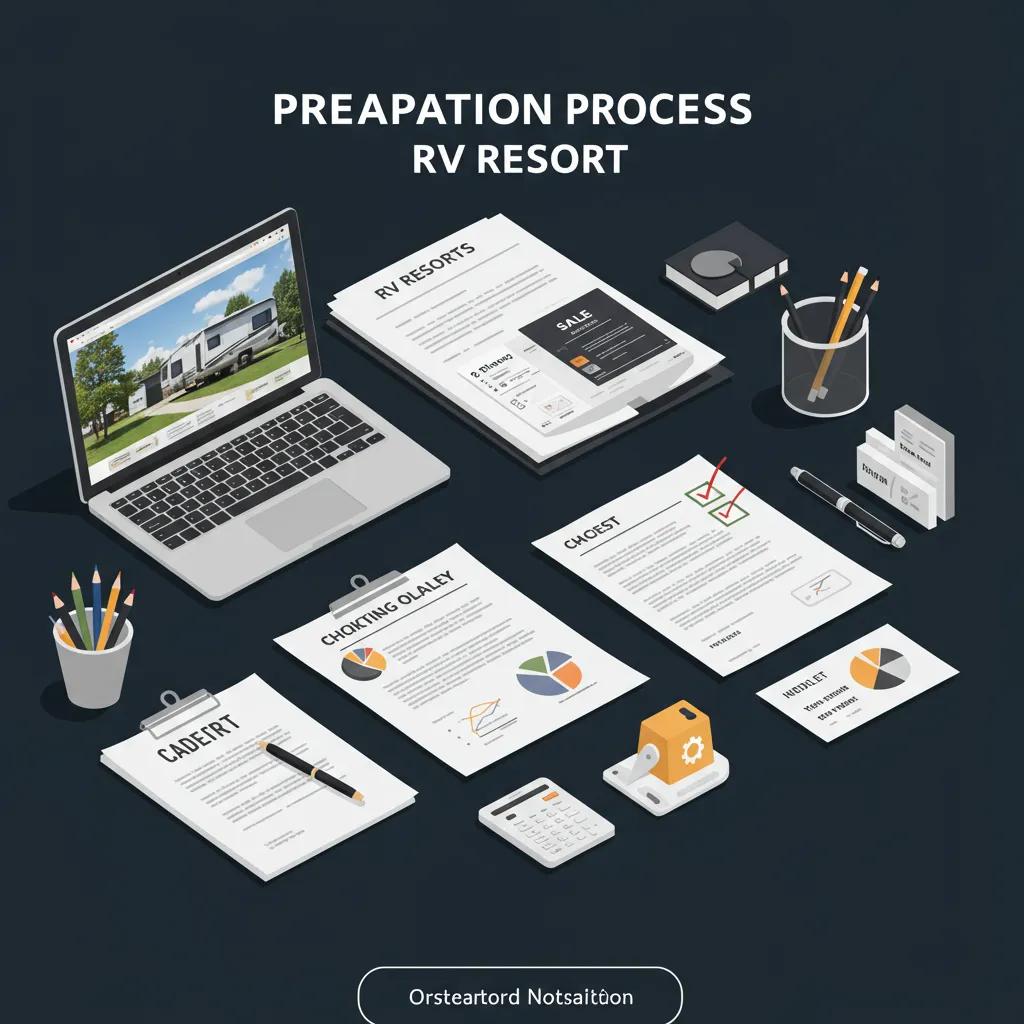
Preparing your campground involves physical, financial, legal, and marketing efforts to enable buyers to quickly verify its value. A clean, well-documented package can shorten due diligence and often lead to higher offers. Begin with prioritized maintenance to address potential buyer concerns, compile at least three years of financial and occupancy data, resolve any legal or permit issues, and enhance your digital marketing materials and booking data to demonstrate demand. Buyers appreciate transparency: clear records, standardized folders, and a concise property packet facilitate faster offers and reduce contingencies. The steps below outline a practical, actionable preparation plan designed to meet buyer expectations and maximize market readiness.
Follow this numbered checklist for the documents and actions sellers should complete before listing or contacting buyers:
- Complete safety and compliance repairs: Address roofing, electrical, septic issues, and ensure all permits are current.
- Organize financial records: Compile P&Ls, tax returns, occupancy reports, and vendor contracts for the past three years.
- Document operations: Create simple Standard Operating Procedures (SOPs) for staff roles, maintenance routines, and seasonal policies.
- Refresh marketing assets: Update website data, booking platform statistics, photos, and highlights from guest reviews.
- Assemble a property information packet: Combine all the above into one organized folder for buyer review.
This checklist transforms broad tasks into concrete steps that reduce friction during buyer review and demonstrate competent management, often leading to increased buyer confidence and better offers.
When organizing your financial and operational materials, consider the structure below to make due diligence efficient and straightforward for prospective buyers.
What Maintenance and Upgrades Boost Your Campground’s Appeal?
Maintenance and upgrades that enhance safety, reliability, and the guest experience offer the strongest pre-sale returns because they reduce buyer concerns and support higher rates. High-priority, high-ROI projects include ensuring dependable electrical and water hookups, upgrading bathhouses to modern standards, resurfacing roads and pads for accessibility, and improving site signage and landscaping for curb appeal. Cosmetic refreshes—like fresh paint, clear wayfinding, and clean common areas—create an immediate positive impression without significant capital outlay. Balance luxury projects against expected payback; focus first on fixes that eliminate due-diligence contingencies and meaningfully improve occupancy or ADR.
Prioritizing maintenance based on potential buyer objections ensures that limited capital expenditures deliver the greatest impact on sale readiness and price negotiation.
How Should You Organize Financial Records and Documentation?
Buyers expect a clear, verifiable financial history. Presenting this information in a standardized format enhances credibility and speeds up offers. Provide at least three years of Profit & Loss statements (P&Ls) and tax returns, monthly occupancy and revenue data by channel, utility bills, payroll summaries, and vendor contracts. Include a simple cover page with key metrics (number of sites, ADR, annual NOI). Use a folder structure with clearly labeled files: Financials/Year/P&L, Operations/Permits, Marketing/BookingData, to simplify navigation. Normalizing one-time or owner-specific expenses and documenting the assumptions behind revenue figures will reduce buyer pushback and simplify the valuation conversation.
Well-organized records invite more confident bids and shorter contingencies, shifting negotiations from skepticism to offer discussions.
Note: GatherGrounds Resorts can quickly evaluate prepared property packets and provide a straightforward, commission-free offer when owners have organized documentation ready for review. This assistance helps sellers move from preparation to a concrete offer without the delays of an extended marketing process.
What Legal and Operational Steps Are Essential Before Selling?
Addressing legal and operational housekeeping issues protects your sale proceeds and buyer confidence by eliminating surprises that can derail transactions. Verify zoning and permit status, resolve any outstanding liens or disputes, review long-term vendor or lease agreements for assignability, and prepare environmental disclosures where required. Operationally, document employee roles, seasonal schedules, and supplier arrangements to facilitate a smooth ownership transfer. Engage an attorney and accountant experienced with commercial or hospitality transactions early on to identify any issues that could reduce value or extend closing timelines.
Resolving legal and operational matters before marketing reduces renegotiation risks and supports a cleaner closing process for both parties.
How Can Digital Marketing Enhance Your RV Park’s Marketability?
A transparent, up-to-date digital presence demonstrates demand and supports valuation by providing verifiable booking behavior and guest sentiment. Ensure your website and booking platform accurately reflect rates, availability, and include recent, high-quality photos. Aggregate and highlight positive guest reviews and response rates. Provide digital metrics such as booking conversion rates, channel mix, average daily rate (ADR), and lead sources to offer buyers concrete evidence of demand. Strong online visibility and clean analytics make it easier for buyers to model future revenue and justify valuation assumptions during due diligence.
Presenting digital evidence in your property packet reduces uncertainty and signals operational competence, strengthening your negotiation position.
What Are the Best Selling Options for Your RV Resort?
Sellers typically choose between a direct sale to a buyer, listing with a specialized broker, or a For Sale By Owner (FSBO) approach. Each path differs in timeline, cost, and the level of control you maintain. Direct buyers offer speed and simplicity, often with fewer contingencies and less complex transactions. Brokers provide broader market exposure and can sometimes achieve higher sale prices, but at the cost of commissions and potentially longer timelines. FSBO can save on fees but requires significant owner time and marketing expertise. A clear comparison will help you select the approach that best aligns with your priorities: maximizing price, achieving a quick close, or preserving the community’s legacy.
The table below compares key attributes of each selling option to guide your decision.
This comparison clarifies when each option is most sensible and helps you weigh speed, net proceeds, and control when planning your exit.
What Are the Advantages of Selling Directly to a Buyer Like GatherGrounds Resorts?
Selling directly to a buyer like GatherGrounds Resorts typically offers a streamlined process, fewer intermediaries, and focused transition planning that preserves the property’s identity and staff continuity. Direct buyers reduce public marketing exposure, shorten negotiation cycles, and can offer a commission-free sale structure, allowing you to retain more proceeds. GatherGrounds’ family-owned approach prioritizes legacy preservation and operational continuity, easing concerns that often arise with institutional buyers regarding the community and staff. For owners seeking a respectful transition and a simplified sale, direct offers from qualified buyers can be the ideal choice.
- Streamlined negotiations: Fewer intermediaries expedite decision-making and reduce complexity.
- Legacy preservation: Family-owned buyers often maintain the property’s identity and traditions.
- Lower transaction friction: Commission-free structures and targeted diligence shorten timelines.
These advantages make direct sales particularly appealing for owners who desire a clean, respectful transition without prolonged marketing periods.
How Does Selling Through a Broker Compare to Direct Sales?
Brokers can expand your buyer reach and create bidding competition, potentially increasing the sale price. However, they also introduce listing timelines, public exposure, and commission costs that can reduce net proceeds. A specialized campground broker brings market knowledge, access to RV park investors, and negotiation experience, which is valuable when achieving top-market pricing is your primary goal. The broker route is typically best for owners who want maximum market exposure and sufficient time to optimize sale conditions. However, brokers require detailed listing preparations and may extend the time-to-close due to showing schedules, offer negotiations, and marketing windows.
Your choice of a broker should be driven by your objective: if maximizing sale price through broad exposure is paramount, a broker is the right tool; if speed and legacy preservation are priorities, a direct sale may be preferable.
When Is Selling Your Campground For Sale By Owner a Good Strategy?
FSBO is a viable strategy when you have a known local buyer, the time to manage marketing and negotiations, and confidence in your valuation and documentation skills. It can save on commission costs but demands significant owner time for marketing, buyer vetting, negotiation, and transaction management. Best practices for FSBO include preparing a professional information packet, utilizing targeted marketing channels, and engaging neutral third-party advisors for legal and tax matters. Owners should avoid FSBO if they lack the time, experience, or access to qualified buyers, as a poorly managed negotiation can erode value and lengthen the sales process.
If you plan to sell FSBO, establish clear timelines and consider hiring transactional specialists to manage closing complexities while still realizing cost savings.
How Long Does the Typical RV Resort Sale Process Take?
Typical sale timelines vary significantly based on preparation, the chosen sale path, and market conditions, generally ranging from 3 to 12 months from initial marketing to closing. Direct sales can close more quickly—sometimes within 1 to 4 months—when documentation is readily available and buyers are prequalified. Brokered transactions often extend to 6 to 12 months due to marketing and negotiation phases. Key factors that shorten timelines include clean financials, resolved legal issues, accurate pricing, and motivated buyers. Preparing a property packet and proactively addressing common buyer objections are the most reliable ways to compress the timeline and reduce contingency-driven delays.
A disciplined pre-sale plan and clear seller objectives will determine whether speed or price becomes the primary factor in your timeline.
How Does GatherGrounds Resorts Provide a Unique Selling Experience?
GatherGrounds Resorts is a family-owned professional campground management and ownership group that acquires quality RV parks and campgrounds, with a focus on preserving the legacy and traditions of the properties we acquire. As a direct buyer, not a brokerage, GatherGrounds concentrates on straightforward acquisitions, employing an approach that values property identity, reduced transaction complexity, and a respectful transition for communities and staff. Sellers considering this type of buyer can expect an acquisition narrative centered on continuity rather than radical rebranding, and an acquisition process designed to be transparent and responsive to seller priorities.
The section below outlines GatherGrounds’ acquisition philosophy and the typical seller experience, helping owners evaluate a direct sale opportunity.
- Family-Owned Approach: Emphasizes continuity, community respect, and preservation of property identity.
- Direct Buyer, Not a Brokerage: Fewer intermediaries and reduced transaction complexity for sellers.
- No-Obligation Conversation: Sellers can explore options without commitment and receive a clear valuation discussion.
Why Is a Family-Owned Buyer Ideal for Preserving Your Campground’s Legacy?
Family-owned buyers often prioritize long-term stewardship and community relationships over rapid asset flipping, which helps preserve traditions, staff roles, and the continuity of the guest experience. Their incentives typically align with maintaining reputation and local goodwill, making them less likely to pursue aggressive rebranding or disruptive operational changes that could upset guests or staff. For sellers concerned about their property’s legacy, a family-owned buyer can offer assurances regarding continuity and community engagement. Presenting this preference to buyers early and discussing transition plans can reduce seller anxiety and lay the groundwork for mutually agreeable terms.
Buyers focused on preservation create different negotiation dynamics, valuing stewardship metrics as highly as financial terms, which naturally leads to specific transition planning.
What Is the GatherGrounds Acquisition Process for Sellers?
A typical acquisition process with a direct buyer like GatherGrounds follows clear steps: an initial no-obligation conversation, submission of a property packet for review, a valuation and offer stage, a due diligence period, and a transition and closing plan. This structured flow minimizes surprises: the initial call clarifies seller goals, the property packet provides the data needed for offer modeling, and due diligence confirms representations before closing. Sellers benefit when each phase has transparent timelines and expectations, which reduces stress and helps maintain operations during the sale. Having a concise packet and a clear point of contact accelerates each step and facilitates a smoother closing.
This stepwise approach aligns with buyer expectations and helps sellers plan resources and communication through closing.
How Does GatherGrounds Ensure a Smooth Transition for Owners and Staff?
Smooth transitions focus on retaining staff knowledge, implementing staged handovers, and maintaining clear communication with guests and the community to avoid disruption to operations and reputation. Direct buyers often offer retention incentives or phased transition roles for key staff, along with documented knowledge-transfer plans covering maintenance, bookings, and vendor contacts. Transparent communication templates for guests and vendors ease community adjustment and protect revenue during ownership change. Sellers should negotiate transition timelines and staff retention terms early in the process to align expectations and preserve operational continuity.
A well-managed handover reduces operational risk and often preserves the guest experience that underpins your park’s value.
What Success Stories Demonstrate GatherGrounds’ Commitment to Sellers?
Anonymized case narratives illustrate how a stewardship-minded buyer can complete transactions efficiently while maintaining staff and guest continuity, showcasing outcomes such as reduced time-to-close and preserved local identity. Typical success elements include rapid evaluation of prepared property packets, concise offers reflecting fair-market value, and coordinated transition plans that retained key staff and minimized guest disruption. These narratives highlight the tangible seller benefits of a direct, family-owned buyer: efficient execution with respect for legacy. Owners evaluating sale options should request examples that align with their priorities to validate the buyer’s approach.
Case narratives serve as models for seller expectations and help align transaction structure with desired outcomes.
How Do You Calculate and Increase Your RV Resort’s Financial Performance?
Accurately calculating NOI and identifying revenue and expense levers is the foundation for improving valuation. Increasing measurable cash flow before sale will attract buyer interest and boost the price. Start by itemizing revenue streams and operating expense categories, normalizing one-time items, and presenting a clean NOI figure for valuation. Implement operational changes, pricing strategies, and revenue diversification to boost occupancy and ancillary income while controlling costs to lift NOI. The worked examples and EAV table below provide a clear path from raw financial data to investor-ready valuation figures.
The table that follows breaks down revenue streams and typical monthly contributions into a concise EAV format to help sellers identify where NOI gains are most achievable.
This revenue EAV table clarifies how different income sources combine to form total revenue and highlights areas where quick-win improvements can most efficiently increase NOI.
What Are the Steps to Accurately Calculate Your RV Park’s NOI?
Calculating NOI involves compiling all operating revenues, subtracting operating expenses, and excluding debt service, capital expenditures, and one-time owner items. Normalization ensures comparability for buyers. Required inputs include site fee revenue by site type, ancillary income (store, rentals, laundry), seasonal occupancy schedules, payroll, utilities, maintenance, and insurance. One-time legal or capital expenses should be shown separately. After computing gross operating income and operating expenses, produce adjusted NOI figures that remove owner-specific discretionary costs to reflect sustainable cash flow. Presenting both reported and normalized NOI helps buyers model conservative and upside scenarios during valuation.
Clear documentation and a simple NOI template accelerate buyer modeling and support credible offers.
How Can You Improve Occupancy Rates and Revenue Streams?
Tactical marketing, pricing strategies, and packaged offerings can quickly increase occupancy and ancillary revenues when executed with operational discipline. Employ seasonal pricing and promotions to smooth out occupancy fluctuations, create long-term stay packages for remote workers to increase average stay duration, and productize add-ons (equipment rentals, premium sites) to boost ancillary income. Improve conversion rates by optimizing your booking funnel and highlighting guest experience metrics and reviews. Data-driven adjustments to rates and channel mix can produce measurable uplift within months. Operationally, focus on consistent guest service to increase repeat stays and favorable reviews, which amplifies marketing effectiveness.
These tactics combine to raise top-line revenue and, when paired with cost controls, translate directly into higher NOI and buyer appeal.
What Role Do Renovations and Amenities Play in Increasing NOI?
Capital projects that enhance guest comfort or operational reliability often allow you to command higher rates and attract longer stays, thereby increasing NOI after accounting for payback. High-ROI renovations include bathhouse upgrades, reliable utility hookups, and targeted amenity additions (work-friendly spaces, dog parks) that broaden market appeal to long-term and remote-work guests. Evaluate each project based on estimated cost, expected ADR uplift, occupancy improvement, and payback period to prioritize investments before sale. Avoid over-improving for luxury demographics unless your market supports higher ADRs; instead, focus on upgrades that reduce expenses or broaden demand.
A disciplined renovation strategy focused on revenue-generating assets improves buyer visibility into future cash flows and supports a stronger valuation.
What Are Common Questions About Selling Your RV Resort?
Sellers commonly ask about valuation methods, choosing between brokers and direct buyers, required documents, and exit planning. Concise, practical answers can reduce uncertainty and help focus next steps. Short, clear responses assist owners in deciding whether to prepare for market listing, pursue a direct sale, or use a hybrid approach, and they provide a checklist of documents and advisors to involve. This section answers those core seller questions and directs owners to the sections above for more in-depth guidance, helping them move from uncertainty to action.
How Do I Determine the Value of My RV Park?
Determine value by calculating normalized NOI and applying an appropriate market cap rate: Sale Price = NOI / Cap Rate. Make adjustments for non-financial attributes like location, amenities, and infrastructure. Accurate valuation requires documented revenues, expense normalization, and market comparables to justify cap rate selection. For a robust estimate, provide conservative and upside NOI scenarios and explain your assumptions to potential buyers. A professional appraisal or broker opinion can validate your figure and support your pricing strategy decisions.
This straightforward valuation method guides initial pricing and frames discussions during buyer outreach.
Should I Use an RV Park Broker or Sell Directly?
Choose a broker if your priority is broad market exposure and potentially maximizing sale price through competitive bidding. Choose a direct sale for speed, lower complexity, and legacy-focused outcomes. Evaluate your timeline, appetite for public marketing, and willingness to pay commission against your goals for net proceeds and transition style. Hybrid approaches also exist—such as selective broker outreach while entertaining direct offers—to preserve flexibility. Your chosen path should reflect whether price maximization or a streamlined, controlled transition is your primary objective.
This decision framework helps align your sales process with your personal and financial objectives.
What Documents Are Needed to Sell a Campground?
Essential documents include three or more years of P&Ls and tax returns, monthly occupancy and revenue data, vendor contracts, equipment and asset inventories, permits and zoning records, and documented standard operating procedures. Organize files in a clear folder structure with labeled documents and a one-page executive summary highlighting key metrics. Including front-loaded normalized NOI calculations and a guest data snapshot can accelerate buyer interest and reduce early objections. Ready documentation speeds up offers and shortens due diligence timelines.
A properly structured packet signals operational competence and invites stronger, cleaner offers from buyers.
How Can I Plan an Effective Exit Strategy for My RV Resort?
Effective exit planning involves aligning sale timing with retirement and tax objectives, considering phased transitions or consulting roles post-sale, and involving legal and tax advisors early. Define your financial goals, desired timeline, and transition preferences, then prioritize improvements and documentation that support those goals. Consider whether you prefer a clean break or an advisory role post-sale, and structure the deal accordingly with negotiated transition terms. Early planning reduces last-minute concessions and ensures outcomes align with your long-term financial and personal objectives.
This planning approach converts emotional and practical goals into a transaction roadmap that supports your desired outcome.
How Can You Leverage Market Insights to Maximize Your Campground Sale?
Market data and timing are critical levers for maximizing sale proceeds because buyer appetite, cap rates, and local supply dynamics shift with macro and regional trends. Track RV sales growth, occupancy trends, investor activity, and local zoning or development changes to identify periods of stronger buyer competition. Use Key Performance Indicators (KPIs)—rolling 12-month occupancy, ADR changes, NOI trends—and external indicators to decide when to market and which value propositions to emphasize. Applying market insights to your timing, pricing, and marketing narrative increases the likelihood of attracting well-qualified buyers and securing favorable terms.
The following list outlines market signals and the actions they should prompt from sellers:
- Rising local occupancy and ADR: Accelerate listing to capture momentum.
- Increasing investor interest in region: Emphasize cash-flow metrics and quality of operations.
- Development restrictions reducing future supply: Highlight scarcity in buyer materials.
- Seasonal booking peaks: Time marketing to showcase strongest performance months.
Monitoring these signals helps you align sale timing with peak buyer interest, improving competitive outcomes.
What Are the Current RV Park Investment Trends Affecting Sellers?
Investor appetite for stable, cash-flowing assets remains strong, with particular interest in parks that cater to long-term stays, remote workers, and predictable revenue streams. Trends through 2025 indicate interest in properties with diversified ancillary income, reliable infrastructure, and documented digital demand, all of which influence cap-rate compression in attractive markets. Sellers should emphasize these strengths in their marketing materials and be prepared to justify cap-rate assumptions with data. Understanding trend direction informs both upgrade prioritization and price expectations.
Translating trend awareness into specific seller actions helps position your park as a top-tier asset for today’s investors.
How Does the Supply-Demand Imbalance Influence Sale Prices?
When developable sites are scarce relative to RV ownership growth, buyer competition increases and cap rates can compress, leading to higher sale prices for high-quality parks. Local supply constraints and favorable zoning often translate into urgency among buyers, which sellers can leverage through targeted marketing and pricing strategies. Conversely, markets with excess supply or declining tourism require conservative pricing and demonstrated NOI improvement to attract buyers. Framing scarcity and demand in buyer materials demonstrates market advantage and supports higher price expectations.
Clear messaging about local supply dynamics strengthens buyer perception of future revenue stability and risk mitigation.
Why Are Long-Term Stays and Remote Work Amenities Increasing Value?
Long-term stay demand and remote-work amenities increase revenue predictability by extending average stay length and smoothing seasonality, making properties more attractive to investors seeking stable cash flows. Amenities that support remote work—reliable high-speed Wi-Fi, dedicated workspaces, and longer-stay packages—improve occupancy and ADR for multi-week and monthly guests. Highlighting these capabilities in documentation helps buyers model conservative, repeatable revenue and justify lower cap rates. Demonstrating uptake and pricing power for long-term stays is therefore a high-impact value story in 2025 markets.
Emphasizing remote-work and long-stay performance directly strengthens the NOI narrative and supports a premium valuation.
How Can You Use Market Data to Time Your Sale for Maximum Profit?
Use simple KPIs and external indicators—trailing 12-month occupancy, ADR trends, local planning changes, and investor activity—to create a decision checklist for listing or pausing. If KPIs show rising occupancy and ADR alongside tightening local supply or heightened investor inquiries, accelerate the sale process. If the market is soft, focus on NOI-boosting tactics and documentation improvements to wait for a better window. Regularly review these data points and align your marketing cadence with seasonal peaks to capture the best possible buyer interest.
Consistent monitoring and a data-driven timing plan increase the odds of selling at a favorable price while reducing the risk of reactive decisions.
For owners ready to discuss options, GatherGrounds Resorts offers a no-obligation conversation to evaluate property packets and discuss potential direct acquisition that preserves legacy and simplifies transition. This option can be particularly valuable for sellers prioritizing a respectful handover and a streamlined sale process.
Frequently Asked Questions
What are the common mistakes to avoid when selling an RV resort?
Common mistakes include inadequate preparation of financial records, neglecting necessary repairs, and failing to understand market conditions. Sellers often underestimate the importance of presenting a well-documented property packet, which can lead to buyer skepticism and lower offers. Additionally, not addressing legal issues or zoning compliance can derail negotiations. It’s crucial to have a clear understanding of your resort’s value and to be transparent about its performance to avoid pitfalls that could affect the sale process.
How can I effectively market my RV resort to potential buyers?
Effective marketing involves showcasing your resort’s unique features and strengths through high-quality visuals and compelling narratives. Utilize digital platforms, social media, and targeted advertising to reach potential buyers. Highlight key selling points such as occupancy rates, amenities, and local attractions. Creating a professional property information packet that includes financial data, operational details, and testimonials can also enhance buyer interest. Engaging a real estate professional with experience in RV parks can further amplify your marketing efforts.
What role does timing play in selling my RV resort?
Timing is critical in maximizing your sale price. Selling during peak market conditions, such as when demand for RV parks is high or when local occupancy rates are rising, can lead to better offers. Monitoring market trends, such as investor interest and local supply dynamics, helps identify the best time to list your property. Additionally, aligning your sale with seasonal peaks in tourism can attract more buyers, as they may be more willing to invest during times of high demand.
How can I ensure a smooth transition for the new owner?
To ensure a smooth transition, create a comprehensive transition plan that includes detailed documentation of operations, staff roles, and vendor relationships. Communicate openly with staff and guests about the change in ownership to maintain trust and continuity. Offering retention incentives for key staff can help preserve operational knowledge. Additionally, providing the new owner with a clear understanding of ongoing projects and community relationships can facilitate a seamless handover and maintain the resort’s reputation.
What financial metrics should I focus on when preparing to sell?
Key financial metrics include Net Operating Income (NOI), average daily rate (ADR), and occupancy rates. These figures provide potential buyers with insights into the property’s profitability and operational efficiency. It’s essential to present normalized financial statements that exclude one-time expenses to give a clear picture of sustainable cash flow. Additionally, showcasing trends in these metrics over time can help buyers understand the growth potential of your RV resort, making it a more attractive investment.
What are the benefits of working with a specialized broker versus selling directly?
Working with a specialized broker can provide broader market exposure, access to a network of potential buyers, and negotiation expertise, which may lead to a higher sale price. Brokers can also handle the complexities of the sale process, allowing you to focus on your operations. Conversely, selling directly can streamline the process, reduce transaction costs, and allow for more control over negotiations. The choice depends on your priorities, such as maximizing price versus minimizing complexity and time.
Conclusion
Effectively showcasing your RV resort’s value is key to attracting the right buyers and maximizing your sale proceeds. By understanding core valuation drivers like Net Operating Income and market trends, you can craft a compelling presentation that highlights both current performance and future potential. Taking deliberate steps to prepare your property and documentation will streamline the selling process and build buyer confidence. For personalized guidance and a no-obligation conversation about your options, reach out to GatherGrounds Resorts today.