Local Camping Accessibility Guidelines You Need to Know for ADA Compliant Campgrounds in Michigan
Accessible camping means designing sites, facilities, and services so people with mobility, sensory, or cognitive differences can use them independently and safely. The Americans with Disabilities Act (ADA) and related Architectural Barriers Act (ABA) provide the baseline legal standards that shape accessible recreation, while universal design goes beyond compliance to create welcoming, usable outdoor stays for families. This guide explains which ADA/ABA standards apply to developed outdoor areas, translates technical requirements into simple campsite checks, and maps practical steps families can use to find and book accessible sites. It also highlights on-site features to evaluate—level pads, firm routes, roll-in showers—and offers packing and service-animal guidance tailored to accessible family camping. You will find quick comparison tables, actionable reservation steps, adaptive-gear suggestions for lake and water-play access, and pointers to Michigan and federal accessibility resources. By the end, readers will have a clear checklist for assessing campgrounds and a simple workflow for reserving accessible accommodations at Walnut Hills Family Campground.
What Are the Key Accessibility Requirements for Campgrounds in Michigan?
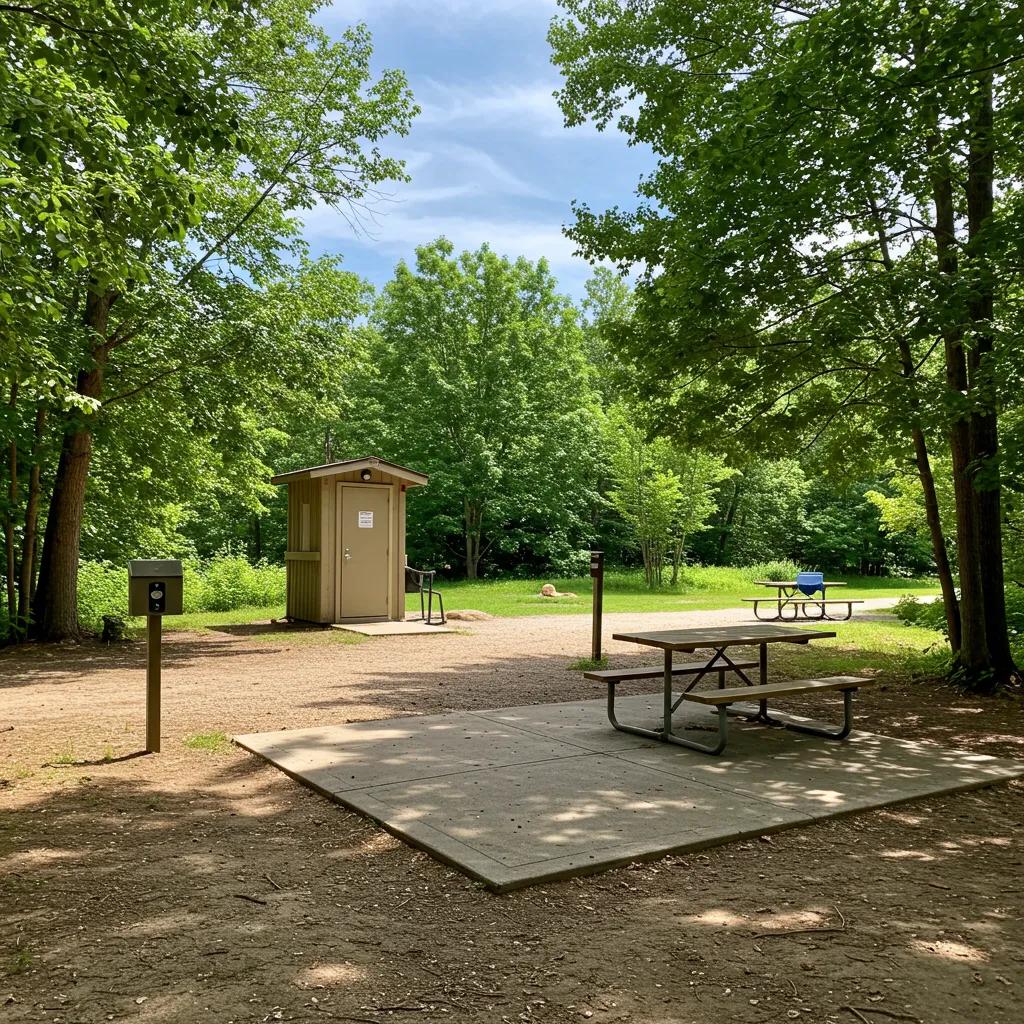
Accessible campground planning requires routes, sanitary facilities, and site features that meet ADA/ABA minimums to enable independent use. These standards focus on access routes, parking, toilet facilities, and clear maneuvering space so people using wheelchairs or mobility aids can arrive, set up, and use amenities. Applying these rules in practice means checking route surface firmness, slope, clear widths, restroom fixtures, and reachable controls at picnic or fire-ring locations. Below is a concise comparison that translates core standards into observable campsite attributes families can verify before arrival.
This table helps campers evaluate whether a site meets minimum access expectations and what to ask when they call or review facility notes. Checking these features ahead saves time and supports safer, more independent stays.
Which ADA Standards Apply to Campground Facilities and Sites?
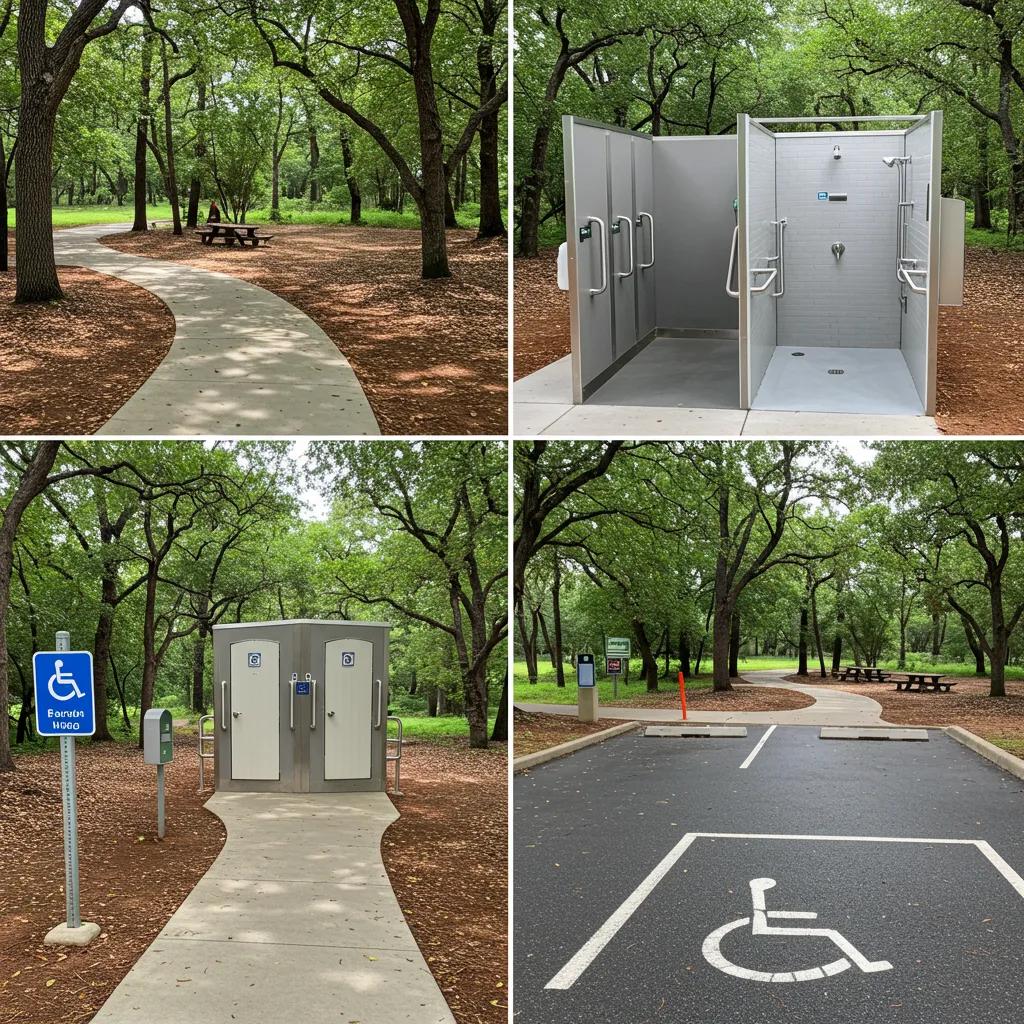
The ADA and ABA cover developed outdoor areas including parking, trails to amenities, and sanitation facilities; they require accessible routes and usable elements. These standards set measurable thresholds such as minimum clear widths, maximum slopes, and fixture heights to ensure functional access. For campers, the salient rules translate to verifiable items: parking proximity to sites, route firmness, door clearances, and accessible sanitary fixtures. Understanding these practical metrics helps families assess whether a campsite will support mobility aids and independence.
Outdoor Accessibility for Individuals with Physical Disabilities
Therefore my guiding thesis question was: How do our natural outdoor recreation spaces in the USA offer full accessibility for individuals with a physical disability? While completing the literature for this capstone thesis, several key influences included Burns, N., et al. as well as Donlon, J. G. and the Targeted News Service reports. Burns et al. completed two studies (in 2008 and 2013) that were particularly relevant, as they centered specifically around disabled people’s experiences in the outdoors. Donlon’s work simplified American with Disability Act statues for the common person, and explored the impact of those statues on outdoor pa
Outside Accessibility for All, A Look at Universal Design within the Rugged Outdoors for Individuals with a Physical Disability, 2025
How Does Universal Design Enhance Camping Accessibility?

Universal design goes beyond minimum compliance to create spaces that are usable by the widest range of people without special adaptations. In campgrounds, universal design examples include zero-step cabin entrances, adjustable-height picnic tables, and continuous firm pathways linking play areas and the lake. These features reduce barriers for everyone—families with strollers, older adults, or people with disabilities—and improve social inclusion. Emphasizing universal design encourages destinations to design features that benefit all guests, not just meet a checklist.
What Are the Essential Features of Wheelchair Accessible Campsites?
A wheelchair-accessible campsite combines a level, firm pad with nearby accessible services and clear maneuvering area for vehicles and trailers. Key components include a stable surface (concrete, asphalt, or compacted aggregate), adequate turning radius of 60 inches where needed, reachable hookups and controls, and nearby accessible restrooms. Evaluating each element ensures a camper can park, transfer, and move between site components independently. These site-level features also support adaptive equipment use for activities like lakeside access.
How Can Families Find Wheelchair Accessible Camping Options at Walnut Hills?
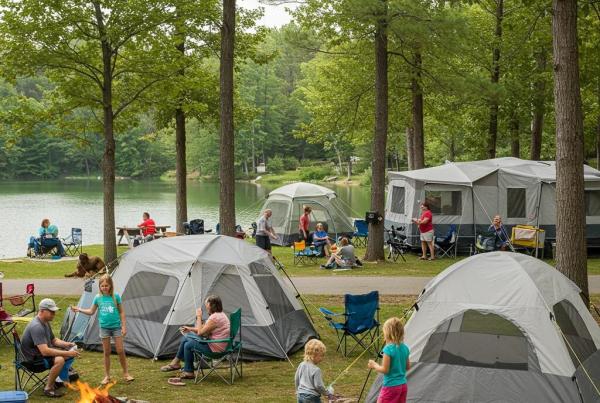
Finding accessible options starts with understanding what to look for in listings and maps, then confirming features with campground staff before booking. Families should scan site descriptions for keywords like accessible, level pad, or ramped entry, and note proximity to restrooms, lake access, and common areas. A quick comparison helps decide among RV, tent, and cabin choices when accessibility varies by accommodation type. Below is a compact table showing which site types typically include observable accessibility features to guide selection.
Accessible RV and Tent Sites Are Available?
Accessible RV pads provide level, firm surfaces, clear access to hookups, and short routes to restrooms to minimize transfer distances. Tent site accessibility centers on finding a level, well-drained firm area and proximity to accessible sanitary facilities; ground firmness and vegetation can affect usability. Families should identify site numbers listed as accessible and confirm route conditions and surface materials with staff before arrival. Asking whether adjacent parking or hard-paved access exists will clarify whether a tent site suits specific mobility needs.
Which Barrier-Free Cabins and Lodging Options Are Offered?
Barrier-free cabin features commonly include ramped entry, wider doorways, open interior circulation, and accessible bathroom layouts with grab bars and roll-in options. When researching cabins, request precise details about door widths, bathroom fixtures, and threshold heights to ensure compatibility with mobility aids. Verify availability for specific dates early, as accessible cabins tend to be limited in number and may require advance notice for special requests. Confirming these features during reservation reduces surprises on arrival.
How Do Accessible Restrooms and Showers Meet Camper Needs?
Accessible restrooms and showers support independence through roll-in showers, grab bars, lowered sinks, and clear turning space within stalls. Practical checks include verifying clear door width, presence of bench seating in showers, and reachable towel and soap dispensers. These fixtures enable routine personal care without lifting or complex transfers for many campers. Knowing the location of the nearest accessible restroom relative to your site is an important planning detail to avoid long, difficult routes.
What Accessible Facilities and Activities Does Walnut Hills Provide for Campers with Disabilities?
Accessible facilities at a family campground connect parking, sites, and activity zones with firm, navigable pathways to support participation in amenities. Designed connections enable families to move to the lake, playground, and water features with less assistance, and accessible picnic areas and launch points enhance inclusion. Activity adaptations, staffing assistance, and equipment options expand participation in recreation like swimming, Wibit water play, and canoeing. These onsite practices align with broader accessible recreation goals and make stays more manageable for diverse family needs.
How Are Pathways and Common Areas Designed for Accessibility?
Pathways and common areas are best when paved or compacted, wide enough for two-way mobility device passing, and graded for gentle slopes to minimize effort. Clear signage, level landings at grade changes, and curb ramps at transitions strengthen route usability. Families should look for continuous firm surfaces from parking to restrooms and activity zones to reduce barriers. Confirming these pathway characteristics helps predict how easily members can reach shared facilities and participate in group activities.
What Accessible Outdoor Activities Are Available?
Adaptive outdoor activities include assisted canoeing, accessible swim entries, and modified water-play support for users of mobility aids or those who need transfer assistance. Adaptive equipment such as beach wheelchairs or assisted launch devices increases participation in lake activities, and staff-assisted transfers can be arranged where available. Planning ahead to request assistance or adaptive gear improves the experience and ensures safety. Knowing what adaptive options exist nearby reduces logistical load and increases confidence when booking.
How Does the Dog Park Accommodate Service Animals and Mobility Aids?
Dog parks that accommodate service animals combine accessible entrances, firm footing, and proximity to accessible parking and relief areas for handlers with mobility aids. Clear entry gates with latch heights reachable from a seated position and compacted surfaces support easier navigation. Service animal policies typically require control and cleanup; handlers should locate accessible relief zones and plan for short, firm routes. Understanding these layout features helps handlers manage routines while enjoying outdoor time with their animals.
How Do You Plan and Book an Accessible Camping Trip at Walnut Hills?
Effective planning and booking follow a simple sequence: identify suitable site types, confirm specific accessibility features, request accommodations or assistance, and prepare an adaptive packing list. A clear reservation workflow minimizes uncertainty and documents needs in advance so staff can confirm or arrange necessary adjustments.
Below is a concise step-by-step reservation guide that families can follow to secure accessible accommodations with confidence.
Reservation workflow for accessible stays
- Identify candidate sites: Review site descriptions or maps to flag accessible-labeled RV pads, cabins, or tent locations.
- Note required features: List must-have attributes like roll-in shower, ramped entry, or firm route to the lake.
- Contact guest services: Provide your site number and accessibility needs and request confirmation in writing when possible.
- Confirm arrival logistics: Verify accessible parking, check-in location, and route from parking to your site.
Following these steps clarifies expectations and creates a paper trail for special requests. If you require further assistance, contact the campground’s guest services through the reservation channel provided by GatherGrounds Resorts and reference the site features you need.
What Is the Step-by-Step Process to Reserve ADA Compliant Campsites?
Reserving an ADA-compliant campsite begins with filtering listings for accessible designations, then noting site-specific attributes before placing a hold or booking. Communicate required features and any mobility-aid needs when you make the reservation so staff can flag the booking and advise on site layout. Request written confirmation or explicit site numbers and arrival instructions to avoid miscommunication. Finally, reconfirm accessibility details a few days before arrival to ensure arrangements remain in place.
What Should Campers Bring for an Accessible Camping Experience?
A targeted packing checklist supports safety and independence: mobility-device chargers and spare batteries, transfer aids or portable ramps, medical supplies, and adaptive gear for water activities. Bring items that match planned activities—grippy footwear and water-safe mobility accessories for lake access, plus leash and clean-up supplies for service animals. Prioritize compact, multifunctional aids that save space and reduce setup time. Preparing these essentials simplifies transitions between activities and supports fuller participation for family members with access needs.
What Are the Service Animal Policies and Relief Area Guidelines?
Service animal policies typically allow animals to accompany handlers into public areas, with expectations for control and hygiene. Know where relief areas are located and whether they connect to accessible routes to minimize detours. Plan short routes from your site to relief zones and carry waste disposal bags and portable cleanup tools. Confirm any campground-specific guidance during the reservation so you can route walks and outings efficiently.
Where Can Campers Find Additional Local and State Accessibility Resources in Michigan?
Reliable state and federal resources—such as Michigan park accessibility guidance, the U.S. Access Board, and ADA guidance—offer technical standards and planning checklists that campgrounds and families can reference. These authorities explain minimum dimensions, pathway guidelines, and best practices for inclusive recreation across public and private sites. Local adaptive equipment vendors and support organizations can supplement what a campground provides by offering rentals or trained assistance. Reviewing these resources helps families plan more effectively for accessible stays.
What Michigan State Park Accessibility Guidelines Should Campers Know?
Michigan’s state park accessibility resources summarize accessible trail design, beach access recommendations, and restroom standards that private campgrounds often mirror in best-practice implementations. State guidance highlights firm access routes and adaptive beach access options, which inform expectations for similar features at private family campgrounds. Campers should use state checklists to compare features and ask specific questions about trails, lake entries, and restroom fixtures. Understanding state-level standards clarifies what to expect from compliant or universally designed sites.
Outdoor Accessibility for Individuals with Physical Disabilities
Therefore my guiding thesis question was: How do our natural outdoor recreation spaces in the USA offer full accessibility for individuals with a physical disability? While completing the literature for this capstone thesis, several key influences included Burns, N., et al. as well as Donlon, J. G. and the Targeted News Service reports. Burns et al. completed two studies (in 2008 and 2013) that were particularly relevant, as they centered specifically around disabled people’s experiences in the outdoors. Donlon’s work simplified American with Disability Act statues for the common person, and explored the impact of those statues on outdoor pa
Outside Accessibility for All, A Look at Universal Design within the Rugged Outdoors for Individuals with a Physical Disability, 2025
How Does Walnut Hills Align with Michigan’s Accessible Recreation Initiatives?
Walnut Hills Family Campground supports inclusive recreation through accessible routes to activity zones, designated accessible sites, and adaptive-friendly activity options that align with broader state initiatives. The campground emphasizes family-friendly amenities while providing site-level features that improve access for mobility-impaired guests. For specific availability and to request accessible accommodations, use the GatherGrounds Resorts reservation channel and reference the campground’s Google Business Profile for directions and local information when planning your visit.
Where to Access Adaptive Equipment and Support Services Nearby?
Adaptive equipment rental and support services include beach wheelchairs, track chairs, and assisted-launch gear for watercraft, all of which expand participation in lake-based activities. Reserve such equipment in advance when possible and confirm delivery or pick-up logistics relative to your campsite. Local adaptive-service providers often coordinate with campgrounds to arrange drop-off or pickup points that align with accessible routes. Planning these arrangements ahead ensures the equipment is ready when you arrive and maximizes time for activities at the campground.
Frequently Asked Questions
What should I consider when choosing an accessible campsite?
When selecting an accessible campsite, consider the specific features that meet your needs, such as the surface firmness of the ground, the width of pathways, and the proximity of restrooms. Look for sites with level pads, accessible parking, and nearby amenities. It’s also important to confirm these features with campground staff before booking to ensure they align with your mobility requirements. Additionally, consider the type of camping experience you want, whether it’s RV, tent, or cabin accommodations, as accessibility can vary across these options.
Are there any specific packing tips for accessible camping?
When preparing for an accessible camping trip, create a packing list that includes essential items tailored to your needs. Bring mobility-device chargers, spare batteries, and any necessary medical supplies. Consider adaptive gear for activities, such as water-safe mobility accessories for lake access. Don’t forget items for your service animal, like leashes and waste disposal bags. Prioritize compact, multifunctional aids to save space and ensure a smooth transition between activities. Being well-prepared enhances your camping experience and supports independence.
How can I ensure my service animal is accommodated at the campground?
To ensure your service animal is accommodated, familiarize yourself with the campground’s service animal policies before your visit. Confirm that there are accessible relief areas and that the routes to these areas are manageable for you and your animal. It’s also helpful to plan short, direct paths from your campsite to the relief zones. Carry necessary supplies for your service animal, such as waste disposal bags, and be prepared to follow any specific guidelines set by the campground to ensure a smooth experience.
What types of adaptive equipment are available for campers?
Campers can access various adaptive equipment to enhance their outdoor experience, including beach wheelchairs, track chairs, and assisted-launch devices for water activities. Many campgrounds coordinate with local providers to offer rentals, so it’s advisable to reserve equipment in advance. Confirm the logistics for delivery or pickup relative to your campsite to ensure everything is ready upon arrival. Utilizing adaptive equipment can significantly improve participation in recreational activities and make the camping experience more enjoyable for everyone.
How do I find local resources for accessible camping in Michigan?
To find local resources for accessible camping in Michigan, start by checking state and federal websites that provide guidelines on accessibility standards. Organizations like the U.S. Access Board and Michigan’s park accessibility resources offer valuable information. Additionally, local adaptive equipment vendors and support organizations can provide rentals and assistance. Engaging with these resources can help you plan a more effective and enjoyable camping experience, ensuring that you have access to the necessary tools and support during your stay.
What are the best practices for navigating accessible pathways in campgrounds?
When navigating accessible pathways in campgrounds, look for paved or compacted surfaces that are wide enough for two-way traffic. Ensure that pathways are graded gently to minimize effort and include clear signage for easy navigation. Level landings at grade changes and curb ramps at transitions are also important for usability. Before your visit, confirm the conditions of these pathways with campground staff to ensure they meet your mobility needs, allowing for a smoother and more enjoyable camping experience.
Conclusion
Understanding the accessibility guidelines for campgrounds in Michigan empowers families to enjoy the great outdoors with confidence and independence. By familiarizing yourself with ADA standards and universal design principles, you can ensure a safe and enjoyable camping experience for everyone. Take the next step in planning your accessible adventure by exploring the available options at Walnut Hills Family Campground. For more information and to make reservations, visit the GatherGrounds Resorts website today.