

Essential Camping Cooking Gear for Memorable Outdoor Meals at Walnut Hills Family Campground
Transform simple ingredients into cherished family memories with the right outdoor cooking gear and a few smart techniques. This guide walks you through the must-have camping cooking equipment, easy family meal ideas, and safe campfire methods to serve up delicious breakfasts, dinners, and desserts right at your campsite.
Walnut Hills Family Campground in Durand, Michigan, offers a perfect family-friendly setting to put these tips into practice. Many sites come equipped with fire pits and picnic tables, making meal prep and serving a breeze. You can easily check availability or book your spot online through our reservation pages. Make the most of the campground’s amenities to simplify your trip, grab any needed supplies from the camp store, and plan larger group meals in our convenient pavilions. The sections below will help you match the right gear to your site features and provide step-by-step instructions for campfire recipes and setting up an efficient camp kitchen. We’ve included keywords that reflect common searches, like “best camping cooking equipment,” “family camping meal prep ideas,” and “easy campfire recipes for kids.”
What Are the Must-Have Camping Cooking Gear for Families?
Essential camping cooking gear ensures your family can cook reliably, serve everyone, and keep food safe, all while minimizing cleanup. Choosing the right outdoor cooking equipment—like a portable camp stove, a good cookware set, a cooler, utensils, lighting, and a safety kit—will cut down on prep time and guarantee that group meals are served hot and nutritious. The key is simple: select gear that’s sized for your group, works with your fuel options, and complements your campsite amenities, such as a fire pit or picnic table. The result? More time for eating and less time wrestling with your equipment.
Here’s a list of top essentials and why they’re crucial for family camping:
- Portable camp stove with two burners: Offers dependable, controlled heat for cooking for the whole group.
- Cast iron or hard-anodized cookware set: Holds heat well and serves multiple people thanks to its durable construction.
- Insulated cooler with organized compartments: Keeps your perishables safe and prevents spoilage.
- Long-handled utensils and heat-resistant gloves: Enhance safety when working around open flames and grills.
- Collapsible wash basin and dish soap: Allows for efficient cleaning while conserving precious water.
- Headlamps and portable lights: Keep food prep and cooking safe and visible after dark.
These essentials create a compact kit that families can easily adjust based on group size and site features like picnic tables and existing fire pits at Walnut Hills.
It’s helpful to quickly compare gear options to match them with your family’s specific camping scenarios before you pack.
This table helps families select gear that fits their camping style and the types of meals they plan to prepare.
Which Portable Camp Stoves Work Best for Family Camping?
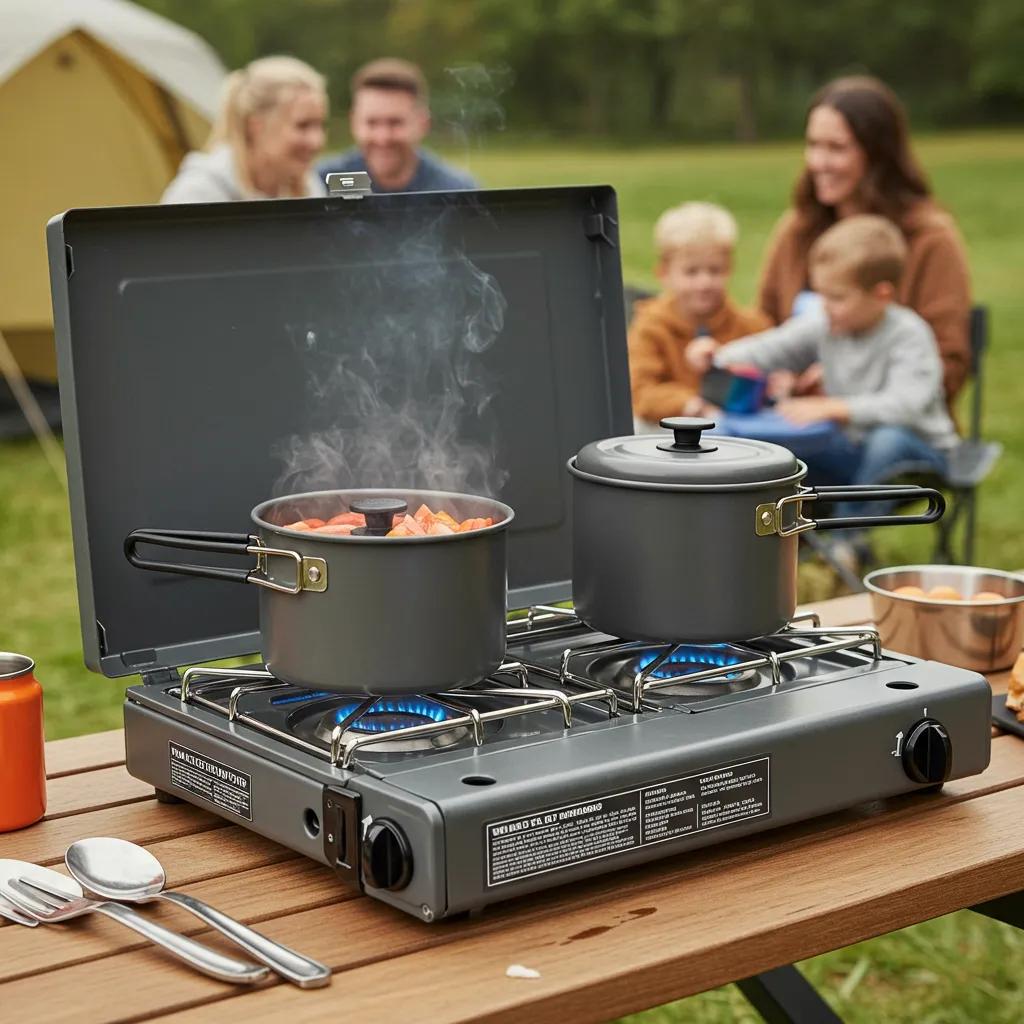
Portable camp stoves give you controlled heat, allowing families to cook a variety of meals, even if there are fire restrictions. Two-burner propane stoves offer the flexibility to cook with a pot and a pan at the same time, while single-burner canisters are ideal for minimalists or solo campers. Fuel type is important: propane canisters are common for family stoves, but always confirm your campground permits their use and pack extra canisters. Look for stoves with a sturdy grate and good wind protection to boost efficiency and safety during outdoor cooking.
Families prioritizing portability should consider the balance between burner count, weight, and storage space. Two-burner models are heavier but significantly reduce meal preparation time and simplify cooking for groups. Compact liquid-fuel stoves are a better choice for remote or colder trips. Always store fuel safely according to guidelines and keep canisters upright, away from high heat.
What Durable Cookware Sets Are Ideal for Group Camping?
Durable cookware for families needs to balance heat retention, weight, and ease of cleaning to handle multiple servings. Cast iron excels at retaining heat and is perfect for communal dishes like stews and pancakes, though it is heavy and requires careful seasoning. Hard-anodized aluminum and stainless steel are lighter, resist warping, and are easier to clean at campsites with limited water. For families, a versatile kit—combining a cast iron skillet or Dutch oven with lightweight pots—covers both group meals and quick stovetop dishes.
Choose sizes that can serve several people: a 10–12 inch skillet and a 4–6 quart pot will handle most family recipes. Consider nonstick interiors for effortless cleanup when water is scarce, and bring a small scrub brush and biodegradable soap to keep your cookware in great shape between trips.
How Do Coolers and Food Storage Improve Camp Kitchen Efficiency?
Effective coolers and food storage systems keep food at safe temperatures and streamline meal prep, so families spend less time worrying about spoiled food. High-quality insulated coolers maintain temperatures longer, especially when pre-chilled and packed with block ice or frozen water bottles. Organizing with separate compartments helps prevent cross-contamination. Use clear containers and labels to rotate perishables, store dairy and meats at the bottom, and keep ready-to-eat items easily accessible to minimize how often you open the cooler.
An organized cooler supports batch cooking and managing leftovers, helping families plan portions and reduce waste. For longer stays, consider a dedicated insulated box for drinks and another for perishable ingredients to maintain consistent internal temperatures.
What Campfire Cooking Accessories Enhance Outdoor Meals?

Campfire accessories expand your cooking options and make fire-based meals safer and more versatile for families. Tools like adjustable grill grates, long skewers, heat-resistant gloves, and a dedicated campfire grate provide predictable cooking surfaces and reduce the risk of burns. Multi-use items such as collapsible grill mats or folding grates can accommodate a range of pots and simplify transitions from stove to fire for group cooking.
Always pair accessories with safe practices: keep handles clear of flames, secure grates to prevent tipping, and store tools out of reach of young children. Proper cleaning and drying of accessories will prevent rust and food contamination between uses.
How Can You Master Campfire Cooking at Walnut Hills?
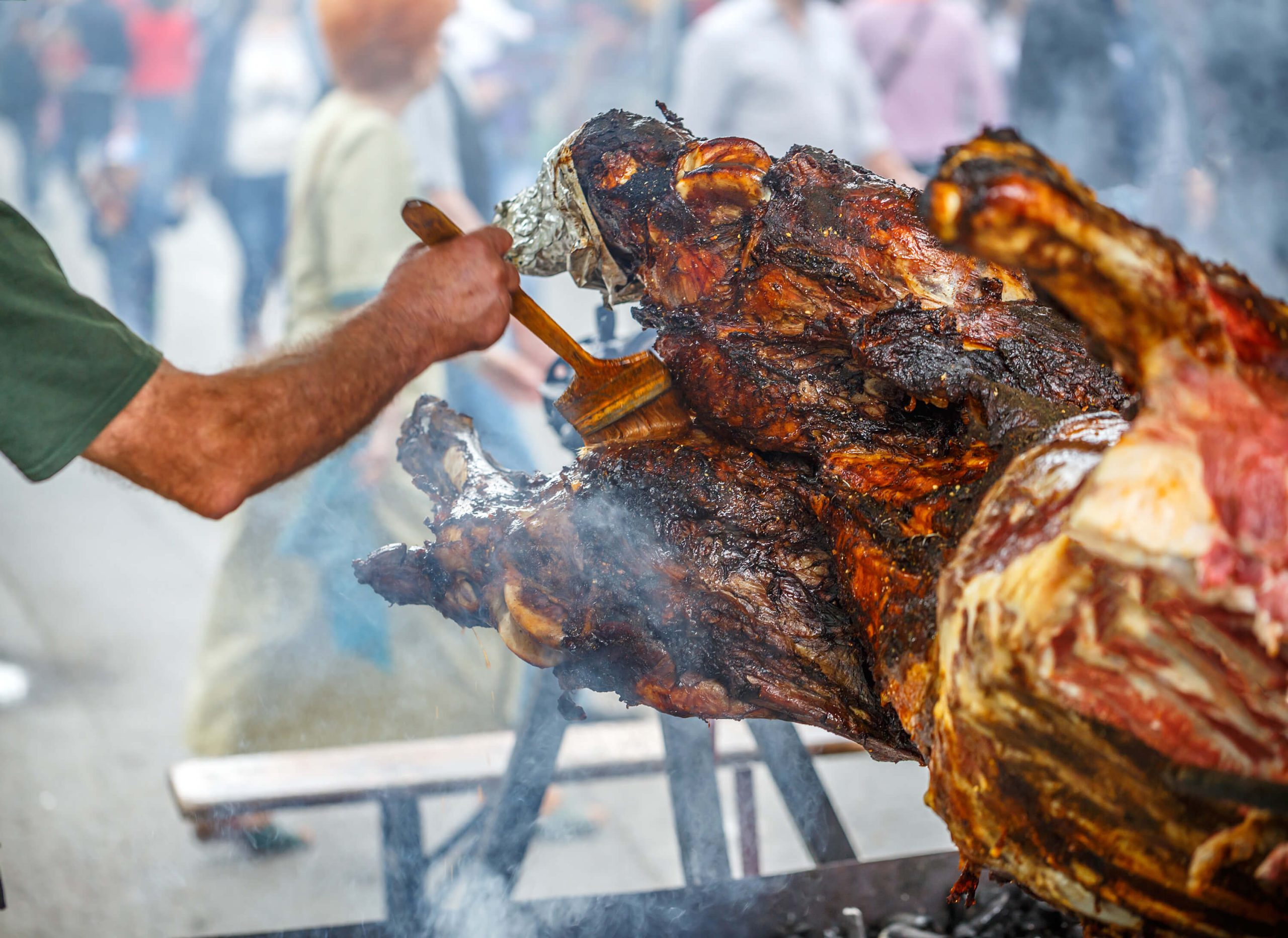
Campfire cooking blends basic fire management with simple recipes to create family-friendly meals that everyone can help prepare and enjoy. Building a manageable fire, positioning a stable grate, and using adjustable cooking heights allow for both grilling and Dutch oven methods. The key is controlled heat sources combined with appropriate cookware to achieve consistent results and encourage safer family participation. Mastering these fundamentals leads to satisfying communal meals that perfectly suit Walnut Hills’ family-oriented camping environment.
Follow these safety-focused steps for setting up and cooking over a campfire:
- Clear the area around the fire pit and use the campground’s designated fire ring.
- Build a small, controlled fire and let coals develop before you start cooking.
- Use a stable grate or tripod and long tools to keep your hands safely away from flames.
- Keep a bucket of water or extinguisher nearby and fully extinguish all coals after cooking.
These steps ensure children stay safe and enable reliable cooking. Walnut Hills provides fire pits at many sites to make this setup even easier.
This table connects common campfire tools with safe practices and the amenities families will find at Walnut Hills.
What Are the Best Practices for Safe Campfire Setup and Cooking?
Safe campfire setup minimizes risks and ensures predictable cooking conditions for families. Use designated fire pits, keep fires modest in size, and always supervise children closely; these actions help prevent flare-ups and accidental burns. Prepare your cooking tools and set up a clear staging area on the picnic table, and establish a safety perimeter for children to stay outside of while cooking is in progress. When you’re finished, fully extinguish the fire with water, stir the coals, and confirm they are cool to the touch before leaving the area.
Following these practices helps maintain campsite safety and upholds Leave No Trace principles, which protect the campground environment for future campers.
Which Easy Campfire Recipes Are Perfect for Families and Kids?
Family-friendly campfire recipes focus on minimal ingredients, straightforward steps, and opportunities for everyone to participate. Foil packet dinners combine protein, vegetables, and seasonings for easy group servings; pancakes cooked in a cast iron skillet make breakfasts interactive; and s’mores or grilled fruit are simple ways to finish meals. Prioritize one-pan or foil techniques to reduce the number of dishes and involve children in safe, supervised tasks like assembling packets or arranging fruit.
These recipes work wonderfully on a two-burner stove or over coals, and they can easily be scaled up to feed groups with simple adjustments to ingredients and cooking times.
How Do Dutch Ovens Create Delicious Group Meals Outdoors?
Dutch ovens allow for one-pot cooking that’s perfect for family gatherings, concentrating flavors and simplifying cleanup. The method relies on retained heat from surrounding coals and coals placed on the oven lid to create even cooking for stews, casseroles, and cobblers. Choose a 10–12 inch Dutch oven for medium-sized family meals and follow a coals-count guide—placing more coals on the lid for higher temperatures—to manage cooking time.
A basic Dutch oven beef stew or vegetable cobbler demonstrates how to create hearty group meals with minimal fuss, freeing up caregivers to relax while the dishes simmer.
How Do You Organize an Efficient Camp Kitchen for RV and Tent Sites?
An efficient camp kitchen reduces clutter, streamlines meal prep, and conserves water for family camping at both RV and tent sites. Use a simple layout that separates prep, cooking, and cleaning zones on a picnic table or RV counter; this system prevents cross-contamination and speeds up your workflow. Collapsible gear, labeled storage, and modular containers pack down small for travel and expand at the campsite. The result is faster meal service and easier cleanup, so families can spend more time enjoying their activities.
Here are some practical space-saving strategies to help campers optimize their gear.
- Pack stackable pots and nested cookware to minimize storage space.
- Use collapsible basins and folding tables for temporary workspace.
- Choose multipurpose utensils and tools to reduce the amount of gear you need.
These modular choices allow both RVers and tent campers to adapt their kitchens to the available counter and table space.
This table helps families choose storage options that fit their vehicle type and group size while maintaining an efficient workflow.
What Are Space-Saving Tips for Small Camp Kitchens?
Space-saving camp kitchens rely on multi-use gear and smart layout to serve families efficiently. Prioritize nesting cookware, fold-flat utensils, and compact stoves that can be stored inside vehicle compartments when not in use. Designate zones for prep, cooking, and washing on a picnic table or RV counter, and keep frequently used items within easy reach to speed up meal assembly. These practices reduce setup time and allow multiple family members to help out without feeling crowded.
Compact solutions help preserve living space inside tents or RVs and make group meals much more manageable.
Which Pantry Essentials Should You Pack for Extended Camping?
For longer family stays, pantry essentials should focus on shelf-stable staples, pre-portioned ingredients, and versatile items. Pack grains (like rice and pasta), canned proteins, shelf-stable milk or milk alternatives, durable vegetables, and a basic spice kit to transform simple ingredients into a variety of meals. Pre-portion snacks and breakfast items into resealable containers to simplify mornings and minimize packaging waste. Planning servings in advance helps reduce leftovers and makes shopping trips for refills more efficient.
A well-thought-out pantry reduces the need to rely on external stores and supports predictable meal planning for families.
How Do You Manage Water and Dishwashing at the Campsite?
Managing water and dishwashing at the campsite emphasizes conservation and sanitation to keep families healthy. Store enough potable water in sealed containers and use a two-basin washing system—wash, rinse, sanitize—with biodegradable soap to minimize environmental impact. Collect greywater in a container and dispose of it according to campground rules to protect local waterways; never dump it near natural water sources. These steps conserve water and maintain hygiene for family dining.
Adopting consistent dishwashing routines helps conserve water and ensures safe meal service throughout multi-day stays.
What Are the Best Sustainable and Smart Cooking Gear Options for Camping?
Sustainable and smart cooking gear reduces waste and improves meal precision while camping, offering families durable and high-performing tools. Eco-friendly cookware made from long-lasting materials avoids disposables, while low-emission stoves and efficient fuel use minimize environmental impact. Smart gadgets like compact thermometers and rechargeable lighting enhance safety and cooking accuracy. Together, these choices lower long-term costs and waste while improving meal outcomes.
Consider these practical sustainable and smart choices for family campers.
- Reusable plates, cups, and utensils: Cuts down on single-use waste at every meal.
- Low-emission portable stoves: Reduce smoke and fuel consumption for cleaner cooking.
- Smart meat thermometers: Ensure food is cooked to the perfect temperature with minimal supervision.
- Solar or rechargeable lighting: Eliminates disposable batteries and improves campsite safety.
Choosing durable gear and small tech upgrades simplifies cooking and aligns family camping with conservation goals.
Which Eco-Friendly Camping Cooking Equipment Supports Sustainability?
Eco-friendly camping equipment focuses on durability and reusability to minimize waste during family trips. Sturdy cast iron and stainless steel cookware replace disposable pans, and reusable silicone food storage and cloth towels reduce single-use products. Opting for repairable items and long-lasting coolers lowers the environmental footprint of repeated camping trips. These selections support sustainable camping habits while maintaining cooking performance.
Small changes in behavior, like planning portions and bringing reusable containers, contribute to significant environmental benefits over many trips.
How Can Smart Kitchen Gadgets Improve Your Outdoor Cooking Experience?
Simple smart gadgets enhance cooking accuracy and convenience at the campsite. Wireless meat thermometers provide precise internal temperatures without needing to constantly open lids, while compact timers and rechargeable LED lights make evening prep manageable. Portable power banks and multi-port chargers allow you to recharge thermometers and lights, keeping essential tools ready. These gadgets reduce guesswork and make family meals more predictable and safer.
Choose rugged, waterproof devices designed for outdoor use to ensure reliability in campground conditions.
What Are Tips for Reducing Waste While Cooking Outdoors?
Reducing waste while cooking outdoors saves resources and keeps campsites clean for everyone. Plan meals to minimize leftovers, buy in bulk using reusable containers, and prioritize reusable utensils and plates to avoid disposables. Compost organic scraps where permitted and pack out non-compostable trash according to campground rules. These practices reduce the volume of trash and simplify cleanup while modeling responsible behavior for children.
Consistent waste-reduction habits contribute to cleaner campsites and a more sustainable family camping culture.
How Do Walnut Hills Amenities Enhance Your Outdoor Cooking Experience?
Walnut Hills Family Campground’s amenities directly support campsite cooking by providing infrastructure and convenience that complement family gear and meal plans. Fire pits and picnic tables at many sites offer dedicated cooking and prep areas, while pavilions and group facilities provide sheltered spaces for larger family meals. The camp store stocks emergency and common supplies, so families can easily restock fuel or basic groceries without leaving the grounds. Together, these amenities reduce logistical challenges and allow families to focus on cooking and enjoying shared meals.
Use these features to plan simpler menus and coordinate group cooking activities that align with available facilities and your family’s needs.
How Can You Utilize Fire Pits and Picnic Tables for Cooking?
Fire pits and picnic tables create natural zones for cooking and serving at family campsites. Use the picnic table as your prep and staging area while the fire pit handles heat-based cooking; this separation helps prevent cross-contamination and organizes your workflow. Secure utensils and ingredients on the table and maintain a child-safe perimeter around the fire pit during cooking. These practices make mealtimes efficient and safe for family members of all ages.
Planning your layout in advance allows you to leverage site amenities to streamline meal prep and cleanup at Walnut Hills.
What Camp Store Provisions Support Your Camp Kitchen Needs?
Camp stores typically carry emergency or forgotten items that save you extra trips, such as fuel canisters, charcoal, basic groceries, and essential cooking supplies. Check the store early in your stay to see what’s available and decide which items to bring versus rely on the camp store for. For specialized ingredients, plan to purchase them before you arrive or in nearby towns, but expect the camp store to cover last-minute needs. This approach reduces packing stress and prevents you from missing key components mid-trip.
Relying on the camp store for backups simplifies packing lists while ensuring families can complete their planned meals.
How Do Group Cooking Facilities and Pavilions Facilitate Family Meals?
Pavilions and group cooking areas offer space, shelter, and sometimes grills that are perfect for larger family gatherings and potluck-style meals. These facilities allow groups to centralize prep and serving, protect food from the elements, and create a communal dining experience for extended families. When planning a pavilion meal, coordinate who will bring which dishes, confirm any booking requirements, and assign cleanup responsibilities to maintain shared spaces. The result is an organized, festive meal with minimal individual setup.
Using group facilities turns cooking into a collaborative family event and streamlines logistics for larger gatherings.
Frequently Asked Questions
What types of meals can I prepare using a portable camp stove?
A portable camp stove is incredibly versatile and can be used to prepare a wide range of meals, from simple breakfasts like scrambled eggs and pancakes to hearty dinners such as stir-fries and pasta dishes. The two-burner models allow you to cook multiple items simultaneously, making it easier to serve family meals. You can also use it for boiling water for soups or making hot beverages. Just make sure you have the right cookware and ingredients on hand for your planned meals.
How can I ensure food safety while camping?
Food safety while camping involves proper storage, cooking, and handling practices. Use insulated coolers to keep perishables at safe temperatures, ideally below 40°F. Always wash your hands before handling food and use separate utensils for raw and cooked items to prevent cross-contamination. Cook foods to the appropriate internal temperatures, especially meats, and refrigerate leftovers promptly. Following these guidelines will help ensure that your family enjoys safe and healthy meals during your camping trip.
What are some kid-friendly campfire cooking activities?
Involving kids in campfire cooking can be a fun and educational experience. Simple activities include assembling foil packet meals where they can choose their favorite ingredients, or making s’mores with supervision. Kids can also help with washing vegetables or stirring ingredients in a pot. Teaching them about fire safety and proper utensil handling is essential. These activities not only engage children but also create lasting memories as they participate in the cooking process.
How do I clean up after cooking at the campsite?
Cleaning up after cooking at the campsite is crucial for maintaining hygiene and respecting the environment. Start by scraping leftover food into a trash bag and packing it out. Use a two-basin system for washing dishes: one for washing with biodegradable soap and another for rinsing. If water is limited, use a damp cloth to wipe down surfaces. Always dispose of greywater according to campground rules, and ensure that all cooking equipment is dried and stored properly to prevent rust.
What should I do if I forget essential cooking supplies?
If you forget essential cooking supplies, check the camp store at Walnut Hills, as they often carry common items like fuel canisters, cooking utensils, and basic groceries. It’s a good idea to make a checklist before your trip to minimize forgotten items. If the camp store doesn’t have what you need, consider nearby towns for additional supplies. Planning meals that require minimal ingredients can also help reduce the impact of missing items.
How can I make my camp kitchen more organized?
To make your camp kitchen more organized, designate specific areas for prep, cooking, and cleaning. Use labeled containers for ingredients and utensils to keep everything in its place. Collapsible and nesting cookware can save space and reduce clutter. Additionally, keep frequently used items within easy reach and establish a routine for setting up and breaking down your kitchen after meals. This organization will streamline your cooking process and make it easier for everyone to participate.
What are some eco-friendly practices for cooking while camping?
Adopting eco-friendly practices while cooking at the campsite can significantly reduce your environmental impact. Use reusable plates, utensils, and containers to minimize waste. Opt for bulk ingredients to reduce packaging and bring biodegradable soap for dishwashing. Compost food scraps where permitted, and always pack out non-compostable trash. Additionally, consider using low-emission stoves and energy-efficient cooking methods to lessen your carbon footprint while enjoying the great outdoors.
Conclusion
Equipping your family for outdoor cooking at Walnut Hills enhances the camping experience by ensuring delicious meals and memorable moments together. By selecting the right gear, such as portable stoves and durable cookware, families can streamline meal prep and enjoy safe, satisfying dining. Utilizing the campground’s amenities further simplifies logistics, allowing for a focus on fun and connection. Start planning your next family camping adventure today and explore our recommended cooking equipment to elevate your outdoor meals.