How to Effectively Compare Campground Real Estate Agents: A Comprehensive Guide for Campground Owners
Selling a campground is a significant undertaking, blending property valuation, buyer networks, and the stewardship of a community asset. This guide helps campground owners objectively compare campground real estate agents, assess alternatives, and decide between a brokered listing or a direct sale. You’ll learn which selection factors truly matter—experience, marketing reach, negotiation skill, and fee structure—how 2025 market trends and valuation methods influence your options, and practical preparation steps to optimize value and reduce friction. The article maps a clear path: why comparison is key, the most important agent selection criteria, an agent vs. direct sale analysis, current market and valuation guidance, preparation checklists, vetting best practices, and how a direct buyer like GatherGrounds Resorts presents an alternative for certain sellers. Throughout, target phrases such as campground real estate agent comparison, sell campground without a broker, and campground valuation 2025 are used to make this resource actionable and search-friendly, always keeping owner priorities front and center.
Why Is It Important to Compare Campground Real Estate Agents Before Selling?
Comparing campground real estate agents means evaluating brokers who specialize in recreational property sales to match their skills with your sale objectives, because specialization leads to better pricing and smoother transactions. Specialized agents understand campground-specific valuation drivers—NOI, site count, seasonal revenue patterns, and amenity mixes—allowing them to position your property effectively to investors who value those attributes. Choosing the wrong agent can extend time on market, reduce buyer quality, and ultimately lower net proceeds, so a careful comparison protects both your financial and legacy outcomes. The next section examines what distinguishes a campground agent from a generic broker and how that difference translates into practical value for sellers.
What Makes a Campground Real Estate Agent Different from Other Brokers?

A campground real estate agent is a specialized type of commercial real estate agent focusing on RV park broker services, campground brokerage, and recreational property transactions, as these assets have unique revenue models and regulatory considerations. These agents deploy targeted marketing to specialist buyer networks, apply income-based valuation approaches, and account for site-level drivers such as glamping amenities and seasonal occupancy. To verify specialization, request recent comparable sales, marketing samples, and evidence of investor relationships; red flags include only generic MLS listings or no prior campground closings. Understanding these differences naturally leads to how specialization impacts sale speed and valuation.
How Does Specialization in RV Parks and Campgrounds Impact Your Sale?
Specialization affects sale outcomes because specialized brokers attract focused buyers, price properties using appropriate cap rates, and reduce avoidable diligence friction through experience with campground-specific matters. When an agent understands how lenders and buyers underwrite NOI and site count, they can present revenue streams—like nightly rates and ancillary income—in a way that supports a higher valuation. A hypothetical illustrates this: a targeted campaign to 20 experienced RV park investors often yields better offers than dozens of casual inquiries from generalists. Recognizing that specialization creates buyer confidence prepares owners to prioritize niche expertise when selecting representation.
What Are the Key Benefits of Choosing the Right Campground Broker?
Selecting the right campground broker delivers distinct benefits that compound throughout the sale process: improved pricing from accurate valuation, reduced time on market via targeted outreach, stronger negotiation of terms, and streamlined due diligence coordination. A capable broker converts property meronyms—marketing plan, buyer network, listing agreement, commission structure—into measurable outcomes like shorter negotiation cycles and clearer offers. Benefits also include risk mitigation through contract structuring and preservation-minded buyer vetting when legacy considerations are important. With these advantages in mind, the next section outlines the most important factors to evaluate when selecting a broker.
What Are the Most Important Factors for Selecting a Campground Real Estate Agent?
Selecting an effective agent requires a structured checklist tying agent attributes to seller outcomes, because objective verification reduces selection risk and improves sale results. Key factors include experience and local market knowledge, marketing strategy and buyer networks, communication and negotiation skills, commission rates and contract terms, and references or track record. Use a combination of document review, interview questions, and reference checks to validate each factor; be alert to red flags such as vague answers about comps or no documented buyer contacts. The following subsections break these criteria into verification steps and practical checks you can perform before signing an exclusive listing agreement.
How Does Experience and Local Market Knowledge Influence Broker Effectiveness?
Experience and local market knowledge matter because campground pricing is anchored in local demand patterns, comparable transactions, and regional cap-rate expectations; an agent who understands those elements can better position your property. Verify experience by requesting recent closing summaries for similar properties, local comps, and examples of buyer outreach targeting recreational investors. Red flags include an inability to provide closing references or reliance solely on national portals without regional marketing plans. When experience is demonstrated, owners can expect more accurate pricing and fewer surprises during due diligence, which leads into the importance of marketing strategies and networks.
Why Are Marketing Strategies and Buyer Networks Critical for Campground Sales?
Marketing strategy and buyer networks drive reach to qualified purchasers because campgrounds are niche assets that often sell to specialized investors, operators, or direct buyers; a generic MLS posting is rarely sufficient. Effective channels include industry marketplaces, broker syndication across recreational networks, targeted investor outreach, and trade publication placements that highlight revenue metrics and stewardship potential. Ask for a marketing timeline and sample outreach lists to assess scope; weak plans rely only on broad exposure without targeted investor lists. A strong marketing network increases competitive bidding and reduces time on market, which connects to communication and negotiation impacts on final terms.
How Do Communication and Negotiation Skills Affect Your Sale Outcome?
Communication and negotiation influence offers and closing terms because responsive, clear engagement preserves buyer interest and allows the broker to shape deal structure around seller priorities like timing and legacy conditions. Evaluate communication by testing responsiveness during the interview process and asking for concrete negotiation examples where the broker created favorable contingencies or preserved seller interests. Negotiation skill manifests in offer escalation strategies, earnest money structuring, and careful diligence timelines. Clear communication reduces misunderstandings during due diligence and sets the stage for smoother closings, which also ties into practical cost considerations such as commission rates.
What Are Typical Commission Rates and Fees Charged by RV Park Brokers?
Commission structures vary, but typical RV park brokers charge percentage-based commissions often tied to transaction size and included services; some agreements may include additional marketing fees or minimum retainers, and these meronyms of the listing engagement should be clarified up front. Ask for a fee breakdown showing what the commission covers—valuation, marketing, buyer qualification, and closing coordination—and request examples of negotiated commission adjustments for high-value or off-market deals. Be prepared to discuss net proceeds modeling so you can compare hypothetical outcomes under different fee structures. Understanding commission norms sets up a realistic comparison with direct sale alternatives, including net proceeds scenarios.
How Can References and Reviews Help You Choose the Best Broker?
References and reviews reveal a broker’s track record in closing similar assets, managing expectations, and preserving seller reputations, which is critical for assets with community impact. Request at least three recent seller references for comparable campground or RV park transactions and ask detailed questions about time on market, net proceeds vs. list price, and how legacy concerns were handled. Verify claims by checking transaction records where available and triangulating feedback across multiple references to spot consistency. Strong references increase confidence in a broker’s ability to deliver, and if references are lacking, consider direct-sale options or deeper vetting.
How Does Selling Through a Campground Real Estate Agent Compare to Selling Directly?
Choosing between an agent-mediated sale and a direct sale to a buyer is a decision defined by trade-offs among price maximization, timeline, complexity, and stewardship goals because each path aligns with different seller priorities. An agent seeks to maximize market value through broad marketing and competitive bidding, which can increase selling price but lengthen time on market and add commission costs. A direct sale to an experienced buyer reduces marketing complexity, often shortens timelines, and can address legacy preservation through buyer commitments, though it may limit maximum competitive bidding. The subsections below unpack agent services, direct-sale advantages, comparative costs, timeline differences, legacy considerations, and a concise comparison table to help owners choose the right route.
What Services Does a Campground Agent Provide During the Selling Process?
A campground agent typically provides valuation analysis, listing preparation, targeted marketing, buyer qualification, negotiation, and closing coordination, because these services convert property data into buyer confidence and executable offers. Valuation includes income-based assessments using NOI and cap-rate assumptions; listing prep involves compiling financials, staging, and market materials; marketing targets specialist investors via networks and industry channels. During negotiation, agents handle offer comparison and structure terms that protect seller interests, and they coordinate due diligence to manage timelines. Knowing these services helps sellers weigh whether those capabilities justify commission costs or whether a direct buyer could meet the same objectives more simply.
What Are the Advantages of Selling Directly to a Buyer Like GatherGrounds Resorts?
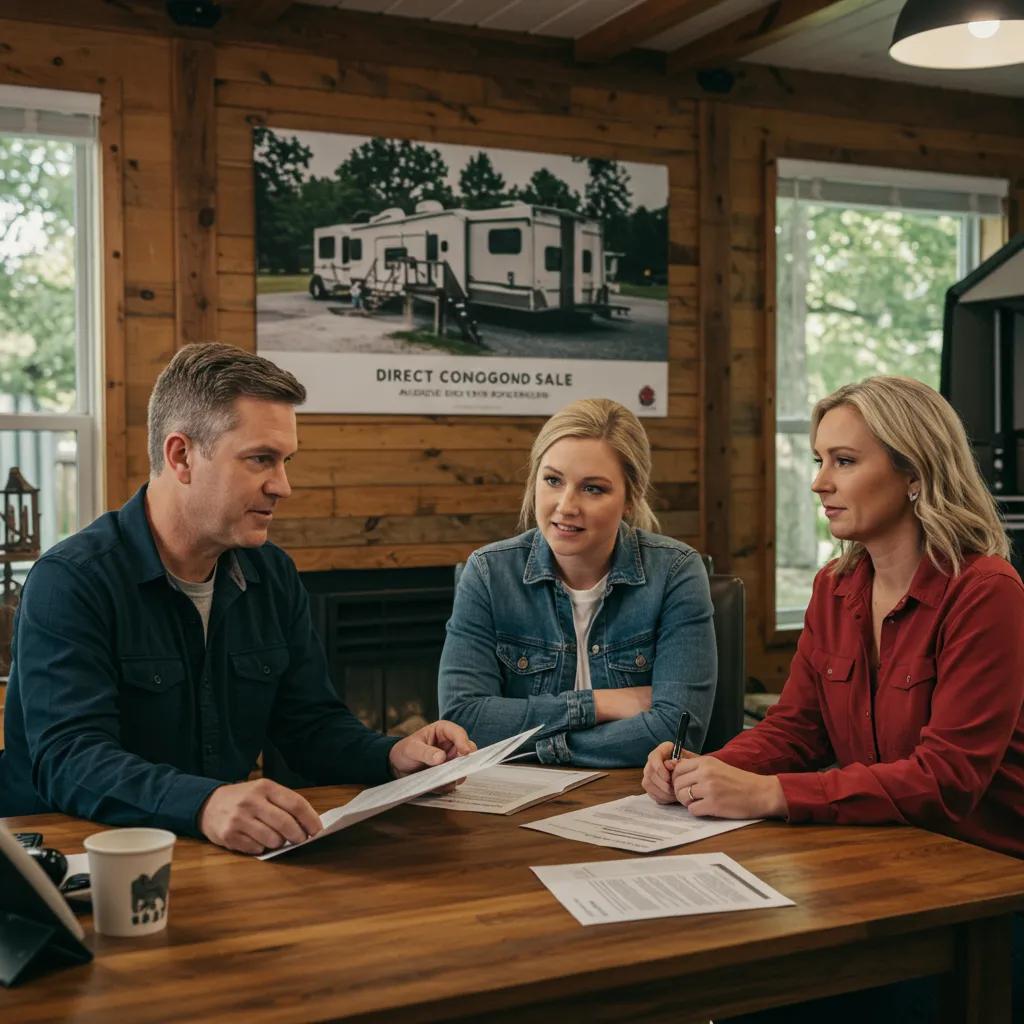
Selling directly to a buyer like GatherGrounds Resorts offers advantages including commission-free transactions, simplified negotiation with a single counterparty, and an increased ability to preserve park legacy because GatherGrounds is positioned as a family-owned direct buyer focused on properties with 130+ sites in the upper Midwest and emphasizes stewardship. Direct buyers can shorten the timeline by eliminating extended marketing and showings, and they often provide clearer certainty around close timing and post-sale transition plans. Sellers prioritizing quick, low-friction exits or legacy preservation may find a direct sale aligns better with their goals, while those seeking price maximization may still prefer a brokered approach. Understanding these trade-offs leads to concrete cost comparisons in the next subsection.
How Do Commissions and Fees Differ Between Agent Sales and Direct Sales?
Agent-mediated sales typically involve percentage-based commissions that reduce seller net proceeds, while direct sales to a buyer like GatherGrounds Resorts avoid broker commissions but may present different negotiation levers around price and terms. For illustrative math: if a property sells for $2,000,000 with a 6% total broker commission, seller gross is reduced by $120,000 in commissions before closing costs; a direct sale for the same net price removes that commission line but may result in a different offered price based on buyer valuation. Other closing costs—title, escrow, and lender fees—still apply in both scenarios, so compare net proceeds after all deductions. Balancing commission savings against potential price differences frames the seller’s decision process.
How Does the Selling Timeline and Process Complexity Vary Between Options?
Listing with an agent usually involves a multi-step timeline—preparation and valuation, marketing and showings, offer solicitation, negotiation, due diligence, and closing—which can extend from several months to longer depending on market conditions. A direct sale compresses several of these stages by removing open-market marketing and focusing on data exchange, offer, diligence, and close with a single buyer, often shortening timelines to weeks or a few months in favorable circumstances. Complexity differences include managing multiple buyer contingencies versus a single coordinated diligence plan; sellers who want predictable timing may prefer direct buyers. Understanding timeline trade-offs helps sellers choose a route that matches their personal and financial timelines.
How Does Legacy Preservation Factor Into Choosing Between an Agent and Direct Sale?
Legacy preservation concerns how a buyer intends to steward park character, staff continuity, and community relationships after purchase, and this factor often weighs heavily when owners have long-term community ties. Agents may present buyers who prioritize revenue optimization and redevelopment, while direct buyers like GatherGrounds Resorts—described as family-owned and stewardship-focused—explicitly include legacy preservation as part of their acquisition criteria. To evaluate potential buyers, request written stewardship commitments, transition plans, and examples of prior stewardship actions; such contractual safeguards can be incorporated into purchase agreements. Contractual language that codifies stewardship expectations bridges the sale decision with post-sale outcomes.
What Does a Comparison Table of Agent vs. Direct Sale Look Like?
Below is a concise comparison of common sale attributes to help owners decide which route fits their priorities. The table compares fees, timeline, marketing, buyer certainty, legacy preservation, and process complexity in a format designed for quick assessment.
This EAV-style comparison clarifies when a brokered sale makes sense (maximize price through broad exposure) versus when a direct sale fits (speed, certainty, legacy).
This EAV-style comparison clarifies when a brokered sale makes sense (maximize price through broad exposure) versus when a direct sale fits (speed, certainty, legacy).
How Do Market Trends and Campground Valuation Affect Your Choice of Real Estate Agent?
Market trends and valuation methods shape what buyers pay and which agents can effectively capture value because agents translate market signals—cap rates, NOI, occupancy—into marketing and pricing strategies. In 2025, sellers must weigh cap-rate movement, occupancy stability, and evolving demand for amenities like glamping when selecting an agent who can navigate current financing and buyer expectations. Understanding valuation approaches (income approach, sales comparison, replacement cost) helps you assess which brokers use rigorous methods and which may rely on generic comparables. The subsections below present 2025 trends, valuation mechanics, broker value-add actions to maximize market value, and what to know about financing and buyer demand.
What Are the Current 2025 Market Trends Impacting Campground Sales?
Current 2025 trends show a mixed landscape: cap rates have shifted upward modestly in some regions as lenders price risk, occupancy has plateaued after pandemic-era growth, and demand for experiential amenities such as glamping remains strong among value-seeking buyers. These trends influence buyer underwriting—investors scrutinize stabilized NOI and predictable seasonal performance—so sellers must present clean revenue documentation. Regional differences matter, with some upper Midwest markets remaining attractive for buyers focused on larger site-count properties. Awareness of these trends informs agent selection: choose an agent who tracks cap-rate shifts and adapts marketing to highlight resilient revenue streams.
How Is Campground Valuation Calculated and Why Is It Important?
Campground valuation typically uses the income approach—NOI divided by a market cap rate—as the primary method, with the sales comparison and replacement cost methods serving as supporting checks because income-based valuations reflect operational economics. NOI is calculated by subtracting operating expenses from gross revenue, and cap rates reflect investor return expectations; for example, a $200,000 NOI at a 7% cap rate implies a $2,857,000 valuation (illustrative). Accurate valuation matters for pricing strategy and agent choice because brokers who can model NOI sensitivity and justify cap-rate assumptions attract buyers who underwrite with discipline. Understanding these valuation mechanics positions sellers to ask the right questions when vetting agents.
How Can a Specialized Broker Help Maximize Your Campground’s Market Value?
Specialized brokers increase value by documenting revenue streams, presenting NOI growth opportunities, targeting value-focused buyers, and advising on high-impact, low-cost improvements prior to sale. Activities include compiling three years of P&Ls, highlighting ancillary income (store, rentals, events), staging glamping-ready sites, and marketing to investors who pay premiums for operational upside. A checklist for broker-driven value enhancement should include revenue verification, capital improvement ROI analysis, and a targeted buyer-outreach plan. Brokers who articulate these actions convert operational strengths into stronger offers, which leads into financing and buyer-demand realities.
What Should You Know About Financing and Buyer Demand in Today’s Market?
Financing availability and lender underwriting shape buyer behavior because debt terms influence buyer bids and contingency structures; in tighter credit environments, buyers must demonstrate stronger NOI and reserves. Sellers should expect increased buyer diligence around historical occupancy, lender-required appraisals tied to income approach valuations, and potential demand for seller concessions such as contingent financing timelines. To qualify buyers, insist on proof of funds, lender pre-qualification, or a clear financing plan in offers. Evaluating agents for their ability to pre-qualify buyers and present robust financial packages is critical for closing deals efficiently.
How Should You Prepare Your Campground for Sale When Working with an Agent?
Preparing your campground for sale is a structured process of organizing documentation, addressing targeted maintenance, and anticipating legal and due diligence requirements because preparedness reduces friction and enhances buyer confidence. Sellers should assemble three-plus years of financial records, prioritize high-ROI property improvements, and pre-collect due diligence materials such as permits and lease agreements. Doing this work before listing shortens the sales timeline and strengthens negotiation leverage. The following subsections specify essential documentation, maintenance priorities, and common legal steps to expect.
What Financial Records and Documentation Are Essential for a Smooth Sale?
Essential documents include profit & loss statements, tax returns, occupancy and ADR (average daily rate) reports, vendor contracts, and debt schedules because buyers and lenders rely on these to underwrite NOI and verify revenue stability. Format financials in clean spreadsheets with explanatory notes and reconcile owner benefits or non-recurring items to show normalized NOI. Provide a cap table if ownership is complex and prepare tenant or concessionaire contracts for review. Organizing these materials in advance prevents last-minute document hunts and enables confident buyer offers.
How Can Property Maintenance and Upgrades Improve Sale Outcomes?
Targeted maintenance and upgrades that yield high perceived value—restroom and shower refurbishments, site repairs, and simple glamping-ready enhancements—improve buyer perception and can increase offers without large capital outlays. Prioritize safety and code compliance items first, then address cosmetic improvements that appear in listing photos and tours. For budget-conscious sellers, compile a prioritized list of repairs with cost estimates and expected buyer impact to guide pre-sale investments. Presenting a maintenance log and capital improvement plan to buyers demonstrates stewardship and can justify higher valuations.
What Legal and Due Diligence Steps Should You Expect During the Sale?
Legal and due diligence steps commonly include title review, environmental assessments where required, verification of permits and licenses, review of leases or vendor agreements, and disclosure of known issues because buyers need assurance on regulatory compliance and operational risk. Anticipate document requests and create a timeline for responding; consider engaging counsel early to prepare standard disclosures and streamline negotiations. Proactively resolving potential legal issues, such as ambiguous easements or expired permits, reduces deal-breaking surprises and accelerates closing.
What Are the Best Practices for Evaluating and Choosing the Right Campground Real Estate Agent?
Best practices for evaluating brokers combine verification, structured interviews, marketing plan assessment, and a decision rubric that also considers direct-sale alternatives because a methodical approach increases the chance of achieving seller objectives. Verify credentials and track record, ask targeted interview questions, evaluate marketing samples and buyer networks, and determine when a direct sale better fits your priorities. Use a scoring rubric to weight factors like experience, marketing capability, negotiation results, and fee structure. The subsections below provide verification steps, sample interview questions, marketing plan assessment tips, and a decision framework for when to consider direct buyers.
How Do You Verify a Broker’s Credentials and Track Record?
Verify a broker by requesting their license verification, transaction history for campground or RV park closings, references from recent sellers, and marketing samples that demonstrate niche expertise because documentation substantiates claims. Ask for detailed closing summaries including list price, sale price, days on market, and buyer type to assess performance. Cross-check references and request permission to view anonymized marketing materials if confidentiality is a concern. Documented evidence of relevant closed deals reduces risk and helps you compare candidates objectively.
What Questions Should You Ask Potential Campground Brokers?
A structured interview clarifies capabilities and alignment; ask targeted questions and require concrete examples to assess performance and approach. Sample questions include:
- What recent campground or RV park sales have you closed, and can you share outcomes?
- How do you determine an appropriate cap rate for my market and property type?
- What specific buyer networks and industry channels will you use to market my property?
- How will you qualify prospective buyers before showing the property?
- What is your proposed timeline from listing to close under current market conditions?
- How do you handle legacy-preservation requests or buyer stewardship commitments?
- What is your commission structure and what services does it include?
- Can you provide references from sellers of comparable properties?
Following the interview, evaluate responses for specificity and evidence of niche experience; ambiguous answers are a red flag.
How Can You Assess a Broker’s Marketing Plan and Buyer Network?
Assess a marketing plan by reviewing sample materials, distribution channels, investor outreach lists, and metrics for buyer engagement because the plan translates into who sees your property and how it is presented. Good plans combine targeted email outreach to investor lists, listings on specialized marketplaces, broker-to-broker syndication, and professional property presentations that highlight NOI and stewardship. Indicators of a strong network include repeat investor contacts, trade publication placement, and a documented track record of converting outreach into offers. A robust marketing plan increases the probability of competitive bids and better terms.
When Is It Appropriate to Consider a Direct Sale Instead of Using an Agent?
Consider a direct sale when your priorities favor speed, certainty, or legacy preservation over maximum market exposure—scenarios include retirement, a desire for a discreet transaction, or a strong preference for stewardship-based buyers. Use a decision rubric: if site count and property profile match direct buyers’ acquisition criteria, if timing is urgent, or if you prefer to avoid commission costs, direct sale becomes attractive. Conversely, if maximizing sale price through competitive bidding is the priority, agent-led marketing is often preferable. This decision framework guides whether to proceed with representation or explore direct buyer conversations.
How Can GatherGrounds Resorts Support Your Campground Sale as a Direct Buyer?
GatherGrounds Resorts functions as a direct buyer alternative for owners who prioritize a commission-free, stewardship-minded transaction because the company positions itself as a family-owned acquirer that focuses on parks with over 130 sites in the upper Midwest and emphasizes preserving legacy and family values. For owners whose properties align with those acquisition criteria, GatherGrounds offers a streamlined path from initial conversation to close that removes broker commissions and reduces market complexity. The following subsections describe acquisition criteria and process, legacy-preservation practices, no-commission benefits, and how to initiate a conversation with GatherGrounds while preparing essential documents.
What Are GatherGrounds’ Acquisition Criteria and Process?
GatherGrounds’ acquisition criteria center on campground and RV park properties that align with its operational profile—properties with 130+ sites in the upper Midwest are within stated focus—because size and regional fit affect operational and strategic alignment. The process typically follows a structured flow: an initial conversation to assess fit, data exchange for preliminary underwriting, issuance of a letter of intent, customary due diligence, and closing. Sellers should expect transparent steps and a timeline focused on efficiency and clarity. Knowing this process helps owners prepare materials that accelerate evaluation and decision-making.
How Does GatherGrounds Preserve Your Campground’s Legacy and Values?
GatherGrounds emphasizes legacy preservation consistent with a family-owned approach by prioritizing stewardship and thoughtful transitions that respect park culture and community relationships. Preservation practices may include maintaining staffing continuity, preserving historic park features, and working with owners on transition communications to campers and staff. Sellers who value community stewardship can request specific transition plans and commitments as part of sale discussions. These stewardship assurances align with sellers who want their park’s character honored post-sale.
What Are the Benefits of a No-Pressure, Commission-Free Sale with GatherGrounds?
A commission-free sale to GatherGrounds can lower transaction costs and simplify negotiation because eliminating broker commissions improves net proceeds and reduces layers of coordination with multiple buyers. The direct buyer model often shortens timelines by focusing diligence on a single buyer’s process, and direct communication minimizes ambiguity during negotiation. Sellers should weigh commission savings against market exposure trade-offs to determine if the direct route meets their financial and legacy objectives. When speed, simplicity, and stewardship are priorities, a direct buyer pathway merits consideration.
How Can You Start a Conversation with GatherGrounds About Selling Your Campground?
To begin a conversation with GatherGrounds, prepare key materials that facilitate rapid assessment—basic property profile, recent financials (P&Ls), site count, and high-level condition notes—because these items enable a focused initial discussion and efficient underwriting. Present the property’s operational highlights and any stewardship goals to align expectations early in the dialogue. Reach out through appropriate, non-public channels to request an initial, no-obligation conversation and be ready to provide documents if fit is indicated. Preparing these materials in advance positions sellers for a smoother, time-efficient evaluation.
Frequently Asked Questions
What should I consider when preparing my campground for sale?
Preparing your campground for sale involves organizing essential documentation, addressing maintenance needs, and anticipating legal requirements. Key steps include compiling three years of financial records, ensuring safety and code compliance, and making targeted upgrades that enhance buyer perception. Prioritize high-ROI improvements, such as refurbishing restrooms or enhancing site aesthetics. By proactively preparing these materials and addressing potential issues, you can streamline the sales process and increase buyer confidence, ultimately leading to a smoother transaction.
How can I ensure my campground is valued accurately?
To ensure accurate valuation of your campground, focus on the income approach, which calculates net operating income (NOI) divided by the market cap rate. Gather comprehensive financial records, including profit and loss statements, occupancy reports, and vendor contracts. Engage a specialized broker who understands campground valuation nuances and can justify cap-rate assumptions. This preparation not only aids in setting a competitive price but also attracts serious buyers who appreciate the operational strengths of your property.
What are the potential risks of selling without a broker?
Selling without a broker can expose you to several risks, including inadequate market exposure, mispricing, and lack of negotiation expertise. Without a broker’s specialized knowledge, you may struggle to attract qualified buyers or fail to present your campground’s value effectively. Additionally, navigating legal and due diligence processes can be complex without professional guidance, potentially leading to costly mistakes. Weigh these risks against the potential savings from avoiding commission fees when considering a direct sale.
How can I assess the effectiveness of a campground real estate agent?
To assess a campground real estate agent’s effectiveness, review their track record, including recent sales of similar properties and client testimonials. Ask for specific examples of how they have successfully marketed campgrounds and negotiated favorable terms. Evaluate their communication skills during the interview process and inquire about their marketing strategies and buyer networks. A structured approach to vetting agents will help ensure you choose someone who aligns with your goals and can deliver results.
What are the common challenges faced during the campground selling process?
Common challenges during the campground selling process include accurately valuing the property, attracting qualified buyers, and navigating legal complexities. Sellers may also face difficulties in managing buyer expectations and ensuring smooth negotiations. Additionally, maintaining the campground’s operational integrity while preparing for sale can be demanding. Being aware of these challenges and preparing accordingly—through documentation, maintenance, and engaging a knowledgeable broker—can help mitigate risks and enhance the selling experience.
What role does buyer financing play in the selling process?
Buyer financing plays a crucial role in the selling process, as it directly impacts the buyer’s ability to make an offer and close the deal. Sellers should expect buyers to provide proof of funds or pre-qualification letters from lenders to ensure they can secure financing. In tighter credit environments, buyers may need to demonstrate stronger net operating income (NOI) and reserves, which can affect their offers. Understanding these financing dynamics helps sellers prepare for negotiations and set realistic expectations.
How can I evaluate the market demand for my campground?
Evaluating market demand for your campground involves analyzing current trends, occupancy rates, and buyer interest in your region. Research local market conditions, including cap rates and comparable sales, to gauge how your property fits within the broader landscape. Engaging a specialized broker can provide insights into buyer preferences and emerging trends, such as the demand for experiential amenities. This information will help you position your campground effectively and attract the right buyers when it comes time to sell.
Conclusion
Comparing campground real estate agents is essential for maximizing your sale’s value and ensuring a smooth transaction. By understanding the unique benefits of specialized brokers and the importance of targeted marketing, you can make informed decisions that align with your goals. Whether you choose to work with an agent or consider a direct sale, being prepared and knowledgeable will enhance your selling experience. Start evaluating your options today to secure the best outcome for your campground sale.