

Essential Safety Measures Campgrounds Along I-80 Implement for Families Traveling With Children
Every mile of Interstate 80 demands campgrounds that enhance peace of mind and support child safety from dawn until dusk. What safety measures do campgrounds near I-80 have for families with children? This guide reveals essential fire protocols, water supervision, wildlife precautions, child monitoring systems, first-aid readiness, secure facility features, and pre-trip safety planning. GatherGrounds Resorts’ Ridge Ranch Campground integrates these industry-leading practices across its family-friendly amenities. Explore each strategy and prepare for a worry-free outdoor adventure.
What Fire Safety Measures Do I-80 Campgrounds Use to Protect Families and Children?
I-80 campgrounds implement comprehensive fire safety measures by combining designated fire pits, clear campfire rules, emergency extinguishing equipment, and proactive wildfire prevention to protect children and adults. These measures reduce uncontrolled flames, support safe family gatherings around the fire, and promote responsible outdoor recreation. Understanding these protocols lays the groundwork for secure nights under the stars.
National Fire Protection Association (NFPA), Fire Safety in the Outdoors (2024)
[Fire Safety in Campgrounds]
Campgrounds often implement fire safety measures, including designated fire pits made of non-combustible materials and clear rules for campfire use, to protect families. These measures are designed to reduce the risk of uncontrolled fires and promote safe outdoor recreation for children and adults.
Which Designated Fire Pits and Safe Zones Are Available for Family Camping?
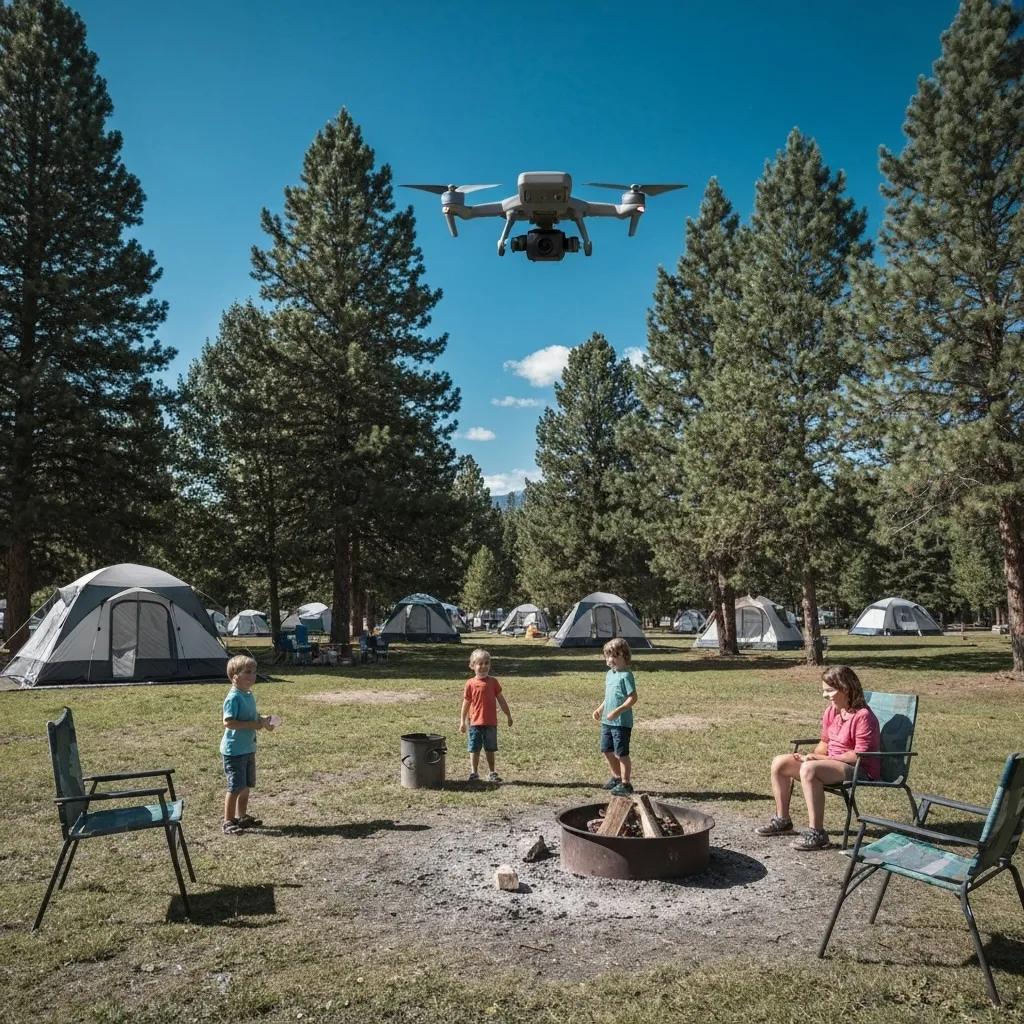
Campgrounds along I-80 provide fire pits constructed with non-combustible materials, set within cleared perimeters to reduce spark hazards and maintain safe boundaries for families.
Each configuration promotes controlled flames and keeps children at a safe distance, ensuring campfire enjoyment without compromising safety.
What Campfire Rules Ensure Children’s Safety at I-80 Campgrounds?
Campfire rules establish clear guidelines that protect young campers:
- Children must maintain a one-arm distance from the fire at all times.
- Adult supervision is required whenever flames are active.
- No running or horseplay is permitted near the campfire area.
- Marshmallow roasting utensils stay with adults until cooled.
These rules improve hazard awareness and foster a safe atmosphere for family storytelling around the fire.
How Are Fire Extinguishing Procedures and Equipment Managed for Emergencies?
Campgrounds store extinguishing tools in visible locations and train staff to deploy them promptly:
- Locate water buckets and shovels at each fire pit station.
- Keep portable fire extinguishers within 50 feet of central gathering areas.
- Conduct daily checks on equipment readiness and pressure gauges.
- Train staff to follow a clear suppression protocol in case of flare-ups.
Having these resources on hand prevents small embers from escalating into dangerous blazes.
What Steps Do Campgrounds Take to Prevent Wildfires Along I-80?
I-80 campgrounds enforce local burn bans and seasonal restrictions to reduce wildfire risk. Rangers inspect fire rings daily and post updated fire danger ratings at entrance gates. Campers receive briefings on wind-driven spark prevention and refuse disposal guidelines. Encouraging responsible ash disposal and immediate fire-out confirmation promotes shared wildfire prevention and preserves the surrounding forest.
How Do I-80 Campgrounds Ensure Water Safety for Children and Families?
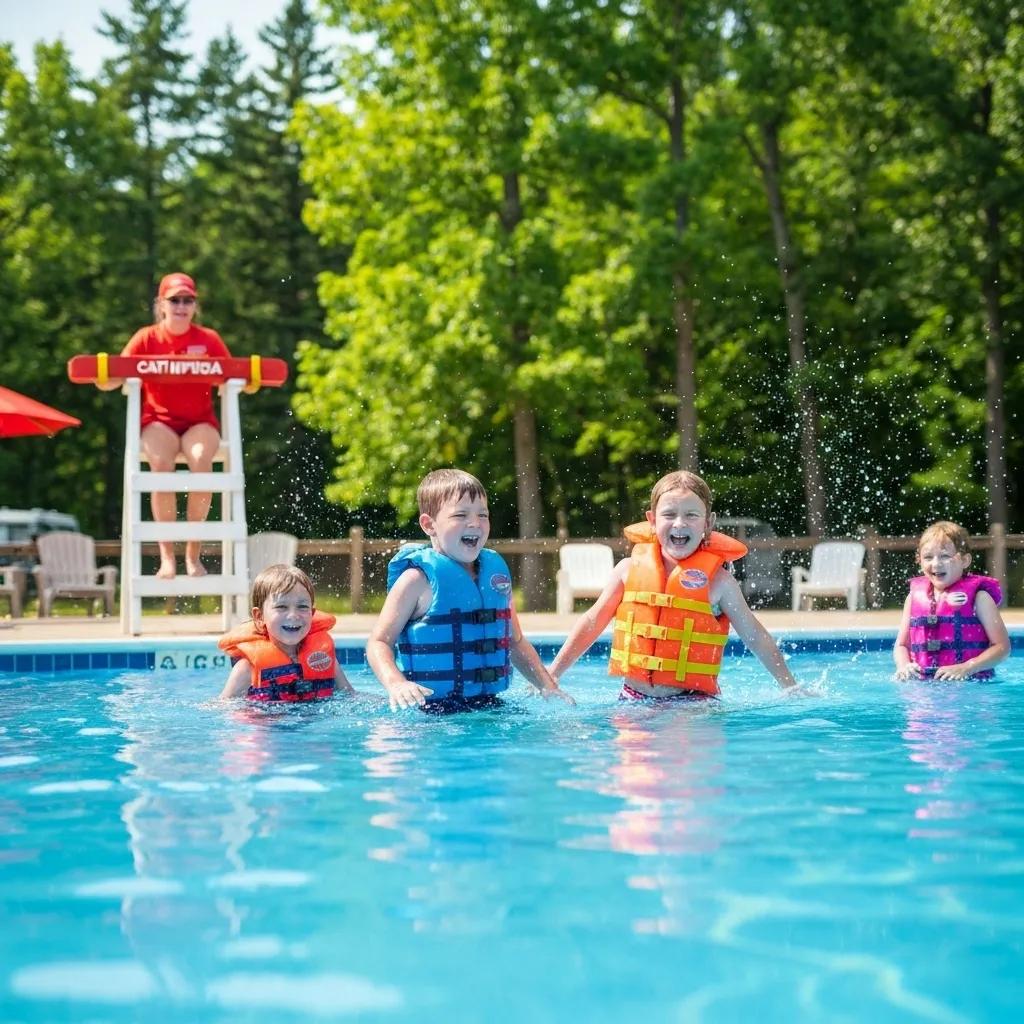
I-80 campgrounds support water safety by combining certified lifeguards, clear boundary markings, mandatory life jacket policies, and educational materials. These layered protocols prevent drowning incidents, foster confidence in young swimmers, and enhance overall family enjoyment of aquatic features.
American Red Cross, Water Safety for Families (2023)
[Water Safety Guidelines for Recreational Areas]
Campgrounds near water sources often enforce water safety measures, such as marked swimming zones, mandatory life jacket policies for children, and the presence of certified lifeguards. These measures are designed to prevent drowning incidents and enhance the safety of families enjoying aquatic activities.
What Supervision and Lifeguard Policies Protect Kids at Campground Pools?
Pools at family-focused I-80 sites maintain a minimum 1:25 lifeguard-to-child ratio, with all guards certified in CPR and water-rescue techniques. Lifeguard stations operate daily during peak hours, and staff perform hourly safety sweeps. This supervision model enhances child protection and ensures rapid response to any poolside emergency.
What Are the Rules for Safe Lake and River Access Along I-80?
Shorelines feature marked swimming zones, with buoy lines set 50 feet from boat launches. Children under 12 must remain within designated swim areas under adult watch. Non-swimmers of any age are restricted to shallow entry points. These rules define clear boundaries and reduce exposure to strong currents or hidden drop-offs.
When Are Life Jackets Required for Children at I-80 Campgrounds?
Life jackets are mandatory for all children under 12 during any water activity, including boating or rafting. Campgrounds supply USCG-approved jackets in various sizes and enforce a “wear-before-enter” rule. Enforcing this policy supports buoyancy, reduces panic risk, and ensures every child stays afloat until rescued.
How Do Campgrounds Educate Families on Water Safety Best Practices?
Campgrounds distribute water safety brochures upon check-in and display colorful signage at all water access points. Staff conduct short orientation workshops covering emergency signals, buddy-system guidelines, and safe re-entry procedures. These educational efforts enhance awareness and promote cautious behavior around aquatic environments.
What Wildlife Safety Measures Are Implemented at I-80 Family Campgrounds?
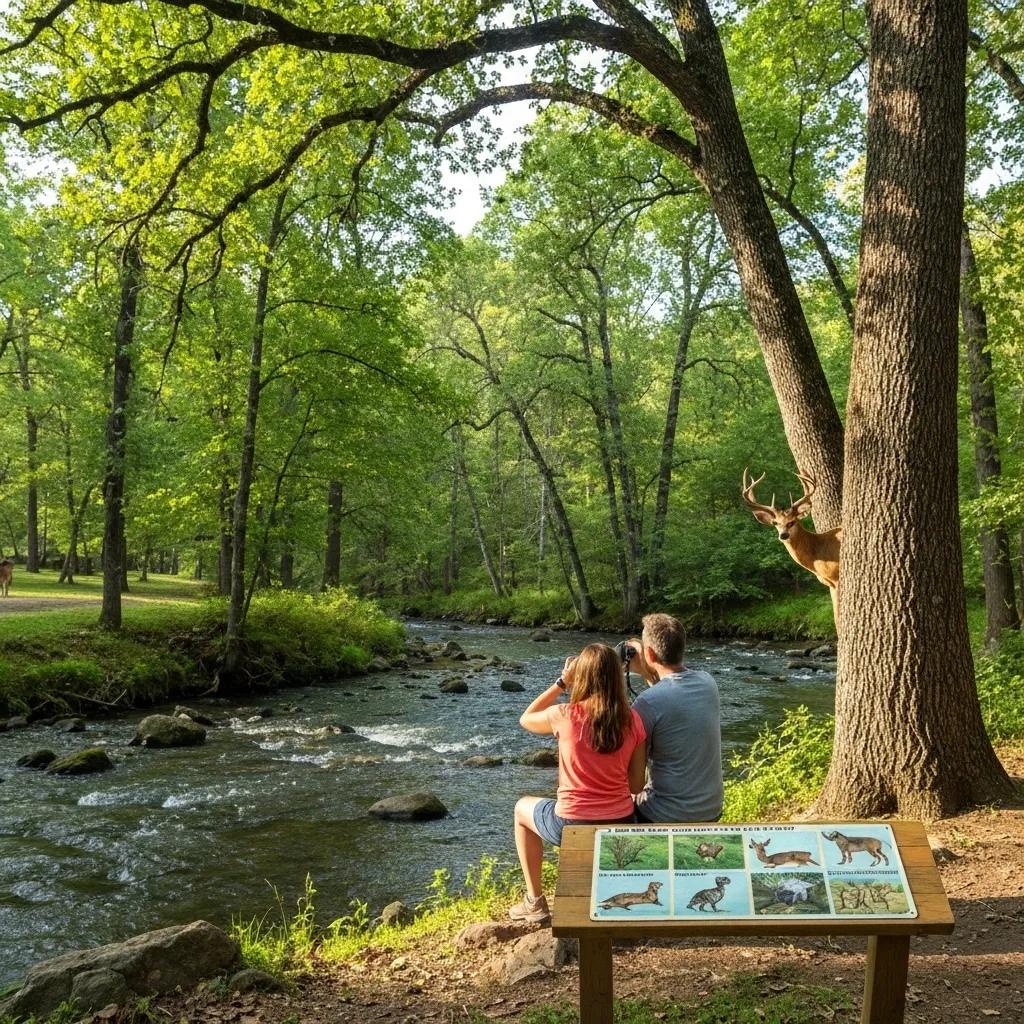
Campgrounds along I-80 balance outdoor enjoyment with wildlife protection by providing animal awareness education, secure food storage, viewing guidelines, and hazard communication. This integrated approach reduces animal encounters and supports coexistence with regional fauna.
Which Local Wildlife Should Families Be Aware of Along I-80?
Common regional animals include black bears, mule deer, rattlesnakes, and ticks. Families receive visual guides illustrating animal tracks and warning signs. Recognizing local wildlife characteristics improves avoidance strategies and promotes respectful wildlife viewing.
How Do Bear-Proof Food Storage and Clean Campsites Reduce Wildlife Encounters?
Campgrounds install bear-resistant lockers and manage regular campsite sweeps to remove food scraps.
Using these storage methods and maintaining cleanliness discourages wildlife visits and protects both campers and animals.
What Are Safe Wildlife Viewing Practices for Families Camping Near I-80?
Families should observe animals from at least 50 feet away, remain inside vehicles when possible, and avoid feeding or approaching wildlife. Whispered conversation rather than shouting minimizes disturbance. These practices support ethical viewing and reduce stress on local species.
How Are Poisonous Plants and Insect Risks Communicated to Campers?
Campgrounds post identification charts for poison oak, stinging nettle, and venomous insects near trailheads. Staff lead guided walks highlighting safe plant-handling techniques and provide tick-check stations at trail exits. Clear hazard communication reduces accidental exposure and supports family well-being.
How Do I-80 Campgrounds Support Child Supervision and Lost Prevention for Families?
I-80 campgrounds strengthen supervision through structured buddy systems, defined play boundaries, clear lost-child protocols, and technological support. These measures improve child accountability and minimize separation anxiety during family stays.
What Buddy System and Supervision Strategies Are Recommended for Kids?
Campground staff encourage pairing children for hikes, setting regular check-in times at central posts, and organizing group nature activities under adult guidance. Implementing these strategies fosters mutual responsibility and enhances group safety.
How Are Campsite Boundaries and Safe Play Areas Defined for Children?
Safe play zones receive brightly colored boundary markers and low fencing near playgrounds. Maps at each site highlight “kid-safe” areas away from vehicle traffic. Defining these boundaries allows parents to relax while children explore within monitored spaces.
What Lost Child Protocols and Meeting Points Are Established at Campgrounds?
Campgrounds designate a central “Family Reunion Point” near the main office, equipped with staff radios and public-address announcements. A color-coded armband system helps staff identify and escort lost children safely back to guardians. Clear procedures expedite reunions and reduce distress.
How Do Campgrounds Use Technology or Staff to Enhance Child Safety?
Some sites offer wearable child trackers that alert parents if kids leave designated zones. Nightly security patrols monitor campsites by vehicle and foot. These technological and personnel measures improve oversight and reassure families at all hours.
What First Aid and Emergency Preparedness Features Do I-80 Campgrounds Provide for Families?
I-80 campgrounds deliver robust first-aid and emergency systems by situating medical stations, maintaining communication networks, installing weather alert systems, and offering basic training. This infrastructure empowers families to respond confidently to unexpected situations.
Where Are First Aid Stations Located and What Services Are Offered?
First-aid kiosks stand at the main entrance, pool area, and trailhead intersections, offering bandages, splints, and antiseptic supplies. Trained staff provide wound treatment, allergic reaction protocols, and minor injury stabilization. Immediate access to these services supports prompt care.
How Are Emergency Contacts and Communication Systems Managed?
Campgrounds install emergency call boxes every quarter mile along main loops and equip staff with two-way radios. An SMS alert platform notifies all registered guests of urgent updates. These layered channels ensure timely communication during crises.
What Weather Alert Systems and Severe Weather Shelters Are Available?
Facilities include siren-activated alert systems tied to National Weather Service feeds, plus mapped storm shelters with reinforced structures. Guests receive text alerts for severe-thunderstorm warnings, and staff guide families to safe buildings when needed. This preparedness minimizes weather-related risks.
How Are Families Educated on Basic First Aid and Emergency Procedures?
During check-in, families view a brief safety video covering CPR basics, heat-exhaustion signs, and shelter-entry protocols. Instructional pamphlets and onsite demonstrations reinforce key steps. These educational resources build confidence and readiness for emergencies.
Which Secure Facilities and Amenities Enhance Family Safety at I-80 Campgrounds?
I-80 campgrounds bolster security by controlling access, illuminating communal areas, designing safe play structures, and offering family-oriented amenities. These features create an environment where children can roam safely and parents can relax.
How Do Gated Entries and Security Patrols Provide Peace of Mind?
Campgrounds use keypad-controlled gates and issue guest-specific access codes to prevent unauthorized entry. Security officers patrol the grounds around the clock on foot and by vehicle. This controlled environment enhances trust and limits potential security breaches.
What Role Do Well-Lit Pathways and Common Areas Play in Safety?
Bright LED pathway lighting and motion-sensor walkway lamps eliminate trip hazards after dark and improve visibility. Well-illuminated picnic areas and restrooms deter wildlife and discourage unwanted activity. This lighting strategy supports secure evening movement.
How Are Playgrounds and Activity Zones Designed for Child Safety?
Play areas feature impact-absorbing rubber surfaces, age-appropriate equipment, and shade structures. Fences around playground perimeters and clear sightlines from parent benches enable continuous observation. These design elements reduce injury risk and encourage safe play.
What Additional Family-Friendly Safety Amenities Are Offered?
Campgrounds provide emergency call stations near play areas, ADA-accessible restrooms with lockable stalls, and shaded rest pavilions close to campsites. These amenities support diverse family needs and enhance overall comfort and security.
How Can Families Prepare for a Safe Camping Experience Along I-80?
Families can improve their camping readiness by selecting appropriate gear, educating children on safety guidelines, practicing supervision plans, and gathering reliable information before departure. These proactive steps enhance enjoyment and reduce on-site stress.
What Essential Safety Gear Should Families Bring for Camping with Children?
Families should pack a well-stocked first-aid kit, USCG-approved life jackets for each child, headlamps or flashlights with extra batteries, reflective clothing for low-light visibility, and EPA-registered insect repellent. Having this equipment on hand supports rapid response to common campsite hazards.
How Can Parents Educate Children About Campground Safety Rules?
Parents can conduct a pre-trip safety briefing covering fire-pit etiquette, water boundaries, and wildlife avoidance. Engaging children with safety games, quizzes, or role-playing scenarios reinforces key rules. This educational approach fosters awareness and cooperation.
What Are Best Practices for Managing Supervision and Emergencies?
Assign adult roles—such as activity leader or “check-in monitor”—to maintain clear responsibilities. Establish simple emergency codes and practice evacuation drills before exploring trails. Using walkie-talkies or group messaging apps ensures families remain connected at all times.
Where Can Families Find More Information About Ridge Ranch and I-80 Campground Safety?
Families seeking further details can explore Ridge Ranch Campground’s online resources or contact the GatherGrounds Resorts team directly for personalized safety guidance. Updated policies, detailed maps, and reservation support are available through the official Ridge Ranch communications channels.
Families traveling along I-80 can rely on these integrated safety standards to enjoy outdoor adventures with confidence. From controlled campfires and lifeguarded water activities to wildlife precautions and secure facilities, each measure enhances well-being. Proactive preparation, clear communication, and on-site support ensure every family stays connected and protected. Book your next family getaway with GatherGrounds Resorts and discover worry-free camping along I-80.