

“`html
Wildlife Protection Policies Every Camper Should Know for Safe and Responsible Camping
Campers need clear, practical wildlife protection policies to keep families safe and preserve the animals that share our outdoor spaces. This guide explains what wildlife protection policies are, how they work to reduce human-wildlife conflict, and the direct benefits for camper safety and local ecosystems. You will learn essential rules for food and scent storage, Leave No Trace principles tailored to wildlife protection, pet guidelines, and step-by-step responses to common encounters—content tuned for family-friendly camping near the Shiawassee River and Michigan landscapes. The article covers campsite behaviors, durable-surface camping, and specific steps for bears, raccoons, snakes, and rabies-suspect animals, plus local context about Walnut Hills Family Campground and its amenities. Readers can expect short lists, comparison tables, and actionable checklists that make it easy to practice wildlife-safe camping immediately.
What Are the Essential Wildlife Safety Rules Every Camper Should Follow?
Essential wildlife safety rules are simple actions that reduce attractants, prevent habituation, and lower the chance of dangerous encounters by removing food, scents, and easy access to trash. These rules work by breaking the association between people and food sources, which in turn decreases bold or aggressive animal behaviors and reduces disease transmission. For campers, following these rules results in safer visits, healthier wildlife populations, and fewer property losses. Below are clear, prioritized rules that families can apply at tent, RV, or cabin sites to protect both people and animals.
These core practices lead directly into specific food-storage techniques and distance rules that follow.
Campers should prioritize these four steps for wildlife safety:
- Store all food and scented items securely away from sleeping areas to prevent attraction.
- Keep a clean campsite and use approved trash disposal methods to remove attractants.
- Maintain safe viewing distances and never approach or feed wildlife.
- Keep pets under control and vaccinated to avoid conflicts and disease transmission.
These steps form a practical foundation; the next section explains precise storage options to match different camping setups.
Intro to storage options and why they matter before the comparison table: effective storage limits scent dispersal and access, reducing animal interest and habituation.
Different food storage methods vary by effectiveness, suitability, and recommended use. The table below compares common storage choices for campers.
How Should Campers Store Food to Prevent Wildlife Attraction?
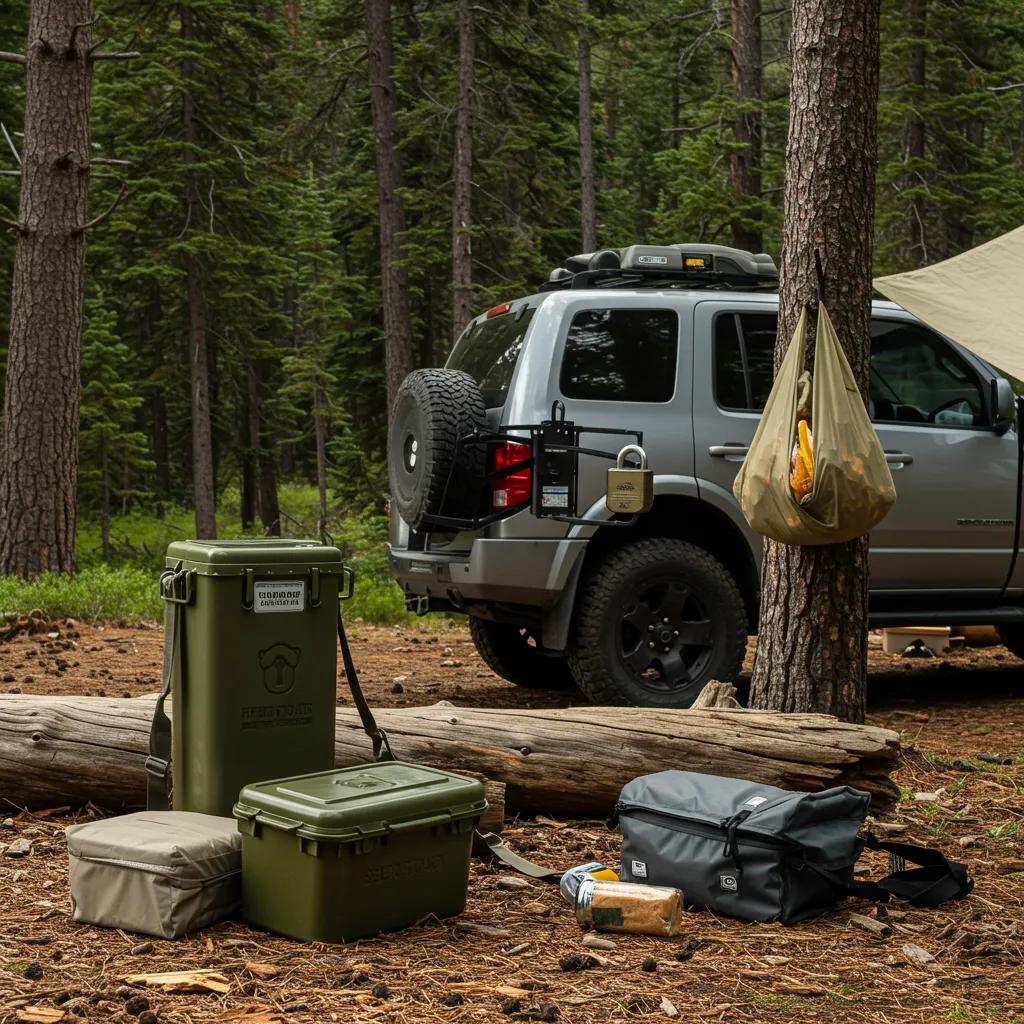
Food storage means keeping all edible and scented items in barriers that block scent and animal access; this reduces curiosity, scavenging, and risk. Mechanically, storage works by containing scent molecules and physical access points so animals cannot learn to associate campsites with food. Families gain direct safety and reduced property damage when storage is consistent and complete. For tent campers, use bear canisters or hung bags; for car and RV campers, lock food in vehicles or use available campground food lockers when possible.
Practical checklist for families includes sealing packages, storing toiletries with food, and removing trash promptly. Proper storage also reduces raccoon and skunk visits that can create disease risks. Next we explain how keeping distance complements storage and reduces stress for wildlife.
Why Is Maintaining a Safe Distance from Wildlife Important?
Maintaining safe distances keeps animals from feeling cornered and prevents escalation to defensive or aggressive behaviors; it also reduces stress that harms animal health. A safe viewing distance is typically about 25 yards (75 feet) for most wildlife and about 100 yards for large predators; these distances decrease the chance of surprise encounters and protect young or nesting animals. The mechanism is simple: distance prevents animals from perceiving humans as a threat and removes opportunities for habituation to human presence. Practically, families should use binoculars or cameras with zoom to observe wildlife without approaching.
Recognizing stressed behavior—such as rapid movement away, huffing, or widened eyes—signals that you are too close and should retreat slowly. With safe distances maintained, feeding rules become easier to enforce and wildlife remain wild.
What Are the Rules About Feeding Wildlife and Why Should It Be Avoided?
Feeding wildlife creates dependency, increases aggression, and spreads disease, so the rule is: do not feed wildlife under any circumstances. Ecologically, supplemental feeding alters natural foraging and reproductive patterns, which can reduce survival of species in the long term. For human safety, feeding increases the probability that animals will approach campsites and vehicles, raising the risk of bites or property damage. Family-friendly examples include raccoons returning nightly or deer becoming bold around picnic areas—both outcomes of repeated feeding.
Preventing feeding requires consistent campsite habits, education of visiting family members, and strict trash management. When everyone follows the no-feeding rule, wildlife retain natural behaviors and campsites become safer for future visitors.
How Can Campers Practice Leave No Trace Principles to Protect Wildlife?
Leave No Trace (LNT) principles help campers minimize their ecological footprint and reduce disturbance to animals by encouraging planning, waste management, and respectful observation. The mechanism is behavior change: planning and preparedness lower the chance of attractants, while durable-surface camping and proper disposal preserve habitat. Campers benefit through better wildlife sightings, healthier habitat, and fewer safety incidents. Below are the most relevant LNT principles with examples tailored for family camping near rivers and wooded campgrounds.
These principles lead naturally into specifics about surfaces and campfire practices that limit wildlife disturbance.
- Plan Ahead & Prepare: Pack appropriate storage and anticipate wildlife risks.
- Travel and Camp on Durable Surfaces: Use established sites, not fragile vegetation.
- Dispose of Waste Properly: Pack out trash or use campground bear-proof receptacles.
- Respect Wildlife: Observe from a distance and never feed animals.
Applying LNT reduces trampling, prevents food conditioning, and preserves natural behaviors; the next subsection explains durable surfaces in more detail.
Camping on durable surfaces preserves habitat by concentrating impact on areas that recover quickly and avoiding fragile soils and vegetation. Durable surfaces include established campsites, gravel, rock, or dry grass where foot traffic won’t crush seedlings or disturb small animal homes. The reason is that undisturbed ground supports insects, nests, and plant communities that wildlife rely on for food and shelter. Families should choose established pads or cleared RV sites and avoid setting tents near riparian vegetation or nesting spots.
Choosing durable surfaces reduces long-term habitat loss and makes it easier for wildlife to find cover and forage. This practice ties directly to responsible campfire choices that prevent additional habitat damage.
Responsible campfire practices reduce smoke, light, and noise impacts while preventing accidental wildfires that destroy habitat. Mechanically, smaller contained fires using designated rings minimize heat and smoke dispersal into wildlife areas and reduce the chance of embers starting larger fires. Campers should use only dead and down wood where permitted, keep fires small, never burn trash, and fully extinguish fires with water and cold-touch checks. Families gain safety and preserve habitat by following size and location guidelines.
Minimizing nighttime light and noise also prevents disruption of nocturnal species; being considerate enhances wildlife viewing opportunities and keeps ecosystems intact.
What Should Campers Know About Pets and Wildlife Interaction?
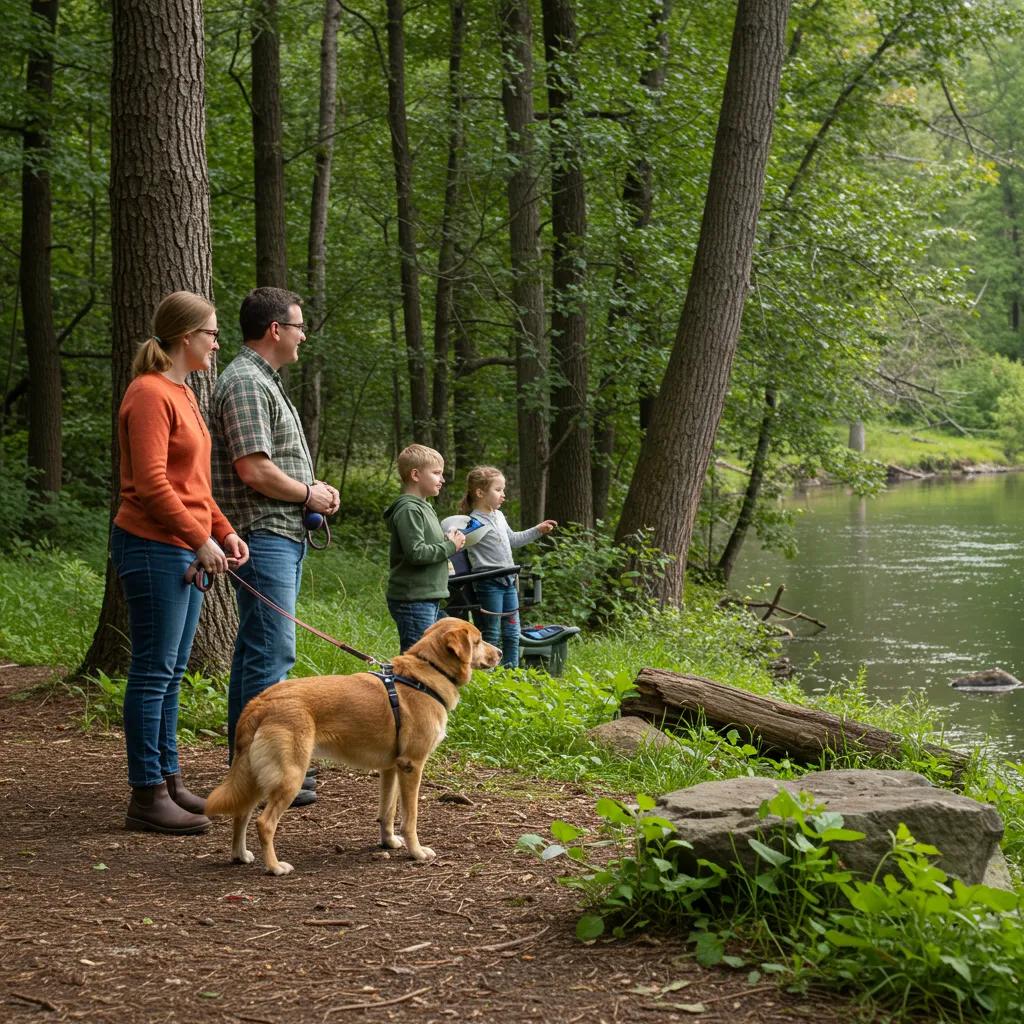
Pet-wildlife interactions present risks to pets, people, and local species through predation, harassment, and disease transmission; clear pet policies and owner practices reduce these risks. Leash laws and supervision prevent pets from chasing or provoking wildlife, which in turn minimizes stress and injury to wild animals and lowers the chance of zoonotic spread. Pet owners benefit by protecting their animals and avoiding fines or conflict at campgrounds. The following guidance outlines common rules and practical measures families should follow when camping with pets.
These pet measures directly connect to vaccine requirements and prevention steps described next.
Campground pet control expectations typically require pets to be on a leash no longer than six feet and under continuous supervision except in designated off-leash areas like a dog park. This policy prevents roaming and reduces encounters with ground-nesting birds, fawns, or turtles. The dog park at Walnut Hills Family Campground provides a controlled space for exercise separate from wildlife habitats, while general areas require restraint. Owners should carry proof of vaccination and keep pets out of restricted natural areas.
Keeping pets leashed protects wildlife and reduces the likelihood of aggressive encounters that would otherwise require intervention by staff or wildlife authorities.
How pet owners prevent conflicts involves behavior management, secure containment, and appropriate equipment to reduce chase incidents and stress. Recommended equipment includes a six-foot leash, sturdy collar with ID, and a crate for unattended containment. These measures keep both pets and local animals safer and reduce disease transfer opportunities.
Do keep pets on short leashes near trailheads; do not allow pets to swim near nesting shorelines; do clean up pet waste to avoid attracting scavengers like raccoons.
Pet vaccinations protect wildlife by reducing transmission of diseases such as rabies and canine distemper and are a core public-health mechanism for zoonotic prevention. Vaccinated pets are less likely to contract and spread pathogens to native animals and humans, lowering overall community risk. Owners should confirm core vaccinations and discuss local risks with health authorities when planning trips. If a pet or wildlife shows signs of illness or unusual aggression, do not approach and report immediately to campground staff or local health departments.
This table clarifies simple owner responsibilities that protect wildlife and align with broader campground policies.
How Should Campers Respond to Common Wildlife Encounters?
Clear response steps reduce risk during encounters by altering human behavior to signal non-threat and avoid escalation; these steps are simple, repeatable, and effective. Mechanisms include increasing distance, making controlled noise, and securing attractants to change animal expectations. For campers, having practiced responses improves outcomes and reduces trauma to wildlife and people. The following subsections provide concise, actionable responses for bears, raccoons and small critters, and rabies-suspect animals.
First, immediate actions for bear encounters focus on de-escalation and preventing predatory or defensive interactions.
If you encounter a bear, stay calm and assess distance; do not run, which can trigger chase behavior. Speak firmly, make yourself appear larger, and slowly back away while keeping the bear in view. If a bear approaches persistently, use bear spray if available, and retreat to a secure area such as a vehicle or building. Preventive measures include removing attractants and following storage guidance so bears do not associate campsites with food.
Practicing these steps before a trip increases preparedness and confidence during an actual encounter.
Handling raccoons and small critters emphasizes non-confrontation and securing the site to remove incentives for repeat visits. Do not attempt to touch or chase small animals; calmly shoo them away from food and close access points. Secure trash and food containers, and use deterrents like motion lights where appropriate to discourage nightly visits. If animals enter a tent or cabin, retreat to safety and alert campground staff for assistance.
Consistent deterrence and secure storage reduce habituation and protect both small wildlife and camper property.
Recognizing rabies involves noting unusual behavior such as aggression, disorientation, excessive salivation, or daytime activity by nocturnal species; these signs indicate immediate reporting and avoidance. Do not approach or touch animals showing these signs and keep pets and children away. Report sightings to campground staff and local public-health authorities according to posted procedures. Timely reporting allows authorities to manage risk and protect subsequent visitors and wildlife.
Prompt reporting and avoidance preserve safety for humans and animals, completing the response guidance.
This quick-reference table equips campers with immediate, species-tailored actions to reduce harm and enable timely reporting.
Why Is Wildlife Protection Important at Walnut Hills Family Campground?
Wildlife protection at Walnut Hills Family Campground matters because the site’s riverine and wooded habitats support common Michigan species and because guest behaviors directly influence local wildlife health. Stewardship at this family-focused camping destination involves reducing attractants, posting educational signage, and providing infrastructure that minimizes wildlife contact. The result is safer visits for families, healthier animal populations, and a better recreational experience for future guests. Walnut Hills operated by GatherGrounds Resorts emphasizes the provision of outdoor recreational getaways in natural settings and offers RV sites, tent camping, and cabin rentals that can be used responsibly with the rules described here.
Highlighting amenities and stewardship encourages safe planning and booking: the campground’s canoe livery and swimming lake on the Shiawassee River, Wibit water park, and dog park bring families close to nature while on-site policies and facilities reduce unintended wildlife interactions. These amenities support family experiences while signage and designated durable-surface sites help prevent habitat damage. Guests planning visits should follow campground rules, use provided trash facilities, and consider secure storage options appropriate to their accommodation.
Short list of common species campers may encounter around Durand, Michigan and the Shiawassee River area:
- White-tailed deer: Often seen in meadow edges; keep distance to avoid maternal defense.
- Raccoons: Nocturnal scavengers drawn to food; secure trash to deter them.
- Songbirds and waterfowl: Nesting season requires quiet shorelines and no feeding.
- Small mammals (squirrels, rabbits): Common near campsites; avoid feeding to prevent habituation.
These species require low-impact behaviors and awareness; the next subsection explains how the campground supports these practices.
Walnut Hills integrates wildlife protection by providing infrastructure and education that reduce conflicts and encourage stewardship among visitors. On-site measures include designated trash and recycling areas, established campsites to concentrate impact, and clear rules about pets and food storage. Staff and signage help families follow Leave No Trace practices, and activity areas like the canoe livery include guidance to minimize shoreline disturbance. Guests can find campground rules and amenity details through the campground’s informational resources when planning responsible visits.
The principles of recreation ecology provide a scientific framework for managing human activities in natural environments to minimize ecological impact.
Sustainable Camping Management Strategies for Recreation Ecology
Applying recreation ecology science to sustainably manage camping impacts: A classification of camping management strategies and options and urge managers to consider adopting a more proactive and sustainable camping
Applying recreation ecology science to sustainably manage camping impacts: A classification of camping management strategies, J Marion, 2018
How Can Campers Respect Wildlife While Enjoying Activities Like Canoeing on the Shiawassee River?
Respectful canoeing means maintaining distance from shorelines, avoiding nesting areas, minimizing noise, and observing wildlife without approaching, which protects riparian species and nesting birds. Mechanically, paddles and quiet movement reduce wakes and sudden disturbances that can displace foraging animals and damage shoreline vegetation. Families should steer clear of vegetated banks during nesting seasons and use established launch points to limit trampling. Using binoculars and quiet observation enhances wildlife viewing while preventing harm.
Practicing these behaviors preserves aquatic and shoreline habitats, supports healthy riverine wildlife, and ensures future visitors can enjoy the Shiawassee River’s natural sights. For families ready to plan a responsible trip, Walnut Hills Family Campground offers RV sites, tent camping, and cabin rentals that support safe, wildlife-conscious recreation and encourage reservations through the campground’s booking resources.
Frequently Asked Questions
What should I do if I encounter a bear while camping?
If you encounter a bear, remain calm and assess the situation. Do not run, as this may trigger a chase response. Instead, speak firmly to the bear, make yourself appear larger, and slowly back away while keeping the bear in sight. If the bear approaches, use bear spray if available and retreat to a secure area like a vehicle. Always remember to remove attractants from your campsite to prevent bears from associating your area with food.
How can I educate my children about wildlife safety while camping?
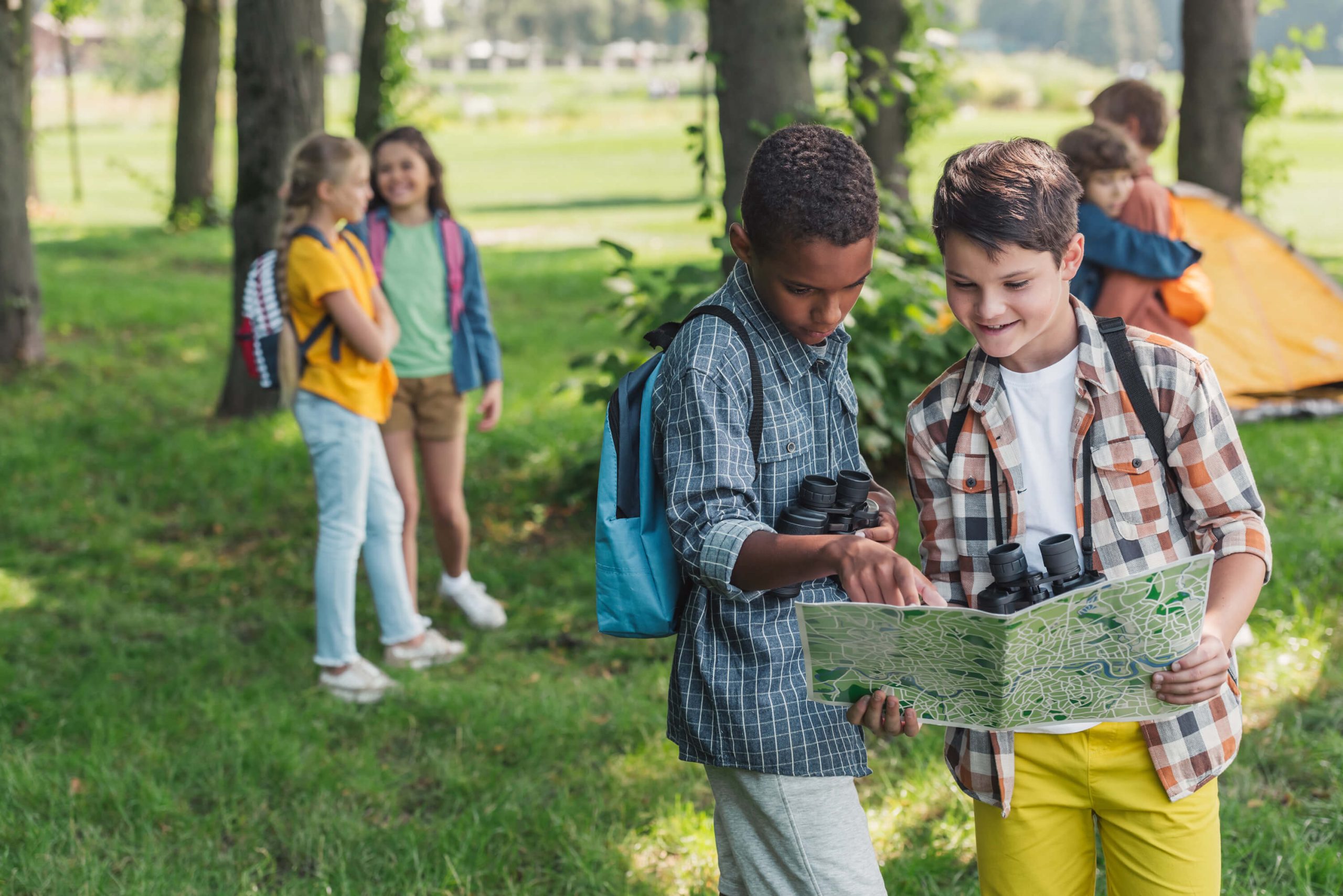
Educating children about wildlife safety is crucial for their safety and the well-being of local animals. Start by discussing the importance of maintaining a safe distance from wildlife and the reasons behind not feeding animals. Use engaging activities, such as wildlife observation with binoculars, to teach them about animal behavior. Role-playing scenarios can also help them practice appropriate responses to encounters. Reinforce these lessons throughout your camping trip to ensure they understand and remember the guidelines.
What are the best practices for disposing of waste while camping?
Proper waste disposal is essential for minimizing wildlife attraction and protecting the environment. Always pack out all trash, including food scraps and wrappers, or use designated bear-proof receptacles if available. For pet waste, carry bags to clean up and dispose of it in appropriate bins. Avoid burying waste, as animals can dig it up. Following these practices not only keeps your campsite clean but also helps maintain the health of local wildlife and ecosystems.
How can I ensure my pet is safe while camping?
To keep your pet safe while camping, always keep them on a leash, ideally no longer than six feet, to prevent them from chasing wildlife or getting lost. Ensure your pet is up-to-date on vaccinations to reduce the risk of disease transmission. Bring a crate for secure containment when you are not around. Additionally, clean up after your pet to avoid attracting scavengers and always supervise them near natural habitats to prevent any potential conflicts with wildlife.
What should I do if I see an animal displaying unusual behavior?
If you observe an animal exhibiting unusual behavior, such as aggression, disorientation, or excessive salivation, do not approach it. These signs may indicate that the animal is sick or rabid. Keep a safe distance and ensure that children and pets are away from the area. Report the sighting to campground staff or local health authorities immediately, as they can take appropriate action to manage the situation and protect other visitors and wildlife.
How can I minimize my impact on wildlife while canoeing?
To minimize your impact on wildlife while canoeing, maintain a respectful distance from shorelines and avoid nesting areas. Use quiet paddling techniques to reduce noise and disturbances that can displace wildlife. Observe animals from a distance using binoculars instead of approaching them. Additionally, avoid trampling on vegetation by using established launch points and staying clear of sensitive habitats. These practices help protect aquatic and shoreline ecosystems while allowing you to enjoy the beauty of nature.
What are the benefits of following Leave No Trace principles while camping?
Following Leave No Trace (LNT) principles while camping offers numerous benefits, including the preservation of natural habitats and the protection of wildlife. By planning ahead, disposing of waste properly, and respecting wildlife, campers can minimize their ecological footprint and reduce disturbances to local ecosystems. Practicing LNT not only enhances the camping experience by promoting healthier wildlife populations and better sightings but also ensures that future visitors can enjoy the same natural beauty without compromising the environment.
Conclusion
Understanding and implementing wildlife protection policies is essential for ensuring safe and responsible camping experiences while preserving local ecosystems. By following guidelines for food storage, maintaining safe distances, and respecting wildlife, campers can contribute to healthier animal populations and safer outdoor adventures. We encourage you to explore the resources available at Walnut Hills Family Campground to plan your next wildlife-conscious trip. Together, we can enjoy nature while protecting the wildlife that enriches our outdoor experiences.
“`