Safe, Family-Friendly River Adventures
River floats are a classic family outing—best when safety comes first. At Walnut Hills Campground we prioritize safety; this guide covers essential gear, supervision, reading river conditions, and simple emergency steps to review before you launch.
Must-Have Safety Gear for River Floating
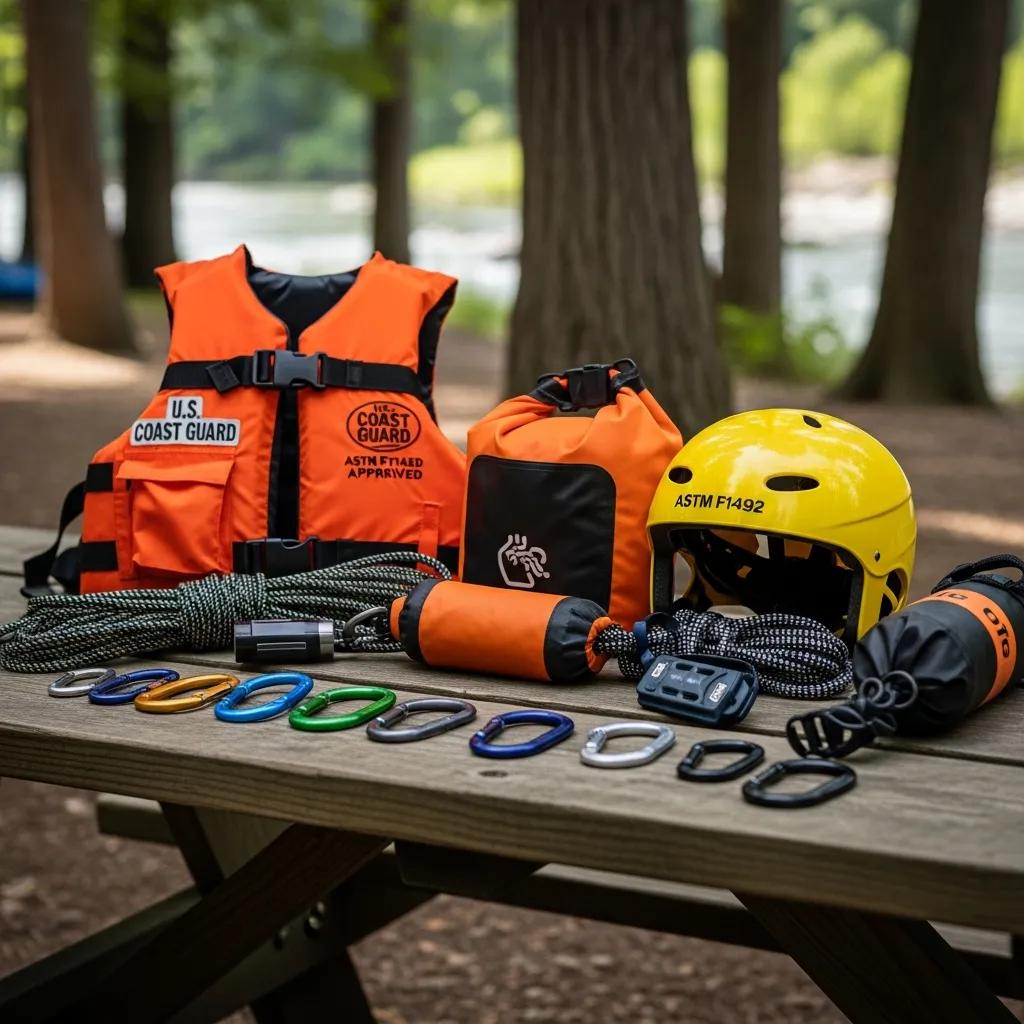
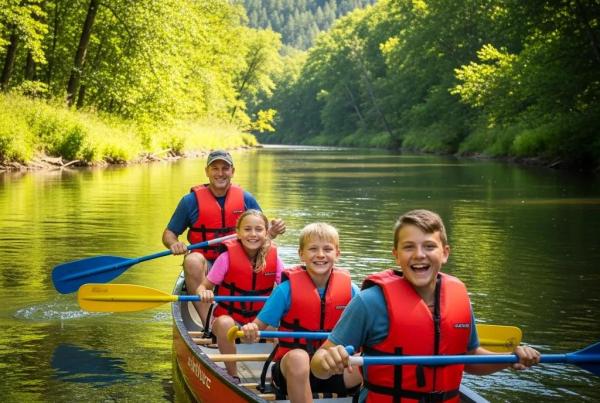
Bring U.S. Coast Guard–approved life jackets, helmets for rocky or fast sections, and reachable flotation aids. Fit each jacket to the wearer and keep spare flotation devices within arm’s reach throughout your trip.
Clear rules and targeted campaigns are proven to increase life jacket use.
How campaigns and regulations boost life-jacket use
Between 1999 and 2012 in the United States, roughly 4% of adults wore life jackets during powerboat recreation. Targeted education and mandatory rules focus mainly on children and users of personal watercraft or waterskiers. Two interventions illustrate the effect: the “Wear It California!” marketing campaign in the California Delta, and mandatory-wear rules at four US Army Corps of Engineers lakes in Mississippi. Before the Delta campaign, adult wear was 8.5%, rose to 12.1% in year one, dipped to 9.4% in year two and was 10.5% three-plus years later. At the USACE lakes, adult wear jumped from 13.7% before regulations to 75.6% in year one, 70.1% in year two, and stayed high at 68.1% in year three. These findings can help policymakers choose effective ways to increase life jacket use.
Changing life jacket wearing behavior: An evaluation of two approaches, 2014
This quick reference highlights the core items to bring so your family is prepared on the river.
Choosing the Right Life Jackets and Helmets
Use U.S. Coast Guard–approved life jackets for reliable buoyancy and ASTM F1492 helmets where rocks or swift water pose a hazard. Jackets should fit snugly while allowing comfortable movement.
Using and Caring for Your River Gear
Inspect gear before each trip—check for tears, cracked plastic, and broken buckles. Rinse grit off, dry items fully, and store out of direct sun to extend gear life.
How Supervision and Group Protocols Keep Families Safe

Thoughtful supervision lowers risk and keeps outings relaxed. When lifeguards are on duty, follow their guidance. For groups, assign a responsible adult to each small cluster of children and use clear shore-to-water plans and steady communication to spot issues early.
When parents consistently wear life jackets, children follow their lead.
Family-centered drowning prevention & life jacket modeling
A family-focused strategy can reduce drowning incidents by reaching parents with safety information and encouraging them to model life jacket use for children.
Kids don’t float… and their parents don’t either: Using a family-centered approach in Alaska’s kids don’t float program, MEE Bauer, 2020
Roles of Lifeguards and Parents During River Activities
Lifeguards monitor conditions, identify hazards, and lead rescues. Parents supervise children, enforce rules, and alert staff to concerns. Coordinated oversight speeds response and improves safety.
Organizing Safe Group Floating and Child Supervision
Begin with a short safety briefing that covers meeting spots, your route, and emergency steps. Assign one adult per small group, keep groups manageable, and use simple routines—such as head counts at launch and exit—to prevent separation.
Environmental Factors That Affect River Floating Safety at Walnut Hills
River conditions change with season and weather. Currents, debris, water temperature, and storms all affect safety—match your plans to current conditions and be ready to postpone if needed.
How to Assess River Currents and Weather Before Floating
Check local flow gauges and forecasts before you go. Watch for fast currents, large debris, sudden depth changes, and heavy runoff. Postpone trips when flows look unusually strong and watch the sky for storms.
Signage and Warnings for River Safety
Read posted signs and follow staff guidance; they indicate hazards, closures, and safe routes. If a section is marked closed, choose a safer route or reschedule.
Emergency Procedures Every Family Should Know
Agree on a short emergency plan: who calls for help, who escorts children to safety, and where the family will meet. Practice it so everyone can act calmly and clearly if needed.
How to Respond to River Emergencies and Get Help
If an emergency occurs, stay calm and act deliberately. Reach or throw flotation—use a paddle or branch to extend reach—and avoid entering the water unless trained. Signal with a whistle, alert lifeguards, and call emergency services as required.
Safety Drills and Protocols at Walnut Hills
Walnut Hills staff run regular drills and offer brief safety orientations covering basic rescue steps, emergency contacts, and evacuation points so guests leave feeling prepared.
Frequently Asked Questions
What should families do if they encounter wildlife while floating?
Keep a safe distance, observe quietly, and do not feed or approach animals. If an animal acts aggressively, calmly paddle to shore and leave the area.
How can families prepare for unexpected weather changes while floating?
Monitor forecasts, pack waterproof layers and dry bags, identify nearby shelters and exit points, carry a charged phone, and be ready to end the trip early if storms approach.
What are the best times of year for river floating at Walnut Hills?
Late spring through early fall is typically best. Note that spring can bring higher flows from snowmelt—always check local flow and weather reports first.
Are there age restrictions for river floating at Walnut Hills Campground?
Children must wear life jackets and be supervised by an adult. Some programs recommend a minimum age (often around 12) for unsupervised floating—confirm current staff rules before your visit.
What specific health precautions should families take before floating?
Ensure everyone is fit for water activities, bring necessary medications, use waterproof sunscreen, and stay hydrated. Carry antihistamines or an epinephrine auto-injector for severe allergies if recommended.
How can families stay hydrated while floating?
Bring plenty of water in insulated containers, take regular hydration breaks, and consider electrolyte drinks for longer floats so fluids are always accessible.
What should families do if someone falls into the river?
Stay calm, throw a flotation device or reach out with a paddle or branch, avoid untrained entries, alert lifeguards, and call emergency services if needed.
What should families do if they encounter strong currents while floating?
Stay calm, aim for the bank or a calm eddy, float on your back with feet pointed downstream if necessary, and signal for help.
How can families ensure their gear is safe and effective for river floating?
Inspect life jackets and helmets before each trip and replace any damaged or poorly fitting gear.
What are the signs of a safe river for floating?
Look for a steady, moderate flow, minimal debris, clear exit points, and posted signs indicating safe areas.
How can families practice emergency procedures effectively?
Run simple drills, assign roles (who calls for help, who gathers the kids), rehearse the meeting point, and practice signaling.
What should families know about river etiquette while floating?
Yield to other users, avoid creating large wakes, keep noise low near wildlife, and pack out all trash.
How can families stay hydrated while floating?
Carry ample water in accessible bottles, take regular breaks, and include electrolyte options for long or hot trips.
What should families do if someone falls into the river?
Remain calm, throw a flotation device or reach with a long object, avoid entering the water unless trained, and alert lifeguards.
Are there age restrictions for river floating at Walnut Hills Campground?
Children must wear life jackets and be supervised; check staff guidance for any age-specific rules for unsupervised floating.
What are the best times of year for river floating at Walnut Hills?
Late spring through early fall is typically best; verify local flow and weather reports before you go.
How can families prepare for unexpected weather changes while floating?
Watch forecasts, pack waterproof layers and dry bags, note exit points, carry a charged phone, and be ready to end the float early if needed.
What should families do if they encounter wildlife while floating?
Observe from a distance, stay quiet, never feed animals, and paddle to shore if an animal becomes threatening.
Are there any specific health precautions families should take before floating?
Confirm fitness for water activity, bring required medications, use waterproof sunscreen, stay hydrated, and carry allergy medication or an epinephrine auto-injector if needed.
Conclusion
Putting safety first makes river floating at Walnut Hills Campground more relaxing and memorable. Bring the right gear, supervise actively, check conditions, and know basic emergency steps before you go.
Conclusion
With a little preparation—proper equipment, attentive supervision, and awareness of changing conditions—you can enjoy a safe, joyful family float at Walnut Hills and create lasting memories.
Conclusion
Keeping safety front and center enhances every family river adventure at Walnut Hills Campground. Equip yourself with the right gear, stay alert to environmental changes, and agree on simple emergency steps so your day on the water is fun and worry-free. Start planning your next float and use our resources to prepare for a safe, memorable outing.