Sell Your Campground Fast with Expert Agents
Selling a campground swiftly hinges on a sharp strategy: accurate valuation, focused marketing, and skilled negotiation. Partnering with campground brokers and acquisition firms can significantly shorten timelines and boost your confidence. This guide walks you through preparing your property, choosing the quickest sale route, and collaborating with RV park real estate agents or acquisition companies to close faster while safeguarding your value. You’ll learn why specialized brokers accelerate deals, step-by-step preparation and pricing tactics, how to value your property using Net Operating Income (NOI) and cap rates, and practical marketing and negotiation strategies that cut down time on the market. We’ve also included checklists for essential paperwork and regulatory items, comparisons of brokered listings versus acquisition offers, and realistic timeline milestones with tips to speed up each phase. Throughout, we’ll use industry terms like NOI, cap rate, buyer financing, and due diligence, showing how accelerators like confidential outreach, pre-qualified buyers, and seller financing translate into quicker closings.
Why Partner with Campground Brokers and Expert Agents to Sell Your Campground?
Campground brokers and RV park real estate agents are specialists in recreational property sales. They accelerate the process by combining deep market knowledge, targeted buyer networks, and deal-structuring expertise to reduce friction and speed up offers. Their approach is simple: they match your property’s attributes—NOI, occupancy, amenities—with buyer demand and use confidential channels to surface offers rapidly, increasing sale certainty. The outcome? A shorter marketing window, fewer renegotiations, and ultimately, faster closings with more predictable results. Understanding these advantages helps you decide whether a traditional MLS-style brokered route, a direct sale to an operator, or an acquisition company focused on speed is the best fit for you.
What advantages do campground brokers offer for a fast sale?
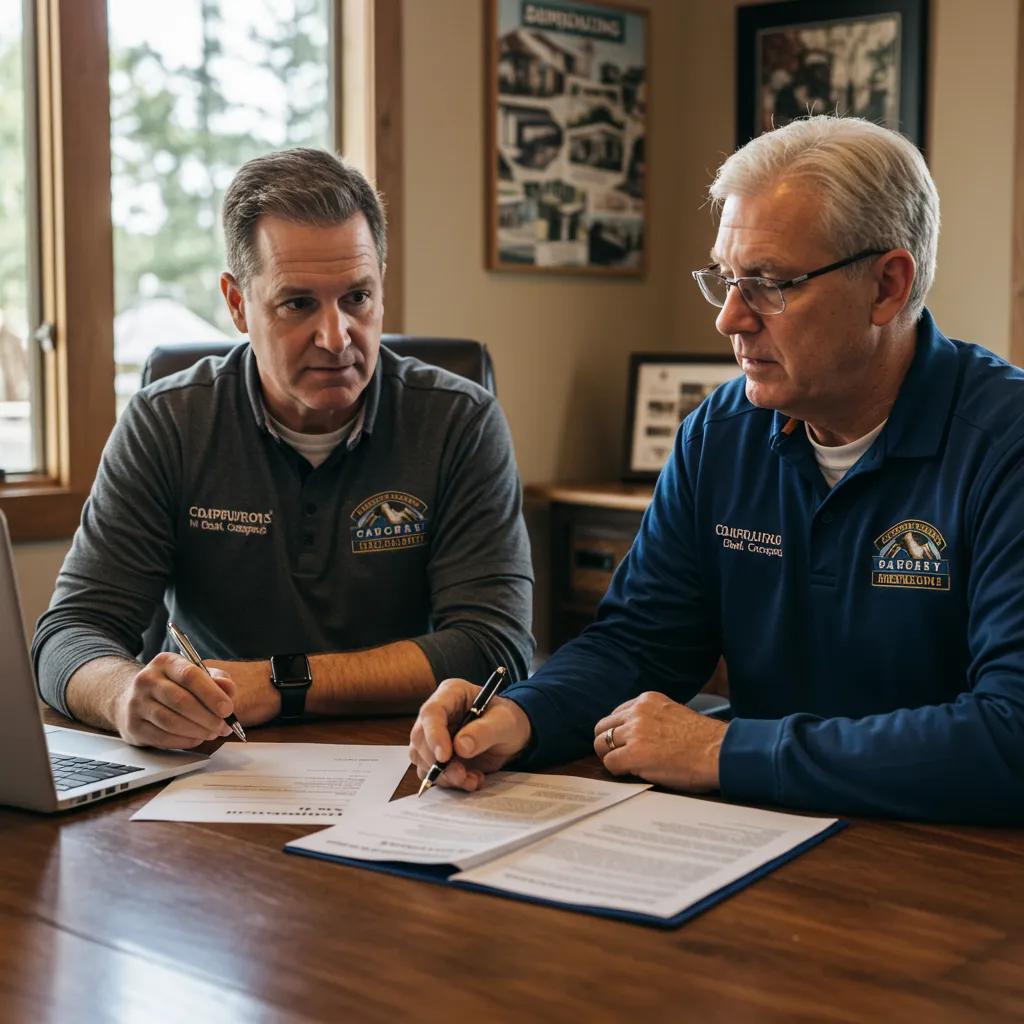
Campground brokers speed up sales by tapping into investor and operator buyer lists, employing confidential marketing tactics, and leveraging negotiation experience to secure quicker offers and higher close rates. They conduct targeted outreach that filters out unqualified buyers early and present polished financial packages to vetted prospects, minimizing wasted time on showings. Brokers also position pricing strategically using comparable sales and NOI analysis, ensuring offers come in sooner and require fewer counteroffers. These methods often significantly shorten the marketing-to-LOI timeline, preparing you for the next crucial step: understanding how RV park agents’ specialized skills can streamline each phase of your sale.
How do RV park real estate agents specialize in campground sales?
RV park real estate agents specialize by deeply understanding campground-specific metrics—NOI, occupancy seasonality, site mix, and utility capacity—and by expertly navigating specialized due diligence, including environmental screenings and permit reviews. Their expertise covers financial modeling, buyer vetting, managing site tours, and coordinating with lenders familiar with campground underwriting, all of which accelerate qualified offers. Agents who know regulatory constraints and local tourism trends can accurately frame expansion potential or limitations for buyers, minimizing surprises during diligence. This specialization naturally leads to another important decision point: when an acquisition company might be the right route for speed and certainty.
When should you hire a campground acquisition company?
Selling to a campground acquisition company is often the fastest path when your priority is certainty, confidentiality, and speed, rather than maximizing your list-price exposure. Acquisition buyers typically use standardized LOIs, centralized underwriting, and internal funding to present firm offers with shorter due diligence windows, which is ideal for owners needing a quick close. The trade-off is often a slight price concession for this speed and reduced contingencies, so it’s crucial to vet offer fairness by comparing implied cap rates and assumed liabilities. If speed and a seamless transition are more important than achieving the absolute highest market price, pursuing acquisition buyers can be your optimal choice. The next section outlines the actionable steps to sell quickly.
For owners seeking a practical buyer example alongside these advantages, GatherGrounds Resorts is an experienced acquirer in the campground space that pursues confidential acquisitions and employs standardized disposition workflows, aligning perfectly with the speed and certainty benefits we’ve described. This mention illustrates how an acquisition approach can mirror the accelerators brokers use, without making broader claims about any specific deal.
What Are the Key Steps to Sell My Campground Quickly?
Selling quickly follows a clear sequence: prepare and organize your documentation, set a market-smart price, conduct targeted confidential marketing, qualify your buyers, and structure terms that incentivize a fast close. The core mechanism is preparation combined with selective exposure—well-prepared due diligence materials reduce buyer friction, while targeted outreach narrows the buyer pool to serious operators and investors who can close faster. The benefit? Fewer surprises during diligence, shorter negotiation cycles, and a higher probability of timely offers. The step-by-step guidance below breaks these phases into practical actions you can start immediately.
How to prepare your campground for sale?
Preparation means assembling your financial statements, occupancy records, site plans, permits, and maintenance logs into a cohesive sales packet that speeds buyer evaluation and minimizes questions during due diligence. Practically speaking, you should prioritize documentation for NOI stabilization, recent capital expenditures, and utility capacity details, as these items directly impact underwriting and buyer confidence. Addressing minor visible maintenance issues and documenting any deferred maintenance with cost estimates can prevent last-minute demands and accelerate inspections. Having these materials ready creates a predictable progression to pricing and marketing, leading into strategic pricing tactics designed to drive quick offers.
- This checklist highlights high-impact preparation tasks to shorten your sales timeline:
Gather three years of P&L and occupancy data in a clear, buyer-friendly format.
Collect permits, site plans, and environmental disclosures to prevent delays.
Document recent capital improvements, maintenance logs, and vendor contracts.
These preparations reduce buyer hesitation and speed up due diligence, empowering agents to market with confidence and move swiftly toward offers.
What pricing strategies help sell campgrounds fast?
Effective pricing for speed blends realistic market valuation with incentives or flexible terms that broaden the buyer pool and encourage prompt offers. Using comparables, NOI-based valuation, and regional cap rate benchmarks establishes a baseline price. Simultaneously, offering structured concessions—like seller financing, earnest-money incentives, or short inspection windows—can attract buyers who are ready to close faster. Price banding or limited-time pricing windows can create urgency without permanently discounting value, and framing offers with transparent financial modeling reduces negotiation cycles. A clear pricing strategy prepares your property for targeted marketing, the next essential step for rapid sale execution.
How to market your campground effectively with expert agents?
Targeted marketing uses confidential teasers, vetted buyer outreach, and industry networks to surface qualified offers quickly while protecting operational privacy and tenant stability. Agents deploy investor lists, RV park brokerage networks, and direct outreach to operators and portfolio buyers to generate high-quality leads, rather than public listings that attract unfocused interest. Professional sales packets and NDA-gated data rooms allow agents to share financials only with qualified buyers, accelerating LOI delivery. As an example of agent-led tactics, GatherGrounds Resorts employs confidential buyer outreach and an industry-wide network as part of its marketing and disposition methods to illustrate how focused outreach shortens marketing cycles.
This targeted marketing approach concentrates exposure on likely buyers, which in turn narrows the sales timeline and leads into how professionals value the property to attract the right offers.
How Do Campground Brokers and Agents Value Your Campground?
Campground valuation combines financial metrics (NOI, revenue streams, occupancy), physical attributes (site count, utilities, amenities), and market indicators (comps, cap rates) to produce a price that aligns buyer expectations with your goals. The mechanism is translating operational performance into an underwritten asset value—NOI feeds cap rate calculations, and physical/entitlement traits adjust the valuation up or down. Accurate valuation shortens time-on-market because it generates offers from buyers whose underwriting already aligns with the price, reducing renegotiations. Below is a table comparing key valuation attributes and their typical contribution to value.
The table below explains how brokers weigh each valuation factor when estimating market value.
This comparison clarifies that NOI and occupancy typically dominate valuations, while physical and entitlement factors adjust buyer appetite.
What factors influence campground valuation?
Valuation centers on NOI and revenue trends, with occupancy consistency and seasonal variability shaping predictability for buyers and lenders. Physical condition—amenities, utility capacity, and deferred capital needs—modifies underwriting assumptions and future capex allowances. Regulatory and zoning constraints can limit expansion or operational changes, lowering value for buyers seeking growth, while land value and location drive long-term upside. Understanding these levers helps you focus on the documentation and small improvements that most enhance perceived value, which in turn informs how agents assess market demand.
How do RV park real estate agents assess market demand?
Agents evaluate demand through comparable transactions, regional cap-rate benchmarks, buyer segmentation (operators versus passive investors), and local tourism and seasonal demand indicators. They also inspect lender appetite and financing availability for similar assets to determine which buyer types are active and what underwriting standards apply. Agents combine quantitative comps with qualitative knowledge of local operator networks to predict time-to-offer and optimal marketing channels. This market assessment then supports professional valuation, which reduces time-to-offer and prevents pricing misalignment.
Why is professional valuation critical for a fast sale?
Professional valuation sets realistic expectations for both sellers and buyers, enabling agents to market confidently and attract qualified offers rather than speculative inquiries. Accurate pricing prevents the common delays associated with repeated price adjustments, extended negotiations, or aborted deals during due diligence. A credible valuation also supports stronger LOIs and smoother financing discussions, compressing timelines through clearer buyer underwriting. With valuation settled, you can move directly into targeted marketing and negotiation strategies that prioritize speed.
What Are the Benefits of Working With Campground Acquisition Companies?

Campground acquisition companies offer speed, certainty, and simplified negotiations by using standardized offer processes and in-house decision-making, which can drastically shorten the path from LOI to closing. Their mechanism relies on repeatable underwriting and centralized funding that reduce external approvals and allow for tighter diligence windows, often enabling “as-is” purchases that spare sellers extensive preparation. The benefit is a faster, lower-friction transaction for owners prioritizing a clean exit over maximum market exposure. The table below compares common sale pathways—brokered MLS listing, acquisition company sale, and direct sale to operator—against speed, fees, confidentiality, and likelihood to close.
This table demonstrates that acquisition companies typically maximize speed and confidentiality, while brokered listings aim for price discovery at the cost of longer timelines.
How do acquisition companies streamline campground sales?
Acquisition buyers streamline sales with fast LOIs, standardized due diligence checklists, and centralized funding decisions that compress approval cycles and reduce contingencies. They often accept properties “as-is,” lowering seller prep time and avoiding drawn-out remediation negotiations, which benefits owners who prefer a turnkey exit. Standardized documentation requirements and templated contracts enable quicker agreement on terms and deadlines, trimming weeks or months from the typical closing schedule. These efficiencies create clear pathways for sellers seeking certainty and speed, but sellers must still negotiate trade-offs between price and transaction rapidity.
What types of campgrounds do acquisition companies target?
Acquisition firms typically target stable, revenue-generating parks that fit portfolio criteria—consistent NOI, manageable capex needs, and amenity mixes that scale across multiple properties. They prefer parks with clear title, minimal regulatory encumbrances, and potential for operational uplift or standardization, which eases integration into a larger portfolio. Size and geographic fit also matter; firms often seek properties that align with existing regional concentrations to realize operational efficiencies. Knowing these target profiles helps sellers present attributes that match acquisition buyers’ underwriting priorities.
How do acquisition companies negotiate deals?
Acquirers negotiate using levers like price, closing timeline, contingency scope, and earnest-money terms to structure swift, reliable closings. Sellers can trade limited price concessions for speed by shortening diligence windows, reducing representations, or agreeing to phased escrows to address minor post-closing items. Use of firm earnest money and clear escrow timelines signals seriousness and helps secure priority in an acquirer’s pipeline. These negotiation tactics allow sellers to balance speed versus price when an accelerated sale is the main objective.
How Can I Find and Choose the Best Expert Agents to Sell My Campground?
Selecting the right agent involves verifying campground-specific transaction experience, understanding their buyer network, and confirming a marketing plan tailored for confidential, targeted outreach that prioritizes speed. The mechanism is vetting: ask for transaction summaries, references, and a clear fee and timeline proposal to ensure the agent’s approach aligns with your need for a fast close. The benefit? Hiring an agent who can implement pre-qualification, NDA-gated data rooms, and targeted outreach to operators and investors who can close quickly. The checklists below describe qualifications and vetting steps to identify the best specialist.
- Use this hiring checklist to evaluate candidate brokers and agents:
Request documented campground/RV park transaction experience and sample deal summaries.
Ask for a list of targeted buyer relationships and typical marketing channels they use.
Confirm fee structure, expected timeline, and reporting cadence during the sale.
Following this vetting process reduces hiring risk and positions you for a faster, more predictable sale.
What qualifications should campground brokers have?
Top campground brokers should have a proven track record of campground and RV park transactions, the ability to produce financial models and comps, and a strong industry network of operators, investors, and lenders. Certifications in commercial real estate are helpful, but experience with campground-specific underwriting and regulatory familiarity is critical for speed. Minimum thresholds to consider include multiple closed deals in the sector and demonstrated success in marketing similar assets. These qualifications ensure the agent can present your property to the right buyers quickly and effectively.
How to evaluate RV park real estate agents’ track records?
Evaluate track records by requesting transaction summaries, reference contacts, and outcome metrics such as average days-on-market and list-to-sale ratios for similar properties. Ask for anonymized sales packets and examples of marketing materials used in prior deals to judge professionalism and targeting ability. Contact references to confirm the agent’s communication, negotiation strength, and timeliness during diligence. These checks help predict how quickly the agent can move a transaction from marketing to LOI and closing.
What questions should I ask potential agents before hiring?
Interview agents with focused questions that reveal their speed-readiness: ask how they would price and market the property for a quick sale, what targeted buyer lists they maintain, how they ensure confidentiality, and what contingencies they recommend to accelerate closing. Also ask for a proposed timeline with milestone dates, their fee structure, and examples of previous fast-closing transactions. Demand clarity on reporting cadence and decision points so you can coordinate your responses quickly. These inquiries reveal whether the agent has a practical plan to accelerate each phase of the sale.
What Are Common Challenges When Selling a Campground and How Do Expert Agents Help?
Common obstacles in campground sales include regulatory and environmental issues, buyer financing hurdles, and operational continuity during the sales process. Expert agents mitigate these by preparing documentation, vetting buyers, and coordinating vendors to minimize delays. The mechanism is proactive risk management: agents anticipate diligence questions, order needed reports early, and require buyer pre-qualification before sensitive disclosures. The benefit? Fewer deal-stoppers, faster due diligence, and smoother transaction execution. The problem/solution pairs below show typical issues and agent-led remedies.
- Typical challenge/solution pairs include:
Regulatory uncertainty: Agents recommend early permitting reviews and environmental assessments to prevent surprises.
Buyer financing gaps: Agents pre-qualify buyers and present financing-ready profiles to sellers.
Operational disruption: Agents coordinate discreet marketing and staff transition plans to maintain operations during sale.
Applying these solutions reduces hold-ups and shortens closing timelines, leading into the specifics of legal, buyer, and closing management.
How to handle legal and regulatory issues in campground sales?
Address legal and regulatory items early by identifying required permits, confirming compliance history, and, when necessary, ordering environmental or site assessments before marketing. Providing clear disclosures and documented remediation plans prevents last-minute renegotiations that lengthen closing. Agents typically advise on which reports are essential based on buyer expectations and regional rules, prioritizing those that most affect underwriting. Early action on regulatory items reduces the likelihood of diligence-related stalls and improves buyer confidence.
What are typical buyer concerns and how do agents address them?
Buyers commonly worry about revenue reliability, site condition, zoning, and utility capacity. Agents mitigate these concerns by supplying rent rolls, maintenance logs, capital expenditure histories, and clear permit documentation. Presenting a quantified NOI history and occupancy trends reassures buyers and shortens valuation debates, while transparent condition reports limit renegotiation leverage based on surprise issues. Agents also structure access and inspection protocols that balance buyer due diligence with seller confidentiality, keeping the process moving toward closing.
How do agents manage the closing process for campgrounds?
Experienced agents coordinate title and escrow, manage contingencies and deadlines, and facilitate transition details such as staffing and third-party contracts to ensure a timely closing. They use project-management checklists and regularly update all parties to avoid missed milestones that can delay closings. When speed is essential, agents recommend escrow instructions, phased closings, or targeted escrows to resolve low-risk items post-closing without stalling the transaction. This coordinated closing management is a key accelerator toward a final transfer.
How Long Does It Typically Take to Sell a Campground With Expert Agents?
With specialist agents, a campground sale typically ranges from 3 to 9 months from active marketing to closing, depending on market demand, pricing accuracy, property condition, and buyer financing availability. Expert agents shorten that range by preparing diligence materials, pre-qualifying buyers, and compressing negotiation cycles. The mechanism is pre-packaged readiness combined with targeted marketing—when sellers deliver clean financials and agents focus exposure, LOIs arrive faster and due diligence moves quickly. The benefit? A predictable timeline with explicit acceleration points that you can manage proactively. The milestone table below breaks down typical durations and tactical tips to speed each phase.
The timeline table presents common milestones, typical durations, and practical tips to accelerate each stage.
This milestone breakdown shows where time is most commonly spent and where seller/agent actions yield the largest time savings.
What influences the speed of campground sales?
Key variables include local demand and comparable transaction velocity, how realistically the property is priced, site condition and needed capital expenditures, and the time lenders require for financing approval. Market cycles and seasonality also affect buyer appetite and timing, while regulatory or environmental issues can add weeks or months if not addressed early. Clear financials and a well-prepared sales packet mitigate many delays by aligning buyer underwriting with seller expectations. Recognizing these influences helps you prioritize actions that most compress timelines.
How do agents accelerate the sales timeline?
Agents accelerate timelines by pre-packaging due diligence materials, vetting and pre-qualifying buyers before sharing detailed information, and using LOI templates that limit negotiation over form terms. They also advise on seller concessions that trade small price adjustments for quicker closings—such as limited reps or shorter inspection windows—and coordinate title, escrow, and vendor schedules to prevent sequential delays. These tactics directly shrink each milestone, moving a sale from months toward the shorter end of the typical range. With a clear timeline in place, you can anticipate the next phase of the process.
What to expect during the sales process timeline?
You should expect an initial marketing window where qualified inquiries turn into LOIs, followed by a focused due diligence period driven by buyer requests for documentation and inspections, and finally an escrow and closing phase where title, escrow, and transition logistics are completed. Indicators of progress include receiving multiple LOIs, a short diligence period with few new requests, and a firm closing date with escrow deposits—each signals that the transaction is proceeding on an accelerated path. Preparing for each milestone and using agent-recommended accelerators reduces surprises and shortens the total timeline.
After evaluating the timeline and acceleration options above, owners ready for a confidential valuation or to discuss a quick, simple sale are invited to contact GatherGrounds Resorts for a brief, no-pressure conversation about acquisition options and a rapid valuation. This invitation is intended to help you explore a faster pathway to closing while preserving value and confidentiality.
Frequently Asked Questions
What are the common mistakes to avoid when selling a campground?
Common mistakes include overpricing the property, neglecting necessary repairs, and failing to prepare comprehensive documentation. Overpricing can deter serious buyers, while visible maintenance issues may raise red flags during inspections. Additionally, not having organized financial records can lead to delays in due diligence. Sellers should also avoid rushing the process; taking the time to properly market the property and vet potential buyers can lead to a smoother transaction and better offers.
How can I ensure confidentiality during the sale of my campground?
To maintain confidentiality, sellers should work with experienced agents who utilize non-disclosure agreements (NDAs) and targeted marketing strategies. This approach limits exposure to the general public and focuses on pre-qualified buyers. Additionally, sellers can opt for confidential listings that do not disclose the property’s identity until potential buyers have signed an NDA. This protects sensitive operational information and helps maintain tenant stability during the sales process.
What role does seller financing play in selling a campground quickly?
Seller financing can be a powerful tool to attract buyers who may have difficulty securing traditional financing. By offering flexible payment terms, sellers can broaden their buyer pool and encourage quicker offers. This arrangement can also expedite the closing process, as it reduces the need for extensive lender approvals. However, sellers should carefully assess the risks involved, including the potential for buyer default, and ensure that the terms are clearly defined in the sale agreement.
How do I prepare for buyer inspections during the sales process?
Preparing for buyer inspections involves ensuring that the campground is clean, well-maintained, and all necessary documentation is readily available. Sellers should address any visible maintenance issues beforehand and provide clear records of repairs and upgrades. Additionally, having financial statements, occupancy data, and compliance documents organized can facilitate a smoother inspection process. Being proactive in addressing potential concerns can help build buyer confidence and lead to quicker offers.
What should I expect during the due diligence phase?
During the due diligence phase, buyers will thoroughly evaluate the campground’s financials, physical condition, and legal compliance. This typically includes reviewing profit and loss statements, occupancy rates, and any existing contracts or leases. Buyers may also conduct site inspections and request environmental assessments. Sellers should be prepared to provide all requested documentation promptly and address any issues that arise to keep the process moving smoothly and efficiently.
How can I leverage my campground’s unique features to attract buyers?
Highlighting unique features such as scenic views, special amenities, or proximity to popular attractions can make your campground more appealing to potential buyers. Create a compelling sales packet that showcases these attributes, including high-quality photos and detailed descriptions. Additionally, emphasizing any recent upgrades or improvements can demonstrate the campground’s value. Tailoring your marketing strategy to focus on these unique selling points can help differentiate your property in a competitive market.
What are the benefits of a pre-sale property appraisal?
A pre-sale property appraisal provides an objective assessment of your campground’s market value, helping you set a realistic asking price. This can prevent overpricing, which often leads to extended time on the market, or underpricing, which can result in lost revenue. An appraisal also identifies any potential issues that could affect the sale, allowing you to address them proactively. Ultimately, having a clear understanding of your property’s value can streamline the sales process and enhance buyer confidence.
Conclusion
Selling your campground quickly is achievable with the right strategies and expert guidance, ensuring a smooth transition while maximizing value. By leveraging specialized brokers and acquisition companies, you can navigate the complexities of the market with confidence and efficiency. Taking the first step toward a successful sale starts with reaching out to experienced professionals who understand your unique needs. Contact us today to explore tailored solutions that can expedite your campground sale.