Why You Should Consider Professional RV Resort Brokers for Selling Your Campground
Selling an RV resort or campground is a complex real estate and business transaction that blends hospitality operations, site-level assets, and financial performance. Choosing the right pathway can materially affect net proceeds and legacy outcomes. This article explains what professional RV resort brokers do, why their services can be valuable when you aim to sell a campground, and how that option compares to selling directly to strategic buyers. Campground owners will learn the broker role across valuation, marketing, buyer qualification, due diligence, and closing, plus how market trends in 2025 influence pricing and timing. We also outline when a direct sale to a buyer is a better fit and describe the alternative offering of a direct acquisition of campgrounds and RV parks by a family-owned buyer that emphasizes legacy preservation. Read on for actionable checklists, comparison tables, valuation mechanics grounded in NOI and cap rates, and practical questions to ask potential brokers so you can choose the right exit strategy for your outdoor hospitality asset.
What Is the Role of Professional RV Resort Brokers in Campground Sales?
An RV resort broker is a specialist intermediary who markets outdoor hospitality assets, matches sellers with qualified buyers, and manages the transaction to maximize sale value while protecting confidentiality. Brokers work by establishing a market-based valuation, preparing precise financial and asset disclosures, running targeted marketing to investor networks, and negotiating terms that bridge owner goals with buyer requirements. The immediate benefit to sellers is access to broader buyer pools and valuation expertise that often accelerates competitive offers. Understanding these core broker functions helps owners decide whether listing with a specialist or pursuing a direct sale better meets their exit objectives and timeline.
RV resort brokers perform several distinct roles that combine market knowledge with transaction management:
- Valuation and Pricing Strategy: Brokers analyze NOI, comparables, and cap rates to set a marketable asking price.
- Targeted Marketing: Brokers leverage niche investor networks, institutional buyers, and private investors to surface competitive offers.
- Negotiation and Closing Coordination: Brokers manage offer comparisons, contingencies, due diligence scheduling, and closing logistics.
These roles often overlap with due diligence coordination, which leads to the next discussion about how brokers facilitate the sales process operationally.
How Do RV Park Brokers Facilitate the Sales Process?
Brokers facilitate sales by guiding sellers through listing preparation, confidential outreach to qualified buyers, and coordinated due diligence that reduces friction. They start with a seller intake to compile financial statements, site inventories, and amenity descriptions, then create marketing materials that present both operational and real estate value. Brokers screen and qualify buyers to ensure offers are realistic and backed by financing or capital, which reduces time wasted on unqualified leads. This buyer vetting and marketing coordination sets the stage for effective negotiation and timely closings.
By preparing documents and prequalifying buyers early, brokers streamline subsequent legal and inspection phases, which connects naturally to the topic of fees and commission structures.
What Are Common Brokerage Fees and Commission Structures?
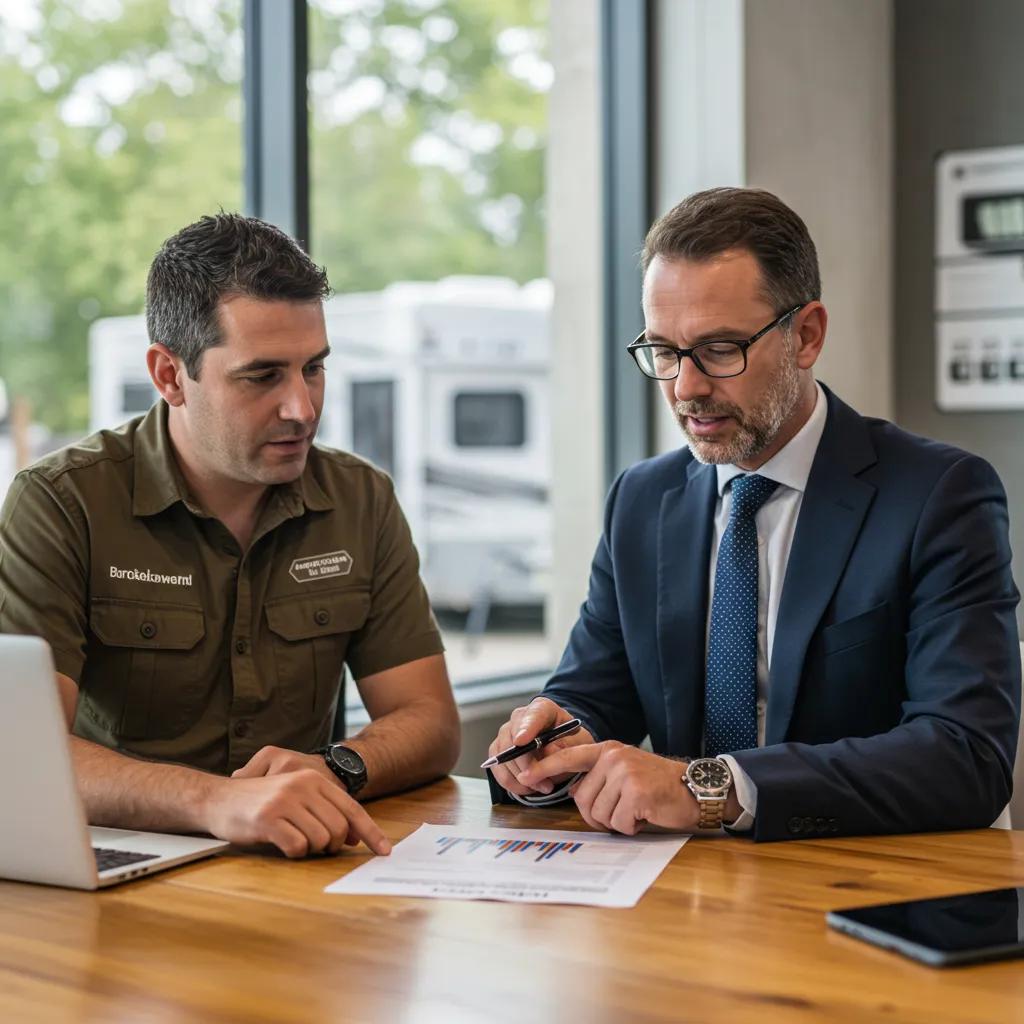
Brokerage fees for specialist RV park brokers commonly combine a success fee based on a percentage of sale price with possible upfront retainer or marketing cost reimbursement. Typical commission ranges can vary by market and deal complexity, and may be structured as a flat percentage of gross sale proceeds or as tiered percentages depending on price thresholds. Sellers should evaluate fee proposals in light of expected net proceeds after commissions and any marketing expenses; a higher fee can be justified by broader reach and a higher sale price. Understanding fee structures helps owners compare net outcomes between brokered sales and direct-buyer offers.
How Long Does It Usually Take to Sell a Campground Through a Broker?
Selling through a broker typically takes several months to over a year from listing to closing, with timelines driven by market demand, financing availability, and due diligence complexity. Initial marketing and buyer outreach often consume the first 30–90 days, while negotiation, lender underwriting, and inspections can add several months. Sellers who prepare comprehensive financial records and manage operational transparency can reduce delays, while properties needing environmental or title remediation extend timelines. Planning for realistic timelines allows owners to align sale strategy with operational seasonality and personal exit plans.
Preparing accurate documents and understanding financing paths reduces bottlenecks in brokered transactions, which we explore next in the context of broker advantages.
What Are the Advantages of Using Professional RV Resort Brokers?
Professional RV resort brokers provide market access, valuation expertise, and transaction management that together increase the likelihood of achieving optimal sale outcomes for campground owners. Brokers’ networks bring multiple qualified buyers to the table, creating competitive tension that can improve price and terms. In addition, brokers coordinate due diligence, help structure financing options, and manage confidentiality to protect operations and staff during a sale. These capabilities are particularly valuable when owners seek maximum market exposure or need assistance navigating complex legal and lender requirements.
Brokers deliver several seller-facing advantages through specialized services:
- Market Reach: Brokers access regional and national buyer networks that most owners cannot reach alone.
- Valuation Expertise: Brokers apply NOI and market comparables to set pricing that aligns with investor expectations.
- Transaction Management: Brokers coordinate inspections, title work, and closing logistics to reduce seller workload.
A tabular comparison clarifies how broker services differ from direct-buyer benefits and highlights seller-facing outcomes.
This table highlights trade-offs: brokers can expand buyer pools while direct buyers can offer speed and continuity. The next section explores how brokers help with valuation methods in more detail.
How Do Brokers Help With Campground Valuation Methods?
Brokers use several valuation approaches—NOI/cap rate, comparable sales, and discounted cash flow—to triangulate a defensible asking price tied to market expectations. The NOI/cap-rate method converts stabilized net operating income into a price using prevailing cap rates from comparable transactions. Comparable sales adjust for site count, amenities, and location differences to reflect recent market behavior, while DCF models are used when future growth or capital improvements materially alter cash flow. Brokers choose the method or blend of methods that best reflects buyer preferences in the current market.
What Financing and Buyer Qualification Support Do Brokers Provide?
Brokers vet buyers by reviewing proof of funds, creditworthiness, and financing contingencies to ensure offers are actionable and lenders can underwrite the asset. They often introduce buyers to lenders familiar with campground deals, including regional banks, SBA lenders, and private capital providers, and they structure offers to match likely financing paths. By prequalifying buyers and aligning offers with financing realities, brokers reduce the probability of late-stage deal failures. This buyer vetting complements due diligence management, which brokers typically coordinate with legal and inspection teams.
How Do Brokers Manage Legal Documentation and Due Diligence?
Brokers organize and manage the documentation checklist—profit and loss statements, occupancy data, leases, site maps, environmental reports, and title documents—while coordinating with attorneys, surveyors, and inspectors. They facilitate confidentiality through NDAs and controlled distributions of sensitive materials and orchestrate timelines for third-party reports so buyer deadlines are met. Brokers act as project managers across the closing process, ensuring required documentation is complete and that contractual contingencies are handled efficiently. This management reduces seller burden and helps maintain operational stability through the transition.
How Does Selling Directly to a Company Like GatherGrounds Resorts Compare to Using Brokers?
Selling directly to a strategic buyer like GatherGrounds Resorts means negotiating with an acquiring company whose priorities may include operational continuity, legacy preservation, and streamlined acquisition speed. Direct sales typically remove broker commission layers, can close faster when both parties align, and can prioritize transition plans that protect staff and guest experience. However, direct offers may be narrower in buyer competition and could result in different price discovery compared with an open-market brokered sale. Owners should weigh the trade-off between competitive market exposure and the advantages of a direct, mission-aligned buyer.
Direct sale to a family-owned strategic acquirer offers several potential seller benefits:
- No Broker Commission: Sellers may retain a larger portion of proceeds when transacting directly.
- Faster Transaction: Direct negotiations and fewer intermediaries can shorten timelines.
- Legacy Preservation: Family-owned buyers may prioritize maintaining the park’s character and community relationships.
What Are the Benefits of Selling Your Campground Directly to GatherGrounds Resorts?
GatherGrounds Resorts offers a direct-acquisition pathway framed by family-owned values, a focus on legacy preservation, and a thoughtful transition approach that aims to protect staff and guest experience. Their direct-acquisition model emphasizes operational continuity and the cultural fit of the property, often appealing to owners who value stewardship over maximum market exposure. Sellers who prioritize a respectful transfer and an expedited timeline may find a strategic direct sale aligns with personal and community objectives. For owners considering alternatives to brokered listings, the direct acquisition of campgrounds and RV parks can be a compelling option.
How Does GatherGrounds Ensure a Thoughtful Transition and Legacy Preservation?
GatherGrounds Resorts approaches transitions with operational reviews, staff retention plans, and community communication strategies designed to preserve park identity and guest experience. Their process typically emphasizes learning existing operational practices, retaining experienced team members where practical, and implementing incremental improvements that respect the property’s legacy. This approach reduces disruption for guests and community stakeholders and helps maintain revenue stability during the transition. For owners sensitive to how their park will be managed post-sale, these measures provide reassurance compared to anonymous investor buyers.
What Is the Transparent Acquisition Process With GatherGrounds Resorts?
A typical direct-acquisition process with a strategic buyer follows clear stages: initial inquiry and information exchange, property assessment and valuation, a formal offer, due diligence coordination, and closing with transition planning. Sellers should prepare operating statements, site inventories, leases, and title records to accelerate valuation and offer stages, and expect face-to-face or virtual discussions about operational continuity. Because direct buyers evaluate strategic fit, negotiations often focus on transition terms and stewardship assurances in addition to price. For owners weighing options, understanding these steps helps compare the speed and certainty of a direct sale against the broader price discovery a brokered listing can produce.
How Is Campground Valuation Determined by Brokers and Direct Buyers?
Campground valuation centers on Net Operating Income (NOI) converted to price via prevailing cap rates, adjusted for site counts, amenity mix, location, and growth potential; brokers and direct buyers apply these elements differently. Brokers typically emphasize market comparables, investor cap-rate expectations, and DCF when projecting future cash flows to set a competitive asking price. Direct buyers such as family-owned acquirers may weight strategic fit, potential operational synergies, and legacy considerations alongside financial metrics. Understanding these distinctions helps sellers interpret offers and decide whether to pursue market exposure or a direct strategic match.
To make this comparison concrete, the table below shows how valuation attributes are commonly weighted.
What Key Factors Influence RV Park Valuation?
Key valuation drivers include NOI, occupancy and site count, amenity mix, location demand, and growth potential from capital improvements or alternative accommodations. NOI reflects the property’s core cash flow after operating expenses, and small changes in NOI map to substantial price differences via cap-rate application. Site count and average occupancy determine revenue capacity, while premium amenities—such as cabins, lake access, or glamping platforms—support higher revenue per site. Buyers also assess growth potential: investments that increase occupancy or diversify revenue streams can justify higher valuations.
How Do Market Trends Affect Campground Sales Prices in 2025?

Market dynamics in 2025—demand growth for outdoor stays, shifting cap-rate expectations, and the rise of alternative accommodations like glamping—directly influence sale prices and negotiation leverage. Strong demand and limited new site supply tighten competition for quality parks, compress cap rates, and can push prices higher relative to NOI. Conversely, rising interest rates or macroeconomic shifts can widen cap rates and temper prices. Sellers need to monitor local occupancy trends and investor appetite to time sales for maximum leverage.
What Tools and Metrics Do Brokers Use to Assess Campground Worth?
Brokers apply cap-rate calculators, discounted cash flow models, comps databases, and occupancy analytics drawn from historical financials, market reports, and industry benchmarks to quantify value. They source P&L statements, site maps, occupancy histories, and amenity inventories to feed models that estimate stabilized NOI and potential upside. Brokers also analyze cap-rate ranges for similar assets and run sensitivity analyses to show how NOI changes affect price. Sellers who prepare clean financials and occupancy records improve valuation accuracy and speed up the review process.
What Are the Current RV Park Market Trends Affecting Sellers in 2025?
In 2025, sellers face a market shaped by sustained traveler demand for outdoor stays, selective investor appetite reflected in cap-rate movements, and growing interest in experiential accommodations like glamping. Demand growth in many regions has tightened supply, increasing pricing power for well-located parks with strong amenity mixes. At the same time, investors are discerning about financing terms and operational capability, which influences cap-rate ranges. Sellers who can demonstrate both current NOI stability and credible growth plans often capture better results.
How Is the Growing Demand for RV Parks Impacting Sales Opportunities?
Growing demand increases buyer competition for stabilized, well-operated parks, which often translates into quicker offers and compressed cap rates for desirable properties. Sellers with documented occupancy history and stable NOI can command stronger pricing, especially when the property includes differentiated amenities or potential for revenue diversification. However, demand is uneven by region and seasonality; owners should align listing timing with peak buyer attention and provide compelling growth plans. Coordinating marketing and valuation to emphasize demand-driven upside increases investor interest.
What Investment Returns and Cap Rates Are Sellers Seeing in 2025?
Investment returns in 2025 vary by asset quality and location, with cap rates generally compressing for well-located, amenity-rich RV parks and widening for lower-tier properties. Cap rates map to price via the formula Price = NOI / Cap Rate, so a single percentage-point cap-rate move materially changes sale price. Sellers should prepare NOI reconciliations and sensitivity tables to show how offers convert to implied cap rates, helping to compare buyer proposals. Clear presentation of historical performance and validated expense lines reduces valuation disputes and supports stronger offers.
How Are Emerging Trends Like Glamping Influencing Campground Value?
Glamping and alternative accommodations increase per-night revenue and broaden customer segments, raising revenue per available site and often justifying lower cap rates for investors. Adding cabins, yurts, or upscale glamping units can diversify income streams beyond RV nightly stays and add premium seasonal rates. The incremental revenue and guest experience uplift make properties more attractive to investors focused on enhanced EBITDA and resilient occupancy. For sellers, demonstrating documented revenue uplift from alternative accommodations can materially increase valuation and buyer competition.
What Are Common Questions Campground Owners Have About Using RV Resort Brokers?
Campground owners commonly ask whether specialized RV park brokers exist, what tax implications may arise from sales, and how confidentiality is maintained during marketing and due diligence. These questions reflect owners’ needs to protect operations, staff, and community reputation while optimizing financial outcomes. Clear answers help owners evaluate broker proposals and compare brokered listings to direct sale options. The following answers address these core concerns and offer guidance on next steps.
Is There Such a Thing as a Realtor Specializing in RV Parks?
Yes—there are brokers who specialize in outdoor hospitality and RV park transactions, and their specialization is signaled by relevant transaction history, investor network, and knowledge of campground operational metrics. Specialized brokers bring familiarity with NOI drivers for parks, common due diligence pitfalls, and lender preferences, which can be decisive in complex deals. Owners should look for brokers who can cite experience with comparable site counts, amenity mixes, and regional buyer pools. Hiring a specialist makes sense when the asset’s operational nuances materially affect valuation or when confidentiality and targeted buyer outreach are priorities.
What Are the Tax Implications of Selling a Campground Through a Broker?
Tax implications for campground sales often involve capital gains considerations and the potential use of like-kind exchanges or structured exits, but specific outcomes depend on individual circumstances and tax guidance. Sellers frequently consult tax advisors to evaluate options such as 1031 exchange pathways, installment sales, or corporate-level structuring that affect net proceeds and timing. A broker can provide transaction guidance and coordinate with tax counsel but cannot substitute for personalized tax advice. Early tax planning and scenario modeling help sellers choose between immediate liquidity and tax-efficient deferral strategies.
How Confidential Is the Sales Process With Professional Brokers?
Brokers use NDAs, controlled marketing materials, and off-market outreach to protect confidentiality and limit staff or customer disruption during a sale process. Confidential listings are distributed to vetted buyer lists and investment partners, and brokers often require proof of funds and signed NDAs before releasing full financials. This controlled approach helps maintain operational normalcy and reduces guest or staff anxiety. Sellers considering a direct sale to a company like GatherGrounds should ask how confidentiality, timeline, and fee differences compare between brokered and direct routes to choose the best fit.
How Can Campground Owners Choose the Right RV Resort Broker for Their Sale?
Choosing the right broker requires evaluating credentials, transaction track record, market reach, and process clarity to ensure the broker’s approach aligns with the owner’s goals for price, timing, and confidentiality. A good selection framework includes verifying comparable transactions, requesting references, reviewing proposed marketing strategies, and confirming fee transparency. Owners should also assess whether the broker’s buyer network matches the asset profile—regional investors for some parks, national groups for others. Applying a structured checklist reduces risk and helps owners select a broker who can deliver on expectations.
Use this checklist to compare prospective brokers before engagement:
- Track Record: Verify comparable campground transactions and obtain references.
- Marketing Plan: Confirm the proposed buyer outreach, confidentiality measures, and timeline.
- Fee Transparency: Understand commission structure, retainer terms, and reimbursable expenses.
- Buyer Network: Ensure access to regional and national investors relevant to your asset.
What Credentials and Experience Should You Look for in a Broker?
Look for brokers with documented transactions in outdoor hospitality, demonstrable NOI-based valuation experience, and references from sellers who completed similar deals. Credentials may include specialized industry associations or demonstrable deal sheets showing site counts and amenity types comparable to your property. Red flags include vague buyer lists, lack of verifiable references, or unclear fee proposals. A broker’s ability to present a clear marketing plan and buyer qualification process signals professionalism and reduces execution risk.
How Do Broker Networks and Market Reach Affect Sale Success?
Broker networks expand buyer pools and increase the likelihood of competitive offers; national networks attract institutional and cross-border capital while regional networks connect local operators and family offices. The breadth and relevance of a broker’s active buyer list determine the quality of proposals and how quickly a suitable offer emerges. Sellers should request examples of buyer matches and evidence of outreach success to gauge reach. Matching a broker’s network to the property type—campground, RV resort, glamping site—improves alignment and sale outcomes.
What Questions Should You Ask Potential RV Park Brokers?
Owners should ask potential brokers about recent comparable sales, marketing plans, confidentiality procedures, expected timeline, and fee breakdown to evaluate alignment and performance risk. Additional questions include how the broker will verify buyer qualifications, how offers will be presented and compared, and what contingencies are typical in completed deals. Requesting a sample marketing package and a proposed timeline with milestones clarifies expectations. These questions produce a practical dialogue that reveals the broker’s competence and fit for your sale objectives.
Frequently Asked Questions
What should I consider when choosing between a broker and a direct sale?
When deciding between using a broker or pursuing a direct sale, consider factors such as your desired sale price, timeline, and the complexity of the transaction. Brokers typically provide broader market exposure and negotiation expertise, which can lead to higher offers. However, a direct sale may offer quicker closure and lower costs since you avoid broker commissions. Evaluate your priorities, such as legacy preservation or operational continuity, to determine which option aligns best with your goals.
How can I prepare my campground for sale to maximize its value?
To maximize your campground’s value, start by organizing comprehensive financial records, including profit and loss statements, occupancy rates, and maintenance histories. Enhance curb appeal by investing in property improvements and ensuring all amenities are in good condition. Additionally, consider conducting a pre-sale inspection to identify and address potential issues. A well-prepared property not only attracts more buyers but also supports a higher valuation during the sales process.
What are the risks of selling my campground without a broker?
Selling your campground without a broker can expose you to several risks, including limited market exposure, which may result in fewer offers and potentially lower sale prices. You may also face challenges in negotiating terms, managing due diligence, and navigating legal documentation. Additionally, without a broker’s expertise, you might overlook critical valuation metrics or buyer qualifications, leading to delays or failed transactions. Weigh these risks against the potential savings from avoiding broker fees.
How do I ensure confidentiality during the sale process?
To maintain confidentiality during the sale of your campground, work with a broker who employs non-disclosure agreements (NDAs) and controlled marketing strategies. Ensure that sensitive information is only shared with pre-qualified buyers who have demonstrated financial capability. Additionally, consider limiting the distribution of marketing materials to vetted networks. This approach helps protect your business operations and staff from unnecessary disruption while still attracting serious buyers.
What are the common pitfalls to avoid when selling a campground?
Common pitfalls when selling a campground include inadequate preparation of financial documents, overpricing the property, and failing to understand market conditions. Additionally, neglecting to vet potential buyers can lead to wasted time and effort on unqualified offers. It’s also crucial to avoid rushing the sale process; taking the time to properly market the property and negotiate terms can significantly impact the final sale price and overall experience.
How can I assess the credibility of a potential broker?
To assess a broker’s credibility, review their track record of successful campground sales and request references from previous clients. Look for brokers who specialize in outdoor hospitality and have a deep understanding of campground valuation metrics. Additionally, evaluate their proposed marketing strategies and fee structures for transparency. A credible broker should be willing to provide detailed information about their buyer network and demonstrate a clear plan for your property.
What are the benefits of using a specialized RV resort broker?
Using a specialized RV resort broker offers several benefits, including access to a broader network of qualified buyers and expertise in campground valuation. These brokers understand the unique aspects of outdoor hospitality, which can lead to more accurate pricing and effective marketing strategies. They also manage the complexities of the sales process, from due diligence to negotiations, ensuring a smoother transaction. Ultimately, their specialized knowledge can help maximize your sale price and minimize stress during the process.
Conclusion
Engaging a professional RV resort broker can significantly enhance your campground sale experience by providing expert valuation, broad market access, and streamlined transaction management. Their specialized knowledge not only maximizes your sale price but also ensures a smooth process that respects your operational confidentiality. If you’re ready to explore your options and find the right broker for your needs, consider reaching out to industry experts today. Take the first step towards a successful sale by connecting with a trusted RV resort broker now.